
Worried about unexpected vet bills?
Pet insurance can cover thousands in unexpected vet costs. Get a free quote from Lemonade in under 2 minutes.
Get My Free Quote →Sponsored · Opens Lemonade.com
There is something almost indescribable about standing in a place where thousands of years of human stories converge right beneath your feet. Whether it’s the goosebumps you get when you first lay eyes on an ancient ruin, or that peculiar silence that seems to surround monuments older than most nations, history has a way of grabbing people who least expect it. Honestly, you don’t even have to be a history nerd to feel it.
These aren’t just tourist checkboxes. These are places that fundamentally shift how you see the world, how you see people, and maybe even how you see yourself. So let’s dive in, because this list is going to take you from the deserts of Egypt all the way to the jungles of Cambodia.
1. The Pyramids of Giza, Egypt – Where Human Ambition Defies Explanation
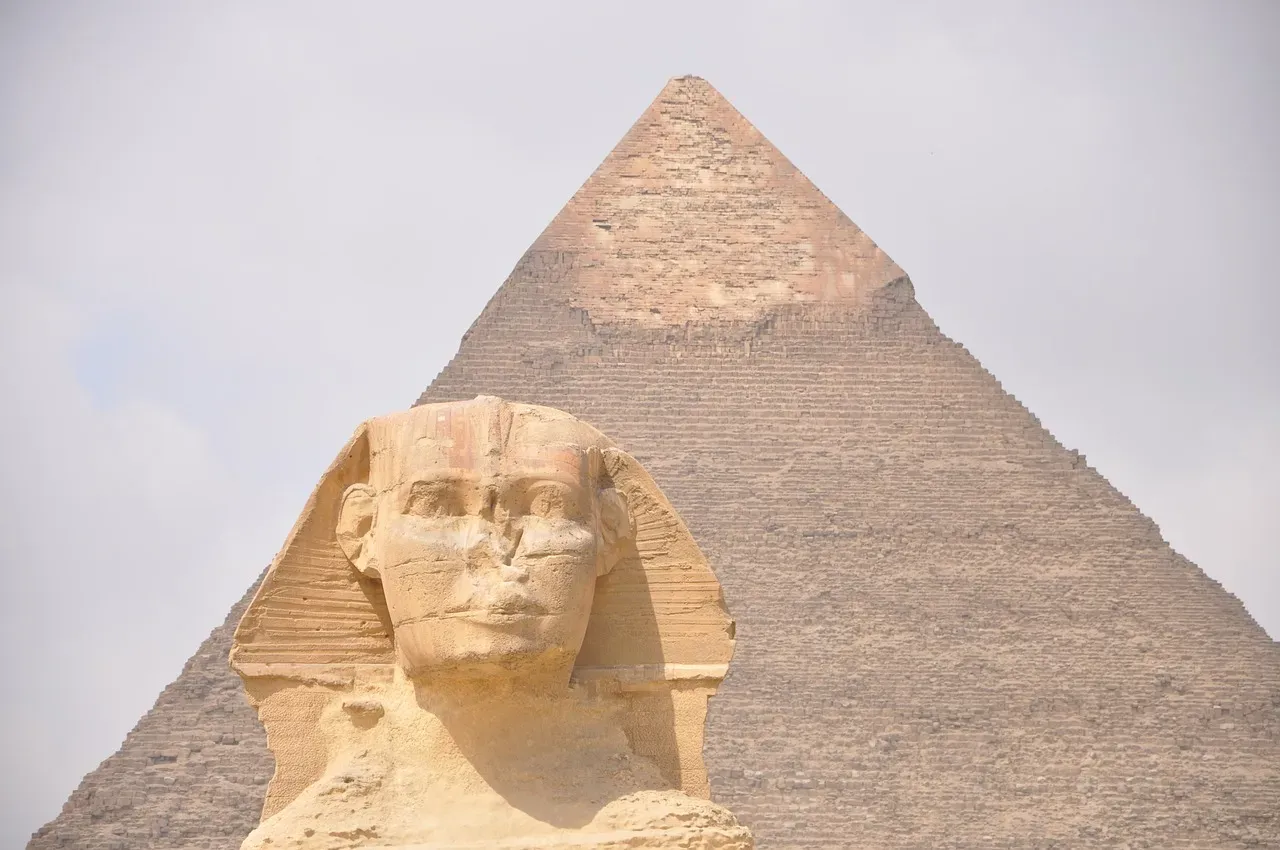
Let’s be real. Nothing quite prepares you for the scale of these structures. The Pyramids of Giza, which include the Great Pyramid of Khufu, the Pyramid of Khafre, and the Pyramid of Menkaure, stand as a testament to the advanced engineering skills of ancient Egypt – monumental structures built around 4,500 years ago that served as tombs for pharaohs, and remain the only Seven Wonders of the Ancient World still standing.
The Pyramids at Giza arose during a construction frenzy from 2550 to 2490 B.C.E., and Egyptian pharaohs believed they would become gods in the afterlife, so they filled these elaborate tombs with everything they would need in the next world, including jewelry, furniture, and sculptures of servants. Think about that for a second. They built cities for the dead.
The three pyramids align with the stars and the solstices, and contain tons of chambers that still haven’t been and cannot be opened. It’s the kind of mystery that modern science still hasn’t fully solved, and I think that’s what makes this place so haunting and so magnetic.
2. Machu Picchu, Peru – A City in the Clouds That Shouldn’t Exist
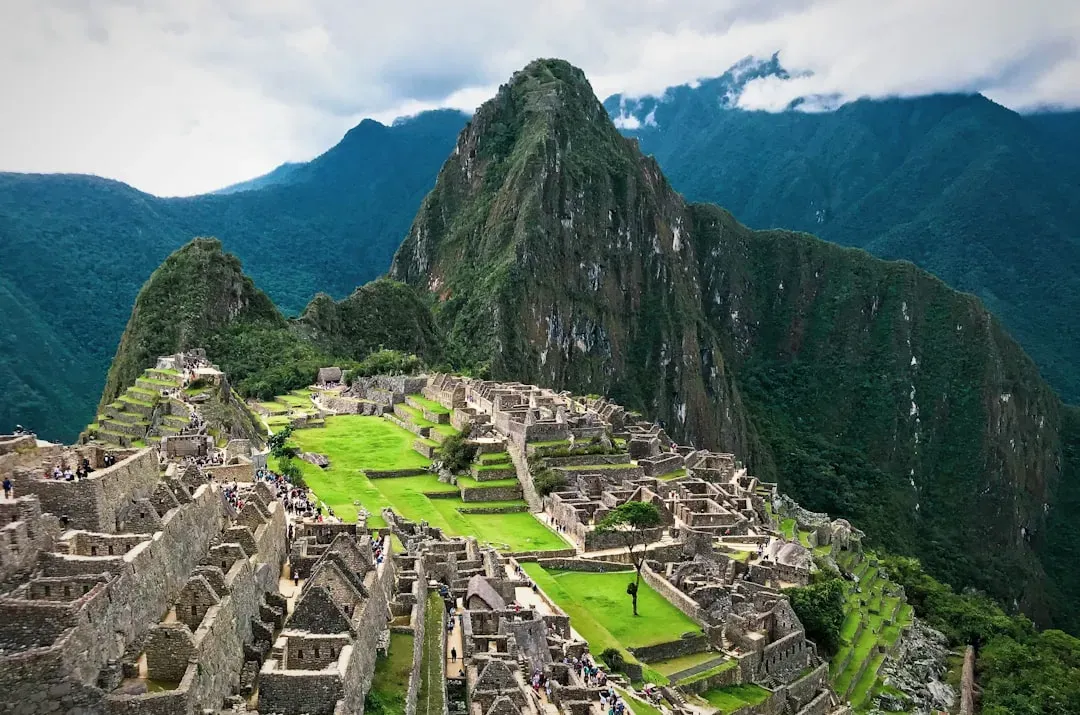
Located in southern Peru, this ruined city lies on top of a mountain that’s only accessible by train or hiking the Inca Trail. Rediscovered by Hiram Bingham in 1911, it was an important cultural center for the Inca civilization but was abandoned when the Spanish invaded the region. The sheer isolation of this place is shocking.
Perched high on a ridge in the Andes mountains, it was built by the Inca emperor Pachacuti in the 15th century. Constructed in this improbable soaring site by using a series of stabilizing terraces, Machu Picchu is a mark of human ingenuity and determination. A balanced blend of nature and architecture, it transformed a rugged landscape into a citadel that defies both time and logic.
Machu Picchu is renowned for its stunning natural beauty, surrounded by towering peaks, lush cloud forests, and the winding Urubamba River below. The site offers panoramic views of the Andean landscape, making it a breathtaking destination for travelers and photographers alike. It’s like someone built a masterpiece and then hid it at the top of the world.
3. The Colosseum, Rome, Italy – The Original Stadium
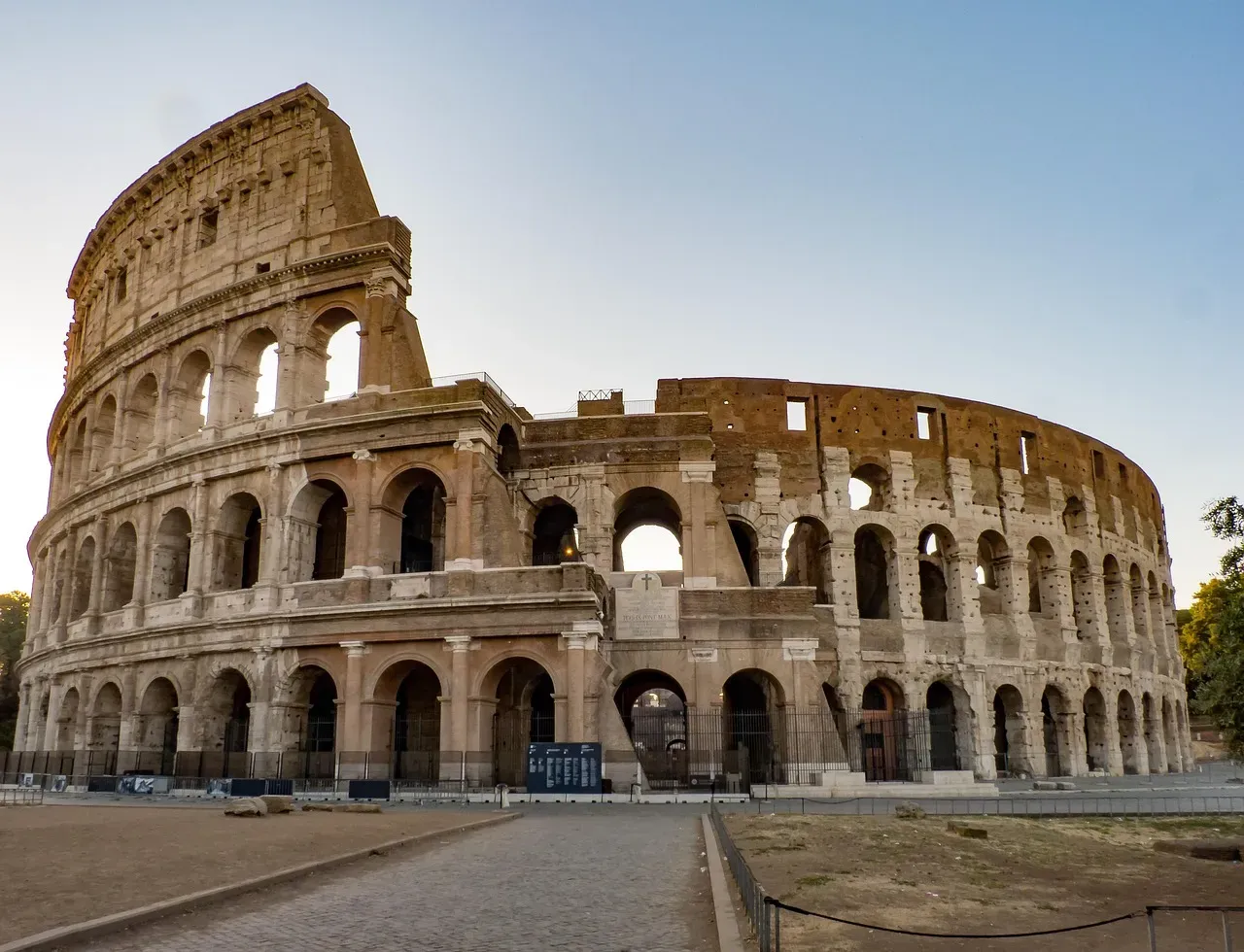
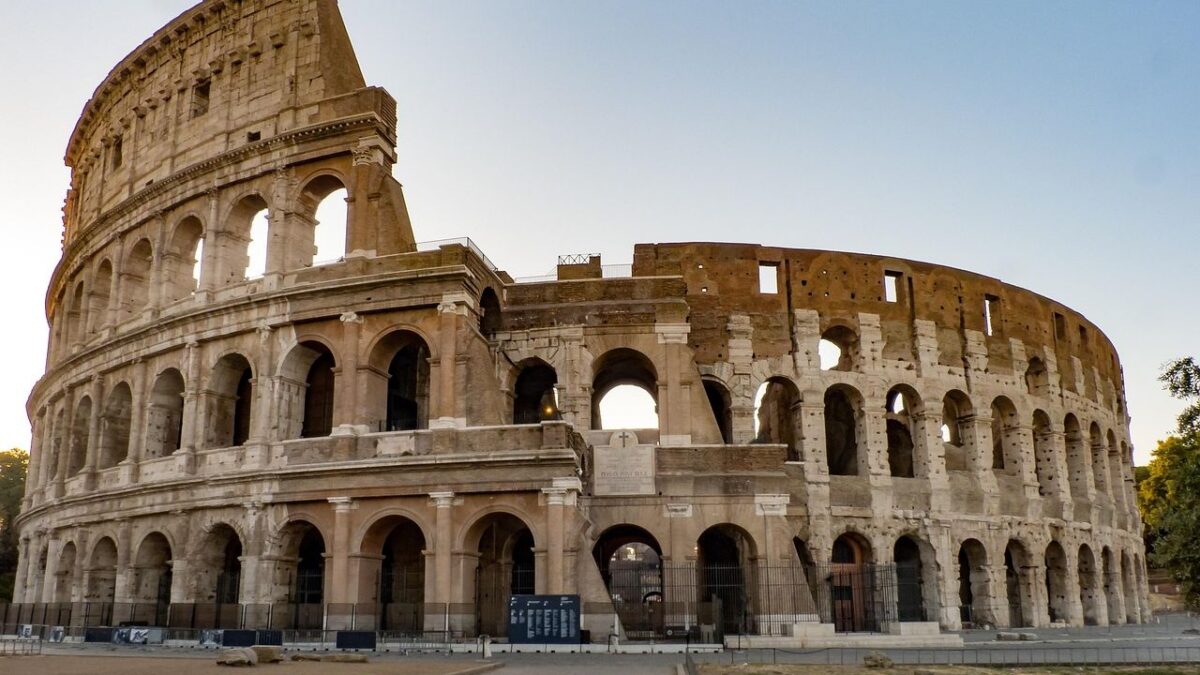
Every time I think about the Colosseum, I think about how little has really changed about human nature. We still fill massive arenas to watch spectacles. Constructed from AD 72 to AD 80 under the direction of Emperor Vespasian, the Colosseum was used to host public events. Initially, it hosted gladiator battles, animal hunts, and reenactments of famous battles. It could even house up to 80,000 spectators.
The Colosseum is a triumph of ancient engineering. Its elliptical shape and towering arches showcase the ingenuity of Roman architecture. Constructed using travertine limestone and concrete, it remains an unparalleled masterpiece of craftsmanship.
Guided tours now allow visitors to explore the arena’s underground chambers and climb the upper levels for panoramic views of Rome. Getting down into those underground corridors, where animals and gladiators once waited, is the kind of experience that photography simply cannot replicate.
4. Angkor Wat, Cambodia – The World’s Largest Religious Monument
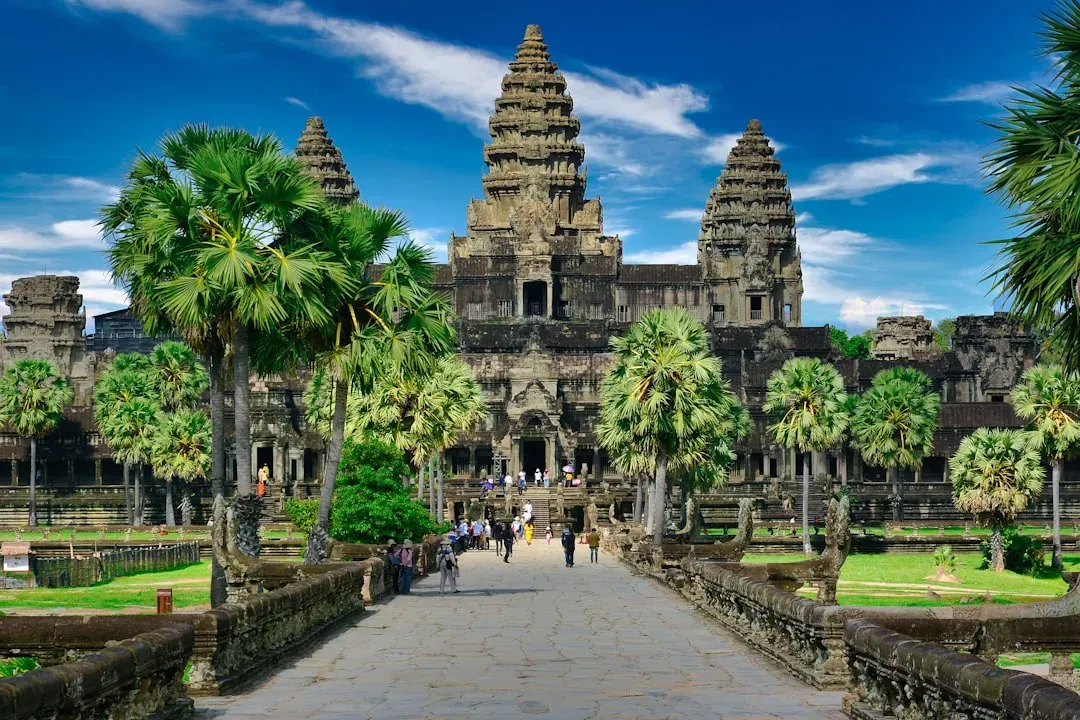
Angkor Wat is one of the world’s largest religious monuments, with five iconic towers that represent the five peaks of Mount Meru, a sacred mountain in Hindu mythology. With its wide moat and drip sand castle-like towers, Angkor Wat is one of the most scenic World Heritage sites and recognizable religious structures. King Suryavarman II, ruler of Southeast Asia’s former Khmer Empire, directed the construction during the 12th century.
The Hindu temple complex, a network of stone temples decorated with intricate carvings of devatas, is even more impressive when you consider it’s just one of the attractions at the UNESCO-designated Angkor Archaeological Park. Spread across approximately 400 acres in northwestern Cambodia, the complex has many other architecturally significant jungle-intertwined ruins and temples.
Visiting at sunrise, when the pink light hits those spires and reflects across the moat, is the kind of moment people describe for the rest of their lives. Honestly, it’s worth the 4am wake-up call.
5. Petra, Jordan – The Rose-Red City Carved from Stone
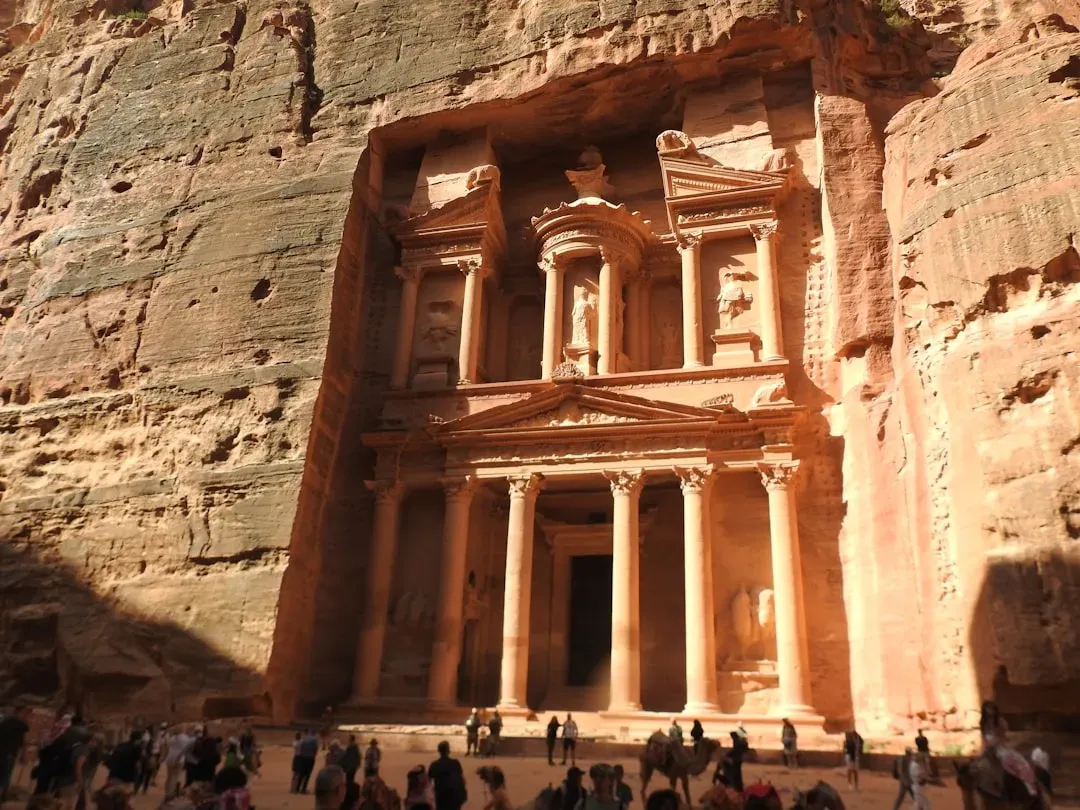
The most iconic feature of Petra is the Treasury, or Al-Khazneh, a facade carved into the cliff face. Archaeologists believe it must have been a royal tomb. As sunlight filters through the narrow canyon known as the Siq, the Treasury emerges like a mirage, its details illuminated in hues of pink and gold. No photo in the world does it justice.
Petra is much more than just the Treasury. The ancient city sprawls over a wide area, boasting tombs, temples, theaters, and a sophisticated water management system. The fact that an ancient civilization managed to engineer water control systems in the middle of a desert still blows my mind.
The site was “discovered” in 1812 by a Swiss explorer who followed some local tribesmen there; prior to that, it had been forgotten to the Western world. It appears this region had settlers as early as the 6th century BC. Some places feel lost. Petra feels like it was waiting.
6. Stonehenge, England – The Mystery That Won’t Let Go
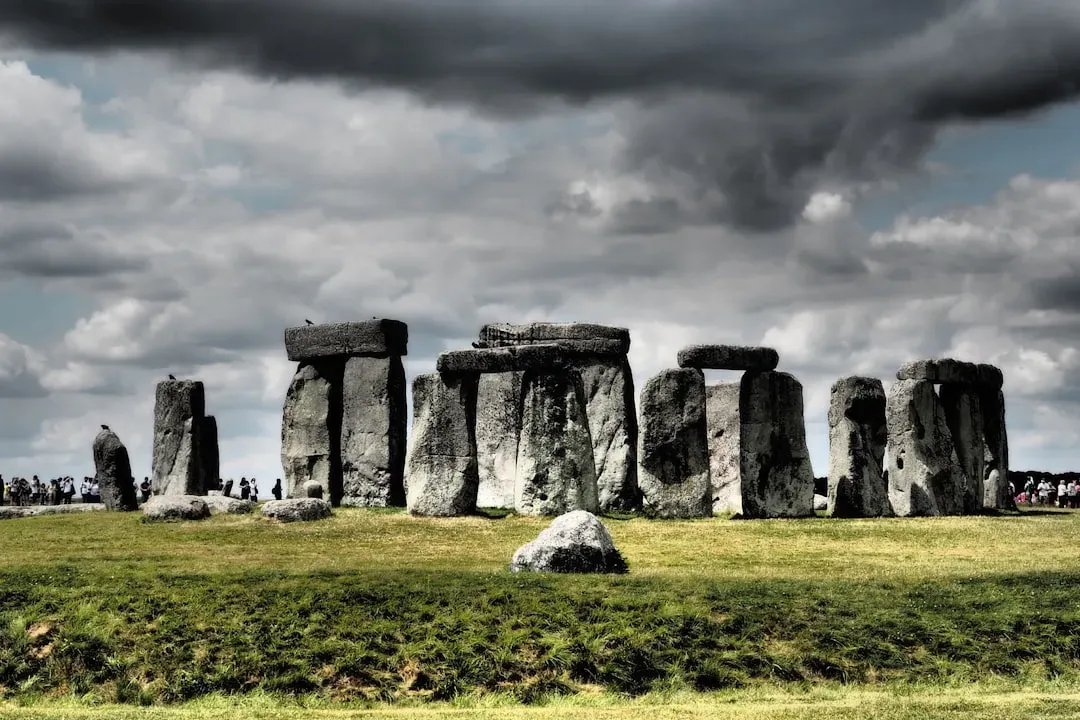
Here’s the thing about Stonehenge. It looks smaller than you’d expect from photos, and then you actually get close to the stones and realize each one weighs as much as a loaded cargo truck. This prehistoric monument is believed to have been built around 2500 BC and is made up of massive standing stones that weigh up to 25 tons each.
While experts agree that Stonehenge, a circle of stone megaliths in the English countryside, dates to 2500 B.C.E., the reason for its creation remains mysterious. Some archaeologists think ancient Britons built it for religious ceremonies, while others believe the structures were used to study the movements of the sun and the moon.
One of Stonehenge’s most interesting features is its alignment with the solstices. During the summer and winter solstices, the rising and setting sun aligns with the stones, suggesting an understanding of celestial movements by its ancient builders. It’s hard to say for sure what it was truly built for, but that uncertainty is precisely what makes it unforgettable.
7. The Acropolis, Athens, Greece – A Hilltop That Changed Civilization
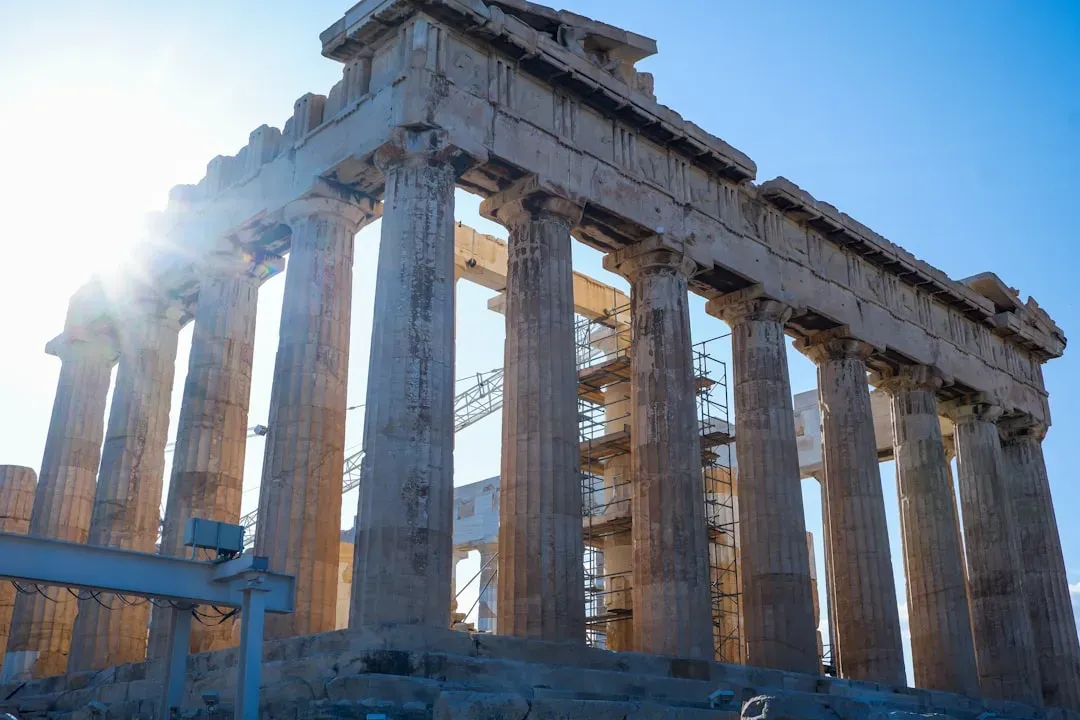
Perched on a rocky outcrop overlooking the sprawling metropolis of Athens, the Acropolis comprises numerous architecturally and historically significant building remains. On-site artefacts indicate a human presence as early as the sixth century BC, making it a worthy contender for one of the best historic places to visit in the world.
In 447 B.C.E., the Athenians constructed the Parthenon, dedicated to the goddess Athena, to celebrate their victory over Persian invaders. It has since served as a city treasury, a Christian church dedicated to the Virgin Mary and, after the Ottoman conquest, a mosque. One building. Multiple empires. That is a remarkable record.
The Parthenon, a temple dedicated to the goddess Athena, is perhaps the most famous edifice, and the ancient citadel has withstood multiple destruction attempts, including invasion, bombardments and earthquakes. Standing up there with the whole modern city spread out below you, it’s impossible not to feel the weight of what human civilization has managed to build, survive, and rebuild.
8. The Taj Mahal, India – A Monument to Love Written in Marble
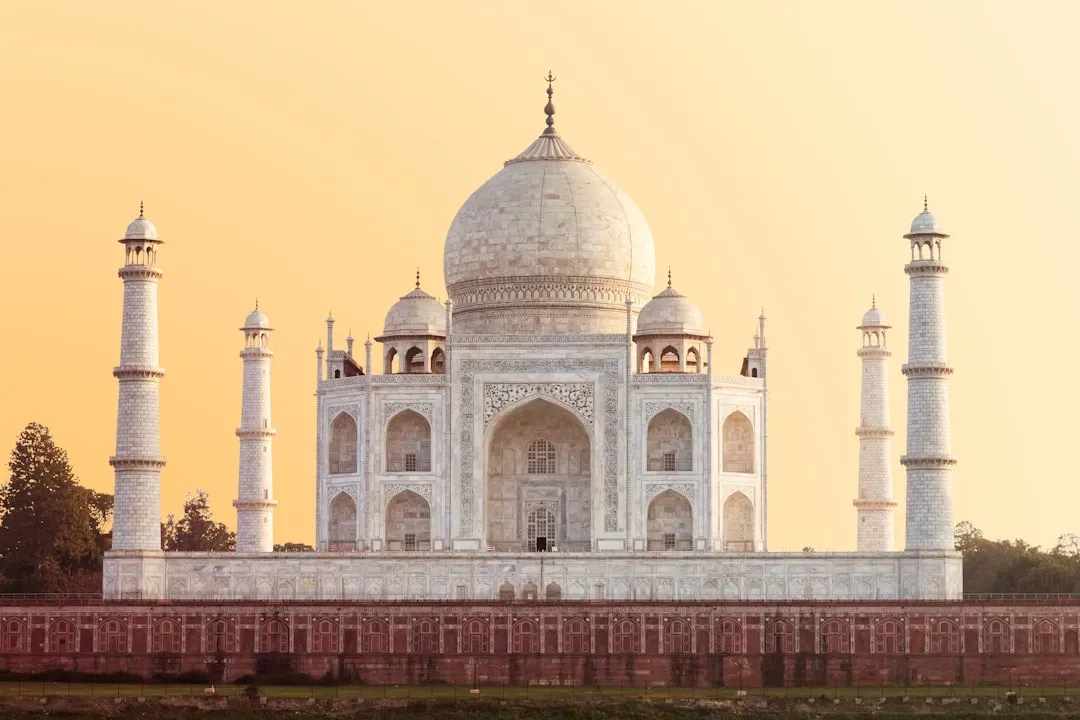
I know it sounds like the most over-photographed place in Asia. And it is. Still, nothing quite prepares you for the real thing. Built in the 1600s, this building in Agra, India, is a testament to undying love. This white marble tomb built for Emperor Shah Jahan’s deceased wife is a must-see for everyone.
Built in the 17th century by Mughal Emperor Shah Jahan, the Taj Mahal is considered the ultimate love letter. He had it commissioned to honor his wife. It took more than 20 years to build the Taj Mahal and he lived in sadness until his death. Twenty years of construction for a memorial to a person he loved. That kind of devotion is almost incomprehensible.
In 1983, it was named a UNESCO World Heritage Site, and also has been named one of the New Seven Wonders of the World. The Taj sees between two and four million tourists annually, so there have been recent restrictions on tourism in an effort to help protect the site. Go early in the morning if you want any chance of a quiet, genuine moment with it.
9. Chichen Itza, Mexico – Where Astronomy Meets Architecture
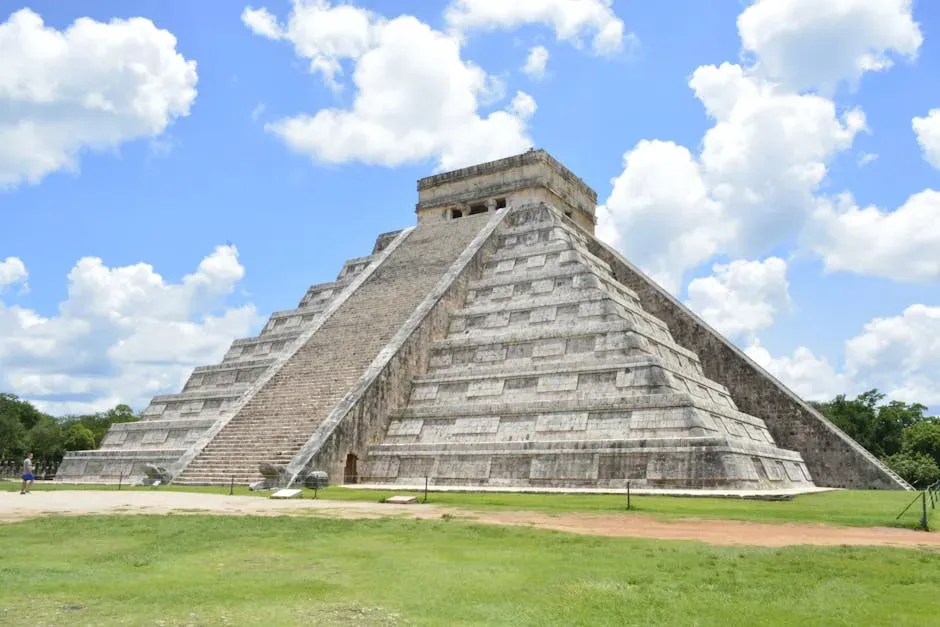
Chichen Itza, one of the Seven New Wonders of the World, is a fascinating archaeological site located in the Yucatan Peninsula of Mexico. Once a major center of the ancient Mayan civilization, it holds incredible insights into their culture, architecture, and astronomical knowledge.
At the heart of Chichen Itza stands the impressive El Castillo, also known as the Temple of Kukulkan. What makes it truly extraordinary is its alignment with celestial events. During the equinoxes, the setting sun casts a remarkable shadow on the side of the pyramid, creating the illusion of a descending serpent. This phenomenon represents the Mayan deity Kukulkan, and is a spectacle that draws crowds from around the globe.
Think about that image for a moment. Ancient architects intentionally engineered a shadow show that plays out twice a year, like clockwork, for thousands of years. That isn’t just construction. That’s storytelling in stone.
10. The Alhambra, Granada, Spain – A Palace That Whispers of Lost Kingdoms
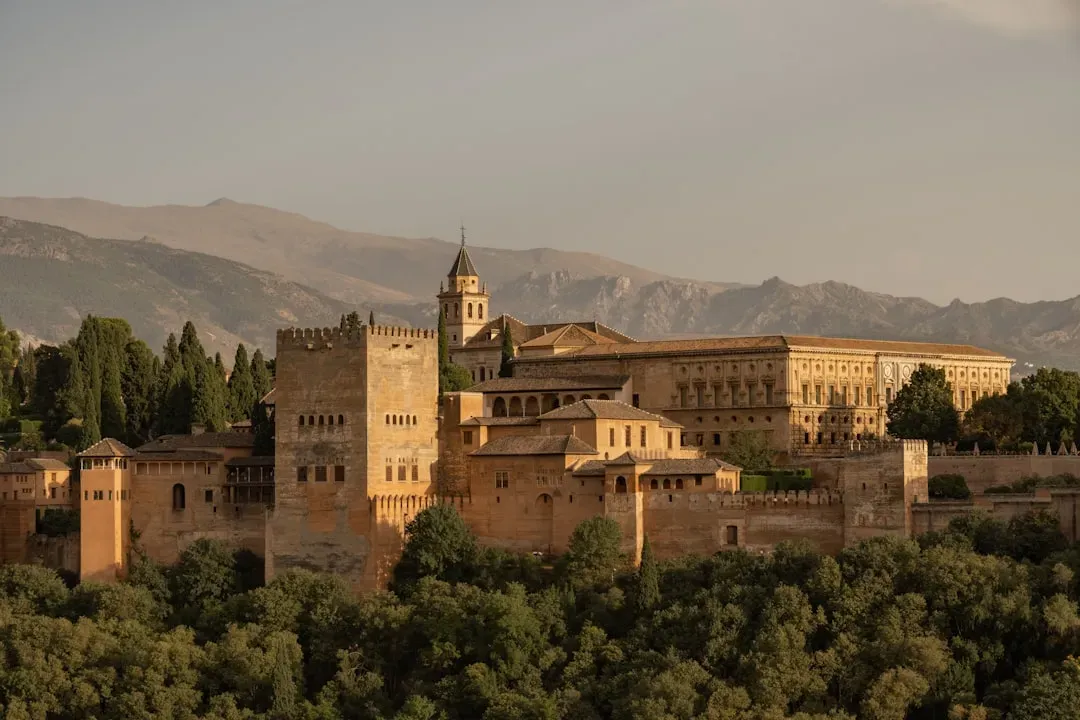
Perched at a high vantage point, the Alhambra is a majestic structure showcasing a mixture of Renaissance-style architecture merged with traditional Islamic influence. The structure was built between 1238 and 1358 during the reign of the Nasrid dynasty. It’s the kind of building that makes you slow down and look at every single detail.
Built during the Nasrid Dynasty, it showcases intricate Islamic architecture and design, with the Sierra Nevada mountains providing a stunning backdrop to the palace. Visitors here can explore the Nasrid Palaces, Generalife gardens, and the Alcazaba fortress, admiring the delicate stucco work, vibrant tiles, and captivating courtyards seen throughout the site.
Walking through the Alhambra feels like stepping into a geometry lesson designed by a poet. The interlocking patterns on the walls, the way water channels run through the gardens, the views across the rooftops of Granada – it’s layered, surprising, and deeply moving. Less famous than the Colosseum or Machu Picchu, perhaps. More rewarding than either, some would argue.
The World Is a Living History Book – And These Are Its Greatest Chapters
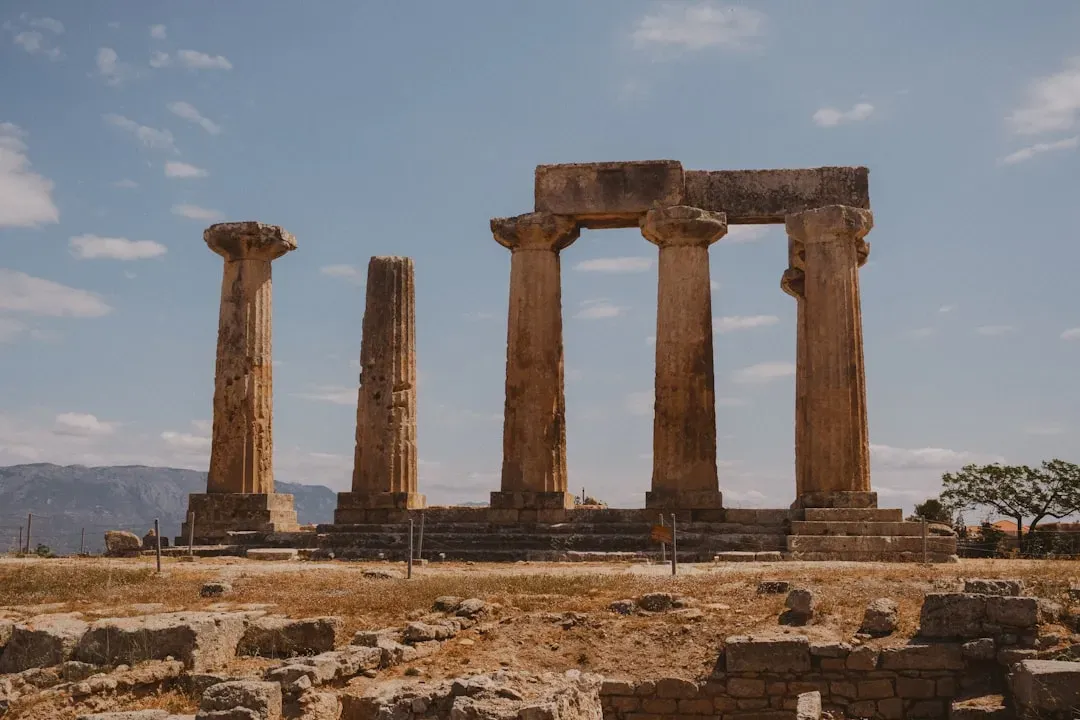
What’s remarkable about every site on this list is not just their age or scale, but what they reveal about human nature. We build. We worship. We love. We conquer. We lose. Places with history are not only a window into the lives of our ancestors, but they also give us a chance to appreciate the incredible feats of human ingenuity and perseverance that have shaped the course of history.
The world has more than a thousand recognized historical sites, and narrowing any list to just ten is almost an injustice. Still, these ten represent something universal. They transcend their geography, their religion, their era. They belong to everyone who walks through them.
Travel, at its best, isn’t about collecting passport stamps. It’s about standing somewhere ancient and feeling the thread that connects you to every human who stood there before. Which of these ten is already calling your name? Let us know in the comments.
Worried about unexpected vet bills?
Pet insurance can cover thousands in unexpected vet costs. Get a free quote from Lemonade in under 2 minutes.
Get My Free Quote →Sponsored · Opens Lemonade.com

- Did You Know Tigers Mimic The Calls of Their Prey - June 7, 2026
- Eagles in Alaska Are Changing Their Migration Routes - June 7, 2026
- 7 Ways to Create a Wildlife-Friendly Backyard Habitat - June 7, 2026