
Most of us scroll past nature documentaries, marveling at creatures we’ll probably never see in person. Yet here’s the surprising truth: you don’t need to travel to a remote forest or national park to witness genuine wildlife magic. Your own backyard could become a thriving, buzzing, chirping sanctuary – if you know what to do with it.
The reality is that every day, more and more wildlife habitat is lost to the spread of development, and the way we maintain our homes is part of that problem. That’s actually a stunning thought, isn’t it? The perfectly manicured lawn and the sterile flower bed could be working against nature rather than with it. The good news is, even the smallest outdoor space has the potential to change all of that. Let’s dive in.
1. Plant Native Species and Watch Everything Change
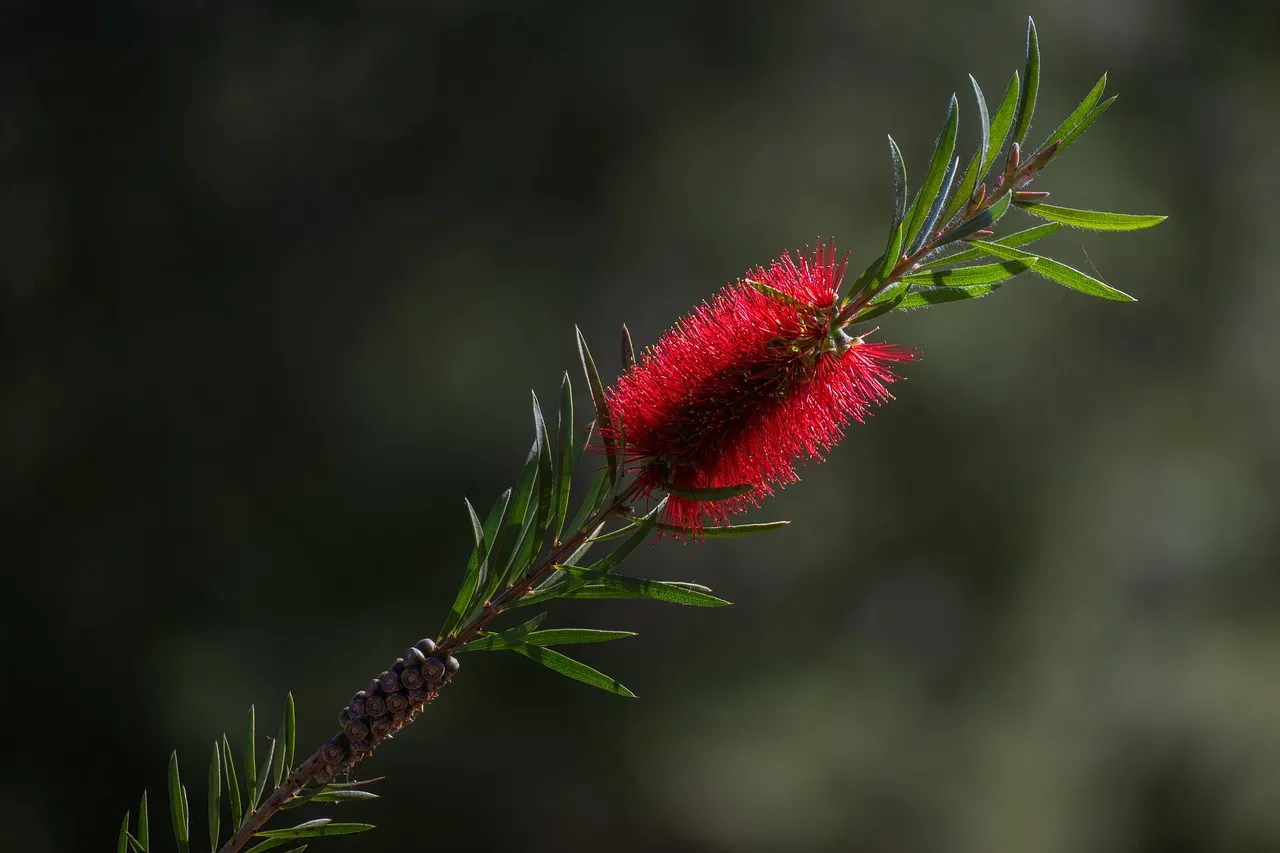
Let’s be real – this is the single most powerful move you can make. Native habitat gardens can support twice the amount of wildlife when compared to properties with primarily turf lawn. Double. That’s not a marginal improvement. That’s a transformation.
A native plant is one that occurs naturally in a specific geographic region and was not brought there by humans. These plants have evolved alongside native wildlife and are adapted to local environmental conditions. Native plants are low maintenance, decrease pollution, and benefit wildlife and the environment.
Native plants can offer three main food sources for birds: seeds, fruits, and insects. Planting a variety of natives that can offer all three of these foods throughout the year will get you the most bang for your buck when looking to attract birds to your backyard.
Think of it like stocking a kitchen. A kitchen with only crackers won’t keep guests coming back. Variety does. A study conducted across backyards in Washington, D.C., found that Carolina chickadees are not able to successfully raise enough young to maintain their population numbers in areas where less than 70% of the plants are native species. This research from the University of Delaware highlighted that chickadees rely on caterpillars of butterflies and moths as a primary food source for their young, and these caterpillars need native plants.
The National Wildlife Federation recommends that a garden or landscape should be 50 to 70% native plants, which helps to attract and conserve wildlife like birds, butterflies, and bees. That’s a practical, achievable target for most homeowners.
2. Add a Water Source – Even a Small One Counts
Here’s the thing: water is non-negotiable. Every creature needs it, and in urban and suburban areas, clean water is often the scarcest resource of all.
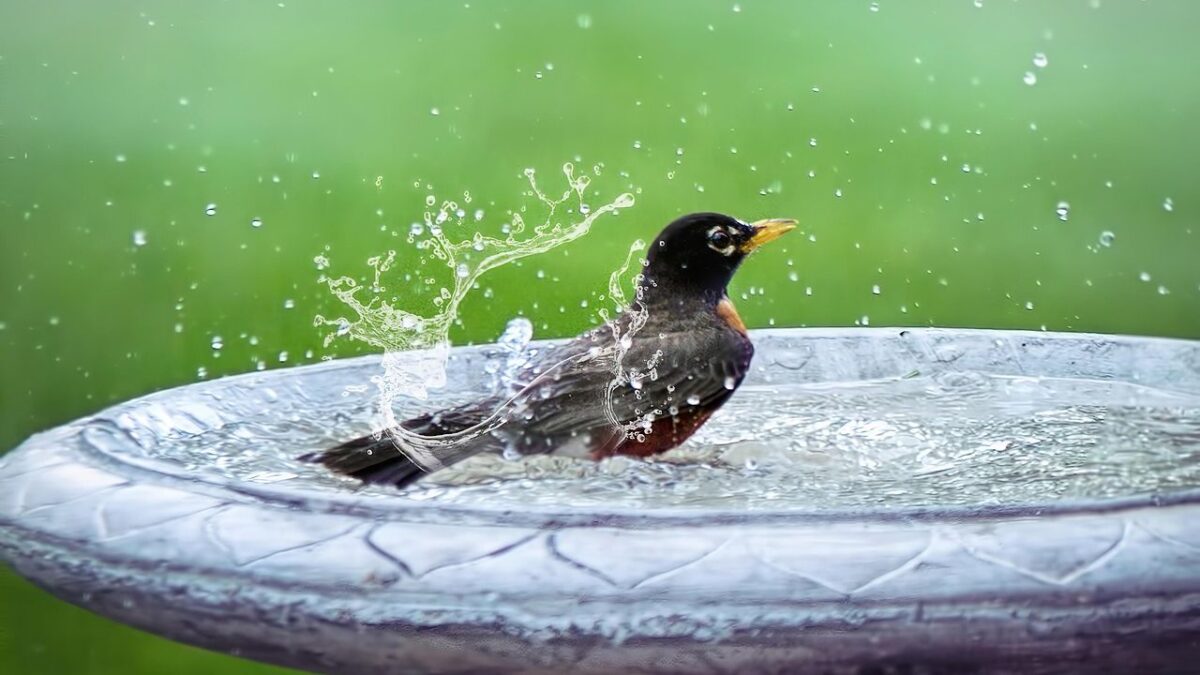
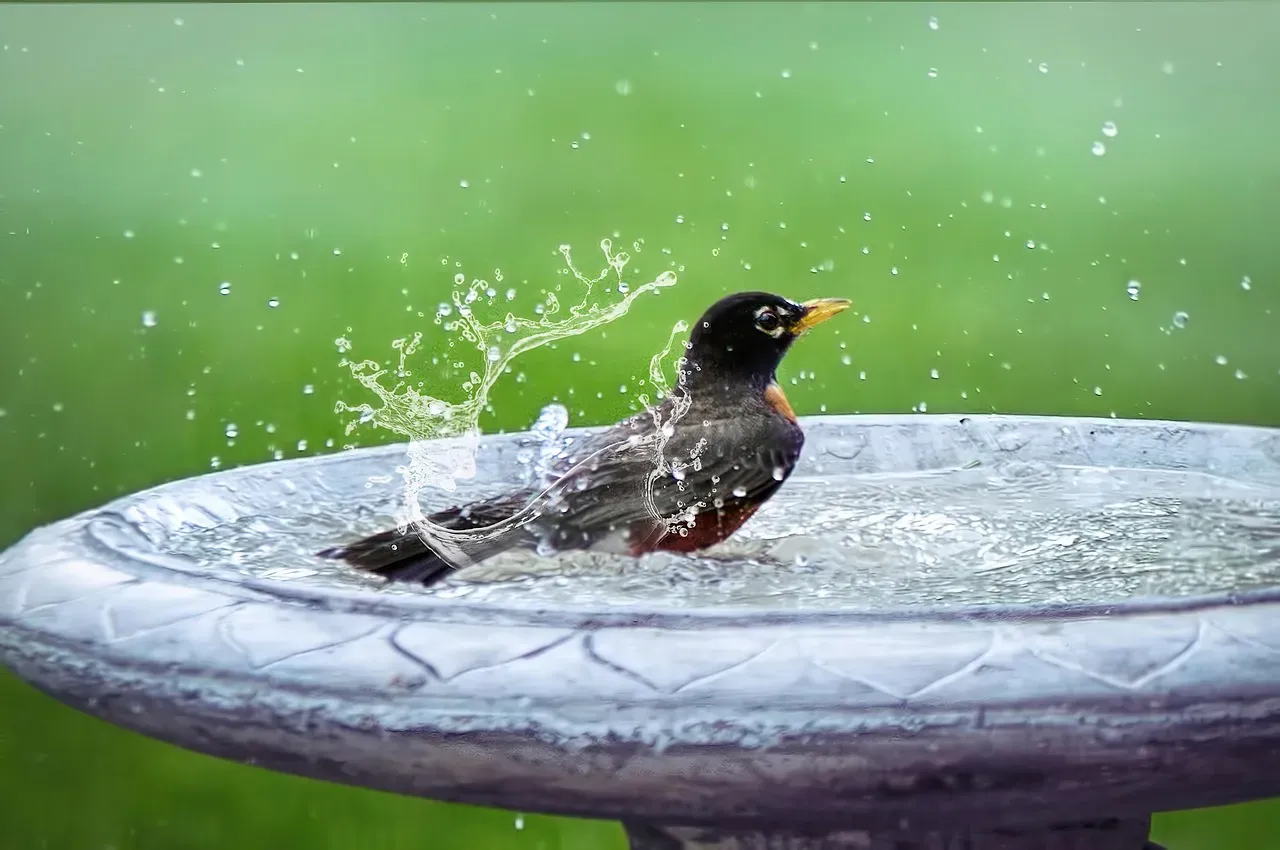
Like humans, wildlife needs clean water for drinking and bathing. If you don’t have a natural source of water on your property, you can add a birdbath, puddle, or small pond. Small ponds or puddles can provide habitat for amphibians. Creating a rain garden can provide a clean water source for wildlife and help reduce stormwater pollution.
Furnishing your garden with a simple birdbath such as a saucer, shallow basin, or even a trash can lid works perfectly well. A birdbath with a misting fountain will even entice hummingbirds, because they enjoy bathing by flying through a fine mist.
Honestly, I think the water element is one of the most underrated aspects of wildlife gardening. People spend hundreds on plants, then overlook a simple shallow dish. Stones placed in the bottom of containers provide sure footing and allow insects to drink without drowning. Changing the water frequently discourages mosquitoes. Small details, big payoff.
3. Ditch the Pesticides and Let Nature Self-Regulate
This one might feel uncomfortable, especially if you’ve spent years waging war on bugs. But stay with me, because the science here is genuinely surprising.
Insects make up roughly 70% of the animal kingdom, and most of them are harmless or even helpful. Eliminating them with pesticides doesn’t just kill pests. It wipes out the entire food web that birds, frogs, bats, and other animals depend on.
One of the most vital practices for creating a healthy habitat is avoiding pesticides and herbicides, including neonicotinoids. Neonicotinoids in particular have been linked to significant pollinator decline. Chemicals and pesticides quickly move up the food chain and impact far more than just the first animal that comes into contact with them.
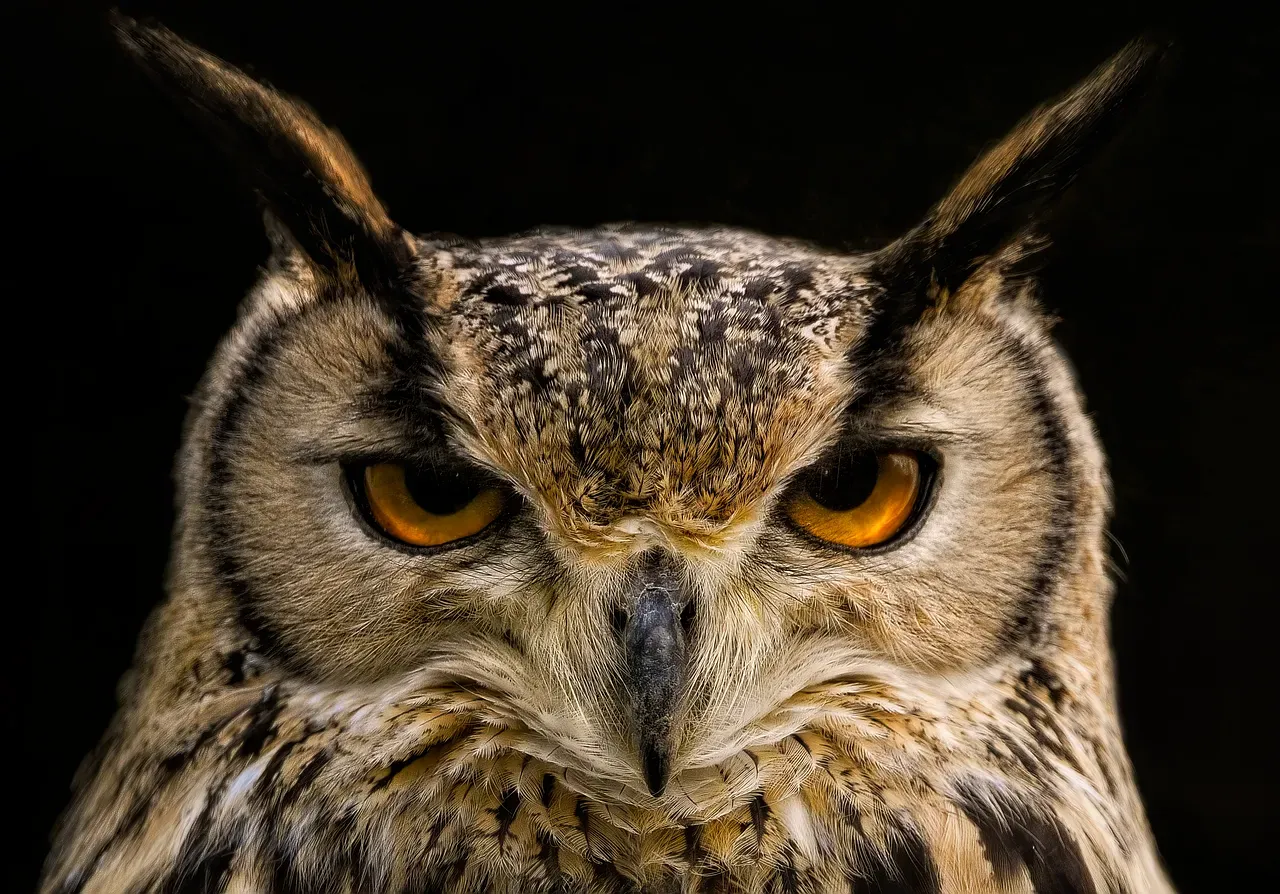
When it comes to pest control, nature always knows best. Creating habitats for raptors by installing nesting boxes or brush piles that attract their favorite prey helps control rat and mouse populations. Encouraging a diverse habitat in your backyard will help attract nature’s pest control: foxes, bobcats, and raptors like hawks and owls. Honestly, a family of owls is more effective than any bottle of spray you’ll ever buy.
4. Create Shelter With Layers, Logs, and Leaf Litter
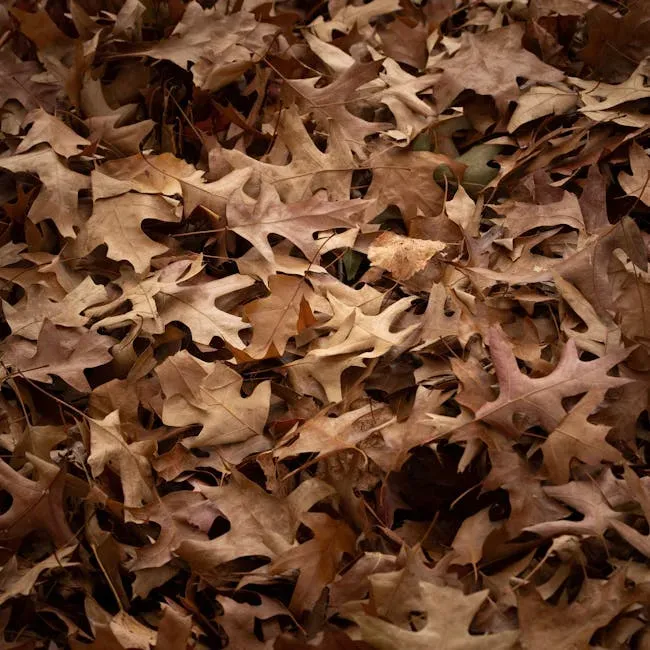
Think about a forest for a second. It has a canopy, a mid-layer of shrubs, a ground layer of plants, and a floor covered in decomposing leaves and logs. That multi-layered structure is what wildlife actually lives in. Most backyards have none of it.
Connecting islands of plants near each other reduces open space that animals have to cross to feed or rest. Including a mix of evergreen and deciduous trees of various heights, surrounded by shrubs, groundcovers, and perennials, helps significantly. Plant diversity attracts a variety of wildlife.
As cold weather approaches, letting leaves remain where they fall, or raking them under trees and bushes, creates habitat for insects. I know it sounds crazy, but that pile of autumn leaves is essentially a winter hotel for hundreds of small creatures. Snails, worms, spiders, and beetles also rely on leaf litter to survive the season. Most other animals rely on these invertebrates too. Birds, turtles, amphibians, chipmunks, and mice will feed on these critters throughout the year, especially when vegetation to eat is scarce.
The vegetation, dead trees, and logs in your yard can provide shelter for many species of wildlife, as well as nesting sites for birds. Resist the urge to clean up everything. A little wildness goes a very long way.
5. Install Nest Boxes, Bat Houses, and Pollinator Homes
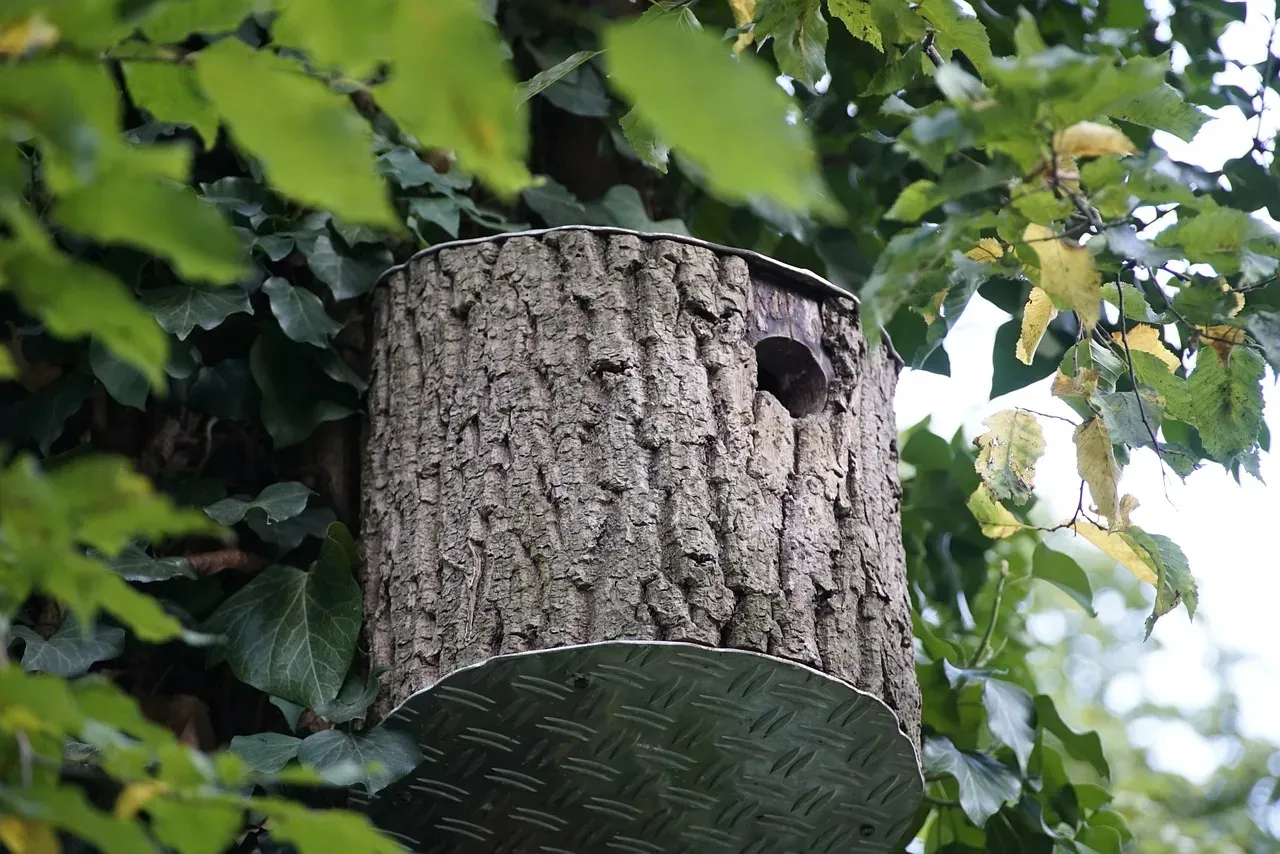
Sometimes wildlife just needs a front door. Natural nesting cavities in trees are increasingly rare as older trees get removed for development or tidiness. Installing man-made alternatives is a genuinely impactful move.
Nest boxes not only provide habitat for native birds, but they also help keep your backyard ecosystem in balance. Cavity-nesting species like Eastern Bluebirds and Carolina Wrens love birdhouses and can help control insect populations, especially if you’re a gardener dealing with garden pests.
Bats eat many different insect pests including mosquitoes. Bats prefer open areas and a nearby water source such as a pond, river, or stream. A bat house mounted high on a south-facing wall can house dozens of bats, each capable of eating thousands of mosquitoes per night. That’s a mosquito-control strategy most people have never even considered.
Consider adding a bird nest box, bat house, pollinator nesting box, or brush or rock pile to your backyard habitat. Start with one. See what moves in. The results tend to be immediate and genuinely exciting.
6. Reduce Your Lawn and Rethink What “Tidy” Means
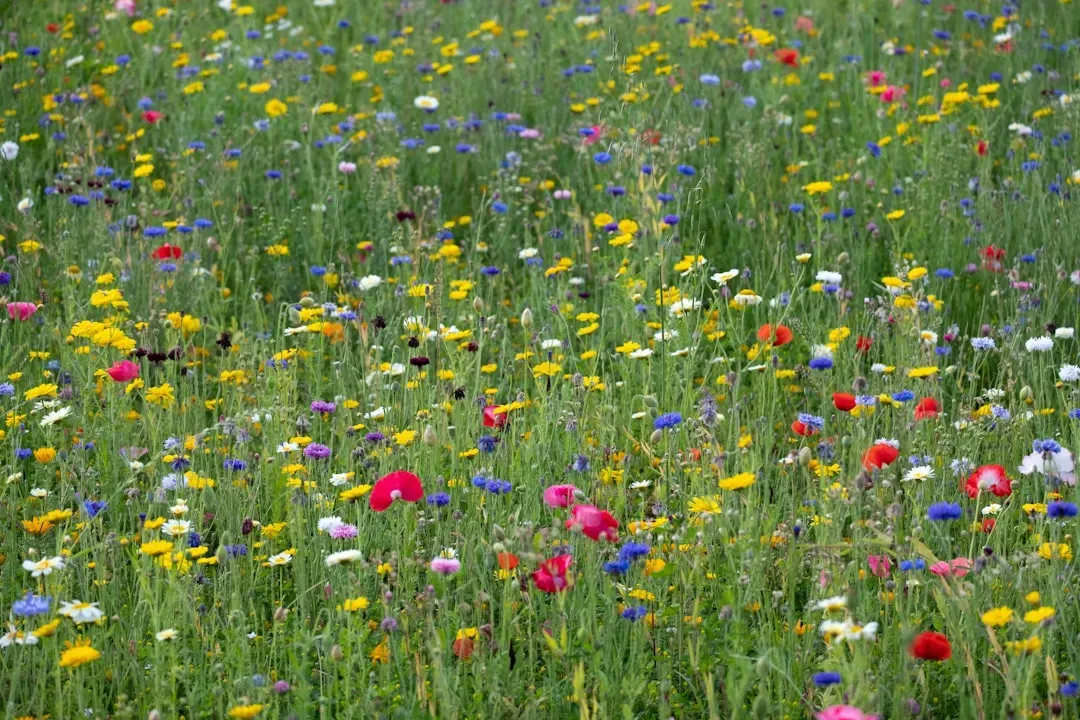
The traditional perfectly mowed, chemically fed lawn is, to put it bluntly, a wildlife desert. It looks clean. It feels orderly. It supports almost nothing.
Limiting the amount of lawn makes a real difference. Lawn offers very little food or cover to most animals while requiring a lot of maintenance. You may replace lawn grass with ground cover plants or perhaps create a butterfly garden.
In the spring, avoiding cutting your lawn for a couple of months helps provide pollinator food, or you can replace your lawn with native groundcover or pollinator plants. This is sometimes called “No Mow May” and it has become a genuinely popular movement in recent years. The blooms that appear in an unmowed lawn in spring are often the first nectar sources available to emerging bees.
If Americans were to replace only half their lawns with native plants, we could build a 20-million-acre network of habitat. That number puts things in perspective fast. Your small patch of ground is part of something much, much larger than you might think.
7. Connect Your Garden to the Bigger Picture
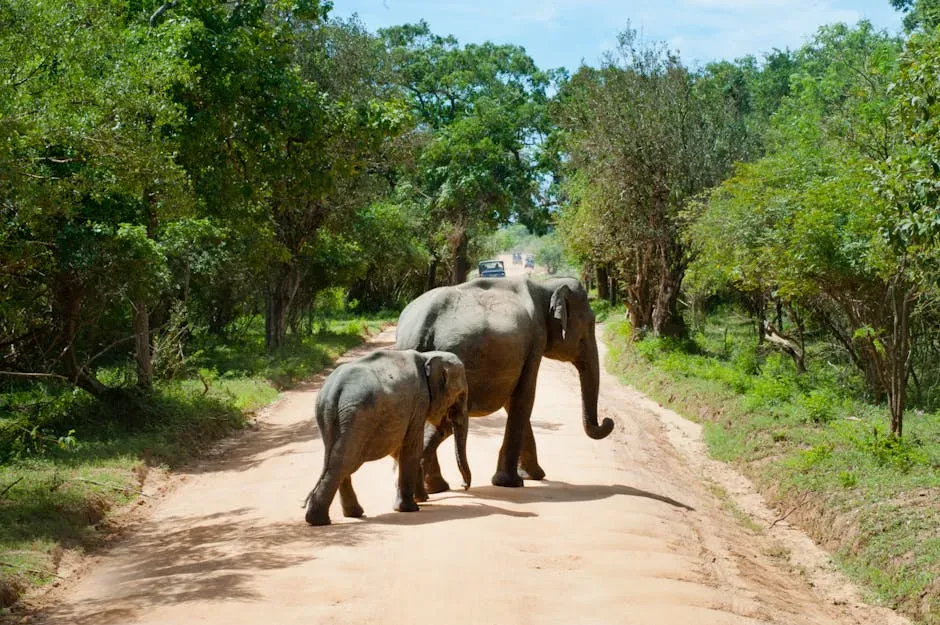
A single wildlife-friendly backyard is wonderful. A neighborhood full of them is genuinely transformative. This is where individual effort scales into something with real ecological weight.
Connecting areas of wildlife habitat together is just as important as creating them. Large-scale wildlife corridors allow species like coyotes, bobcats, deer, and other mammals to travel safely through areas of human habitation. These passageways are important in our far smaller home landscapes too.
If you’ve created a rain garden in your front yard and a native plant oasis in your backyard, you can add even more value by connecting them together with a strip of dense vegetation, allowing wildlife to move from place to place under cover. Think of it as building a wildlife corridor right between your flower beds.
Creating these home habitats is a rising trend, as a growing movement of home gardeners embraces sustainable practices that help birds, amphibians, invertebrates, and many other animals. While any small space with native plants and a water source can qualify for certification, if you have a larger area, consider incorporating a broader ecological landscaping approach. Organizations like the National Wildlife Federation offer certification programs that recognize your efforts and inspire neighbors to do the same.
Conclusion: Your Backyard Can Be a Place Worth Returning To
There’s something quietly profound about stepping outside in the morning to hear birds you’ve never heard before, or spotting a monarch butterfly landing on milkweed you planted just last season. These aren’t small moments. They’re evidence that what you’re doing actually matters.
Planting and managing trees, shrubs, and herbaceous plants that are beneficial to wildlife is usually the most important thing you can do to improve habitat around your home landscape. Start there. Everything else builds from it.
You don’t need a sprawling estate or a botany degree. You need a willingness to rethink what a beautiful yard actually looks like. Even small habitat improvements can make a big difference for wildlife. When combined with the efforts of your neighbors and others in your community, you can provide all the resources wildlife needs to survive.
The wildlife is out there, searching. The question is whether your backyard is worth stopping at. What changes will you make first?
