
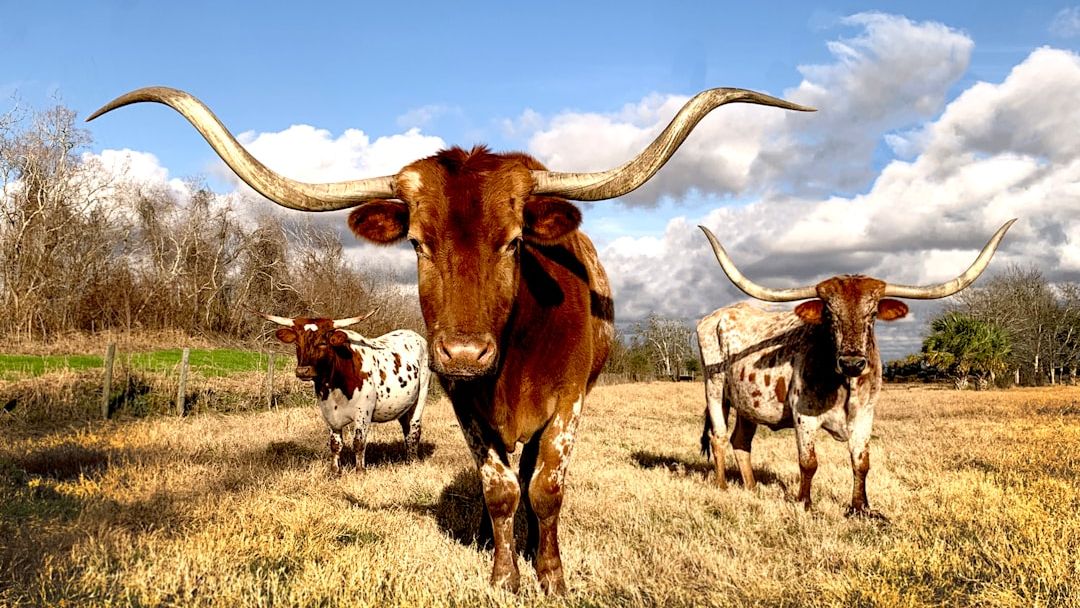
Picture this: America’s vast rangelands stretching endlessly under big skies, dotted with hardy cattle that built an entire industry. The United States boasts some of the most impressive bull breeds anywhere on Earth, each with its own remarkable story and characteristics. These powerful animals aren’t just livestock; they’re living testaments to centuries of careful breeding, adaptation, and agricultural innovation.
Whether you’re a seasoned rancher, an agriculture enthusiast, or simply curious about the magnificent creatures that put steak on your dinner plate, understanding bull breeds reveals fascinating insights into American ranching culture. From the scorching heat of Texas to the cold mountain pastures of Montana, different breeds have evolved to thrive in vastly different conditions. Let’s dive into the world of these incredible animals and discover what makes each one special.
Black Angus: The Undisputed Champion of American Beef
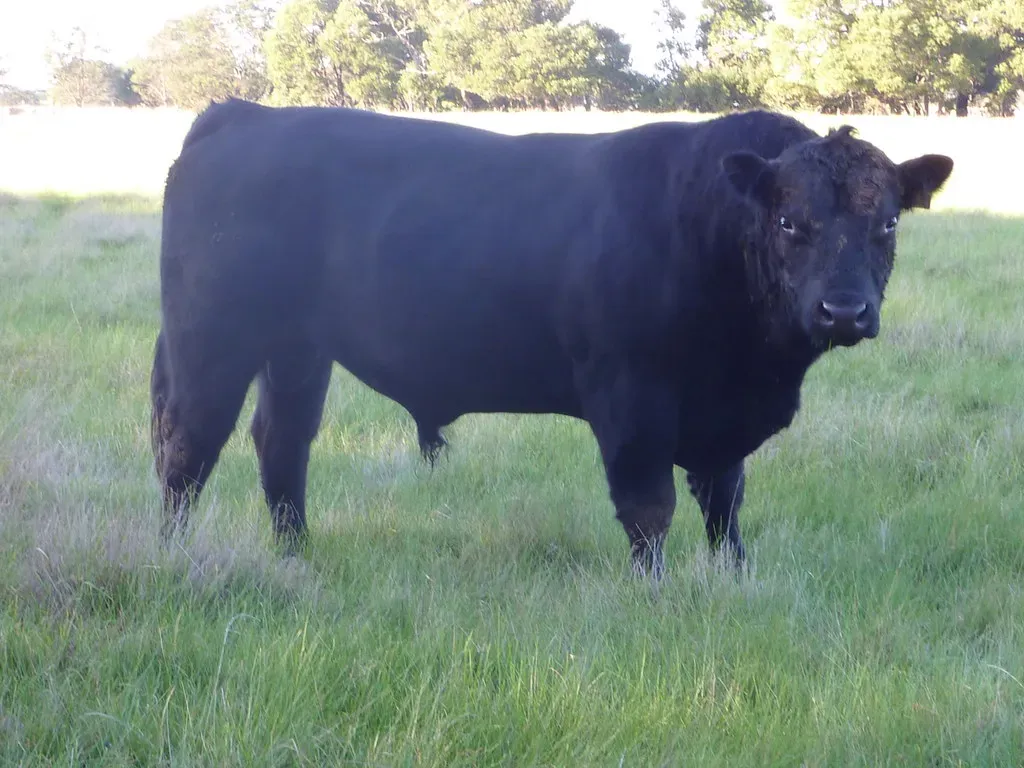
Black Angus is the most common breed of beef cattle in the U.S., with more than 330,000 animals registered. These stocky, naturally polled bulls from Scotland have completely dominated the American beef industry, and honestly, it’s not hard to see why. Their jet-black hides are instantly recognizable across pastures nationwide.
What really sets Black Angus apart is the meat they produce. The breed is so popular for their carcass characteristics, which are marketed as yielding well-marbled, flavorful beef. Angus cattle require little maintenance during calving season, are good mothers, and are very feed efficient. Ranchers love them because they basically take care of themselves, breeding back quickly after calving and raising healthy calves year after year.
Hereford: The Hardy Red and White Classic
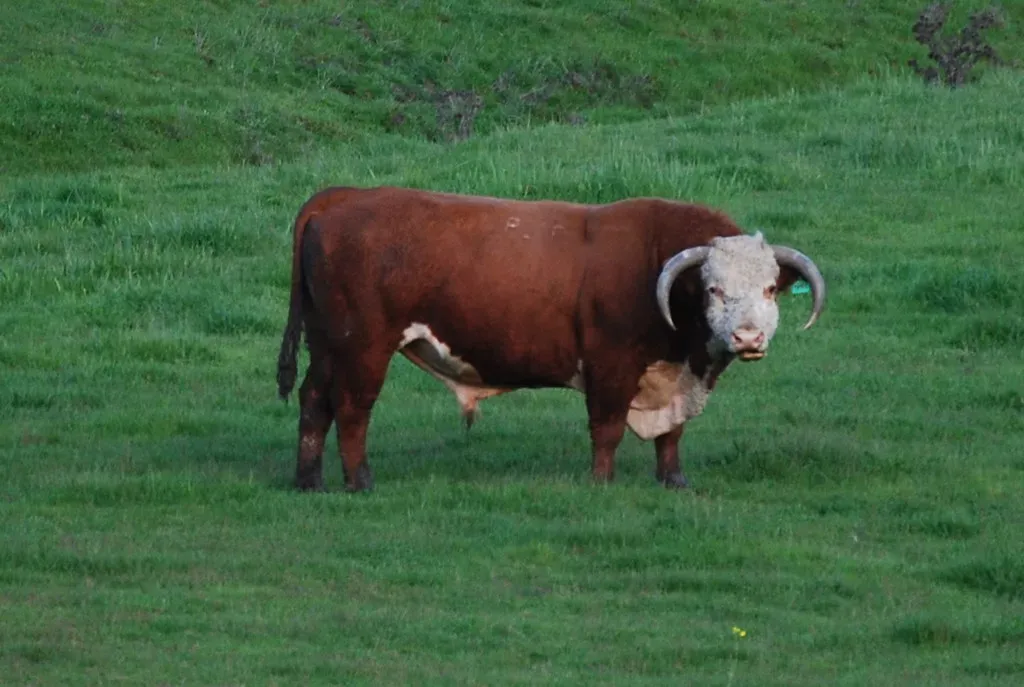
Walk through any cattle auction in America and you’ll spot Herefords immediately with their distinctive white faces and reddish-brown bodies. Statesman Henry Clay imported the first Herefords to Kentucky in 1817. These bulls have been shaping American ranching for over two centuries now, which is pretty remarkable when you think about it.
Hereford cows represent one of the oldest cattle breeds in the world, originating in England in the mid-1700s and have been an integral part of the global cattle story ever since. The bulls are absolute units, too. Mature bulls can weigh up to 2,400 pounds. They’re tough as nails, thriving in harsh climates that would make other breeds suffer, and they pass that hardiness straight to their offspring.
Brahman: The Heat-Tolerant Powerhouse
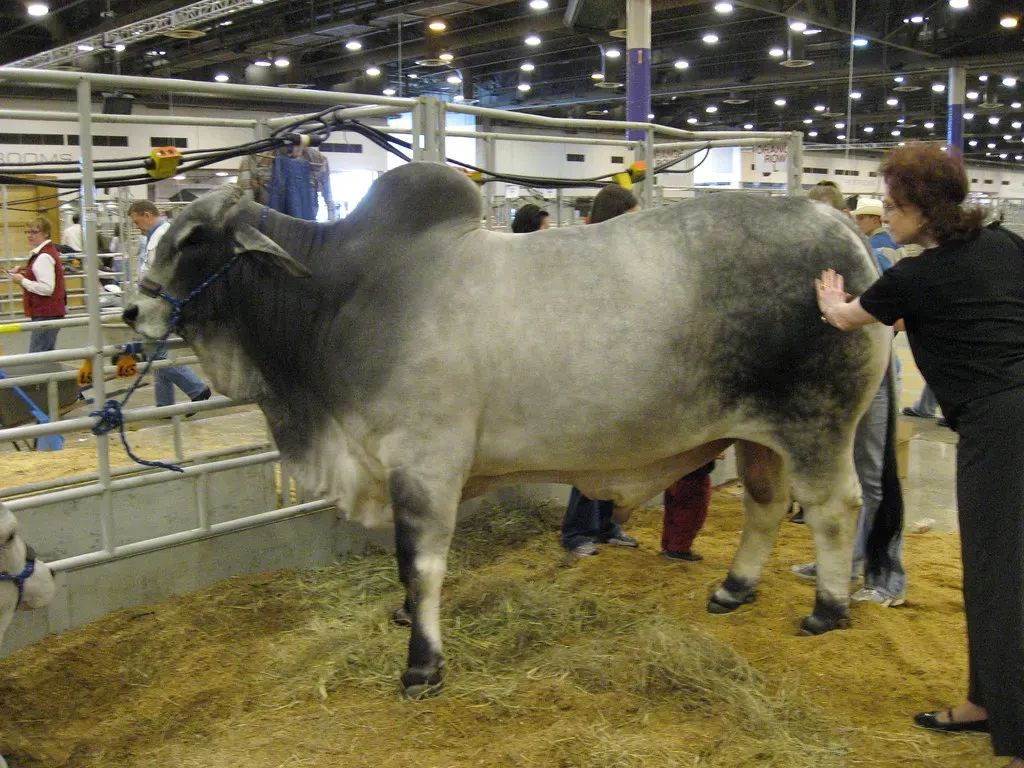
Here’s where things get interesting. Brahman bulls look completely different from the British breeds, sporting distinctive humps, droopy ears, and loose skin. The Brahman has a high tolerance of heat, sunlight and humidity, and good resistance to parasites. In the sweltering Gulf Coast states and across the South, these bulls are absolute game-changers.
Brahman cattle flourish in warm climates, and thanks to their numerous sweat glands and extra skin folds, they can handle temperatures over 100°F. Let’s be real, when temperatures climb and British breeds are suffering, Brahmans just keep thriving. Brahman cattle breeds have long lifespans, as long as 20 years, which means they maintain high fertility rates well into their later years, much later than most other cattle breeds.
Charolais: The Muscular French Import
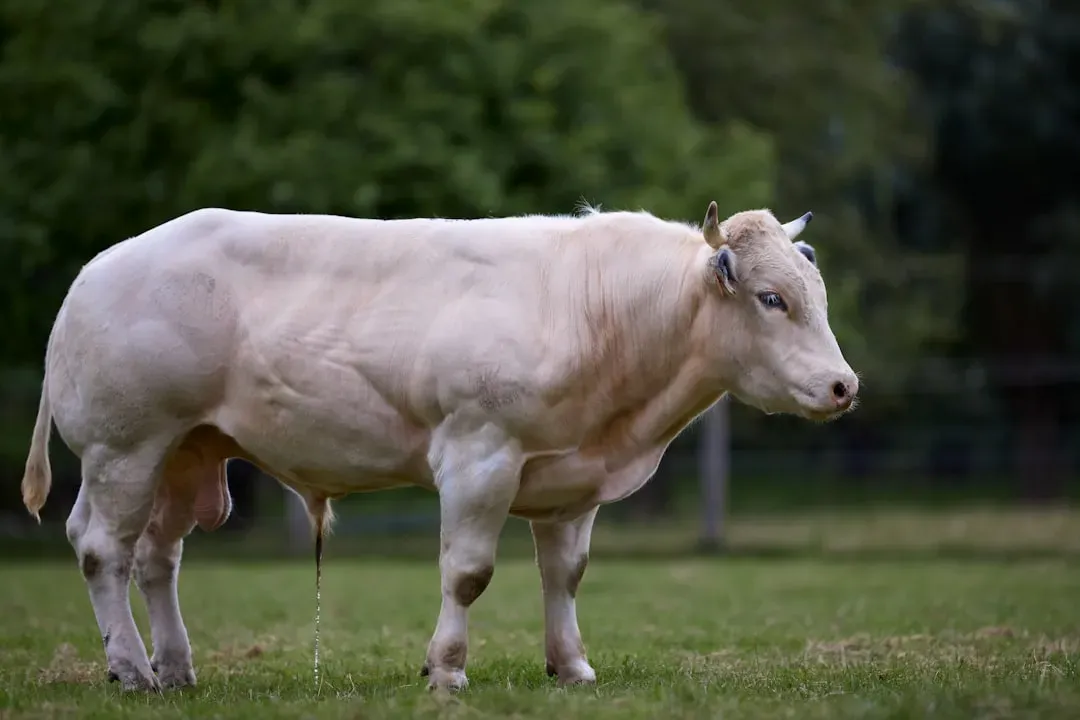
It has been said that no other breed has impacted the North American beef industry so significantly as the introduction of Charolais. These massive, creamy-white bulls from France changed everything when they arrived. Their sheer size and muscle mass made American ranchers sit up and take notice immediately.
The Charolais came into widespread use in the United States cattle industry at a time when producers were seeking larger framed, heavier cattle than the traditional British cattle breeds. These bulls deliver exactly that. A mature bull may weigh over 2,500 pounds. The calves grow fast and heavy, which translates directly into profitability at the sale barn.
Texas Longhorn: The Symbol of Western Heritage
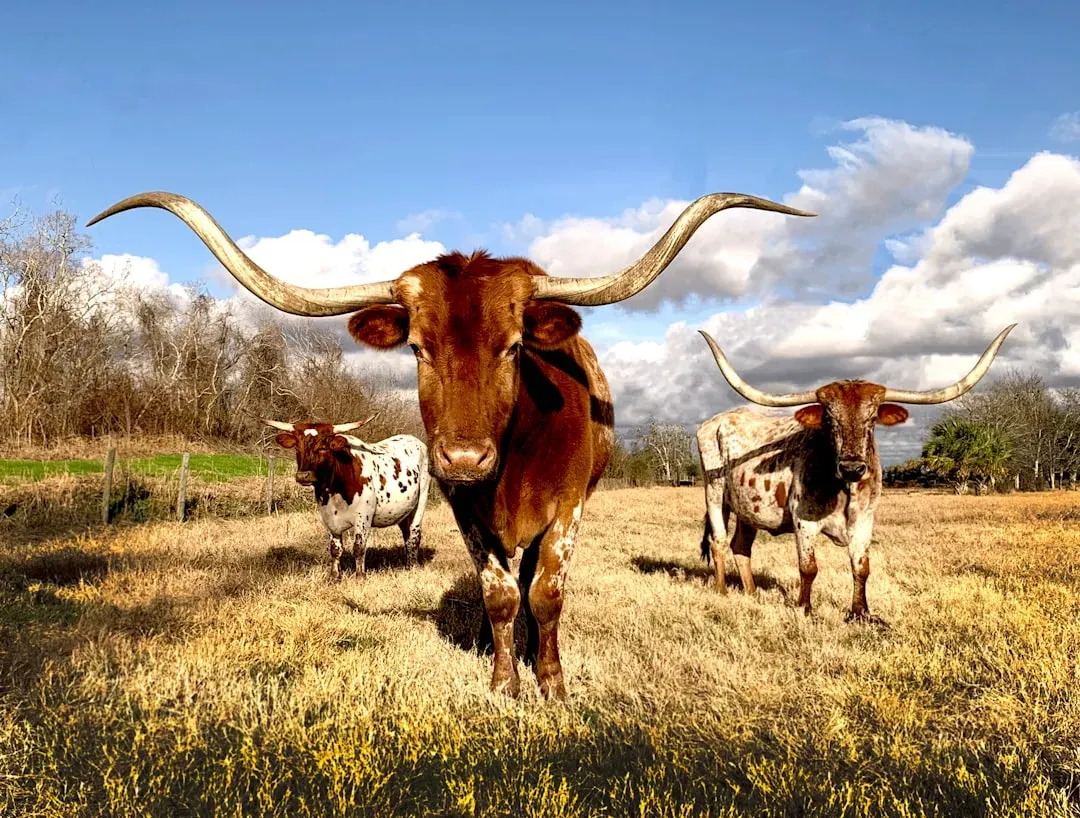
You can’t discuss American cattle without mentioning the iconic Texas Longhorn. The Texas Longhorn is the end product of “survival of the fittest”. In 1493, Christopher Columbus brought the first of what would eventually become the Texas Longhorn to the Americas. These bulls carry history in their veins, descended from Spanish cattle that roamed wild and adapted to survive.
The cattle breed is known for its characteristic horns, which can extend to over 1.8 m tip to tip for bulls, and 2.1 m tip to tip for steers and exceptional cows. Those impressive horns aren’t just for show; they’re a badge of toughness. Longhorns can thrive on minimal resources, making them perfect for arid rangeland where pampered breeds would struggle to survive.
Simmental: The Versatile European Giant
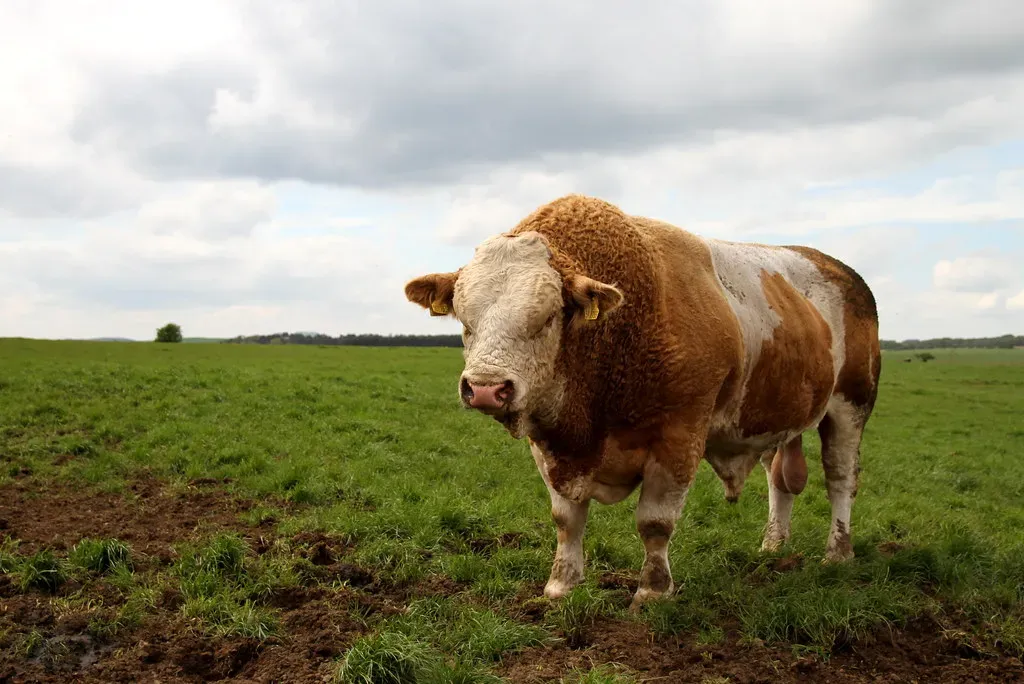
Simmental cows are some of the most popular in the world, with more than 40 million across five continents. These golden-red bulls from Switzerland bring incredible versatility to American ranches. They’re big, they grow fast, and they produce quality beef that buyers want.
One of the Simmental breed’s biggest advantages is it’s adaptability to unique environments or purposes. Whether you’re ranching in cold mountain country or milder lowlands, Simmentals adjust remarkably well. Their calves hit the ground running, growing quickly and efficiently, which keeps feed costs reasonable while maximizing weight gains.
Red Angus: The Heat-Adapted Cousin
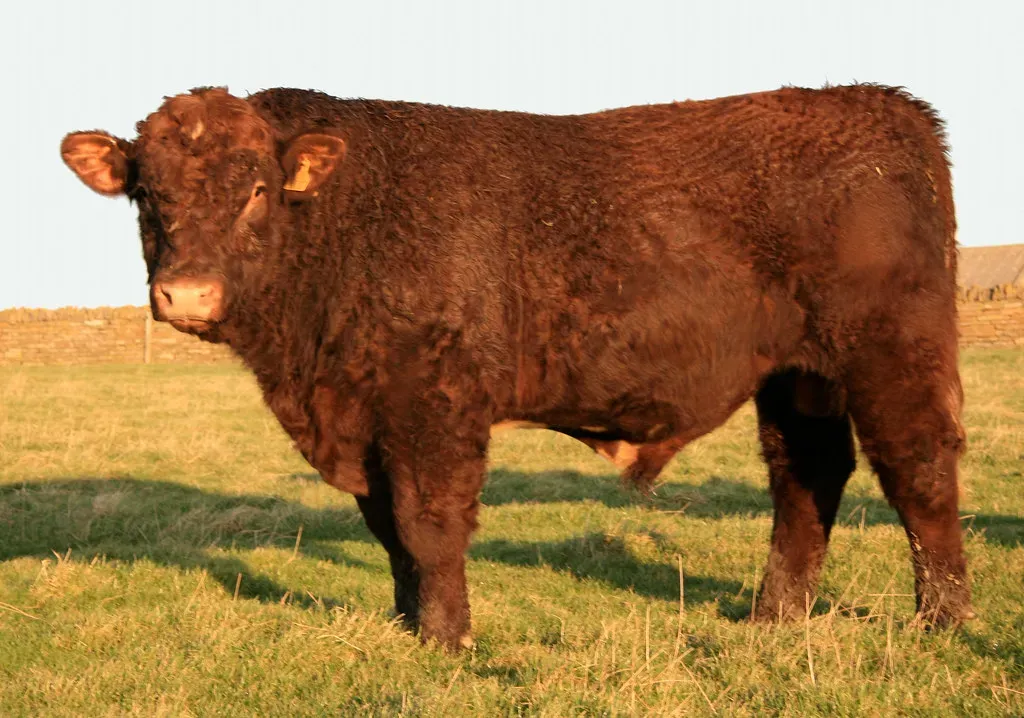
Red Angus bulls share the same excellent genetics as their black cousins but with one crucial difference: that red coat. Red Angus are said to adapt to warmer climates better than the more dominant Black Angus. In sunny, hot regions, that lighter coloring makes a real difference in heat tolerance.
Female Red Angus Cattle are known to have a strong maternal instinct and excellent milk production. The bulls pass along exceptional marbling genetics while handling warmer weather better than black cattle. Plus, they’re naturally polled just like Black Angus, which means no dehorning hassles for ranchers. It’s basically all the advantages of Angus with built-in sunscreen.
Limousin: The Lean Meat Specialist
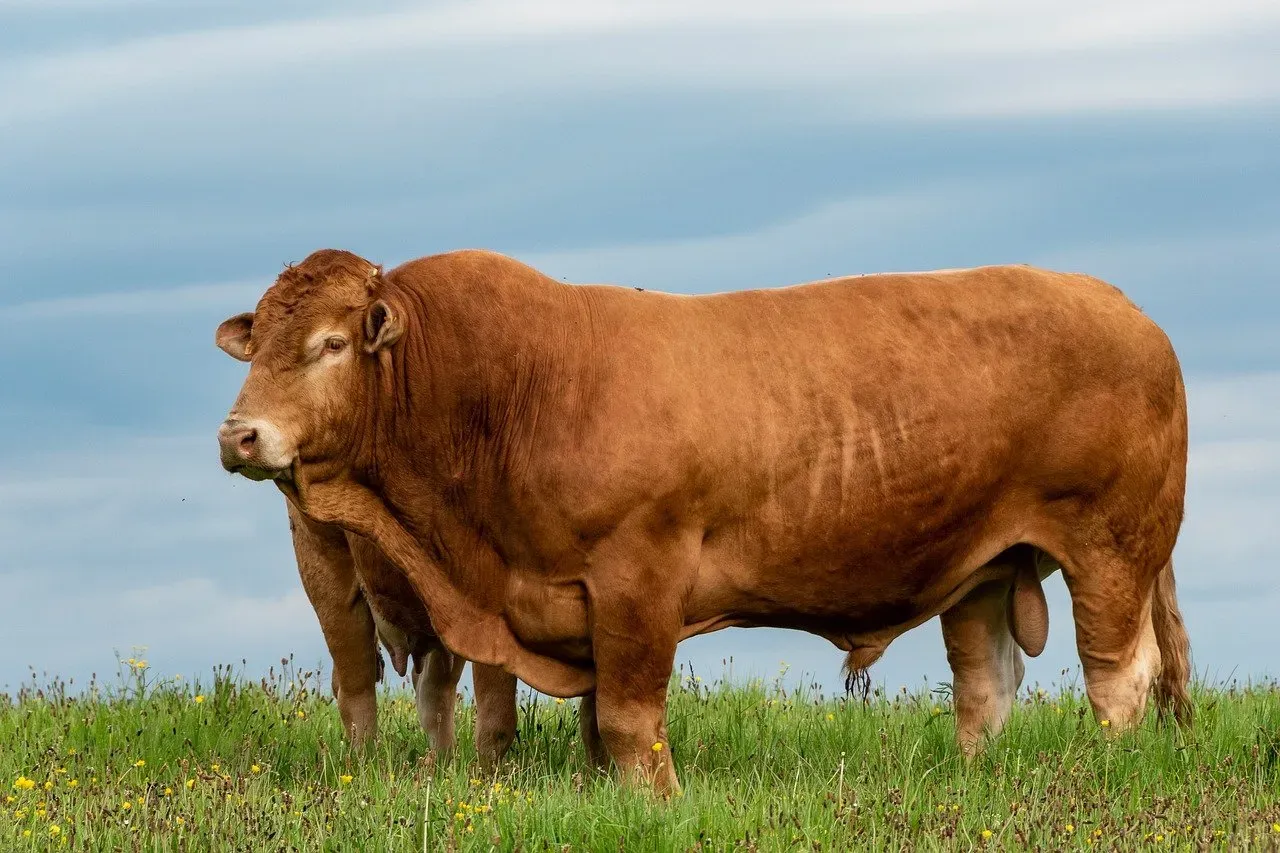
These golden-red bulls from France are all about lean, high-quality beef production. They are known for their high production of lean meat with a low proportion of bone and fat. In today’s health-conscious market, Limousin genetics are increasingly valuable for producing beef that meets consumer demands for leaner cuts.
The bulls themselves are impressively large animals. Males range in size from 2,200 to 2,500 pounds, while females weigh between 1,500 and 1,600 pounds. What ranchers really appreciate is how efficiently Limousins convert feed into muscle rather than excess fat, making them economical to raise while producing high-yield carcasses that grade well.
Gelbvieh: The Fertility and Growth Expert
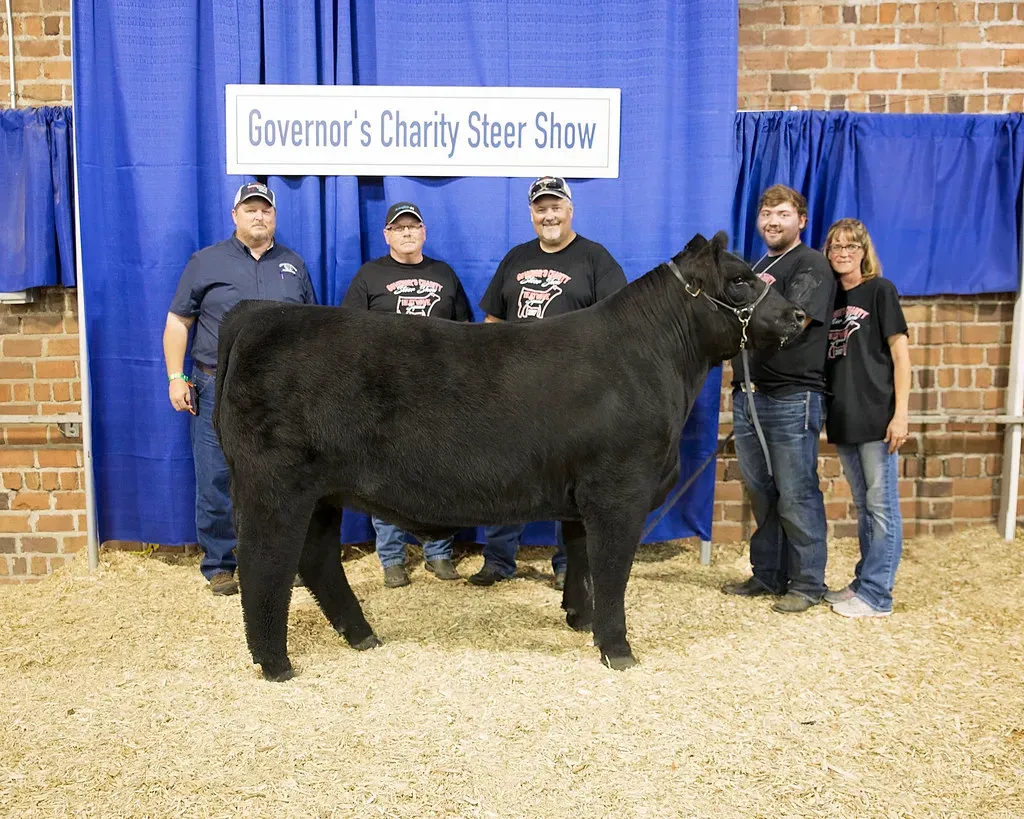
A European breed introduced to the United States through artificial insemination, the Gelbvieh breed is red in color, with strong skin pigmentation, and horned. These German bulls might not be as famous as Angus or Hereford, but serious ranchers know their value. Their reputation centers on exceptional fertility and maternal traits.
Gelbvieh cattle are known for their fertility, milking / mothering abilities, and docility. Bulls pass along genetics that produce daughters who breed back reliably and raise calves that grow rapidly. Fans of the breed claim the breed has superior fertility, calving ease, mothering ability, and growth rate of the calves. Less cow trouble and faster-growing calves? That’s the kind of math ranchers love.
Brangus: The Hybrid Vigor Champion
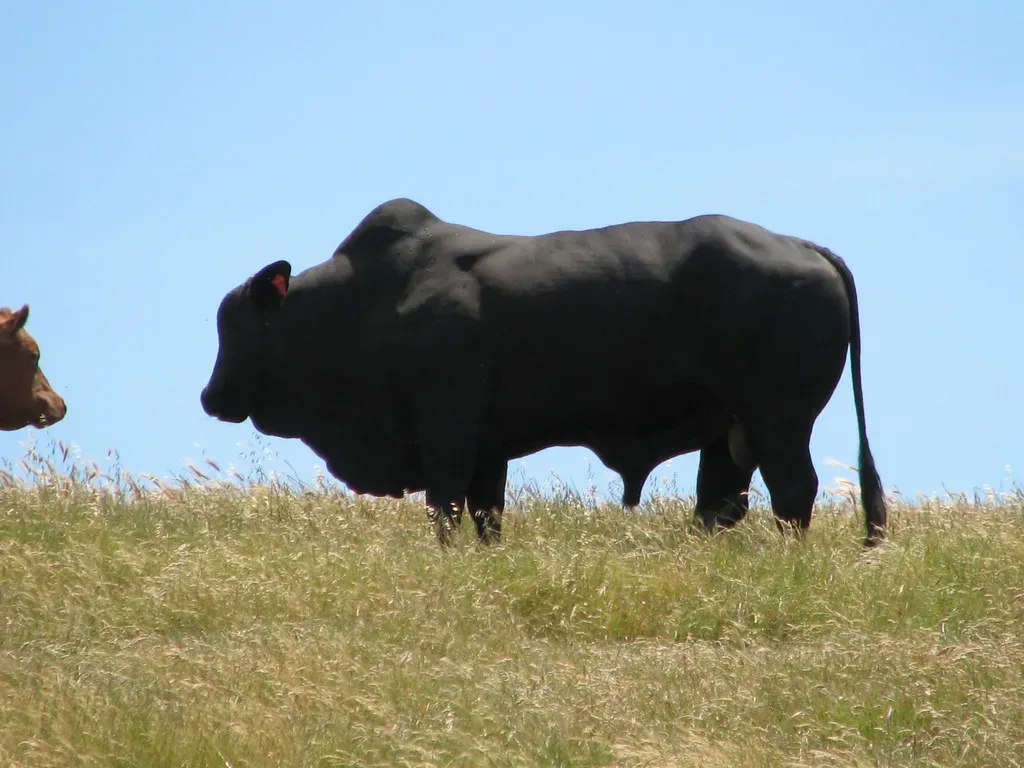
Technically a composite breed rather than a purebred, Brangus bulls deserve recognition for their incredible performance across diverse American environments. Created by crossing Brahman and Angus, these bulls deliver the best of both worlds. The Brangus (Brahman x Angus) have acquired breed status in their own right.
When crossing these two breeds – ranchers can get one of the best combinations for maximum hybrid vigor, and Brahman x Angus is one of the most popular crosses for producing F-1 cattle and commercial cattle that will work anywhere . These bulls combine Brahman heat tolerance and longevity with Angus marbling and maternal traits. The result? Cattle that thrive from Texas to Montana, producing quality calves in climates where purebreds might struggle.
Conclusion
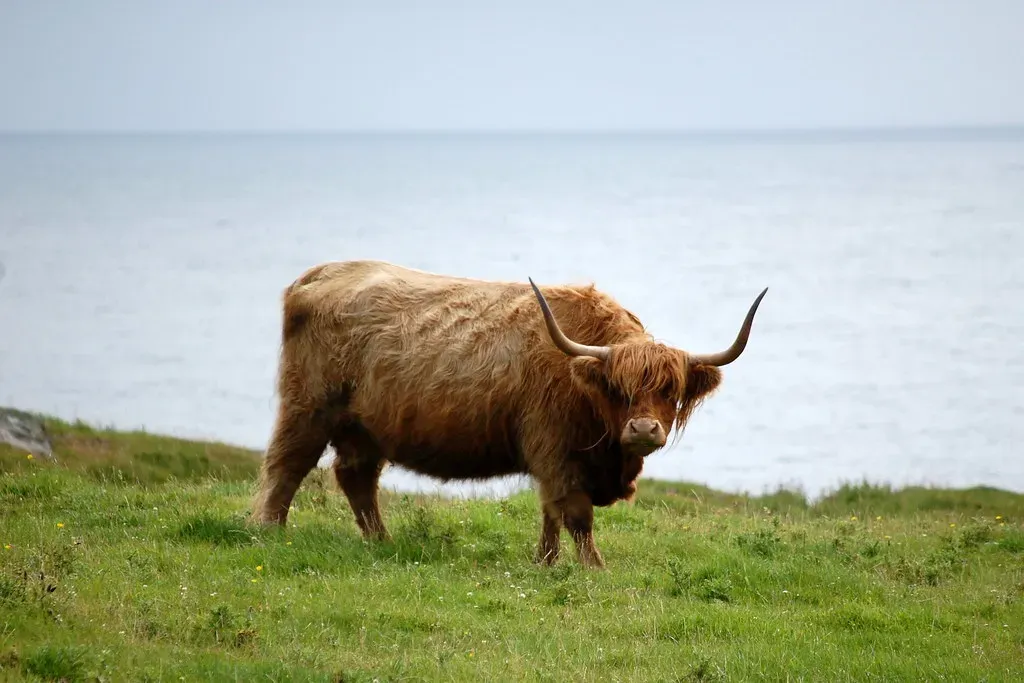
America’s bull breeds represent centuries of agricultural innovation and adaptation to diverse landscapes. From the scorching Southern plains to Northern mountain ranges, each breed brings unique strengths that have shaped the nation’s beef industry. The incredible variety ensures ranchers can select genetics perfectly suited to their specific climate, management style, and market goals.
What’s truly fascinating is how these different breeds often work best together through strategic crossbreeding, combining traits like heat tolerance, growth rates, and meat quality. The future of American cattle ranching lies not just in preserving these incredible purebred lines, but in intelligently combining their strengths to create even better cattle for changing conditions and markets.
Which of these impressive bull breeds surprised you most? Share your thoughts in the comments below.

- What It Means When Your Cat Stares at the Same Empty Corner at the Same Time Every Night – and the Three Explanations Competing for It - July 19, 2026
- What It Means When a Snake Crosses Your Path From Left to Right According to Every Southern Appalachian Tradition That Recorded It - July 19, 2026
- What It Means When Deer Stop Coming to an Area They Have Visited for Years – and What Wildlife Biologists Say They Are Detecting - July 19, 2026