
The oceans have hosted some of the most formidable hunters in Earth history, creatures whose dominance predates the refined designs of contemporary sharks by hundreds of millions of years. These ancient rulers left behind fossils that reveal a marine world filled with unexpected adaptations and sheer scale.
Their stories invite us to picture seas far stranger than our own, where survival hinged on traits that seem almost alien today. Exploring them offers a window into how life experimented with power and form long before familiar predators emerged.
Anomalocaris
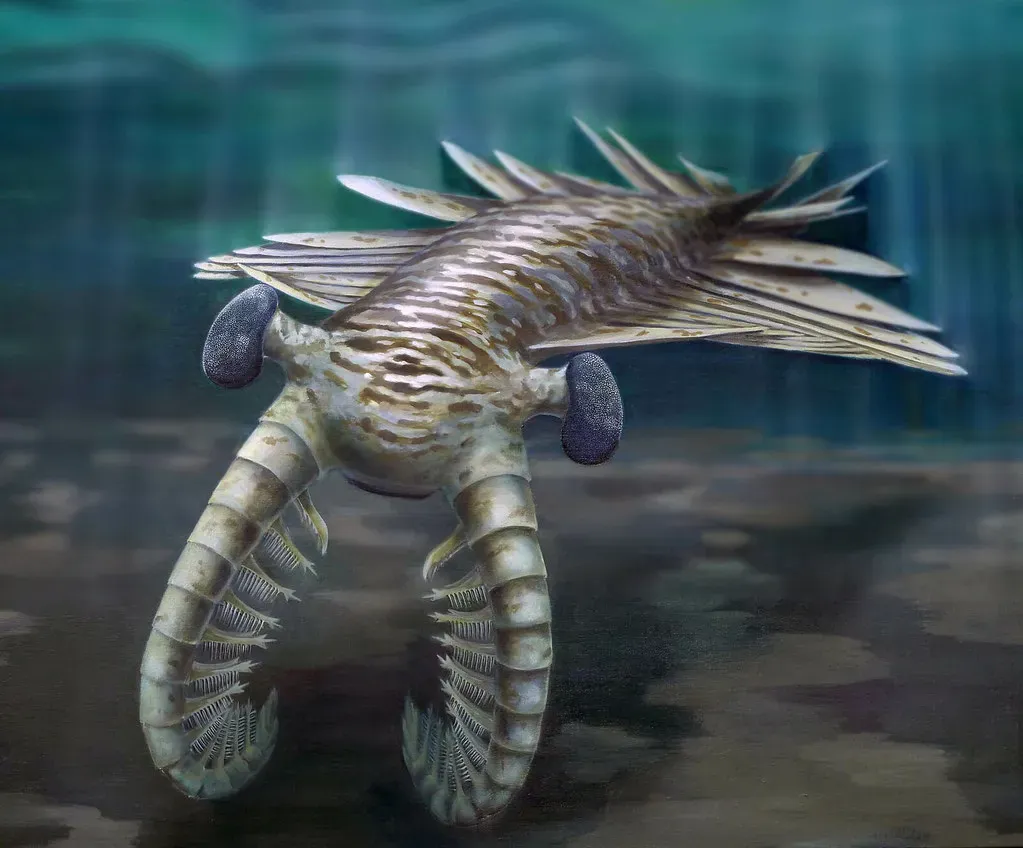
Anomalocaris patrolled Cambrian seas around 520 million years ago as one of the earliest known apex predators. It measured up to two feet long and featured a segmented body with large grasping appendages that snatched prey from the seafloor. Its compound eyes provided sharp vision that helped it navigate murky waters and spot smaller organisms.
This creature combined traits of arthropods and early predators in a way that set it apart from anything alive now. Fossils show it could swim with undulating movements that allowed quick bursts of speed. Its presence shaped entire ecosystems by keeping populations of trilobites and other small animals in check.
Dunkleosteus
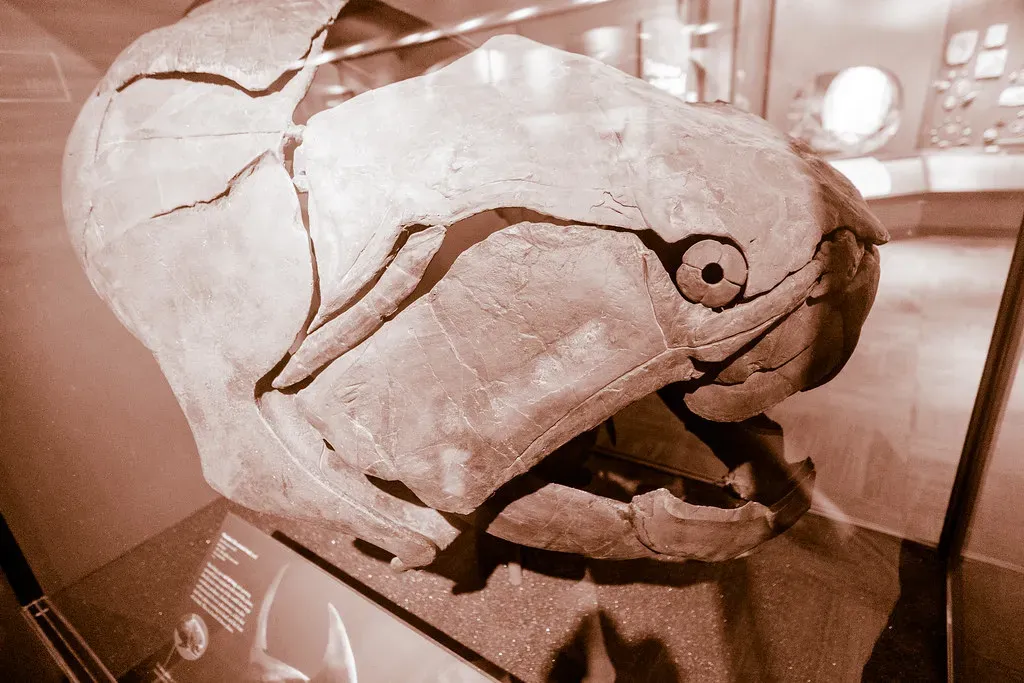
Dunkleosteus lived during the Late Devonian period roughly 380 million years ago and grew to lengths of thirty feet or more. Its head and thorax were covered in thick bony armor that acted as both protection and a weapon. Powerful jaws equipped with sharp bony plates could slice through the shells of other armored fish with ease.
This placoderm dominated coastal waters across what is now North America and Europe. Its bite force rivaled that of modern crocodiles despite lacking true teeth. The animal’s success helped define the Devonian as an age of rapid marine diversification before later extinctions cleared the way for new groups.
Pterygotus
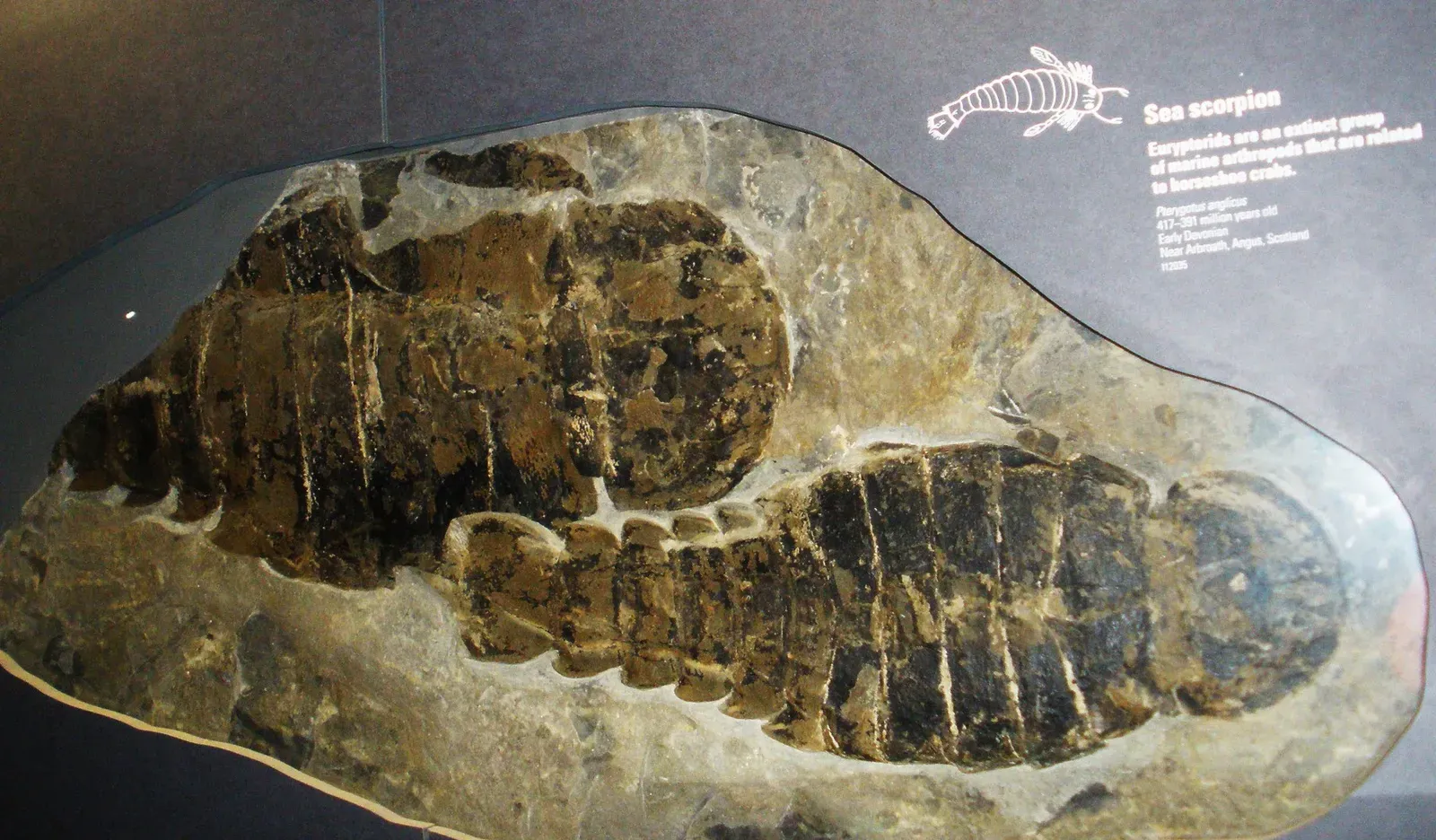
Pterygotus belonged to the eurypterid group and thrived from the Silurian into the Devonian around 400 million years ago. Some species reached lengths of eight feet with a scorpion like tail and large pincers suited for grasping prey. These sea scorpions moved through shallow seas and estuaries with paddle like appendages that aided steering.
Their robust bodies allowed them to tackle a range of prey from fish to other arthropods. Pterygotus fossils appear in deposits across multiple continents showing a wide distribution. Their reign overlapped with early fish but ended as more advanced swimmers took over deeper waters.
Stethacanthus
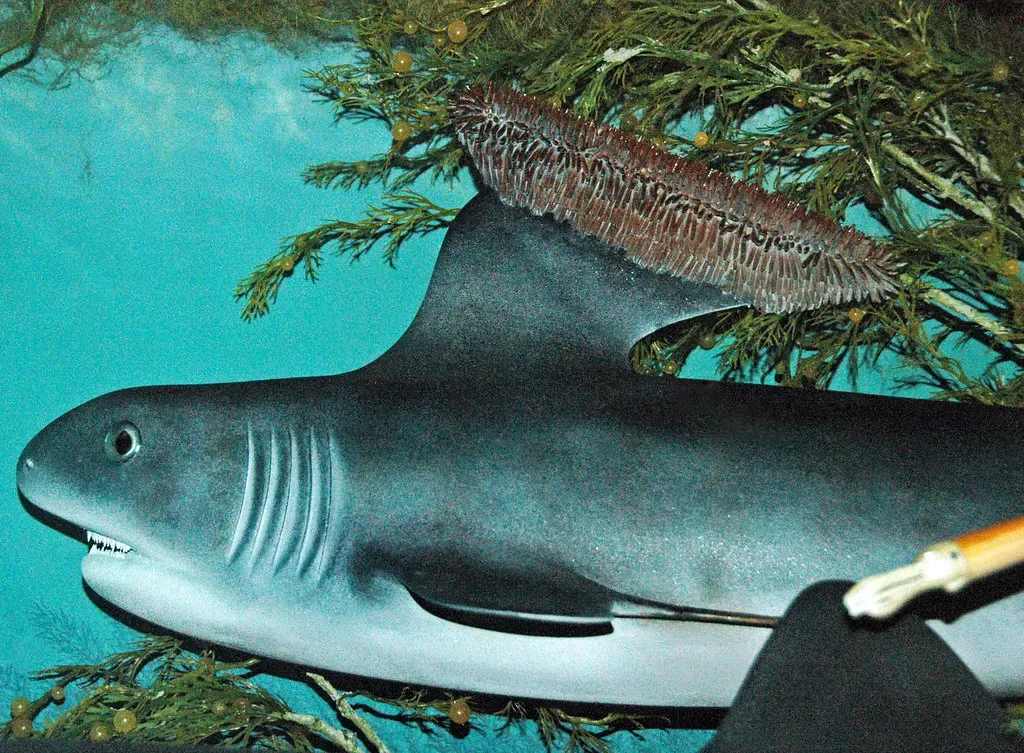
Stethacanthus swam through Devonian and Carboniferous oceans between 380 and 300 million years ago. It reached about six feet in length and carried a distinctive anvil shaped structure on its back that may have played a role in display or mating. Its body plan blended features of early sharks with unique modifications that set it apart.
This fish possessed multiple rows of teeth that it could rotate forward during feeding. Its presence in fossil beds alongside other primitive fish highlights a period of experimentation among cartilaginous species. Stethacanthus likely hunted in schools or alone depending on the availability of smaller prey.
Helicoprion
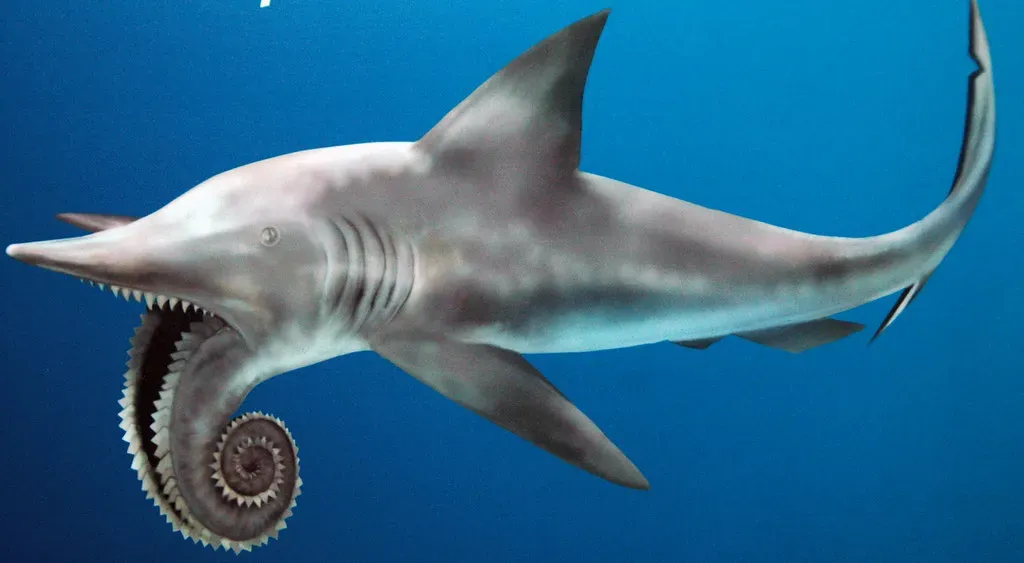
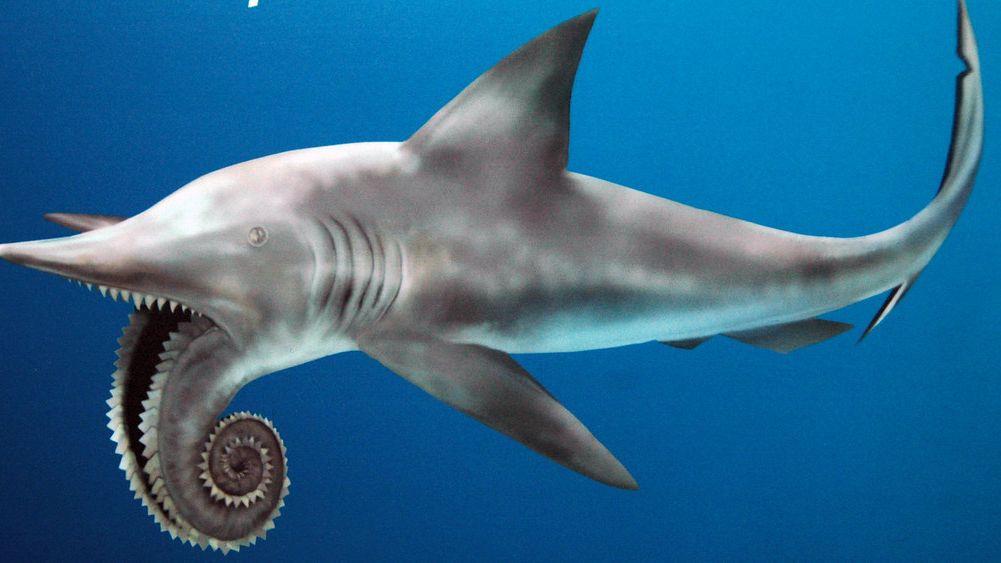
Helicoprion existed from the Carboniferous through the Triassic periods spanning roughly 290 to 250 million years ago. Its most striking feature was a spiral shaped tooth whorl embedded in the lower jaw that resembled a circular saw. The animal grew to lengths of twelve feet or longer and likely used the whorl to slice through soft bodied prey like squid.
Fossils of this relative of early sharks appear in marine deposits worldwide. The tooth structure allowed continuous replacement as older teeth moved into the spiral. Helicoprion survived major extinction events that wiped out many contemporaries and persisted into the age of dinosaurs.
Liopleurodon
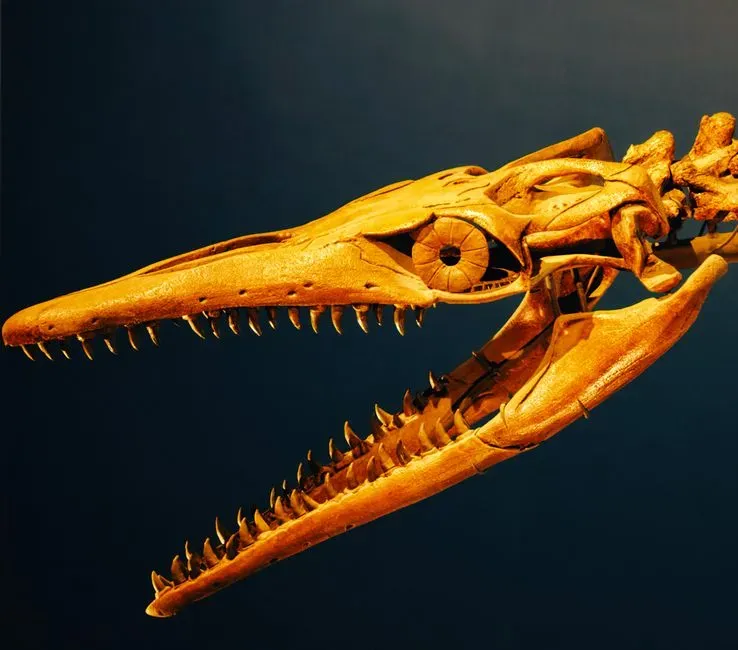
Liopleurodon inhabited Jurassic seas approximately 160 million years ago and could reach lengths of twenty feet. Its four flippers powered it through open water while a large head housed teeth up to four inches long. This pliosaur ambushed marine reptiles and fish near the surface or in deeper channels.
Its body was built for short powerful bursts rather than long distance cruising. Fossil evidence from Europe shows it shared waters with other large reptiles yet maintained its position as a top hunter. The creature’s size and bite made it a dominant force during the middle Jurassic.
Ichthyosaurus
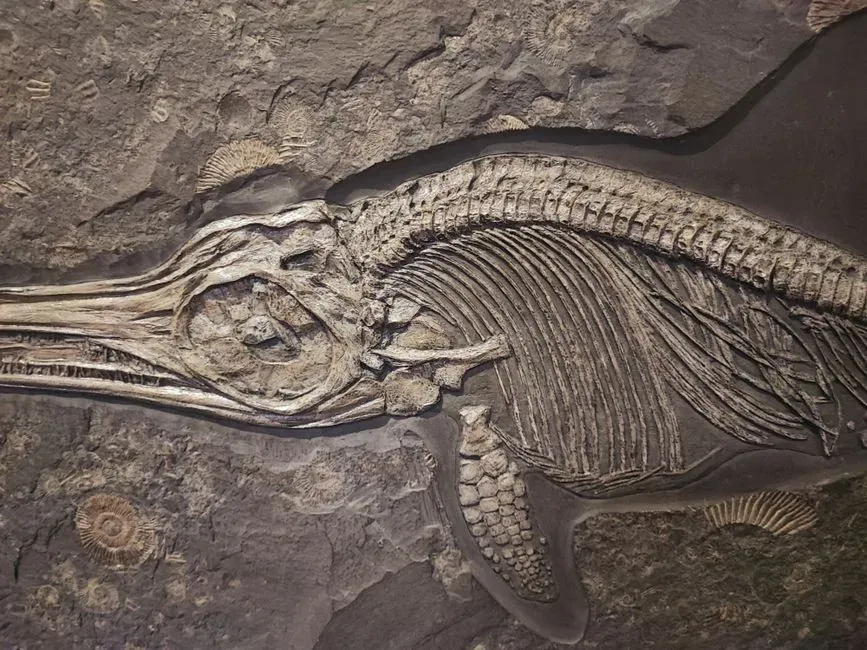
Ichthyosaurus thrived in Triassic and Jurassic oceans from about 250 to 90 million years ago. These dolphin shaped reptiles grew to fifteen feet and gave birth to live young in the water. Their streamlined bodies and large eyes suited them for chasing fish and squid in well lit surface waters.
Many specimens preserve stomach contents that reveal a diet heavy on cephalopods. Their widespread fossils indicate successful adaptation across ancient seaways. Ichthyosaurus populations remained stable for millions of years before later marine reptiles took over similar niches.
Mosasaurus
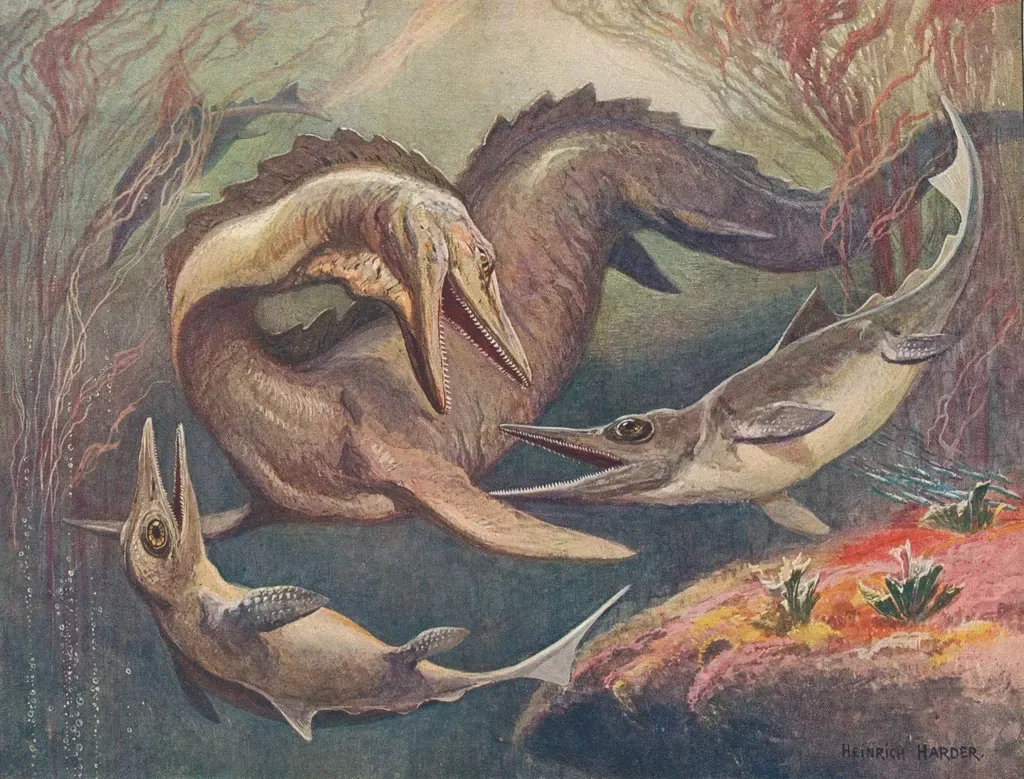
Mosasaurus ruled Late Cretaceous seas from 82 to 66 million years ago and reached lengths exceeding fifty feet. Its powerful tail propelled it through open ocean while double hinged jaws allowed it to swallow large prey whole. This marine lizard competed directly with sharks and other reptiles for fish and ammonites.
Fossils from North America and Europe show a range of sizes within the group. Its success came from versatile hunting strategies that included both ambush and pursuit. Mosasaurus disappeared along with non avian dinosaurs at the end of the Cretaceous.
Leedsichthys
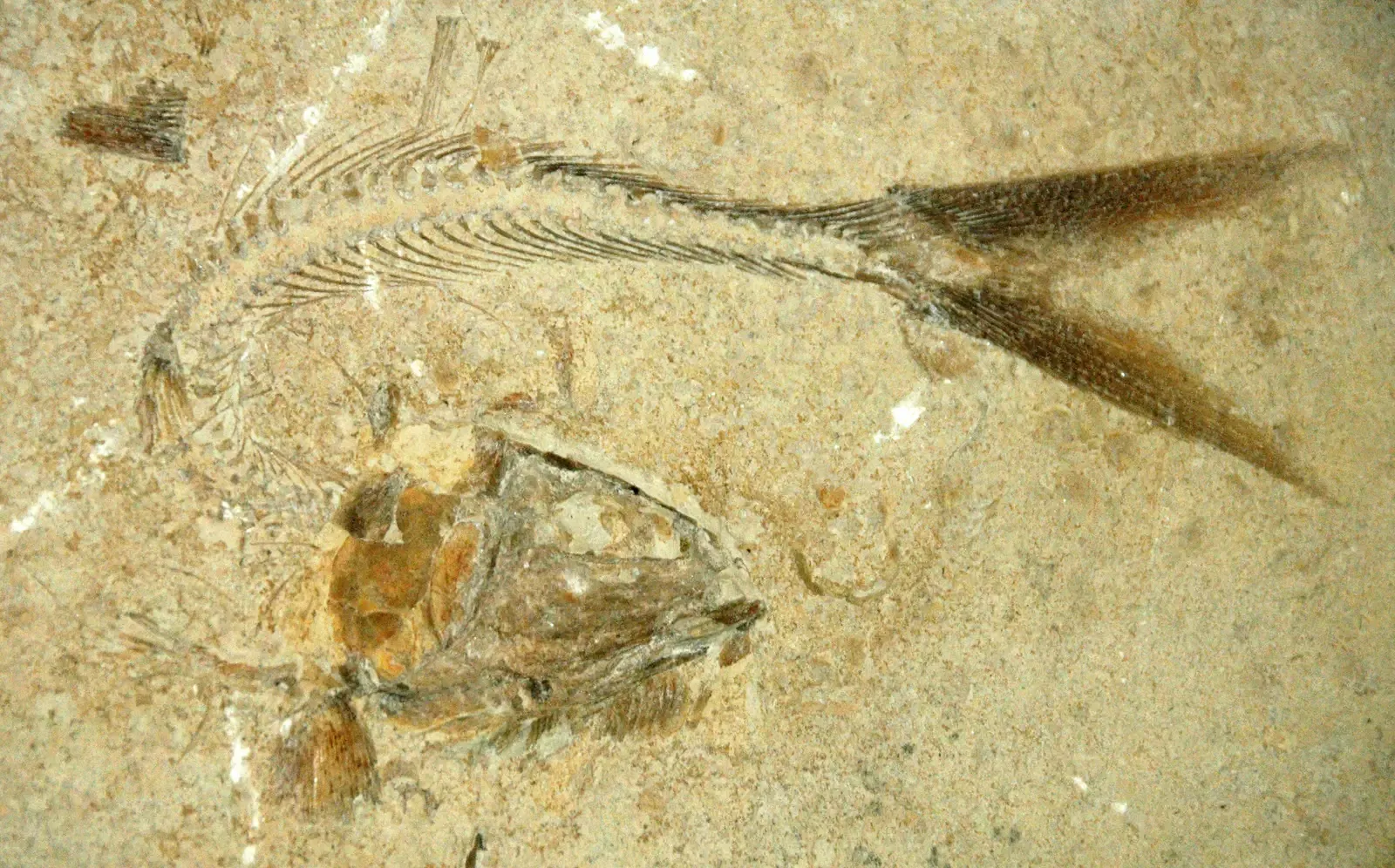
Leedsichthys lived during the Jurassic period around 160 million years ago and grew to an estimated fifty feet in length. This giant filter feeder strained plankton and small organisms through gill rakers while cruising temperate seas. Its massive size placed it among the largest fish ever known despite its gentle feeding habits.
Remains found in England and other sites reveal a body supported by lightweight cartilage. Leedsichthys shared waters with predatory reptiles yet avoided direct competition through its specialized diet. Its presence shows how filter feeding evolved early among bony fish.
Basilosaurus
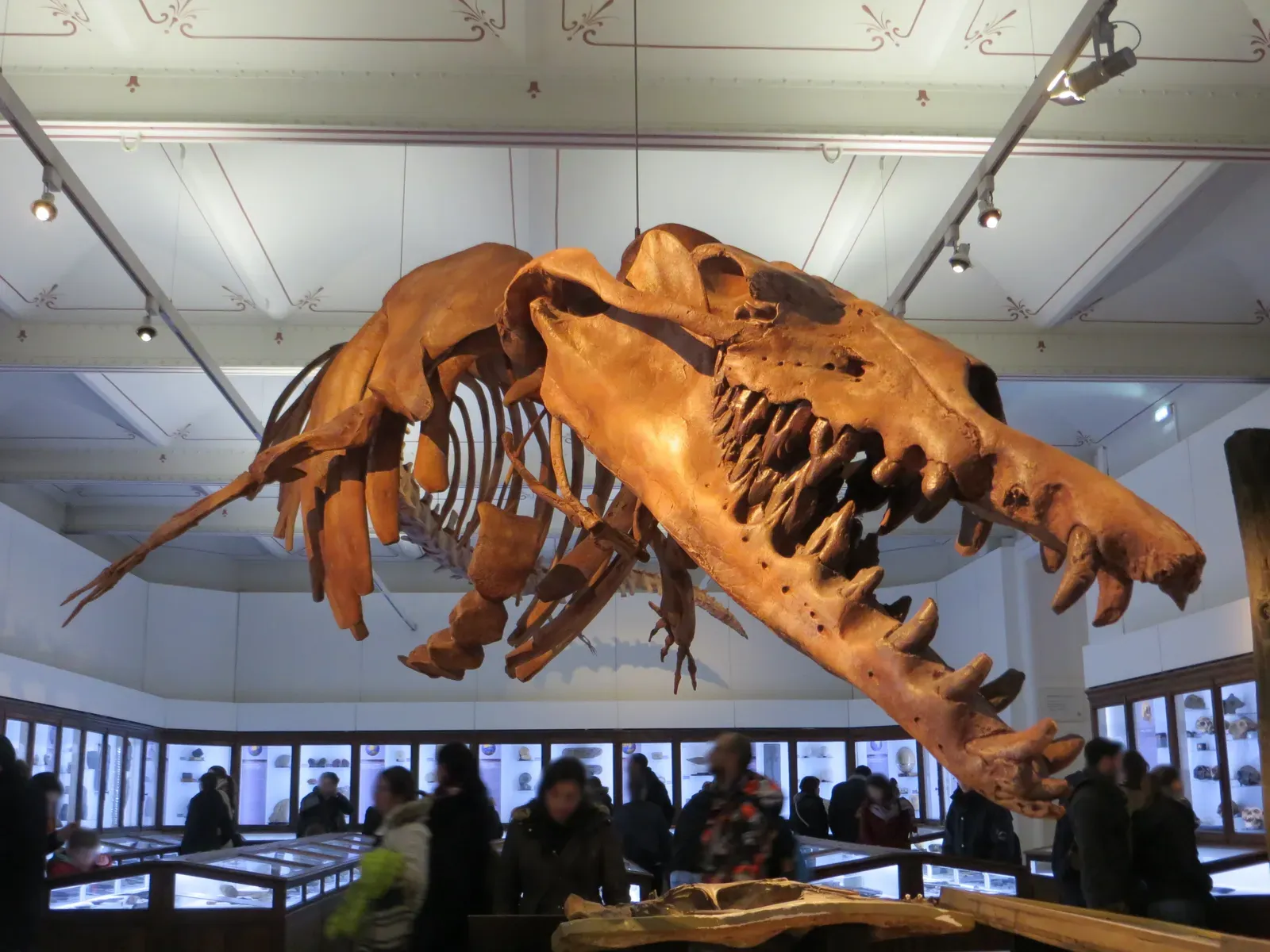
Basilosaurus inhabited Eocene oceans from 40 to 34 million years ago and stretched up to sixty feet long. This early whale retained small hind limbs and a serpentine body suited for undulating through warm shallow seas. Its teeth indicate a diet that included fish and possibly other marine mammals.
Fossils from the southern United States and Egypt reveal a transitional form between land ancestors and modern whales. Basilosaurus dominated coastal environments before more streamlined cetaceans appeared. Its reign marked a shift toward mammalian dominance in certain marine niches.
These ten creatures remind us that the sea has always favored bold experiments in size and weaponry. Their fossils continue to reshape our understanding of how ecosystems recover and evolve after upheaval.
Modern oceans feel familiar yet carry echoes of those earlier experiments in every wave. The real wonder lies in recognizing how much life has already tried and how much remains possible beneath the surface.

- 16 Quiet Comforts Vets Say Matter Most to Your Cat in the Very Last Weeks of Its Life - August 1, 2026
- 16 Garden Choices Experienced Growers Wish They Had Made a Full Decade Earlier Than They Did - August 1, 2026
- 14 Things Veteran Gardeners Wish Someone Had Told Them Before Their Very First Full Planting Season - August 1, 2026