

Have you ever noticed how some animals seem drawn to you — whether it’s a stray cat following you down the street, birds perching near you, or dogs instantly wagging their tails at your approach? It might feel mystical, but science suggests there’s more than coincidence at play. Animals are incredibly sensitive to subtle cues — from scent and tone to energy and emotion — that reveal your inner state. What we call “energy” may actually be a complex mix of biology, psychology, and invisible signals that animals instinctively read.
1. The Science of Animal Sensitivity
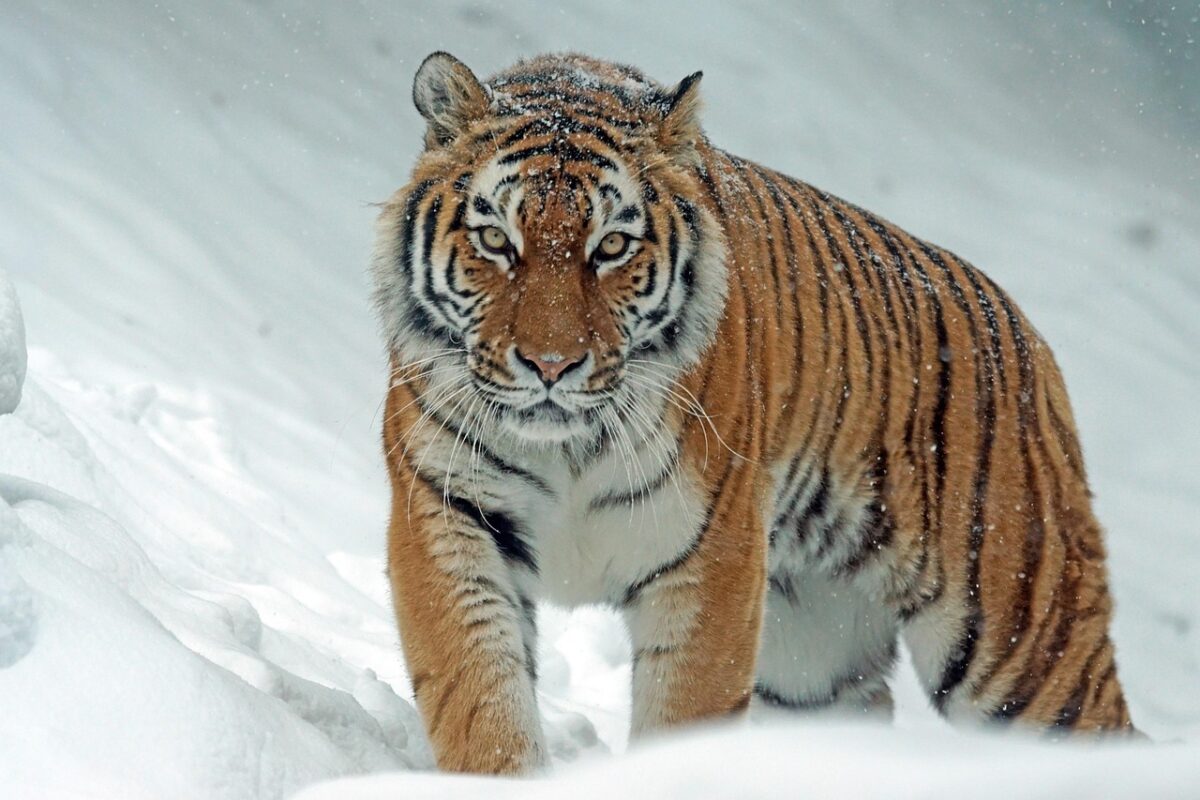
Animals are far more attuned to environmental cues than humans. They perceive ultraviolet light, detect micro-vibrations, and sense magnetic fields. This heightened sensitivity extends to humans too — our body language, tone, and emotional state all emit patterns animals can pick up.
When people talk about “energy,” they’re often referring to a blend of nonverbal communication and physiological signals like heartbeat rhythm or hormone changes. For animals, these are as clear as words. A calm, slow heartbeat signals safety; a rapid one can indicate danger.
2. Reading the Language of Emotion
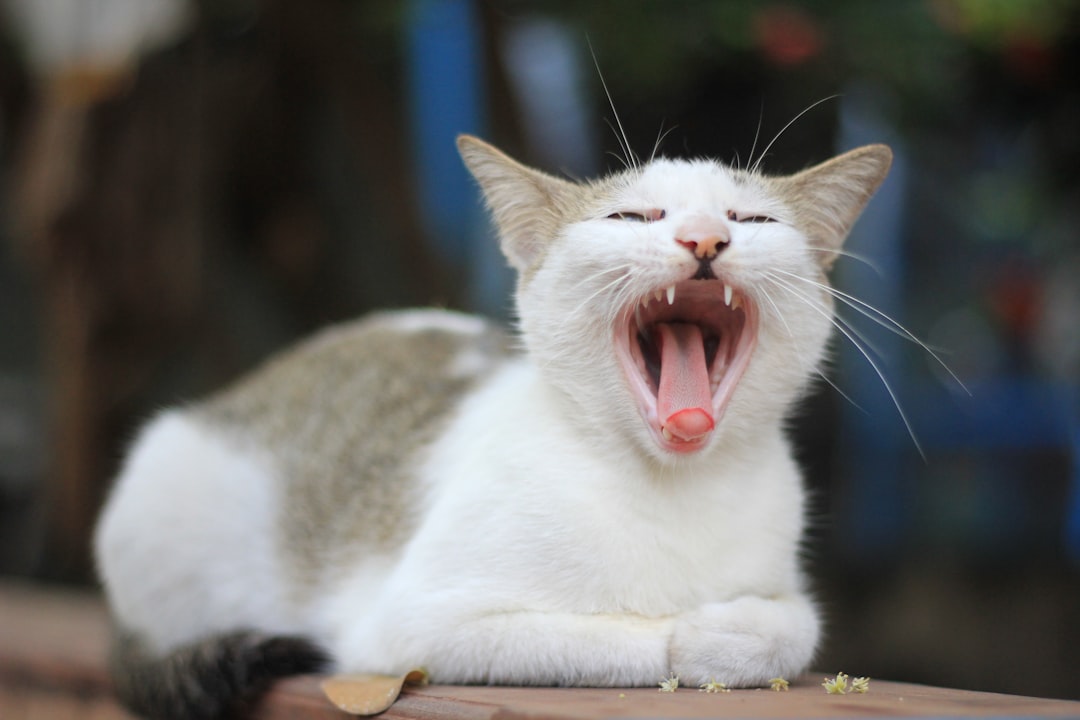
Animals, especially mammals, interpret emotional states through behavioral and chemical cues. Studies show that dogs, horses, and even cows can recognize human emotions through facial expressions and voice. Cats, too, adjust their reactions based on their owner’s mood.
When you feel relaxed, your body releases serotonin and oxytocin — hormones linked with calmness and trust. Animals detect these changes through subtle scent shifts and movement patterns. So, when you’re peaceful, they’re drawn to you; when you’re tense, they stay away.
3. Scent: The Invisible Communicator

Our scent changes with our emotions. When we’re stressed, we release adrenaline and cortisol — both of which alter our body odor in ways animals can easily detect. Dogs, with their 300 million olfactory receptors, can smell emotional states like fear or happiness.
Even wildlife responds to these cues. Birds and small mammals often avoid humans emitting “stress signals” because they associate them with danger. Meanwhile, calm individuals might find wild creatures surprisingly unafraid — a reflection of their soothing, non-threatening scent profile.
4. The Role of Vibrational Frequency

Everything that exists — including humans — emits energy in the form of vibrational frequency. This is not mystical; it’s measurable physics. Every living cell generates a small electromagnetic field. Animals like sharks, bees, and pigeons can literally sense these electromagnetic shifts through specialized organs.
When humans are emotionally balanced, their vibrations remain steady and low-frequency — the kind that signals calmness. High-frequency chaos (from stress or anger) can make animals uneasy, as it mirrors distress signals they interpret as potential threats.
5. Why Calm People Attract Animals
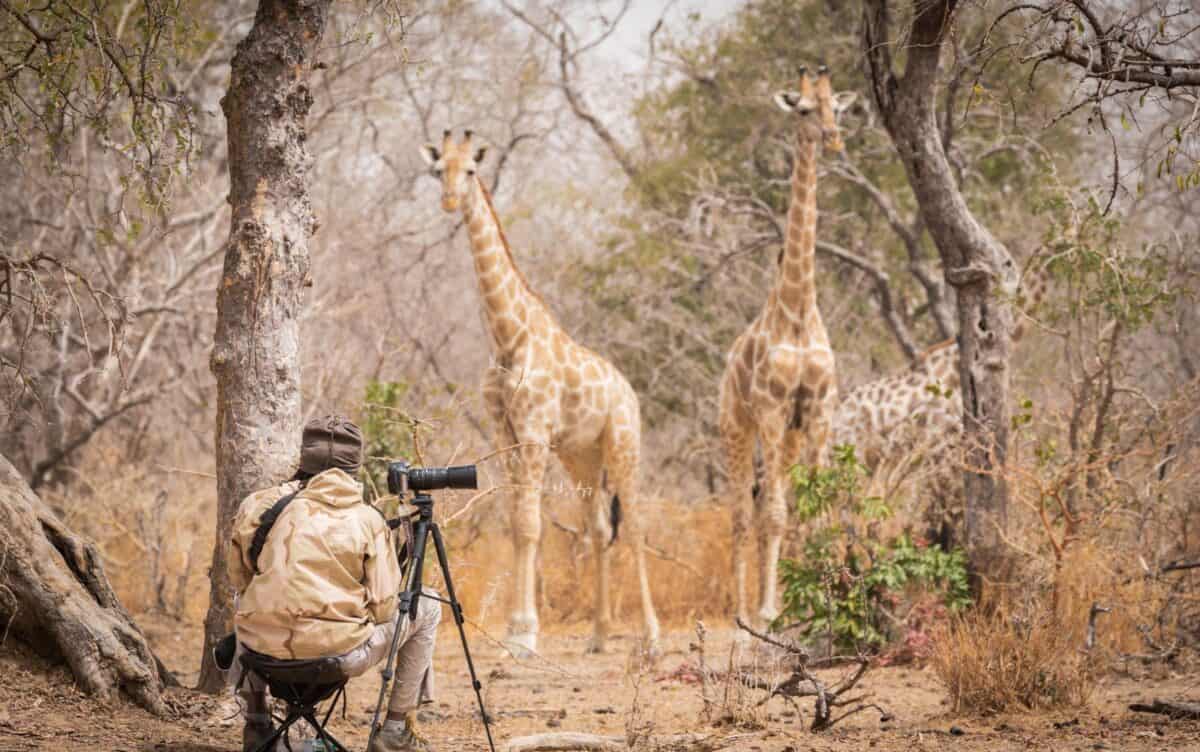
There’s a reason animal trainers and wildlife photographers are often described as patient, grounded, and gentle. Their emotional stillness lowers tension in the surrounding environment. Animals interpret this calm as non-predatory behavior, prompting them to approach or relax.
In contrast, erratic movements, loud voices, or nervous energy trigger an instinctive fight-or-flight response. To an animal, high energy equals unpredictability — something they instinctively avoid for safety.
6. Mutual Energy Exchange: The Empathic Bond

When an animal approaches you and seems “in tune,” it might not be coincidence but empathic resonance. This is when both nervous systems — yours and the animal’s — align, often reflected in synchronized heart rates or mirrored body language.
Scientists studying therapy animals found that heart rhythms between humans and dogs can sync during moments of affection. The same happens with horses in equine therapy — suggesting energy exchange is real, biological, and deeply mutual.
7. The Impact of Intention and Presence
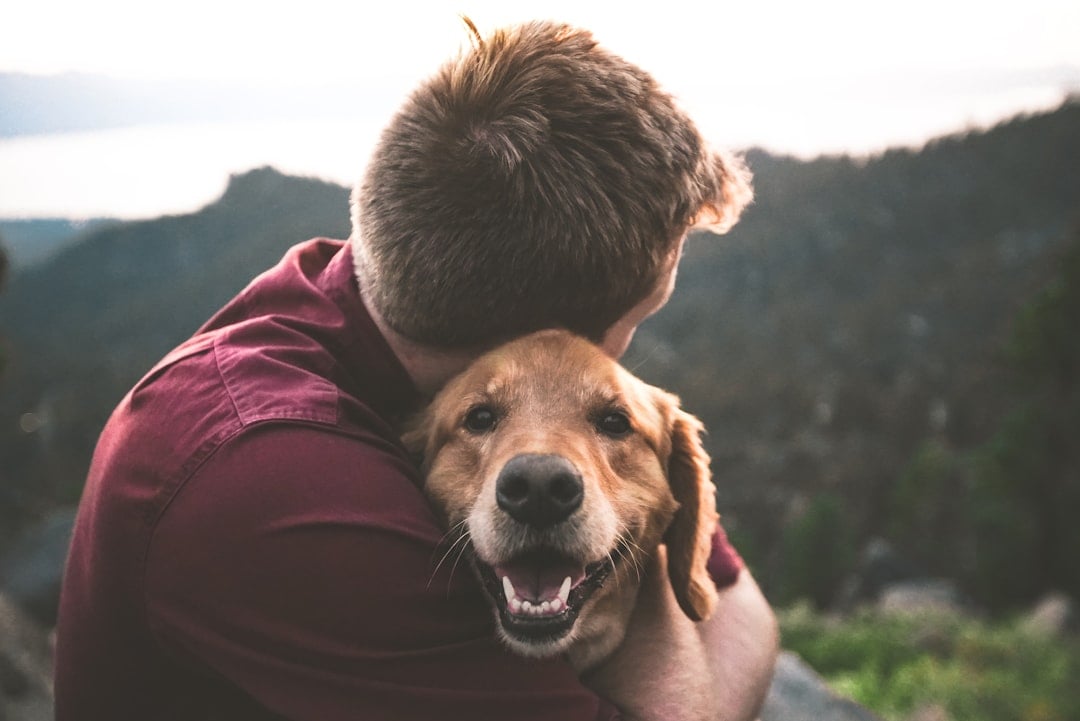
Animals live entirely in the present moment, responding not to what you say but to how you feel right now. This means your intention — your mental and emotional presence — plays a huge role in how they perceive you.
Approaching an animal with genuine respect and calm curiosity creates an invisible bridge of trust. On the other hand, forced friendliness or hidden anxiety breaks that bridge instantly. To animals, authenticity is everything — they sense sincerity even before you make a move.
8. Attracting the Right Energy Back

If animals consistently gravitate toward you, it may reflect your emotional harmony and groundedness. People who spend time in nature, meditate, or practice mindfulness often exude calm energy that animals naturally find safe.
You can cultivate this connection consciously. Slow your breathing, maintain gentle movements, and avoid projecting tension. The more peaceful your inner state, the more wildlife and pets alike will view you as part of their natural flow — not a disruption to it.
Conclusion: Nature Responds to What You Radiate

The bond between humans and animals transcends words — it’s built on instinct, chemistry, and invisible energy exchanges. Whether through scent, heartbeat, or vibration, animals perceive the truth of what we carry within.
So, the next time a bird lands nearby or a dog curls up beside you without hesitation, remember: they’re not just reacting to your presence — they’re responding to your essence. In a world driven by noise, animals remind us that the quietest language — calm, steady energy — is the one that speaks the loudest.

- 17 Quiet Signals a Horse Sends the Person It Has Claimed That Most Owners Never Learn to Read - August 1, 2026
- 18 Plants Lifelong Gardeners Say They Regret Ignoring for Far Longer Than They Ever Should Have - August 1, 2026
- The 18 Signs Your Aging Cat Has Chosen You to Be Beside It When the Time Finally Comes - August 1, 2026