
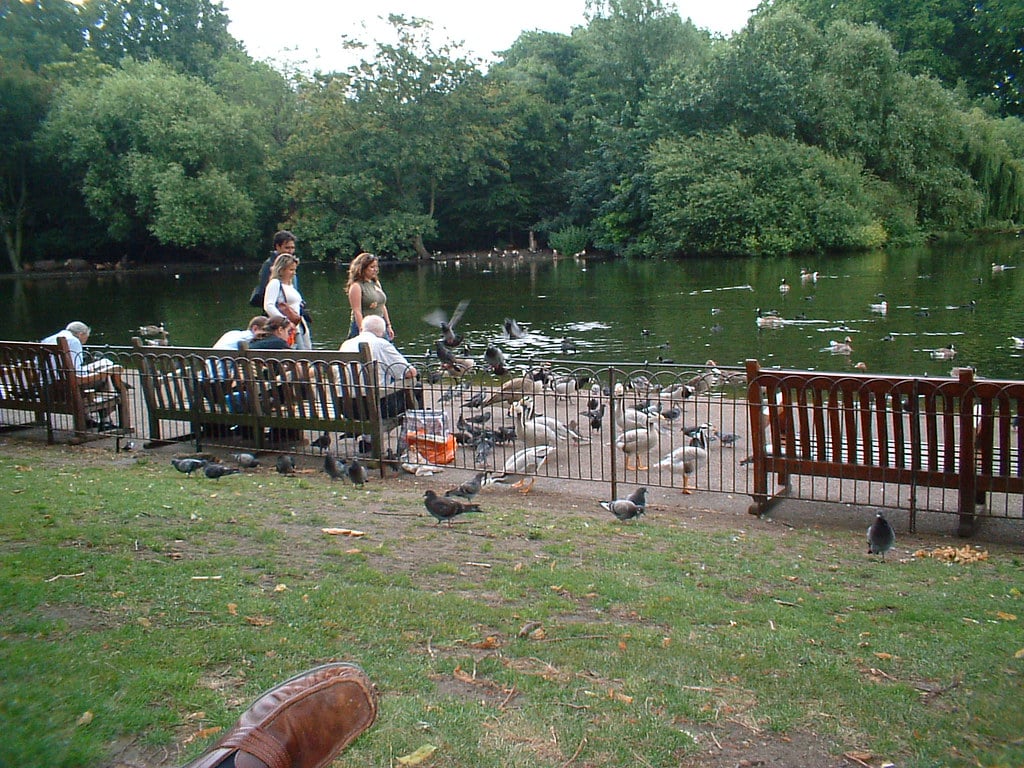
Most people think tossing out a feeder and a bird bath is all it takes to “win” backyard birds. It isn’t. Birds are ruthless judges of real estate – they remember exactly where they got chased, where a cat once lurked under a shrub, and where the food bowl always ran dry at the worst moment.
If your yard has quietly made their permanent “safe list,” they start leaving very specific clues, and almost nobody reads them correctly. Most homeowners just see random bird traffic and shrug. Here’s what the behavior, the sounds, and even where they choose to poop are actually telling you.
#1 – You’re Seeing the Same Individual Birds, Not Just Random Visitors
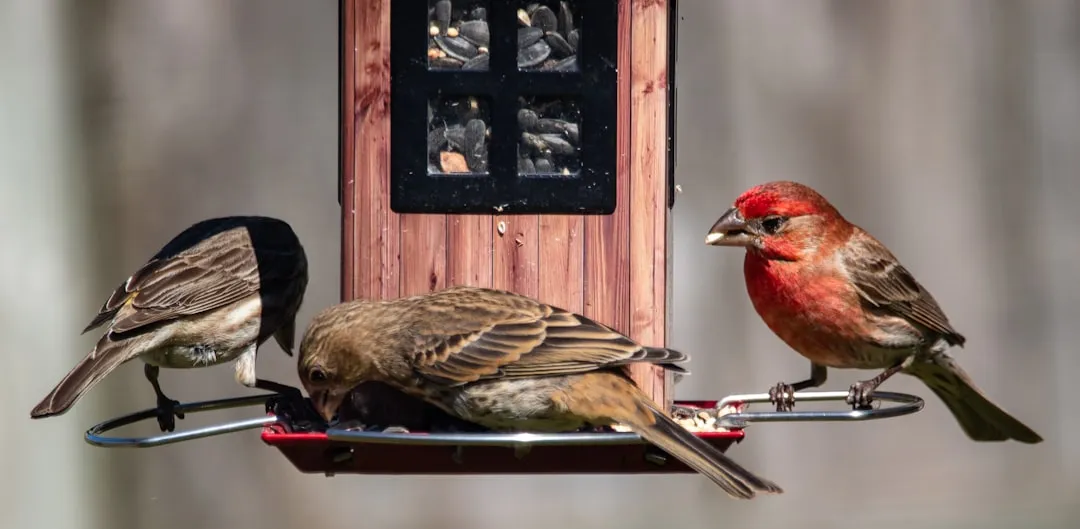
If you can recognize “that one cardinal with the chipped beak” or “the chickadee missing a tail feather,” your yard has landed on their permanent route. Birds have surprisingly sharp spatial memory, and they will only keep coming back to spots that consistently feel safe and worth the trip.
- A house finch with unusual markings you’ve started to notice.
- A slightly scruffy blue jay with a shorter tail than the others.
- A male and female pair that always arrive together, like clockwork.
Seeing those same characters day after day, week after week, means your yard is now part of their daily commute. They’ve logged it in their mental GPS as a reliable refueling stop, not a random drive-thru.
Fast Facts
- Tracking studies on migratory songbirds show
Birds have wings; they’re free; they can fly where they want when they want.
Roger Tory Peterson
That’s exactly why repeat visitors matter so much. Out of every yard on the block, they picked yours to circle back to, over and over, on purpose.
#2 – Birds Are Comfortable Eating on the Ground, Not Just Darting In and Out
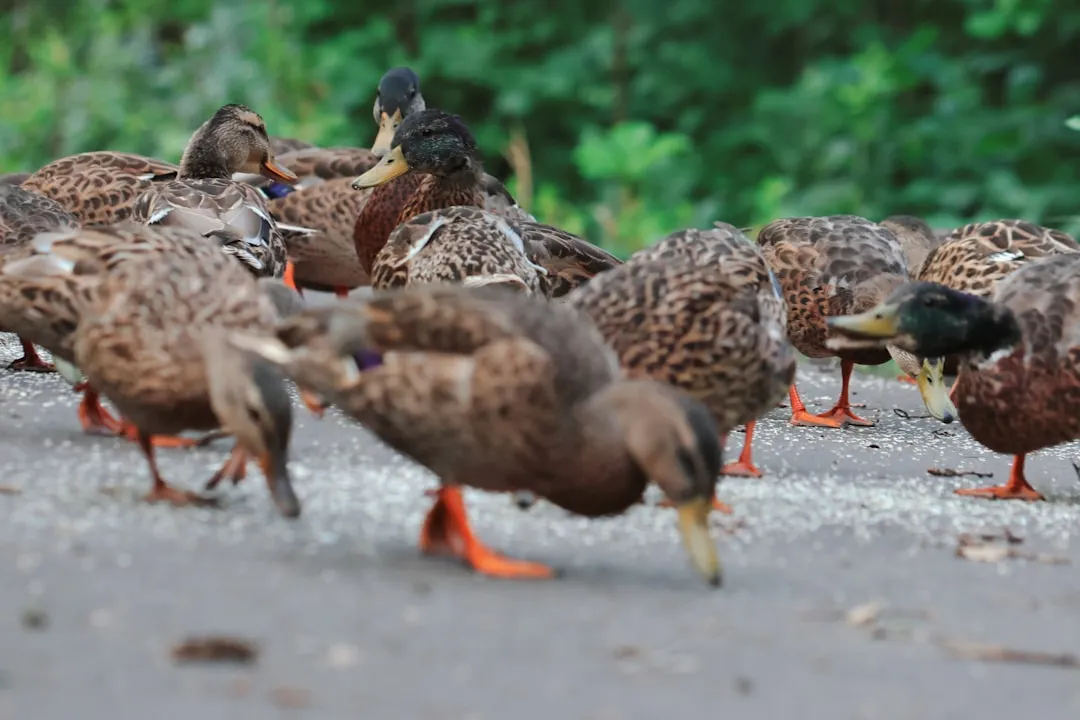
Skittish birds grab a seed and vanish. Trusting birds hop around on the ground like they own the place. When sparrows, doves, juncos, or even cardinals calmly forage under your feeder instead of panic-flighting every few seconds, that’s a serious safety vote.
Ground feeding is genuinely risky. Predators, especially cats and hawks, strike faster when birds are distracted below eye level, so a bird only takes that risk when it has good reason to believe your lawn is different.
- They haven’t had a recent bad scare in that spot.
- They don’t sense frequent ambushes or sudden human chaos.
- They feel comfortable enough to look down instead of constantly up.
Watch how they move. Nervous flocks feed in frantic bursts. Relaxed, trusting flocks shuffle, scratch, and linger, often with one bird casually “on lookout” while the others eat. That almost lazy body language means they believe your yard is safer than most of the neighborhood.
#3 – You Notice Preening, Sunbathing, and Dust Bathing in Plain Sight
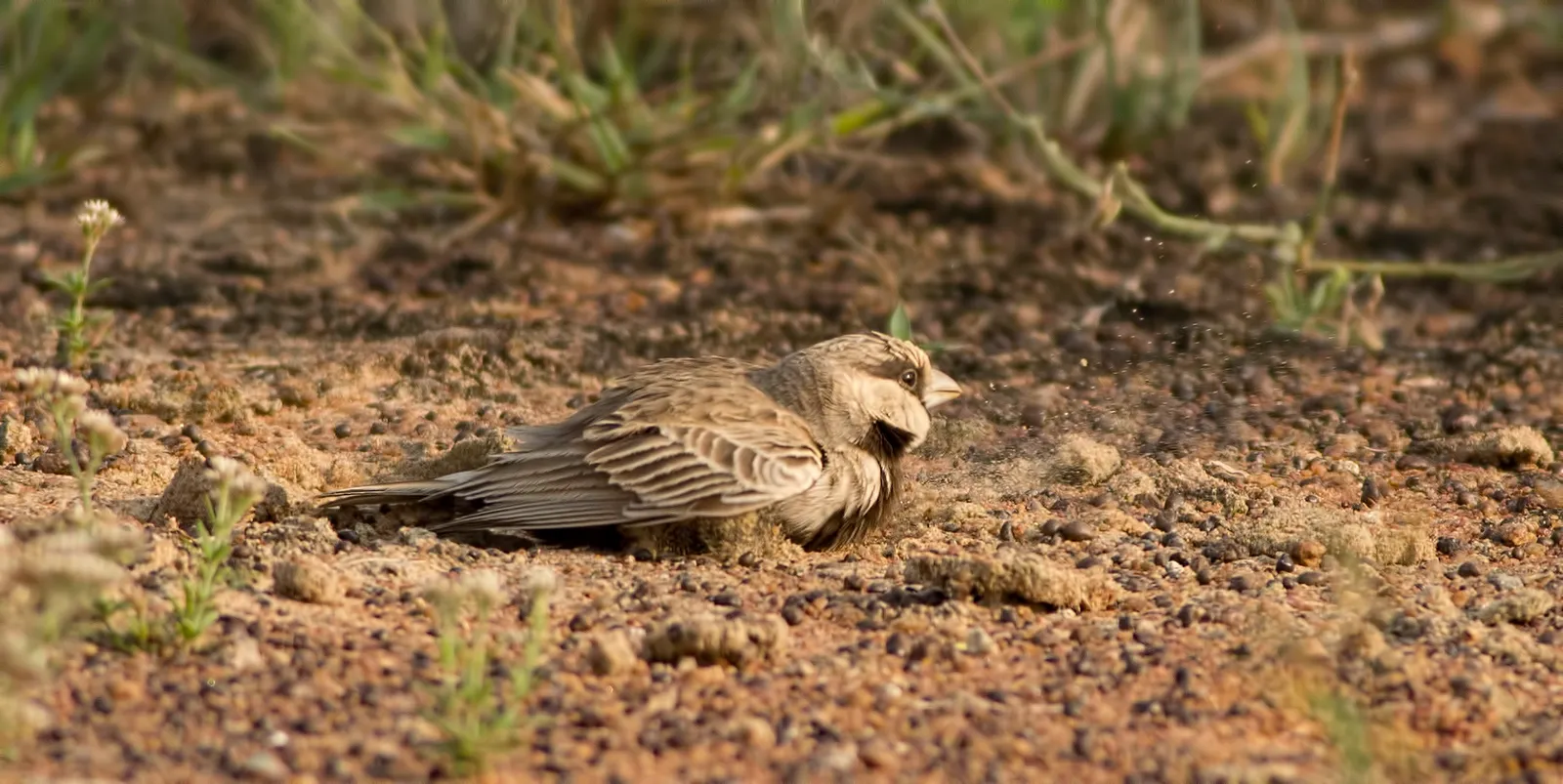
Birds never do spa day in a sketchy place. When they preen, sunbathe, or dust bathe, they’re temporarily helpless – eyes half-closed, wings spread, reaction time cut in half. Choosing your yard for that is a massive trust signal.
- A robin or sparrow rolling in a dry patch, flapping and shaking dust everywhere.
- A finch perched with wings slightly drooped, tilting sideways to soak up the sun.
- A starling or jay meticulously working over every feather on an exposed branch.
This is a bird flat-out saying, “I feel safe enough here to let my guard down completely.” Most casual homeowners miss it entirely and just assume the bird is “acting weird.”
Fast Facts
- Birds generally spend between five and twenty-five percent of their waking hours on preening and feather upkeep, depending on species and season.
- Much of that routine involves distributing oil from a preen gland located at the base of the tail to keep feathers flexible and waterproof.
- Younger birds typically preen less skillfully and less often than adults, since the technique takes practice to master.
In reality, you’ve been upgraded in their mental rating system from gas-station restroom to full-service spa. That doesn’t happen in a yard they’re still nervous about.
#4 – You Hear “Chatter Mode,” Not Just Alarm Calls
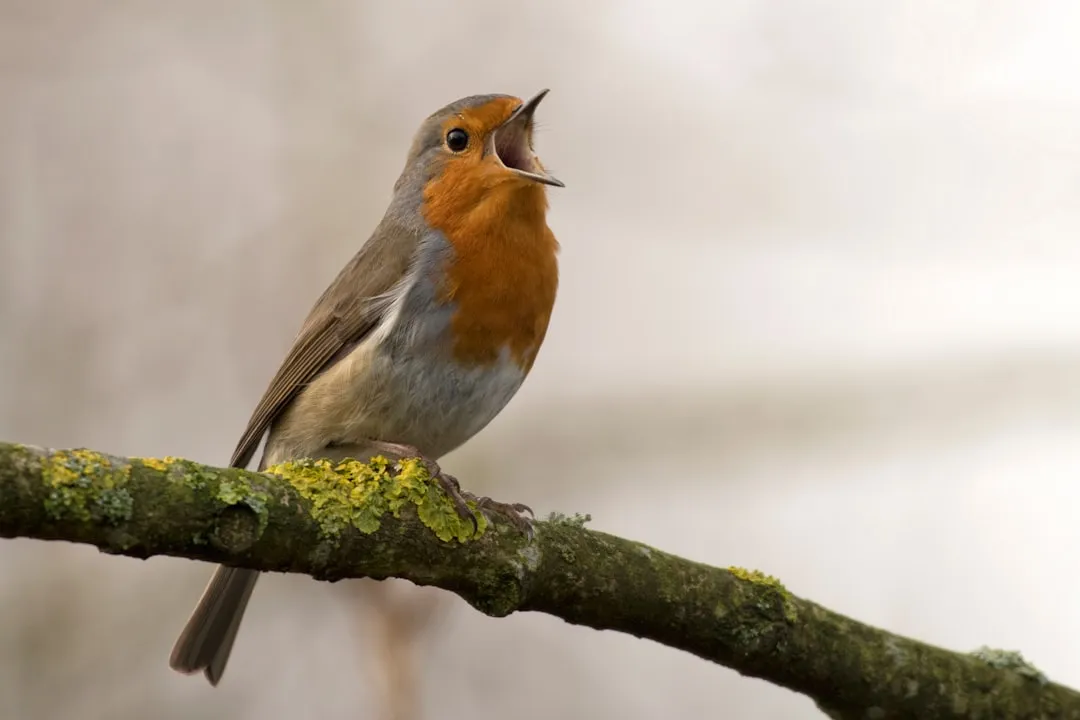
Most people only tune in when birds are screaming alarm calls. But when birds actually trust a space, the whole soundtrack changes. You start hearing soft chips, warbles, and casual contact calls – the quiet chatter they use to stay in touch with flockmates, not to dodge danger.
- House sparrows gossiping nonstop in a hedge.
- Chickadees doing gentle single “dee” calls instead of harsh, rapid-fire alarm bursts.
- Robins softly tutting and muttering to themselves while they forage.
If your yard’s soundtrack is mostly relaxed chatter, with alarm calls rare and brief, that’s your place registering as a “green zone” on their mental risk map.
Here’s the twist most people never consider: a yard that’s dead silent isn’t peaceful, it’s intimidating. The casual, low-level noise is exactly what tells you the birds are finally off edge.
#5 – Nesting Activity: They’re Not Just Visiting, They’re Raising Families
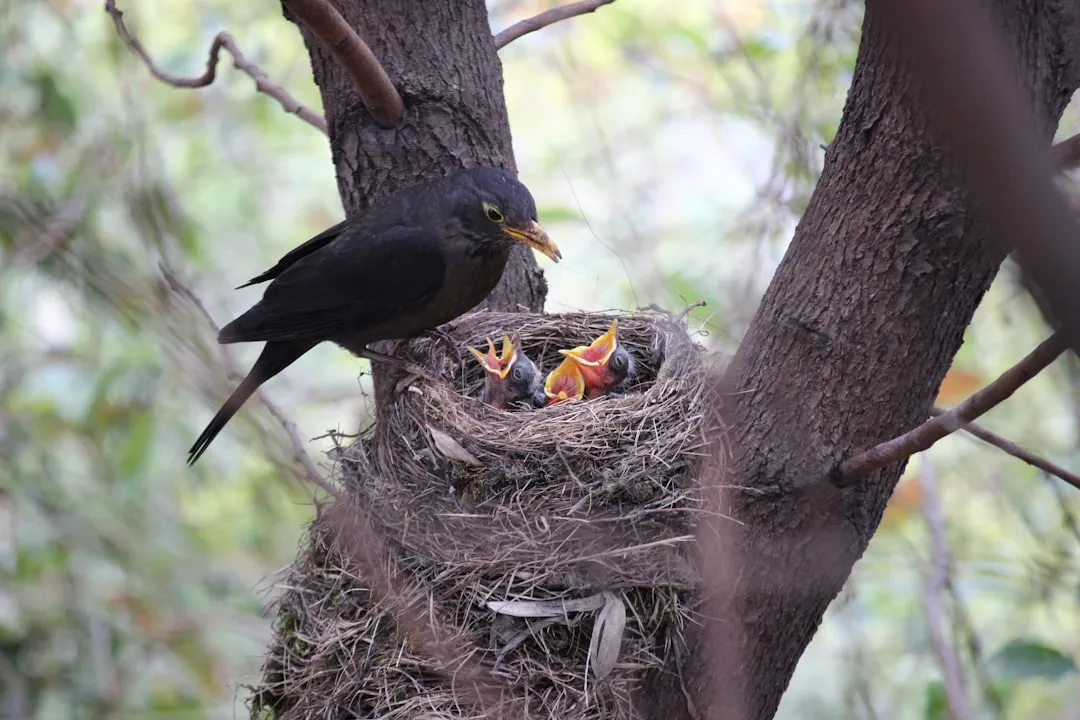
Nothing says “we trust you” like moving the kids in. When birds start nesting near or on your property, they’re betting the most vulnerable stretch of their entire life cycle on your yard. Birds will not nest anywhere they constantly feel harassed, cornered, or exposed.
- A robin building a nest on your light fixture or gutter.
- House wrens stuffing sticks into a birdhouse, eave, or even a hanging planter.
- Chickadees or bluebirds inspecting the same cavity box over several days.
Some people hate the “mess” of a nest on their porch, but here’s the blunt truth: if a bird decides your spot is safe enough to raise young, your yard is already more bird-friendly than most in your zip code.
And if you see them return to the same nesting spot year after year, that’s not luck. That’s generational trust, passed down like a family tradition.
#6 – Birds Are Using More Than One Layer of Your Yard
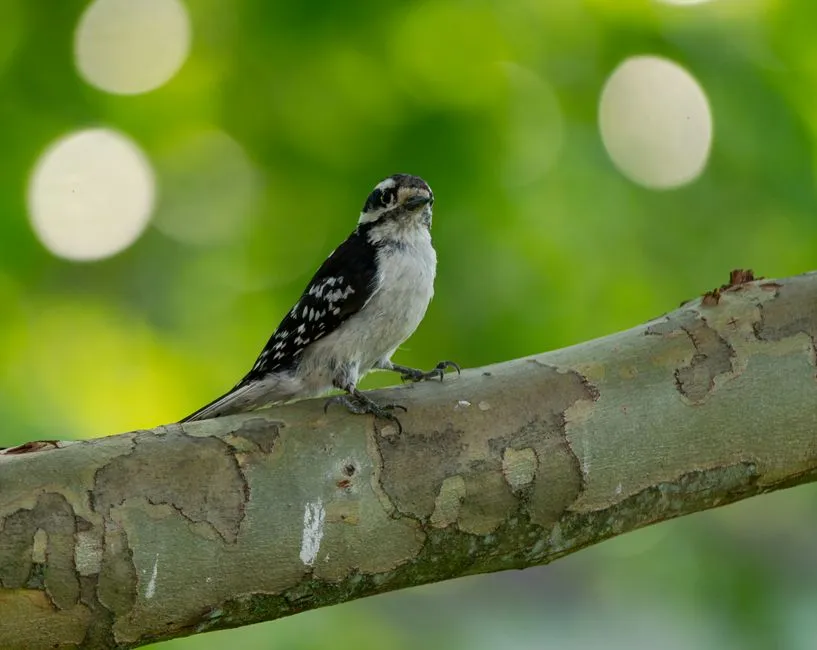
Casual yards only get flyovers or quick feeder hits. Trusted yards become full-stack habitats, where birds use the ground, shrubs, mid-level branches, and canopy differently throughout the day.
- Sparrows and juncos foraging low, then hopping into medium shrubs to rest.
- Cardinals moving between dense cover and open perches to sing.
- Warblers or chickadees zig-zagging through the canopy before dropping to the feeder.
When your yard is just a stop, birds behave like commuters: straight line in, straight line out, no detours. When your yard is home base, they wander, explore, and “hang out” on different levels like they own the whole room.
Watch for short flights between multiple corners of your yard, not just quick shuttles in from the neighbors’ side and back out. That kind of movement means your habitat actually has depth.
#7 – Early Morning and Late Evening Traffic Is Picking Up
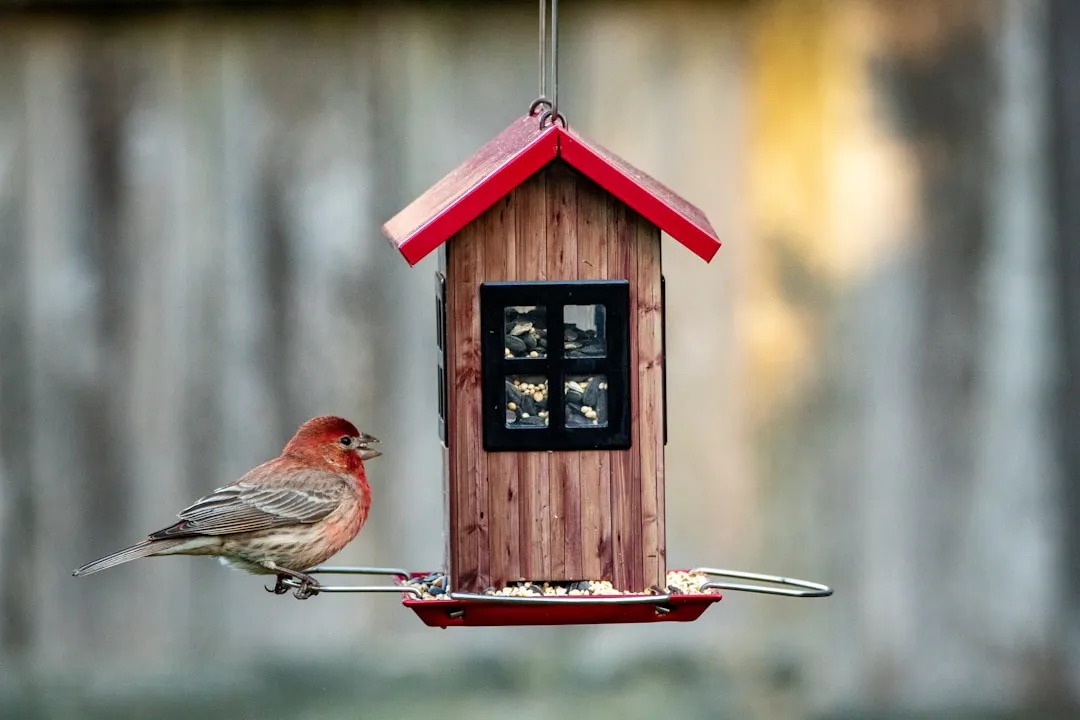
Birds hit their favorite, safest, most reliable spots during the highest-value windows of the day: just after dawn and right before dusk. If your yard is suddenly busy while you’re still in pajamas or flipping on the porch light, you’ve made their “prime time” schedule.
- Chickadees and nuthatches being the first to test the feeder at sunrise.
- Doves, sparrows, and cardinals grabbing a last snack as the sun drops.
- A noticeable “rush hour” pattern, day after day, in those exact windows.
Birds don’t waste their best feeding hours gambling on a bad spot. If they’re choosing you at those times, they expect food they like, cover they trust, and predictable calm – no dogs let loose at random, no kids charging the lawn.
Worth Knowing
- Spacing multiple feeding stations roughly ten to fifteen feet apart is a common way to reduce territorial squabbles and keep traffic steady rather than chaotic.
- Placing food at different heights – ground level, mid-shrub, and eight to twelve feet up – mirrors natural forest layers and welcomes more species without crowding.
- Shy, cover-loving species tend to favor quiet stations tucked near dense vegetation, while social flocking birds prefer more open feeding areas.
If you catch yourself planning your coffee or dinner around “their” schedule instead of the other way around, congratulations. You’re officially part of the routine.
#8 – They Ignore You (Within Reason) Instead of Bolting in Panic
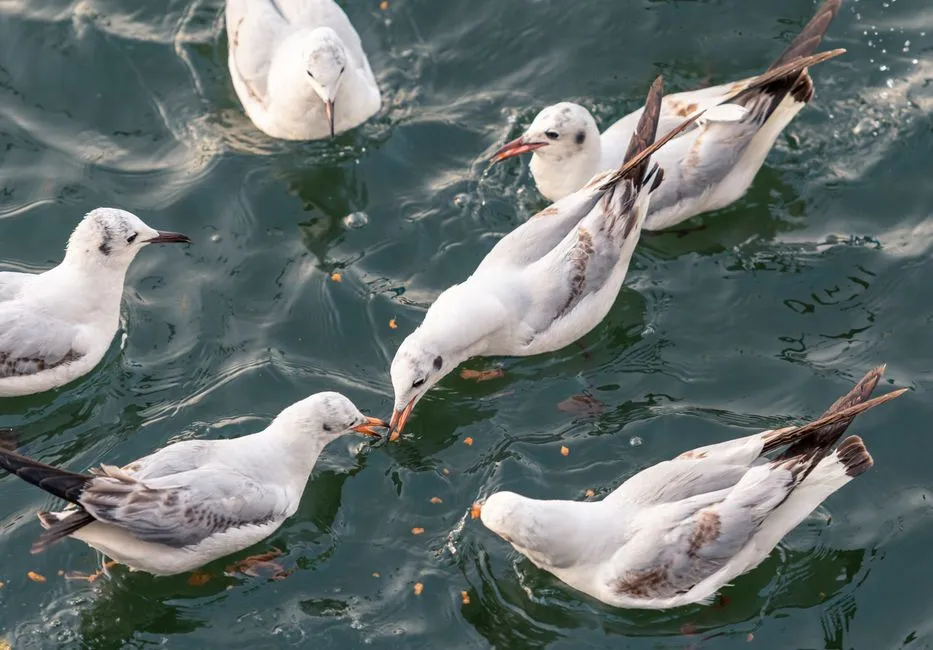
One of the most underrated trust signs is pure indifference. When birds finally trust your yard, you become background noise instead of a walking threat. They’ll keep eating when you pass a window. They’ll shuffle a few feet away instead of exploding straight up into the sky when you step onto the deck.
- Finches or chickadees that keep feeding as you slowly open a door.
- Mourning doves that calmly step aside instead of launching in a panic.
- Robins that keep foraging while you garden ten or fifteen feet away.
To be clear, birds landing on you or eating from your hand isn’t the goal here, and can actually signal unhealthy habituation. But the shift from instant flight to “we’ll just shift over a bit” is huge.
It means you’ve proven, over and over, on ordinary boring days, that your presence doesn’t equal danger.
#9 – Your Feeder Empties at a Steady Pace, Not in Random Boom-and-Bust Cycles
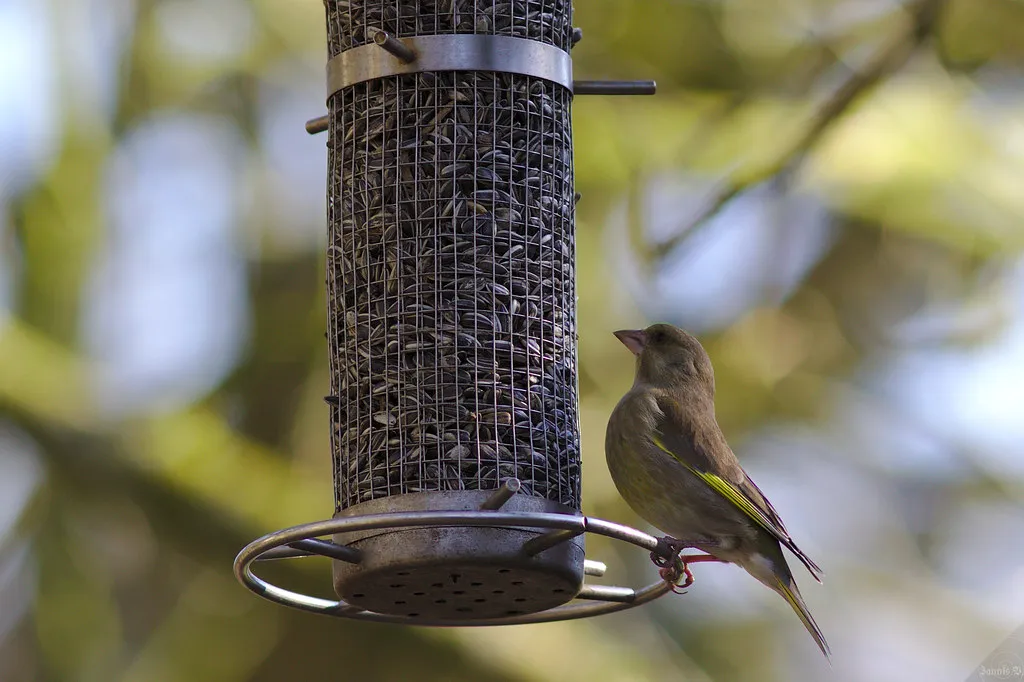
People obsess over how fast their feeders empty. The smarter question is whether the pattern is stable. When birds trust your yard, they slot your food into their daily routine, and your feeder drains at a surprisingly consistent rate.
- A seed feeder that drops roughly the same amount every single day.
- Hummingbird nectar that needs refilling on a predictable schedule.
- Fewer “feast or famine” days, unless the weather suddenly turns.
That consistency means birds are returning on a schedule, not just raiding you when their usual spots run dry elsewhere. Wildly irregular feeding – full for days, then wiped out in hours – often means your yard is still “optional” backup, not first choice.
Here’s a controversial one: a slightly under-busy but rock-steady feeder usually points to a healthier, less stressed local bird community than a chaotic all-you-can-eat circus does.
#10 – You’re Seeing Young Birds Learning the Ropes in Your Yard
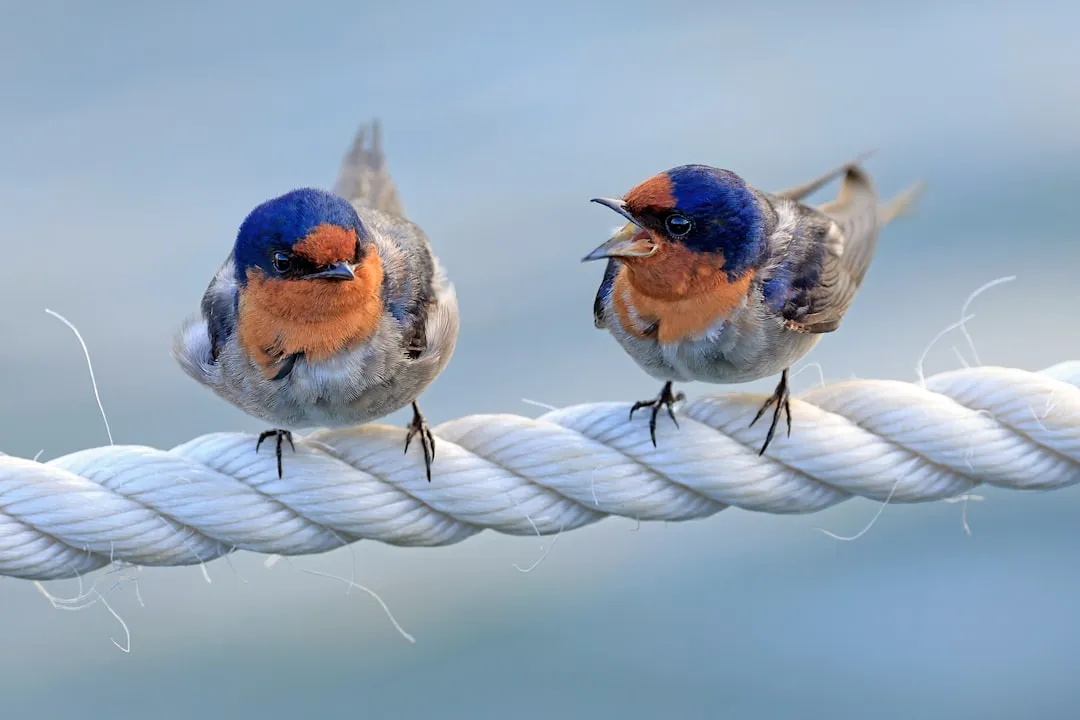
When fledglings show up confused, fluffy, and begging, your yard has hit the “trusted training ground” phase. Parent birds bring their young where they believe the odds of survival are highest, and that’s rarely a random yard full of hazards.
- Adult sparrows, finches, or starlings stuffing seeds into the beaks of begging youngsters.
- Clumsy juvenile robins hopping across your lawn, still learning to hunt for worms.
- Young birds watching a parent at your feeder, then awkwardly trying it themselves.
Yes, they’re loud, messy, and occasionally crash-land into a window or a chair. But that chaos is a compliment. It says your yard isn’t just safe for streetwise adults; it’s gentle enough to risk the rookies.
If this happens season after season, you’re not just on the map anymore. You’re woven into their family history.
#11 – Natural Food in Your Yard Is Getting Real Use, Not Just Store-Bought Seed
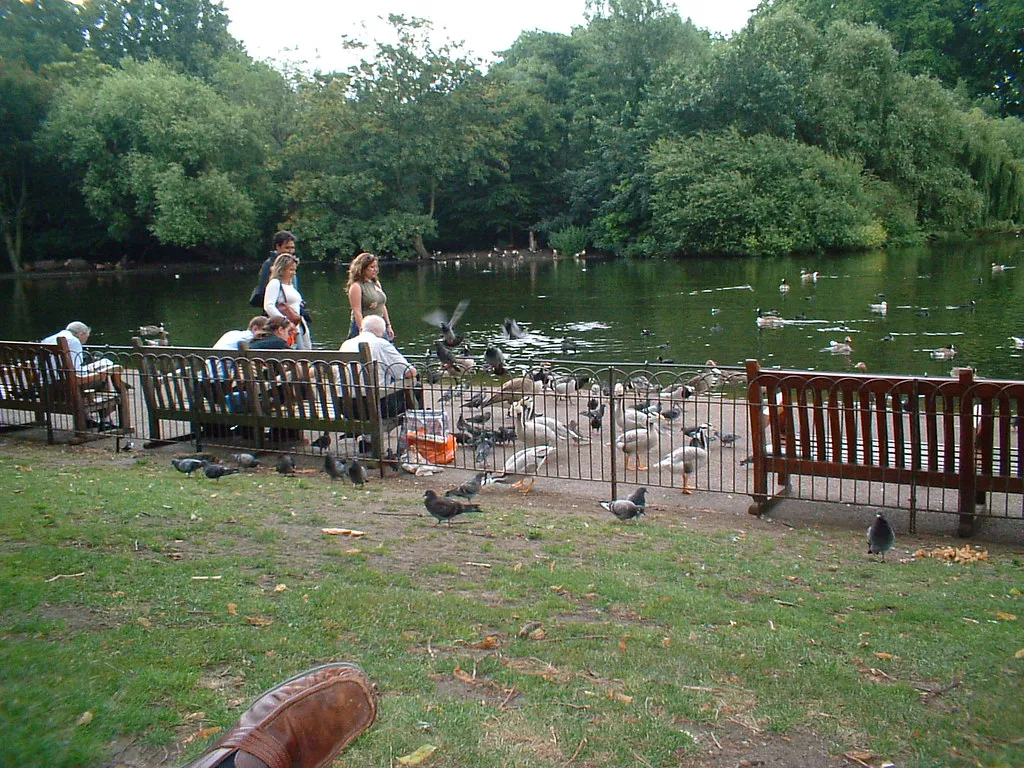
A truly trusted yard is more than a metal feeder hanging off a pole. Birds will use your natural buffet too, and when you see them eating berries, seeds, bugs, and nectar straight from your actual soil and plants, that’s a graduation moment.
- Goldfinches pulling seeds from coneflowers or sunflowers you left standing.
- Robins and thrushes working your leaf litter for worms and insects.
- Cedar waxwings or mockingbirds hitting the same berry bush on repeat.
This is also where most homeowners quietly sabotage themselves. They mow everything, rake every leaf, strip out “messy” plants, then wonder why the birds vanished overnight.
The more your yard itself feeds them, the more irreplaceable you become. Birds trust the places that don’t disappear the week someone forgets to buy seed.
#12 – Multiple Species Coexist Without Constant All-Out War
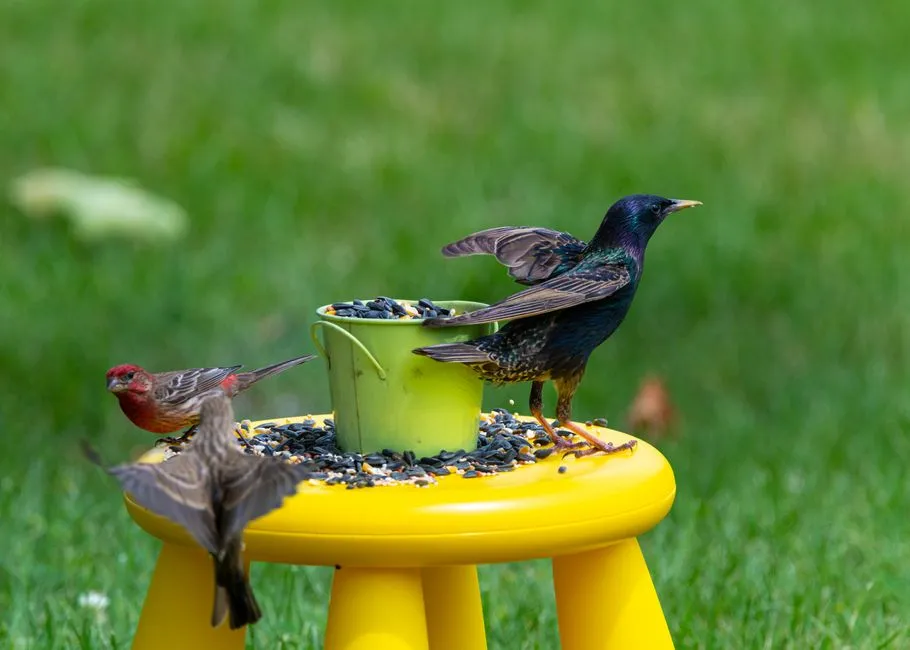
No yard is completely drama-free, but a trusted, healthy bird yard runs on something like a loose social contract. You’ll see different species using different niches, with only occasional flare-ups instead of nonstop combat.
- Doves vacuuming fallen seed off the ground while finches and chickadees hold the perches.
- Sparrows working the shrubs while cardinals anchor the deeper cover.
- Brief squabbles that end fast, instead of one species permanently driving everyone else out.
If all you’re seeing is bullies – a handful of aggressive starlings or house sparrows dominating everything – that usually signals a shallow habitat that favors opportunists, not a genuinely balanced space.
Quick Compare
- One crowded feeder: constant chasing, and one dominant species usually wins the perch.
- Multiple stations spaced ten to fifteen feet apart: noticeably calmer coexistence and less territorial behavior.
- Feeders set at varied heights: fewer standoffs, since ground feeders, shrub feeders, and canopy feeders rarely compete for the same real estate.
Controversial but true: fewer birds using your yard in harmony beats a madhouse ruled by one problem species. Real balance means there’s enough structure and food for everyone to carve out their own safe corner.
#13 – Birds Use Your Yard as a Safe Corridor Between Other Spots
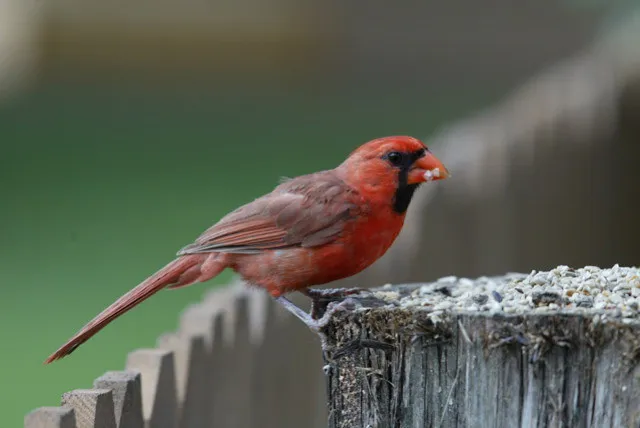
Trusted yards become part of local bird infrastructure. You’ll notice birds don’t just stop to eat, they use your property to move safely between trees, hedges, and neighboring yards. You’re the green hallway, not just the cafeteria.
- Regular “through traffic” along the same bush-to-tree routes, day after day.
- Birds cutting across your yard at low to mid height, not just flying high overhead.
- Quick rest stops on your fences, wires, or shrubs before crossing more exposed gaps.
If birds are threading their daily routes straight through your space, your plantings and cover feel safer to them than the open lawns or hardscapes nearby.
Think of it as birds choosing your yard as their quiet back road, avoiding the dangerous highway of bare, exposed properties. That sustained, directional traffic is quiet proof they now depend on what you’ve built.
#14 – When Something Scares Them, They Flee TO Your Yard, Not Away From It
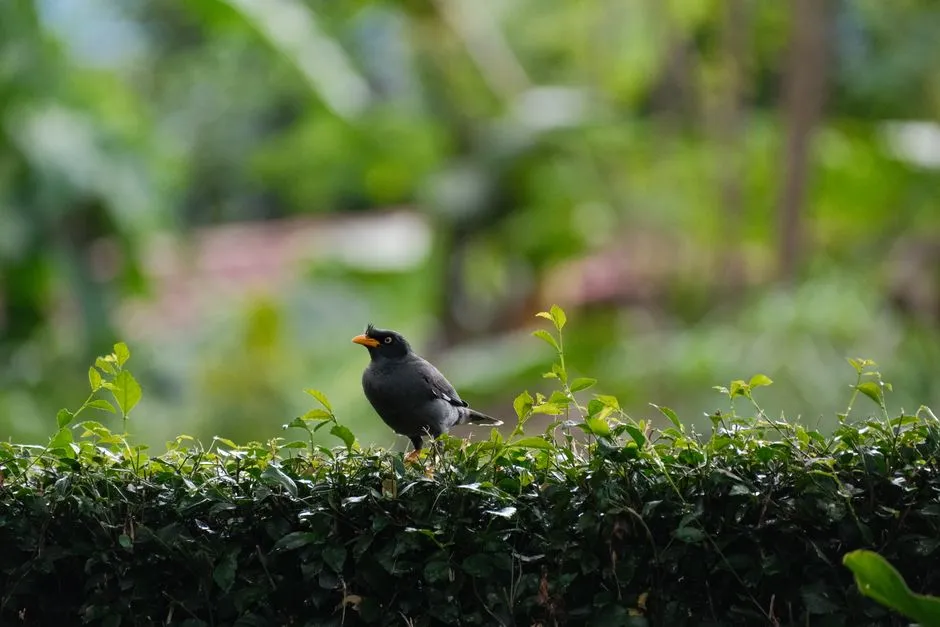
This is the ultimate trust test, and almost nobody notices it happening. When a hawk shows up, a loud noise cracks, or a neighborhood cat appears, watch which direction the flock runs. If they slam straight into your shrubs, trees, and dense cover as their first choice of shelter, your yard isn’t just pleasant. It’s home base.
- A sudden “whoosh” of small birds diving into your hedges as a hawk passes overhead.
- Multiple species vanishing into one dense bush or thicket you happened to plant.
- An eerie, total silence, followed minutes later by cautious birds re-emerging from your own vegetation.
Birds don’t gamble in a crisis. They run to whichever place gives them the best shot at still being alive in five minutes.
If that place is your yard, you’ve already passed every other trust test on this list, whether you realized it or not.
The Bottom Line
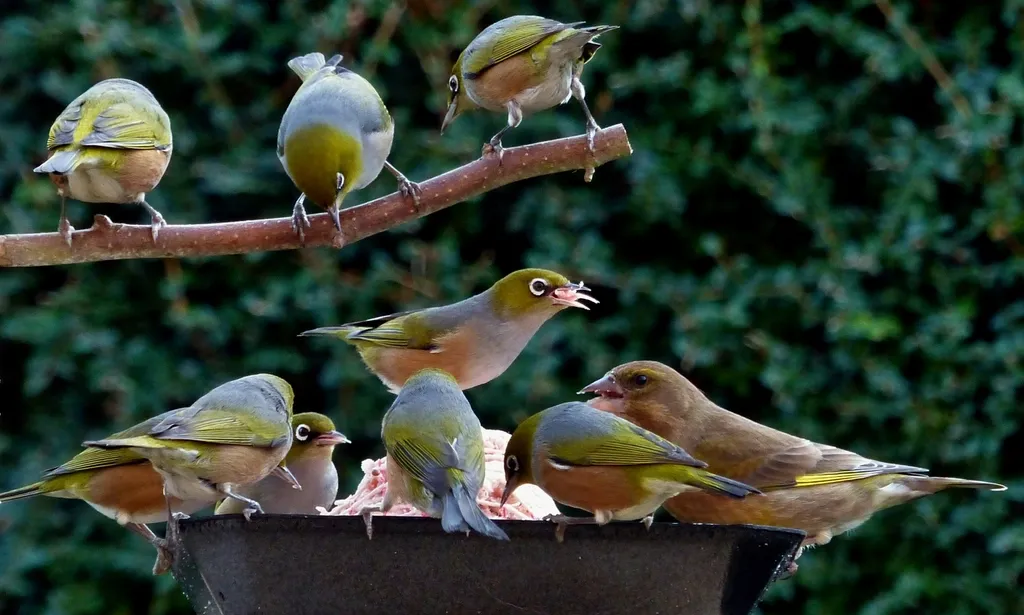
If the birds in your yard are hanging low, bickering lightly, raising chicks, and diving into your shrubs the second danger shows up, the verdict is in: they don’t just tolerate your yard, they rely on it.
Most people never connect the dots between the small stuff – preening in the open, bringing fledglings around, a steadily draining feeder – and the bigger truth underneath it. The birds have quietly promoted your property from “snack stop” to “safe zone,” and they didn’t ask your permission first.
Here’s the part that stings: a perfectly manicured, silent, bird-empty yard usually isn’t peaceful at all. It’s inhospitable, and the birds have already voted with their wings. If that bothers you, good, because it means you can fix it, and they will absolutely notice.
Which signs do you see at your place, and which ones are still missing? Be honest and tell us in the comments.
