


When we think of swimming, animals, dolphins, fish, and seals usually top our list. However, nature abounds with terrestrial creatures that have surprised researchers and nature enthusiasts alike with their aquatic prowess. These animals have adapted exceptional swimming skills to aid in their survival, whether for hunting, evading predators, or simply navigating their environments. Here, we explore ten land animals that are unexpectedly adept at swimming.
Tigers
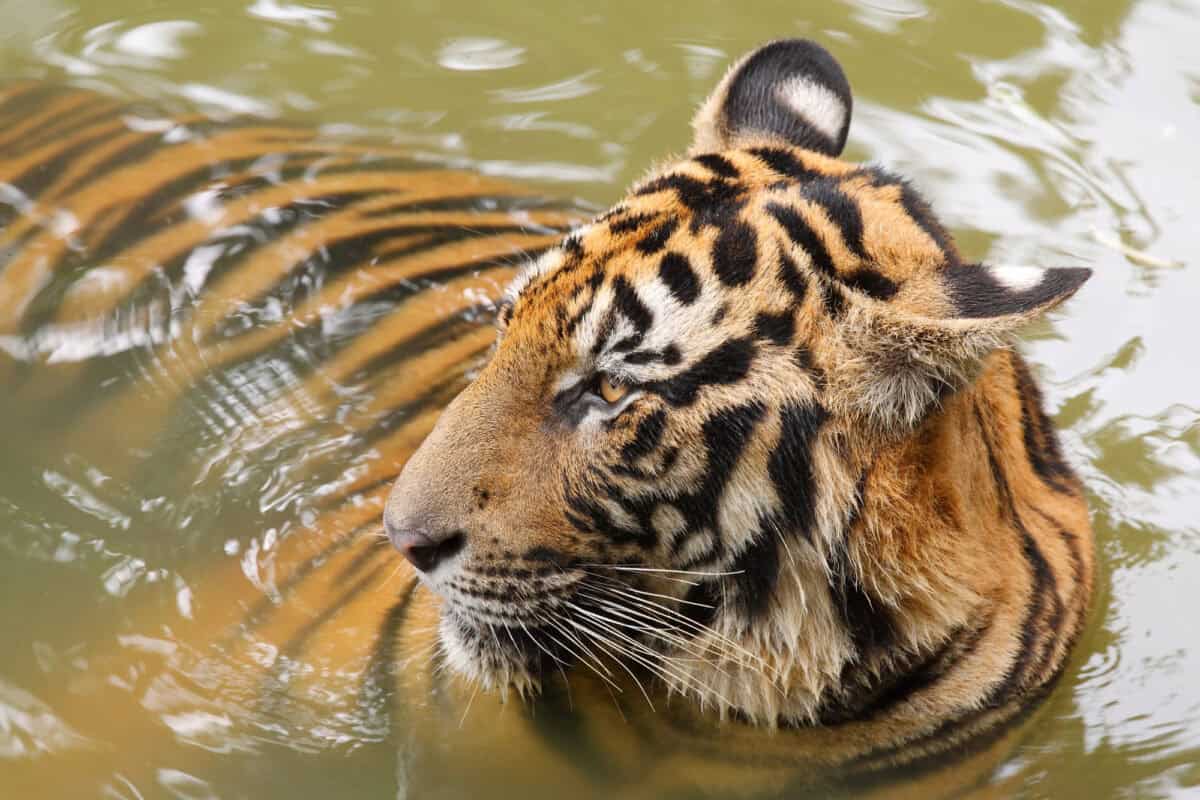
Famed for their majestic stripes and stealthy hunting skills, tigers are also proficient swimmers. Unlike many other big cats, tigers are not averse to water and frequently swim across rivers and lakes in their forested territories. This ability allows them to expand their range, hunt for prey, and cool off during the hot summer months. Tigers’ muscular build and powerful limbs enable them to swim long distances with ease.
Elephants

Despite their massive size, elephants are surprisingly graceful swimmers. Equipped with a natural buoyancy provided by their dense bodies, elephants can swim for hours using their trunks as snorkels. This trait is particularly advantageous in the wild, enabling them to cross bodies of water in search of food and mates during migration.
Raccoons
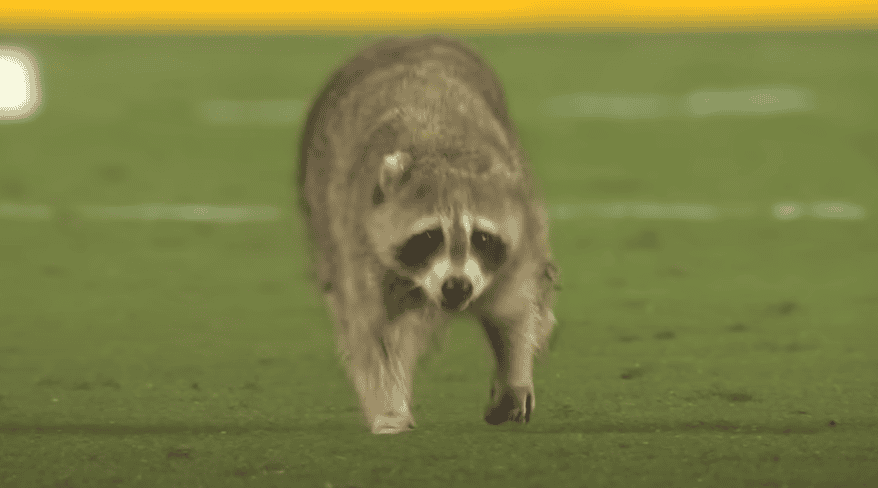
These masked mischief-makers are known for their dexterity and intelligence, but raccoons are also competent swimmers. Their webbed feet make them efficient in the water, which they often explore while foraging for food, such as fish and amphibians. A raccoon’s ability to swim adds to its adaptability, aiding its survival in diverse habitats.
Beavers
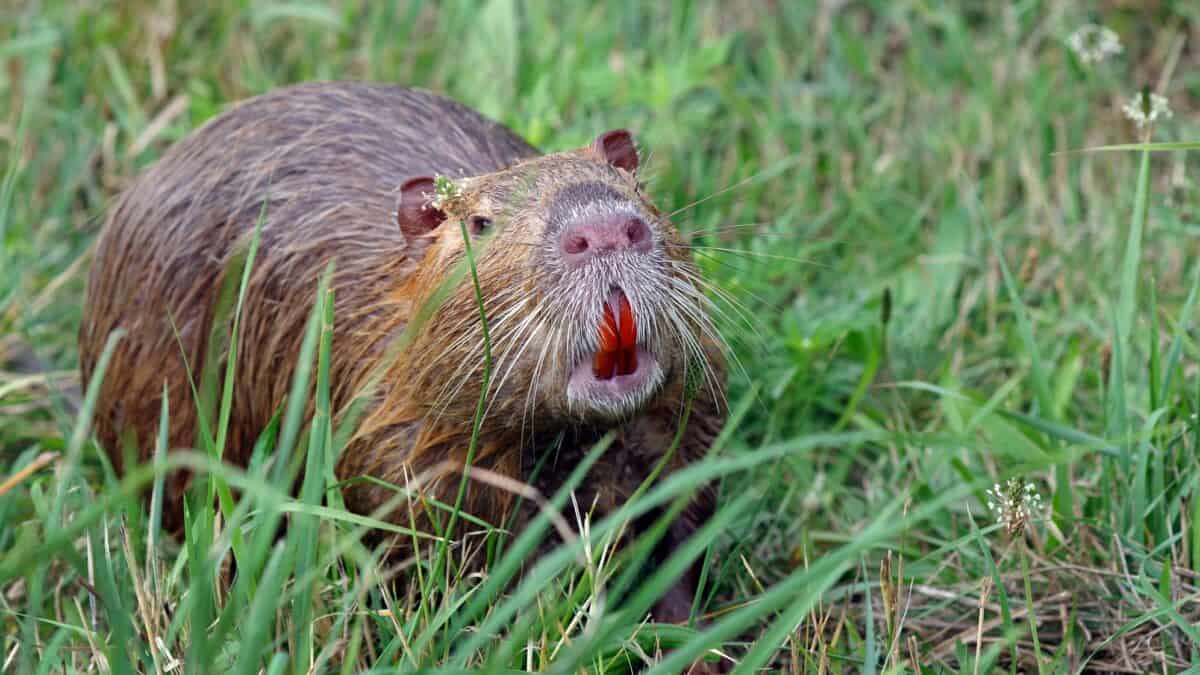
While beavers are more associated with waterways than dry land, they are technically terrestrial creatures when not hard at work in rivers and ponds. Their swimming abilities are indispensable, as beavers are adept at building intricate lodges and dams. Their broad, flat tails and webbed hind feet help them to swim and maneuver swiftly underwater.
Polar Bears
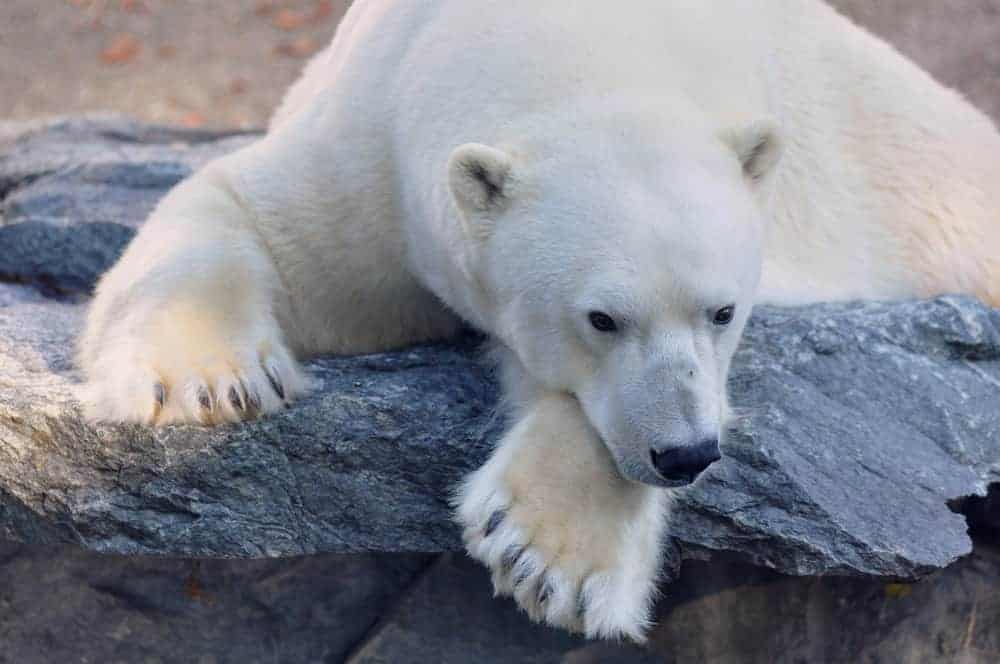
Despite living predominantly on ice and land, polar bears are strong swimmers. They can cover vast distances in the icy waters of the Arctic and are renowned for their stamina. They can swim nonstop for several days. This skill is essential for hunting seals and navigating their icy environment as climate change impacts their traditional hunting grounds.
Moose
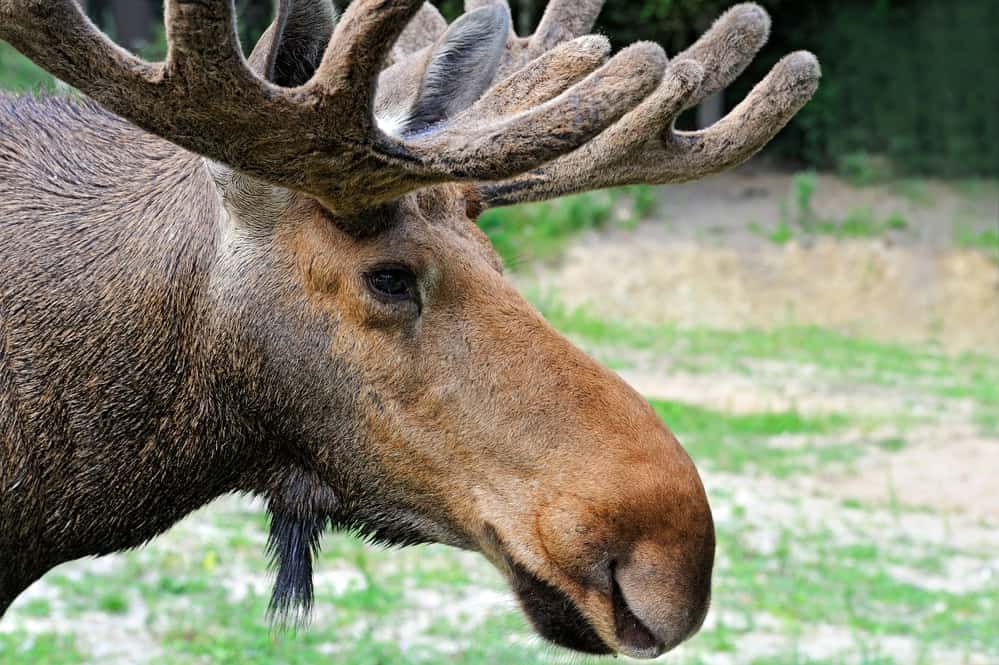
The largest member of the deer family, the moose, is also an excellent swimmer. In fact, they are known to swim up to 12 miles and can dive for aquatic plants found at the bottom of lakes. Moose use their swimming skills primarily to access food, escape from predators, and traverse the challenging terrains of their northern habitats.
Bison

These iconic creatures of the North American plains are more than just land roamers—they are proficient swimmers. During migration, bison will cross rivers in herds, demonstrating their strength and endurance. Their large bodies provide enough buoyancy to keep them afloat, showcasing the bison’s versatility and resilience in varied landscapes.
Hippopotamuses
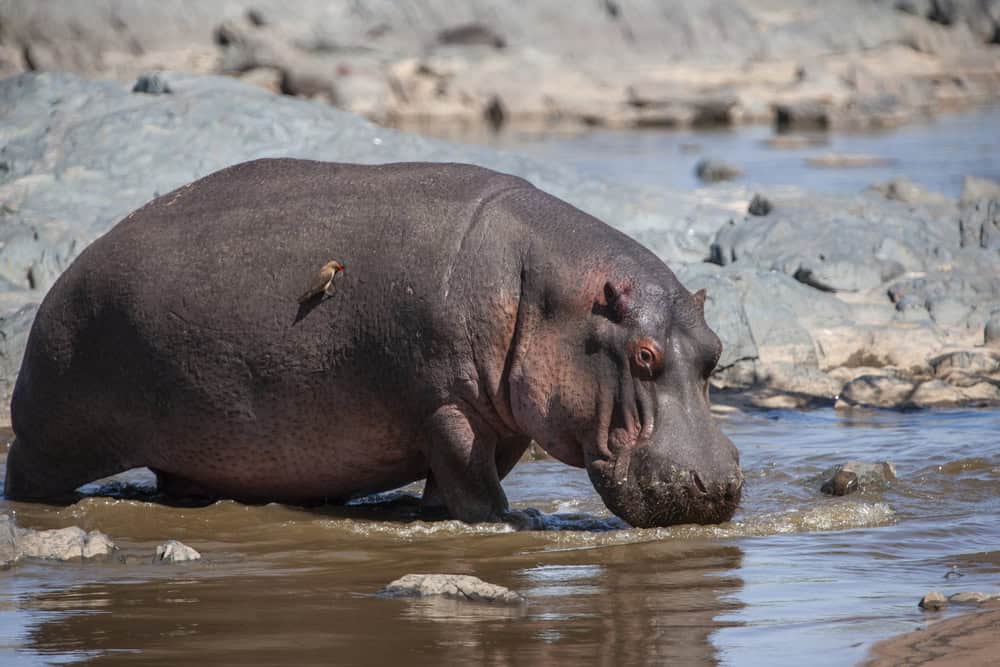
While semi-aquatic by nature, hippos spend significant time on land but are surprisingly agile swimmers. Their hefty build belies their underwater grace; hippos move through water by a gentle leap in a slow-motion glide. Their swimming efforts are usually aimed at holding their breath while submerged, allowing them to avoid predators and regulate their body temperature.
Sloths
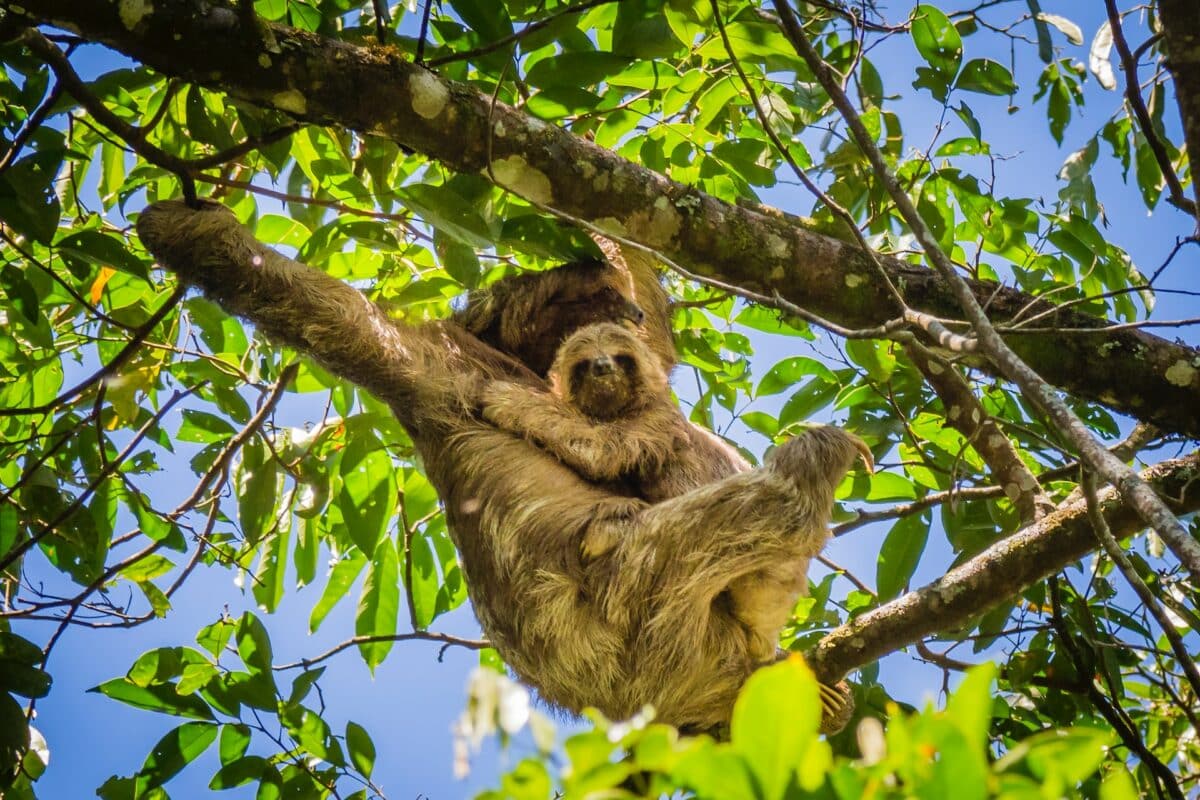
Known for their unhurried movement on land, sloths are unexpectedly proficient in water. Utilizing their long limbs, sloths are three times faster swimmers than walkers. They use this ability to navigate through flooded areas of their rainforest habitat, access food resources, and find mates. This surprising agility is part of their survival toolkit in the treetops and beyond.
Wombats
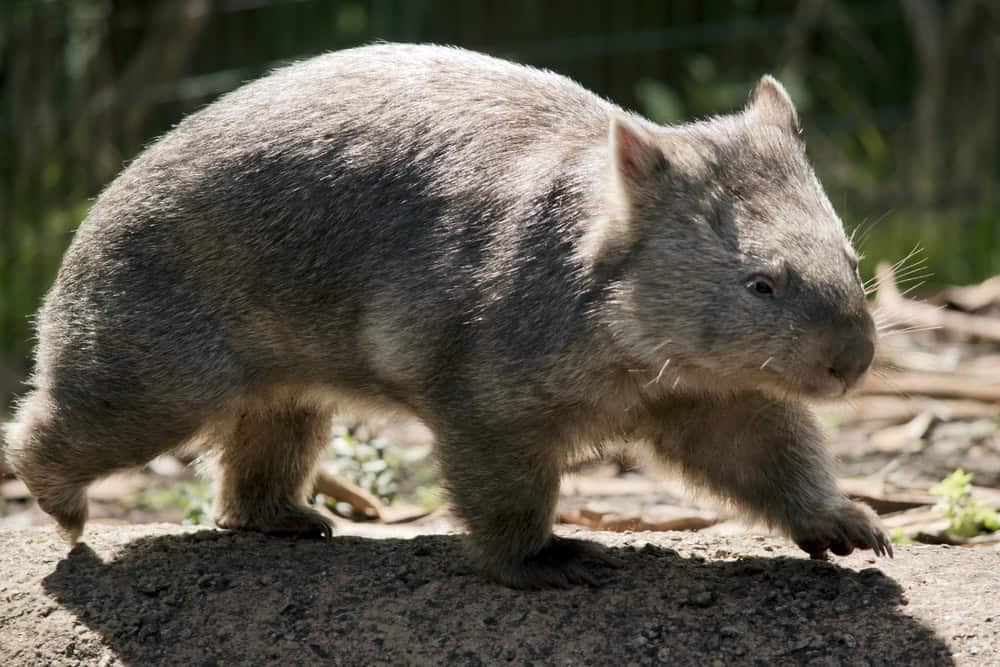
Unlike the other animals on this list, wombats are not frequently associated with water but are capable swimmers if the need arises. These stout marsupials employ their stout bodies to paddle efficiently, managing to navigate floods that occasionally occur in their native Australian habitats. While they prefer staying on land, their swimming skills come in handy during environmental challenges.
Conclusion

Nature often surprises us with its diversity and adaptability, and these land animals showcase a remarkable ability to conquer aquatic environments. Whether for survival, migration, or simply exploration, these creatures remind us that water is not just the realm of fish and sea mammals. Their impressive swimming skills speak volumes about the evolutionary paths life has taken to ensure survival on our dynamic planet.

As a little kid, I fell in love with nature, wildlife, and animals. Living in the USA, South Africa, Italy, China and Germany gave me the opportunity to discover the world's Wildlife. My favorite animals are Mountain Gorillas, Siberian Tigers, and Great White Sharks.
I'm a certified PADI Open Water Diver, went to Everest Base Camp and Trekked Gorillas in Uganda. I hold a Master of Science in Economics and Finance.
Please send any feedback to feedback@animalsaroundtheglobe.com
- Why the Great Barrier Reef Is the Best Place to Spot Sea Turtles - June 3, 2026
- 2 Animals With Super Sized Body Parts and What They are For - June 3, 2026
- Explore The Azores - June 3, 2026