


Throughout history, the legal status of animals has evolved from viewing them as mere property to recognizing them as sentient beings deserving of protection and compassion. This evolution has been marked by groundbreaking legislation that has fundamentally altered how we treat, care for, and interact with animals. These laws haven’t just changed policies and practices; they’ve transformed societal attitudes toward animal welfare and rights. From early anti-cruelty statutes to comprehensive protection frameworks, each piece of legislation represents a milestone in humanity’s moral progress. Let’s explore ten pivotal laws that forever changed the landscape of animal rights, their impacts, and the continuing journey toward a more humane relationship with the creatures who share our planet.
The Birthplace of Modern Animal Protection Martin’s Act of 1822

Often considered the foundation of modern animal protection legislation, Martin’s Act (formally known as the Cruel Treatment of Cattle Act) was passed in the United Kingdom in 1822. Championed by Irish MP Richard Martin, this groundbreaking law made it an offense to beat, abuse, or ill-treat horses, sheep, cattle, and other domesticated animals. While limited in scope compared to contemporary standards, Martin’s Act was revolutionary for its time, representing the first serious legislative acknowledgment that animals deserve protection from human cruelty.
The significance of Martin’s Act extends beyond its specific provisions. It established the revolutionary legal principle that animals merit protection not just as property but for their own sake. This conceptual shift laid the groundwork for future animal welfare legislation worldwide and inspired the formation of the Society for the Prevention of Cruelty to Animals (later the RSPCA) in 1824. Martin’s active involvement in this organization helped ensure the practical enforcement of the protections his namesake law established, making it not just symbolic but effectively implemented legislation that genuinely improved animals’ lives.
America’s First Federal Protection The 28-Hour Law of 1873

The United States’ first federal animal protection law, the 28-Hour Law of 1873, emerged in response to the horrific conditions animals endured during rail transport. The legislation required that animals transported by rail be unloaded for rest, water, and food after 28 consecutive hours of travel. This law represented the federal government’s first acknowledgment that animals deserved basic humanitarian considerations during commercial transportation, addressing the suffering of countless livestock animals as America’s railway network expanded rapidly during industrialization.
Though the law contained significant loopholes and enforcement challenges, its passage marked a pivotal moment in American animal welfare history. It established the precedent that commercial interests did not completely override animal welfare considerations, even at a time when economic development was the national priority. The law underwent important amendments in 1906 and eventually expanded to include transport by trucks in 2006, demonstrating how foundational animal protection legislation can evolve over time to address changing transportation methods while maintaining its core humanitarian principles.
Laboratory Animal Welfare The Animal Welfare Act of 1966

The Animal Welfare Act (AWA) of 1966 stands as the most comprehensive federal animal protection legislation in United States history. Originally sparked by public outrage following the publication of articles exposing the pet theft trade for research purposes, the AWA established minimum standards for the treatment of animals in research facilities, transportation, exhibition, and by dealers. It required these entities to be licensed and subject to inspection, creating an unprecedented regulatory framework for animal welfare in multiple sectors.
Through numerous amendments over the decades, the AWA has expanded its scope and strengthened its protections. The 1970 amendments extended coverage to all warm-blooded animals used in research, while later revisions addressed psychological well-being of primates and exercise requirements for dogs. Despite significant limitations—including the exclusion of rats, mice, birds, and farm animals used in agricultural research—the AWA fundamentally transformed animal research practices, requiring consideration of animal welfare and alternatives to animal testing. It established the ethical principle that even animals used for human benefit deserve basic protections and humane treatment, forever changing the landscape of animal experimentation.
Marine Mammal Conservation The Marine Mammal Protection Act of 1972
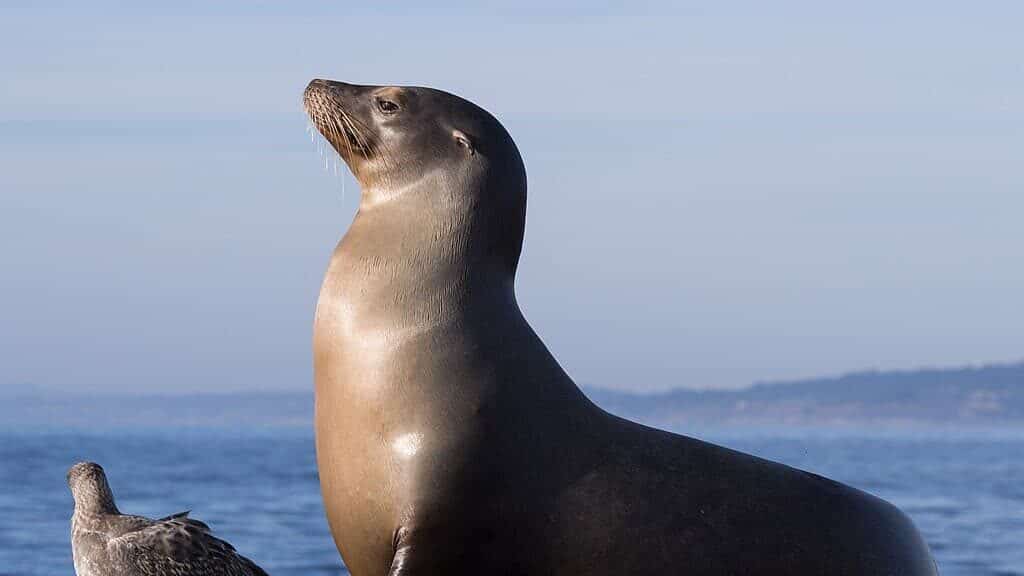
The Marine Mammal Protection Act (MMPA) of 1972 represented a watershed moment in wildlife conservation law. This pioneering legislation prohibited the “taking” (harassment, hunting, capture, killing, or collection) of all marine mammals, including whales, dolphins, seals, sea lions, walruses, and polar bears in U.S. waters and by U.S. citizens on the high seas. Prior to the MMPA, many marine mammal populations faced devastating declines from commercial hunting, incidental capture in fishing gear, and habitat destruction. The act established a moratorium on the import, export, and sale of marine mammal products, fundamentally altering human relationship with these intelligent ocean dwellers.
What made the MMPA truly revolutionary was its ecosystem-based approach to conservation. Rather than waiting until species reached endangered status, the law aimed to maintain marine mammal populations at “optimum sustainable population” levels, recognizing their role as key components of marine ecosystems. The act also established the Marine Mammal Commission to provide independent oversight and scientific expertise. In the five decades since its passage, the MMPA has helped numerous species recover from the brink of extinction, including the California sea lion, gray whale, and northern elephant seal, while fostering greater public awareness about marine conservation issues and establishing international standards for marine mammal protection.
Protecting Endangered Species The Endangered Species Act of 1973

The Endangered Species Act (ESA) of 1973 represents one of the most powerful environmental laws ever enacted and has become the cornerstone of conservation efforts in the United States. Signed into law by President Richard Nixon, the ESA provides for the conservation of species that are endangered or threatened with extinction and the conservation of the ecosystems on which they depend. It prohibits the “taking” of listed species, which includes harassing, harming, pursuing, hunting, shooting, wounding, killing, trapping, capturing, or collecting. The law also restricts activities that would destroy critical habitat and mandates the development of recovery plans for listed species.
The ESA’s impact on animal protection has been profound and far-reaching. It has been credited with preventing the extinction of numerous iconic American species, including the bald eagle, American alligator, Florida manatee, grizzly bear, and gray wolf. Perhaps most significantly, the ESA shifted the paradigm of species protection from single-species management to ecosystem conservation, recognizing that animals cannot be effectively protected without preserving their habitats. By requiring federal agencies to ensure their actions do not jeopardize listed species or destroy critical habitat, the ESA fundamentally altered how development projects, resource extraction, and land management decisions are made throughout the country, prioritizing biodiversity conservation in unprecedented ways.
European Recognition of Animal Sentience The Lisbon Treaty of 2009
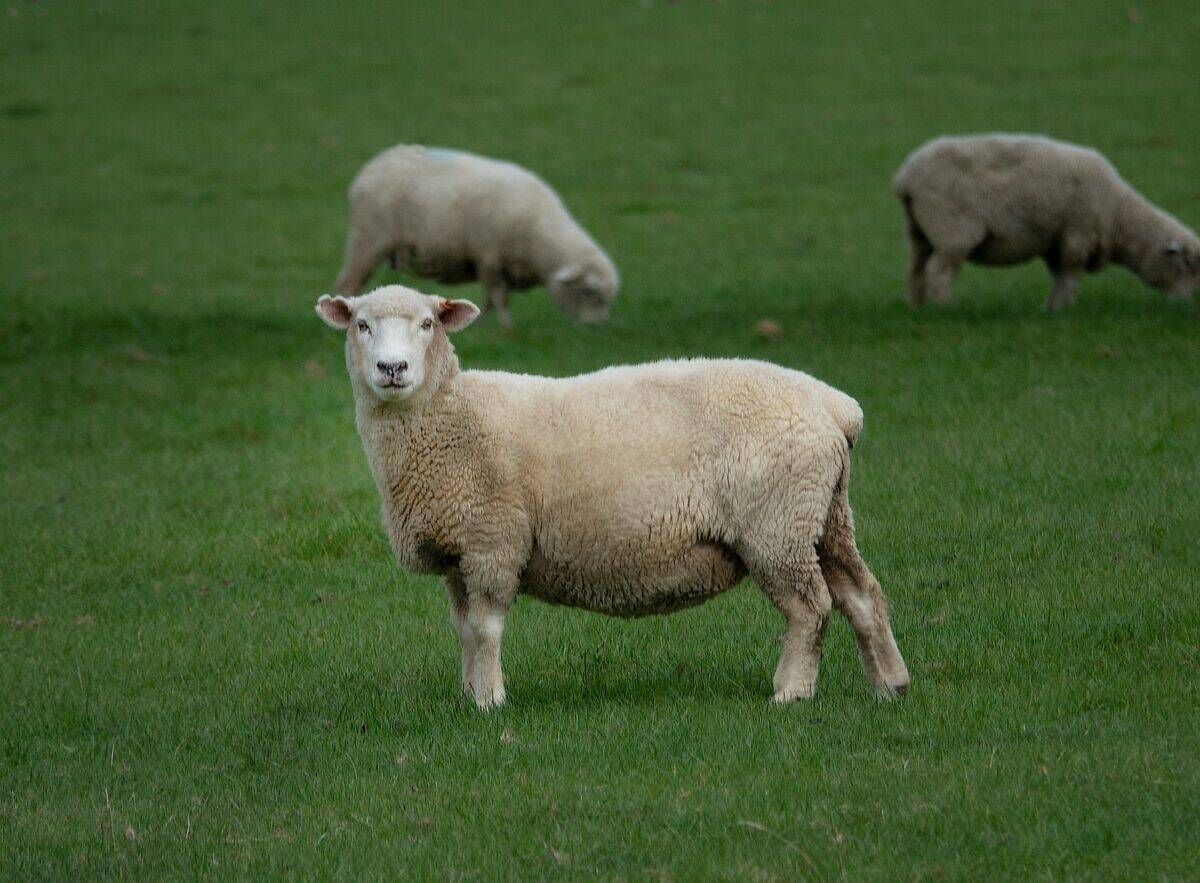
The Lisbon Treaty marked a revolutionary step forward in legal recognition of animal sentience when it came into force across the European Union in 2009. Article 13 of the treaty explicitly recognizes animals as “sentient beings,” acknowledging their capacity to feel pain, suffer, and experience emotions. This represented a fundamental philosophical shift in how animals are viewed under law—no longer merely as property or commodities, but as beings with inherent worth and consciousness. The treaty requires that EU member states “pay full regard to the welfare requirements of animals” when formulating and implementing policies in agriculture, fisheries, transport, research, and other areas.
The practical implications of this recognition have been profound and far-reaching. It has provided the legal foundation for numerous EU-wide animal welfare improvements, including bans on conventional battery cages for laying hens, veal crates, and sow stalls. The treaty’s language has been cited in court cases throughout Europe to support higher welfare standards and has influenced legislation far beyond the EU’s borders. By elevating animal sentience to constitutional-level recognition, the Lisbon Treaty established a new global standard for animal protection frameworks and challenged other nations to reconsider their legal approach to animals. This shift in legal status from objects to subjects capable of suffering has been described by many scholars as one of the most significant advancements in animal rights law in history.
Ending Cosmetic Testing The European Union Cosmetics Regulation of 2013

The European Union Cosmetics Regulation of 2013 represented a revolutionary milestone in ending animal suffering for beauty products. This landmark legislation implemented a complete ban on animal testing for cosmetic products and ingredients within the EU, as well as prohibiting the marketing of cosmetic products that had been tested on animals anywhere in the world. The ban was the culmination of a decades-long campaign that began with smaller restrictions in 1993 and a testing ban in 2004, before expanding to this comprehensive marketing ban that effectively changed global industry practices.
The impact of this legislation extended far beyond Europe’s borders, triggering what some have called the “EU effect” in global cosmetics regulation. Following the EU’s lead, numerous countries including India, Israel, Norway, and New Zealand implemented similar bans. Even in markets where animal testing is still permitted, many companies reformulated their products to meet EU standards in order to maintain access to the lucrative European market. The regulation also catalyzed unprecedented investment in the development of alternative testing methods, including sophisticated computer models, lab-grown tissues, and advanced chemical analysis techniques. By demonstrating that an entire industry could successfully transition away from animal testing while maintaining product safety, the EU Cosmetics Regulation forever changed the paradigm of consumer product testing and saved countless animals from suffering in laboratories.
Banning Factory Farming Practices California’s Proposition 2 (2008)
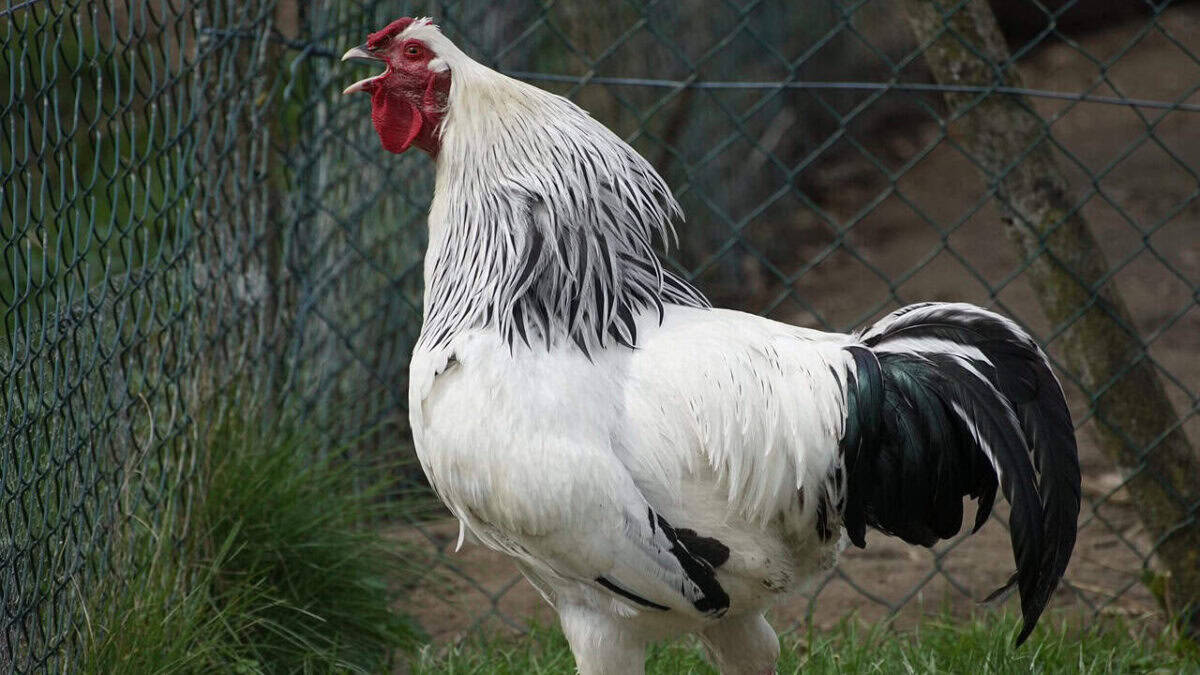
California’s Proposition 2, passed by voter initiative in 2008, marked a watershed moment in farm animal protection legislation in the United States. Officially titled the Prevention of Farm Animal Cruelty Act, this groundbreaking law prohibited the confinement of egg-laying hens, pregnant pigs, and veal calves in cages or crates so small that they couldn’t turn around, lie down, stand up, and fully extend their limbs. The legislation directly challenged the intensive confinement practices that had become standard in industrial animal agriculture, affecting millions of animals in America’s most populous state.
What made Proposition 2 particularly significant was both its scale and method of enactment. By passing through direct voter approval with 63% support, it demonstrated overwhelming public concern for farm animal welfare across political lines. The law created a domino effect that transformed farming practices nationwide. Following California’s lead, similar legislation passed in other states, and many major food companies, retailers, and restaurant chains announced cage-free commitments to maintain access to the California market. In 2018, California voters strengthened these protections with Proposition 12, which banned the sale of products from animals confined in cruel conditions regardless of where they were raised. Together, these laws have driven the most significant reforms to industrialized animal agriculture in American history, establishing the principle that even animals raised for food deserve basic humanitarian considerations.
Wildlife Protection The Lacey Act Amendments of 1981

Originally passed in 1900 as America’s first federal wildlife protection law, the Lacey Act underwent transformative amendments in 1981 that dramatically expanded its scope and effectiveness in combating wildlife trafficking. The amended act prohibited the import, export, transport, sale, or purchase of wildlife taken in violation of any U.S. or foreign law, making it a powerful tool against international wildlife crime. It created a framework where violations of wildlife laws anywhere in the world could be prosecuted in the United States, effectively extending American environmental enforcement globally and closing the loophole that allowed illegal wildlife products to enter U.S. markets.
The 1981 amendments have proven crucial in protecting endangered species worldwide by disrupting the economic incentives driving poaching and illegal wildlife trade. The law has been used to prosecute high-profile cases involving elephant ivory, rhino horn, tiger parts, exotic birds, and endangered timber. By attaching severe penalties—including felony charges, substantial fines, and imprisonment—to wildlife trafficking, the amended Lacey Act transformed what was once considered a low-risk criminal enterprise. Additionally, the act’s requirement that wildlife shipments be properly marked and declared has provided law enforcement with a powerful tool for tracking and intercepting illegal wildlife products. In an era of increasing global concern about biodiversity loss, the Lacey Act amendments stand as one of the most effective legal instruments for protecting vulnerable species from exploitation.
Domestic Animal Protection The UK Animal Welfare Act of 2006

The UK Animal Welfare Act of 2006 revolutionized animal protection by introducing a proactive “duty of care” requirement for pet owners and others responsible for animals. Unlike previous legislation that only allowed authorities to intervene after animal suffering had occurred, this groundbreaking law established legal responsibility for owners to ensure their animals’ five basic welfare needs: suitable environment, proper diet, ability to exhibit normal behaviors, appropriate housing (with or apart from other animals), and protection from pain, suffering, injury, and disease. This preventative approach empowered authorities to address potential welfare issues before animals experienced actual harm.
Beyond introducing the duty of care concept, the Act consolidated and updated more than 20 pieces of animal welfare legislation dating back to the 19th century. It increased penalties for cruelty, banned mutilations like ear cropping and tail docking (with limited exceptions), prohibited giving animals as prizes, and regulated animal fighting. The Act also granted courts the power to disqualify offenders from keeping animals and introduced improvement notices as a preventative enforcement tool. As one of the most comprehensive domestic animal protection laws worldwide, the UK Animal Welfare Act has served as a model for legislation in other countries and continues to influence evolving standards of animal care globally, establishing the principle that responsible animal ownership includes meeting animals’ physical and behavioral needs.
Animal Legal Status The Animal Legal Defense Fund’s Nonhuman Rights Project

While not a single law but rather a strategic legal campaign, the Nonhuman Rights Project (NhRP) has been working since 2007 to fundamentally transform the legal status of at least some animals through groundbreaking litigation. The organization focuses on highly intelligent, self-aware species like great apes, elephants, dolphins, and whales, arguing that these animals should be recognized as legal “persons” with fundamental rights to bodily liberty and bodily integrity. Their strategy involves filing habeas corpus petitions (traditionally used to challenge human imprisonment) on behalf of captive animals, primarily chimpanzees and elephants held in substandard conditions in zoos, circuses, and research facilities.
Although the NhRP has not yet fully achieved its goal of establishing legal personhood for nonhuman animals in the United States, its litigation has generated unprecedented judicial engagement with the concept. Several judges have written opinions acknowledging the cognitive abilities of great apes and elephants and questioning the traditional legal status of animals as mere property. In 2015, for the first time in history, a court ordered a hearing on whether chimpanzees deserved habeas corpus rights. Outside the U.S., the NhRP’s approach has influenced successful cases in Argentina, where courts granted habeas corpus relief to a chimpanzee and an orangutan. By challenging the rigid legal boundary between humans and other animals, the NhRP’s work represents the frontier of animal rights law and has already shifted the conversation about animals’ moral and legal status in profound ways that will likely influence future legislation.
Conclusion: The Continuing Evolution of Animal Rights Legislation

The journey of animal protection legislation reflects humanity’s evolving understanding of our ethical responsibilities toward other species. From the earliest anti-cruelty laws to modern recognitions of animal sentience, each advancement has built upon previous achievements, gradually expanding the circle of moral and legal consideration to include more species and provide stronger protections. These ten landmark laws represent turning points in this ongoing progression, establishing principles that continue to shape our relationship with the animal world. What makes them particularly significant is not just their immediate impact, but how they’ve influenced subsequent legislation and shifted cultural attitudes about what animals deserve.
Looking toward the future, animal protection law continues to develop in response to scientific discoveries about animal cognition, public concern for animal welfare, and ethical debates about humanity’s responsibilities to other species. Emerging frontiers include protections for invertebrates like octopuses, legal recognition of animals as more than property, wildlife protection in the face of climate change, and addressing the welfare implications of emerging technologies like gene editing. As we face unprecedented environmental challenges and technological capabilities, these historic laws provide both inspiration and practical frameworks for continuing to improve how human legal systems protect the creatures with whom we share the planet. Their legacy reminds us that compassion for animals reflected in law represents one of humanity’s noblest achievements.

As a little kid, I fell in love with nature, wildlife, and animals. Living in the USA, South Africa, Italy, China and Germany gave me the opportunity to discover the world's Wildlife. My favorite animals are Mountain Gorillas, Siberian Tigers, and Great White Sharks.
I'm a certified PADI Open Water Diver, went to Everest Base Camp and Trekked Gorillas in Uganda. I hold a Master of Science in Economics and Finance.
Please send any feedback to feedback@animalsaroundtheglobe.com
- 14 Creatures That Glow in the Dark And Why - June 18, 2026
- 12 Most Powerful Animal Jaws in the Wild - June 18, 2026
- 16 Ways Horses Have Helped Humans Over the Ages - June 18, 2026