
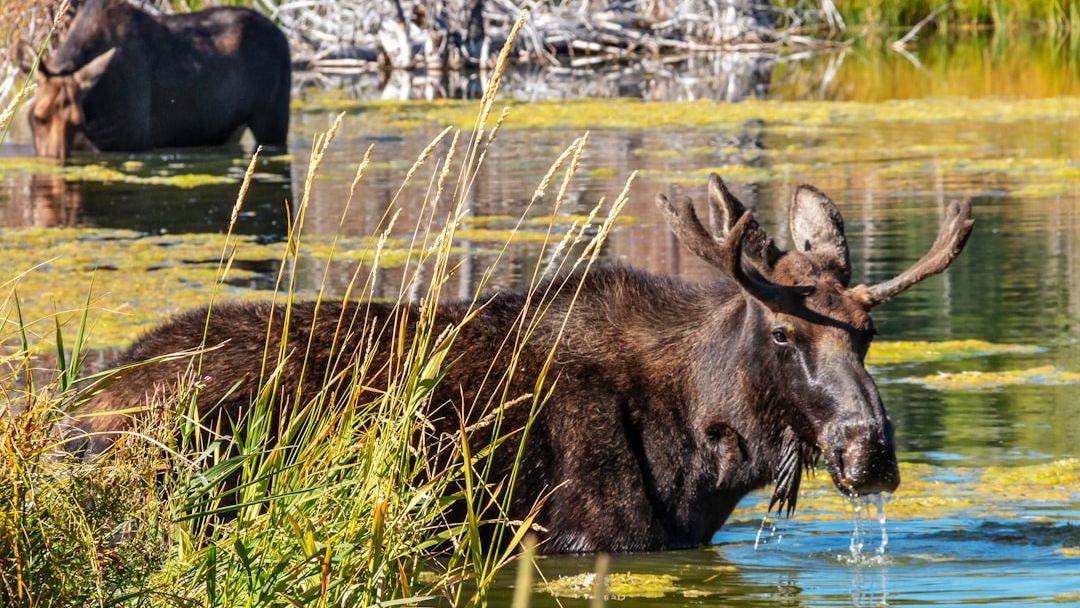
The United States is home to some of the most incredible biodiversity on the planet, yet the challenges facing wildlife have never been more pressing. Habitat loss, climate shifts, invasive species, and human expansion all threaten the delicate balance that keeps ecosystems thriving. Across the nation, certain states have stepped up to the plate, implementing innovative programs, dedicating significant resources, and rallying communities around the common goal of protecting the creatures that share our land.
These states aren’t just talking about conservation. They’re investing real dollars, passing meaningful legislation, and working with scientists and local communities to make tangible progress. Some have vast wilderness areas to protect, while others face the challenge of balancing dense urban populations with the needs of native species. What unites them is a commitment to ensuring that future generations can experience the natural wonder that defines their regions. So which states are truly making a difference? Let’s dive in.
Vermont: Small State, Big Conservation Heart
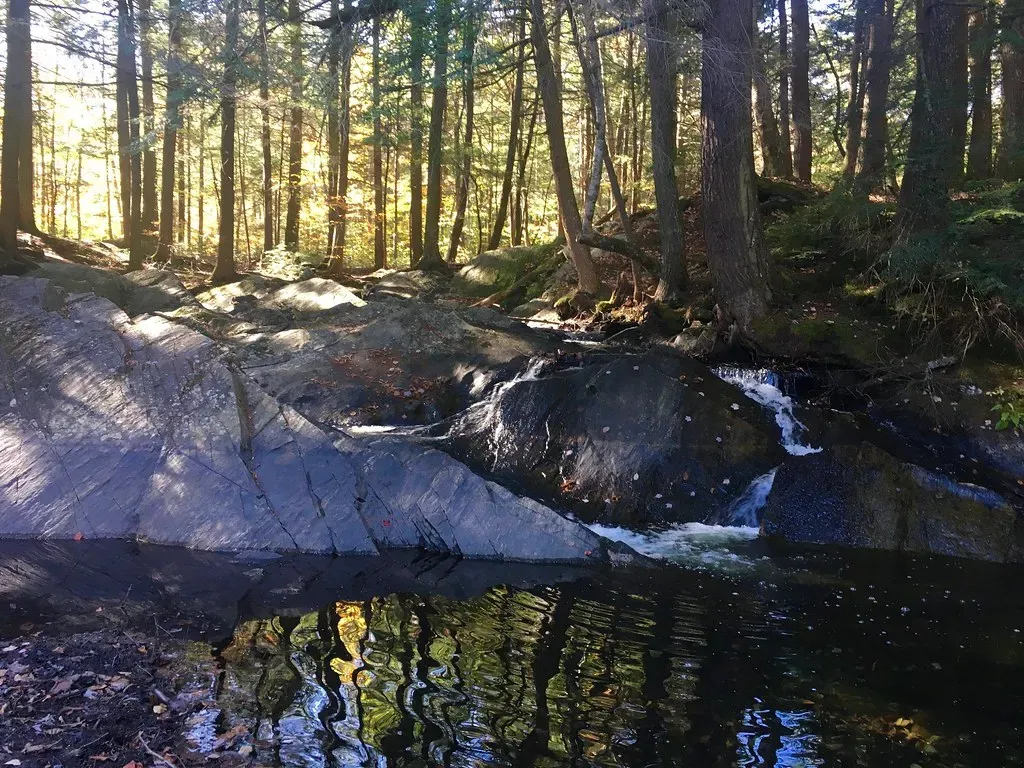
Vermont received the highest score overall, with 63.74 out of 100 in recent wildlife protection rankings. This northeastern gem may be compact, but its dedication to preserving its natural heritage is anything but small. The state consistently ranks in the top tier for ecosystem health, with impressive metrics related to climate resilience and air quality that create ideal conditions for wildlife to flourish.
Vermont also boasts an impressive amount of wildlife grant dollars per capita, showing that state leaders prioritize funding for conservation initiatives. The landscape here remains relatively rural and forested, providing crucial habitat for species that need undisturbed areas to survive. Honestly, when you think about Vermont, you picture rolling hills and dense woodlands, and that image isn’t far from reality for much of the state.
Wyoming: Where Wild Spaces Still Dominate
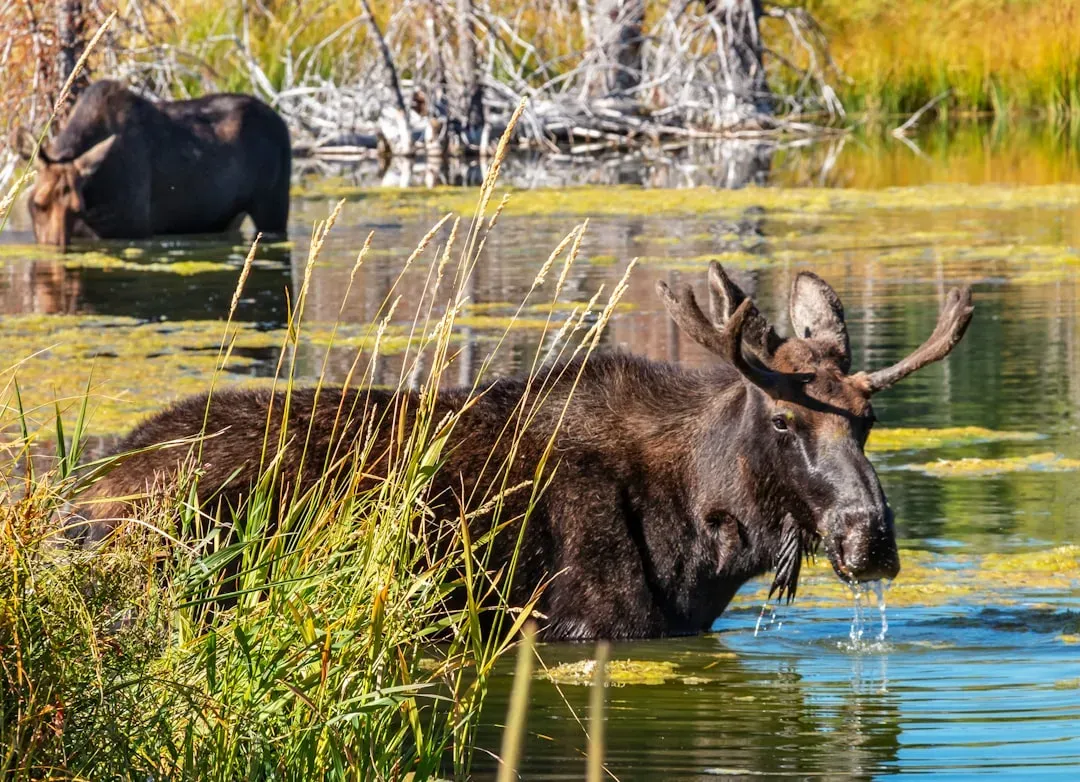
Wyoming scored 61.58 out of 100 in wildlife protection assessments, securing a strong second place position. What really sets Wyoming apart is its approach to preventing overexploitation of species. The state’s ranking in overexploitation, which happens when a species declines faster than it can recover, is one of the lowest in the country.
With vast expanses of public land and relatively low population density, Wyoming has the natural advantage of space. The state has leveraged this to maintain healthy populations of iconic Western species like elk, pronghorn antelope, and wolves. State officials have also been proactive about managing human and wildlife conflicts, implementing programs to compensate ranchers for livestock losses while protecting federally protected predators.
Colorado: Legal Protections Lead the Way
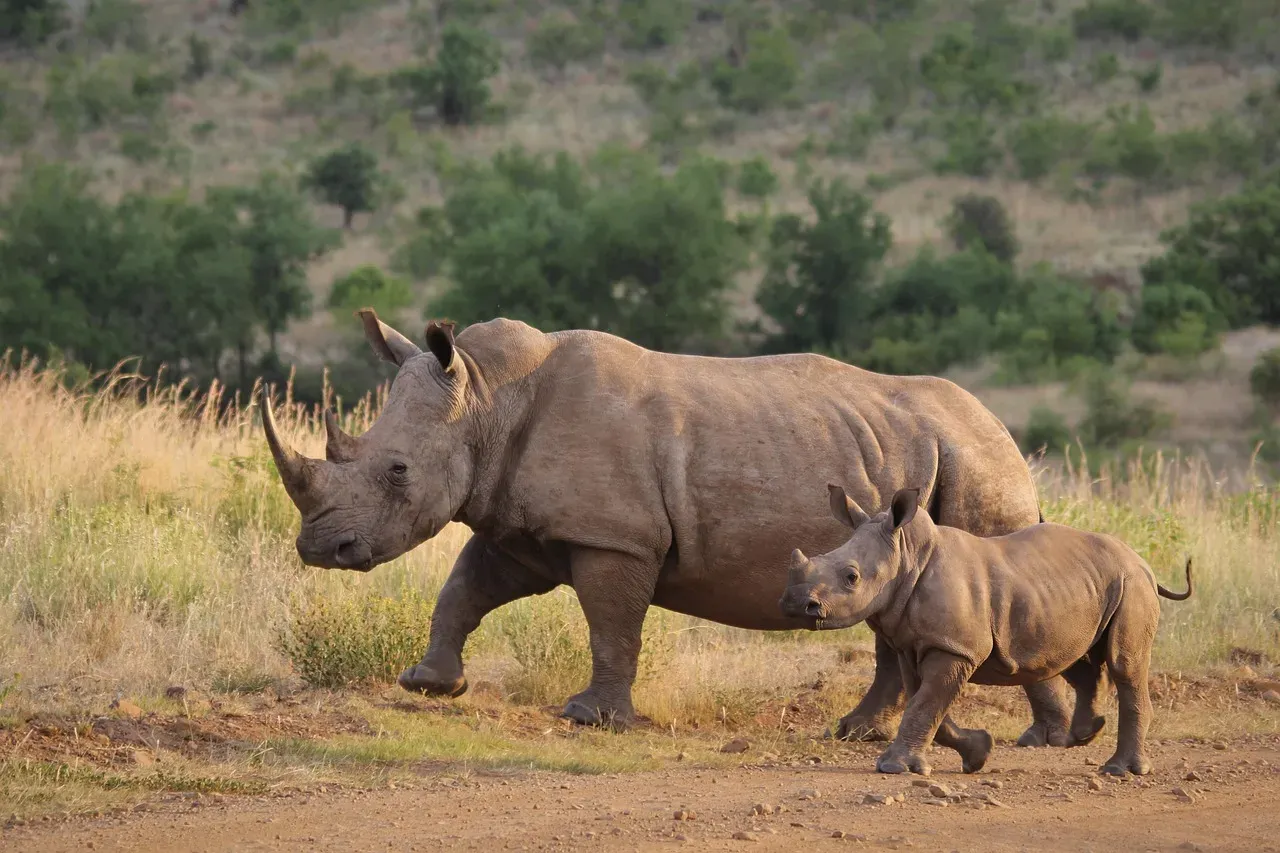
Colorado scored 60.33 and ranks third in legal protection thanks to its strong laws related to wildlife conservation. The state has embraced an all encompassing approach to wildlife management that addresses everything from habitat protection to outdoor recreation planning.
Colorado Parks and Wildlife is the primary entity responsible for outdoor recreation management and infrastructure planning in the state, ensuring that conservation efforts work hand in hand with public access initiatives. Let’s be real, Colorado has always been a state where people take their natural spaces seriously. The combination of strong legal frameworks and public support creates an environment where wildlife policy can actually succeed rather than just existing on paper.
California: Ambitious Goals and Massive Investment
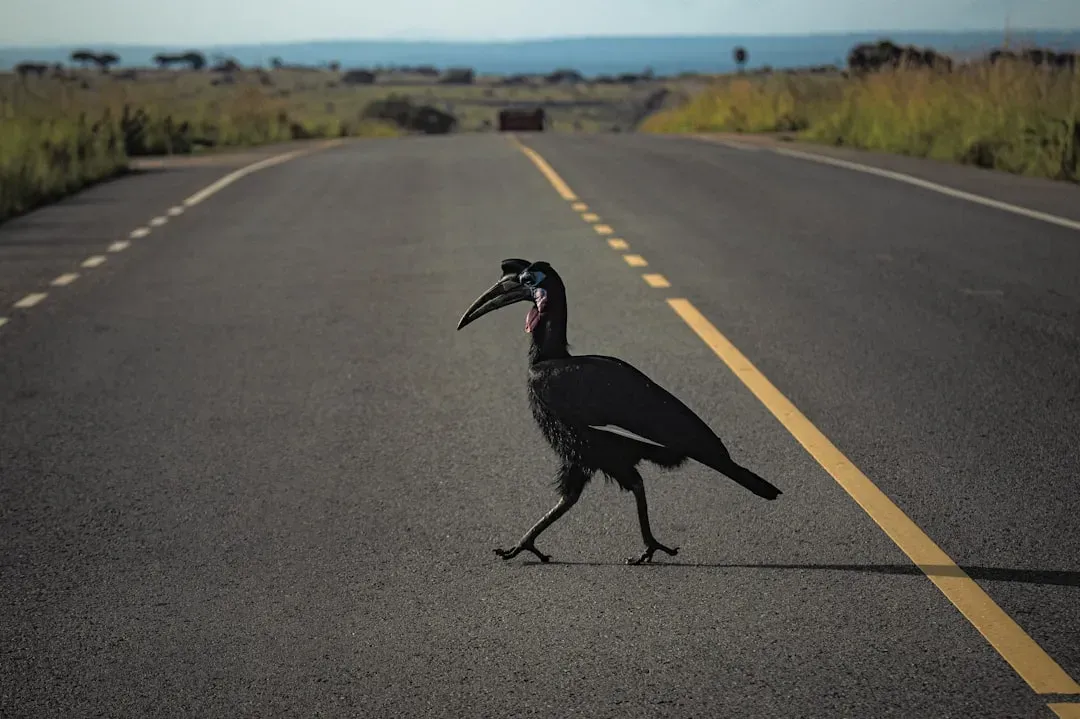
California faces unique challenges. It’s the most populous state in the nation, yet it’s also home to extraordinary biodiversity. California has a goal of conserving 30% of California’s lands and coastal waters by 2030, an ambitious target that reflects the state’s recognition of the conservation crisis.
Under California Governor Gavin Newsom’s leadership, more than $150 million in state funding has been pledged toward wildlife crossings, addressing one of the most critical threats to wildlife in urbanized areas. The Wallis Annenberg Wildlife Crossing near Los Angeles will be the largest wildlife crossing in the world when completed, serving as a model for how densely populated regions can still prioritize connectivity for animal populations. Think about it: building a bridge over one of the busiest freeways in America just so mountain lions can safely cross. That’s commitment.
Florida: Corridor Conservation in Action
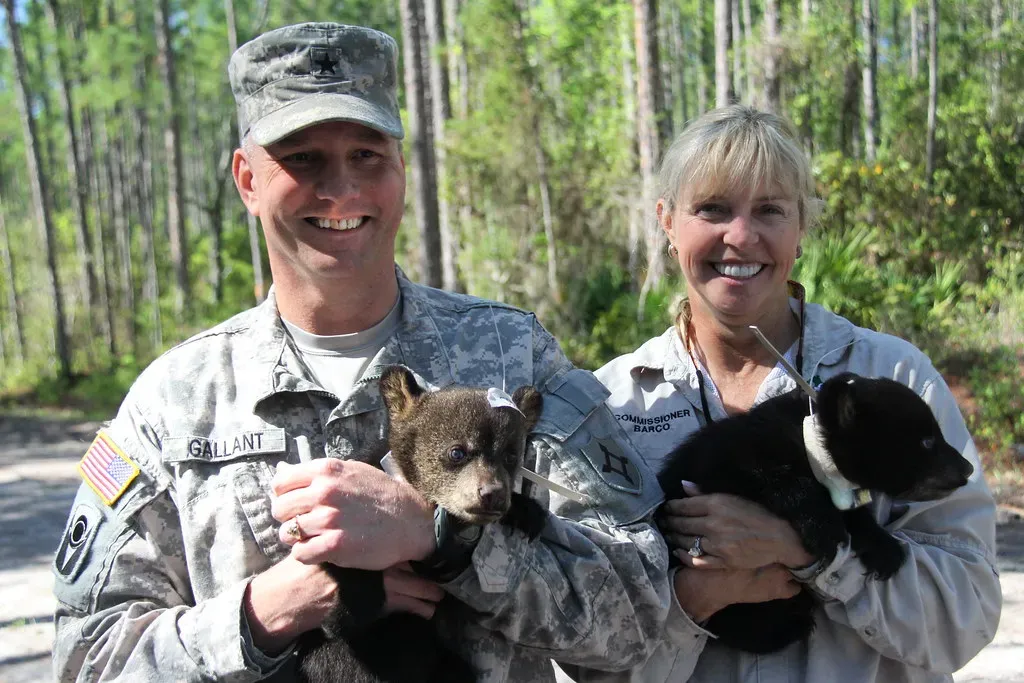
Florida ranked high for the state’s legal protections surrounding wildlife, placing the state in 14th position overall on recent protection rankings. The comprehensive Florida Wildlife Corridor Act was signed into law following unanimous bipartisan support by the Florida legislature in 2021, marking a watershed moment for conservation in the state.
The Florida Wildlife Corridor comprises nearly 18 million acres of contiguous wilderness and working lands crucial to the survival of many of Florida’s 131 imperiled animals. The state faces constant pressure from development and tourism, making these protected corridors essential for species like the Florida panther and black bear. Florida also grapples with invasive species issues more than most states, but the legal framework now in place gives conservation agencies the tools they need to respond.
Texas: Tackling Conservation on a Grand Scale
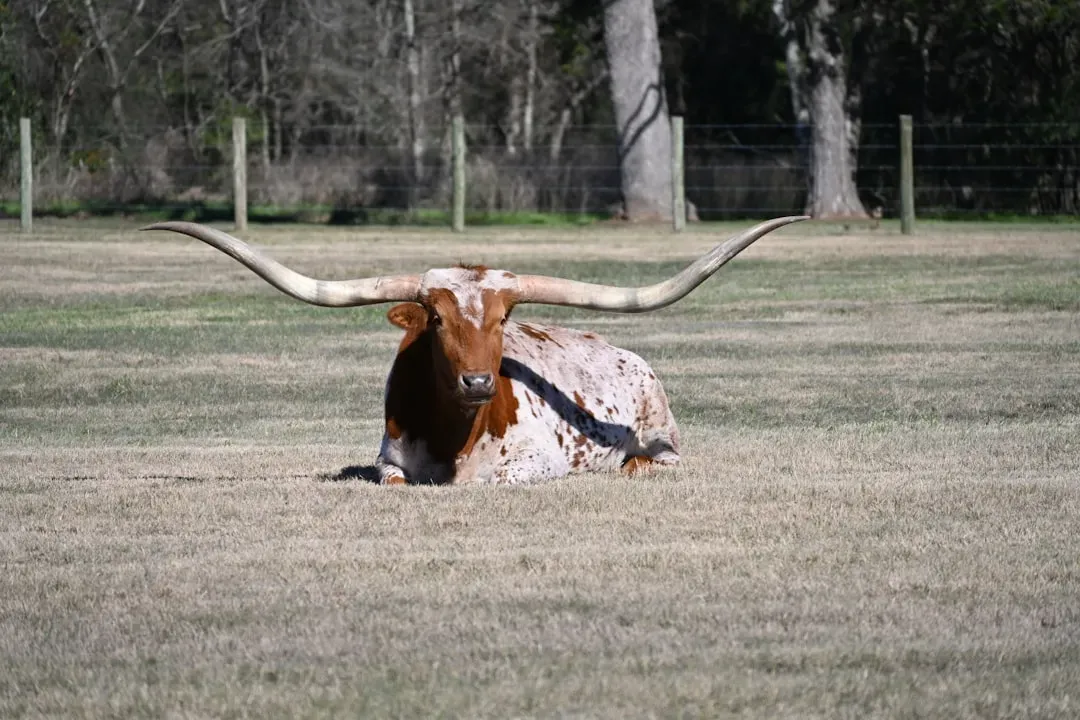
Everything’s bigger in Texas, including the conservation challenges. The State Wildlife Action Plan for Texas serves as a guide for research, restoration, and conservation projects focusing on Species of Greatest Conservation Need, which in Texas refers to birds, mammals, reptiles, amphibians, invertebrates, fishes, plants, and plant communities.
Texas has developed robust regional programs, with nongame biologists working directly with landowners across the vast state. Conservation efforts help recover endangered and threatened species, and maintain healthy ecosystems and habitats throughout Texas. From coastal wetlands to desert ecosystems to pine forests, Texas contains a remarkable diversity of habitats, and the state has invested in specialized expertise to address the unique needs of each region.
Washington: Innovation in Wildlife Recovery
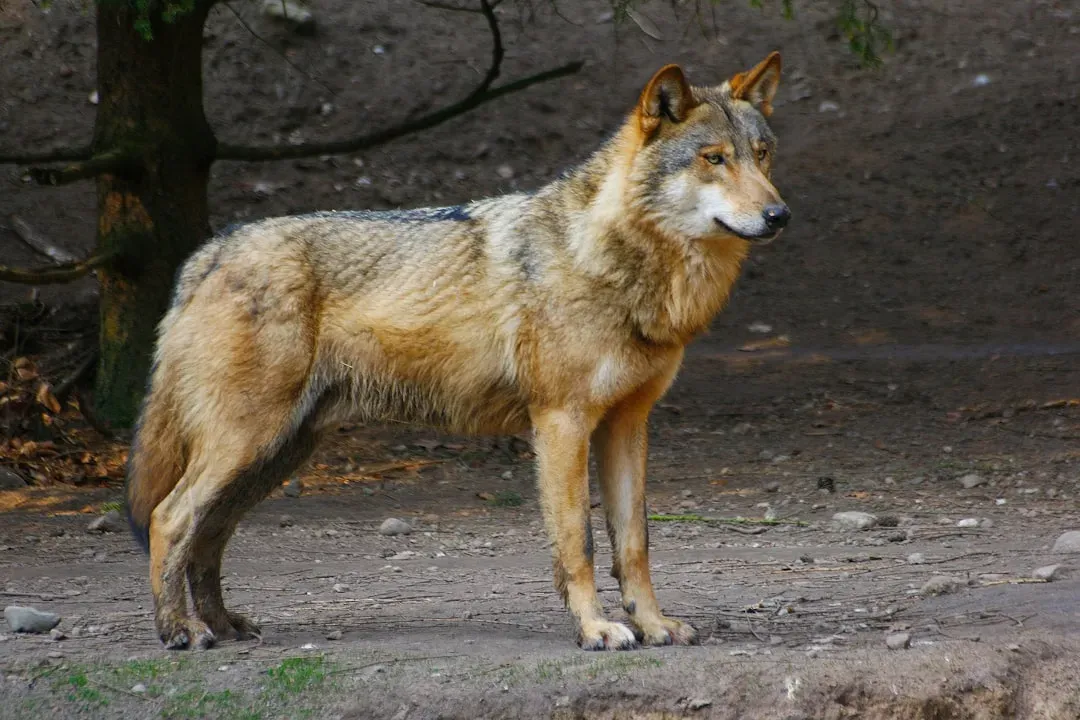
Washington designated $13 million of the Department of Fish and Wildlife’s general fund appropriation for the protection, recovery, and restoration of biodiversity and threatened and endangered species. This funding represents a serious commitment to proactive conservation rather than waiting until species become critically endangered.
Washington has been particularly innovative in its approach to carnivore conservation. Using nearly $200,000 in competitive State Wildlife Grants, researchers conducted the first large scale survey of wolverines in the region, gathering data that ultimately helped inform the decision to list the species as threatened under the Endangered Species Act in 2023. The state also developed a robust volunteer monitoring program, engaging citizens in hands on conservation work. It’s one thing to pass laws; it’s another to get regular people excited about helping.
Oregon: New Climate Focused Strategy
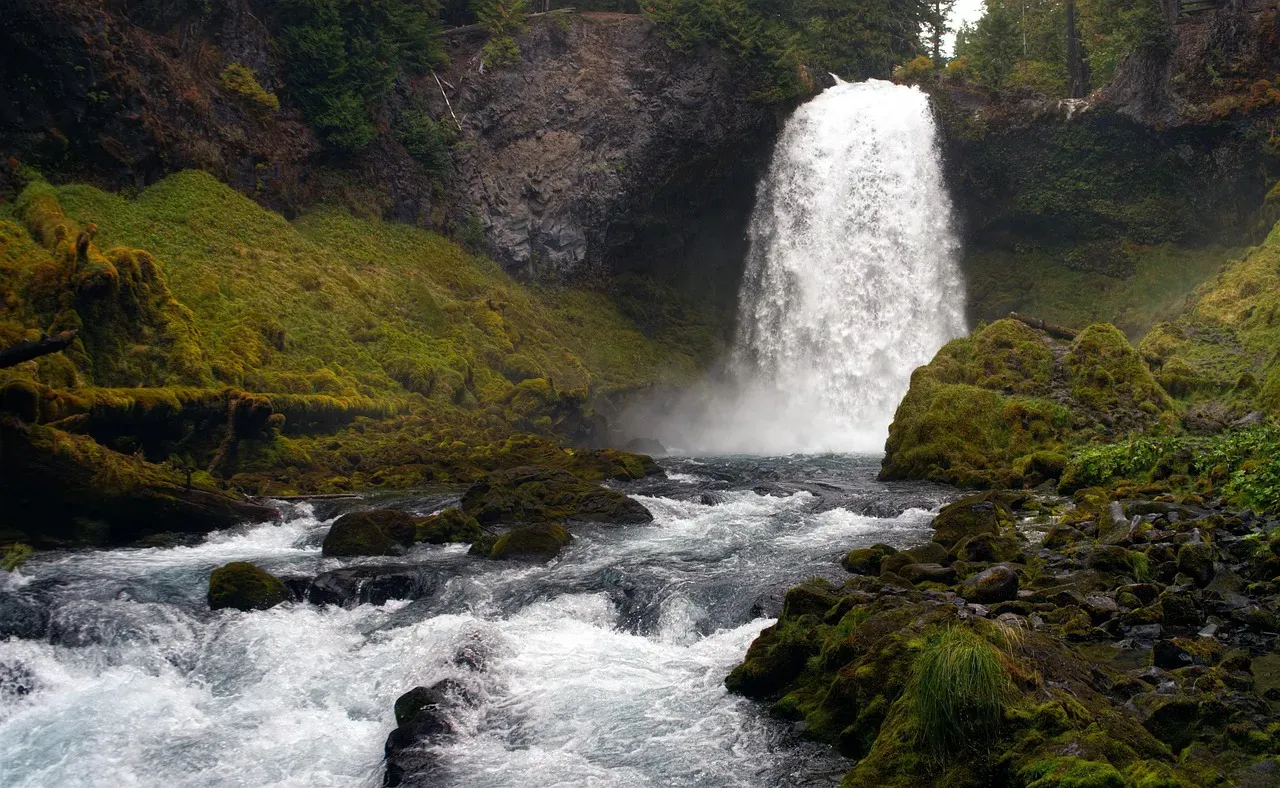
In October, Oregon’s governor put in place a new climate strategy that includes a goal to protect 10% of its most climate resilient lands and waters in the next decade. This represents a forward thinking approach that recognizes how climate change will reshape where species can survive in the coming years.
Oregon has also been exploring expanded funding mechanisms for conservation work. Several states introduced measures in 2025 to create new or expanded tax based funding sources, including Hawaii, Oregon, and Utah. By diversifying funding beyond traditional hunting and fishing license revenues, Oregon is building a more stable financial foundation for long term conservation efforts. The state understands that protecting wildlife in an era of rapid environmental change requires not just good intentions, but sustained resources.
Conclusion: A Collective Fight for Wildlife’s Future
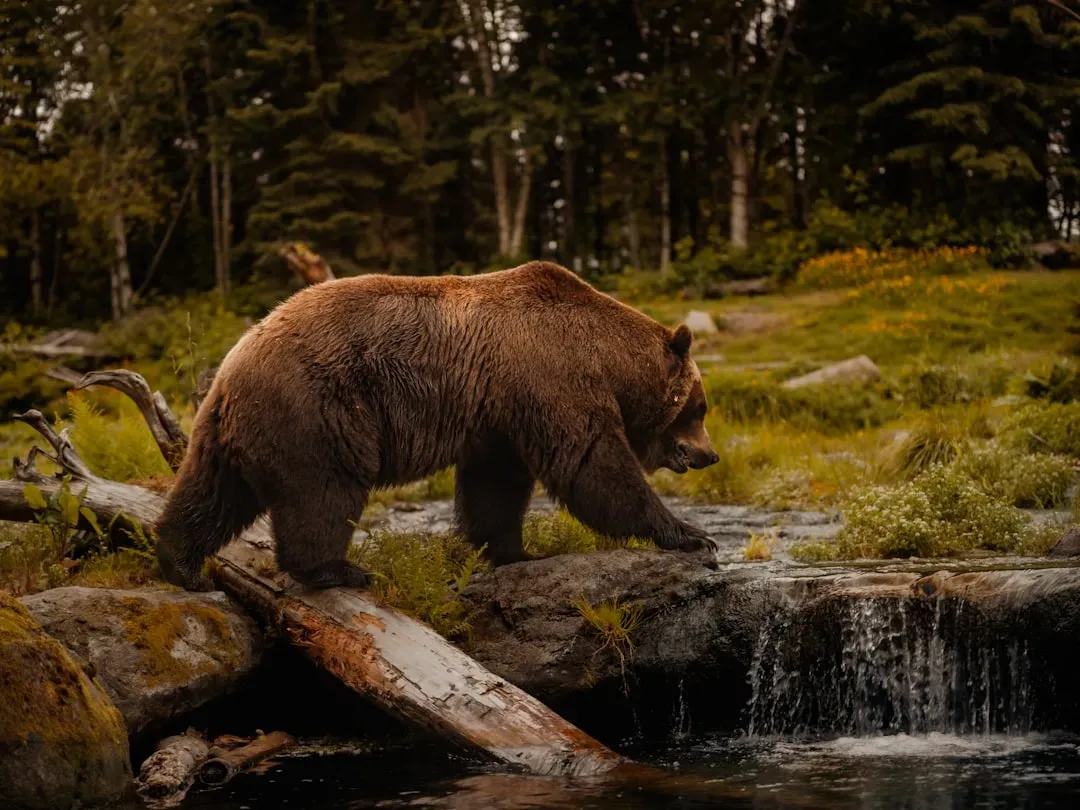
These eight states demonstrate that effective wildlife conservation requires more than just setting aside land. It demands dedicated funding, strong legal frameworks, innovative approaches to emerging challenges, and genuine collaboration between government agencies, scientists, landowners, and citizens.
Roughly one third of America’s wildlife species face an extinction risk, making the work of these leading states more critical than ever. Each has taken a different path based on its unique geography, wildlife, and challenges, yet all share a common recognition that we cannot afford to delay action.
From Vermont’s pristine forests to California’s ambitious connectivity projects, from Florida’s wildlife corridors to Washington’s citizen science initiatives, these states are showing what’s possible when conservation becomes a true priority. The question now is whether other states will follow their lead before it’s too late. What do you think it will take to inspire more states to make wildlife conservation a top priority?

- 13 Dog Breeds Experienced Groomers Quietly Stopped Recommending to First-Time Owners After Seeing Too Many Heartbroken Families - June 18, 2026
- 15 Silent Signs Your Old Dog Is Getting Ready to Cross the Rainbow Bridge – Most Owners Never Catch Them - June 18, 2026
- 12 National Parks Where Bison Still Rule the Plains - June 18, 2026