
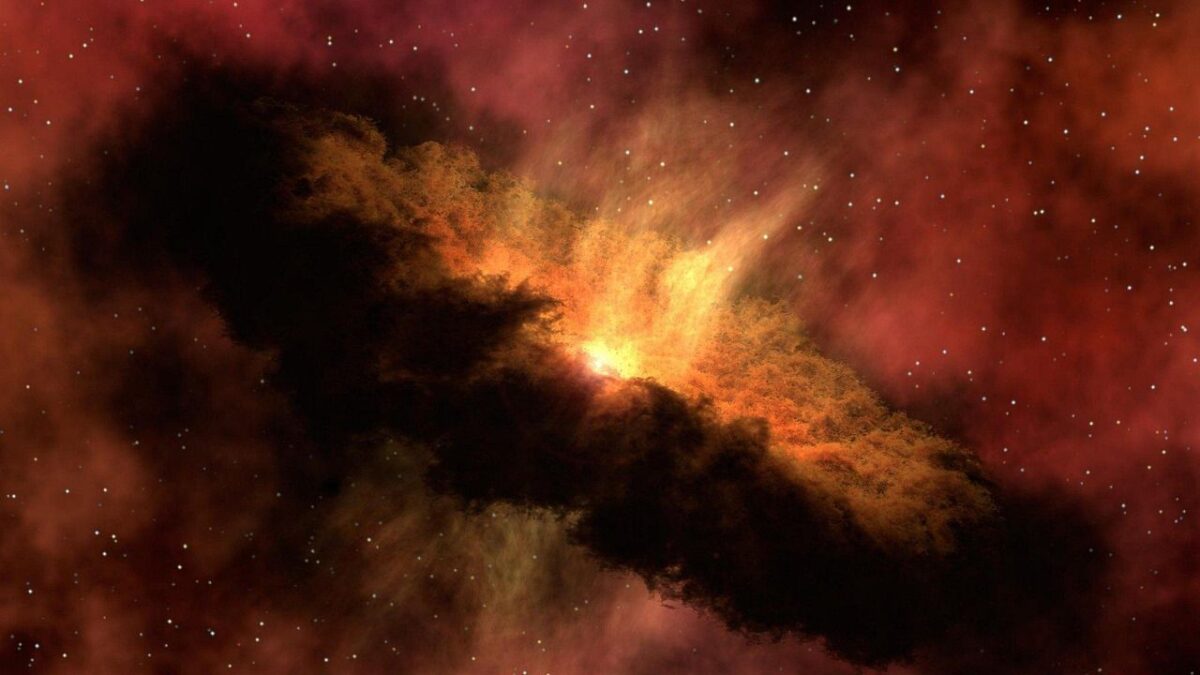
Ever felt like your problems are too big to handle? Wait until you hear what’s really going on out there in space. The cosmos has a way of making even our wildest dreams seem tiny. I mean, we’re talking about scales and phenomena so extreme that they literally mess with your head.
Here’s the thing: recent discoveries from telescopes and space missions have revealed aspects of our universe that sound more like science fiction than reality. Let’s dive in.
The Universe Is Expanding Faster Than Light Itself
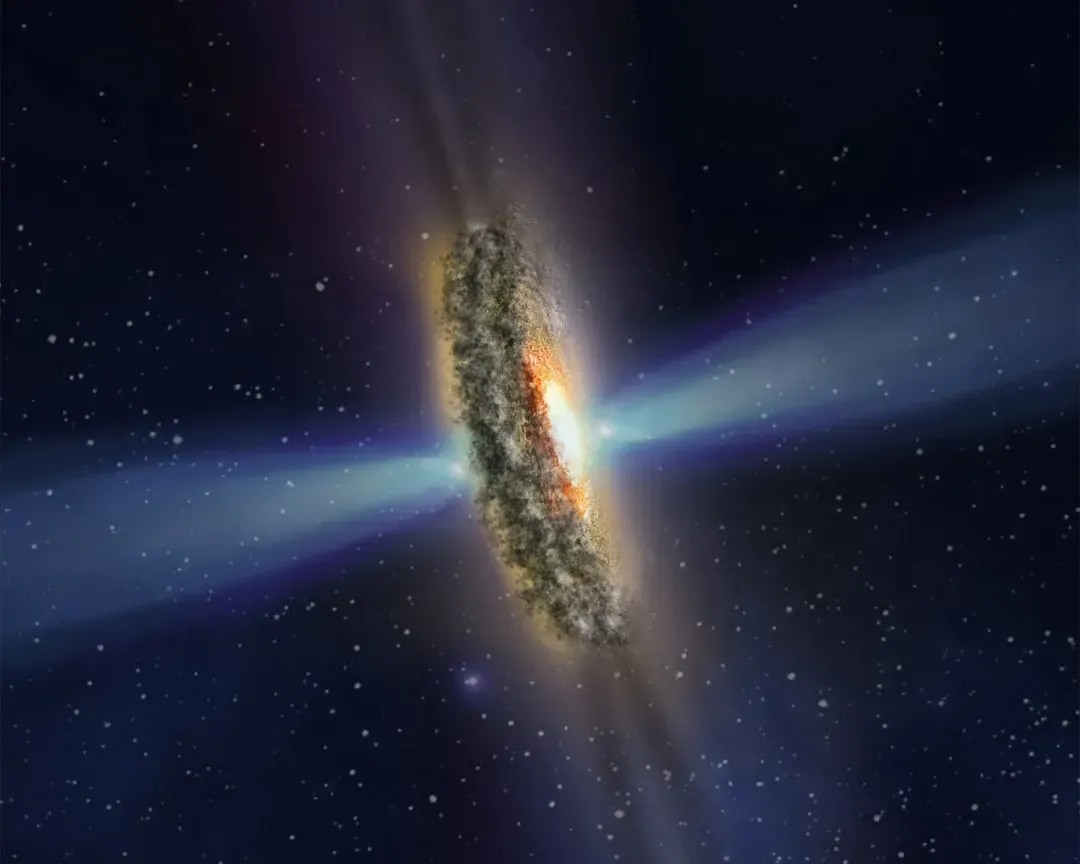
The universe is so big because it can expand faster than light, and it’s doing so today. Think about that for a second. We’re taught that nothing can break the speed of light barrier, yet space itself doesn’t play by those rules.
Once you reach a distance of about 13 billion light-years (the Hubble radius), galaxies appear to move away from us faster than light. This means there are places in the cosmos we will literally never be able to reach, no matter how advanced our technology becomes. It’s humbling, honestly.
You Can Only See One Percent of Our Galaxy’s Stars
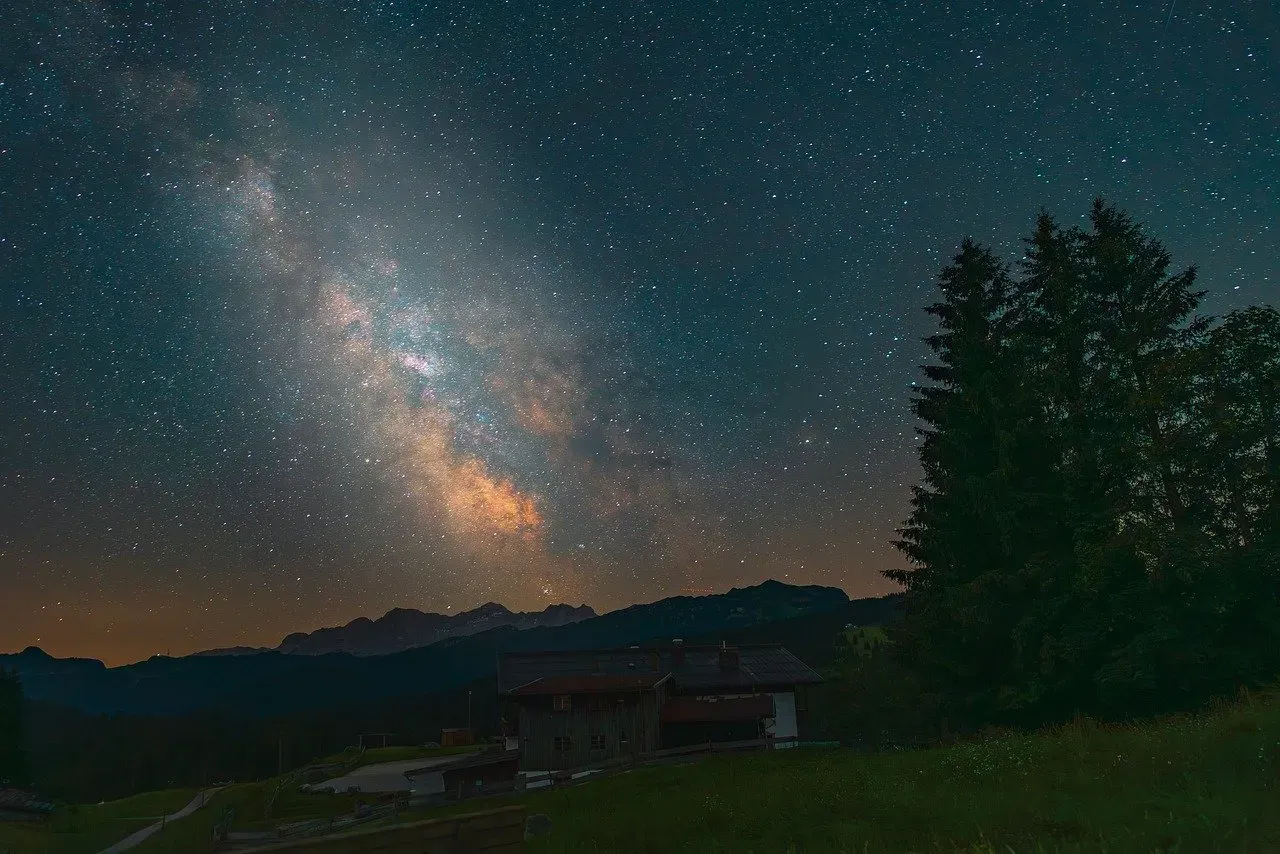
Nearly all the stars you can see in the darkest night sky with your unaided eyes would number about 3,000, and they would all fit in a small circle of the real Milky Way. Everything else? You’d need a telescope just to know it exists.
Even more mind-bending: almost all of the 200 billion stars in our galaxy couldn’t possibly know we exist yet, based on our radio signals. Our earliest radio transmissions have only traveled roughly a hundred light-years. To the rest of the galaxy, we’re completely invisible.
There Are More Stars Than Grains of Sand on Earth

Carl Sagan wasn’t exaggerating when he talked about this one. It is very likely that there are more stars in space than the incredible number of tiny grains of sand on our own planet. Let that sink in for a moment.
Picture every beach, every desert, every handful of dirt with sand particles. Now multiply that by something even larger. The scale is so absurd that our brains can’t properly process it. Yet here we are, on one tiny rock orbiting one unremarkable star.
The Observable Universe Contains Two Trillion Galaxies
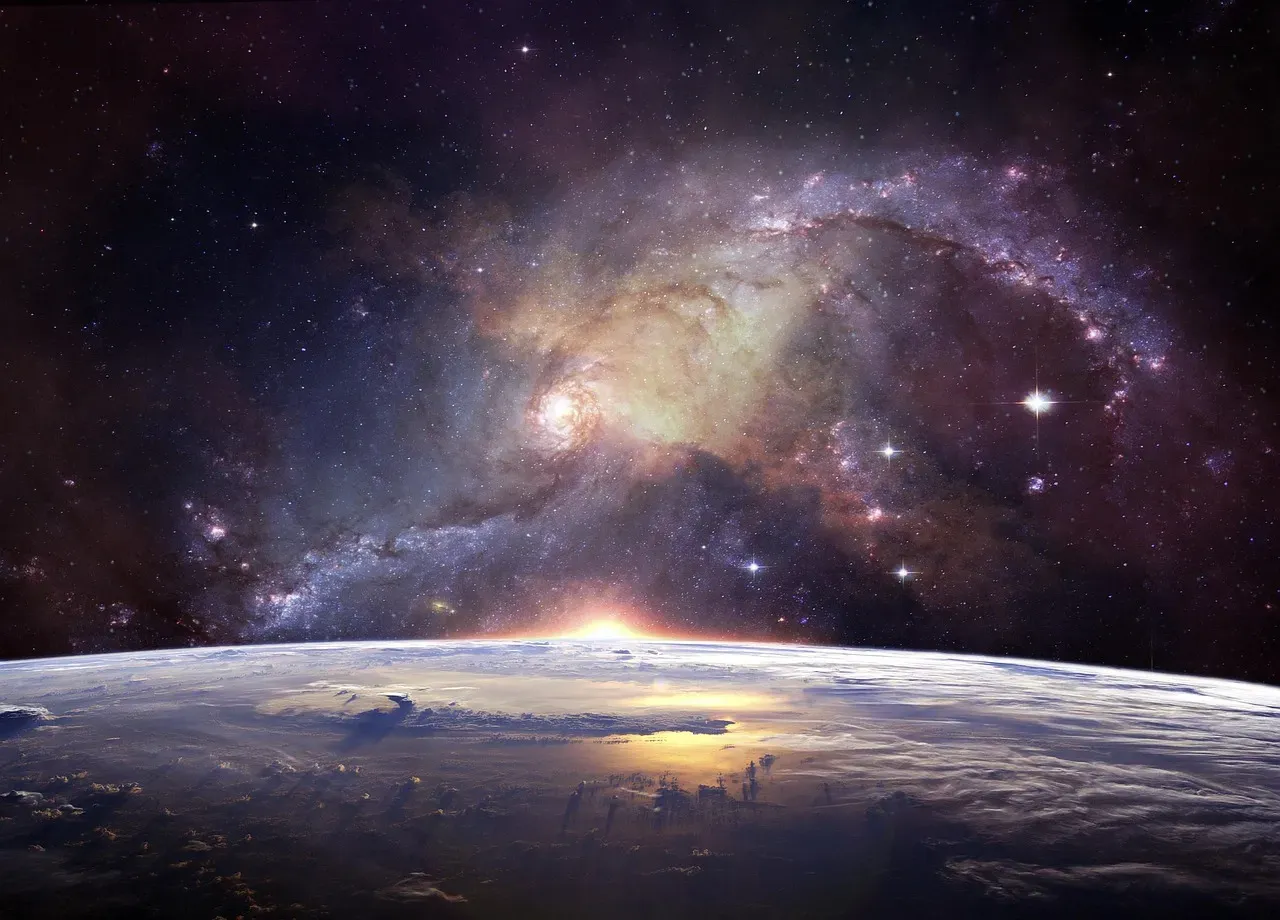
Ready for another number that makes zero sense? In the area of the universe that we can see, there are approximately two trillion galaxies. Not stars. Galaxies. Each one packed with billions or even hundreds of billions of stars.
The observable universe is approximately 93 billion light-years in diameter. To put that in perspective, if you tried driving across it at highway speed, it would take you roughly 200 trillion years. I know it sounds crazy, but these are the actual measurements scientists have calculated.
Rogue Planets Drift Through Space Without a Sun
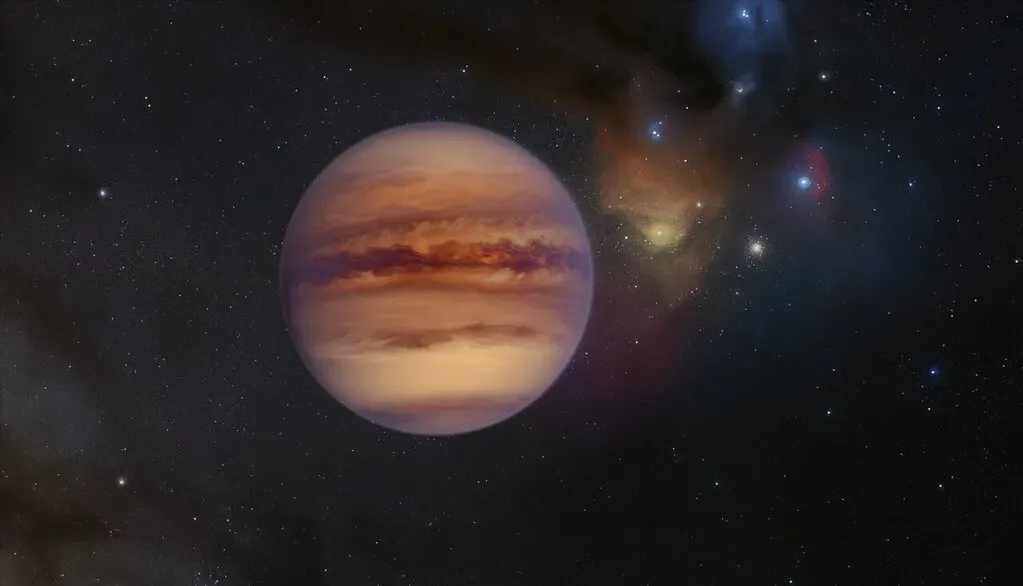
Imagine a world floating alone in the eternal darkness, never feeling the warmth of a star. Astronomers have detected a free floating rogue planet the size of Saturn drifting through the Milky Way some 10,000 light-years from Earth. These cosmic wanderers were likely ejected from their home systems.
The galaxy may be teeming with rogue planets. Some scientists think there could be more rogue planets than there are stars. Think about spending eternity in pitch-black cold, with no sunrise ever coming. It’s simultaneously fascinating and terrifying.
Galaxies Were Colliding When the Universe Was Young
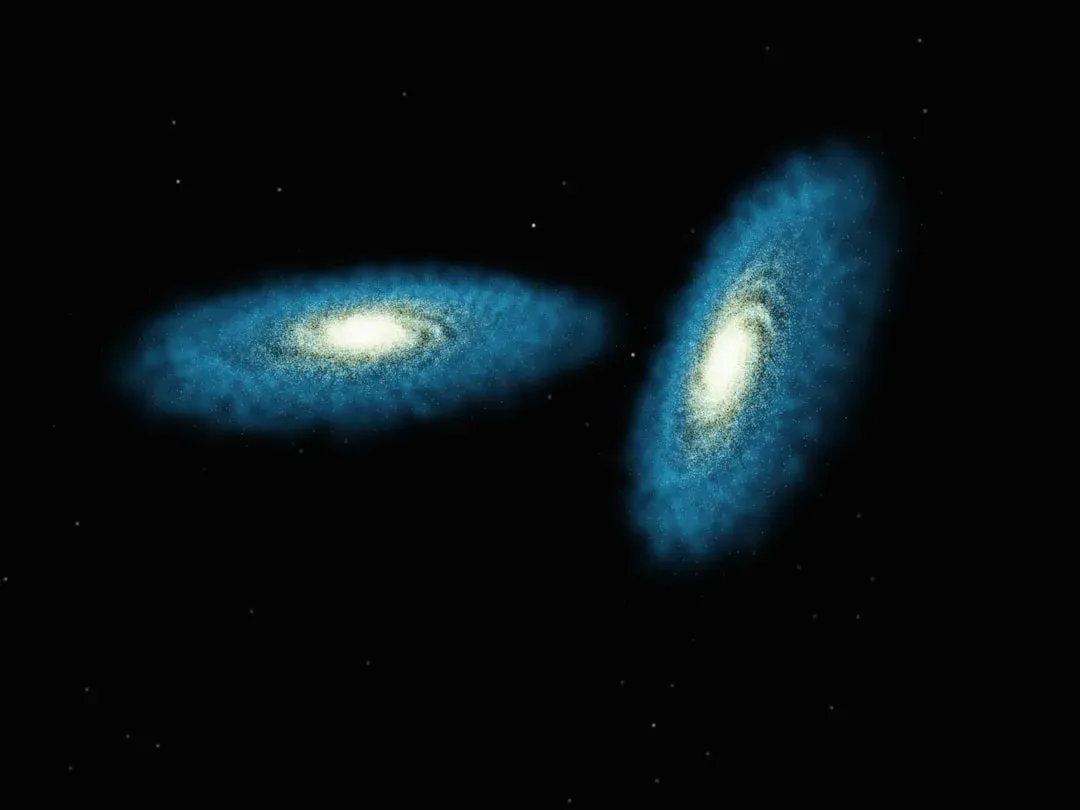
Astronomers at Texas A&M University have discovered a rare, tightly packed collision of galaxies in the early universe, suggesting that galaxies were interacting and shaping their surroundings far earlier than scientists had predicted. This discovery completely upended what we thought we knew about cosmic history.
The system involves multiple galaxies smashing together in a compact space, forming stars at a rate about 250 times the mass of the sun per year. For context, that’s insanely fast compared to typical galaxies. The universe was apparently a much wilder place in its youth than anyone expected.
Black Holes Are Invisible But Scientists Found Ways to Detect Them
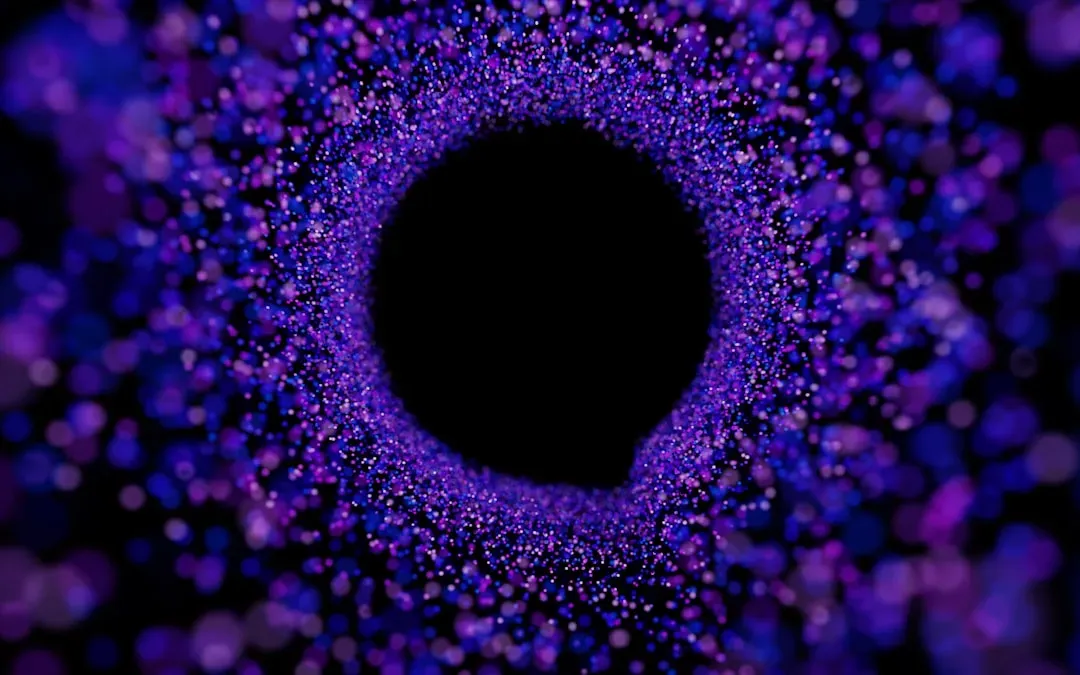
Here’s something that sounds impossible: How do you observe something that swallows light itself? Black holes are invisible because they swallow everything in their path, including the light necessary to see them. Yet we’ve managed to prove they exist.
Scientists have found ways to detect black holes through gravitational waves that show ripples in space caused by gravity. It’s like trying to see wind by watching how trees move. We can’t see the black hole directly, but we can detect its effects on everything around it.
Stars Created the Gold in Your Jewelry

Every piece of gold you’ve ever seen has an origin story that’s absolutely wild. When neutron stars crash into each other, these high-powered impacts result in heavy elements such as gold and platinum. The violence required to forge these metals is unimaginable.
Think about it: the wedding ring on your finger, the necklace in your drawer, or even the tiny amount of gold in your smartphone all came from the explosive death throes of massive stars billions of years ago. We’re literally wearing stardust from cosmic catastrophes.
Amino Acids Form Spontaneously in Space

A new study led by researchers from Aarhus University showed that amino acids spontaneously bond in space, producing peptides that are essential to life as we know it. This is huge for understanding how life might emerge throughout the cosmos.
The findings suggest that the building blocks of life are far more common throughout space than previously thought. So when people ask if we’re alone in the universe, remember that the basic ingredients for life are apparently just floating around out there, ready to assemble themselves.
Most of the Universe Is Completely Empty
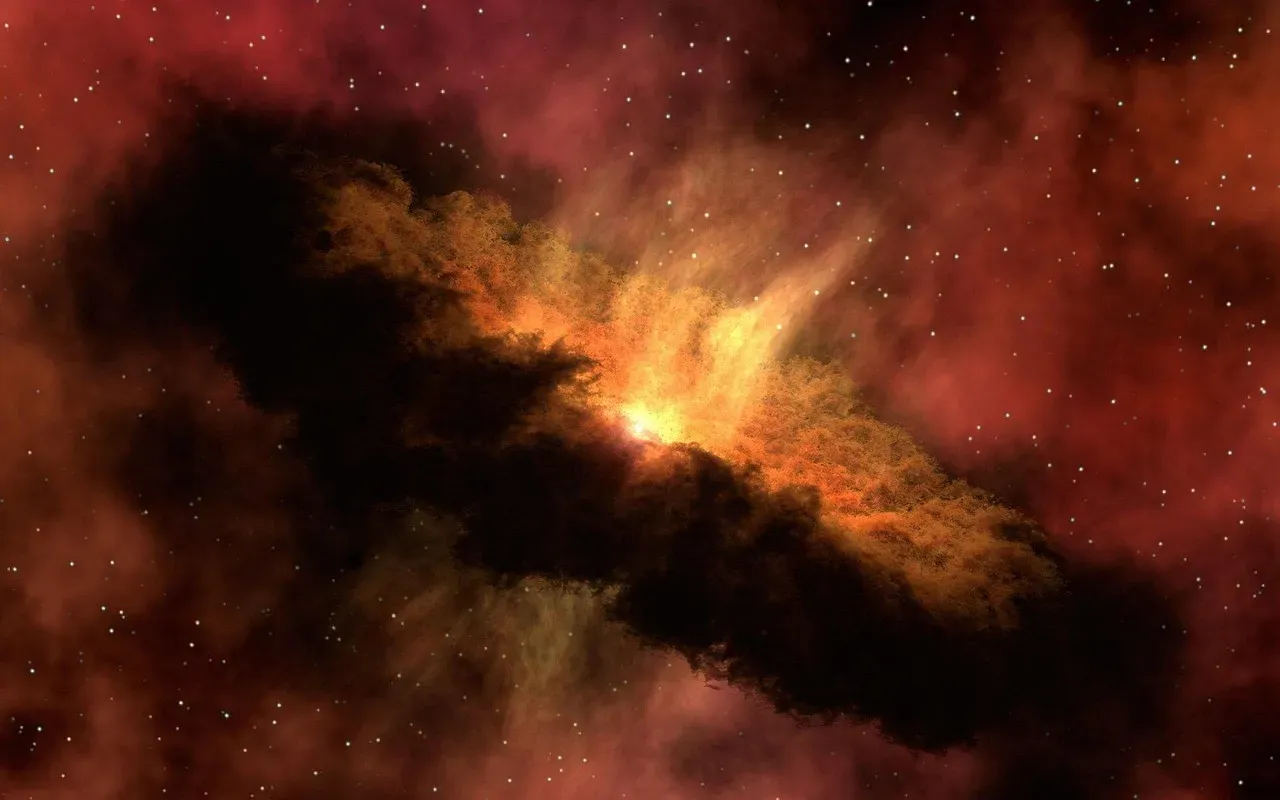
Despite all those trillions of galaxies, here’s a reality check: Most of the observable universe is actually empty space, and if you picked a random spot, the chances are high you’d end up in empty space, not near a star or galaxy. The cosmos is mostly just… nothing.
When we look far away in the observable universe, we’re actually looking back in time, because light takes time to travel. So the universe is not just a place but also a history book. Every distant galaxy we observe is showing us what happened millions or billions of years ago.
Conclusion
So, what does all this mean for you and me? Honestly, it’s a bit overwhelming. We live on a tiny speck orbiting an average star in one of trillions of galaxies. Our entire existence spans a fragment of cosmic time. Yet somehow, we’ve figured out enough about the universe to be astonished by it.
The next time you’re stressed about daily problems, remember that you’re made of atoms forged in dying stars, living on a planet that’s hurtling through space at incredible speeds, in a universe so vast that most of it will forever remain beyond our reach. Does that make your problems feel smaller, or does it make existence feel more precious? What do you think about it?
