


The animal kingdom displays remarkable diversity in reproduction and birth processes, often leaving us humans fascinated and full of questions. From elephants’ lengthy pregnancies to marsupials’ unique pouch development, animal birth facts regularly trend in online searches as people seek to understand these natural wonders. This article explores the ten most frequently Googled animal birth facts, providing accurate, scientific explanations for these incredible phenomena while dispelling common misconceptions. Whether you’re a wildlife enthusiast, a student researching for a project, or simply curious about how different species bring new life into the world, these fascinating facts will deepen your appreciation of nature’s ingenuity.
How Long Are Elephant Pregnancies?

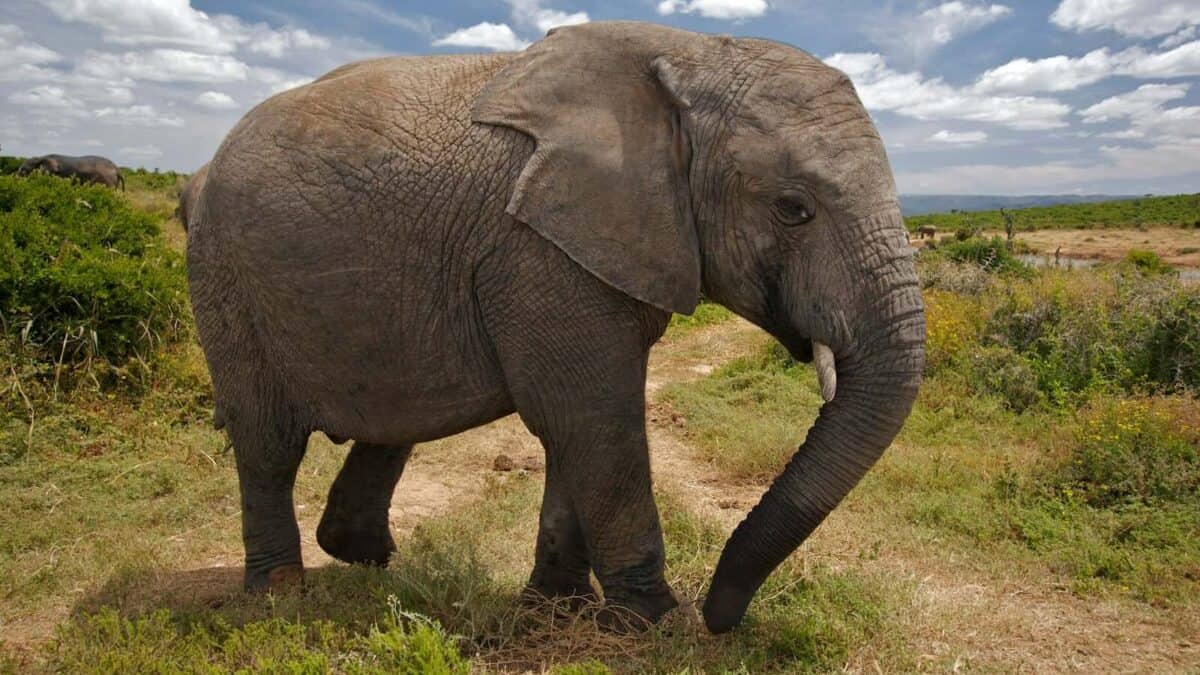
African elephants hold the record for the longest gestation period of any land mammal, carrying their young for approximately 22 months before giving birth. This extended pregnancy allows elephant calves to develop extensively in the womb, enabling them to stand within minutes of birth despite weighing around 200-250 pounds (90-113 kg) at delivery. The lengthy gestation period also contributes to the calf’s advanced brain development, necessary for the complex social structures and behaviors they must learn.
Scientists believe this prolonged pregnancy evolved as an adaptation to elephants’ size and lifestyle. The extended development period ensures calves are born with sufficient physical capabilities to keep up with the herd, which is essential for survival in the wild. Female elephants typically give birth to a single calf every 4-5 years, investing significant resources in each offspring. This reproductive strategy emphasizes quality over quantity, contributing to the species’ remarkable intelligence and social complexity but also making elephant populations particularly vulnerable to hunting and habitat loss.
Do Male Seahorses Really Give Birth?
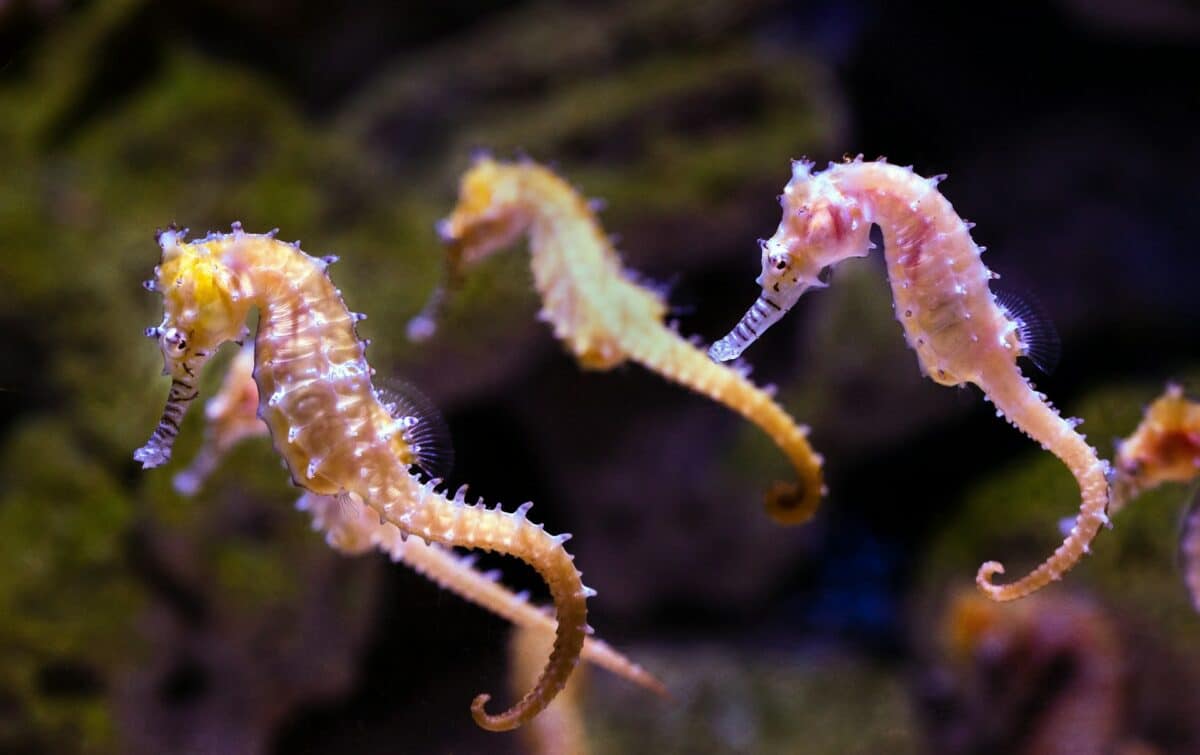
Yes, male seahorses do indeed give birth, making them unique among animal species for this role reversal. However, it’s important to understand that they don’t produce the eggs. In seahorse reproduction, the female deposits her eggs into the male’s specialized pouch called a brood pouch or marsupium during an elaborate mating dance. The male then fertilizes these eggs internally and carries them until they hatch. This pregnancy lasts between 10 and 25 days, depending on the species and water temperature.
During the birth process, the male seahorse experiences muscular contractions, expelling fully-formed miniature seahorses from his pouch – anywhere from 5 to over 1,500 depending on the species. These tiny offspring, called fry, are independent from birth, receiving no further parental care. This reproductive strategy evolved to increase offspring survival rates in these vulnerable species. Scientists continue studying seahorse reproduction not only for its biological uniqueness but also because understanding their reproductive physiology has potential applications in human reproductive medicine and conservation efforts for these increasingly threatened creatures.
How Do Kangaroos Develop in the Pouch?
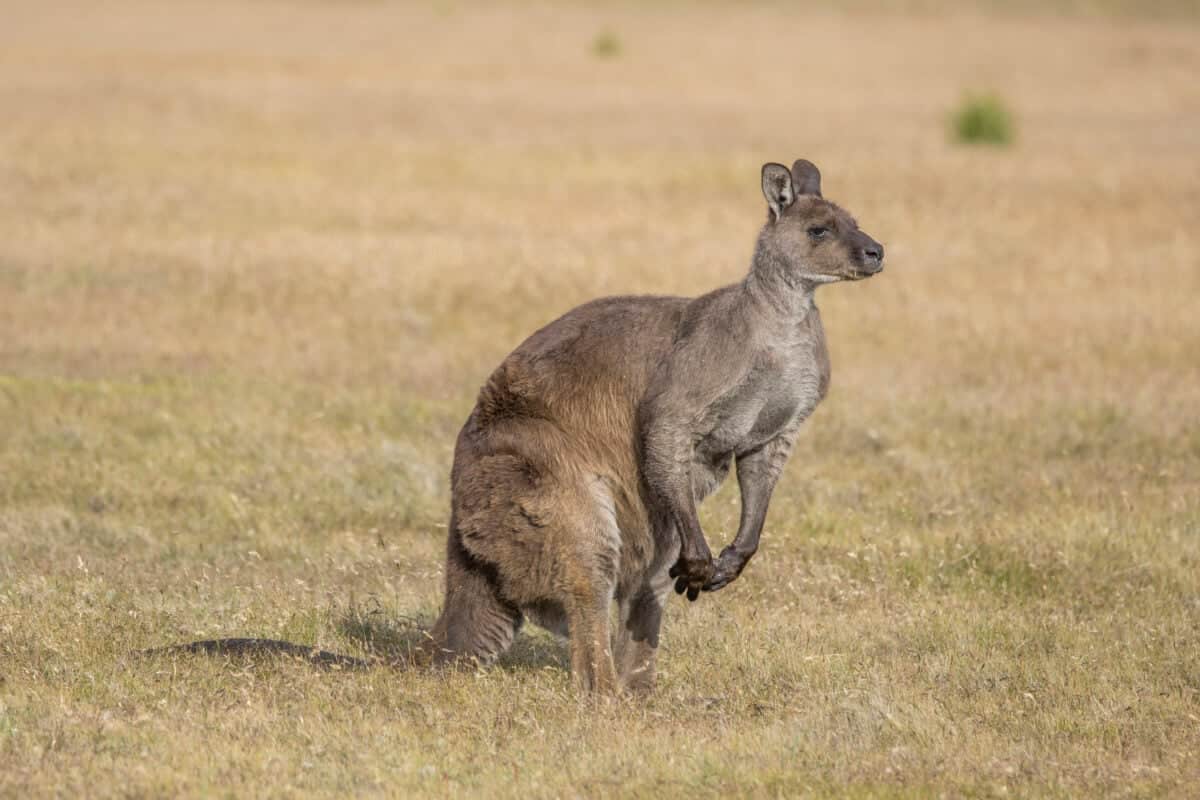
Kangaroo reproduction represents one of nature’s most fascinating adaptations. Female kangaroos give birth to extremely underdeveloped joeys after a short gestation period of just 28-33 days. At birth, the joey is tiny—approximately the size of a jelly bean (about 2 cm long) and weighing less than a gram. Born blind and hairless with only its forelimbs developed, the newborn must undertake an incredible journey. Using its relatively strong front limbs and sense of smell, the joey crawls unassisted from the birth canal up through the mother’s fur to reach the pouch, a journey taking about three minutes.
Once safely inside the pouch, the joey attaches to one of the mother’s teats, which swells inside its mouth to secure attachment. The joey remains continuously attached to this teat for about 70 days, during which it completes most of its development. The mother’s pouch provides a controlled environment with regulated temperature and humidity. Remarkably, a female kangaroo can have three joeys at different developmental stages simultaneously: an embryo in her uterus, a young joey in her pouch, and an older joey that has left the pouch but still nurses occasionally. This reproductive strategy, called embryonic diapause, allows kangaroos to maximize reproductive success in Australia’s unpredictable climate by ensuring there’s always a joey in development.
Which Animals Lay the Most Eggs at Once?

Ocean sunfish (Mola mola) hold the record among vertebrates for the highest number of eggs produced at once, with females capable of releasing up to 300 million eggs during a single spawning season. This extraordinary reproductive output represents an evolutionary strategy called r-selection, where species produce vast numbers of offspring to compensate for extremely high mortality rates. For ocean sunfish, this approach is necessary as their eggs and larvae face numerous predators and challenging environmental conditions, with only a tiny fraction surviving to adulthood.
Among invertebrates, certain insects demonstrate similarly impressive reproductive capabilities. The African driver ant queen can lay between 3-4 million eggs per month during her 20-year lifespan. Termite queens are also prolific, capable of laying one egg every 3 seconds, amounting to approximately 30,000 eggs daily for up to 15 years. These colonial insects employ massive reproductive output to maintain their complex social structures and ensure colony survival. The evolutionary trade-off for such high egg production is typically minimal parental investment in individual offspring, contrasting sharply with species that produce fewer, more developed young and provide extended parental care.
How Do Sea Turtles Find Their Birth Beach?

The phenomenon of natal homing, where sea turtles return to their birth beaches to lay eggs decades later, remains one of nature’s most remarkable navigational feats. Research indicates that sea turtles imprint on their birth beach’s unique magnetic signature as hatchlings. Earth’s magnetic field varies subtly across different geographic locations, creating a kind of magnetic map that turtles can detect and memorize. This magnetic imprinting occurs during a critical period shortly after hatching, before the turtles enter the ocean to begin their pelagic phase that can last 15-30 years depending on the species.
Scientists have also discovered that sea turtles use additional environmental cues as they approach their nesting beaches. Chemical signatures in the water near familiar coastlines, wave patterns, and even the scent of the natal beach carried on prevailing winds may help guide them during the final approach. This navigational precision is crucial for sea turtle reproduction, as specific beaches often provide optimal conditions for egg development and hatchling survival. The ability to return to ancestral nesting sites has evolved over millions of years, though this remarkable adaptation now faces challenges from beach development, light pollution, and climate change, which can alter the environmental cues these ancient mariners depend on.
Do Any Animals Experience Labor Pain?

While animals clearly undergo physiological processes similar to human labor during birth, the question of whether they experience pain comparable to humans remains complex and not fully understood. From a biological perspective, most mammals possess the neural pathways necessary for pain perception, including nociceptors (pain receptors), afferent neurons that transmit pain signals, and brain regions that process these signals. Behavioral observations during labor often show signs consistent with discomfort or pain in many species—restlessness, vocalizations, muscle trembling, and seeking isolation.
However, important differences exist in how various species may experience birth. Many prey animals have evolved to mask signs of pain or vulnerability as a survival mechanism, making assessment challenging. Additionally, some species produce natural endorphins during labor that may modulate pain perception. Domestic animals like cats and dogs typically show less distress during normal births than humans, though complications can cause evident suffering. Farm animals such as cattle and sheep may experience significant pain during difficult deliveries. Scientists approach this question cautiously, acknowledging that while we cannot directly access animal subjective experience, ethical considerations suggest we should assume the capacity for pain exists and provide appropriate care during animal births, particularly for domesticated species.
Which Animals Can Delay Their Pregnancies?
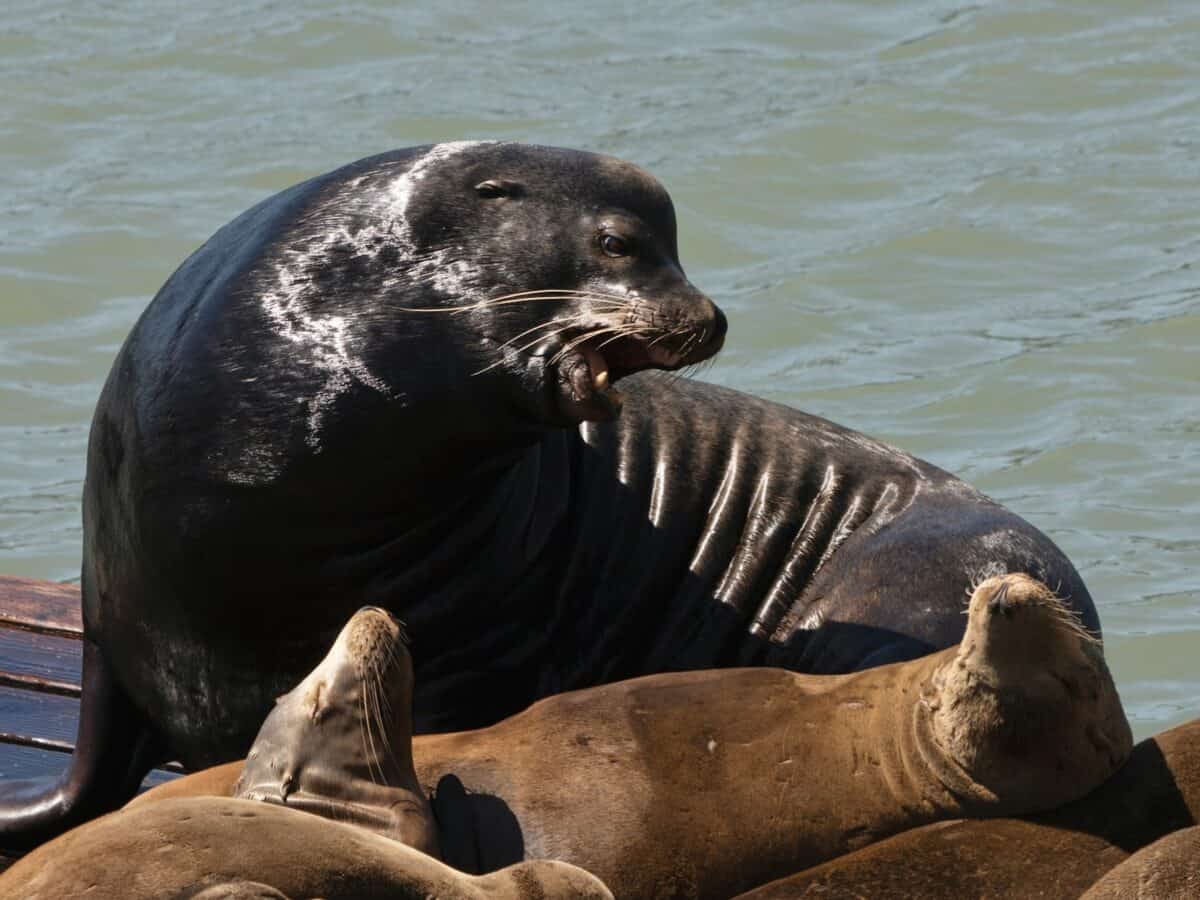
Embryonic diapause, the ability to pause a pregnancy after fertilization, represents one of the most remarkable reproductive adaptations in the animal kingdom. This phenomenon occurs in over 130 mammal species across seven different orders. Among the most well-known practitioners are kangaroos and wallabies, which can hold an embryo in suspended development while raising an existing joey, resuming the pregnancy only when environmental conditions improve or the current offspring leaves the pouch. Similarly, many seal and sea lion species mate shortly after giving birth but delay implantation of the blastocyst for months, ensuring births occur during optimal seasonal conditions the following year.
The mechanisms controlling embryonic diapause vary between species but generally involve complex hormonal signals that respond to environmental cues, nutritional status, or the presence of nursing young. In bears, delayed implantation allows mating to occur in summer while actual embryonic development begins only during hibernation, with cubs born in winter dens. Roe deer embryos pause development for five months to synchronize births with spring vegetation abundance. This reproductive flexibility provides significant evolutionary advantages, allowing animals to align reproduction with favorable conditions, maximize resource availability for offspring, and efficiently manage reproductive energy expenditure. Current research into embryonic diapause may have applications for human fertility treatments and conservation efforts for endangered species.
How Do Marsupials Differ from Placental Mammals in Birth?
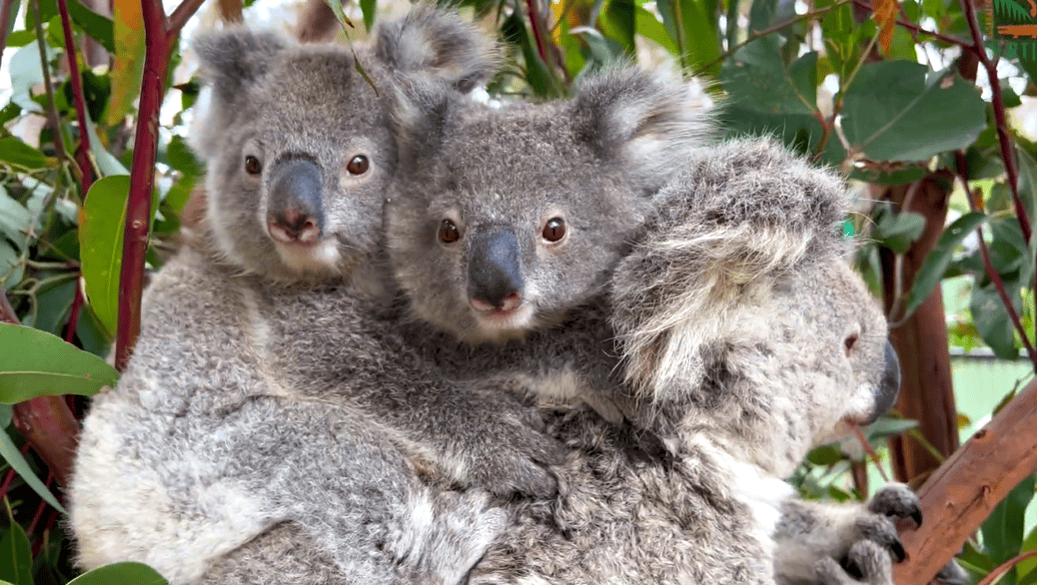
The fundamental difference between marsupial and placental mammal reproduction lies in their developmental strategies. Marsupials, including kangaroos, koalas, and opossums, have extremely short gestation periods—typically just 12-38 days—and give birth to highly underdeveloped young. These newborns are essentially still embryonic, lacking fully formed hindlimbs, eyes, ears, and immune systems. They must immediately crawl to the mother’s pouch or abdominal area where they attach to a nipple and continue their development externally. This strategy requires minimal maternal resources during pregnancy but demands substantial investment during the extended pouch-rearing phase.
In contrast, placental mammals like humans, dogs, and elephants develop a complex placenta that facilitates extended internal development. This organ allows for efficient nutrient exchange and waste removal while providing immunological protection between mother and offspring. Consequently, placental mammals have longer gestation periods but give birth to more developmentally complete young. Each strategy offers evolutionary advantages: marsupials can pause embryonic development during environmental stress and invest in young gradually, while placentals produce more neurologically advanced offspring better equipped for immediate survival challenges. These reproductive differences likely evolved as marsupials and placentals adapted to different ecological niches, with marsupials thriving particularly in Australia’s unpredictable environment where resource availability fluctuates dramatically.
Do Any Animals Give Birth Through Unusual Body Parts?
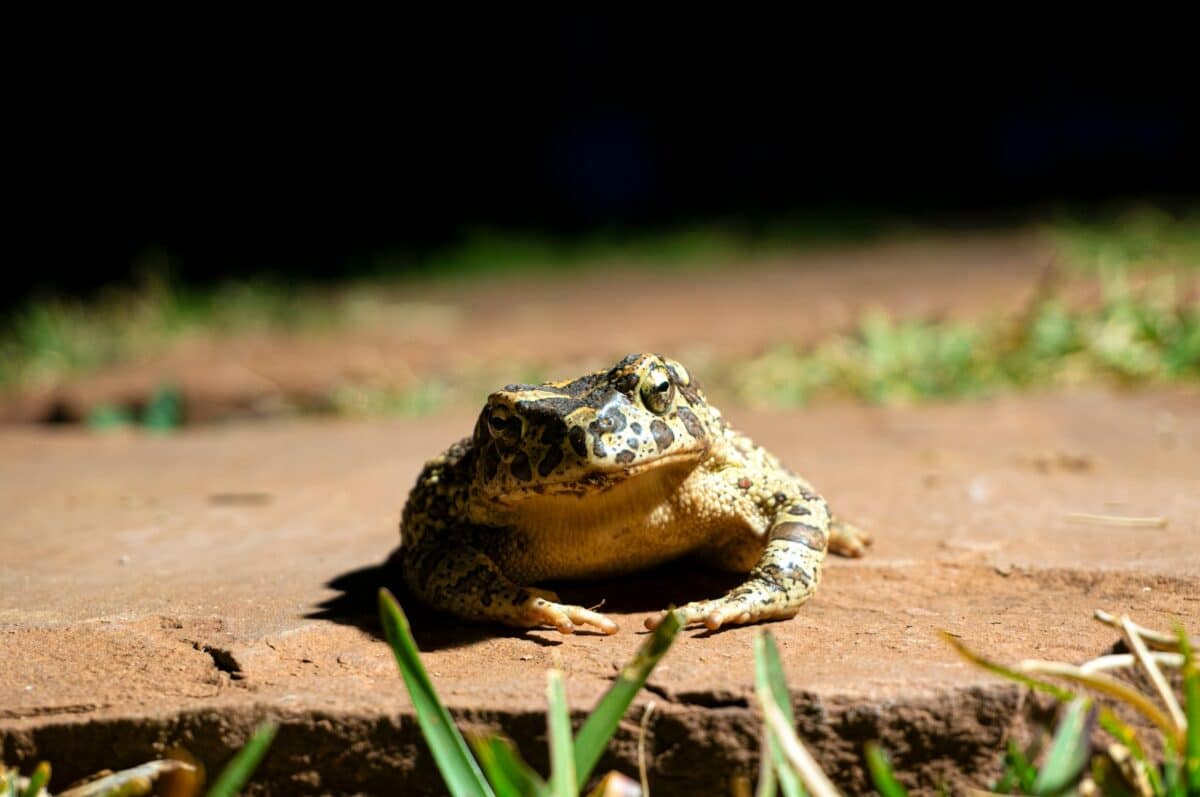
The Surinam toad (Pipa pipa) exhibits perhaps the most unusual birth method in the vertebrate world. During mating, the male attaches fertilized eggs to the female’s back, where her skin swells around each egg to form individual pockets. The embryos develop entirely within these skin chambers for 3-4 months. When development completes, fully-formed toadlets emerge from these pockets on the mother’s back in a process that, while visually disturbing to many humans, represents a remarkable evolutionary adaptation for protecting offspring in aquatic environments.
Sea dragons and pipefish, relatives of seahorses, demonstrate another unusual birth location, with males carrying developing embryos on their tails or abdomens rather than in a specialized pouch. Certain aphid species practice viviparity where females give birth to already-pregnant daughters through telescoping generations. Perhaps most startling is the behavior of the gastric-brooding frog (now extinct), which swallowed her fertilized eggs, converted her stomach into a brooding chamber by ceasing digestive acid production, and eventually regurgitated fully-formed froglets through her mouth. These reproductive innovations illustrate evolutionary solutions to specific environmental challenges, maximizing offspring survival through specialized parental protection during vulnerable developmental stages.
Which Animals Are Born Most Developed?

Precocial species give birth to highly developed young capable of significant independence shortly after birth. Guinea pigs represent an extreme example, with pups born fully furred, eyes open, teeth present, and able to run and eat solid food within hours of birth after a relatively long 63-70 day gestation. Similarly, wildebeest calves can stand within minutes and run with the herd within hours—essential adaptations for migratory species in predator-rich environments. Megapode birds like the Australian brush turkey take precociality further; chicks hatch from eggs fully feathered and capable of flight on their first day, receiving no parental care whatsoever.
This developmental strategy contrasts sharply with altricial species like bears, cats, and many birds, whose offspring are born helpless, often blind and hairless, requiring extensive parental care. The precocial strategy typically involves greater maternal resource investment during pregnancy or egg development but reduces post-birth parental care requirements. Environmental factors strongly influence this evolutionary trade-off; species facing high predation pressure or unstable habitats typically evolve more precocial young. Marine mammals like dolphins and whales demonstrate interesting adaptations of precociality—their calves must swim immediately after birth but remain dependent on maternal milk and protection for extended periods, blending aspects of both developmental strategies to meet the challenges of aquatic life.
How Do Birds Develop Inside Eggs?
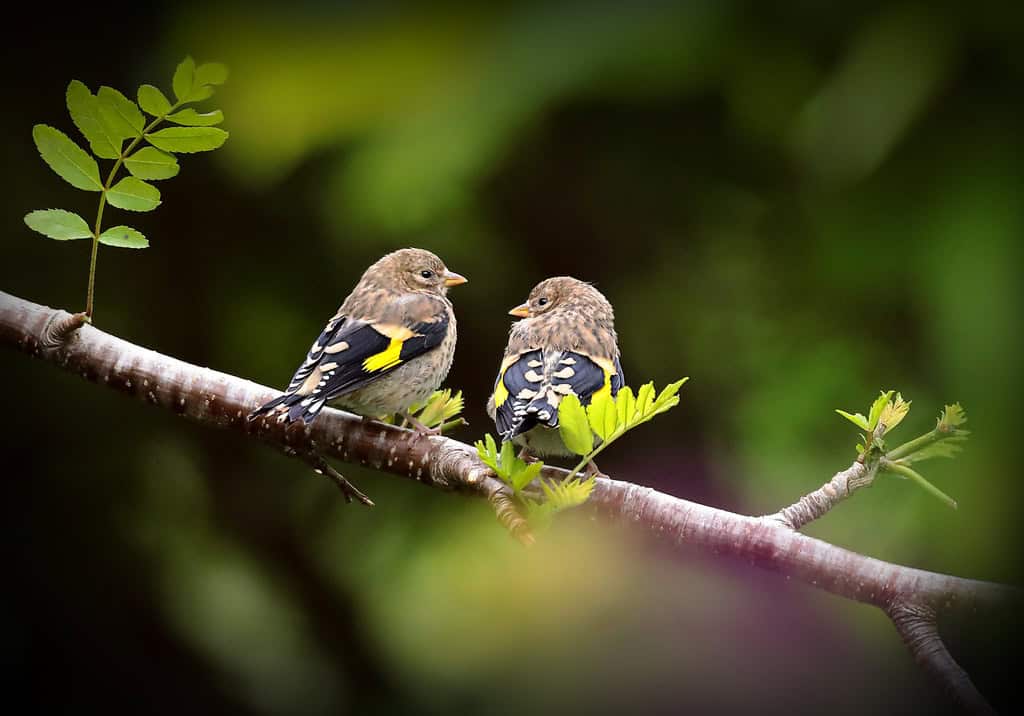
Avian embryonic development represents one of nature’s most precisely orchestrated processes. After fertilization, the bird embryo begins developing before the egg is even laid. The process starts with cell division in the germinal disc atop the yolk, forming the foundation for the embryo. Once laid, development accelerates, with the embryo establishing its basic body plan within the first 24 hours. By day three, a primitive heart begins pumping blood through developing blood vessels, while specialized membranes form to provide essential functions: the yolk sac supplies nutrients, the amnion creates a protective fluid environment, the allantois stores waste, and the chorion facilitates gas exchange through the porous eggshell.
As development progresses, the embryo transitions from relying on the yolk for nutrients to using the abundant proteins in the egg white (albumen). By mid-development, the embryo has formed recognizable bird features: beak, wings, legs, and distinctive internal organs. In the final stages, the embryo positions itself for hatching, with its head near the air cell at the egg’s blunt end. The chick absorbs remaining yolk into its abdomen as an energy reserve, develops an egg tooth on its beak for breaking the shell, and prepares its lungs for air breathing. This remarkable developmental journey, taking anywhere from 11 days for small songbirds to nearly 85 days for large albatrosses, culminates when the chick uses its egg tooth and neck muscles to break free from the shell in a process called hatching.
Conclusion: The Remarkable Diversity of Animal Birth
The vast array of reproductive strategies observed across the animal kingdom reflects millions of years of evolutionary adaptation to diverse environmental challenges. From the ocean sunfish’s strategy of producing hundreds of millions of eggs to the elephant’s investment in a single, well-developed calf after nearly two years of gestation, each approach represents a finely-tuned balance between parental investment and offspring survival. The specialized birth adaptations we’ve explored—from male seahorse pregnancies to marsupial pouch development—demonstrate how reproductive biology has been shaped by ecological pressures, predation risks, resource availability, and climate patterns.
These fascinating reproductive mechanisms continue to captivate human curiosity, as evidenced by their popularity in online searches. Beyond mere biological interest, understanding animal reproduction has significant implications for conservation efforts, particularly as many species face unprecedented threats from habitat loss, climate change, and human activity. For endangered species with low reproductive rates or specialized birth requirements, this knowledge becomes crucial for developing effective protection strategies.
The study of animal birth also offers valuable insights for human medicine, with applications ranging from fertility treatments to understanding pregnancy complications. As we continue to unravel the mysteries of animal reproduction, we gain not only scientific knowledge but also a deeper appreciation for the incredible ingenuity of natural selection and the remarkable diversity of life on our planet. These reproductive wonders remind us of the complex interconnectedness of all living things and reinforce the importance of preserving biodiversity for future generations.

As a little kid, I fell in love with nature, wildlife, and animals. Living in the USA, South Africa, Italy, China and Germany gave me the opportunity to discover the world's Wildlife. My favorite animals are Mountain Gorillas, Siberian Tigers, and Great White Sharks.
I'm a certified PADI Open Water Diver, went to Everest Base Camp and Trekked Gorillas in Uganda. I hold a Master of Science in Economics and Finance.
Please send any feedback to feedback@animalsaroundtheglobe.com
- 14 Insects You Will Only Find in the U.S. - July 18, 2026
- 10 Smallest Mammals on Earth - July 18, 2026
- 10 Things That Make Indoor Cats Happy And 4 That Do Not - July 18, 2026