
When we think of intelligence, humans often place themselves at the pinnacle. However, numerous controlled experiments have revealed that certain animals not only match but sometimes surpass human cognitive abilities in specific tasks. The most astonishing part? The species that topped the list wasn’t the one researchers anticipated.
Chimpanzees: Masters of Strategy
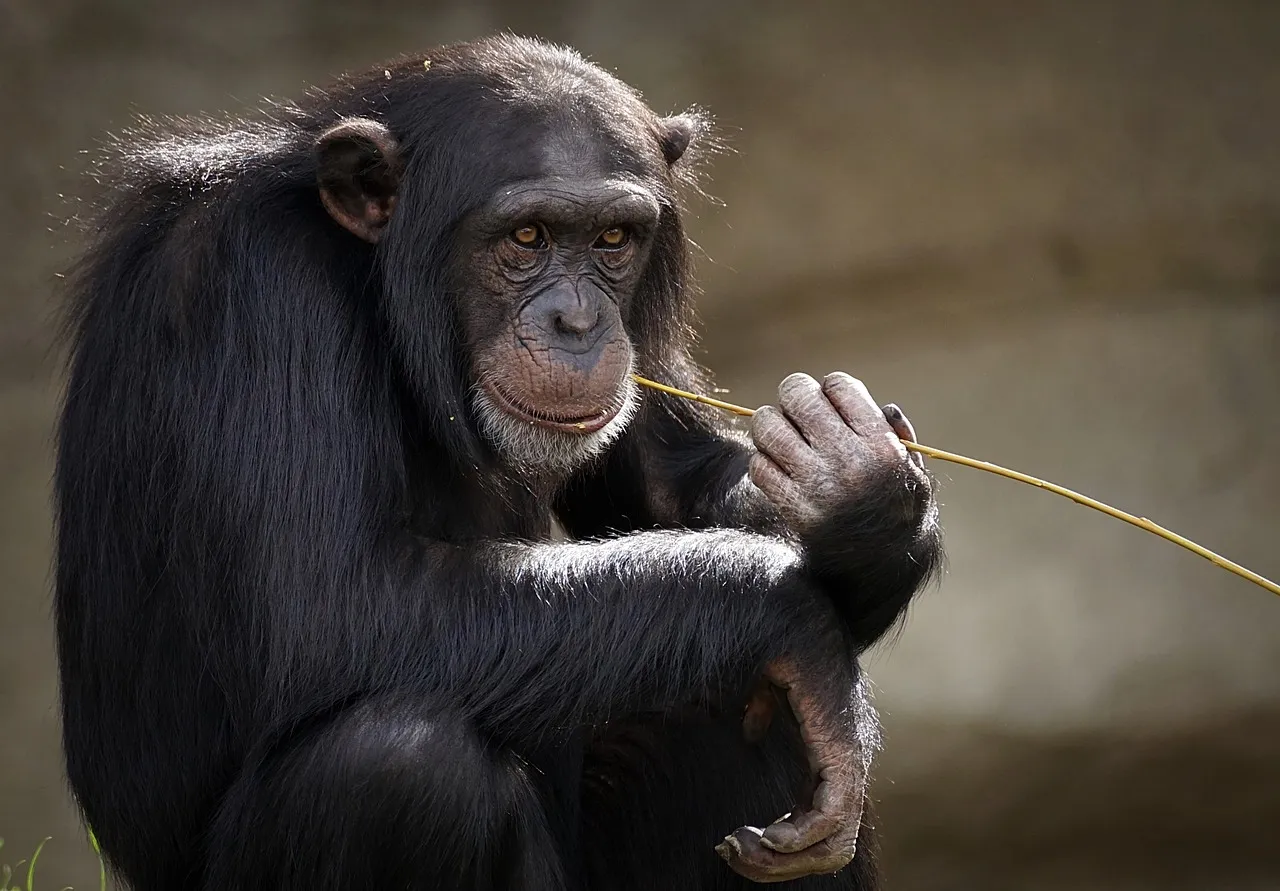
Chimpanzees, our closest relatives in the animal kingdom, have demonstrated remarkable strategic thinking. In a study involving a game of hide-and-seek, chimps consistently outperformed humans. They quickly adapted their strategies, anticipating their opponent’s moves with precision. This suggests that their ability to strategize and predict outcomes rivals, and in some cases, exceeds that of humans.
Moreover, in another experiment, chimpanzees showcased their deceptive abilities. When competing with humans for food, they would deliberately choose routes hidden from the human’s view, effectively concealing their approach. This behavior indicates a sophisticated understanding of perspective and the ability to manipulate situations to their advantage.
Ravens: Future Planners
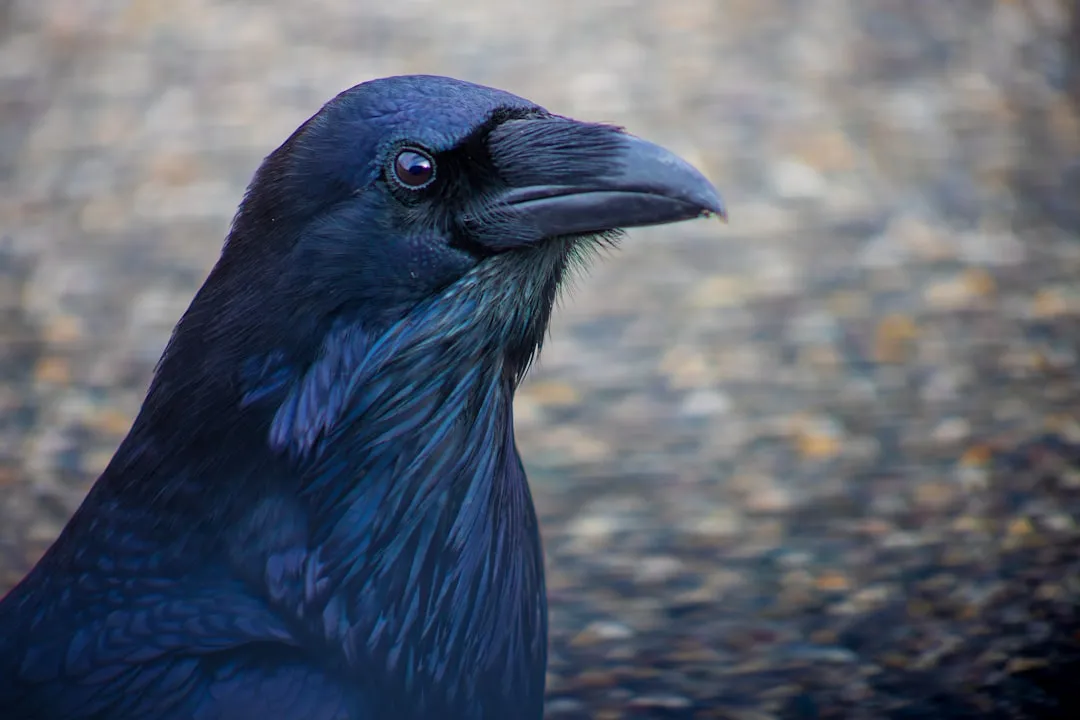
Ravens, often associated with mystery and intelligence in folklore, have lived up to their reputation in scientific studies. These birds have demonstrated the ability to plan for future events, a trait once believed to be uniquely human. In experiments, ravens selected tools they would need for future tasks, even when the task was hours away. This foresight challenges our understanding of animal cognition and suggests that ravens possess a level of abstract thinking previously unrecognized.
Additionally, ravens have been observed trading items for rewards, indicating an understanding of value and delayed gratification. Such behaviors highlight their complex cognitive abilities and adaptability.
Pigeons: Probability Experts
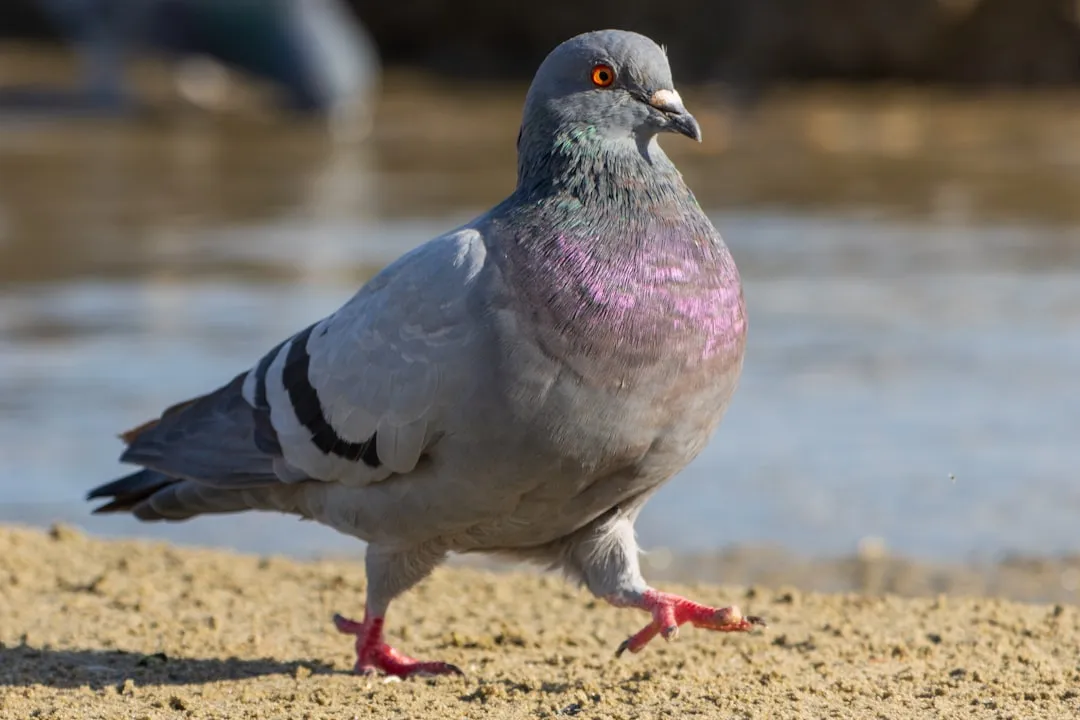
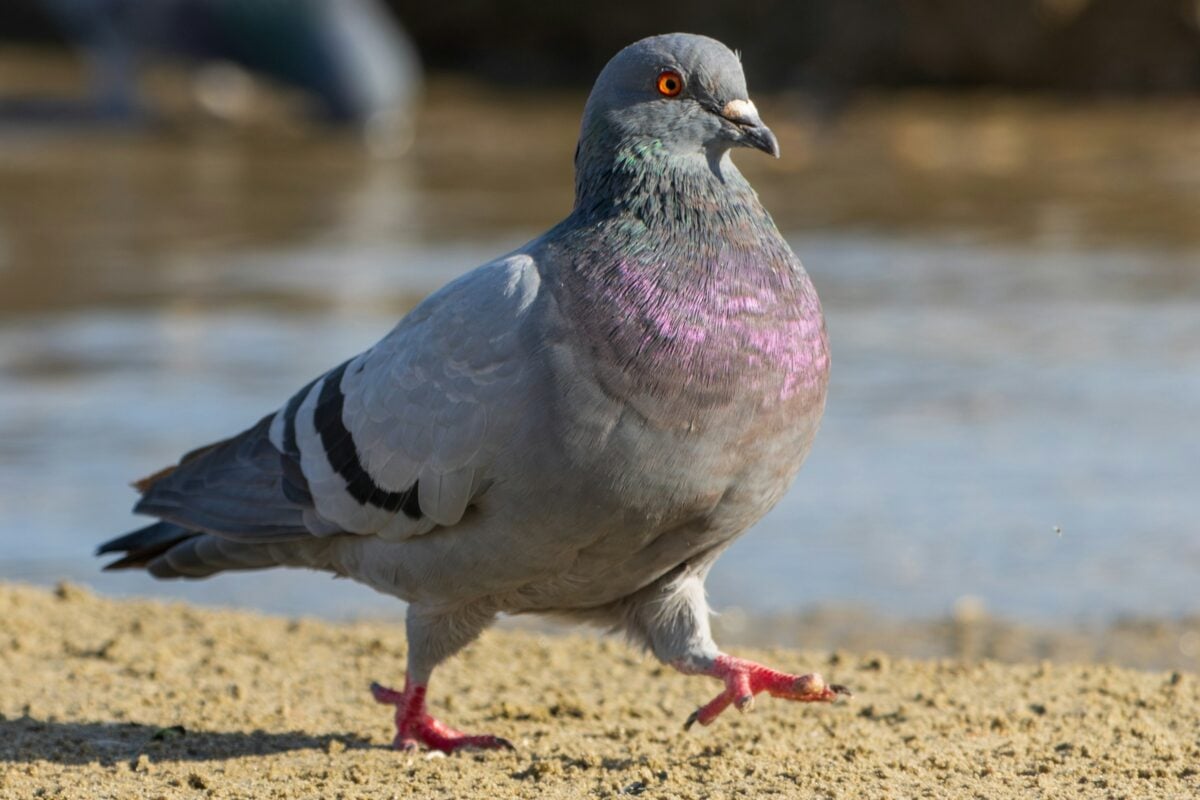
Pigeons, often dismissed as simple city dwellers, have showcased an unexpected knack for understanding probabilities. In experiments modeled after the Monty Hall problem – a probability puzzle that confounds many humans – pigeons consistently made optimal choices. They learned to switch their choices to maximize rewards, a strategy that many humans fail to adopt even after extensive training.
This ability suggests that pigeons possess an intuitive grasp of statistical reasoning, challenging the notion that such skills are exclusive to humans.
Rats: Adaptive Learners
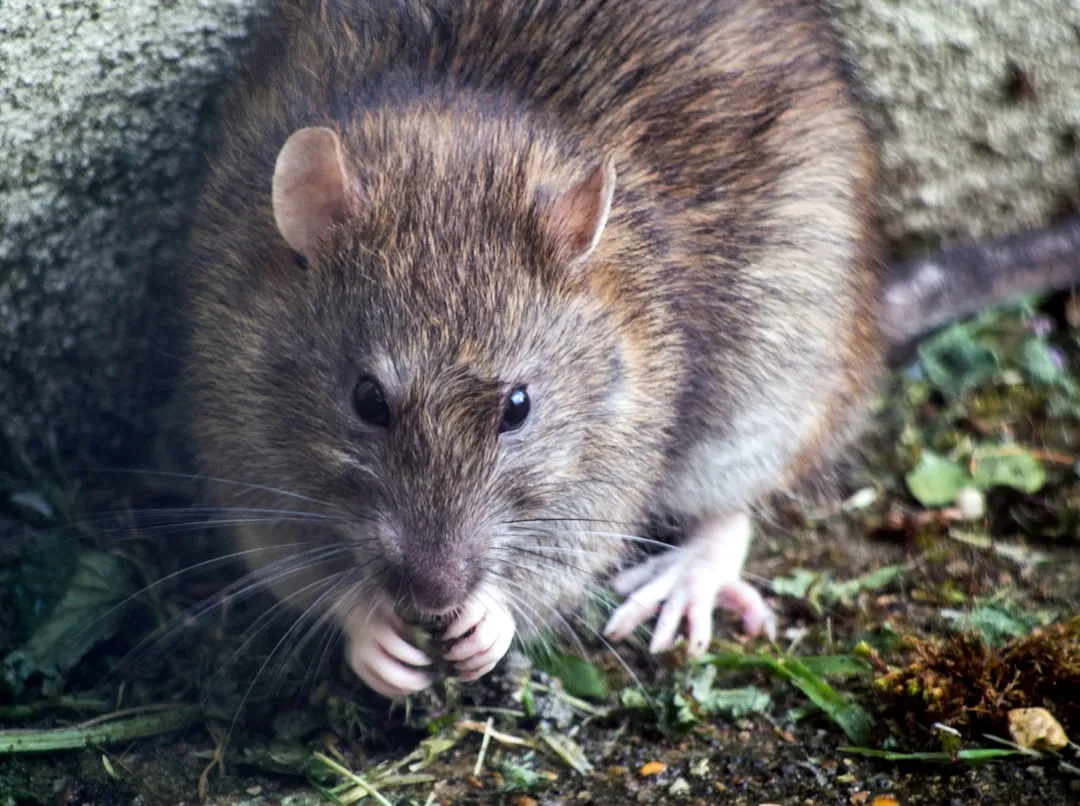
Rats have long been subjects in cognitive research due to their adaptability and learning capabilities. In studies comparing rats to humans in category learning tasks, rats often outperformed their human counterparts. They demonstrated a remarkable ability to generalize from past experiences and apply that knowledge to new, complex situations.
This suggests that rats employ a form of similarity-based categorization, allowing them to navigate and adapt to changing environments effectively.
Raccoons: Persistent Problem Solvers
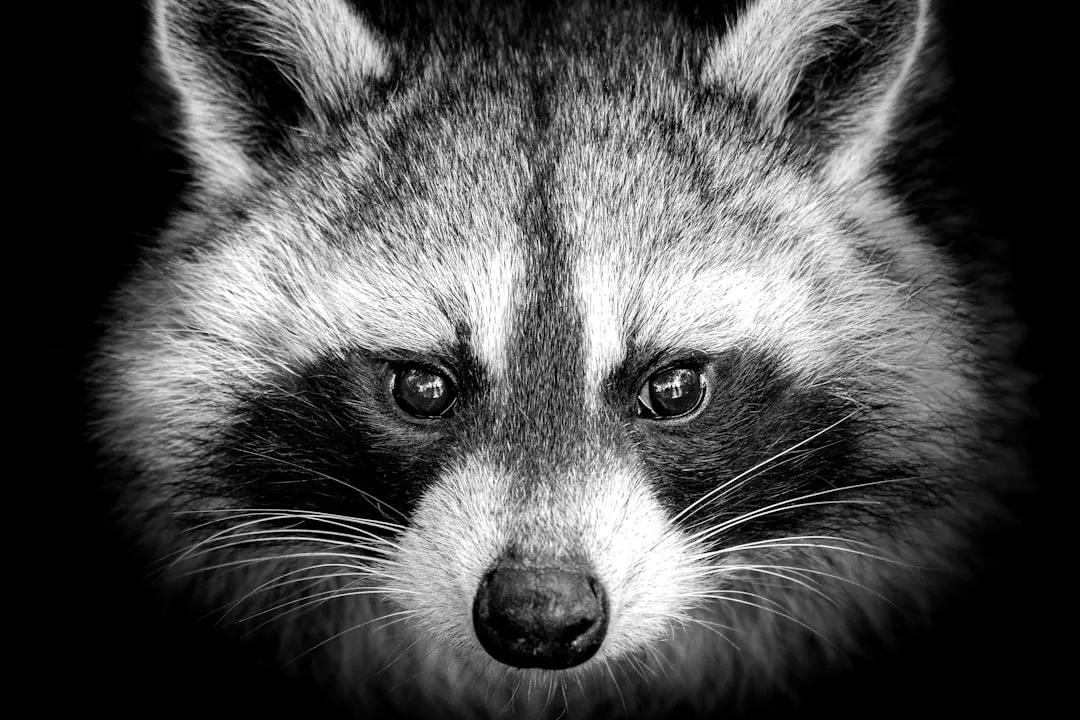
Raccoons, known for their dexterous paws and curious nature, have exhibited impressive problem-solving skills. In controlled experiments, raccoons were presented with puzzle boxes containing food rewards. Not only did they successfully open the boxes, but they continued to solve the puzzles even after the food was removed, indicating a drive to learn beyond immediate rewards.
Their persistence and curiosity suggest a level of cognitive engagement that parallels, and sometimes surpasses, that of humans in similar tasks.
Capuchin Monkeys: Fairness Advocates
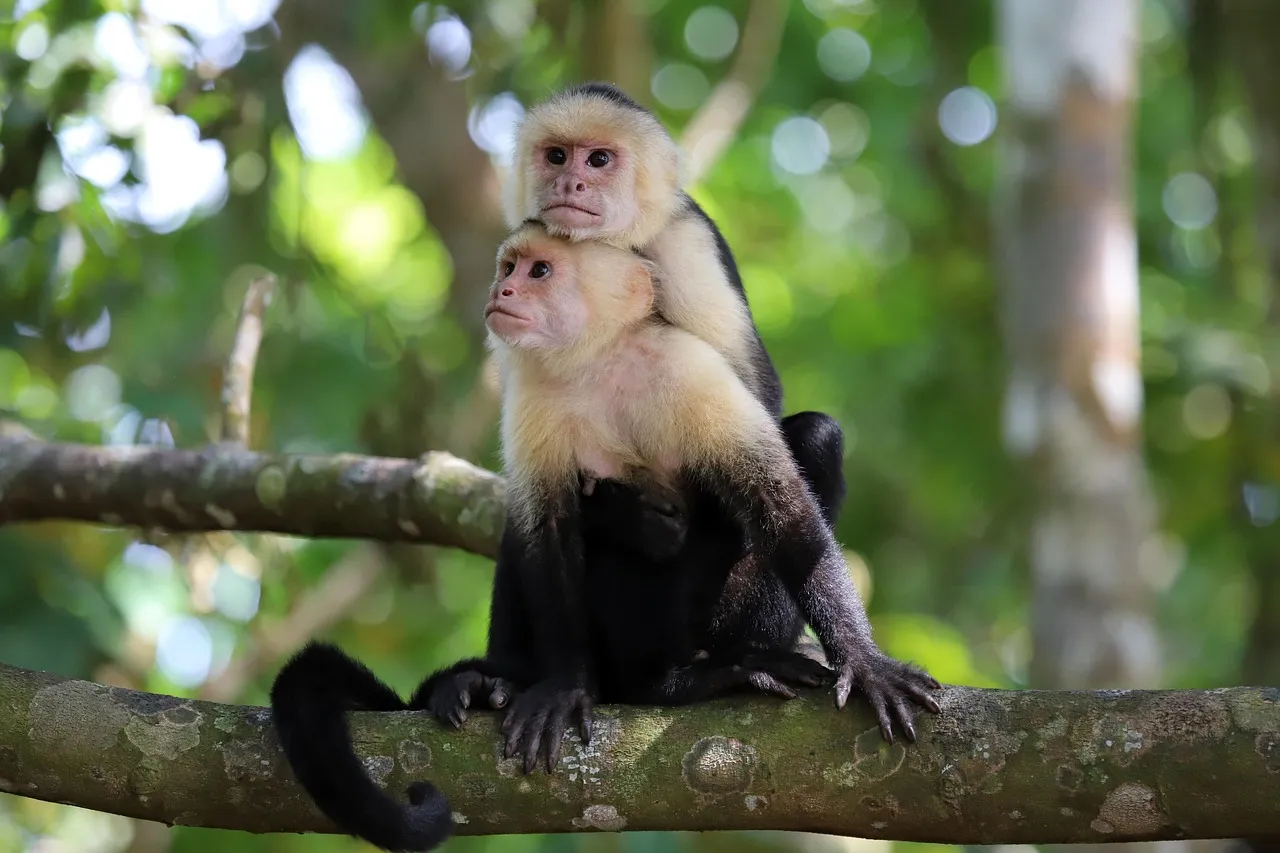
Capuchin monkeys have demonstrated a keen sense of fairness, a trait once thought to be uniquely human. In experiments where two monkeys performed the same task but received different rewards, the monkey receiving the lesser reward often refused to participate further. This behavior indicates an understanding of equity and suggests that capuchins are sensitive to social justice.
Such findings challenge the belief that concepts of fairness and justice are exclusive to humans, highlighting the complex social structures of these primates.
Goffin’s Cockatoos: Tool Innovators
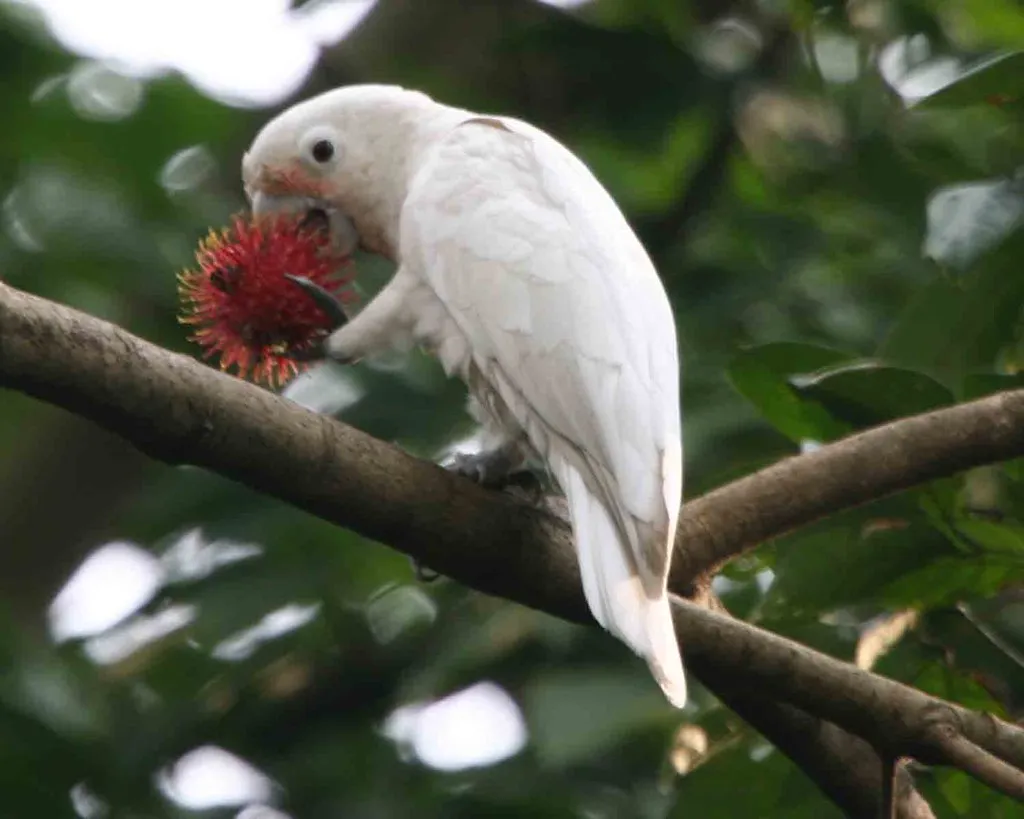
Goffin’s cockatoos have showcased remarkable problem-solving abilities, particularly in tool use. In experiments involving multi-step puzzles, these birds demonstrated the ability to use tools in sequence to achieve a goal. They exhibited exploratory learning and could infer the functionality of tools without prior experience.
This level of innovation and adaptability in tool use was unexpected and suggests that Goffin’s cockatoos possess a form of intelligence that rivals that of primates.
Mice: Strategic Thinkers
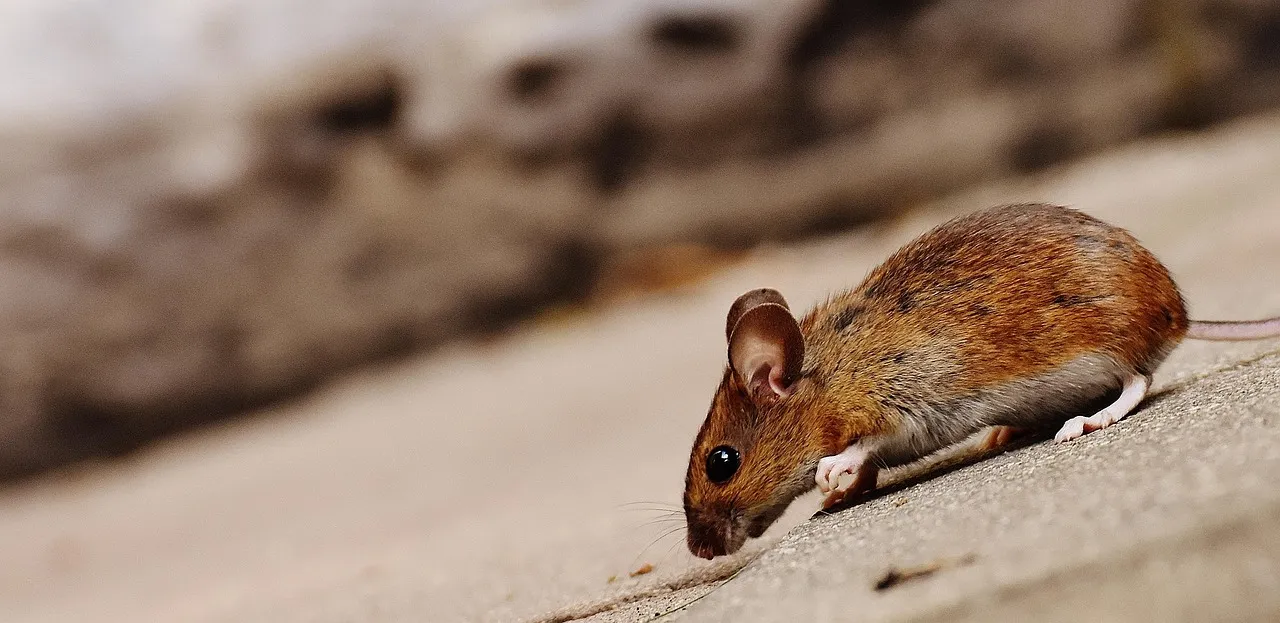
Mice, often underestimated in terms of intelligence, have displayed strategic thinking abilities. In experiments designed to test decision-making, mice engaged in behaviors that suggested they were testing hypotheses and making informed choices. They adjusted their strategies based on outcomes, indicating a level of cognitive flexibility.
This challenges the perception of mice as simple creatures and highlights their capacity for complex thought processes.
Conclusion
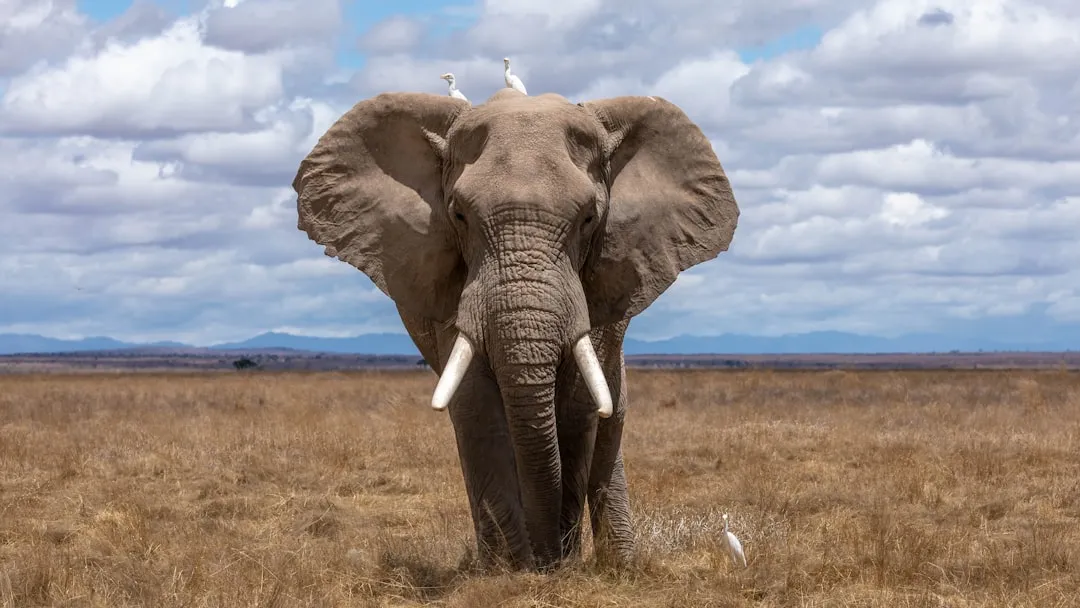
These findings compel us to reconsider the boundaries of intelligence and cognition in the animal kingdom. The unexpected emergence of species like pigeons and raccoons at the forefront of these studies suggests that intelligence manifests in diverse and surprising ways. Perhaps it’s time we broaden our understanding and appreciation of the cognitive abilities of our fellow inhabitants on this planet. Who knows what other surprises the animal world holds for us?

- 8 Animals That Have Been Documented Outsmarting Humans in Controlled Experiments – and the Species at the Top of the List Was Not the One Researchers Expected - July 18, 2026
- The Most Venomous Animal in North America Is Not a Snake or a Spider and Most Americans Walk Past It Every Summer Without Knowing - July 18, 2026
- There Is a Spot in the Pacific Ocean So Remote That the Nearest Humans Are Sometimes the Astronauts on the International Space Station Overhead - July 18, 2026