


Weather, with its capricious nature, often leaves us in awe, and sometimes, it births extraordinary events that etch powerful memories in our collective history. The United States, a land of diverse climates, has witnessed some of the most unusual and striking weather events over the years. Let’s delve into these captivating phenomena, which highlight nature’s unpredictable drama.
The Great Blizzard of 1888

One of the most infamous weather events in US history, the Great Blizzard of 1888, also known as the “White Hurricane,” paralyzed the Eastern Seaboard. In March 1888, more than 40 inches of snow fell, whipped into 50-foot drifts by fierce winds. New York City, unprepared for the onslaught, descended into chaos, with transportation halted and infrastructure overwhelmed. This blizzard prompted lasting changes, such as the creation of underground transportation systems.
The Dust Bowl of the 1930s

The Dust Bowl was a devastating period of severe dust storms that wreaked havoc on the prairies during the 1930s. Poor agricultural practices, coupled with a prolonged drought, caused massive soil erosion. These “black blizzards” blinded communities and displaced thousands of farming families, creating one of America’s worst environmental disasters. This event led to significant advancements in soil conservation and agricultural techniques.
The Tri-State Tornado of 1925

Cutting a destructive path through Missouri, Illinois, and Indiana, the Tri-State Tornado of March 1925 remains the deadliest tornado outbreak in US history. With a track spanning more than 200 miles, its 695 fatalities and extensive damage underscored the urgency for improved forecasting and safety measures, marking a turning point in tornado preparation and response strategies.
The 1900 Galveston Hurricane

Still the deadliest natural disaster in US history, the Galveston Hurricane struck the Texas coast in September 1900. Winds exceeding 135 mph and a catastrophic storm surge devastated the city, claiming over 6,000 lives. This tragic event emphasized the need for better hurricane warnings and preparedness, significantly shaping future responses to tropical storms.
The Great Chicago Heat Wave of 1995

A stark reminder of the dangers posed by extreme heat, the Great Chicago Heat Wave of July 1995 saw temperatures soar above 100°F. The event highlighted the vulnerabilities of urban populations and the lack of preparedness for such extremes, resulting in over 700 heat-related deaths. This prompted improvements in heat emergency plans and public awareness efforts.
Hurricane Katrina in 2005

Hurricane Katrina remains a grim milestone in US history due to its catastrophic impact on the Gulf Coast, particularly New Orleans. Ineffective levees and inadequate emergency response compounded the disaster, leading to over 1,800 fatalities and substantial displacement. The hurricane shed light on critical infrastructure flaws and societal inequities, igniting debates on climate change resilience.
The Super Outbreak of April 2011
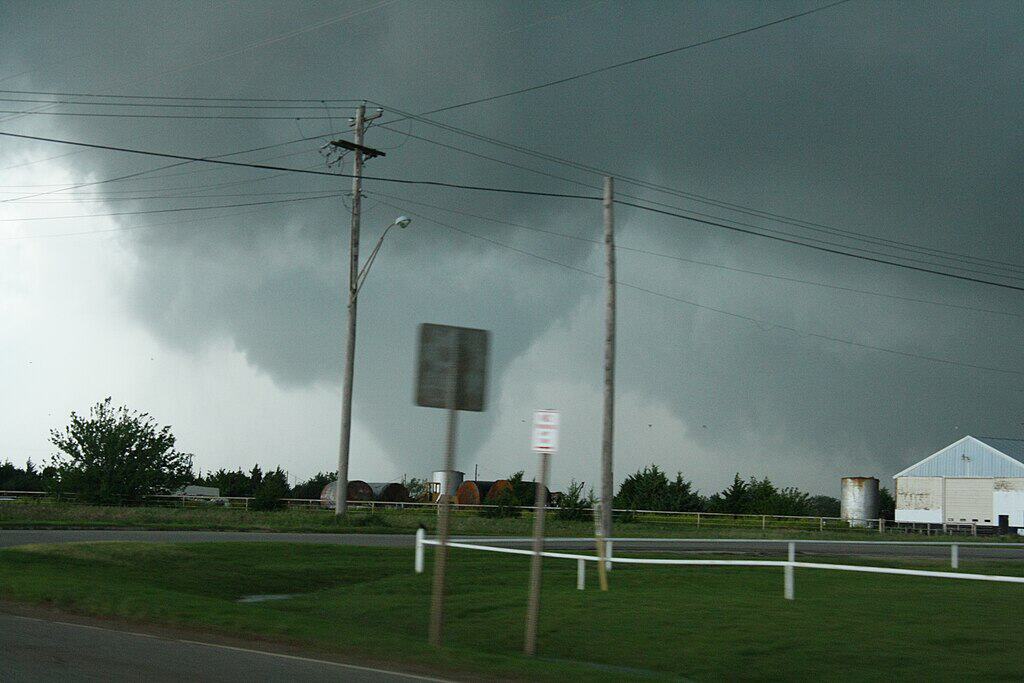
April 2011 brought the Super Outbreak—a massive series of tornadoes across the Southern, Midwestern, and Eastern United States. Over four days, more than 360 confirmed tornadoes touched down, claiming 348 lives. This outbreak spotlighted the advancements in weather forecasting, as meteorologists successfully tracked tornado patterns with unprecedented accuracy.
The New England Hurricane of 1938

This unexpected storm lashed New England with incredible force, causing widespread devastation. With little warning, it took nearly 700 lives and caused unimaginable destruction across coastal communities. The New England Hurricane emphasized the need for improved hurricane prediction models and underscored the unpredictable nature of North Atlantic storms.
The July Derecho of 2012
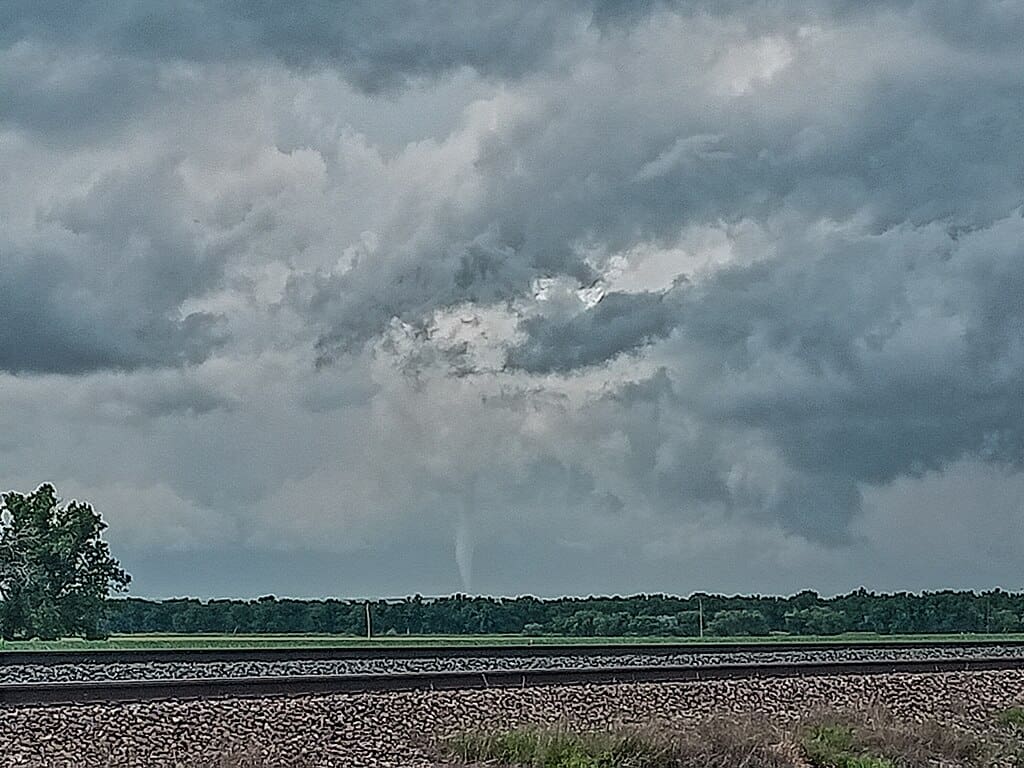
The July Derecho of 2012 swept across the Midwest, flattening structures with its straight-line winds. This unusual windstorm encompassed a massive line that traveled over 700 miles in 12 hours, resulting in power outages for millions. The event highlighted the need for heightened awareness and planning for non-tornadic windstorms.
The Bomb Cyclone of 2018
In January 2018, a rare meteorological event called a “bomb cyclone” struck the East Coast. The storm, marked by a rapid pressure drop and explosive intensification, brought heavy snow and hurricane-force winds. This term entered mainstream consciousness as the storm disrupted travel and power networks, showcasing the complexity of winter weather systems.
Path of Destruction The 1985 Eastern US Cold Wave

The cold wave of January 1985 paralyzed the Eastern United States with record-low temperatures. Cities like Chicago faced temperatures plummeting to -27°F. This unusual event replenished awareness of the necessity for preparedness against cold extremes, emphasizing the importance of warning systems and public safety protocols.
Reflections on Nature’s Fury
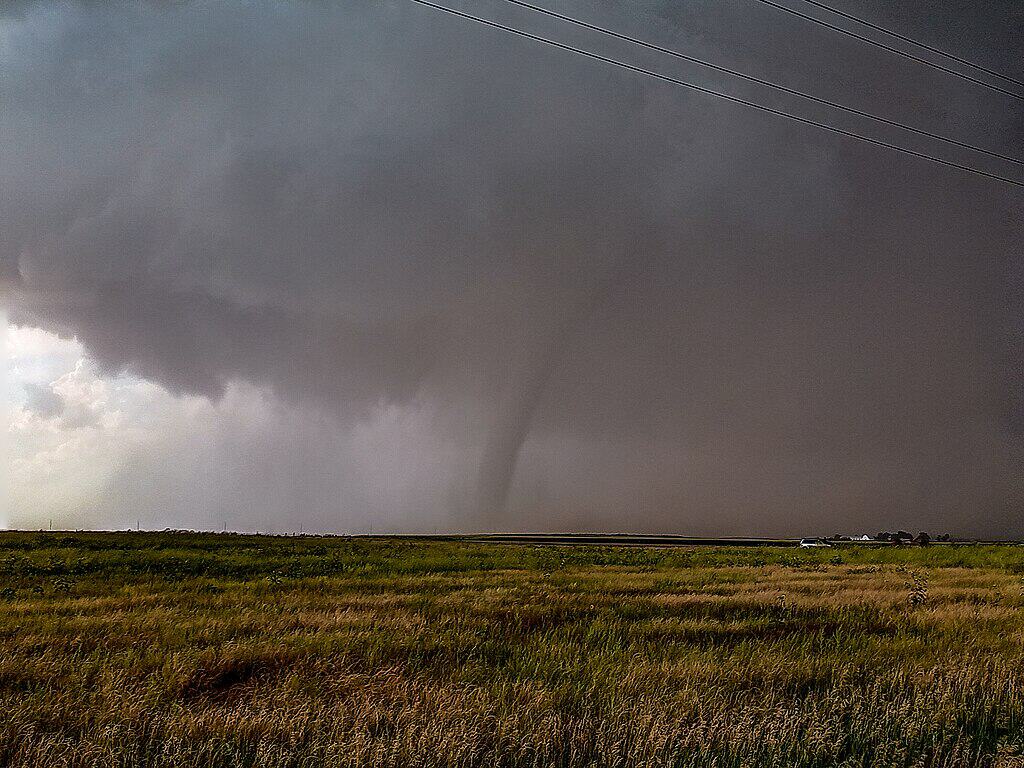
These unusual weather events serve as reminders of nature’s capacity to surprise and challenge us. They underscore humanity’s resilience and the need for ongoing improvements in forecasting, preparedness, and response. By learning from the past, we can better face future weather extremes and create a safer, more resilient world.

As a little kid, I fell in love with nature, wildlife, and animals. Living in the USA, South Africa, Italy, China and Germany gave me the opportunity to discover the world's Wildlife. My favorite animals are Mountain Gorillas, Siberian Tigers, and Great White Sharks.
I'm a certified PADI Open Water Diver, went to Everest Base Camp and Trekked Gorillas in Uganda. I hold a Master of Science in Economics and Finance.
Please send any feedback to feedback@animalsaroundtheglobe.com
- 15 Animals That Have Gone Extinct in Recent History - June 12, 2026
- 15 Unique Horse Coat Patterns and What They Mean - June 12, 2026
- 10 Cool Animals You Can See in Italy - June 12, 2026