

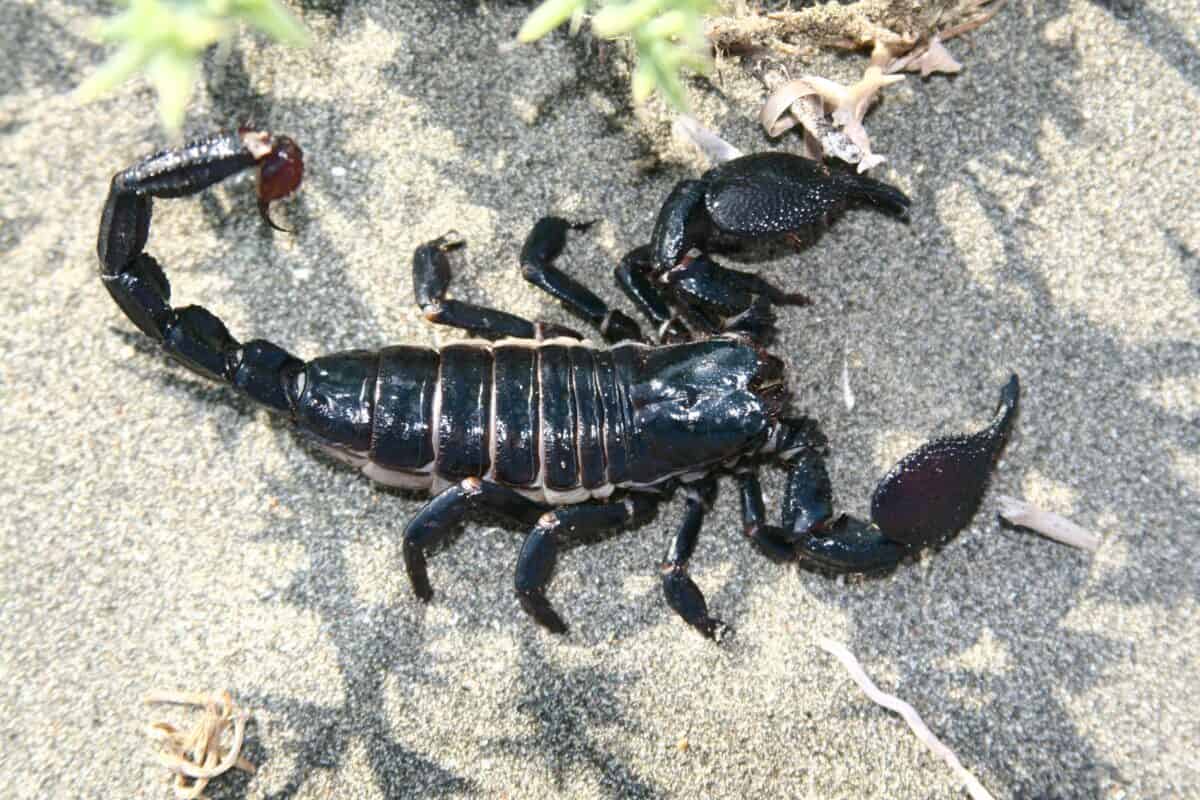
Every year, thousands of nature lovers and adventure seekers hike, camp, or swim across North America’s wild landscapes, often unaware that some of the continent’s most unassuming residents pack a venomous punch that could turn a sunny day into a heart-pounding ordeal. From the sun-baked deserts of the Southwest to the shadowy forests of the Pacific Northwest, North America is home to a surprising lineup of venomous animals. Some are small and easy to miss; others are downright beautiful, belying their dangerous secret. Whether you’re a die-hard animal enthusiast or just someone who loves a good nature story, get ready to meet the continent’s top 10 venomous creatures—each fascinating, each a reminder that beauty and danger often go hand in hand.
10. Timber Rattlesnake

The timber rattlesnake, with its striking bands and iconic rattle, is a symbol of the eastern forests and rugged hills. Despite their intimidating appearance, they are actually quite shy and will usually give plenty of warning before striking. Timber rattlesnakes can deliver a potent venom, which affects the blood and tissue, but bites are rare thanks to their reclusive habits. These snakes are most active during warm months and often bask on sunny logs or rocks. If you hear a dry, buzzing rattle in the woods, it’s best to take a step back—this snake is letting you know it wants to be left alone. While not aggressive, their venom is strong enough to cause severe illness or even death if untreated. Nature hikers should always stay alert, especially in known rattlesnake habitats.
9. Brown Recluse Spider

The brown recluse spider is infamous for its violin-shaped mark and its tendency to hide in quiet corners of homes, sheds, and woodpiles. While their bite is rarely fatal, it can cause severe tissue damage, sometimes leaving a wound that takes weeks or even months to heal. These spiders are found mostly in the southern and central United States, quietly stalking at night for their insect prey. What makes the brown recluse especially unnerving is its habit of hiding in shoes, clothing, or bedding—places we least expect. Their venom contains enzymes that can break down flesh, making medical attention crucial if bitten. Most people never see the spider that bit them, adding a sense of mystery and anxiety to their reputation.
8. Arizona Bark Scorpion

The Arizona bark scorpion holds the title of North America’s most venomous scorpion. Small and light brown, these creatures can easily blend into the sandy soils and rocky outcrops of the desert Southwest. Their sting delivers an intense pain that can last for hours, and in rare cases, especially with children or the elderly, it can cause serious symptoms like numbness, convulsions, or breathing difficulties. Despite their dangerous venom, fatalities are extremely rare thanks to modern antivenom and swift medical care. These nocturnal hunters often find their way into homes, shoes, or beds, making nighttime encounters more likely. If you’re camping under the stars in Arizona, a quick shake of your boots in the morning is more than just a good habit—it could save you from a nasty surprise.
7. Coral Snake

With its vibrant bands of red, yellow, and black, the coral snake is as beautiful as it is deadly. Found mainly in the southeastern United States, this snake’s venom is a powerful neurotoxin that can shut down the nervous system, leading to paralysis or even death. Fortunately, coral snakes are extremely secretive and rarely bite unless handled or threatened. Most bites happen when people mistake them for harmless lookalikes like the milk snake. The old rhyme, “Red touch yellow, kill a fellow; red touch black, friend of Jack,” helps distinguish the two. Coral snake bites are rare, but when they do occur, immediate medical treatment is critical. Their slender, elusive bodies often disappear before you even notice you’ve crossed paths.
6. Black Widow Spider

The black widow’s glossy black body and iconic red hourglass mark have inspired fear and fascination for generations. These spiders prefer dark, undisturbed places like garages, sheds, and woodpiles. Their venom is a potent neurotoxin, causing severe muscle pain, cramps, and, in some cases, more serious reactions. Although their bite can be extremely painful, fatalities are rare due to modern medical care. Black widows are not aggressive and usually bite only when threatened or accidentally pressed against the skin. Many victims don’t even realize they’ve been bitten until the symptoms begin. Despite their reputation, black widows are beneficial predators, keeping insect populations in check.
5. Eastern Diamondback Rattlesnake

The eastern diamondback rattlesnake is the largest venomous snake in North America, sometimes reaching lengths of over 7 feet. Its bold diamond pattern and loud rattle serve as a clear warning to keep your distance. The venom is highly toxic, capable of causing massive tissue damage and even death if left untreated. This snake prefers dry, sandy habitats like pine forests and coastal scrublands of the southeastern United States. While they are formidable predators, eastern diamondbacks are not aggressive toward humans unless provoked. Their powerful strike and quick temperament demand respect from anyone exploring their territory. Encounters are rare, but when they do happen, the size and presence of this snake are unforgettable.
4. Gila Monster

The Gila monster, with its beaded orange and black skin, looks almost prehistoric as it lumbers across the southwestern deserts. It’s one of only two venomous lizards in North America, delivering venom through grooves in its teeth as it chews its prey. While a bite from a Gila monster is rarely fatal, it causes excruciating pain, swelling, and nausea. These lizards are slow-moving and reclusive, spending much of their lives underground. Despite their fearsome reputation, Gila monsters pose little threat to people who leave them alone. Their venom has even helped researchers develop treatments for diabetes, making them both a danger and a benefit to humans. Spotting a Gila monster in the wild is a rare treat for any reptile enthusiast.
3. Western Diamondback Rattlesnake

The western diamondback rattlesnake is a legend of cowboy tales and desert hikes, known for its bold zigzag pattern and prominent rattle. Found throughout the arid Southwest, it is responsible for more snakebites in the United States than any other species. Its venom is a powerful cocktail that can cause severe pain, swelling, and tissue damage, but deaths are rare thanks to improved medical treatment. These snakes are masters of camouflage, often blending seamlessly into their rocky surroundings. When threatened, they stand their ground with a dramatic display—coiling, rattling, and sometimes striking. Despite their fearsome reputation, they play a vital role in controlling rodent populations.
2. Mojave Rattlesnake

The Mojave rattlesnake is infamous among snake experts for one reason: its venom is one of the most toxic of any rattlesnake in North America. It contains both hemotoxins and neurotoxins, causing not just tissue damage but also paralysis and breathing problems. Found in the deserts of the southwestern United States, this snake is often confused with its western diamondback cousin. The Mojave is generally not aggressive, but its venom packs a dangerous punch for anyone unlucky enough to be bitten. Quick medical attention is crucial, as symptoms can escalate rapidly. Hikers and campers are wise to watch their step and be alert for the telltale rattle.
1. Texas Coral Snake

Topping the list is the Texas coral snake, with its vivid red, yellow, and black bands warning of its dangerous secret. Its venom is among the most potent in North America, acting quickly on the nervous system to cause paralysis and, in severe cases, respiratory failure. Thankfully, Texas coral snakes are secretive and shy, rarely biting unless provoked or handled. Most incidents occur when people try to pick them up, mistaking them for harmless species. Their slender bodies and beautiful coloration make them easy to overlook in leaf litter or under logs. If bitten, urgent medical care is a must, but fatalities are extremely rare due to prompt treatment. Their presence is a reminder that the most dangerous creatures often come in the most striking packages.
Conclusion

North America’s wild places are filled with creatures that command both awe and caution. Each of these venomous animals has a vital role in keeping ecosystems balanced, yet their presence reminds us to respect the untamed beauty around us. When exploring the great outdoors, a little knowledge and a lot of caution can turn encounters with these animals from terrifying to simply unforgettable. Did you expect some of these creatures to make the list?

As a little kid, I fell in love with nature, wildlife, and animals. Living in the USA, South Africa, Italy, China and Germany gave me the opportunity to discover the world's Wildlife. My favorite animals are Mountain Gorillas, Siberian Tigers, and Great White Sharks.
I'm a certified PADI Open Water Diver, went to Everest Base Camp and Trekked Gorillas in Uganda. I hold a Master of Science in Economics and Finance.
Please send any feedback to feedback@animalsaroundtheglobe.com
- 15 Animals That Plan Their Actions - July 21, 2026
- 15 Creatures That Thrive in Darkness - July 21, 2026
- 13 Most Independent Cat Breeds - July 21, 2026