


Forests across the United States are teeming with life, hiding incredible secrets among the towering trees and lush undergrowth. These woodland havens occasionally yield surprises as species thought to be lost appear once again. Rediscoveries captivate the scientific community and ignite a renewed curiosity about the rich biodiversity within our forests. This article explores ten of the most fascinating animals recently rediscovered in U.S. forests, bringing to light the wonders of nature that still await us.
10. The Appalachian Woodpecker

This elusive bird, once presumed extinct due to habitat loss, has made a comeback in the dense forests of the Appalachian Mountains. The Appalachian Woodpecker can be identified by its distinctive red crest and rhythmic pecking sounds. Conservation efforts in the region have played a vital role in ensuring the revival of this iconic species.
9. The Ozark Hellbender

The Ozark Hellbender, a giant salamander residing in the streams of the Ozark Forest, was thought to have vanished due to pollution and waterway alterations. Rediscovered in the pristine waters of protected areas, this creature serves as a reminder of the delicate balance needed to maintain aquatic ecosystems.
8. The Sierra Nevada Red Fox

Long considered rare, the Sierra Nevada Red Fox was spotted again in the remote areas of California’s Sierra Nevada Mountains. Renowned for its distinctive red fur and bushy tail, this elusive fox exemplifies the mysteries that linger even in well-studied landscapes.
7. The Florida Panther
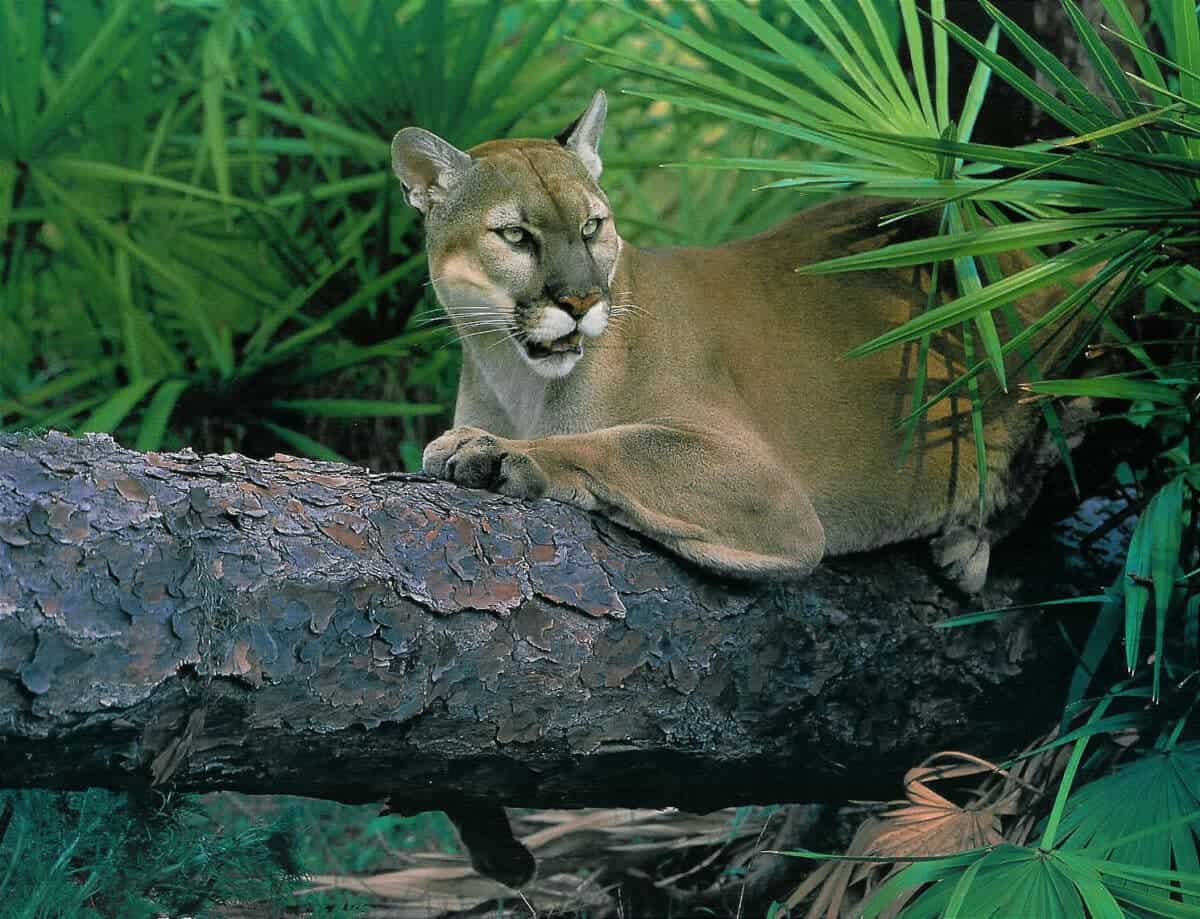
Once on the brink of extinction, the Florida Panther has made remarkable strides towards recovery. Sightings in the more remote areas of Florida’s forests have brought hope to conservationists, highlighting the effectiveness of wildlife corridors and breeding programs aimed at preserving this majestic feline.
6. The Eastern Bog Turtle

The Eastern Bog Turtle, North America’s smallest turtle species, found a sanctuary in eastern wetland forests. Recent sightings of these turtles in protected wetlands reinforce the importance of conserving their habitats amid ongoing development threats.
5. The New Mexico Meadow Jumping Mouse
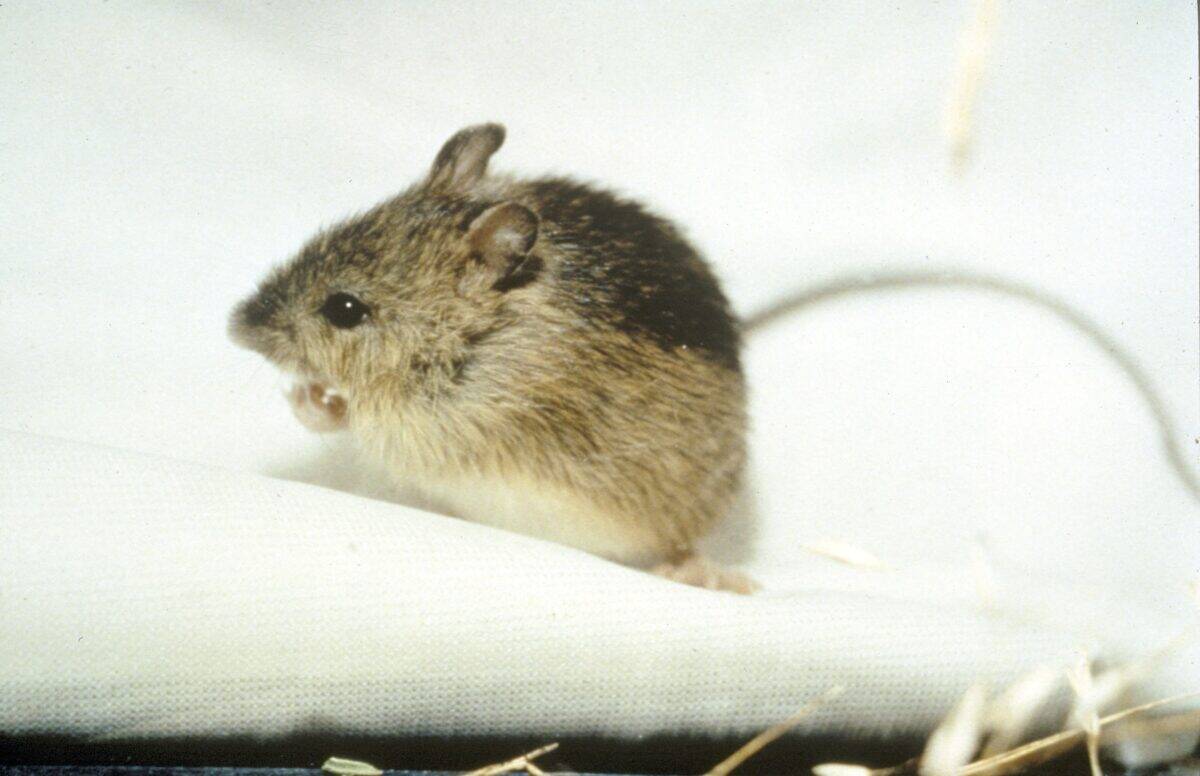
Believed to have vanished due to habitat destruction, the New Mexico Meadow Jumping Mouse has bounced back, quite literally. This delightful rodent has been found in riparian zones of national forests in New Mexico, where efforts to manage grazing and maintain wetland areas have facilitated its return.
4. The Northern Spotted Owl
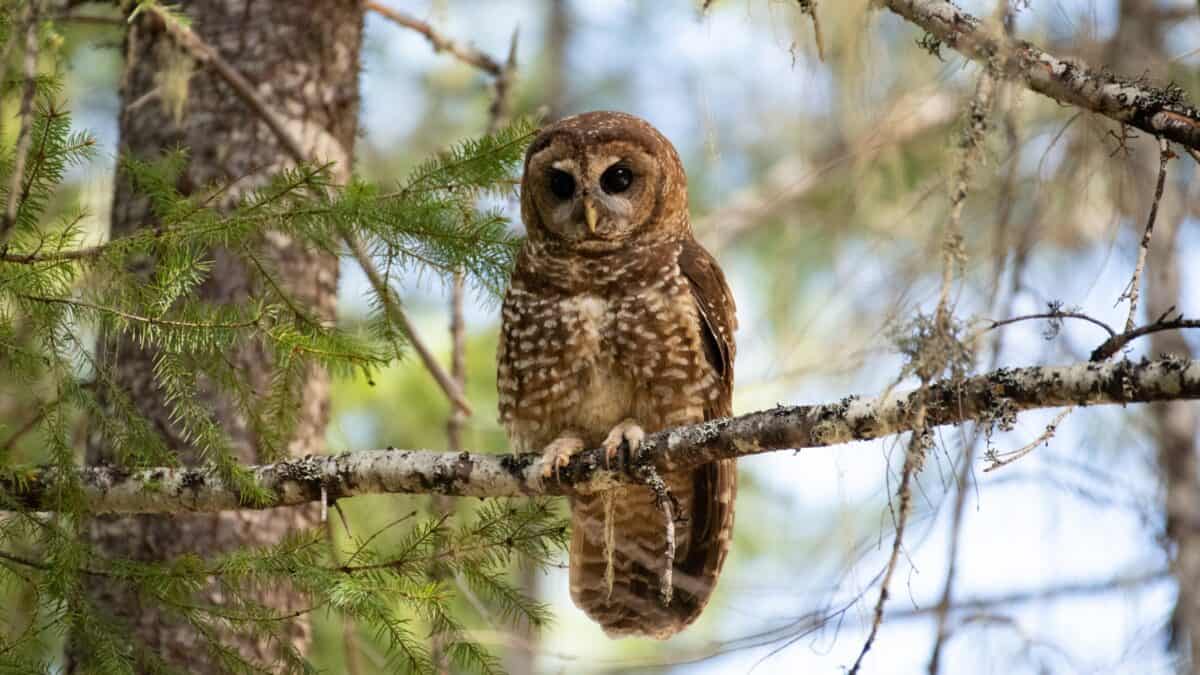
The Northern Spotted Owl was feared to be vanishing from its native old-growth forests. However, renewed sightings indicate a stable population in isolated forested regions, thanks to stringent conservation actions curbing habitat destruction from logging.
3. The Louisiana Pine Snake

Encountered once more in the pinelands of Louisiana, this snake had been unseen for decades. Its rediscovery underscores the necessity of conserving fire-dependent ecosystems and natural longleaf pine habitats pivotal to its survival.
2. The American Marten
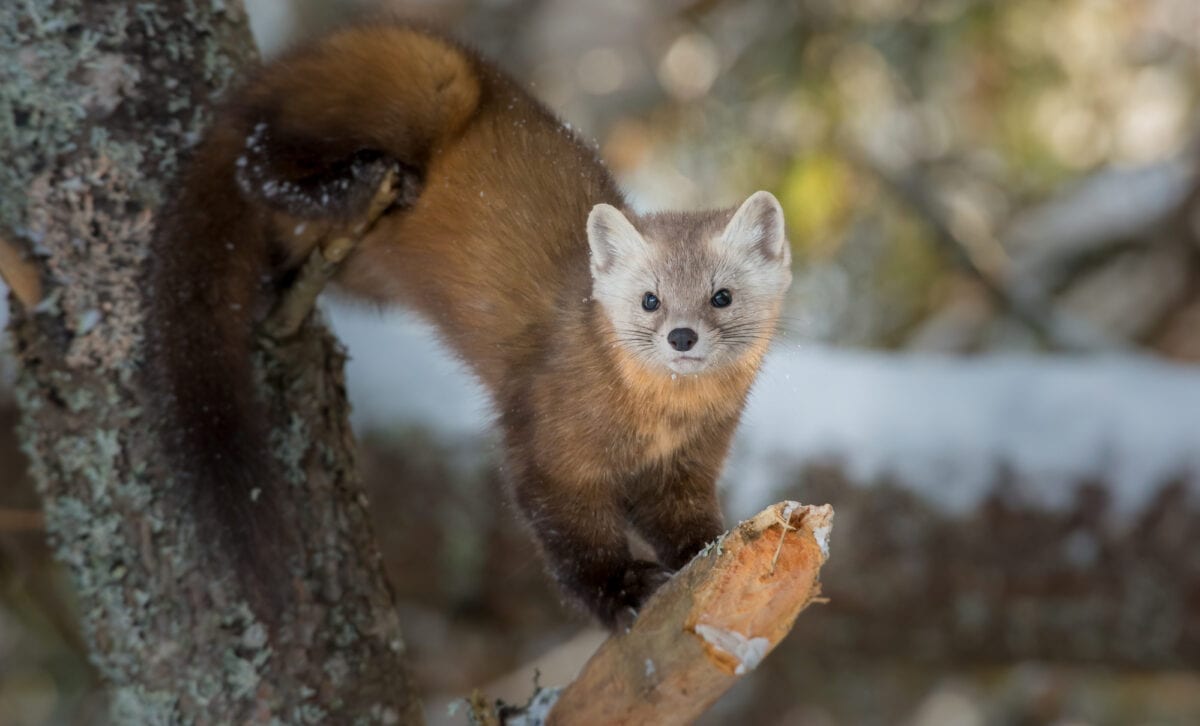
American Martens reappeared in several northeastern forests, signaling a positive outcome for restoration programs. These agile mammals require large tracts of undisturbed forest for foraging and denning, emphasizing the role that a healthy forest ecosystem plays in supporting biodiversity.
1. The Blue Ridge Two-lined Salamander

This small amphibian, endemic to the Blue Ridge Mountains, was documented again in secluded mountain streams. Environmental measures enhancing water quality and forest integrity have been instrumental in its resurgence, showcasing a success story in ecosystem management.
Factors Driving Rediscoveries

The rediscovery of these species offers insights into the intricate relationships between ecosystems and the species that inhabit them. Conservation efforts, habitat preservation, and environmental regulations are critical to providing safe havens for wildlife to flourish and recover.
Importance of Ongoing Conservation

The return of these fascinating species is a testament to the significance of protecting and restoring natural habitats. Continued support for conservation initiatives is essential to safeguard biodiversity and ensure that future generations can experience the wonders of the wild.
The rediscovery of these remarkable animals reminds us of nature’s resilience and the hidden wonders that remain in our forests. While the comeback of these species offers hope, it also calls for sustained efforts to protect and preserve their habitats. By appreciating and embracing the intricate tapestry of life in our forests, we can continue to uncover the magnificence of the natural world that surrounds us.

- How Sustainable Farming Protects Wildlife in Tea Regions - July 21, 2026
- Why So Many Marine Animals Are Bioluminescent - July 21, 2026
- Wildlife Mysteries That Took Decades to Solve - July 21, 2026