
There’s something magnetic about the unknown. Ancient ruins that refuse to give up their secrets. Stone monuments scattered across remote landscapes with no clear explanation. Clay tablets covered in writing that nobody can read. These places exist at the intersection of human achievement and mystery, and they remind us that despite all our technology and research, we still don’t have all the answers.
The archaeological world is full of sites that make experts scratch their heads, debate theories endlessly, and wonder what our ancestors were really up to. From underground cities carved into solid rock to massive geoglyphs only visible from the air, these destinations challenge everything we thought we knew about ancient capabilities and intentions. Ready to explore some places that have stumped the brightest minds in archaeology? Let’s dive in.
Göbekli Tepe, Turkey
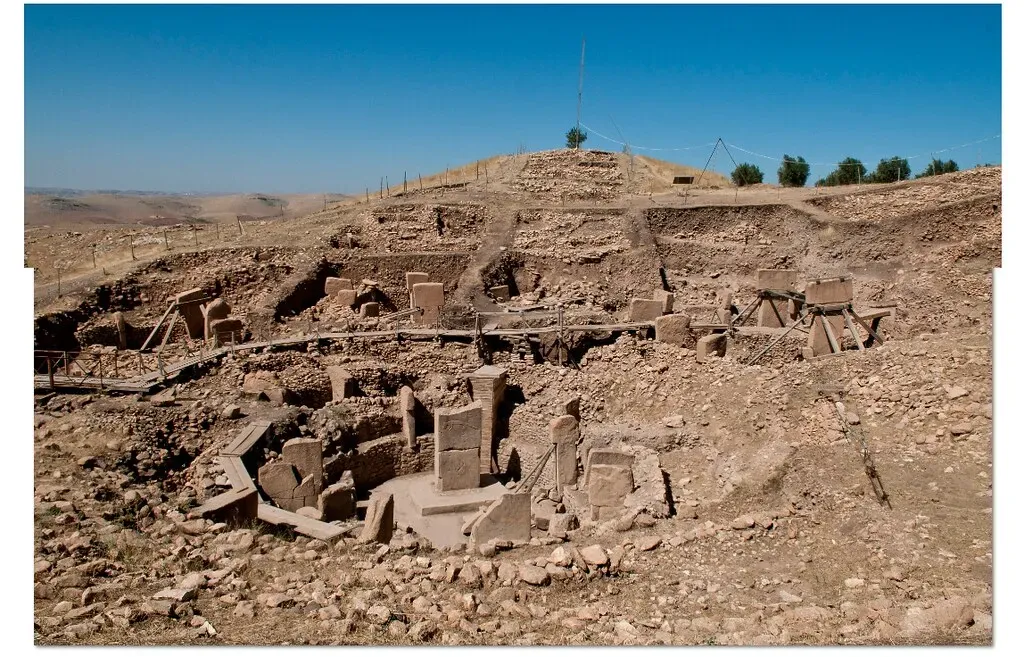
Picture this: a complex of massive stone circles built by people who supposedly hadn’t even figured out farming yet. Located in southeastern Turkey, Göbekli Tepe dates back to approximately 9600-9500 BCE, making it roughly 6,000 years older than Stonehenge and 7,000 years older than the Great Pyramid of Giza. What makes this place truly mind-boggling is the timing.
The site features massive circular and oval stone enclosures with pairs of T-shaped limestone pillars up to 18 feet tall and weighing up to 20 tons, adorned with elaborate carvings of animals including lions, bulls, foxes, snakes, scorpions, and vultures. It was built by mobile hunter-gatherers before the advent of agriculture, pottery, writing, or permanent settlements, completely inverting the traditional narrative that complex religious structures emerged after agriculture created food surpluses. How did nomadic groups organize the labor needed for such a project? What drove them to create something so monumental without even having farms to feed workers?
The Nazca Lines, Peru
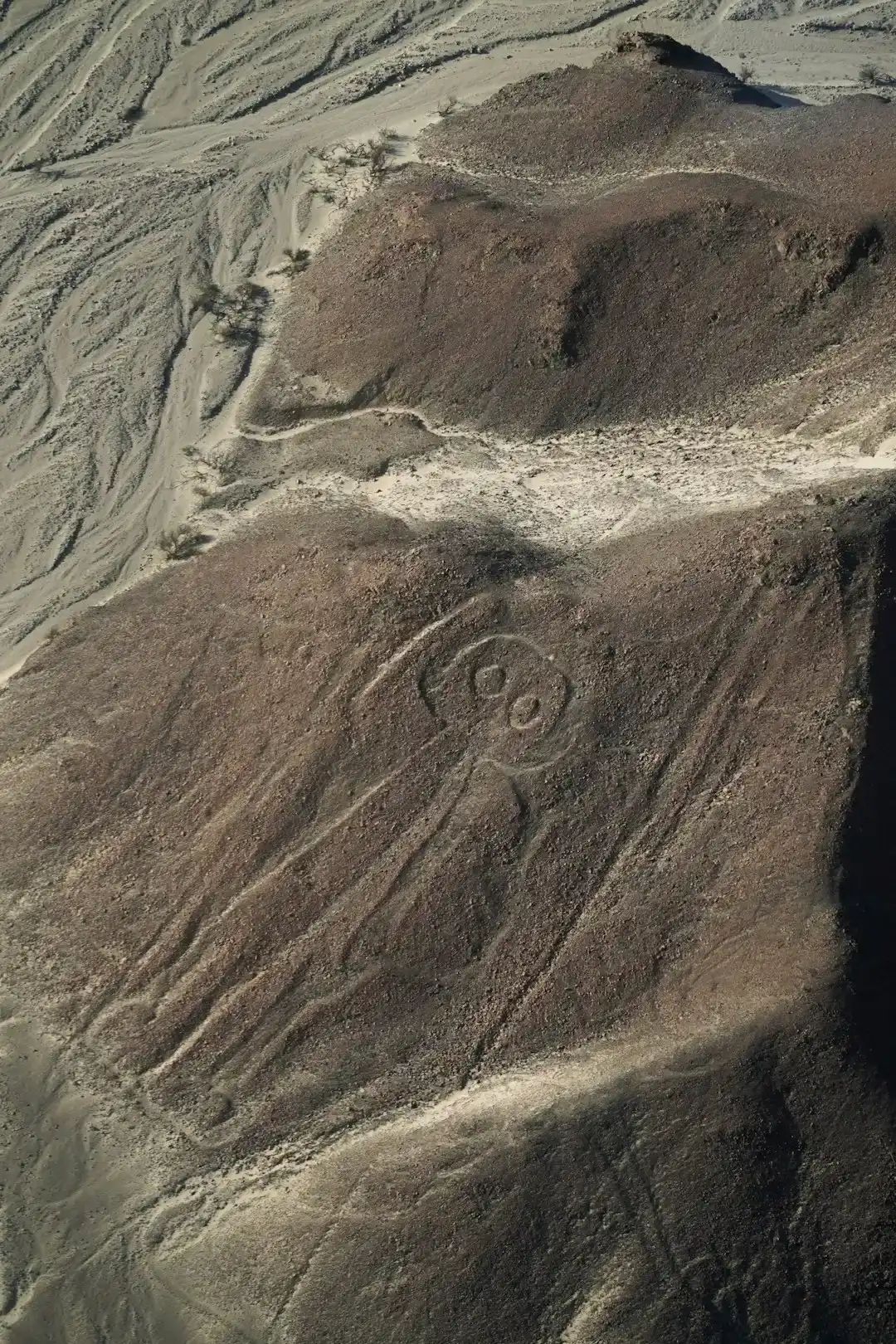
Flying over the Peruvian desert reveals one of archaeology’s most spectacular puzzles. Located in the arid Peruvian coastal plain, some 400 km south of Lima, the geoglyphs of Nazca cover an incredible 450 square kilometers and are among archaeology’s greatest enigmas because of their quantity, nature, size and continuity. We’re talking about drawings so massive you can’t appreciate them unless you’re in the air.
The startling feature of the Nazca geoglyphs is that they can only really be appreciated from the air, raising questions about how and why they were created. Some researchers believe the lines functioned as sacred pathways for ritual processions, with figures serving as offerings to mountain and sky deities who controlled water. Other theories suggest they might mark water sources or ritual pathways, with perhaps the most popular theory being that they are representations of the constellations. The Nazca people created something spectacular without ever being able to see the full picture themselves. That takes a special kind of faith.
Stonehenge, England
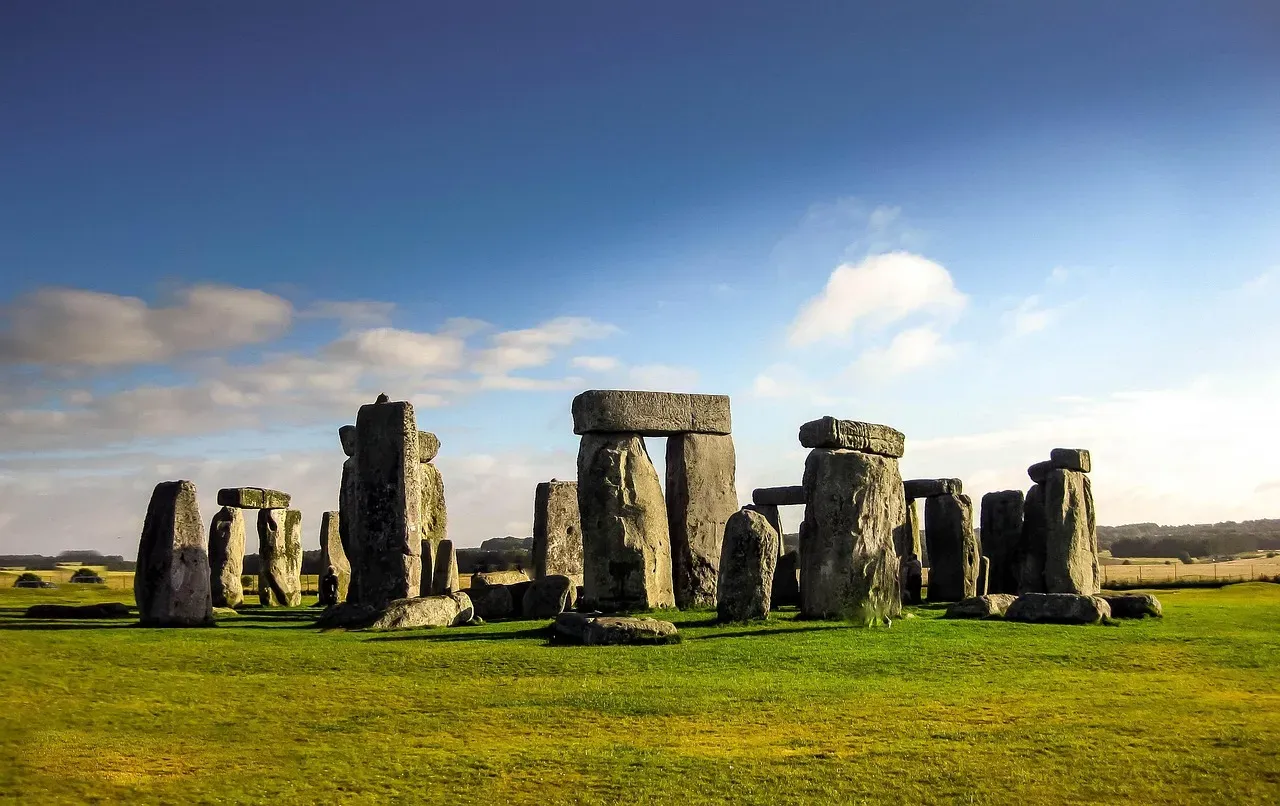
Let’s be real, if you’ve heard of only one mysterious ancient site, it’s probably this one. The ring of megalithic stones was built approximately 4,000 years ago and was an impressive feat for the primitive people who constructed it, but that’s about all archaeologists know for sure. Everything else is educated guesswork wrapped in centuries of speculation.
None of the theories on the original purpose of Stonehenge, which range from an astronomical observatory to a religious temple of healing, has ever been set in stone. The date of construction is relatively unknown, with a 1,000 year leeway between 3000 and 2000 BCE proving quite expansive, and its true purpose, the ancient culture who built it, and the method of construction are all unknown. Honestly, for such an iconic landmark, it’s remarkable how little we actually understand about it. The stones themselves had to be transported from miles away, which only deepens the mystery of why this particular spot mattered so much.
Derinkuyu Underground City, Turkey
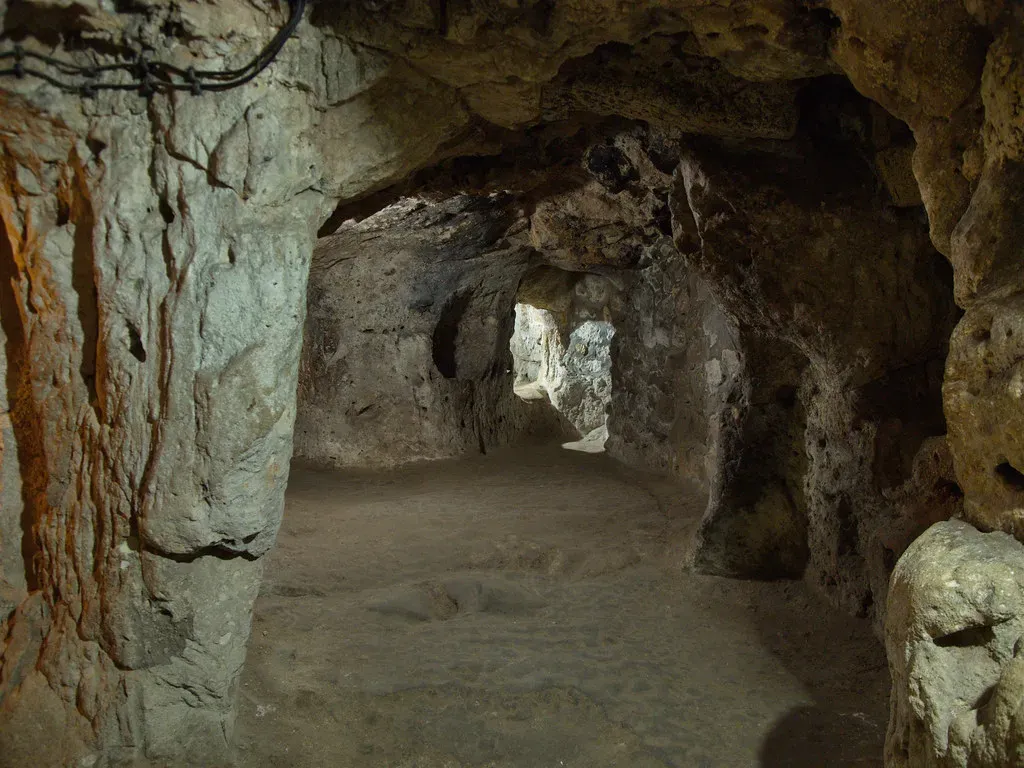
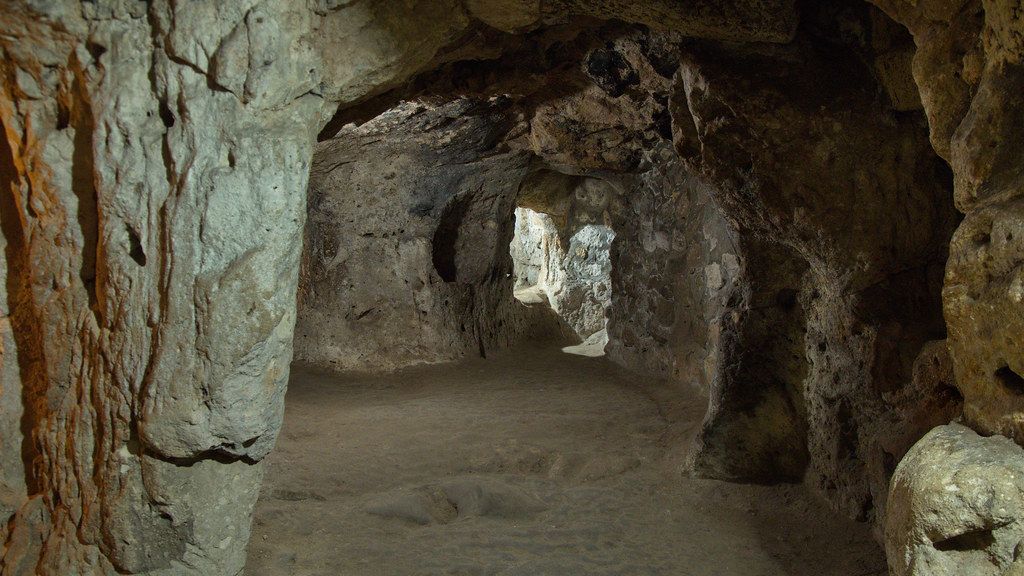
Imagine discovering a hidden city beneath your feet that could house thousands of people. Derinkuyu in Cappadocia in Turkey is probably the largest underground city that has been discovered to date, spanning more than 8 levels going as deep as 80 meters with more than 600 entrances to the surface. This isn’t just a cave system; it’s an entire subterranean community carved from solid rock.
The engineering required to create ventilation shafts, wells, storage rooms, and living quarters deep underground suggests serious planning and labor. Whether Derinkuyu was a refuge of last resort, a permanent home, or something else entirely, its existence demonstrates both the ingenuity and the fears of ancient peoples. What were they hiding from? Why go to such extreme lengths to live underground? The questions multiply the deeper you dig into this mystery.
The Stone Spheres of Costa Rica
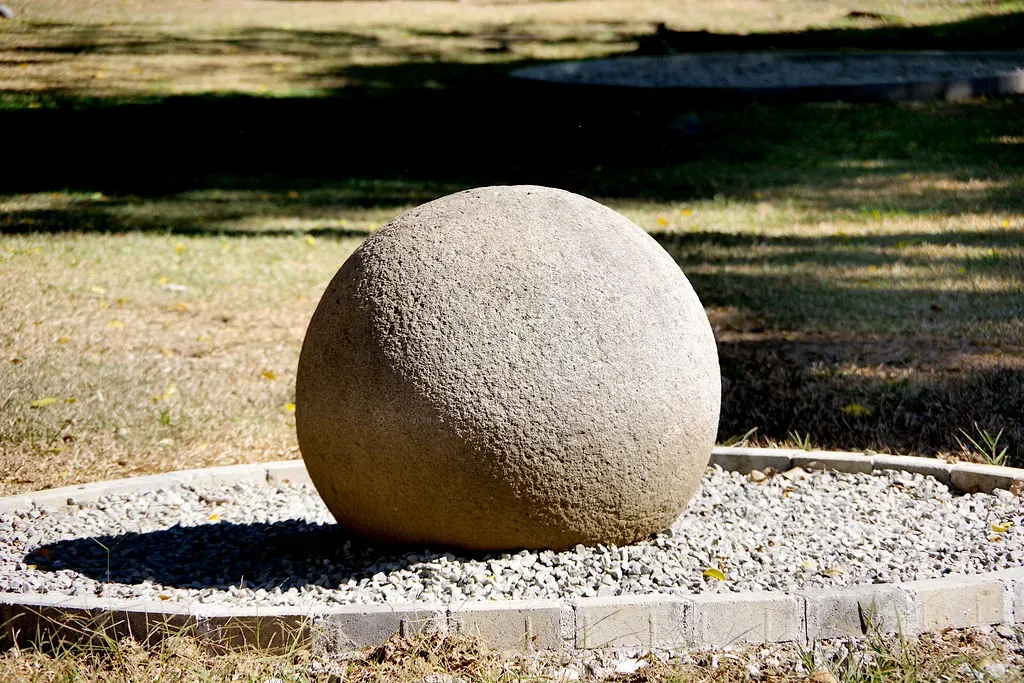
Scattered across southern Costa Rica are hundreds of perfectly round stone balls, some small enough to hold, others weighing several tons. The Diquís Delta contains hundreds of petrospheres ranging from a few centimeters to over 2 meters in diameter, with the largest weighing approximately 15 tons, created by the Diquís culture between roughly 500 and 1500 CE. The precision is what really gets you.
Analysis has revealed remarkable accuracy with many spherical to within a few centimeters, accomplished without metal tools or modern measuring instruments, likely through controlled heating and cooling of the rock, pecking with harder stones, and extensive grinding and polishing. Each sphere would have required hundreds or thousands of hours of work. Here’s the thing: nobody knows why they made them. Were they status symbols? Astronomical markers? Decorative elements in some forgotten ceremony? The balls themselves are silent witnesses to a culture’s mysterious obsession with perfect spheres.
Linear A Script, Crete
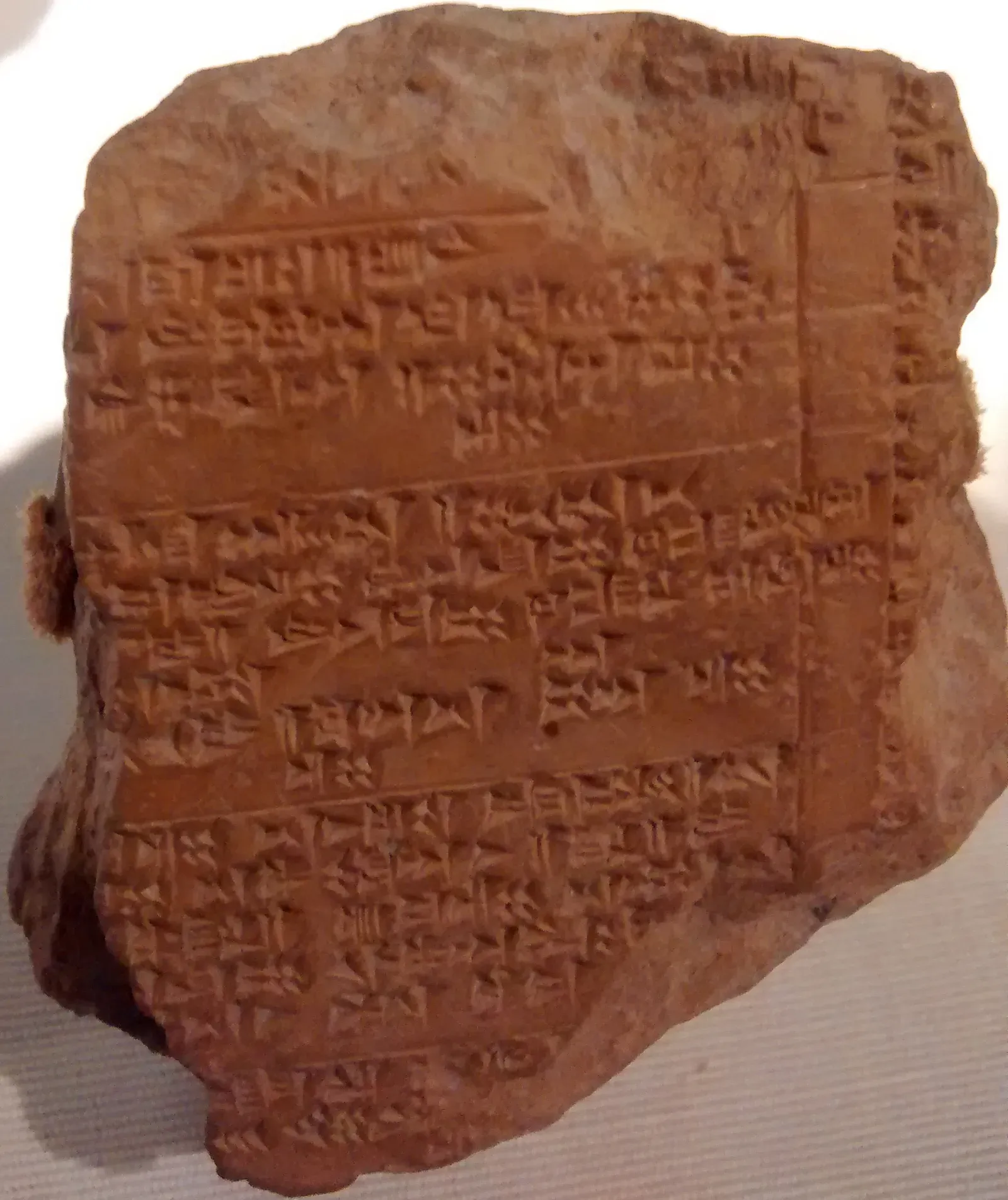
Linear A is one of Europe’s strangest unsolved riddles, a mysterious script scratched onto clay tablets by the Minoan civilisation of Crete between 1800 BC to 1450 BC. What makes this particularly frustrating for researchers is that they cracked the related Linear B script back in 1952, yet Linear A remains stubbornly indecipherable.
Greek-based Linear B was cracked in 1952 and represents syllables rather than letters, but that knowledge hasn’t opened the door to deciphering Linear A. Powerful computers could help researchers decipher the Minoans’ mysterious writing system, but it’s been more than a century since the powerful Minoan civilization of the Mediterranean was uncovered and scholars are still unable to decipher their language. It’s like having half the key to a locked door. You’re so close to understanding an entire civilization’s thoughts, records, and history, yet the door stays firmly shut.
Tomb of Alexander the Great
One of history’s most famous conquerors simply vanished after death. Alexander the Great died in Babylon in 323 BC at just 32, leaving no clear heir or burial wishes, and it’s believed his body was moved several times, first to Memphis in Egypt by Ptolemy I, and then to Alexandria around 280 BC. After that, things get murky.
To this day, the burial site of Alexander the Great has never been found, and if and when it is, it is anticipated to be among the greatest archaeological discoveries of all time. Alexander’s mausoleum welcomed illustrious visitors including Julius Caesar and Cleopatra, but by the fourth century AD, it vanished, possibly lost to earthquakes, rising seas, or urban sprawl. There have been over 140 officially sanctioned excavations to find the tomb, none of which have succeeded, though technological advances such as ground-penetrating radar may help the next excavation strike it lucky. Somewhere beneath Alexandria’s streets or the Egyptian desert lies one of history’s greatest prizes.
The Hypogeum of Ħal Saflieni, Malta
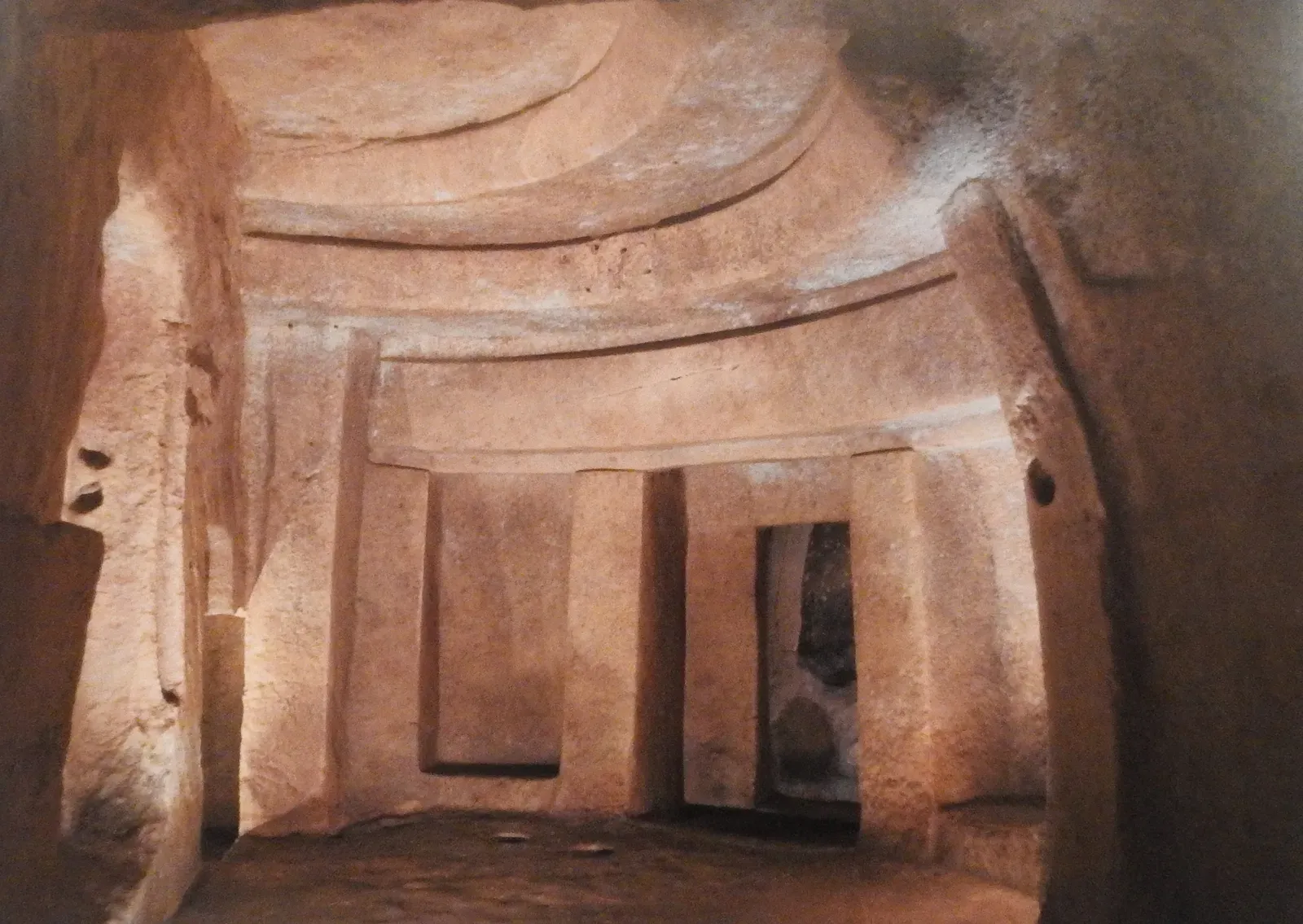
The Hypogeum of Ħal Saflieni was discovered in 1902 by workmen digging cisterns for new houses in Paola, Malta, and is an exquisitely preserved example of prehistoric Maltese architecture. What they found wasn’t just ancient; it was profoundly strange.
Archaeologists have discovered the remains of over 7000 individuals buried in these subterranean chambers, with some of the skulls showing signs of artificial elongation, similar to those of ancient Egyptian priests, which has prompted speculation about who built these tombs. The Hypogeum of Hal Saflieni in Malta is a UNESCO World Heritage Site believed to be the oldest prehistoric underground temple in the world. The sheer number of burials raises questions about what happened there, who these people were, and why they practiced skull elongation. The temple’s acoustic properties are also unusual, designed in ways that suggest ritual significance we don’t fully grasp.
The Phaistos Disc
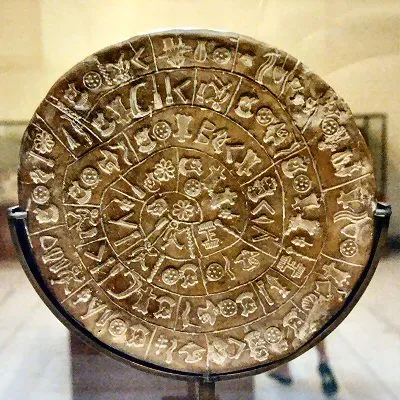
Imagine holding a clay disc covered in symbols that nobody on Earth can read. Unearthed in 1908 on Crete, the Phaistos Disc is a fired clay object inscribed with spiraling, stamped symbols, and scholars have struggled for decades to decipher its meaning with some believing it’s a hymn or prayer, while others think it could be a type of game or record. The symbols were stamped, not carved, suggesting some form of early printing technology.
The true purpose of the disc remains elusive, adding to its allure as one of archaeology’s most intriguing puzzles. What makes it extra maddening is that it appears to be a one-off. No other artifacts use the same symbol system, which means there’s no comparative material to help crack the code. It’s like someone left us a message in a language they invented just for that one disc. Did they expect us to understand it? Were there other discs that didn’t survive? We may never know.
Nan Madol, Micronesia
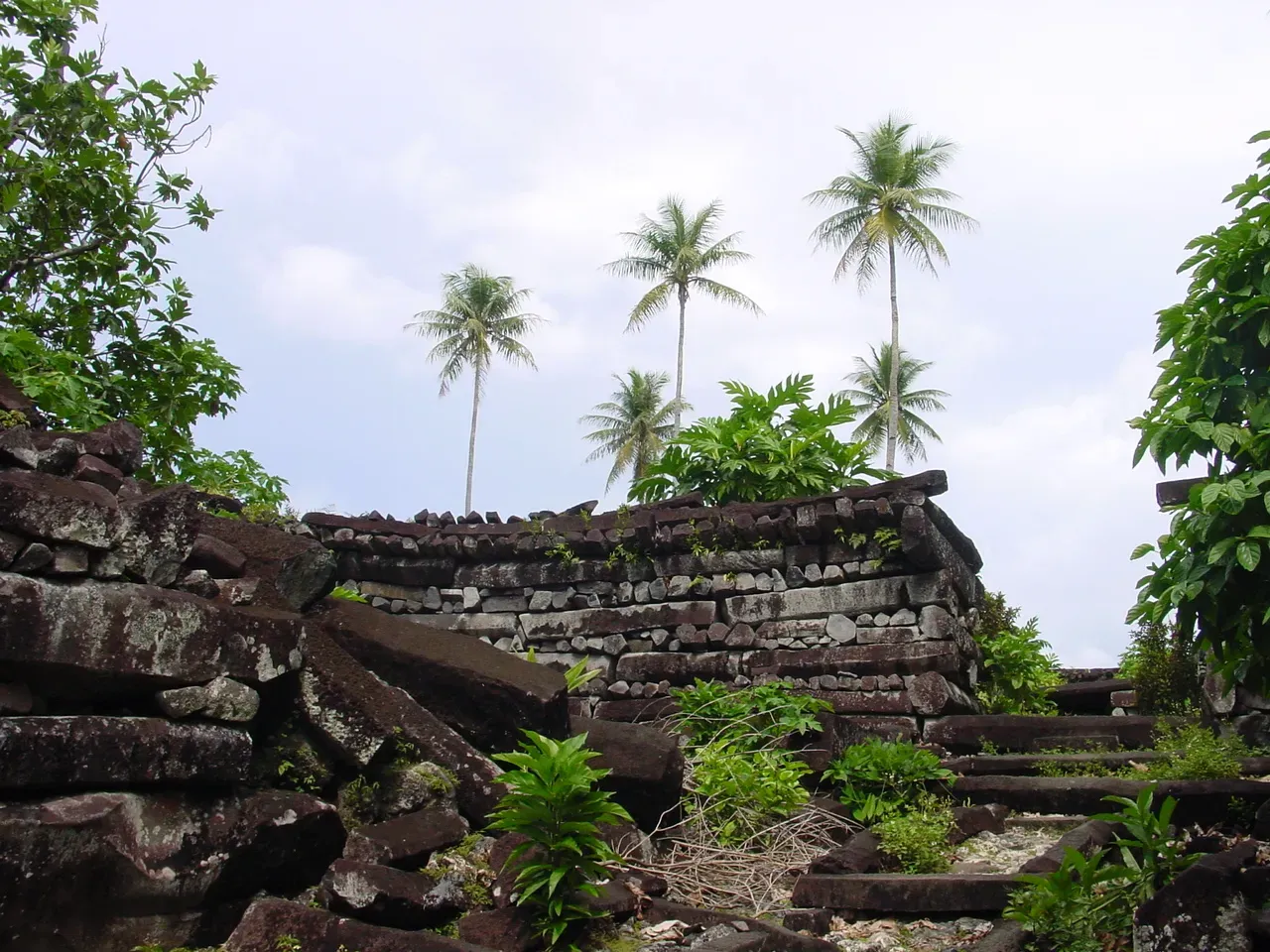
The mystery of Nan Madol is particularly puzzling since on the site there is no freshwater nor food, meaning water must have been transported from inland, even by boat, requiring an extreme amount of work with no clear reason why or how this happened. Picture a city built on a reef, constructed from massive basalt columns, in one of the most remote locations imaginable.
The mystery of this site takes another shape: why and how was this city on a reef built? Archaeologists have few clues as to what happened to the civilization responsible for its creation. The logistics alone are staggering. Every stone had to be moved, every structure carefully placed, all while dealing with the challenge of working on artificial islands. What could have motivated such monumental effort in such an inhospitable location? The ruins stand today as testament to human determination driven by purposes we can only guess at.
Conclusion
These ten destinations represent just the tip of the archaeological iceberg. Each one challenges our understanding of what ancient peoples could achieve and why they chose to spend enormous amounts of time and energy on projects whose purposes remain frustratingly unclear. From underground cities to indecipherable scripts, from massive stone monuments to perfectly spherical rocks, these sites whisper questions across millennia.
What’s truly fascinating is that despite all our modern technology, satellite imaging, ground-penetrating radar, and computational analysis, we’re still piecing together these puzzles. Maybe that’s part of their enduring appeal. They remind us that history isn’t a closed book, and our ancestors were far more sophisticated and mysterious than we sometimes give them credit for. Some of these mysteries might be solved in our lifetime. Others may perplex archaeologists for centuries to come.
Which of these mysterious destinations intrigues you the most? What do you think ancient peoples were trying to accomplish with these incredible feats?
