
Look at the animals living alongside humans every single day – the cat sleeping in a patch of sunlight, the pig snuffling around a barn, the horse galloping across a paddock – and it’s easy to forget that these creatures carry something ancient inside them. Their domesticated lives are surprisingly recent chapters in much longer, wilder stories. The gap between what they are now and what they once were is genuinely startling when you stop to examine it.
The domestication of wild animals, beginning with the dog, heavily influenced human evolution itself. These creatures, and the protection, sustenance, clothing, and labor they supplied, were key factors that allowed our nomadic ancestors to form permanent settlements. That debt runs deep. So does the biological strangeness of it all. These five animals are some of the most familiar on the planet – and their wild origins are far more surprising than most people realize.
#1: The Domestic Cat – Descended from a Desert Predator
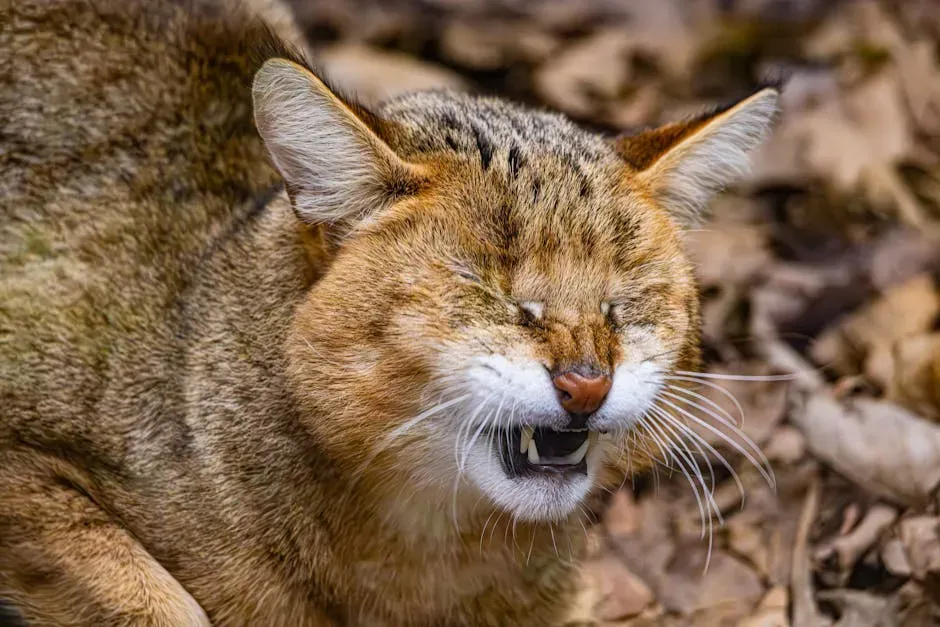
There’s a certain irony in the fact that cats, long celebrated for their elegance and mystery, essentially domesticated themselves. The African wildcat (Felis silvestris lybica) is considered the ancestor of all domestic cats, with some evidence pointing to at least some level of domestication as early as 9,500 years ago in Cyprus. That’s a remarkably long timeline for an animal that still behaves, on its worst days, like it hasn’t fully committed to the arrangement.
The process of domestication of the African wildcat is believed to have begun around 9,000 years ago in the Near East. As human agricultural practices flourished, people began storing surplus grain, which attracted rodents. The rodents, in turn, attracted wildcats. Over time, these cats adapted to living near human settlements, where food sources were abundant. There was no deliberate taming involved at first. The cats came to us, not the other way around.
In general, cats haven’t undergone major changes during domestication and their form and behaviour remain very similar to that of their wildcat ancestors. They remain perfectly capable of surviving in the wild, and many can revert to a feral or wild existence. In other words, the African wildcat and your household tabby are not as far apart as you might assume. Genetic analysis shows that the DNA of modern-day domestic cats worldwide is almost identical to that of Felis silvestris lybica, clearly showing that this species gave rise to our domestic cats.
The African wildcat is a small wildcat species with sandy grey fur, pale vertical stripes on the sides and around the face. It is native to Africa, West and Central Asia, and is distributed to Rajasthan in India and Xinjiang in China. It inhabits a broad variety of landscapes ranging from deserts to savannas, shrublands and grasslands. That solitary, nocturnal desert hunter is the genetic blueprint for a creature now found curled up on sofas on every continent.
#2: The Domestic Pig – Born from a Fearsome Wild Boar
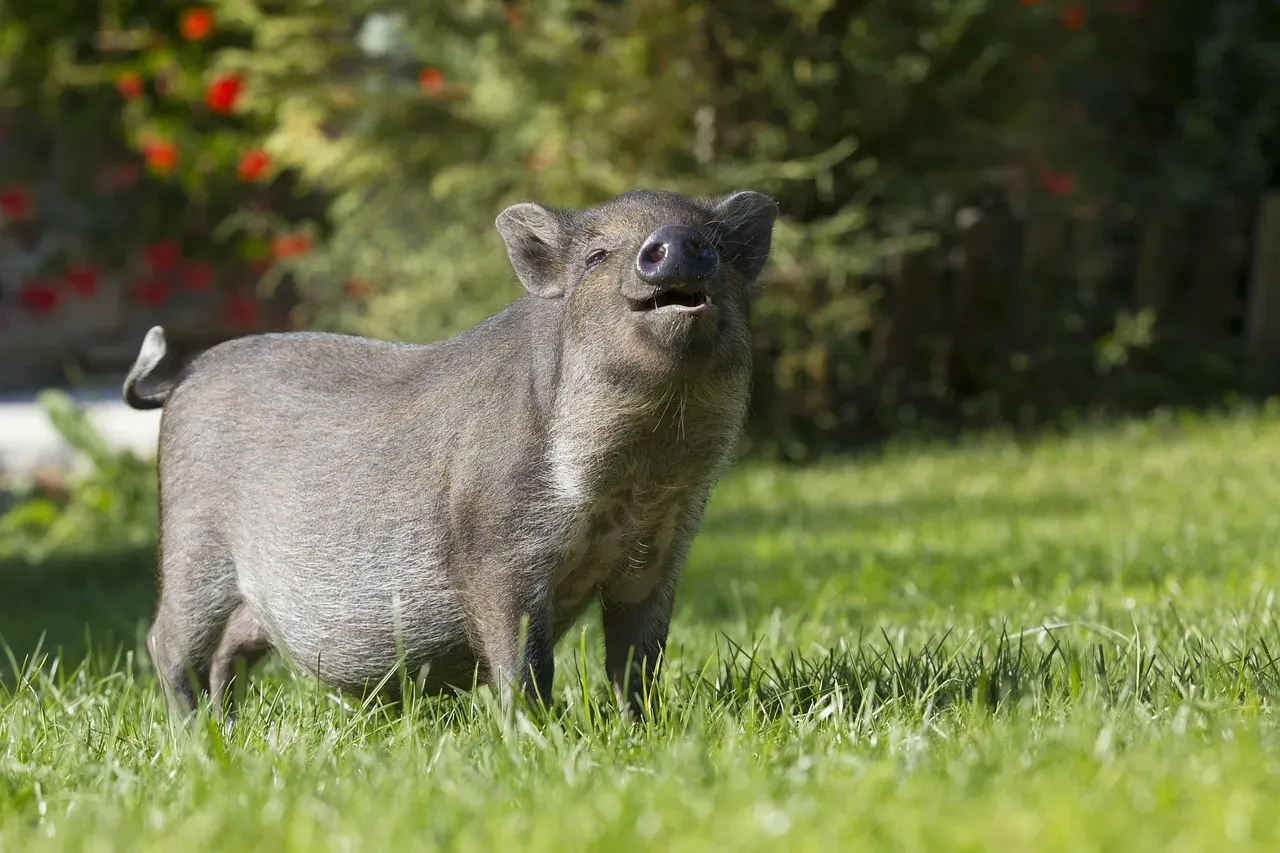
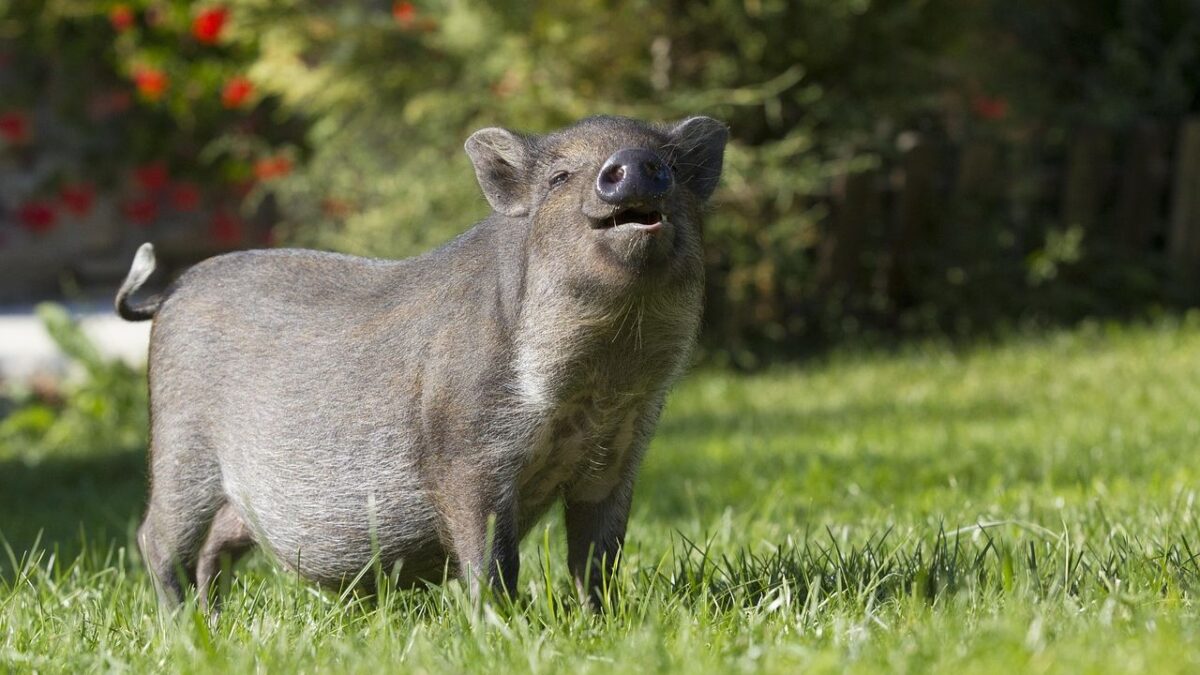
Few transformations in the animal kingdom are as dramatic as the one from wild boar to farmyard pig. Archaeological evidence suggests that pigs were domesticated from wild boar as early as 13,000 to 12,700 BCE in the Near East in the Tigris Basin, being managed in the wild in a way similar to the way they are managed by some modern New Guineans. That’s an extraordinarily ancient relationship, predating many of the civilizations we typically think of as “ancient.”
Researchers believe wild boars became domesticated by humans in at least three separate historical events. The first event took place in Central Asia near the Tigris Basin in what is now known as Turkey sometime between 10,000 and 15,000 years ago. A second domestication event occurred in China about 8,000 years ago. Then, sometime around 6,500 years ago, the farmers from the Tigris Basin migrated with the pigs they had domesticated to Northern Europe, where they subsequently interbred them with local European wild boars. This resulted in a third unique domestication event and the development of the European domesticated pig.
Domestic pigs tend to have much more developed hindquarters than their wild boar ancestors, to the point where roughly seventy percent of their body weight is concentrated in the posterior, which is the opposite of wild boar, where most of the muscles are concentrated on the head and shoulders. That physical reversal tells you everything about how completely human selection reshaped the animal. Compared to domestic pigs, wild boars have larger heads and mouths, and bigger teeth – built for rooting through dense undergrowth and defending themselves.
Wild boars were probably attracted to human settlements as people started settling down and began growing their own food. These settlements created a large amount of waste, and that waste attracted scavengers for food, which in turn fostered selection mechanisms that favored animals willing to live alongside humans. This process, where the animal moved toward humans rather than being captured and forced into domestication, is known as the commensal pathway. The pig, much like the cat, took its first steps toward domesticity on its own terms.
#3: The Domestic Cow – Grandchild of an Extinct Giant
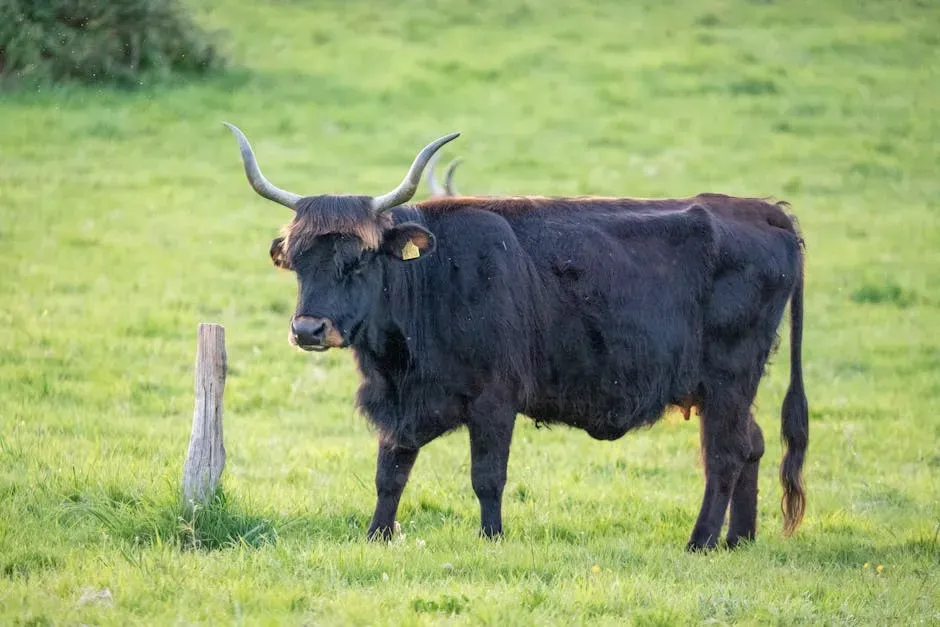
Of all the wild ancestors on this list, the aurochs is perhaps the most astonishing to contemplate. Research shows that the evolutionary origins of all domestic cattle lie in the wild aurochs, which ranged through Europe, Asia, and North Africa, before being driven extinct in 1627. Aurochs looked something like cows on steroids; they were bigger, more muscled, and had larger horns than most modern cows. The creature that became the modern dairy cow was once a towering, dangerous giant painted on cave walls.
Sporting distinctive curved horns, the largest aurochs bulls stood about six feet tall at the shoulder and weighed over 2,200 pounds. Ancient historical accounts describe the animals as dangerous due to their aggression, speed, and strength, as well as their lack of fear. Standing in a field next to a modern Holstein or a gentle Jersey, that heritage is almost impossible to picture. Yet every cow on earth carries it.
Domestication of cattle began around 10,000 years ago. Early humans discovered that using aurochs’ meat, milk, hides and bones greatly benefited their survival. This led to the deliberate breeding of these wild animals for desirable traits such as being calm and obedient. Currently experts think there were two separate domestication events. One produced humpless or taurine cattle in the eastern Mediterranean around 10,500 years ago. The other produced humped cattle or zebu in Asia’s Indus Valley around 9,000 years ago.
The last known individual aurochs, a female, died of natural causes in Poland in 1627, making her contemporary with Galileo and the Plymouth colony Pilgrims. Her extinction happened recently enough that it falls within written human memory. Today, rewilding projects across Europe are attempting to breed back cattle with aurochs-like characteristics, using selective breeding to inch toward the ancestor that human civilization helped erase.
#4: The Domestic Horse – A Story Science Is Still Rewriting
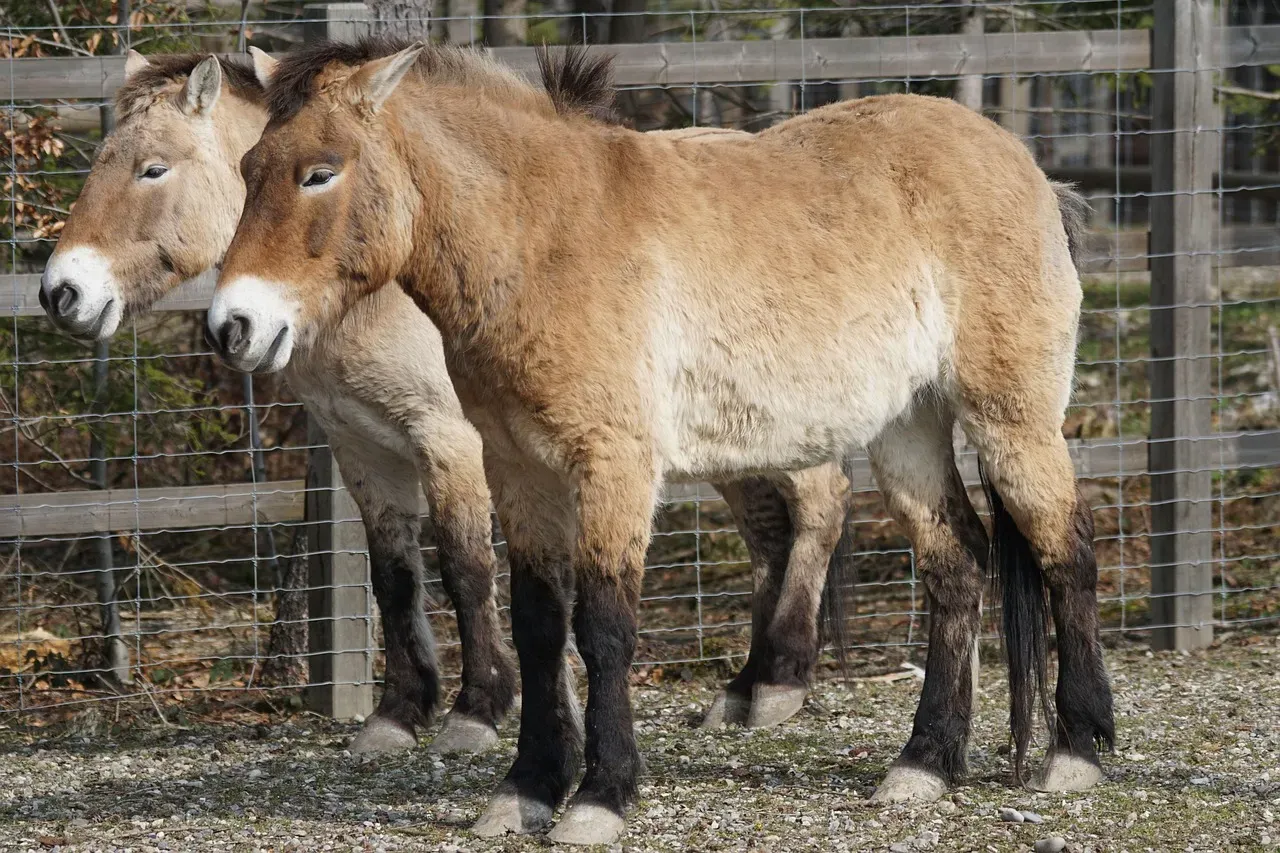
The ancestry of the domestic horse is one of the most contested and genuinely surprising puzzles in animal domestication science. For decades, scientists believed Przewalski’s horse was the last remaining truly wild horse and the closest living relative to the domestic breeds we know today. That assumption turned out to be wrong in a remarkable way.
Research published in the journal Science overturned a long-held assumption that Przewalski’s horses, native to the Eurasian steppes, are the last wild horse species on Earth. Instead, phylogenetic analysis shows Przewalski’s horses are feral, descended from the earliest-known instance of horse domestication by the Botai people of northern Kazakhstan some 5,500 years ago. Further, the new paper finds that modern domesticated horses didn’t descend from the Botai horses, an assumption previously held by many scientists. Both conclusions landed like unexpected punches.
Results of a major analysis indicated that domestication of the modern horse’s ancestors likely occurred in the Volga-Don region of the Pontic-Caspian steppe grasslands of Western Eurasia. Both Tarpan and Przewalski’s horse were related to different ancestral populations than those underlying the modern domestic horses. In addition, researchers were able to map population changes over time as modern domestic horses expanded rapidly across Eurasia and displaced other local populations, from about 2000 BCE onwards.
Domestic horses provided a boost to early humans, helping them cultivate agriculture, provide faster movement, and serve as a food source. Previous studies have pinpointed their domestic inception to modern parts of Ukraine, Russia, and Kazakhstan. The animal that arguably changed the course of human history more than almost any other still holds mysteries about its own origin. That quality of ongoing discovery is part of what makes this story remarkable, not just scientifically, but as a reminder that the past is not as settled as it seems.
#5: The Domestic Pig’s Closest Rival – The Chicken’s Wild Jungle Roots
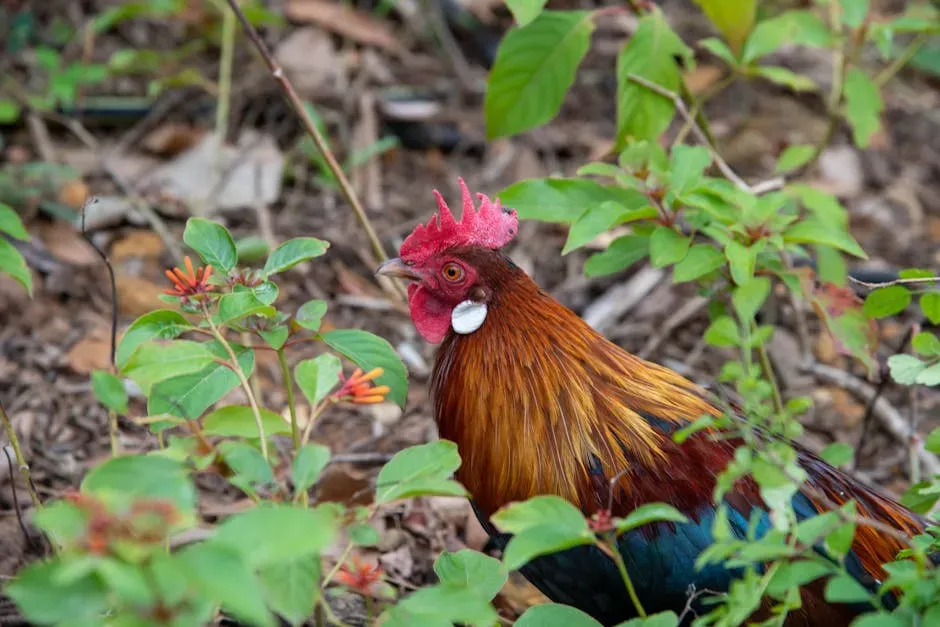
Chickens are everywhere. There are more of them on earth than any other bird species, by an enormous margin. Yet the animal they came from is secretive, elusive, and still skulking through the forests of South and Southeast Asia. It was long thought that the red jungle fowl (Gallus gallus) of India was the sole ancestor of the domestic chicken. More recent research has complicated that picture, but the red jungle fowl remains the central ancestor in the story.
Probably originally domesticated for entertainment purposes – cockfighting is still popular worldwide, if illegal in some places – chickens are now primarily raised for their meat and eggs, most often on an industrial scale that has raised major ethical questions. The path from prized fighting bird to the most farmed animal in human history is a strange one, shaped more by agricultural economics than by any original intention.
Creatures which underwent domestication have changes in genes which alter their endocrine systems and hormonal production, which can be seen in animals such as domesticated birds and canids. This can be seen in the mutation of the thyroid stimulating hormone receptor gene in the domesticated chicken, which affects the reproductive system. That genetic shift is part of why domestic chickens lay eggs far more frequently than their jungle fowl ancestors. The red jungle fowl lays a modest clutch of eggs per year. The modern laying hen has been pushed far beyond that by millennia of selection.
Wild rock doves live in sea caves and on mountains, which is quite cool to see when you’re used to watching them eat rubbish and dodge cars in the streets. The same principle applies to the jungle fowl: seeing one in its actual habitat, alert and fast-moving through dense rainforest undergrowth, makes the modern broiler chicken seem like an almost entirely different creature. In a genetic sense, it nearly is.
What These Stories Tell Us
The more you look at domestic animals, the more the line between “wild” and “tame” starts to blur. Compared to their wild ancestors, domesticated counterparts of living creatures underwent several changes. Domestic animals show differences in physical appearance in comparison to their wild ancestors, such as having floppier ears, bigger skulls, curlier tails and changes in coat color or pattern. These physical shifts were the visible surface of far deeper changes in behavior, metabolism, and hormonal chemistry.
In the 19th century, Charles Darwin was one of the first to notice something interesting about domesticated animals: different species often developed similar changes when compared to their ancient wild ancestors. Scientists now call this pattern “domestication syndrome,” and it remains an active area of research. The first suggested cause is that ancient humans selected animals for tamer behaviour, which somehow triggered all of the other traits too. This idea is supported by a famous long-running Russian fox-breeding experiment which began in 1959, in which caged foxes were selected only for tameness but developed the other traits as well.
Domestic animals have immense economic, cultural, and practical value and have played pivotal roles in the development of human civilization. That’s easy to state as a fact and harder to truly absorb. The aurochs on a cave wall at Lascaux, the wild boar in a Turkish forest, the African wildcat waiting near a grain store – these were the starting points of relationships that eventually built the world we live in today. What’s striking isn’t just how much those animals changed. It’s how much their willingness, or in some cases their accidental proximity, to live alongside humans changed us too.
There’s something worth sitting with in that. The wildness was never fully bred out. It was only quieted.
