


Sharks, as apex predators of the seas, have evolved specific preferences for certain ocean conditions that optimize their hunting, migration, and reproductive behaviors. Understanding these preferences not only provides insight into shark ecology but also helps scientists predict shark movements and interactions with humans. This article explores ten ocean conditions that sharks generally prefer and three they tend to avoid. From temperature ranges to water clarity, these factors significantly influence shark behavior and distribution across the world’s oceans.
13. Optimal Water Temperature Ranges
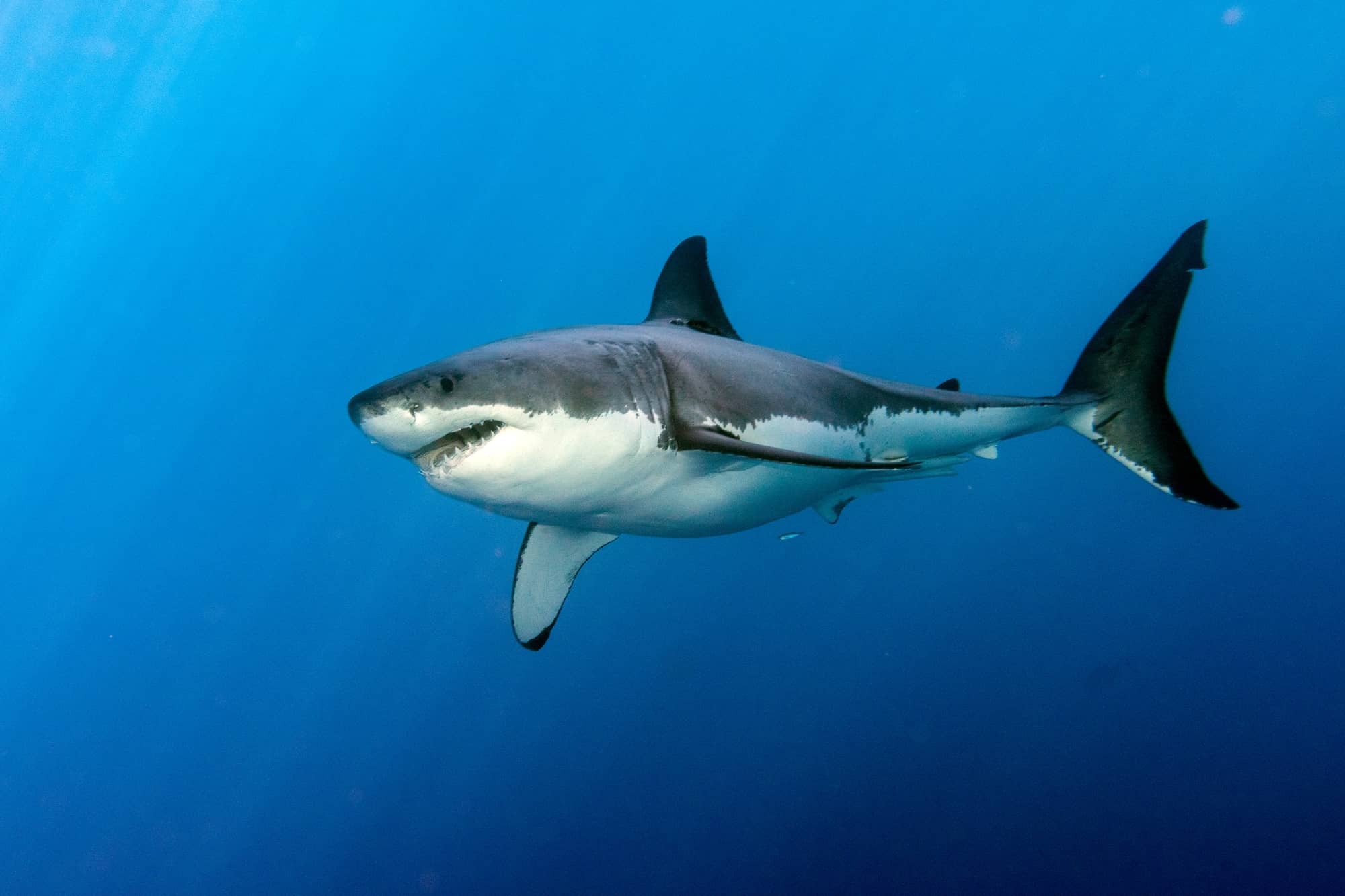
Different shark species have evolved to thrive within specific temperature ranges, though most prefer temperatures between 55°F and 80°F (13°C-27°C). Great white sharks, for instance, tend to favor cooler waters between 50°F and 75°F (10°C-24°C), which is why they’re commonly found along temperate coastlines. In contrast, tiger sharks and bull sharks prefer warmer waters typically ranging from 70°F to 85°F (21°C-29°C).
Temperature preference directly influences sharks’ migratory patterns and seasonal distributions. Many species undertake extensive migrations to maintain their position within optimal temperature bands as seasons change. Scientists have observed that climate change and warming ocean temperatures are already altering traditional shark territories, with some species appearing in previously uncommon locations as they follow their preferred temperature ranges into new areas.
12. Nutrient-Rich Upwelling Zones
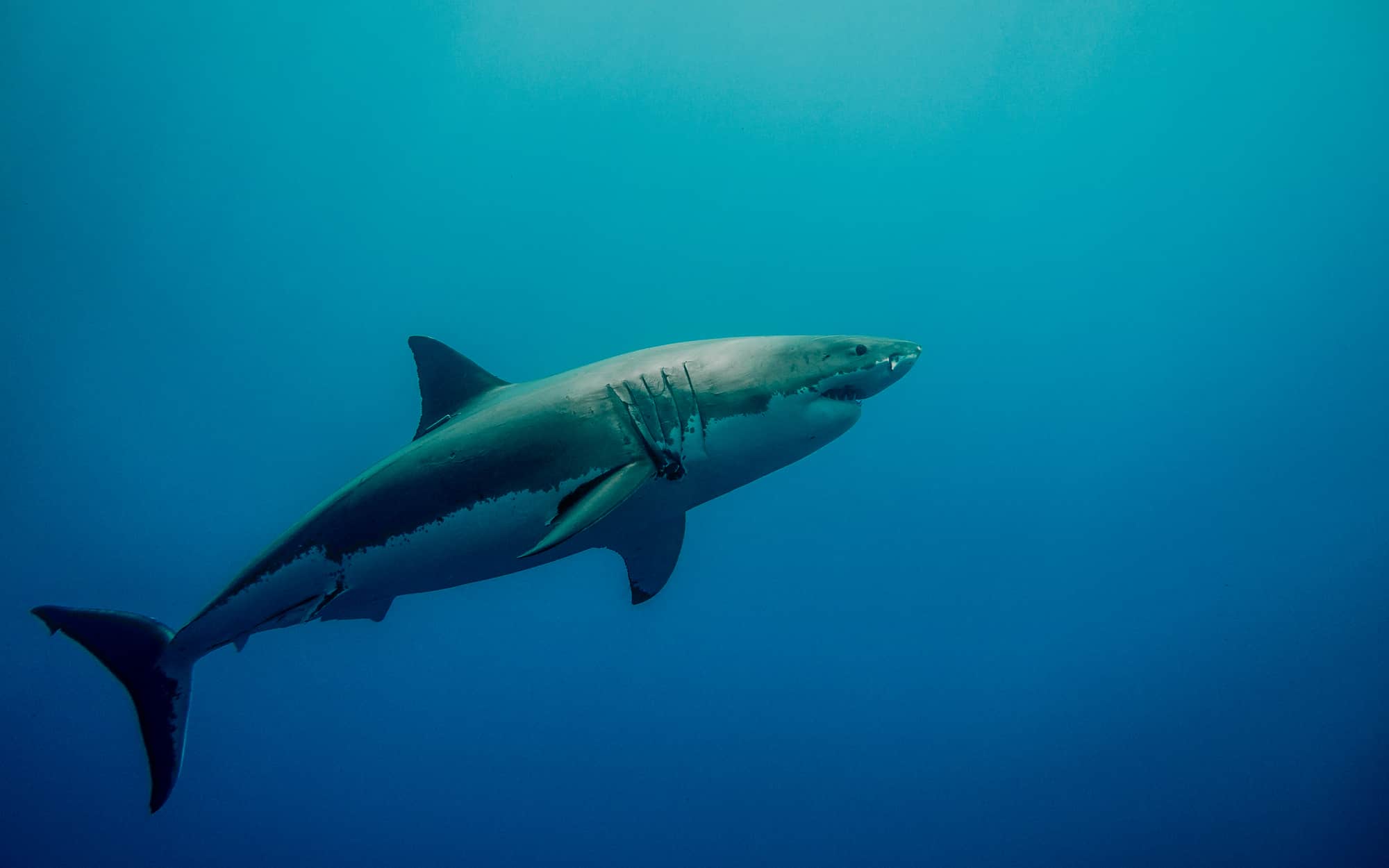
Sharks are strongly attracted to upwelling zones, areas where deep, cold, nutrient-rich water rises to the surface. These oceanic phenomena create highly productive ecosystems that support complex food webs, ultimately providing abundant prey for sharks. Major upwelling systems along the western edges of continents, such as those off Peru, California, and West Africa, are known hotspots for various shark species.
The biological productivity of upwelling zones can be 10 to 50 times higher than in surrounding ocean areas. For sharks, these regions represent nature’s buffets, where they can find concentrated food sources with minimal hunting effort. Research has shown that shark abundance in these areas can increase by 200-300% during peak upwelling events, demonstrating the critical importance of these oceanic features to shark populations worldwide.
11. Abundant Prey Availability
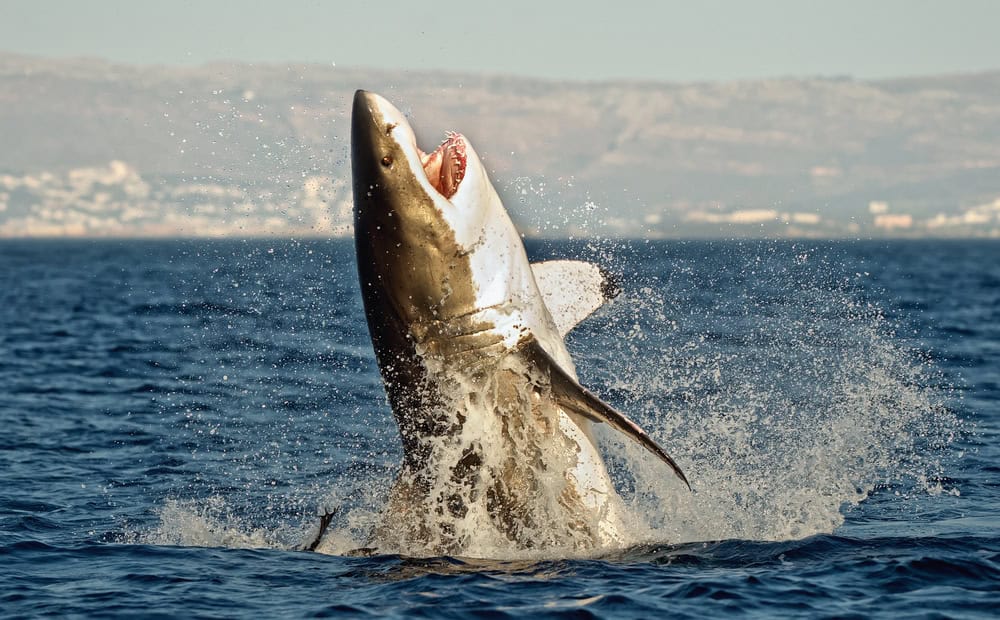
As predators, sharks naturally gravitate toward areas with high prey density. Different shark species have evolved specialized hunting strategies for particular prey types, influencing their habitat preferences. Reef sharks patrol coral ecosystems rich in fish, while pelagic species like mako and blue sharks follow migrations of squid and schooling fish in the open ocean.
Interestingly, some shark species show remarkable fidelity to specific feeding grounds. Studies using acoustic tagging have revealed that individual great white sharks return to the same seal colonies year after year, sometimes traveling thousands of miles to reach these reliable food sources. The timing of these returns often coincides precisely with peak prey vulnerability, such as the weaning period for seal pups, demonstrating sharks’ sophisticated awareness of prey availability patterns.
10. Oxygen-Rich Waters

Sharks require well-oxygenated waters to support their active lifestyles and metabolic needs. Most species prefer oxygen concentrations above 4 milligrams per liter, though their specific requirements vary by species. Some sharks, like the oceanic whitetip, have evolved highly efficient respiratory systems that extract maximum oxygen from their environment, allowing them to thrive in the slightly less oxygenated open ocean.
Climate change and pollution are creating more frequent and extensive oxygen-depleted “dead zones” in the world’s oceans, presenting serious challenges for shark populations. Research indicates that when faced with oxygen levels below their preferred thresholds, sharks will actively avoid these areas, potentially compressing their usable habitat into smaller regions. This habitat compression can increase competition among sharks and other marine predators, potentially disrupting marine ecosystem balances.
9. Specific Salinity Levels
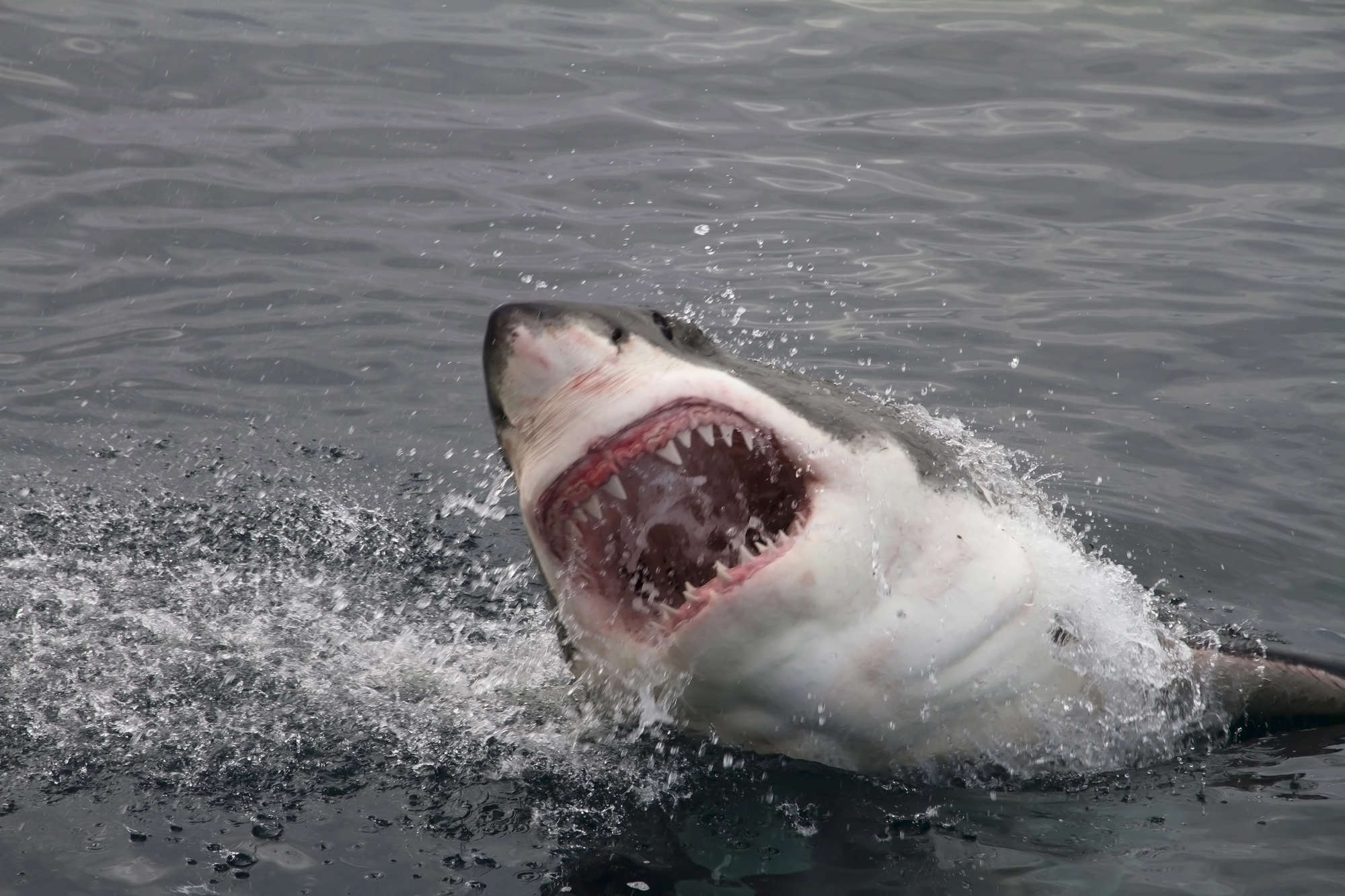
Most shark species prefer the consistent salinity of open ocean environments, typically around 35 parts per thousand. However, some remarkable exceptions exist. Bull sharks possess specialized osmoregulation capabilities that allow them to move between saltwater and freshwater environments. They’ve been documented thousands of miles upriver in the Amazon, Mississippi, and other major river systems, demonstrating their exceptional adaptability to varying salinity levels.
For most sharks, however, maintaining ionic balance requires relatively stable salinity. Research shows that sharks generally avoid areas with rapidly fluctuating salinity, such as estuaries during heavy rainfall events. Stable salinity helps sharks conserve energy that would otherwise be expended on osmoregulation, allowing them to direct more resources toward hunting, growth, and reproduction. This preference helps explain why shark diversity tends to be higher in open ocean environments compared to highly variable coastal habitats.
8. Strategic Water Depths

Different shark species have evolved preferences for specific water depths that align with their hunting strategies and physiological adaptations. Coastal species like blacktip and lemon sharks typically prefer shallow waters under 100 feet (30 meters), while pelagic species like blue sharks routinely inhabit the open ocean at depths between 300 and 1,500 feet (90-450 meters). Deep-sea specialists like the frilled shark and goblin shark have been documented at astonishing depths exceeding 4,000 feet (1,200 meters).
Many shark species engage in daily vertical migrations, moving between different depths as light conditions change. These movements often follow their prey, which themselves migrate vertically through the water column. Tagging studies have revealed that some sharks, like the whale shark, can dive to depths exceeding 6,000 feet (1,800 meters) when moving between feeding areas, demonstrating remarkable tolerance for pressure changes. These depth preferences help different shark species partition the ocean’s resources, reducing competition while maximizing feeding opportunities.
7. Moderate Water Clarity
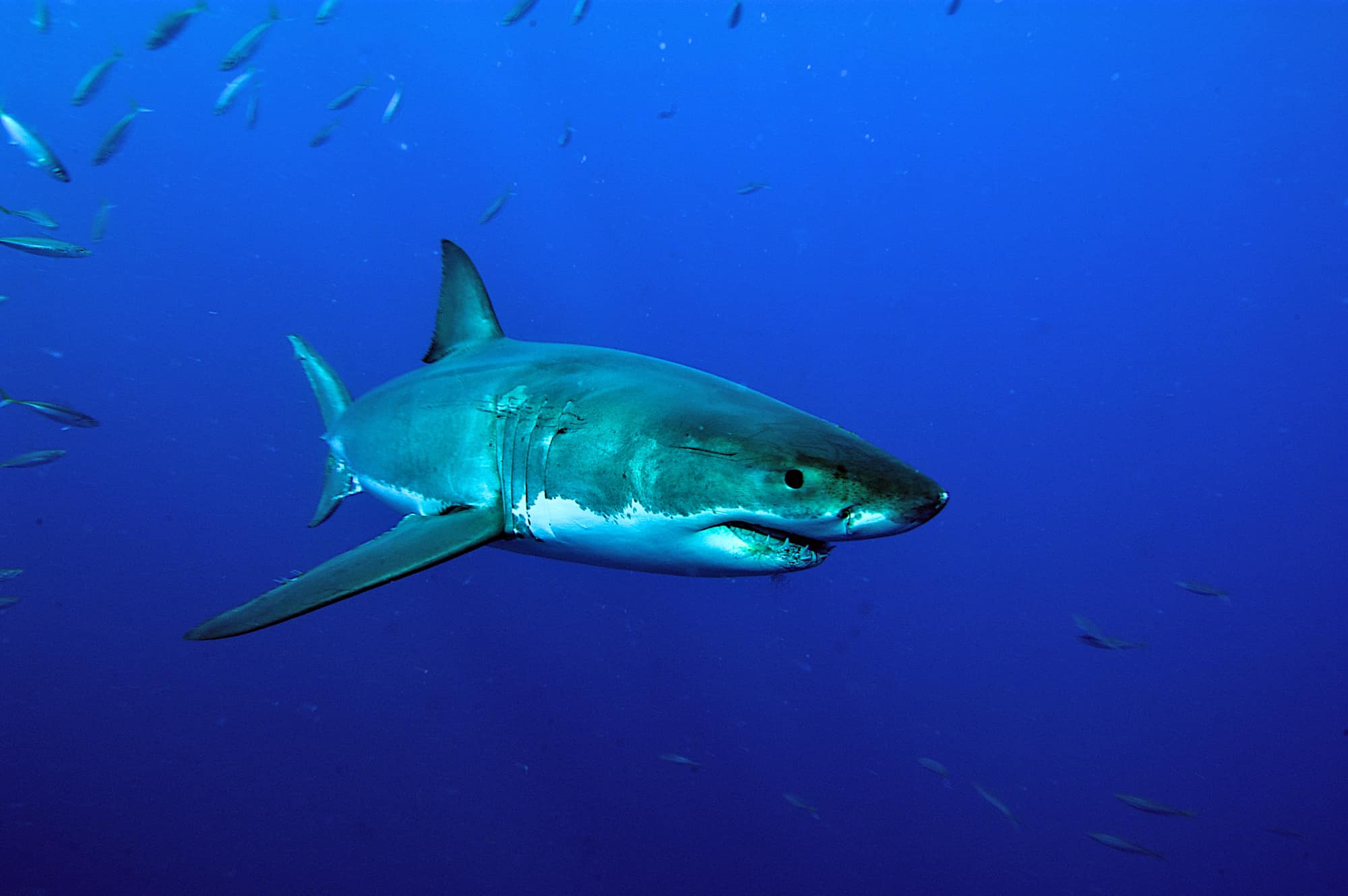
Contrary to popular belief that sharks prefer murky waters for hunting, most species actually favor moderate water clarity. Crystal clear waters can make sharks too visible to potential prey, while extremely turbid conditions can impair their ability to detect prey efficiently. The ideal visibility for many sharks ranges between 10 and 30 feet (3-9 meters), providing enough clarity for their keen vision while offering sufficient cover for ambush attacks.
Different shark species have evolved hunting strategies optimized for specific water clarity conditions. Great whites often attack from below, using counter-illumination against the surface light to remain camouflaged—a strategy most effective in moderately clear water. Tiger sharks, with their superior smell detection, can hunt effectively in more turbid conditions. Research using underwater cameras has shown that shark hunting success rates typically peak in moderate visibility conditions, dropping significantly in both extremely clear and extremely murky waters.
6. Seamounts and Underwater Features

Underwater topographical features such as seamounts, submarine ridges, and underwater canyons act as shark magnets. These structures create localized upwellings and current disruptions that concentrate nutrients and prey, making them natural feeding stations. Seamounts, underwater mountains rising at least 3,300 feet (1,000 meters) from the ocean floor, are particularly important shark habitats, supporting up to 80% higher biodiversity than surrounding areas.
Tagging studies have revealed that some shark species use these underwater landmarks as navigational references during migrations. Hammerhead sharks, particularly scalloped hammerheads, are known to form massive schools around seamounts in the Eastern Tropical Pacific. These gatherings, sometimes numbering in the hundreds, appear related to both feeding opportunities and social behaviors. Conservation efforts increasingly focus on protecting these critical underwater features, as they represent essential habitat for many shark species with disproportionate ecological importance.
5. Coastal Nursery Areas

Many shark species utilize shallow, protected coastal areas as nursery grounds for their young. These nurseries typically feature warm temperatures, abundant food resources, and reduced predation risk from larger sharks and other marine predators. Mangrove forests, seagrass beds, and shallow bays provide ideal conditions for shark pups to grow and develop hunting skills before venturing into deeper waters.
Research has identified specific characteristics that make ideal shark nurseries: water temperatures above 68°F (20°C), depths less than 20 feet (6 meters), and complex vegetation or structure providing hiding places. Lemon sharks in the Bahamas, for example, return to the exact same nursery areas where they were born to give birth to their own young, demonstrating remarkable site fidelity across generations. This behavior highlights the critical importance of protecting these specific coastal habitats for shark conservation, as damage to a single nursery area can impact multiple generations of sharks.
4. Oceanic Convergence Zones

Convergence zones, where different water masses meet and create distinctive boundary areas, represent preferred hunting grounds for many shark species. These oceanic features concentrate floating organisms and attract a variety of marine life, creating biological hotspots. Major convergence zones, like the North Pacific Subtropical Convergence Zone, support complex food webs that ultimately provide rich hunting opportunities for sharks.
Satellite tracking has revealed that migratory sharks often follow these convergence zones across ocean basins. Blue sharks in the Atlantic have been documented spending up to 75% of their time associated with the Gulf Stream’s western edge, a major oceanic convergence zone. Similarly, whale sharks and other filter-feeding sharks frequently target convergences where plankton concentrations are highest. These preference patterns highlight the importance of understanding ocean current systems for predicting and managing shark movements in an era of changing ocean conditions.
3. Ocean Conditions Sharks Dislike Extremely Cold Waters

Most shark species actively avoid extremely cold waters below 50°F (10°C), as their body temperature regulation mechanisms become inefficient in such conditions. Unlike mammals and birds, sharks cannot generate significant internal heat, though some species like the great white and mako have evolved limited endothermic capabilities. When water temperatures drop too low, sharks experience reduced metabolic rates, impaired swimming performance, and diminished hunting success.
Climate data combined with shark tracking studies show clear avoidance behaviors when temperatures drop below species-specific thresholds. Even the most cold-tolerant sharks, like the Greenland shark that inhabits Arctic waters, have specialized adaptations including unique antifreeze proteins in their blood and extremely slow metabolisms. For most shark species, however, cold water avoidance is so strong that it serves as a natural barrier limiting their geographical distribution more effectively than any physical obstacle.
2. Ocean Conditions Sharks Dislike Highly Polluted Areas

Sharks typically avoid areas with high concentrations of pollutants, particularly chemical contaminants and excessive sedimentation. Studies have shown that sharks can detect and actively swim away from waters containing certain industrial chemicals, heavy metals, and agricultural runoff. This avoidance behavior likely evolved as a protective mechanism, as many pollutants can disrupt sharks’ sensitive electroreceptive systems that are crucial for hunting and navigation.
Research in heavily industrialized coastal areas has documented significantly reduced shark populations compared to similar but less polluted habitats. Scientists have measured up to 60% lower shark diversity in polluted versus pristine reef systems with otherwise similar characteristics. The combination of direct physiological impacts and reduction in prey availability makes highly polluted areas particularly unsuitable for most shark species, creating what researchers sometimes call “chemical barriers” to shark movement and habitat use.
1. Ocean Conditions Sharks Dislike Areas With High Boat Traffic

Areas with intensive human marine activity, particularly high boat traffic, are generally avoided by most shark species. The noise pollution generated by boats and ships disrupts sharks’ ability to detect prey using their highly sensitive acoustic and electromagnetic receptors. Studies using acoustic monitoring have shown that shark presence typically decreases by 30-70% during periods of heavy boat activity in otherwise suitable habitats.
The avoidance response appears strongest in species like hammerheads and tiger sharks, which rely heavily on their electroreceptive capabilities for hunting. This sensitivity to human activity has significant conservation implications, as shipping lanes and popular boating areas may effectively fragment shark habitat, potentially disrupting migration routes and access to feeding grounds. Some marine protected areas now include restrictions on boat traffic specifically to reduce this impact on shark populations and behavior.
Conclusion: Understanding Shark Preferences for Conservation and Safety

Understanding the ocean conditions that sharks prefer and avoid provides valuable insights for both conservation efforts and human safety. By recognizing the environmental factors that attract or repel different shark species, scientists can better predict shark movements and identify critical habitats requiring protection. This knowledge is particularly important as climate change alters traditional ocean conditions, potentially shifting shark distributions into new areas and creating novel human-shark interaction scenarios.
For marine conservation, this information helps prioritize protection efforts for the specific oceanic features most crucial to shark populations, such as upwelling zones, seamounts, and coastal nurseries. For public safety, understanding shark environmental preferences enables more accurate risk assessments and targeted safety measures in areas where conditions may attract sharks. As our oceans continue to change, ongoing research into shark habitat preferences will remain essential for both protecting these vital apex predators and managing their interactions with humans.
Ultimately, sharks have evolved over 400 million years to become perfectly adapted to specific ocean conditions. Their preferences reflect not just simple likes and dislikes but sophisticated evolutionary adaptations that have allowed them to thrive as apex predators in diverse marine environments. By respecting and preserving the ocean conditions that sharks need, we ensure the continued health of marine ecosystems that depend on these remarkable animals.

As a little kid, I fell in love with nature, wildlife, and animals. Living in the USA, South Africa, Italy, China and Germany gave me the opportunity to discover the world's Wildlife. My favorite animals are Mountain Gorillas, Siberian Tigers, and Great White Sharks.
I'm a certified PADI Open Water Diver, went to Everest Base Camp and Trekked Gorillas in Uganda. I hold a Master of Science in Economics and Finance.
Please send any feedback to feedback@animalsaroundtheglobe.com
- Why the Great Barrier Reef Is the Best Place to Spot Sea Turtles - June 3, 2026
- 2 Animals With Super Sized Body Parts and What They are For - June 3, 2026
- Explore The Azores - June 3, 2026