

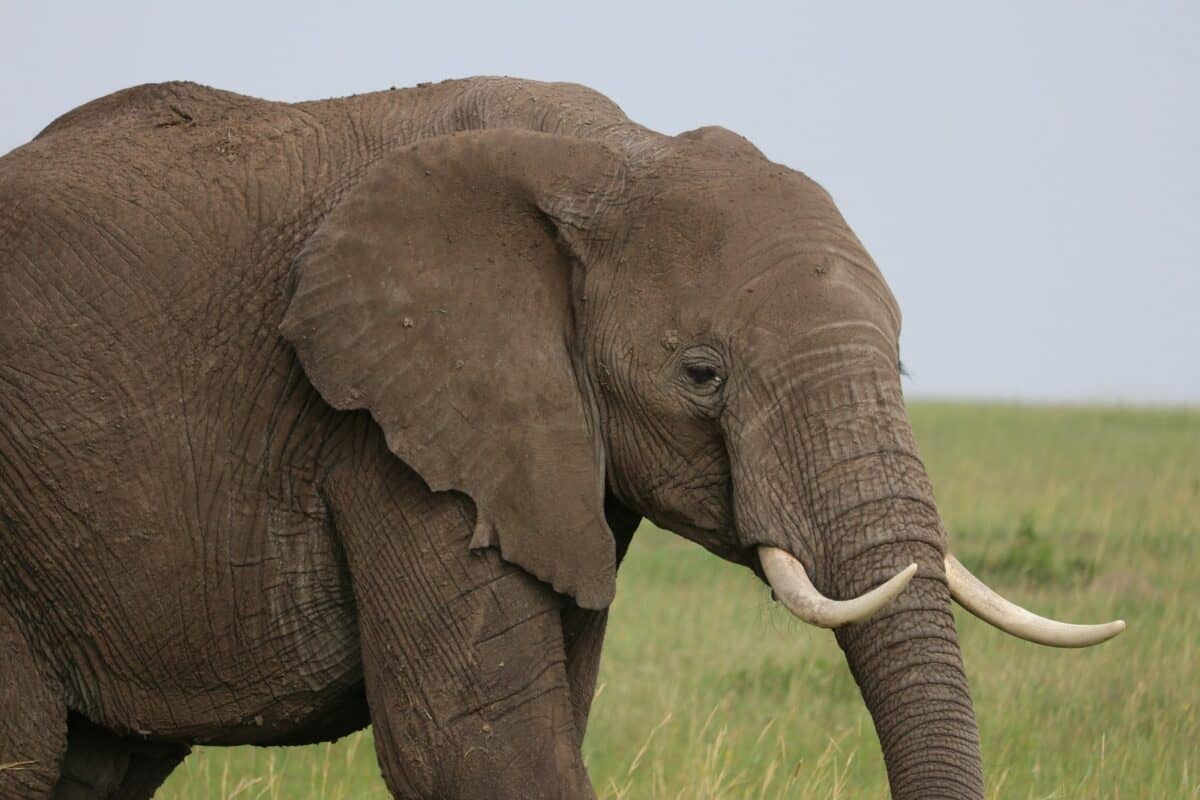
There’s something utterly magical about watching an elephant family stroll through their natural habitat, baby calves playfully chasing butterflies while their mothers keep watchful eyes nearby. The gentle giants of our planet deserve respect and protection, not exploitation for entertainment. While many tourist attractions claim to offer ethical elephant experiences, the truth is that genuine sanctuaries and wild habitats are becoming increasingly rare. The good news is that responsible travelers can still witness these magnificent creatures in their element, supporting conservation efforts that truly matter. From the vast savannas of Africa to the dense jungles of Asia, these destinations offer authentic encounters that benefit both elephants and local communities.
10. Yala National Park, Sri Lanka

Sri Lanka’s Yala National Park stands as one of Asia’s premier destinations for spotting wild elephants in their natural environment. This sprawling wilderness covers over 300 square miles and hosts approximately 350 Asian elephants, making it one of the highest elephant densities on the island. The park’s diverse landscape of grasslands, forests, and lagoons provides the perfect backdrop for observing these gentle giants as they forage, bathe, and interact with their herds. Visitors can join guided safari tours that maintain respectful distances while offering incredible photography opportunities. The best time to visit is during the dry season from February to July when elephants gather around water sources, making sightings more predictable.
9. Hwange National Park, Zimbabwe

Zimbabwe’s largest national park harbors one of Africa’s most impressive elephant populations, with over 40,000 individuals roaming freely across its vast terrain. Hwange’s unique ecosystem supports these massive herds through a network of artificial water holes that supplement natural sources during dry periods. The park’s commitment to conservation shines through its anti-poaching efforts and community involvement programs that protect both elephants and local livelihoods. Game drives here offer spectacular viewing opportunities, especially during the dry season when massive herds congregate around watering holes in scenes that seem straight out of a nature documentary. The park’s remote location and limited tourist infrastructure ensure that your elephant encounters remain authentic and undisturbed.
8. Minneriya National Park, Sri Lanka
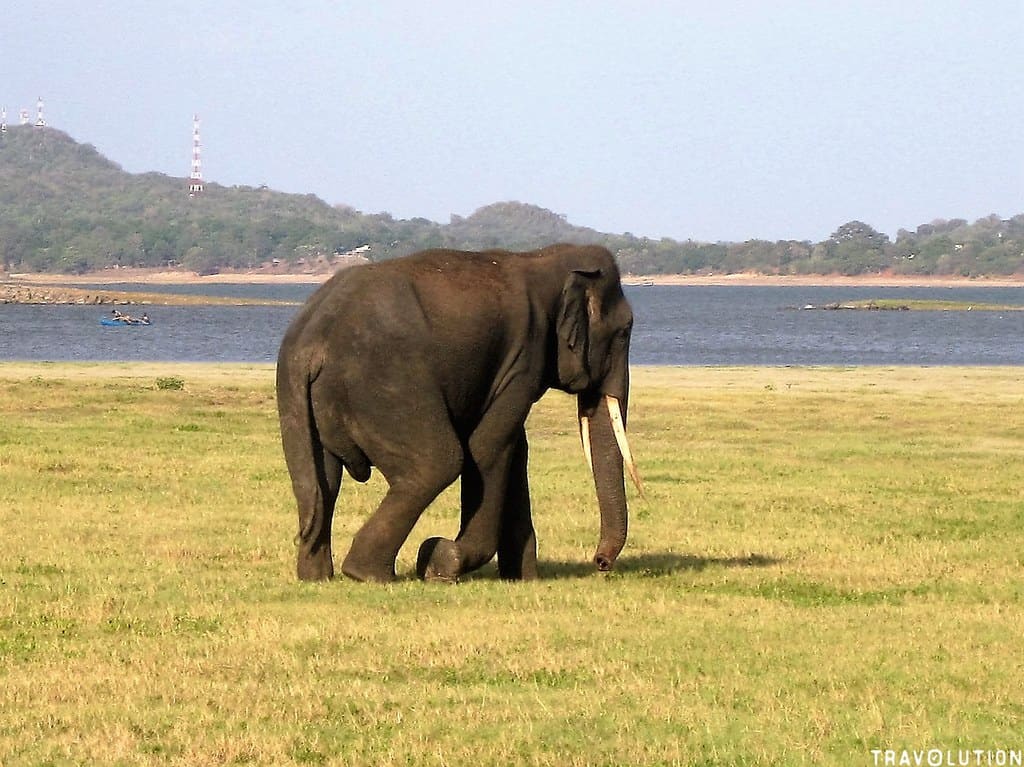
Every year between August and October, Minneriya National Park hosts one of Asia’s most spectacular wildlife gatherings known as “The Gathering.” During this period, over 300 Asian elephants converge on the shores of the ancient Minneriya Tank, creating an unforgettable spectacle of family interactions, feeding, and bathing. This natural phenomenon occurs as other water sources dry up, forcing elephant herds from surrounding areas to gather at this reliable reservoir. The park’s open grasslands provide excellent visibility for observing elephant behavior, from playful youngsters to wise matriarchs leading their families. Local guides share fascinating insights about elephant social structures and conservation challenges while ensuring visitors maintain appropriate distances for both safety and animal welfare.
7. Kruger National Park, South Africa
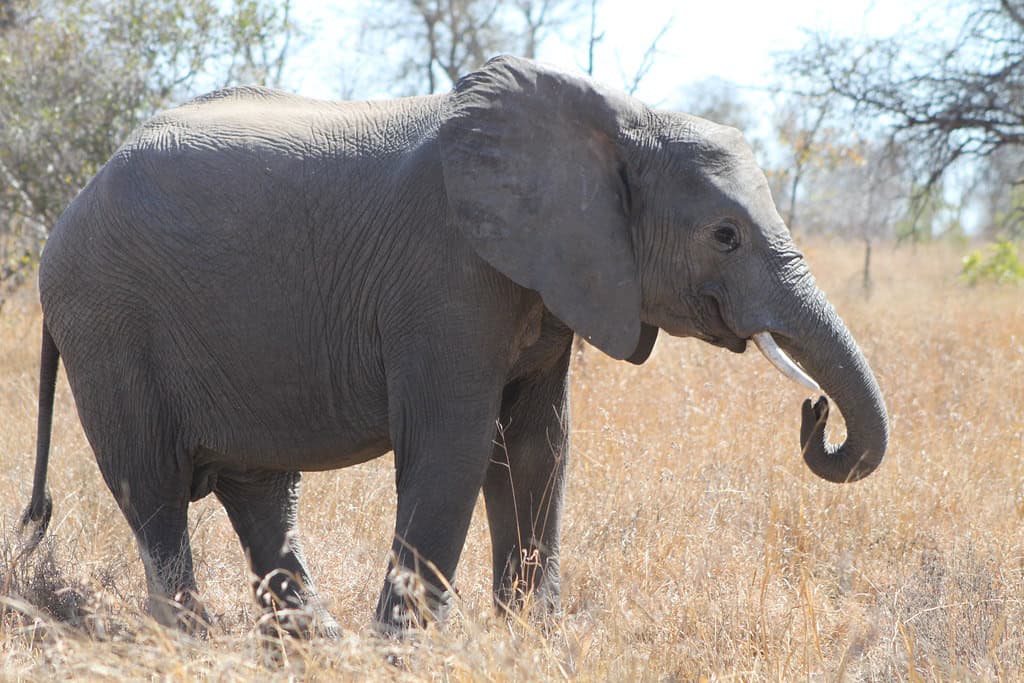
As one of Africa’s oldest and most prestigious game reserves, Kruger National Park offers world-class elephant viewing opportunities within a well-managed conservation framework. The park’s approximately 17,000 elephants roam freely across nearly 8,000 square miles of diverse habitats, from riverine forests to open savannas. Kruger’s excellent road network and varied accommodation options make it accessible to travelers with different budgets and preferences, while strict regulations ensure minimal impact on wildlife. Self-drive safaris allow for flexible elephant watching, though guided tours provide deeper insights into elephant ecology and behavior. The park’s long-term research programs and anti-poaching initiatives demonstrate a genuine commitment to elephant conservation that extends far beyond tourism revenue.
6. Kaziranga National Park, India
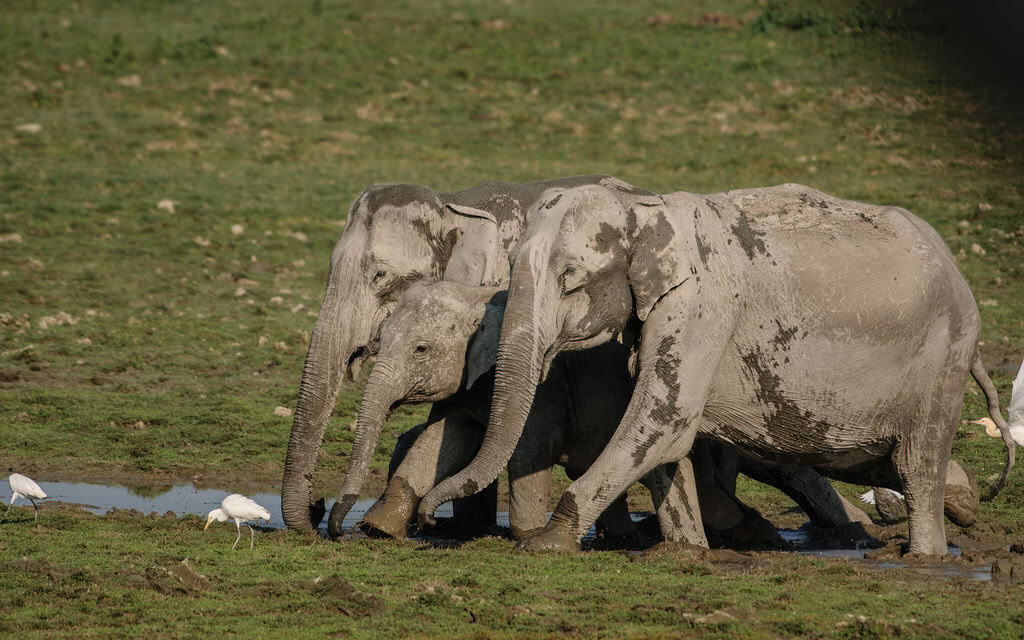
While famous for its one-horned rhinoceros population, Kaziranga National Park also provides sanctuary for over 1,600 Asian elephants within its UNESCO World Heritage boundaries. The park’s unique landscape of tall grasslands, tropical forests, and wetlands creates ideal elephant habitat along the mighty Brahmaputra River. Elephant viewing here offers a distinctly different experience from African safaris, as the dense vegetation creates more intimate encounters when herds emerge into clearings or cross park roads. Jeep safaris and elephant-back tours (conducted ethically with rescued elephants) provide different perspectives on these magnificent creatures and their wetland ecosystem. The park’s conservation success story demonstrates how dedicated protection efforts can help elephant populations recover and thrive.
5. Maasai Mara National Reserve, Kenya
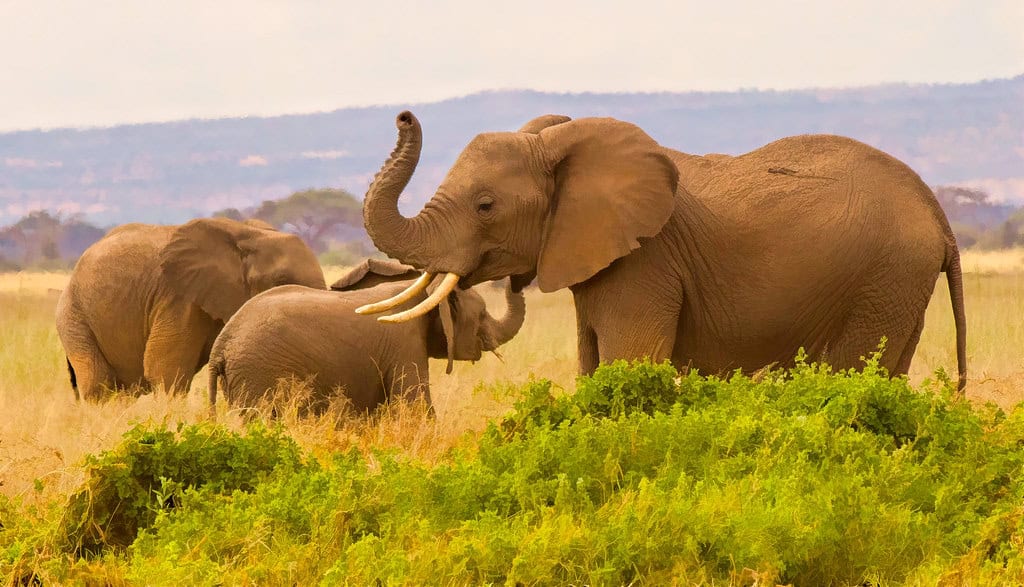
Kenya’s Maasai Mara offers some of Africa’s most dramatic elephant encounters against the backdrop of rolling grasslands and acacia-dotted landscapes. The reserve’s elephant population fluctuates seasonally as herds migrate between Kenya and Tanzania, following ancient pathways that their ancestors have used for generations. What makes the Maasai Mara special is its community conservancy model, where local Maasai people directly benefit from wildlife tourism while protecting traditional grazing lands. Visitors can observe elephants alongside lions, cheetahs, and countless other species in one of the world’s most biodiverse ecosystems. Hot air balloon safaris provide breathtaking aerial views of elephant herds moving across the landscape, while ground-based game drives offer intimate behavioral observations.
4. Udawalawe National Park, Sri Lanka
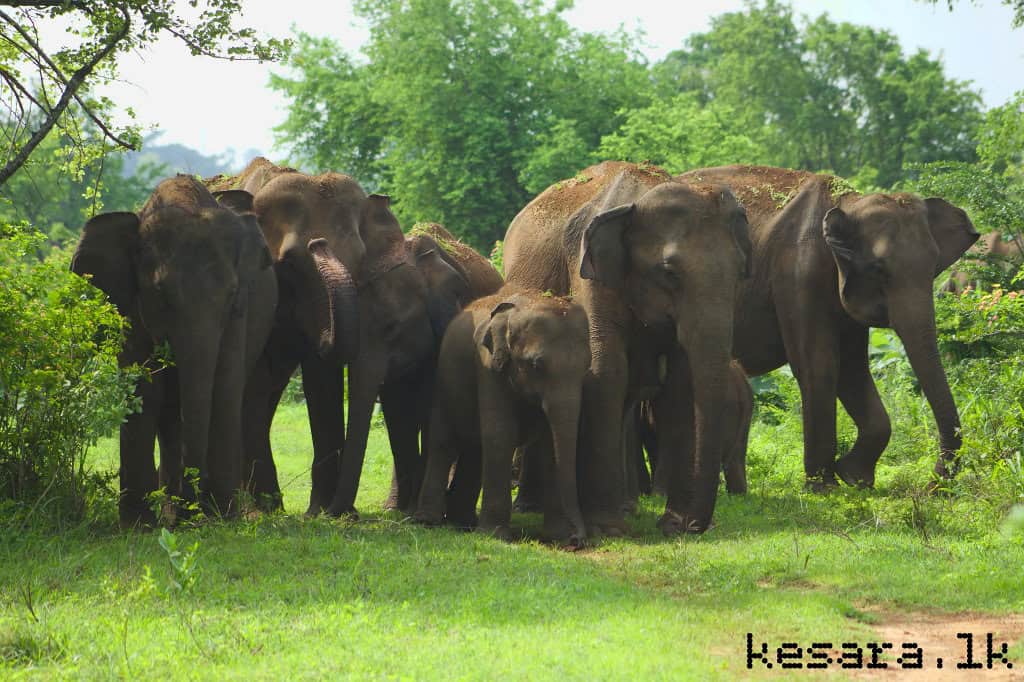
Created specifically to provide sanctuary for wildlife displaced by the Udawalawe Dam construction, this Sri Lankan park has become a model for ethical elephant conservation and tourism. Home to approximately 250 Asian elephants, Udawalawe’s open grasslands and sparse tree cover provide excellent visibility for observing elephant families throughout the day. The park’s flat terrain and numerous access roads make it ideal for photographers and wildlife enthusiasts seeking close encounters with minimal environmental disturbance. Udawalawe’s elephant orphanage, located adjacent to the park, rescues and rehabilitates baby elephants before releasing them back into the wild population. This integrated approach to conservation demonstrates how tourism revenue can directly support elephant welfare and habitat protection.
3. Chobe National Park, Botswana
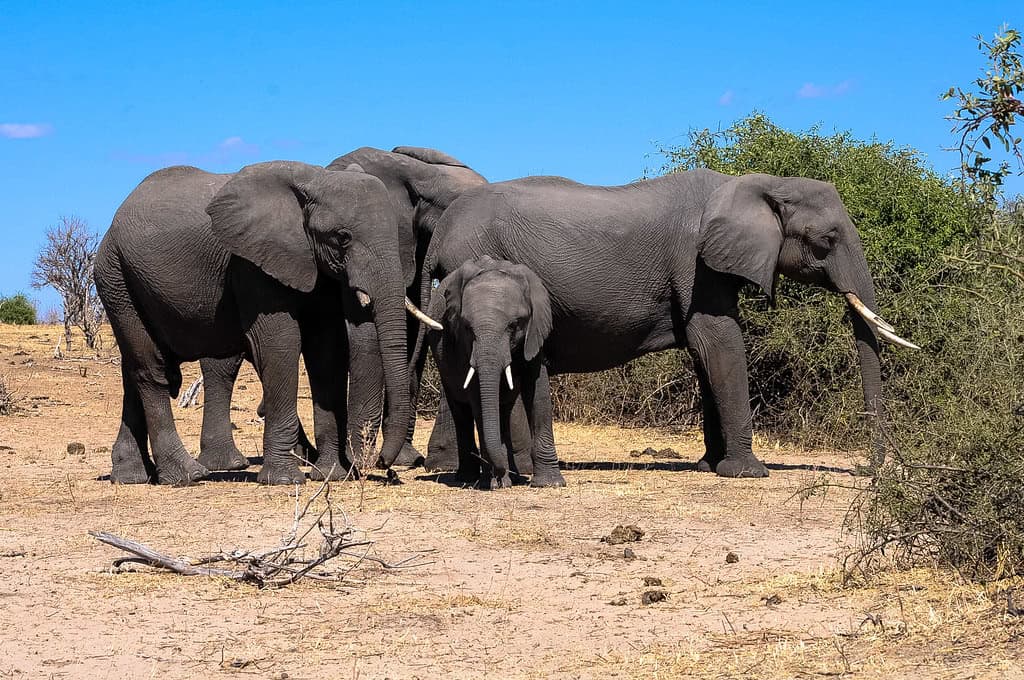
Botswana’s Chobe National Park boasts the largest elephant population in Africa, with an estimated 120,000 individuals migrating seasonally throughout the greater Chobe ecosystem. The park’s diverse landscapes, from riverfront woodlands to vast grasslands, support these massive herds while providing spectacular viewing opportunities for visitors. Chobe’s boat cruises along the river offer unique perspectives on elephant behavior, especially during dry season months when hundreds of elephants gather at the water’s edge to drink and bathe. The sight of entire family groups swimming across the Chobe River remains one of Africa’s most moving wildlife experiences. Botswana’s commitment to photographic tourism over hunting has created a stable environment where elephant populations continue to grow and thrive.
2. Amboseli National Park, Kenya
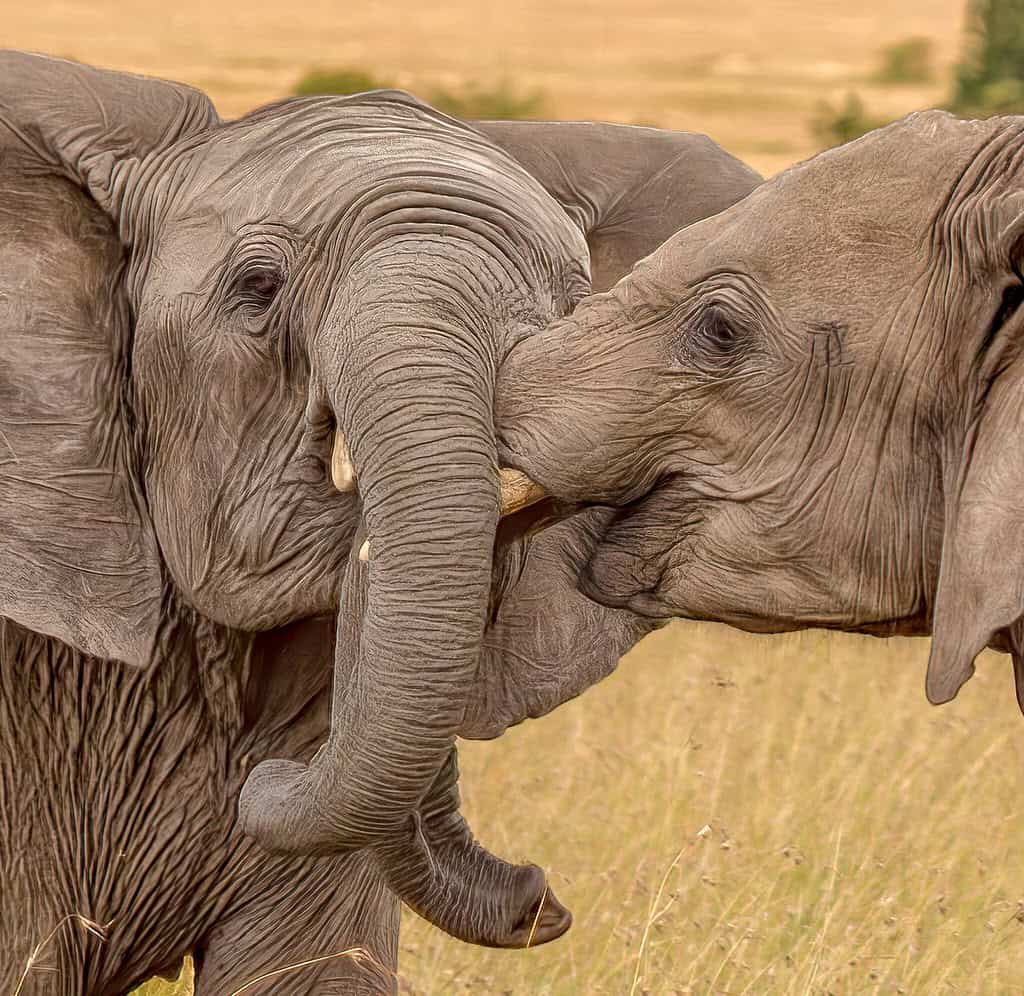
With the majestic Mount Kilimanjaro providing a stunning backdrop, Amboseli National Park offers perhaps Africa’s most photogenic elephant viewing experience. The park’s 1,600 elephants have been extensively studied for over four decades, resulting in detailed knowledge of individual animals and family relationships that guides share with visitors. Amboseli’s relatively small size and open terrain make elephant sightings virtually guaranteed, while the park’s swamps and springs provide year-round water sources that attract consistent wildlife activity. The Amboseli Trust for Elephants conducts ongoing research that has revolutionized our understanding of elephant intelligence, communication, and social structures. Visitors here contribute directly to conservation efforts while witnessing some of the most well-documented elephant families in the world.
1. Tarangire National Park, Tanzania

Tanzania’s Tarangire National Park claims the top spot for ethical elephant viewing due to its incredible elephant density and pristine wilderness setting. During the dry season, over 3,000 elephants concentrate along the Tarangire River, creating some of Africa’s most spectacular wildlife gatherings. The park’s ancient baobab trees provide dramatic scenery while offering shade and food sources for elephant herds, creating picture-perfect scenes that epitomize the African safari experience. Tarangire’s location outside the main Northern Circuit tourist routes means fewer crowds and more authentic encounters with wildlife. The park’s community conservation programs ensure that local Maasai people benefit from tourism while maintaining traditional lifestyles that have coexisted with elephants for centuries.
Conclusion
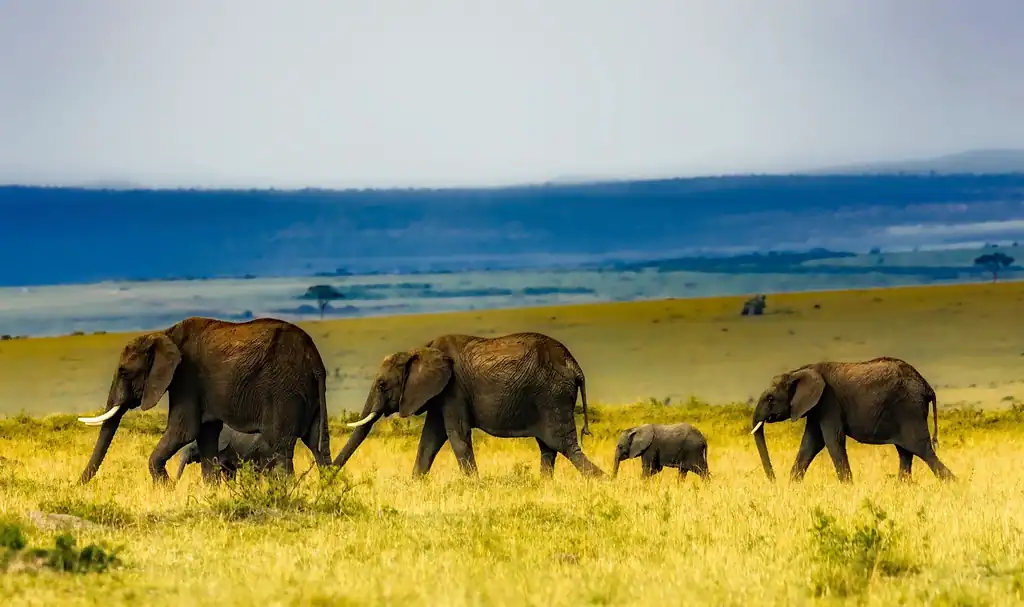
Choosing ethical elephant tourism means supporting destinations that prioritize conservation over entertainment and respect over exploitation. These ten remarkable locations prove that authentic wildlife experiences can benefit both elephants and local communities when managed responsibly. From Sri Lanka’s intimate forest encounters to Africa’s vast savanna gatherings, each destination offers unique opportunities to witness elephant behavior while contributing to their long-term survival. The memories created through these ethical encounters will last a lifetime, but more importantly, your visit helps ensure that future generations will also have the chance to witness these magnificent creatures in their natural homes. Which of these incredible destinations will give you your first glimpse of wild elephants living as nature intended?

As a little kid, I fell in love with nature, wildlife, and animals. Living in the USA, South Africa, Italy, China and Germany gave me the opportunity to discover the world's Wildlife. My favorite animals are Mountain Gorillas, Siberian Tigers, and Great White Sharks.
I'm a certified PADI Open Water Diver, went to Everest Base Camp and Trekked Gorillas in Uganda. I hold a Master of Science in Economics and Finance.
Please send any feedback to feedback@animalsaroundtheglobe.com
- Why the Great Barrier Reef Is the Best Place to Spot Sea Turtles - June 3, 2026
- 2 Animals With Super Sized Body Parts and What They are For - June 3, 2026
- Explore The Azores - June 3, 2026