
#1 Ornamental grasses
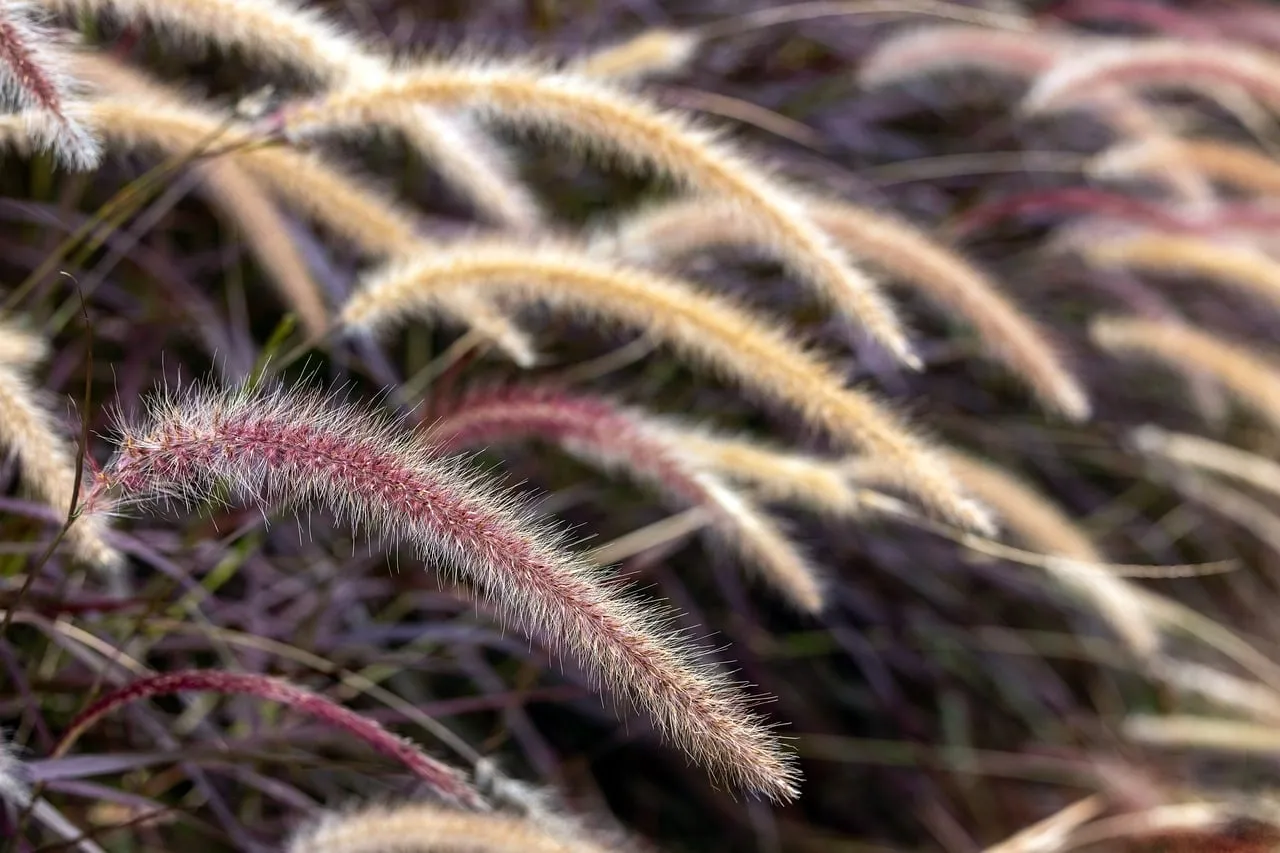
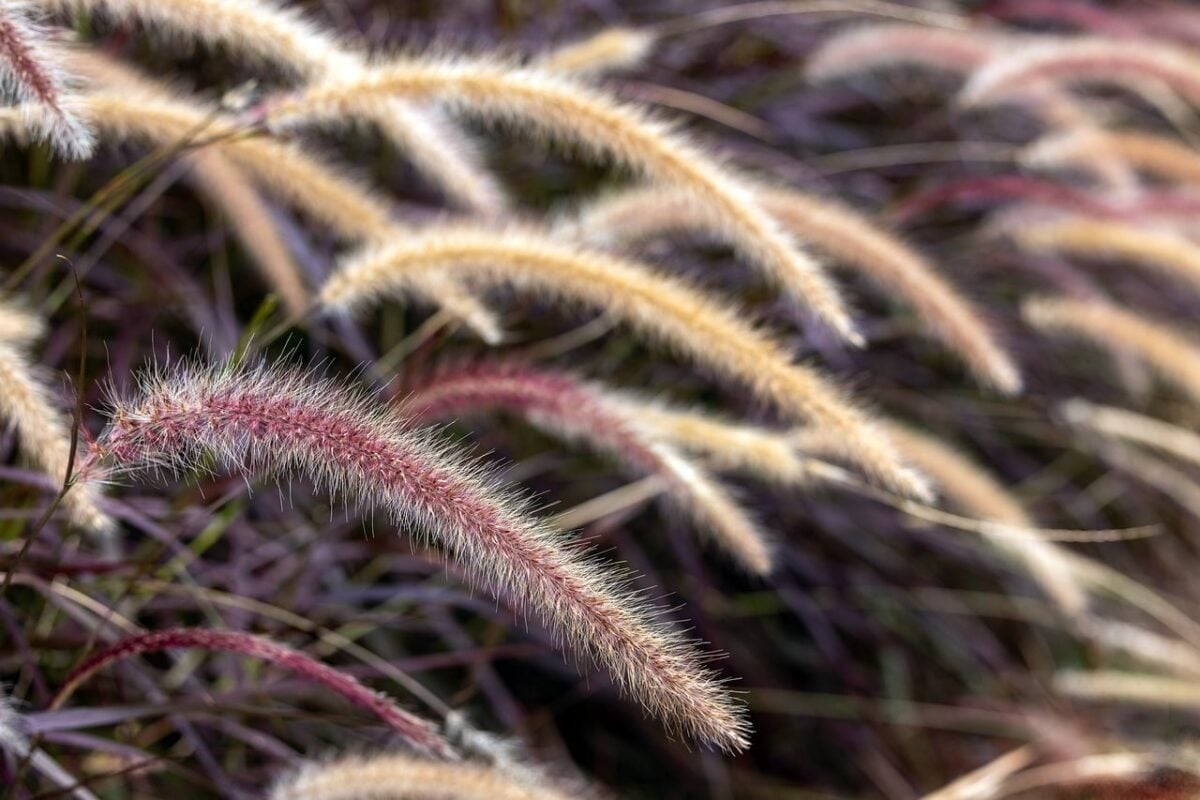
Few plants do more with less space than ornamental grasses. Varieties like feather reed grass or little bluestem move with every breeze, adding motion and sound to a yard that might otherwise sit static and silent. That constant rustling movement is a big part of what reads as “wild” to the human eye, since manicured gardens tend to be still and grasses are anything but.
They also age beautifully through the seasons rather than just fading out. Many varieties turn golden or copper in autumn and hold their structure through winter, giving a small yard a sense of change and rhythm that a lawn alone never provides. Planted in loose clusters rather than tidy rows, grasses blur the edges of a garden bed and make the whole space feel less designed and more discovered.
#2 Black-eyed Susan
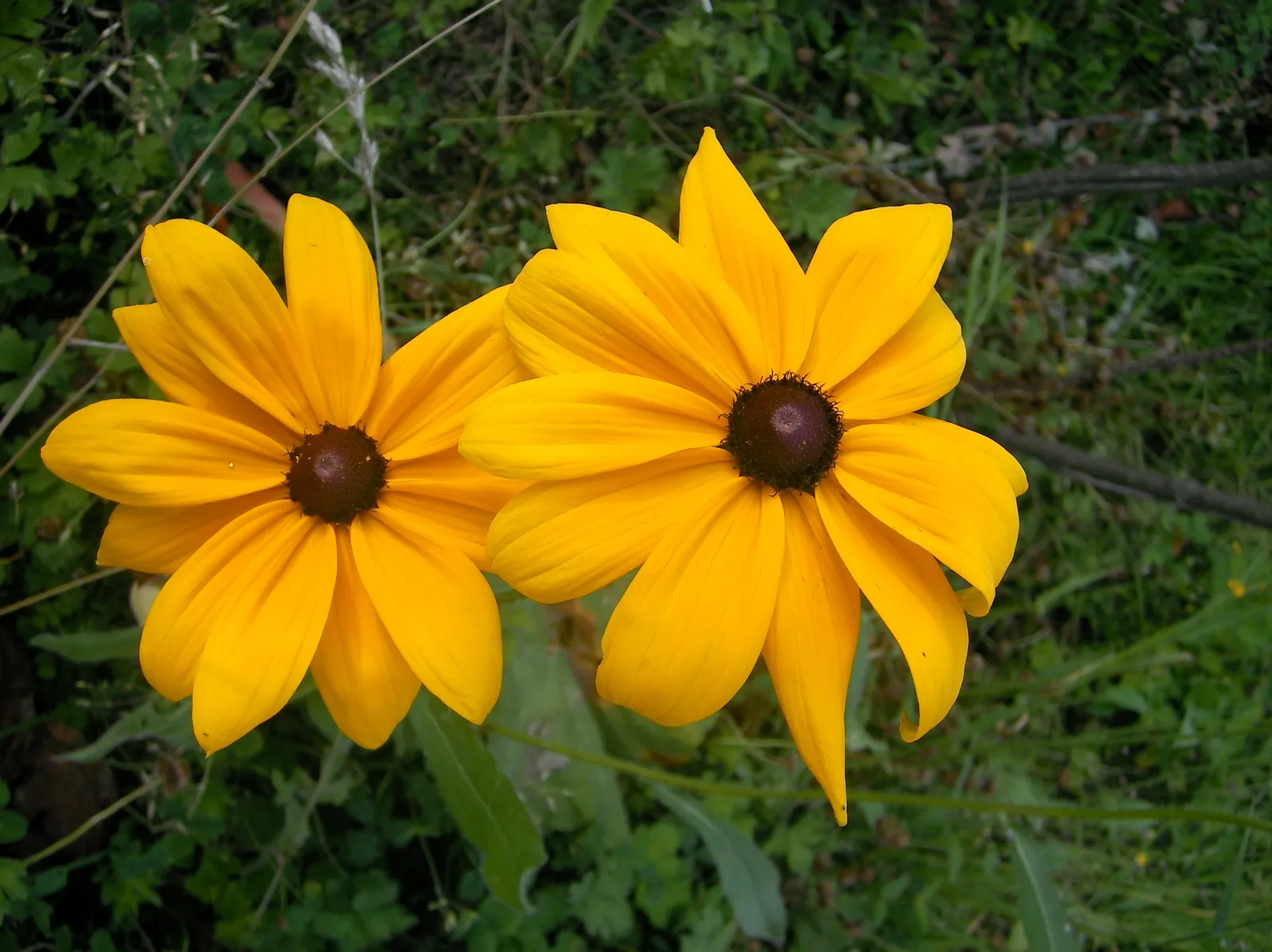
Black-eyed Susans are the kind of flower that seems to show up wherever it wants, which is exactly the point. Their cheerful yellow petals and dark centers self-seed readily, meaning a few plants one year can turn into a loose, spreading colony within a couple of seasons. That unpredictability is a feature, not a flaw, when the goal is a yard that feels a little untamed.
They’re also remarkably tough, tolerating poor soil, heat, and inconsistent watering better than most flashier perennials. For a small urban yard, that resilience means less fussing and more of that carefree, meadow-like sprawl that makes a space feel bigger than its actual dimensions. Let them mingle with grasses or other wildflowers and the effect compounds fast.
#3 Climbing clematis
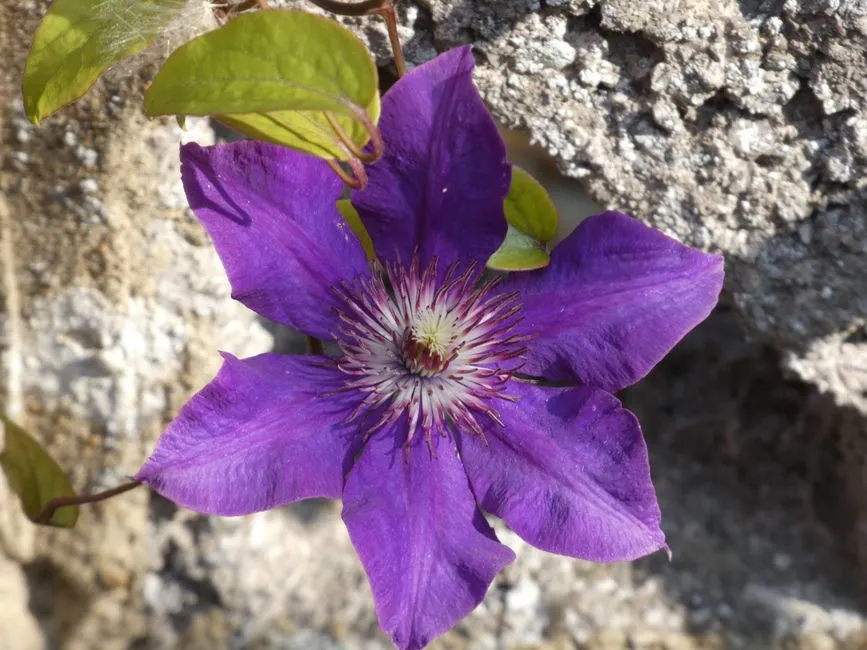
Vertical space is often the most underused resource in a small yard, and clematis takes full advantage of it. Trained up a trellis, fence, or even an old drainpipe, its twisting stems and large blooms create a sense of layered, jungle-like density without eating up any ground space. That vertical lushness does a lot of work in making a compact yard feel expansive and a little untamed.
Different varieties bloom at different times, so a thoughtful mix can keep color going from late spring into fall. Left slightly unpruned rather than clipped into a neat shape, clematis tends to sprawl and tangle in a way that looks more like a woodland edge than a garden center display. That slight looseness is exactly what separates “wild” from “wilted.”
#4 Native ferns
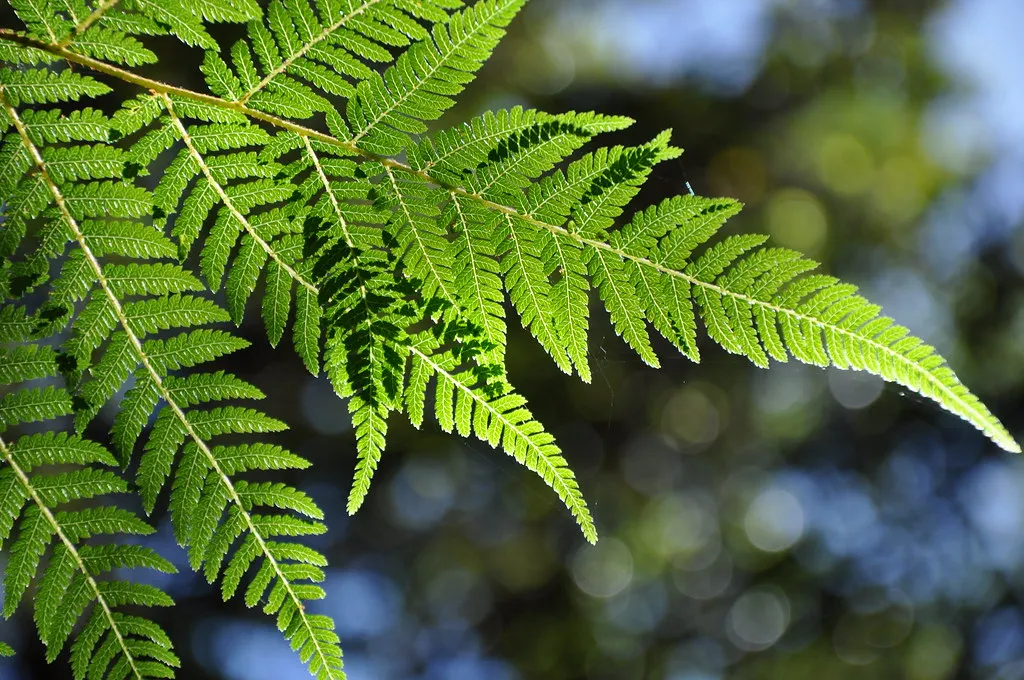
Ferns bring a shaded, almost primeval quality to a yard that few other plants can match. Species suited to a given region, like lady fern or Christmas fern depending on climate, thrive in the damp, shady corners that many small urban lots have and don’t quite know what to do with. Rather than fighting that shade, ferns turn it into an asset, filling in gaps with soft, textured greenery.
Their fronds unfurl in a way that feels almost prehistoric, and clustered together they create a dense understory look that instantly reads as forest rather than backyard. Because they spread slowly via rhizomes, ferns fill in naturally over a few years without becoming aggressive or hard to manage. That slow, steady colonization is part of what makes them feel authentically wild rather than artificially placed.
#5 Wild bergamot
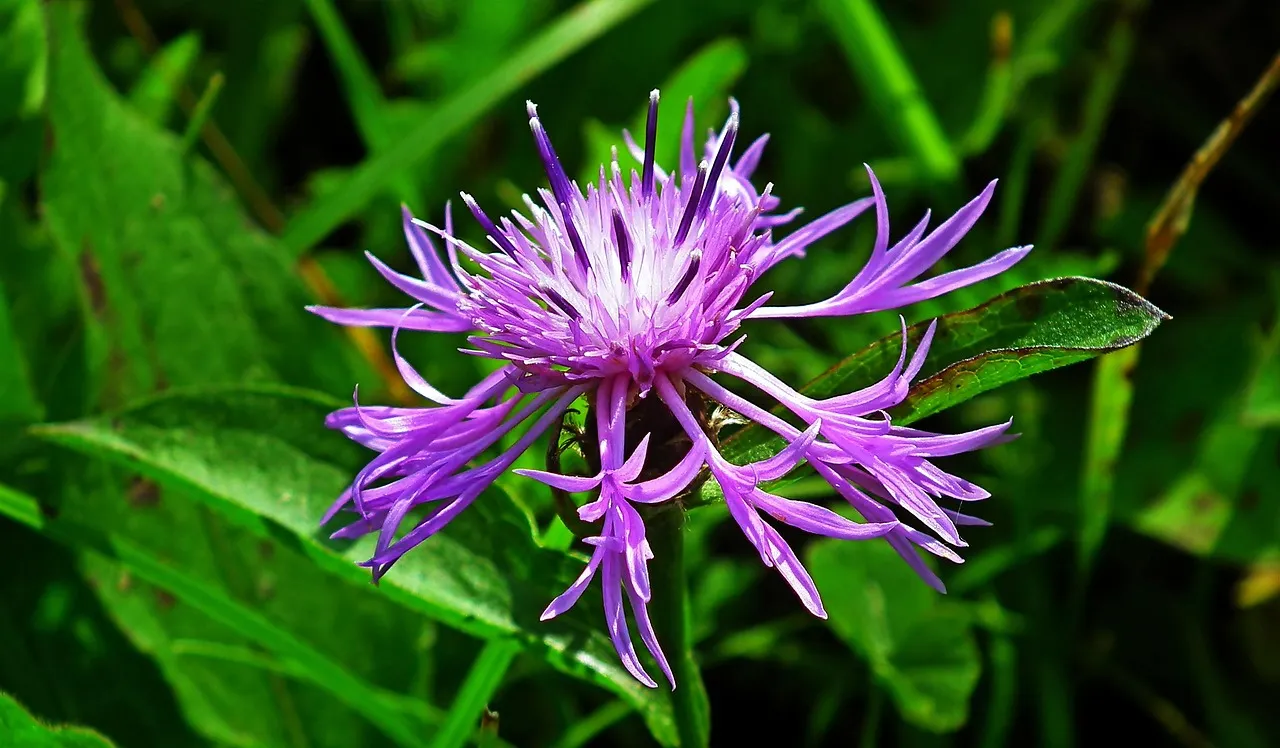
Also known as bee balm, wild bergamot has a shaggy, almost explosive flower structure that looks like it belongs in an untended meadow rather than a suburban border. Its lavender-pink blooms attract pollinators in noticeable numbers, adding movement and life to the yard beyond just the plant itself. That buzz of activity, bees and butterflies moving between blossoms, contributes enormously to a sense of a living, thriving ecosystem rather than a static display.
Wild bergamot spreads through rhizomes and can form loose colonies over time, which again plays into that self-directed, slightly chaotic aesthetic. It also has a long history as a native North American plant, meaning it tends to slot naturally into regional ecosystems rather than looking imported or out of place. Left to its own devices along a fence line or in a back corner, it does a convincing impression of a plant that’s always been there.
#6 Climbing hydrangea
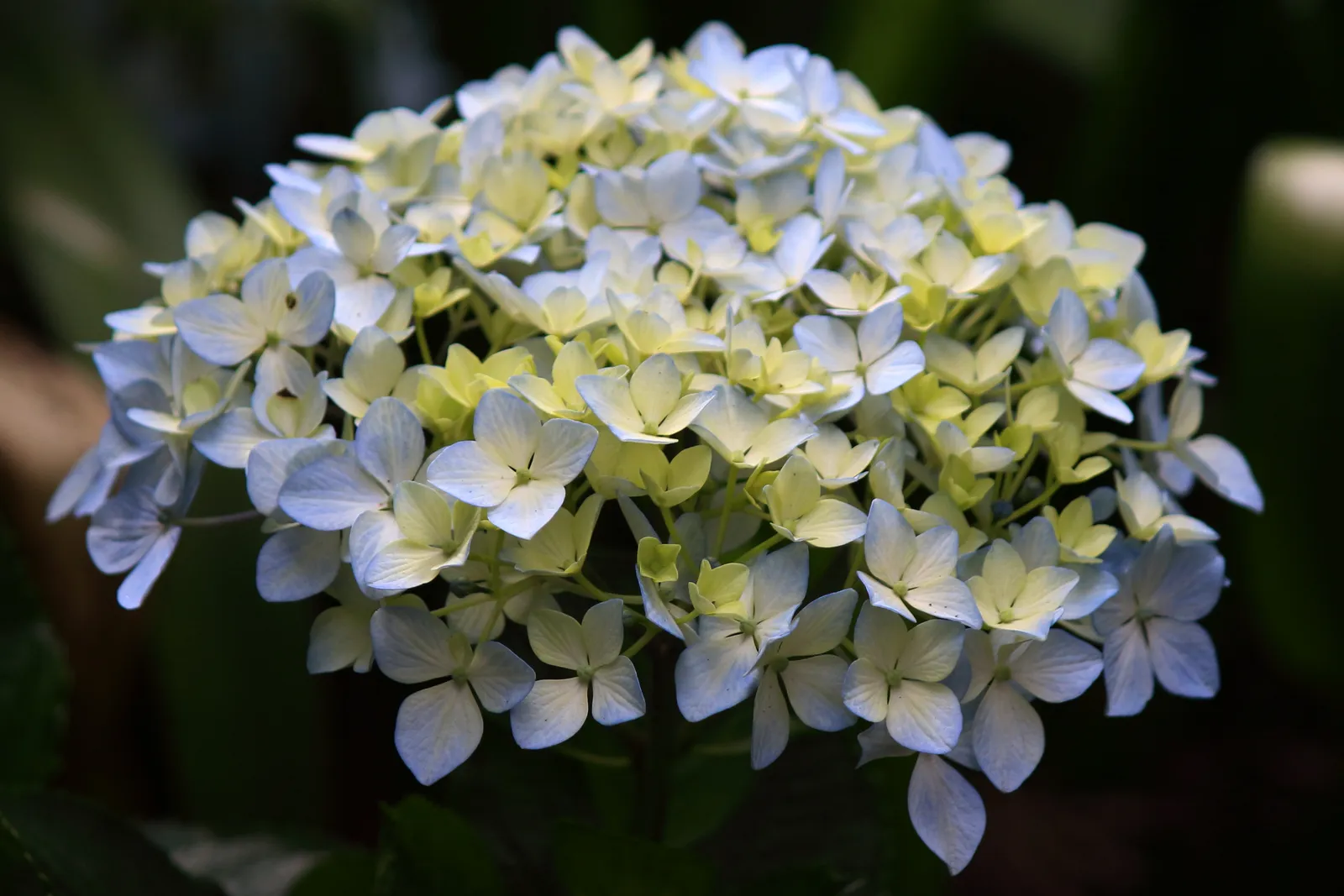
Climbing hydrangea is a slower, more deliberate kind of wild. It takes a few years to establish, but once it does, it can cover a wall, fence, or arbor in dense, textured foliage topped with lacy white flower clusters in early summer. That density and coverage give small yards a sense of enclosure and privacy that feels organic rather than fenced-in.
Because it clings to surfaces using aerial rootlets rather than needing extensive support structures, climbing hydrangea can soften hard architectural lines, brick, wood, even chain-link, without much intervention. Its slightly irregular growth pattern, thicker in some spots and sparser in others, avoids the uniform look of a trained vine and instead reads as something that grew there on its own terms. That unevenness is subtle, but it’s a big part of the wild effect.
#7 Joe Pye weed
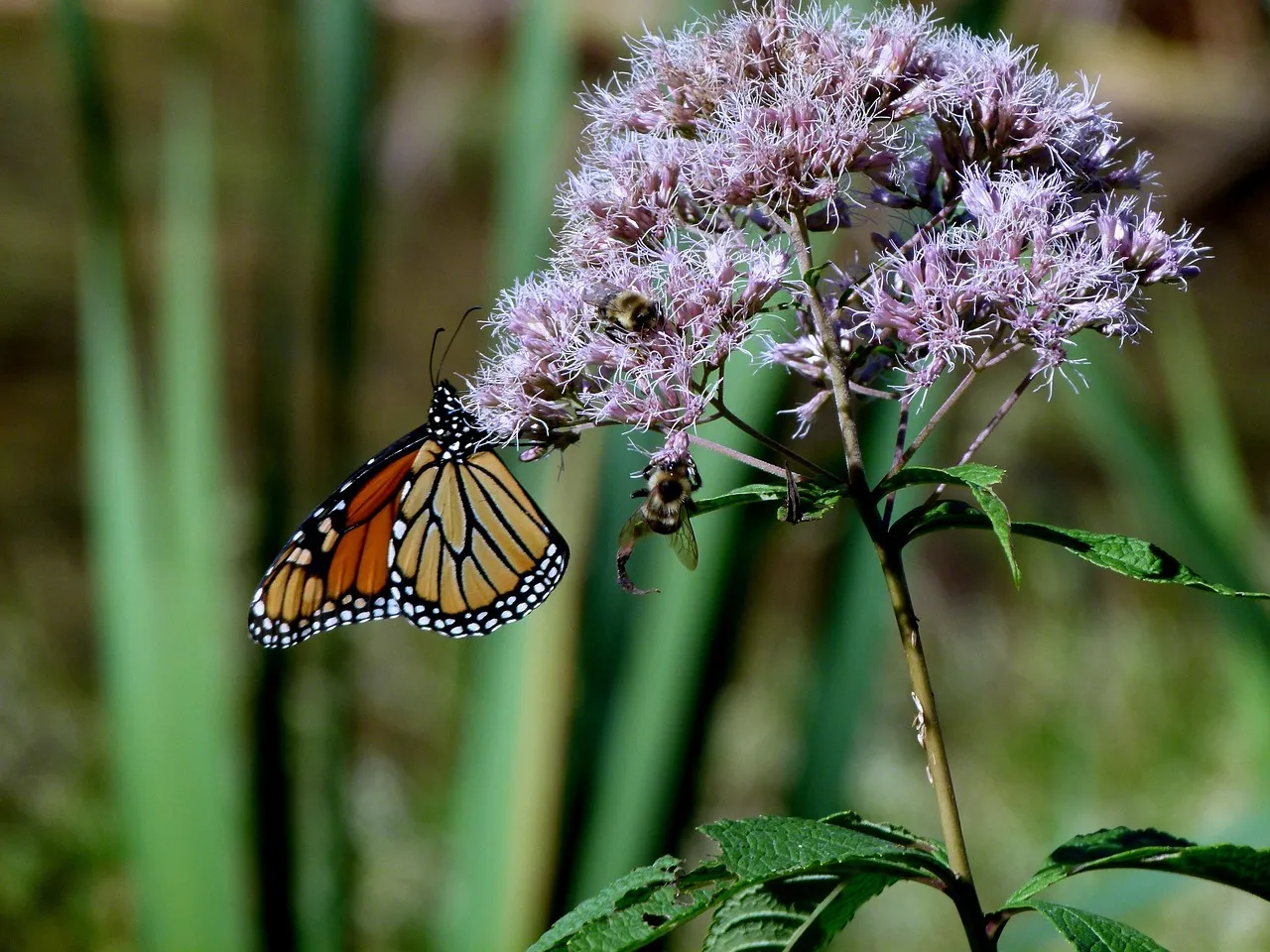
Joe Pye weed is not a subtle plant, and that’s rather the point. Reaching several feet in height with large, dusty pink to purple flower clusters, it commands attention and adds a sense of scale that’s rare in small urban yards. Placed toward the back of a bed, it creates a backdrop of height and volume that makes everything in front of it feel like part of a fuller, richer landscape.
Like wild bergamot, it’s a magnet for pollinators, particularly butterflies, which adds another layer of movement and life to the space. Its slightly coarse, weedy appearance despite technically being a well-regarded ornamental perennial is exactly why it works so well for this purpose. It looks like something that escaped cultivation, which is precisely the sense of controlled chaos a small wild-feeling yard is going for.
#8 Creeping thyme
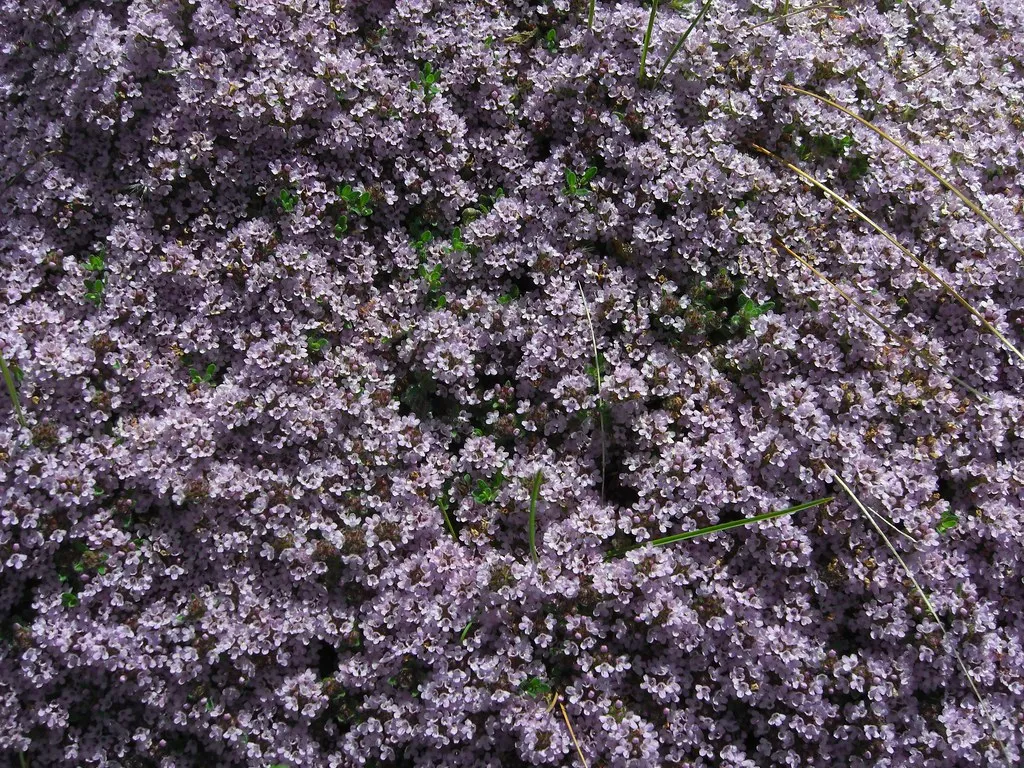
Not every wild-feeling plant needs to be tall or dramatic. Creeping thyme works at ground level, spreading between pavers, along path edges, or across small patches of soil with a low, mat-forming habit that fills gaps naturally. When it flowers, usually in shades of pink or purple, it can carpet an area in color and gently release a herbal scent when stepped on.
That ground-level texture matters more than people expect in small yards, since bare soil or mulch alone tends to look tidy and intentional rather than wild. Thyme’s willingness to creep into cracks and unplanned spaces gives even a paved patio area a sense of nature reclaiming its territory, in the best possible way. It’s low maintenance, drought tolerant once established, and does a lot of atmospheric work for very little effort.
#9 Purple coneflower
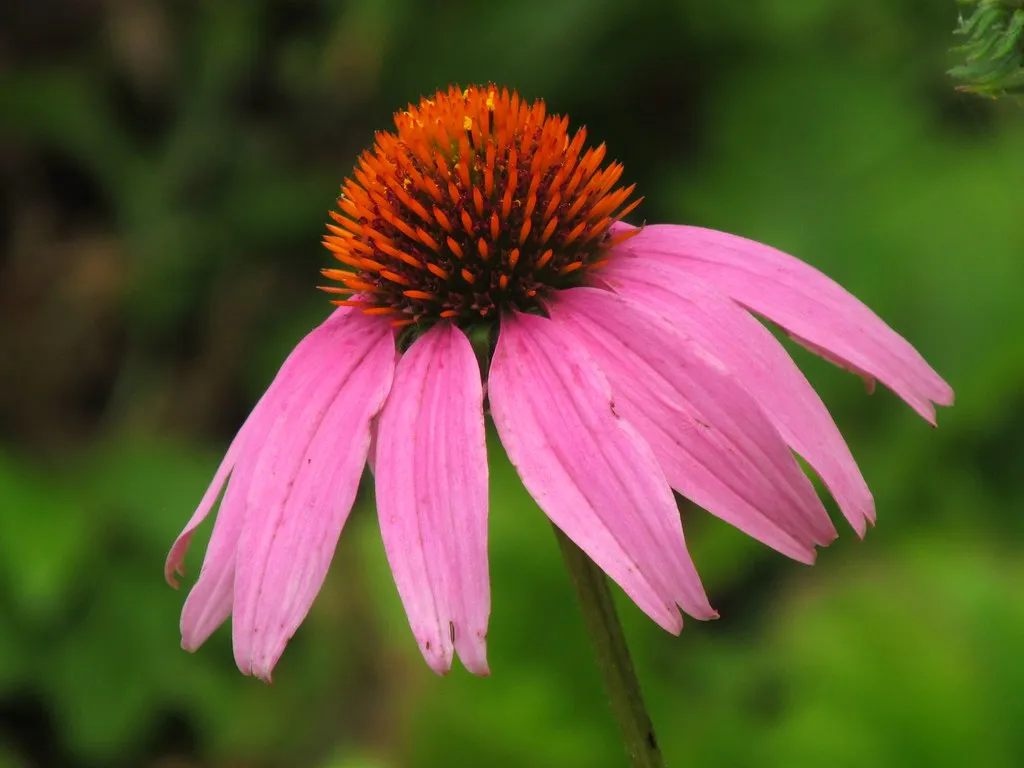
Purple coneflower, or echinacea, has that slightly disheveled, cone-shaped bloom that never quite looks store-bought no matter how well it’s cared for. Its drooping purple petals and spiky center give it a rougher, more natural silhouette than many cultivated flowers, and it holds up remarkably well through heat and dry spells. That resilience means it keeps contributing to the wild look all season rather than fading after a few weeks.
Left standing through fall and winter rather than deadheaded, its seed heads provide food for birds and add architectural interest to a yard that might otherwise go bare. That seasonal persistence, along with its tendency to self-seed and pop up in slightly different spots each year, keeps the layout feeling organic rather than fixed. Few plants balance toughness and untamed beauty as effortlessly as coneflower does.
#10 Virginia creeper
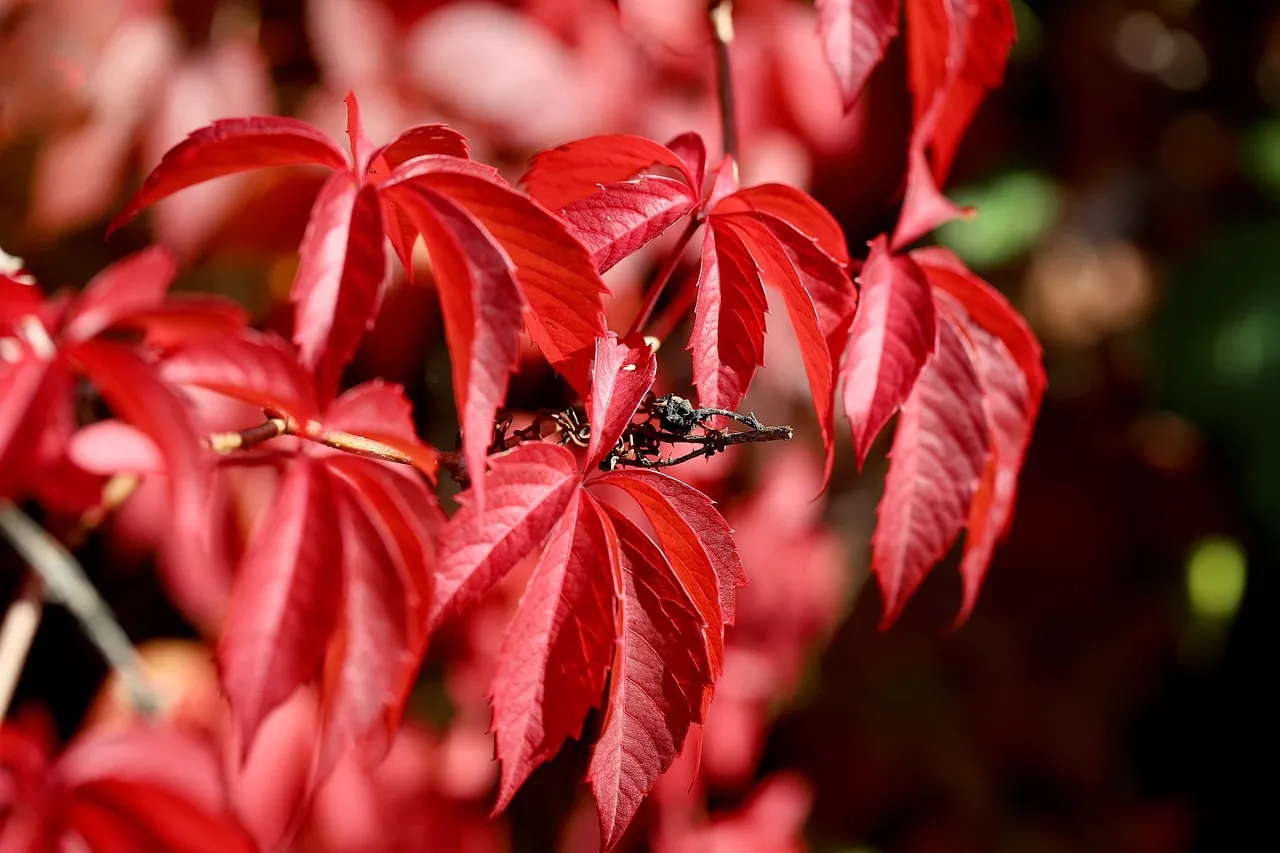
Virginia creeper is often treated with some suspicion because of how vigorously it grows, but that vigor is exactly what makes it useful for this particular goal. It climbs walls, fences, and trellises quickly, covering surfaces in dense, five-leaflet foliage that turns a striking red in autumn. Few plants transform a plain vertical surface into something that looks genuinely overgrown as fast as this one does.
Because it clings via tendrils with adhesive discs rather than twining tightly around supports, it tends to spread in a slightly irregular, patchy way that looks natural rather than trained. It does need occasional management to keep it from overtaking gutters or windows, but with light pruning it stays impressive rather than problematic. In a small yard, a single wall of Virginia creeper can do more to create a sense of wild abundance than half a dozen smaller plants combined.
Final Thoughts

- 10 Plants That Can Make a Small Urban Yard Feel Surprisingly Wild - August 23, 2026
- 8 Ways to Keep Deer Out of Your Garden Without Turning It Into a Fortress - August 23, 2026
- Wildlife Biology Says Elk Mothers Relocate Their Calves More Often Than Deer - August 22, 2026