

#1 Choose plants deer generally avoid

Deer have preferences, just like anyone else, and they tend to steer clear of plants with strong scents, fuzzy textures, or bitter, toxic compounds. Lavender, boxwood, and ornamental grasses are usually low on their list of favorites, while daffodils and peonies are practically deer-repellent by nature. Building your garden around these choices doesn’t mean sacrificing beauty, since there’s a surprisingly wide palette of deer-resistant plants that still look lush and colorful.
It’s worth remembering that “deer-resistant” isn’t the same as “deer-proof.” Hungry deer, especially in late winter or during a drought, will sometimes nibble on things they’d normally ignore. Still, stacking the odds in your favor by choosing plants they dislike is one of the simplest, lowest-effort strategies available, and it pairs well with nearly every other method on this list.
#2 Use scent-based deterrents strategically

Deer rely heavily on smell to figure out what’s safe to eat, which is why scent-based deterrents can be surprisingly effective. Products containing predator urine, rotten eggs, or garlic oil work by signaling danger before the deer even gets close enough to taste anything. Many gardeners rotate between a couple of different scent products, since deer can get used to a single smell over time and start ignoring it.
Homemade sprays using eggs, garlic, and hot pepper mixed with water are a popular budget option, though they need reapplying after rain. The key is consistency and rotation rather than a one-and-done approach. Think of it less like a permanent barrier and more like an ongoing conversation you’re having with the local deer population about where they’re not welcome.
#3 Install motion-activated sprinklers
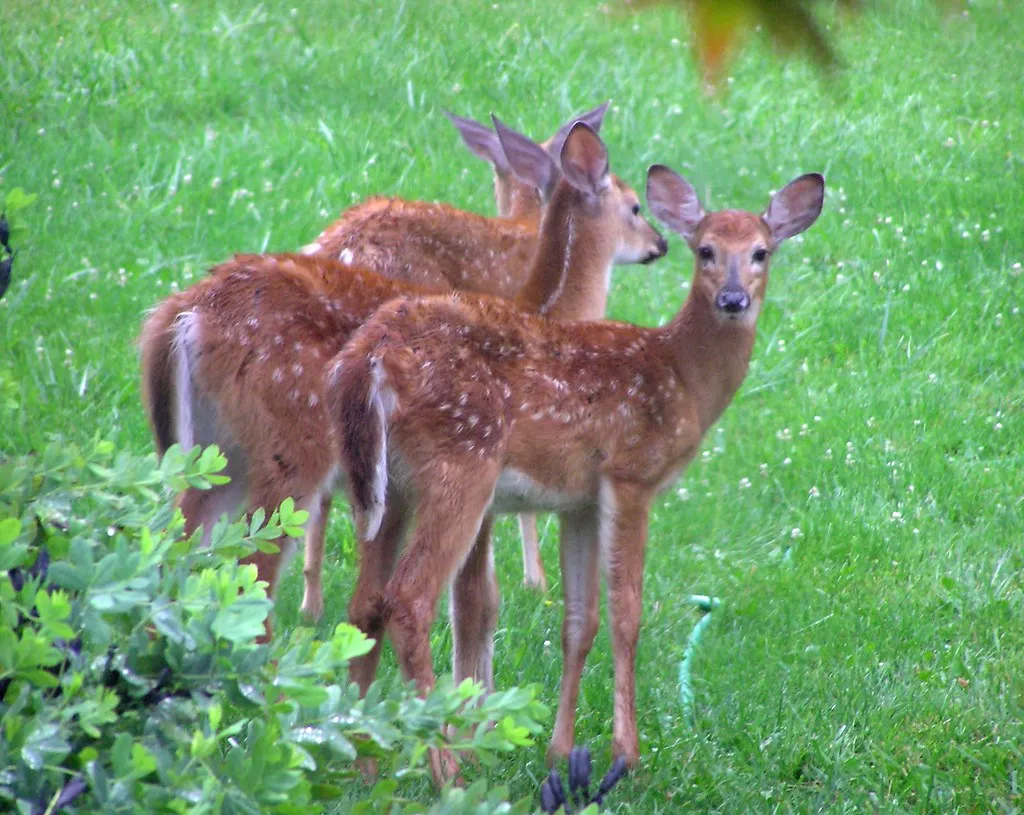
There’s something almost comedic about a sudden burst of water sending a deer bolting mid-chew, but it works because it startles them without causing harm. Motion-activated sprinklers detect movement and fire off a quick spray, which most deer find unpleasant enough to avoid repeating the experience. Over time, many will simply learn to steer clear of that section of the yard altogether.
These devices are relatively easy to set up and don’t require the kind of ongoing maintenance that sprays or scent barriers do. They’re also useful for other backyard visitors, including rabbits and stray cats, so the investment tends to pay off in more ways than one. The main downside is that deer in high-traffic areas can occasionally become desensitized, so pairing this method with another deterrent is usually a smart move.
#4 Try a low, angled fence instead of a tall one
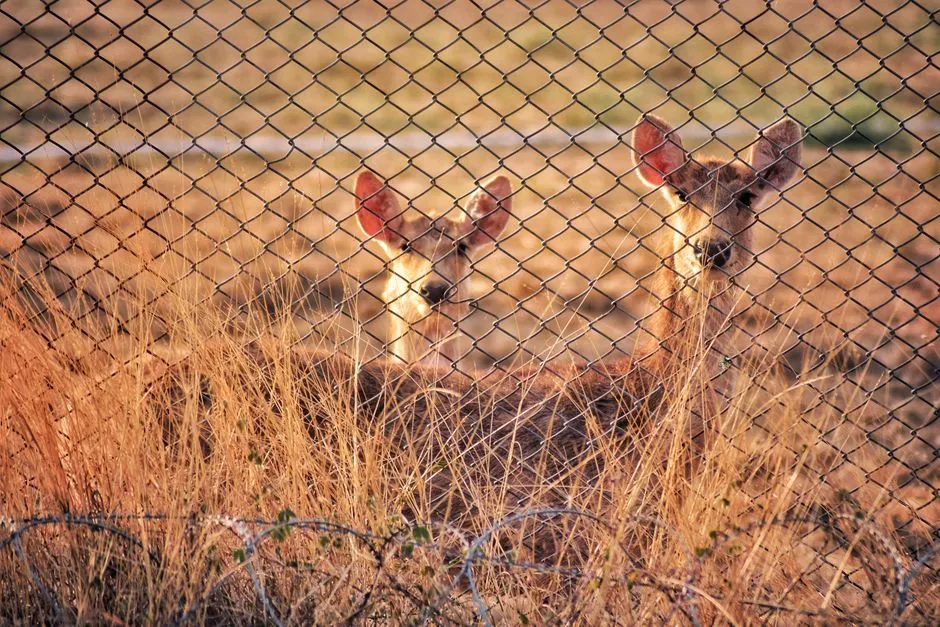
Deer are excellent jumpers, capable of clearing fences that look plenty tall to the average person, but they’re far less confident about jumping when they can’t judge the landing distance. A double fence, or a single fence angled outward at roughly a forty five degree slant, confuses their depth perception enough that most won’t attempt the leap. This approach can keep a fence under four feet tall while still doing the job of something much taller.
The angled design works because deer instinctively avoid jumping into tight or unclear spaces, especially when they can’t see exactly where they’ll land. It’s a clever workaround for anyone who wants protection without the visual heaviness of an eight foot wall around their vegetable beds. Combined with sturdy materials like woven wire, this method offers real protection while keeping the garden looking open and welcoming.
#5 Plant a barrier of deer-disliked shrubs around the perimeter

Rather than fencing the whole yard, some gardeners create a natural buffer using shrubs deer tend to avoid, like barberry, boxwood, or spirea. Planted densely along property lines or garden edges, these shrubs act as a soft, living wall that discourages deer from wandering further in. It’s a method that blends practicality with landscaping, since the shrubs themselves often add structure and seasonal interest to the yard.
This approach takes patience, since shrubs need time to fill in and become an effective barrier. However, once established, it requires far less ongoing maintenance than sprays or motion sensors. It’s especially useful for gardeners who want a permanent, low-tech solution that doesn’t rely on batteries, refills, or remembering to reapply anything.
#6 Use raised beds and cages for high-value plants

Not every plant needs to be defended equally, and for the ones that really matter, like a prized vegetable patch or a newly planted sapling, a raised bed with a simple wire cage can offer targeted protection. Deer are less likely to bother reaching into a contained, awkward space when easier food is available nearby. This method works particularly well for young plants that haven’t yet developed the toughness to survive a curious nibble.
Cages don’t need to be elaborate. A simple frame of chicken wire or hardware cloth around individual plants or small beds is often enough, since it’s the physical barrier and inconvenience that matters, not the aesthetics. This targeted approach lets gardeners protect their most vulnerable or valuable plants without committing to fencing the entire property.
#7 Introduce noise and motion as ongoing deterrents

Deer are naturally cautious animals, and unpredictable noise or movement tends to unsettle them more than steady, familiar sounds. Wind chimes, aluminum pie plates strung on string, or radios set to a talk station have all been used by gardeners looking for a low-cost deterrent. The idea is to create an environment that feels slightly unpredictable, since deer generally prefer calm, quiet spaces where they can browse undisturbed.
These methods work best when combined with something else on this list, since deer can adapt to a single repeated sound faster than people expect. Moving noise-making objects to different spots every so often helps maintain the element of surprise. It’s not a permanent fix on its own, but as part of a broader strategy, it adds another layer of hesitation that can make a real difference.
#8 Rotate and combine methods throughout the season
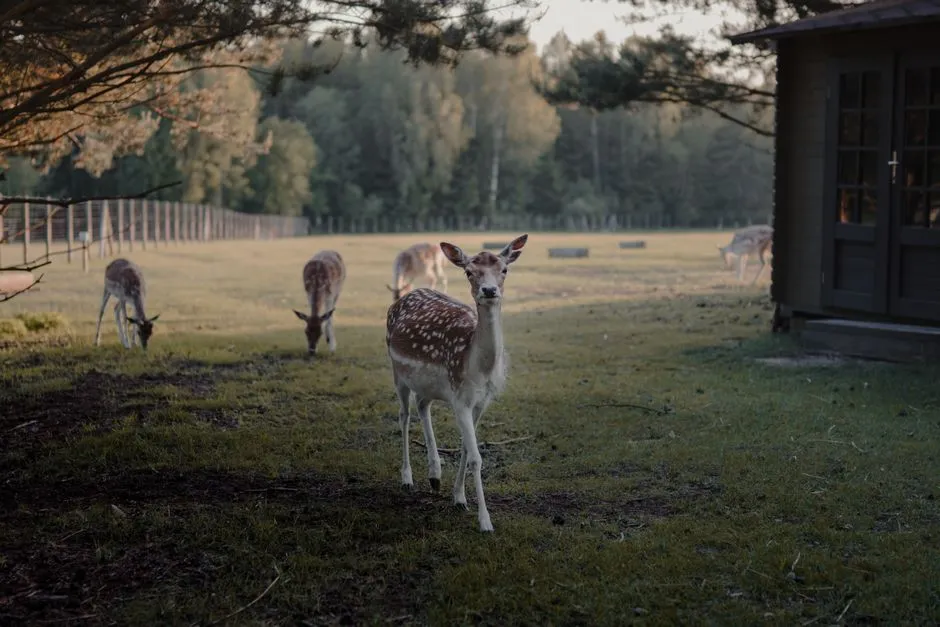
Perhaps the most important lesson experienced gardeners learn is that no single deterrent works forever. Deer are intelligent, adaptable animals, and they’ll eventually figure out that a certain scent, sound, or sprinkler pattern isn’t actually dangerous. Rotating between two or three methods, and changing things up every few weeks, keeps deer from settling into a comfortable routine around your garden.
Seasonal changes also matter, since deer behavior shifts with food availability throughout the year. What works in early spring, when there’s plenty of natural forage elsewhere, might need reinforcement in late fall when food becomes scarcer. Staying flexible and paying attention to what’s actually happening in your own yard tends to beat any single miracle solution.
The Bottom Line

If there’s one thing worth taking away from all this, it’s that deer control works best as a layered strategy rather than a single dramatic gesture. Fortress-style fencing might feel satisfying to install, but a thoughtful combination of smart plant choices, scent rotation, and a few well-placed deterrents usually does more good for less money and effort. Gardens are supposed to feel open and alive, not walled off like a compound, and honestly, most of these methods let you keep that feeling intact.
My honest take is that the gardeners who succeed long-term aren’t the ones with the fanciest gadgets, but the ones willing to adjust their approach as the seasons change and the deer inevitably adapt. It’s less about winning a permanent victory and more about staying one small step ahead. That mindset, more than any single product or trick, is what actually keeps a garden standing come harvest time.

- 10 Plants That Can Make a Small Urban Yard Feel Surprisingly Wild - August 23, 2026
- 8 Ways to Keep Deer Out of Your Garden Without Turning It Into a Fortress - August 23, 2026
- Wildlife Biology Says Elk Mothers Relocate Their Calves More Often Than Deer - August 22, 2026