
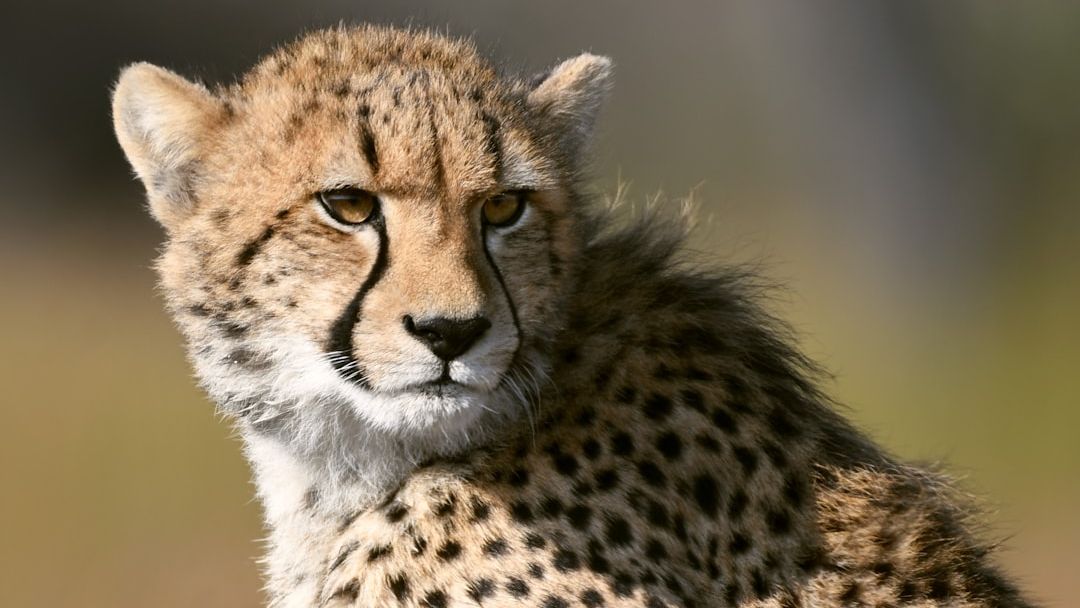
There is something almost unreal about watching a cheetah move at full speed. It does not look like a predator closing in for a kill – it looks more like a force of nature that momentarily borrowed the shape of a cat. Sleek, breathtaking, and built to defy everything you thought you knew about land-bound creatures, the African cheetah is one of the most extraordinary animals on this planet.
Yet for all its fame, the cheetah remains widely misunderstood. Most people know it as “the fast one.” Fewer know about the astonishing biology hiding beneath that spotted coat, the complex social life it leads, or the deeply fragile future it faces. Let’s dive in.
The Fastest Land Animal Alive – by a Staggering Margin
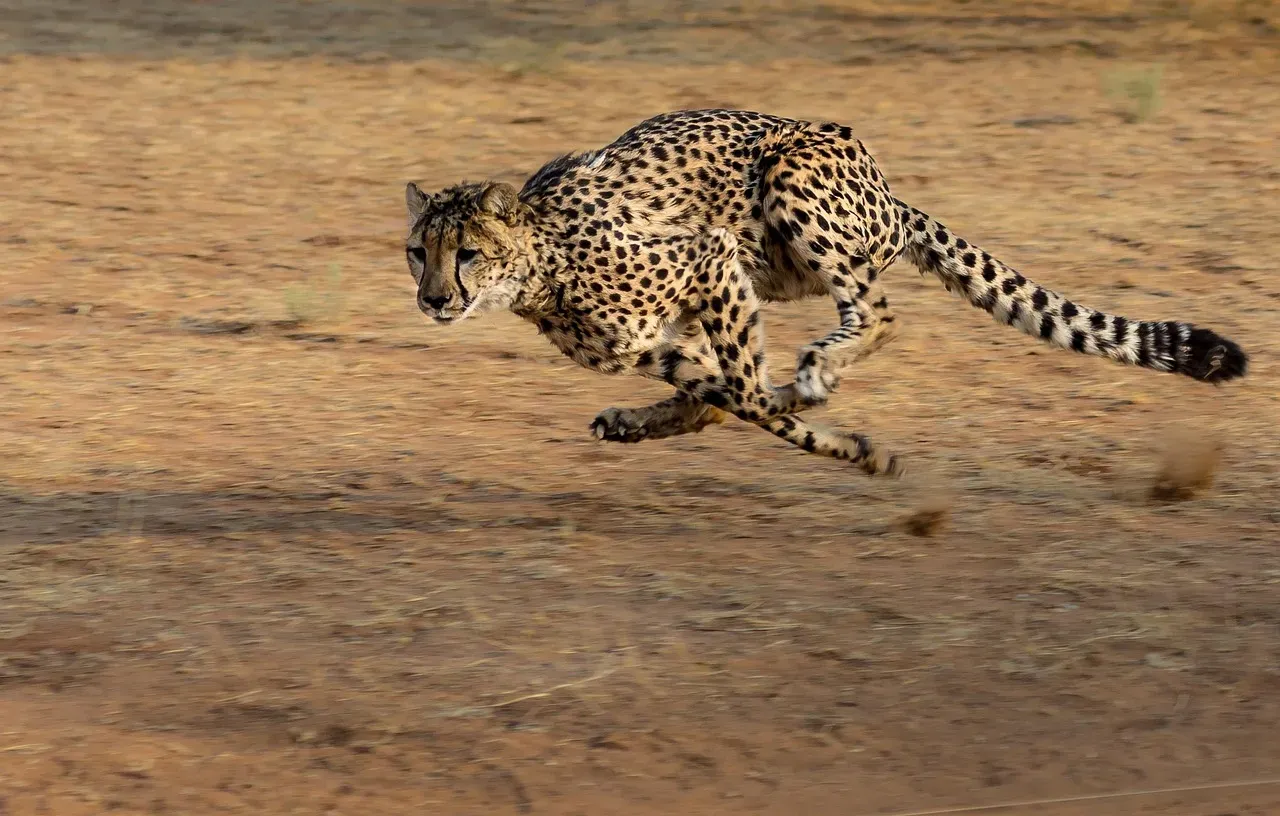
Let’s start with the headline stat, because honestly, it still gets me every time. Cheetah sprints have been measured at a maximum of 114 kilometers per hour, and they routinely reach velocities of 80 to 100 kilometers per hour while pursuing prey. To put that into perspective, a professional sprinter runs at roughly a quarter of that speed. The cheetah isn’t just fast – it’s in a completely different category.
Cheetahs can accelerate from zero to 45 miles per hour in just 2.5 seconds. That is faster than most production sports cars off a standing start. Think about that the next time someone calls an animal “primitive.”
Chases are usually limited to sprints of less than 200 to 300 meters, because the increased physiological activity associated with running creates heat faster than it can be released through evaporative cooling. The cheetah is a sprinter, not a marathon runner – and that single biological limitation shapes almost every aspect of its survival strategy.
An Anatomy Purpose-Built for Velocity
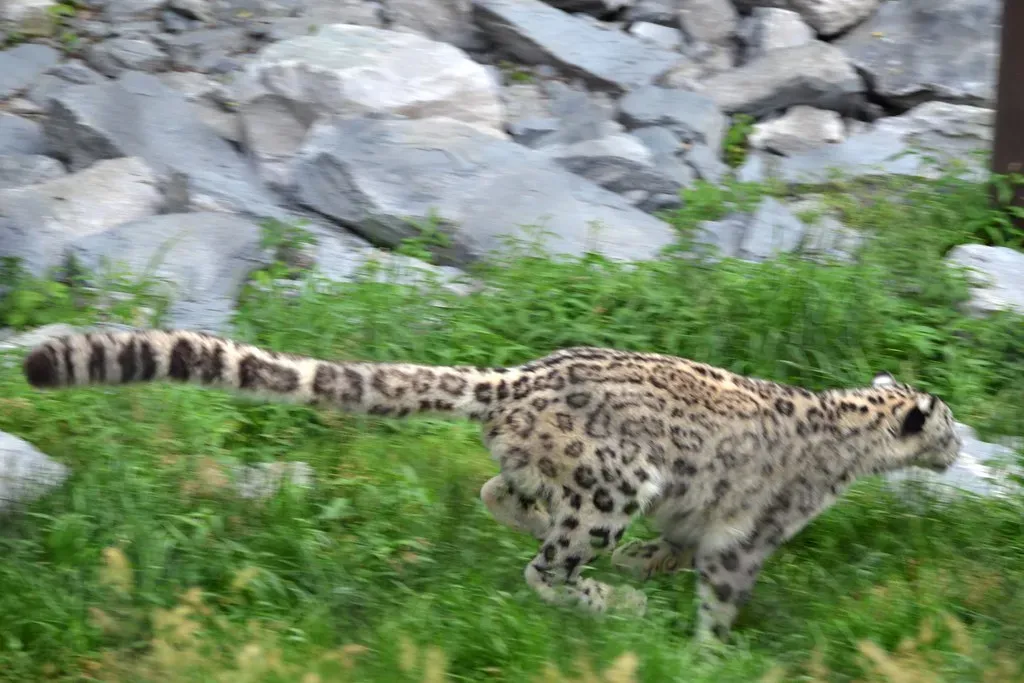
Here is the thing – the cheetah’s speed is not a trick or a fluke. It is the end product of millions of years of evolutionary engineering. Cheetahs have evolved many adaptations that enhance their ability to sprint, including legs that are proportionally longer than those of other big cats, an elongated spine that increases stride length at high speeds, unretractable claws, special paw pads for extra traction, and a long tail for balance.
At top speed, cheetahs advance 23 feet in a single stride and complete four strides per second. That is like covering the length of a full-sized car with every single step. The flexible spine acts almost like a coiled spring, loading and releasing energy with each bound.
One of the most interesting facts about cheetahs is that their hearts are proportionally larger than those of other cats, and they are known to have enlarged hearts combined with large lungs and strong arteries – characteristics that allow them to pump oxygen-rich blood throughout their body during high-speed chases. Every single organ inside that slender frame has been optimized for one purpose: explosive, lethal velocity.
The Tear Marks Are Not Just for Show
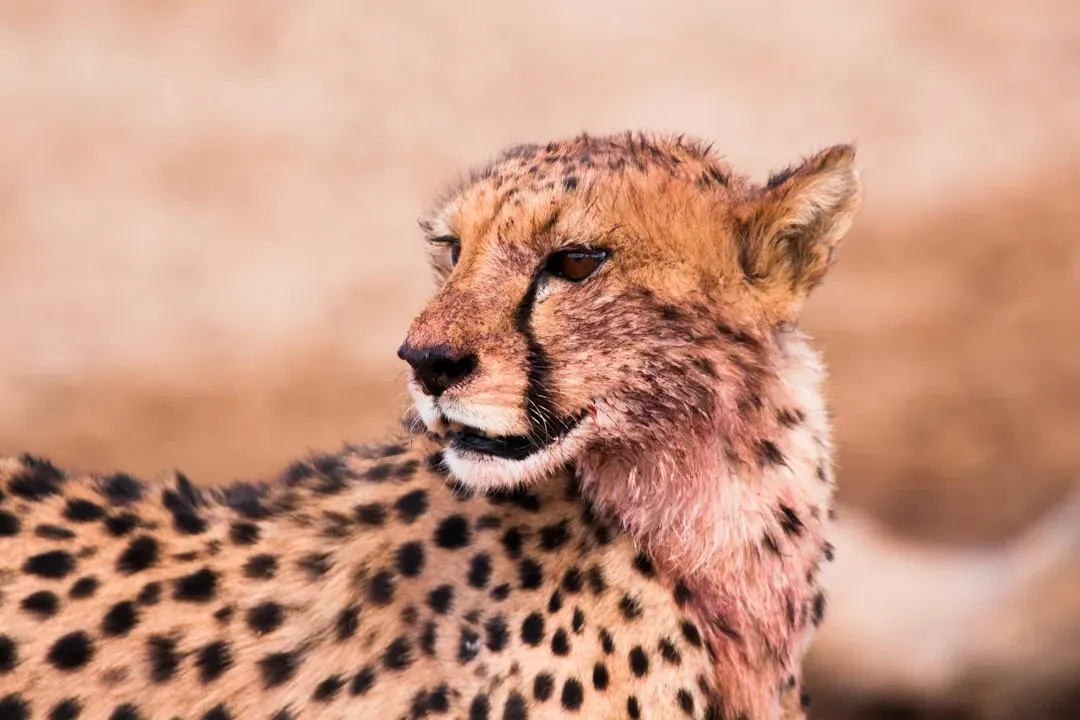
That iconic black streak running from the inner corner of each eye down to the mouth is one of the most recognizable features in the animal kingdom. But it is far more than decorative. Cheetahs have unique black “tear marks” running from their eyes down to their mouth, and these marks help reduce glare from the sun and enhance focus, allowing them to better spot prey from a distance.
Cheetahs’ eyes have elongated retinal foveas, giving them a sharp, wide-angle view of their surroundings, and their small, flat-faced heads allow their eyes to be positioned for maximum binocular vision. Essentially, the cheetah hunts almost entirely by sight, scanning the horizon from a raised vantage point before committing to a chase.
Think of the tear marks like the black lines athletes paint beneath their eyes before a game – functional, precise, and brilliantly simple. Nature figured that one out long before sport science did.
They Cannot Roar – They Chirp Like Birds
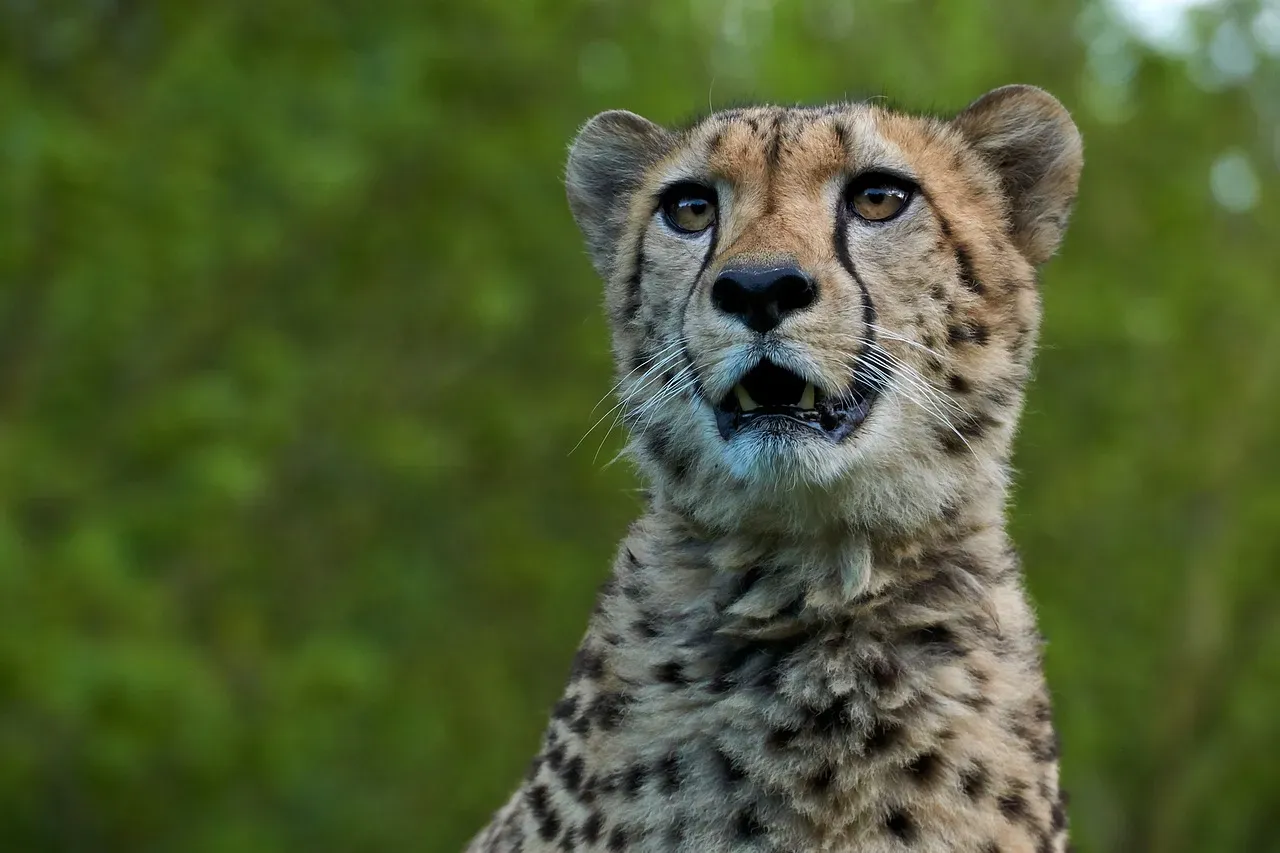
This one genuinely surprises most people. Unlike the rest of the big cat group, cheetahs can’t roar, though they can purr. In fact, the sounds a cheetah makes are remarkably domestic – almost like an oversized house cat. Cheetahs are incapable of roaring: they purr, mew, and chirp like a bird.
Adult cheetahs are known to purr continuously while both inhaling and exhaling, a behavior that makes them similar to domestic cats. The chirping, in particular, is startling the first time you hear it – a high-pitched, bird-like call used between mothers and cubs or between individuals greeting one another.
Honestly, the idea of the world’s fastest land predator letting out a soft chirp after a sprint is one of nature’s best contradictions. It is both endearing and a little absurd.
Cubs Are Born With a Built-In Disguise
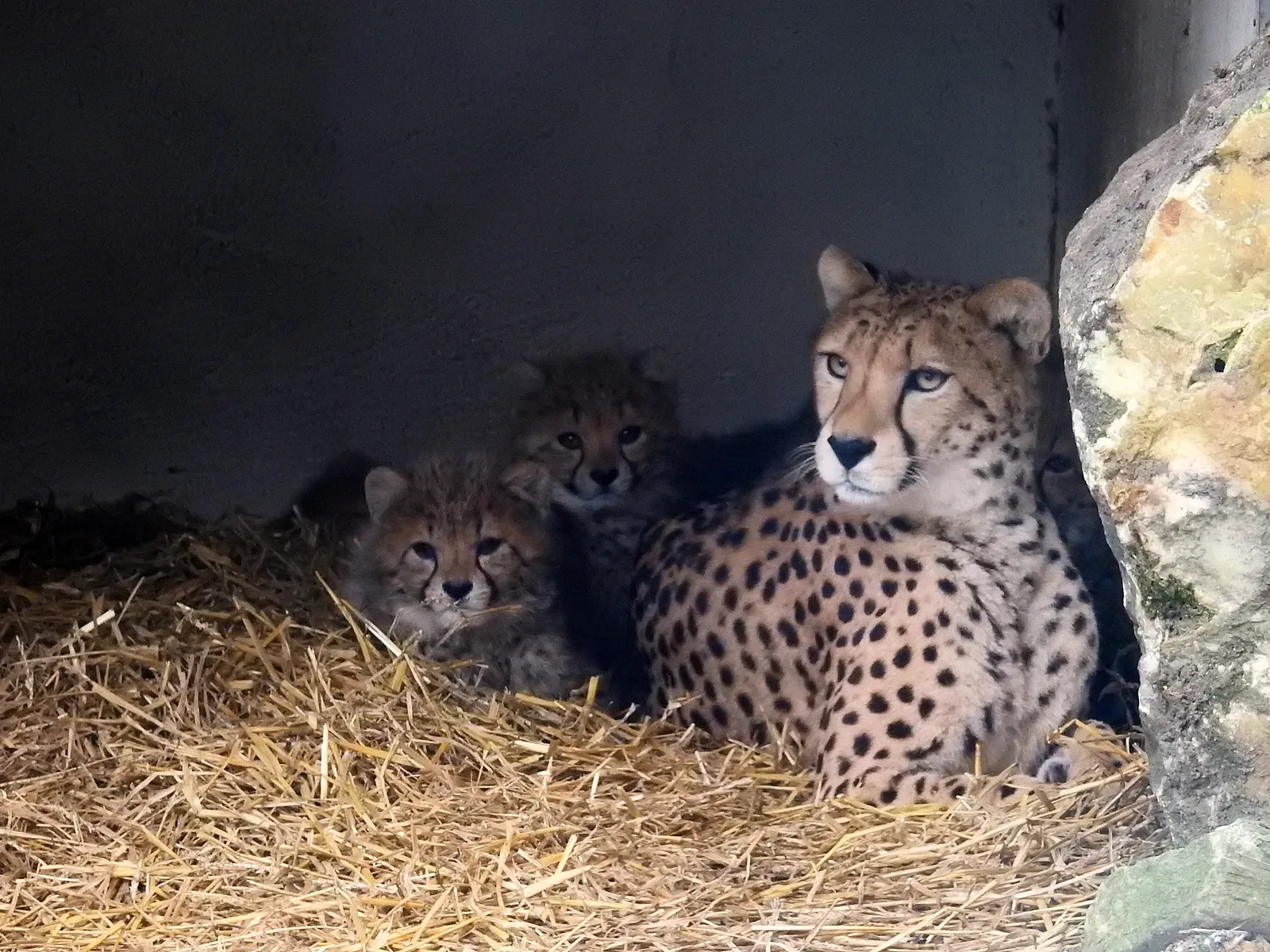
Few survival strategies in nature are as clever as what cheetah cubs are born with. Baby cheetahs are born with a thick, silvery-grey mantle of fur running down their backs and necks – a distinctive coat that helps them blend into tall grass, but more importantly, it enables them to mimic the appearance of a honey badger, which happens to be one of Africa’s most aggressive animals.
Cheetah cubs face staggering mortality rates, with more than 70 percent perishing in their first year. Given those odds, every evolutionary trick counts. Resembling an animal that even lions tend to avoid is a smart way to buy a few extra weeks of life.
At the age of 2 months, cubs move out of the den, but remain with their mother until the age of 18 to 24 months. During that time, the mother teaches them everything from stalking techniques to how to finish off a kill. Mothers spend a long time teaching their young how to hunt, even bringing back small, live antelopes to the cubs so they can learn to chase and catch them.
Social Life – Brotherhoods, Loners, and Nomads
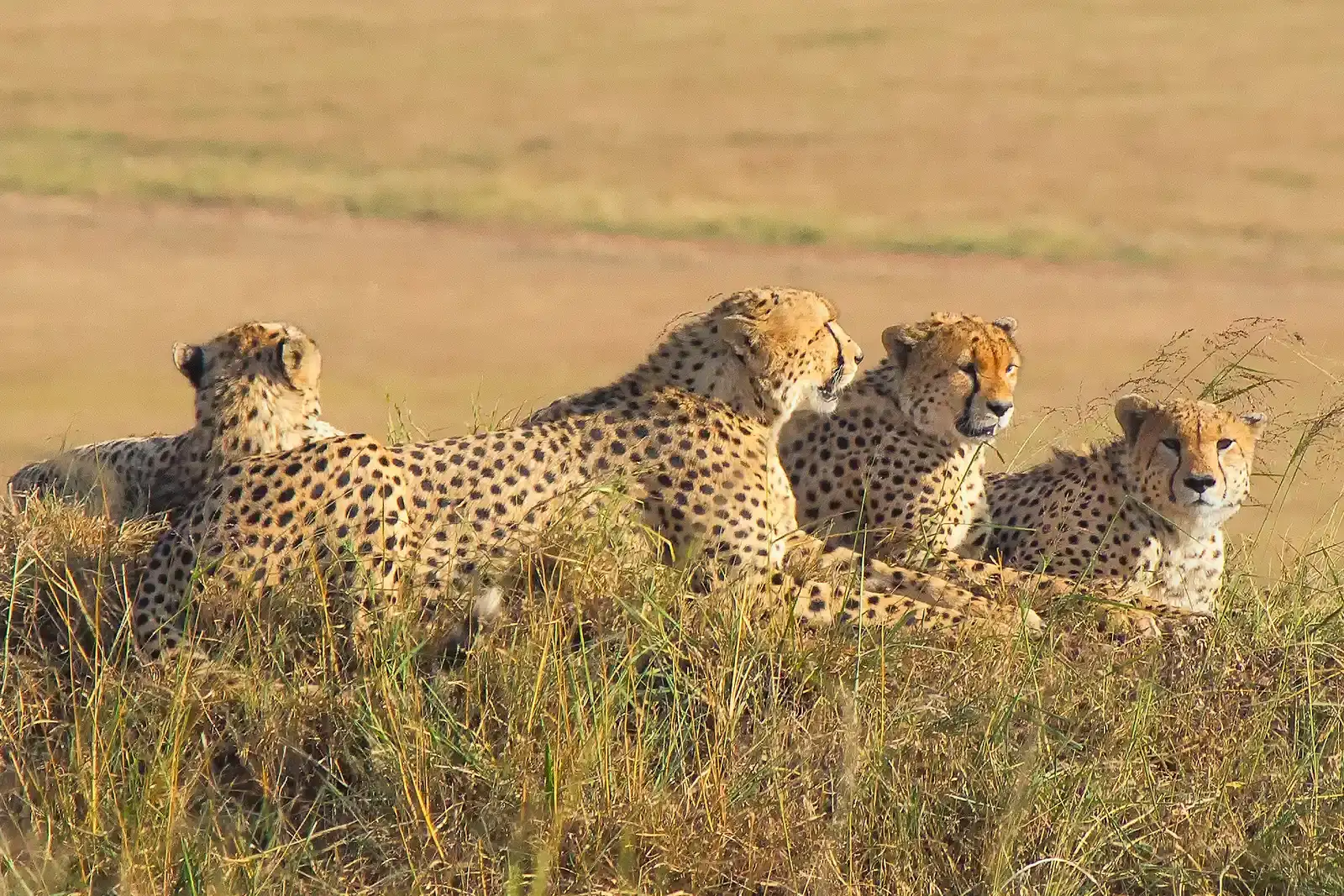
The cheetah’s social structure is genuinely fascinating and far more nuanced than the typical “solitary predator” label suggests. Females are typically solitary, focusing on nurturing their cubs, while males may form coalitions with siblings to defend territories. These brotherhoods are tight-knit and remarkably loyal.
Males in coalitions appear extremely tolerant of close proximity to other males, and the related members will even take part in play and physical contact such as grooming, whereas unrelated males generally stick to themselves while remaining in the coalition. It is a surprisingly nuanced social arrangement – almost political, when you think about it.
Some males never join a coalition at all, never staying in one place for long and are referred to as nomads. Three completely different lifestyle strategies – solitary females, coalition brothers, and lone wanderers – within a single species. Nature rarely does anything in just one way.
A Hunting Strategy Built on Patience and Precision
Unlike most carnivores, cheetahs are active mainly during the day, hunting in the early morning and late afternoon. This is a deliberate strategy to avoid direct competition with lions and leopards, who prefer the cover of darkness. It is the ecological equivalent of choosing a different work shift to avoid a difficult colleague.
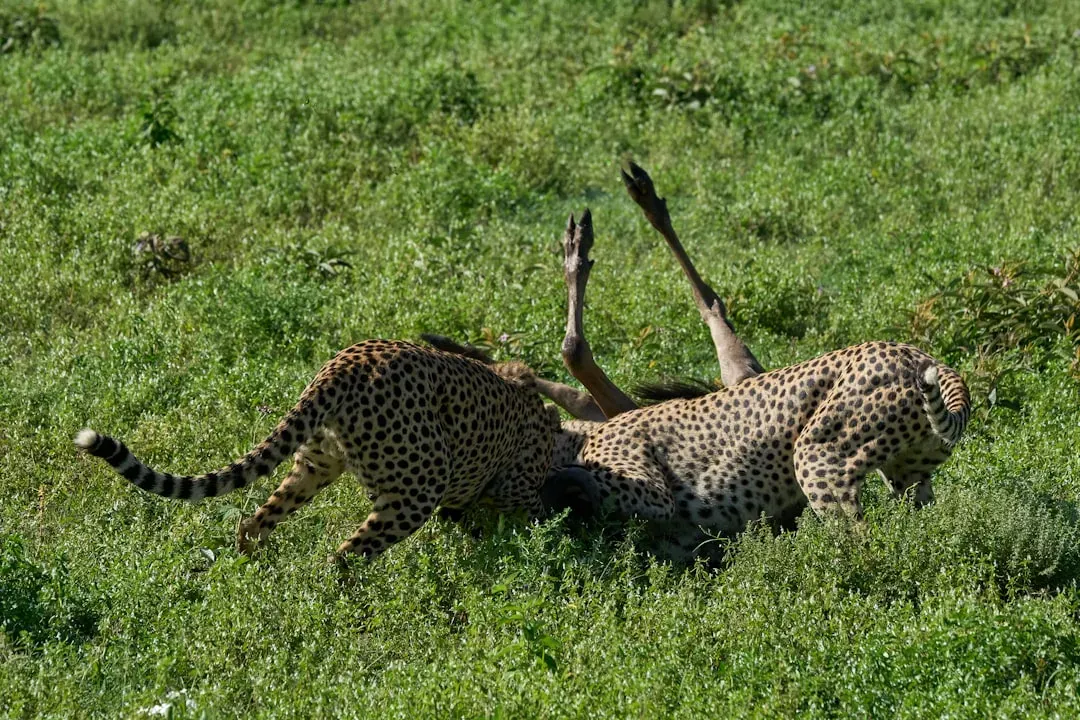
A cheetah will stalk its target to get within sprinting distance, then launch a high-speed chase that typically lasts less than a minute. Everything depends on that first explosive burst. If the prey is not caught quickly, the cheetah overheats and must abandon the chase entirely.
After a chase, a cheetah needs half an hour to catch its breath before it can eat. That recovery period is dangerous. Exhausted and temporarily vulnerable, the cheetah is at risk of losing its hard-won meal to lions, hyenas, or vultures moving in to steal it. Because cheetahs lose nearly half of their kills to lions, hyenas, and vultures, they indirectly provide food for scavengers too.
Unique Spots – Like a Fingerprint
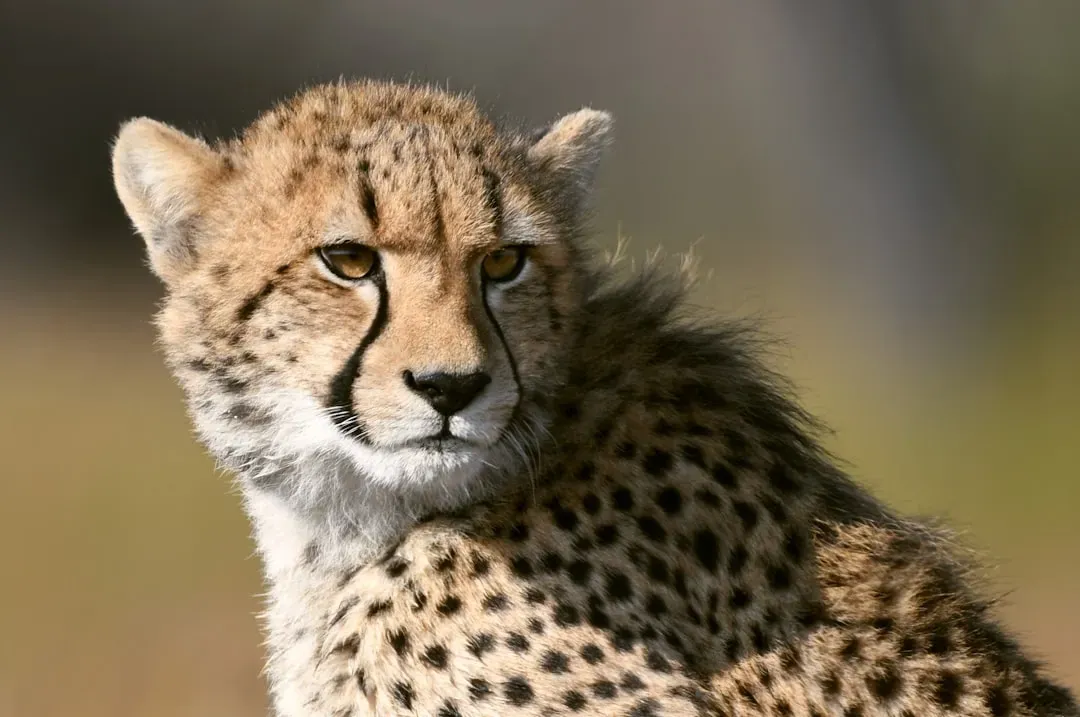
Much like a human fingerprint, a cheetah’s spots and the ring pattern of its tail are unique, enabling researchers in the field to identify individuals. No two cheetahs wear the same pattern. Every animal in a population can, in theory, be catalogued and tracked purely by coat markings – a remarkable natural identification system.
Adults have yellow or tan, short coarse fur with solid black round or oval spots, and the spots cover nearly the entire body with only the white throat and belly left unmarked. The tail is equally distinctive. It ends with four to six black rings and a bushy white or black tuft – functional as a rudder during high-speed turns and expressive enough to communicate mood between individuals.
It is hard to say for sure, but I think the fact that each cheetah is essentially wearing its own bespoke pattern is one of the most quietly poetic things in all of wildlife biology. No factory settings in nature.
A Critical Role in the Ecosystem
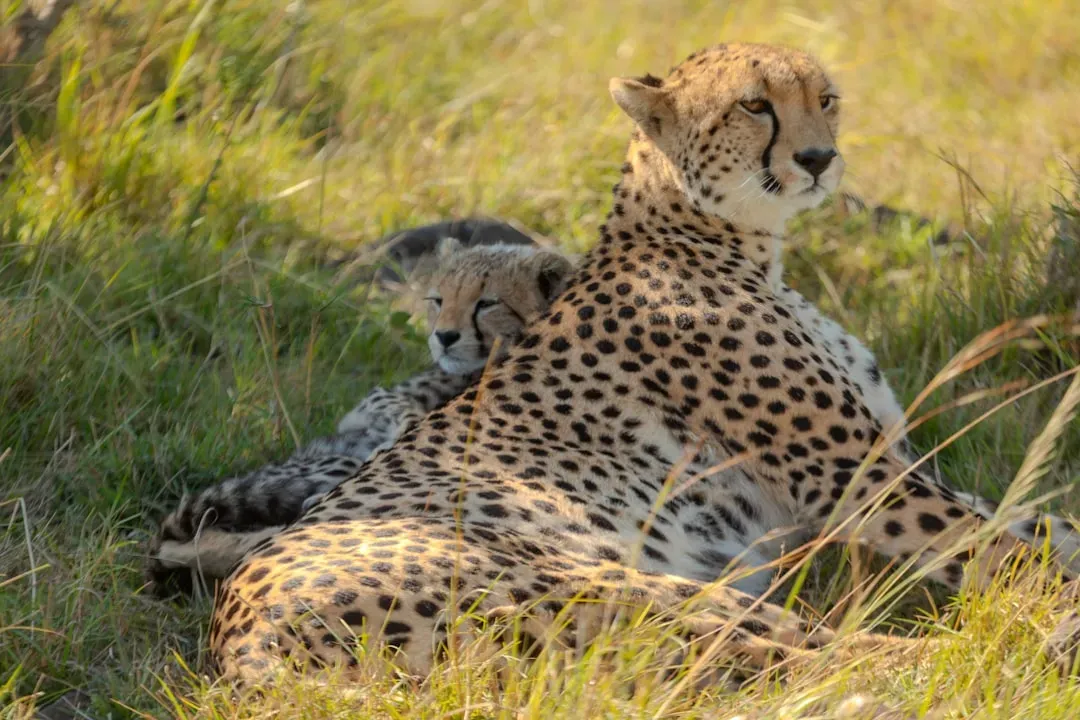
The cheetah is more than a speed spectacle. It is a keystone presence on the savanna, and removing it would ripple outward in ways most people never consider. Cheetahs target the weak and sick among prey populations, ensuring that herbivore populations remain strong and genetically healthy.
Unlike lions and leopards, which hunt primarily at night, cheetahs hunt during the day, reducing competition with other big cats. Without cheetahs, prey populations could explode, causing overgrazing and damaging the delicate balance of the savanna. The cheetah is essentially a living regulator – a natural brake on runaway herbivore numbers.
A study published in the Proceedings of the Royal Society B reveals that rising temperatures are causing cheetahs to shift their hunting activities to cooler periods such as dawn and dusk, and this behavioral change increases their overlap with nocturnal predators like lions and leopards, leading to heightened competition. The study involved GPS tracking of 53 large carnivores over eight years. Climate change, it turns out, is already reshaping the cheetah’s daily life in measurable ways.
A Species Racing Against Extinction
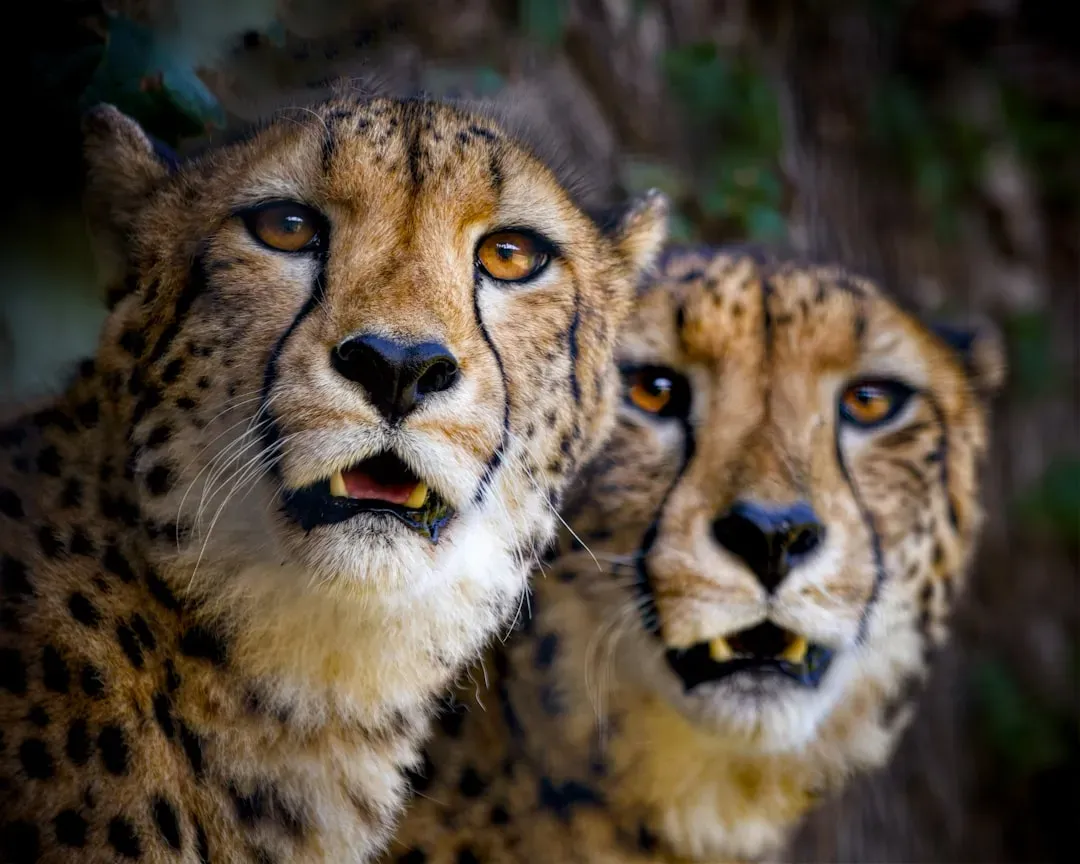
For all its extraordinary gifts, the cheetah is losing its most important race. Cheetahs are classified as Vulnerable by the IUCN, with fewer than 7,000 remaining in the wild. That number is both sobering and urgent. That is down from an estimated 14,000 cheetahs in 1975, when researchers made the last comprehensive count of the animals across the African continent.
In Africa, numbers have dwindled to just 10 percent of their historic range, and there is only one population remaining in Asia – fewer than 100 cheetahs in Iran. The majority of known cheetah range – roughly three quarters – exists on unprotected lands, leaving populations extremely fragmented, which is cause for deep concern for their future.
Cheetahs are famously genetically uniform – a result of historical population bottlenecks – and this is compounded by the realities of small reserve populations. Think of it like a city built on a single road. One blockage and everything stops. Organizations like the Cheetah Conservation Fund and African Parks work tirelessly to protect cheetahs through habitat restoration, anti-poaching patrols, and community education. The work is happening, and it matters enormously.
Conclusion: The Lightning That Could Go Dark
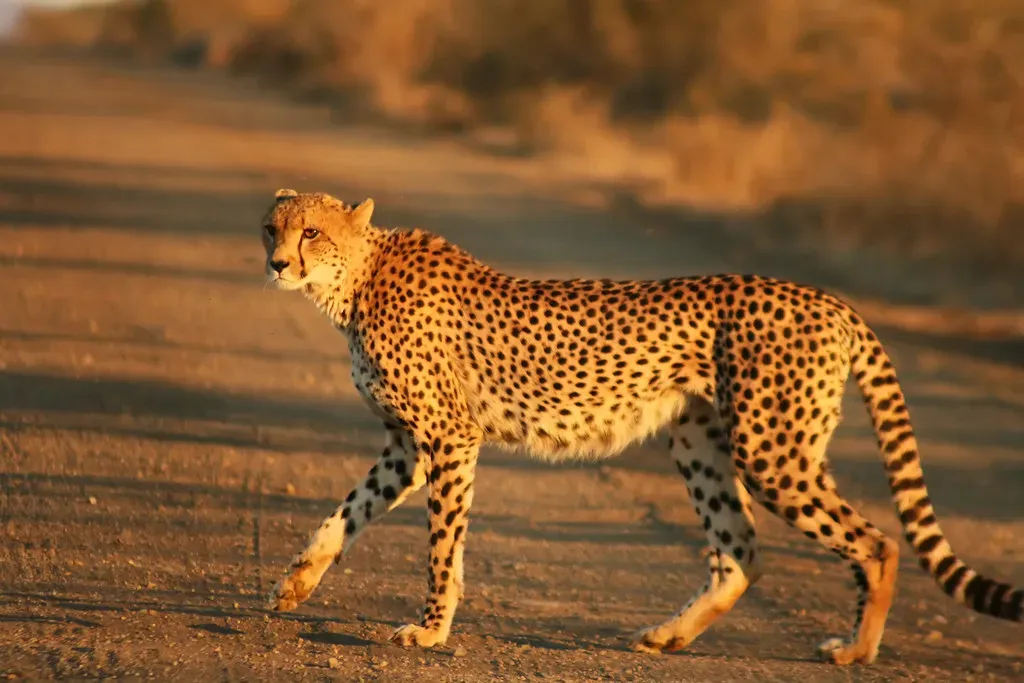
The African cheetah is, without question, one of the most astonishing creatures evolution has ever produced. From an acceleration that rivals sports cars to a chirp that sounds more like a songbird, this animal is full of contradictions, surprises, and quiet wonders. It is fast enough to seem invincible, yet fragile enough to be edging toward the shadows of extinction.
What strikes me most is not the speed – it is the elegance of the whole package. Every spot, every tear mark, every oversized heart, every brotherly coalition exists because it had to. Because survival demanded it. The cheetah did not become this remarkable by accident.
The real question is whether we will make the necessary choices to ensure that future generations get to witness a cheetah at full sprint across an open African plain. That sight, honestly, should not be a privilege of our era alone. What would you do differently if you knew the cheetah might be gone within your lifetime?
