

Working with horses isn’t just about brushing pretty coats and feeding carrots. If you ask any farrier worth their salt, they’ll tell you straight up – some breeds are just downright challenging when it comes to hoof care. These professionals have seen it all, and they’re not shy about sharing which horses make their job particularly demanding. From tiny hooves carrying massive bodies to genetic predispositions for painful conditions, certain breeds have earned a reputation that makes farriers either charge extra or think twice before taking on the job.
#18 Thoroughbreds – Racing’s Achilles Heel
Thoroughbreds face the unfortunate reality of having a small hoof-to-body-mass ratio, which creates a perfect storm for hoof problems. Picture trying to balance a heavyweight boxer on toothpicks – that’s essentially what these athletic powerhouses are dealing with every day. Thoroughbreds and related breeds have earned a reputation for poor hoof quality, making them a constant source of worry for farriers.
The racing industry has bred these horses for speed and athleticism, often at the expense of sturdy foundation structure. This genetic trade-off means farriers frequently encounter thin-walled hooves, brittle horn quality, and feet that simply can’t handle the demands placed on them by their powerful bodies.
#17 Draft Horses – When Size Becomes the Enemy
Hoof quality and conformation have suffered in modern-day breeding selection, resulting in large horses supported on feet that lack hoof size and quality. It’s like putting compact car tires on a semi-truck and expecting them to handle the weight. Draft horses often have poor hoof quality and easily develop hoof cracks or severely chipped and broken hoof walls.
Many draft horses have flat soles and bear substantial weight on the sole, making them prone to sole bruising and osteitis of the distal phalanx. The sheer mass of these gentle giants creates pressure that their hooves weren’t designed to handle, leading to ongoing maintenance challenges that keep farriers busy.
#16 American Saddlebreds – Beauty Comes at a Price
Shoeing with high heels and long toes, with or without pads, predisposes the American Saddlebred to contracted heels, sheared heels, and quarter cracks. The show ring demands for these horses create an artificial situation that fights against natural hoof mechanics. Think of forcing someone to walk in stilettos for their entire life – eventually, problems are bound to develop.
The high-action gaits that make Saddlebreds spectacular to watch require specialized shoeing that often compromises hoof health. The recent use of cushion polymer compounds has been helpful because frog pressure is lost with high heels and pads, but the underlying structural challenges remain a constant concern for farriers working with this breed.
#15 Tennessee Walking Horses – When Tradition Hurts
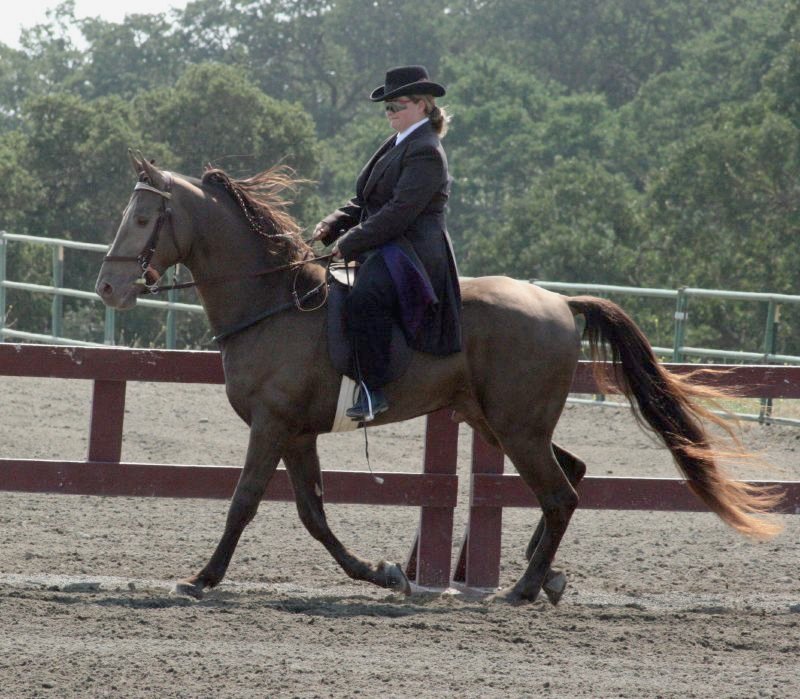
The Tennessee Walking Horse industry has created some of the most challenging hoof care situations farriers face. While not all Walking Horses are subjected to abusive practices, the breed’s association with “Big Lick” showing has led to serious hoof problems. The artificial enhancement of their natural gait often requires extreme shoeing methods that create long-term structural damage.
Even in natural shoeing situations, Tennessee Walkers can present unique challenges due to their size and gait mechanics. The breed’s tendency toward longer backs and specific movement patterns can create uneven wear patterns that require constant attention from skilled farriers to prevent serious lameness issues.
#14 Arabians – Small Heads, Big Problems
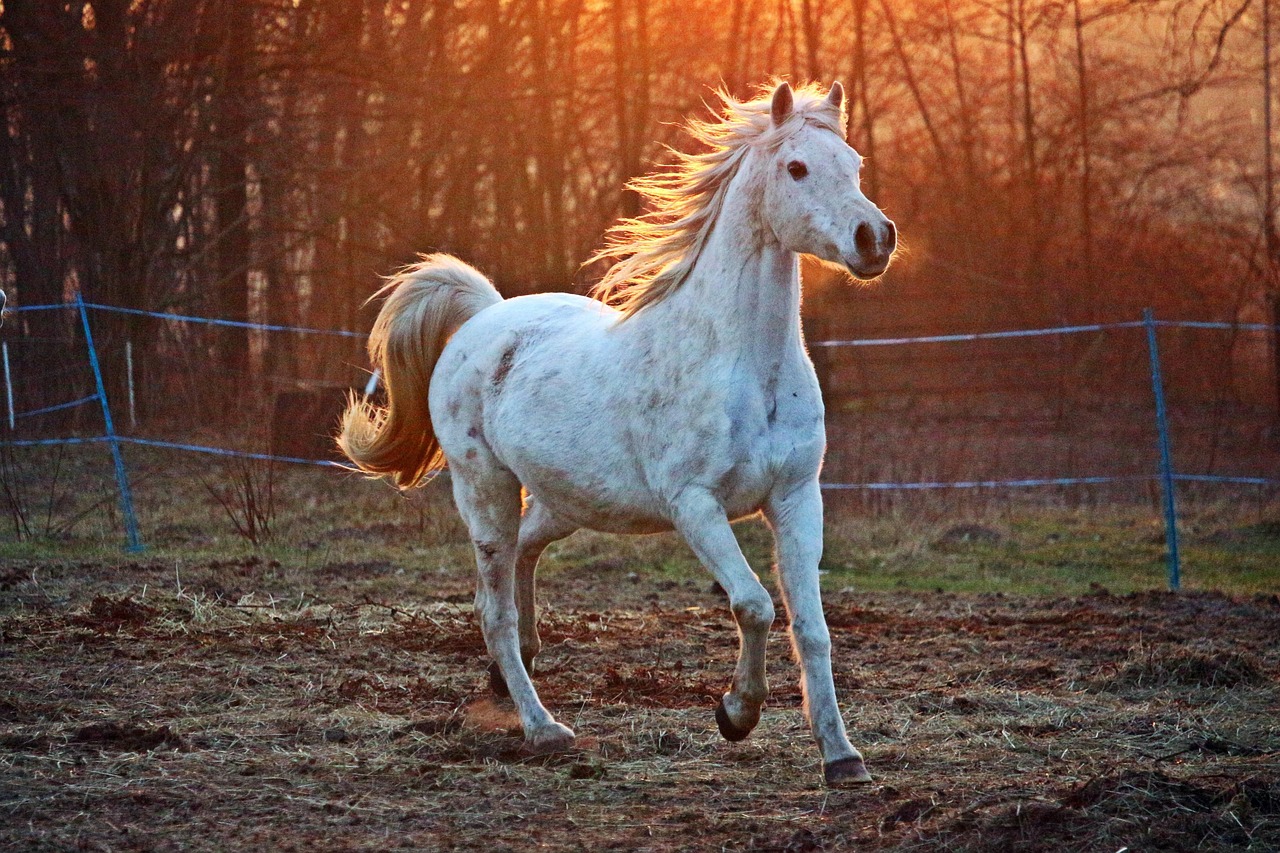
While Arabians are often praised for their hardiness, they present unique challenges that many people don’t expect. Due to their small head sizes, Arabians often suffer from overcrowding teeth, respiratory disease, and poor sinus drainage. These issues can indirectly affect hoof health by creating overall health problems that manifest in their feet.
The breed’s refined bone structure, while elegant, can sometimes translate to weaker hoof walls and increased susceptibility to certain conditions. Their desert origins gave them incredible endurance, but modern breeding practices have sometimes compromised the very traits that made them legendary survivors.
#13 Friesians – The Dark Horse Dilemma
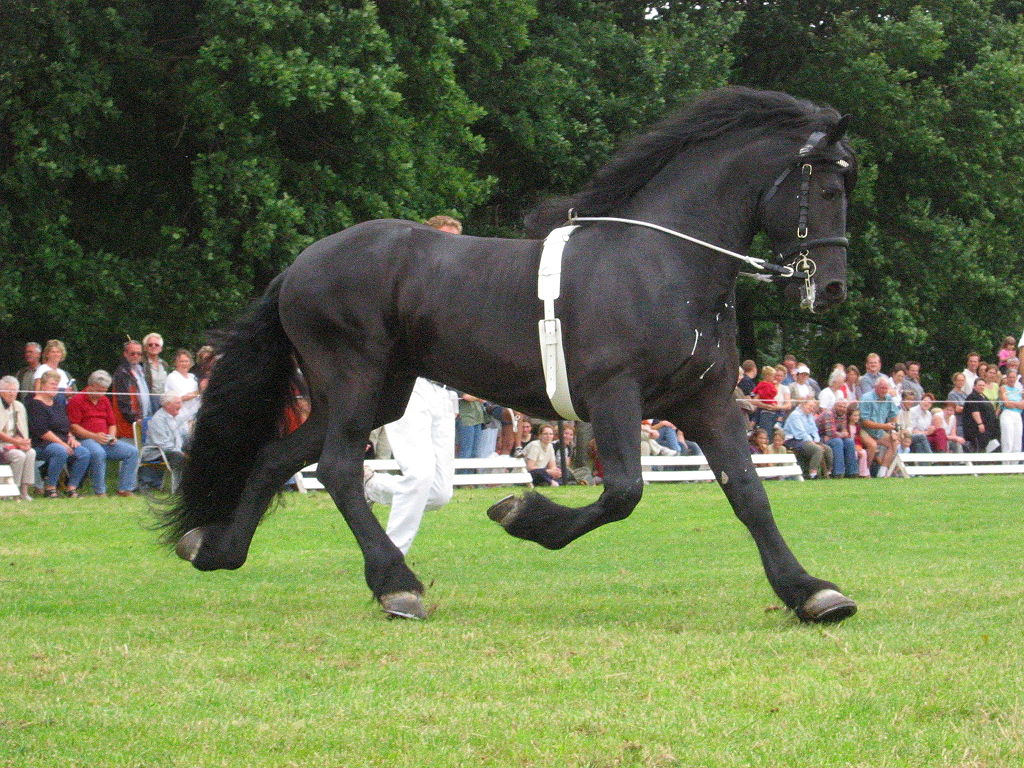
Poor hoof balance can cause excessive strain on distal limb structures, and most Friesians’ predisposition to connective tissue problems makes quality farrier care especially important. These stunning black horses are like beautiful sports cars with maintenance issues – gorgeous to look at but requiring constant expert attention.
The breed’s genetic predisposition to connective tissue disorders creates a domino effect that impacts their hooves. When the support structures throughout the body are compromised, the feet bear additional stress, making regular, expert farrier care absolutely critical for these horses’ wellbeing.
#12 Standardbreds – Racing’s Forgotten Foot Problems
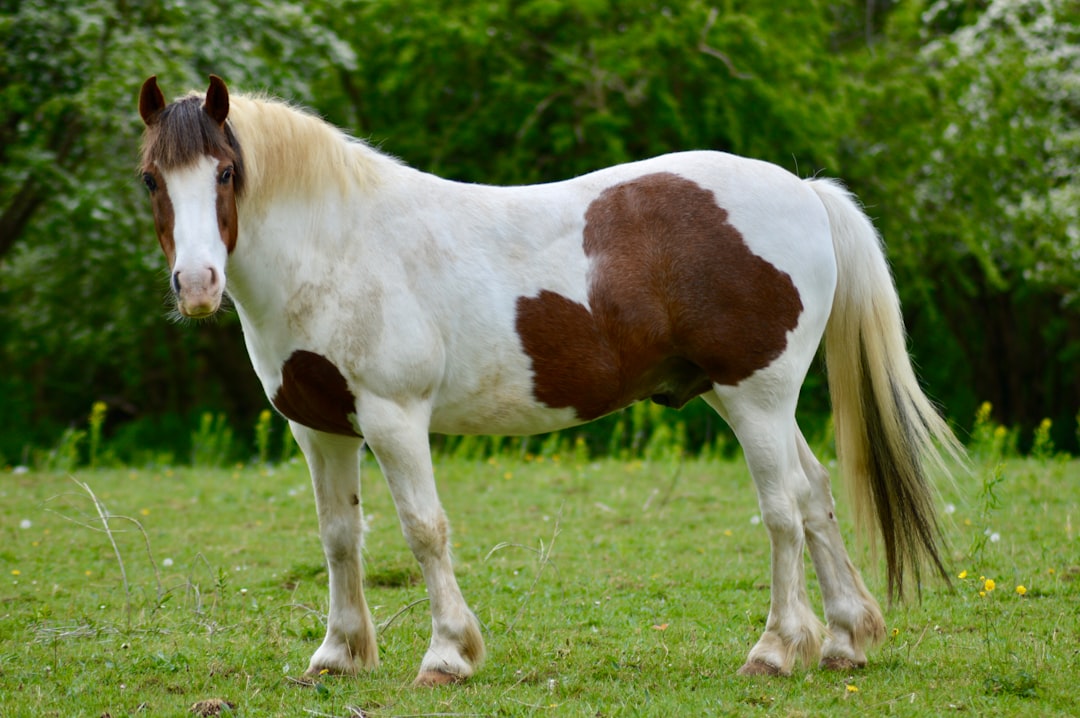
Changes in growth of the hoof wall and hoof morphology occur in response to regular periods of trotting exercise in Standardbreds, creating unique wear patterns that challenge farriers. These harness racing athletes put tremendous stress on their feet in a very specific way, leading to predictable but difficult-to-manage problems.
The repetitive nature of harness racing, combined with the breed’s conformation, creates ongoing challenges for hoof care professionals. Unlike Thoroughbreds who face varied terrain and gaits, Standardbreds spend most of their athletic careers moving in one specific pattern, leading to uneven development and specialized maintenance needs.
#11 Miniature Horses – Tiny Hooves, Big Headaches
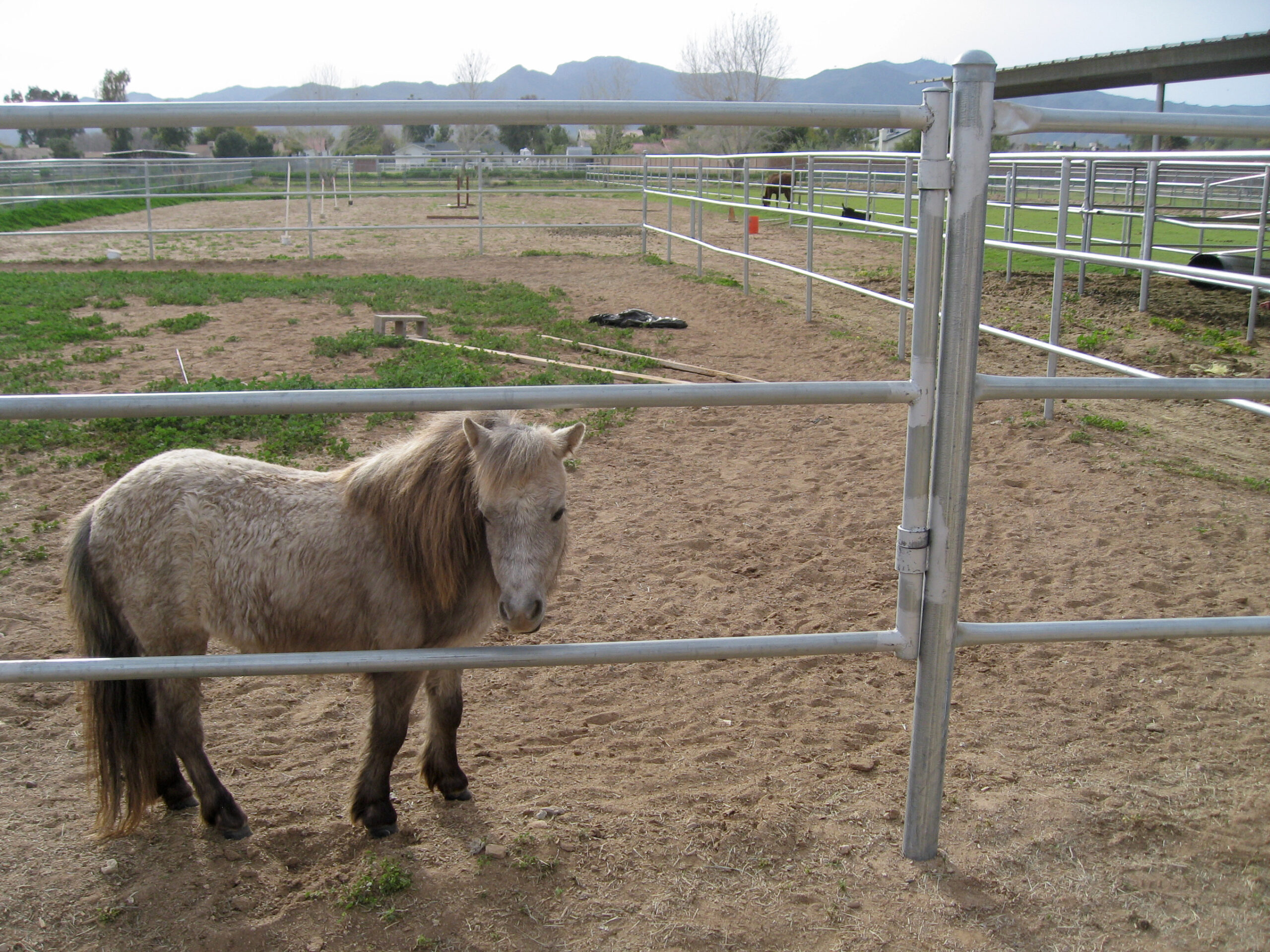
Intensive inbreeding to reduce body size and refine the head from a large draft type to a light horse type has led to an increased incidence of dental problems, and teeth diminish in size more slowly than the jaws. This same principle applies to their hooves – they’re dealing with proportionally large hoof care needs in impossibly small packages.
Farriers working with miniatures face the challenge of performing precise work on hooves that are sometimes smaller than their tools. The breed’s genetic bottleneck has created numerous health issues, and their tiny hooves often reflect these broader problems, requiring specialized techniques and incredible patience.
#10 Clydesdales – When Feathers Hide Problems
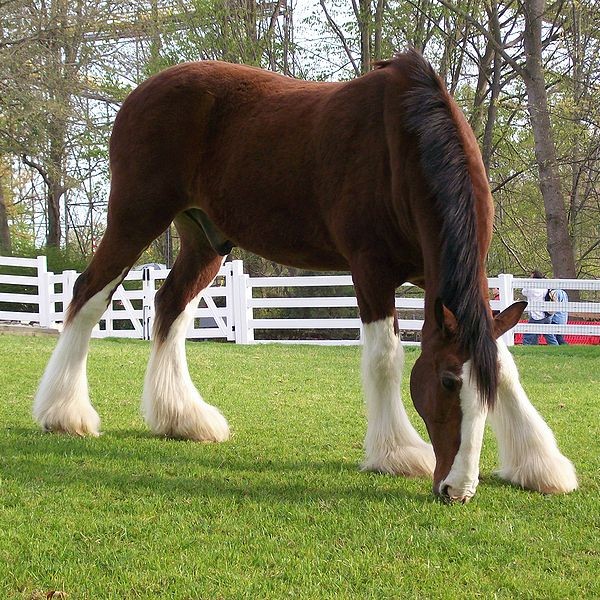
Chronic Progressive Lymphedema leads to swelling, hyperkeratosis, and fibrosis of the lower limbs, and Shires, Clydesdales and Belgians are affected. Those beautiful feathered legs that make Clydesdales so recognizable also hide serious medical conditions that directly impact hoof health.
The breed’s predisposition to lymphatic problems creates a challenging environment for maintaining healthy hooves. When circulation is compromised and swelling becomes chronic, farriers must work around these issues while trying to maintain proper hoof balance and health – often an uphill battle.
#9 Shires – Giants with Fragile Feet
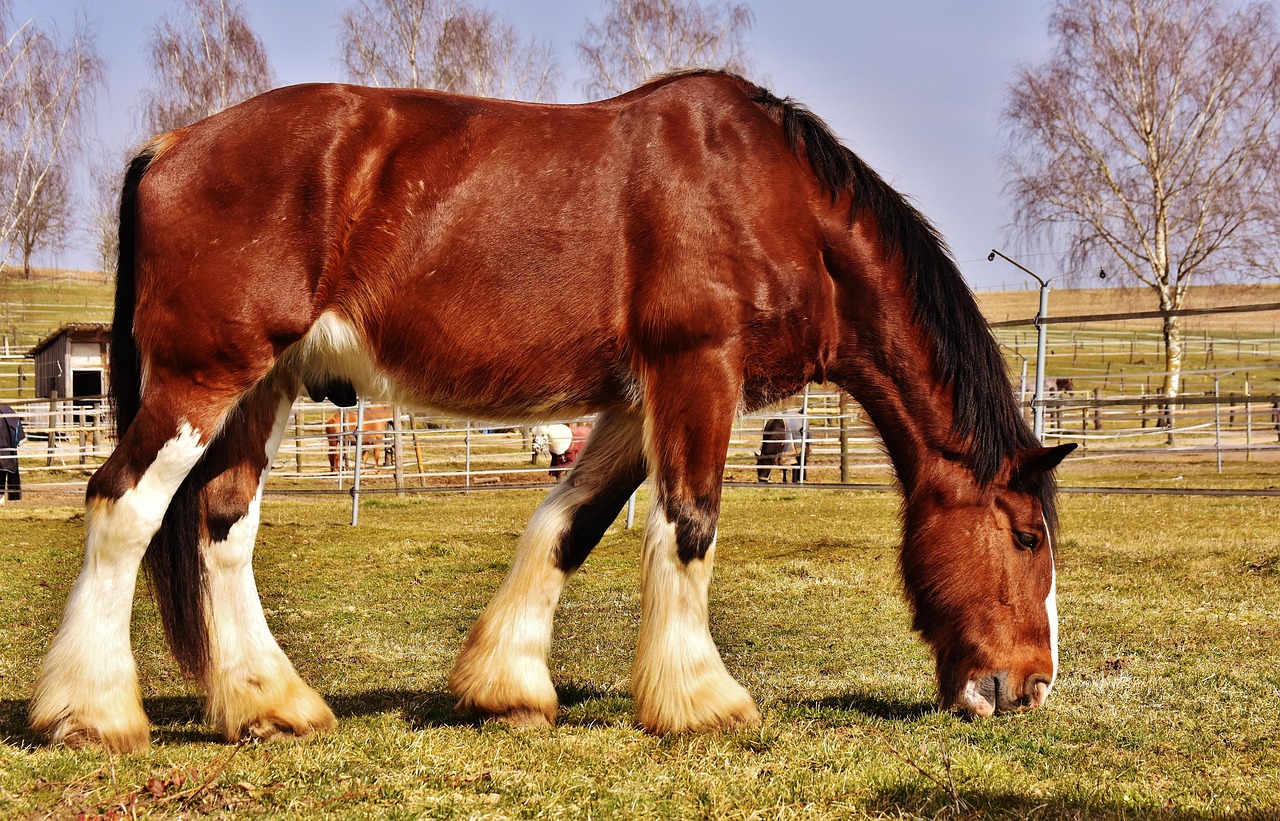
As one of the largest horse breeds, Shires face many of the same challenges as other draft horses, but amplified by their sheer size. Symptoms include difficulty picking up the hind feet to clean the hooves or to be shod, and most owners recognize problems when they try to work with the hind feet due to conditions like Shivers that commonly affect draft breeds.
The combination of massive weight, genetic predispositions to lymphatic problems, and the practical challenges of working on such large animals makes Shires particularly demanding for farriers. Their feet may be proportionally large, but the stresses placed on them are enormous, requiring specialized techniques and equipment.
#8 Belgians – Heavy Horses, Heavy Problems
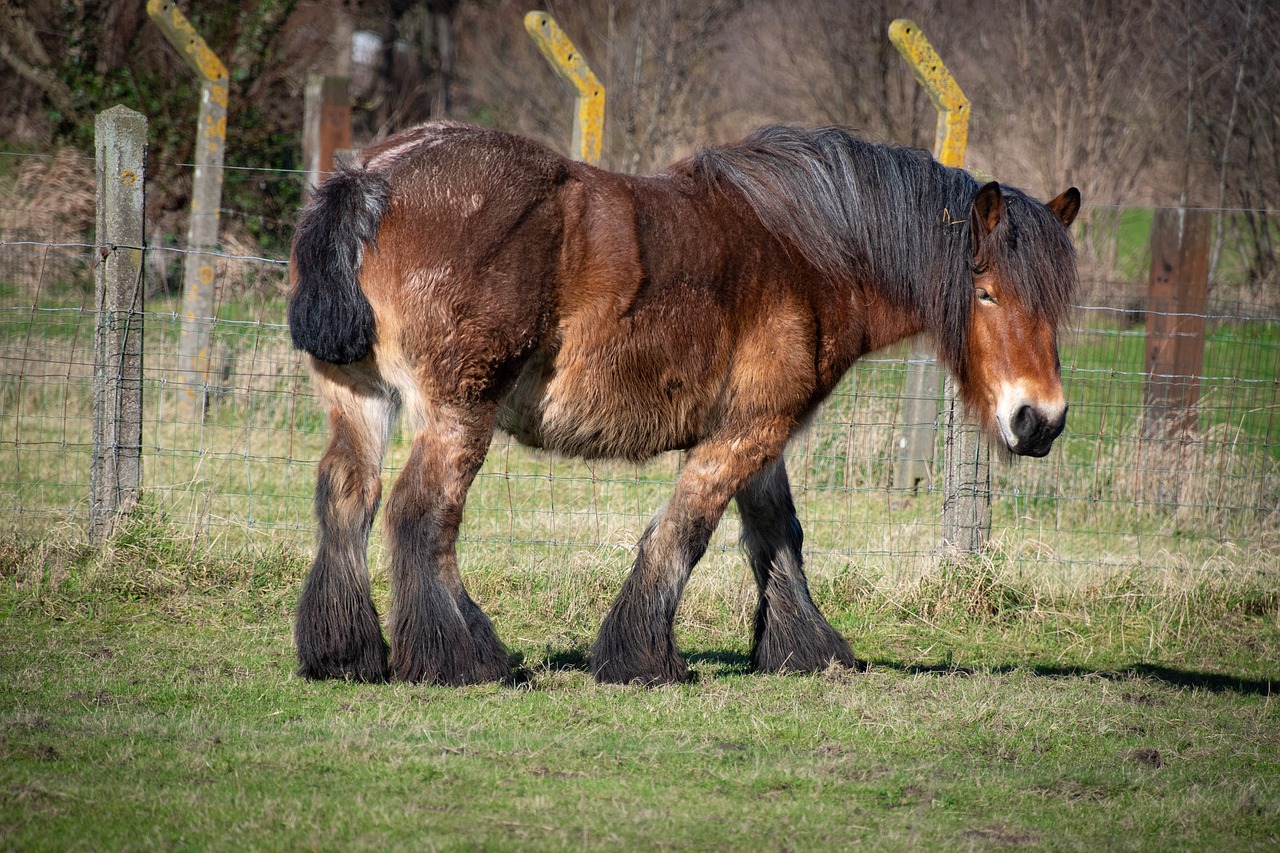
Belgian draft horses share many of the same issues as other draft breeds but often present unique challenges due to their specific conformation and genetic background. Their typically broader build can create different pressure distribution patterns that affect hoof wear and development.
The most common cause of foot lameness in draft horses is subsolar abscess, and the high incidence can be related to several factors. Belgians, with their heavy work history and modern breeding practices, are particularly susceptible to these painful infections that can sideline even the gentlest giants.
#7 Percherons – French Elegance Meets Hoof Reality
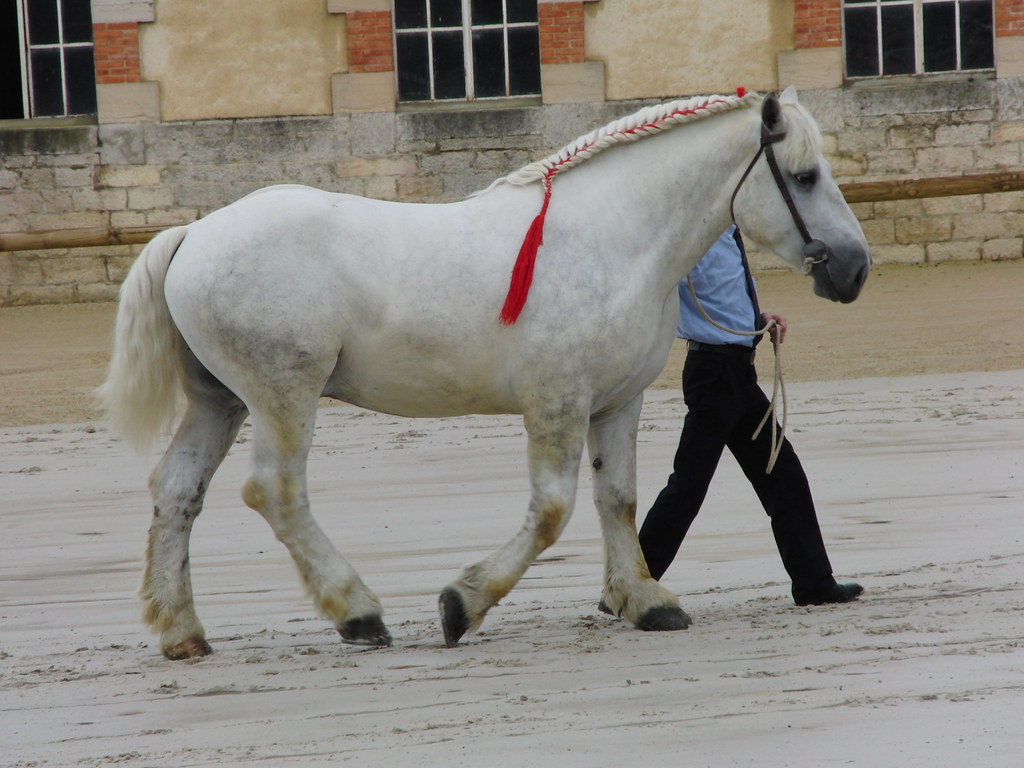
Percherons combine the size challenges of draft horses with their own unique genetic predispositions. Their slightly more refined build compared to other drafts doesn’t necessarily translate to fewer hoof problems – sometimes it creates different ones. The breed’s history of crossing with lighter horses has created some individuals with mismatched proportions.
These horses often present farriers with the challenge of managing draft horse-sized bodies on feet that may be slightly more refined than their Shire or Clydesdale counterparts. This can lead to increased stress and wear patterns that require careful management to prevent lameness.
#6 Mustangs – Wild Heritage, Domestic Challenges

Wild horses develop incredibly strong, healthy hooves through constant movement over varied terrain, but domesticated Mustangs often lose these advantages quickly. Once removed from their natural environment, these horses can develop hoof problems just as quickly as any domestic breed, sometimes more so due to the dramatic lifestyle change.
Farriers working with Mustangs often face the challenge of horses who have never had their feet handled, combined with hooves that may have developed unusual wear patterns or adaptations from their wild life. The transition to domestic life can create stress that manifests in their feet, requiring patient, skilled care.
#5 Hackneys – High-Stepping Into Trouble
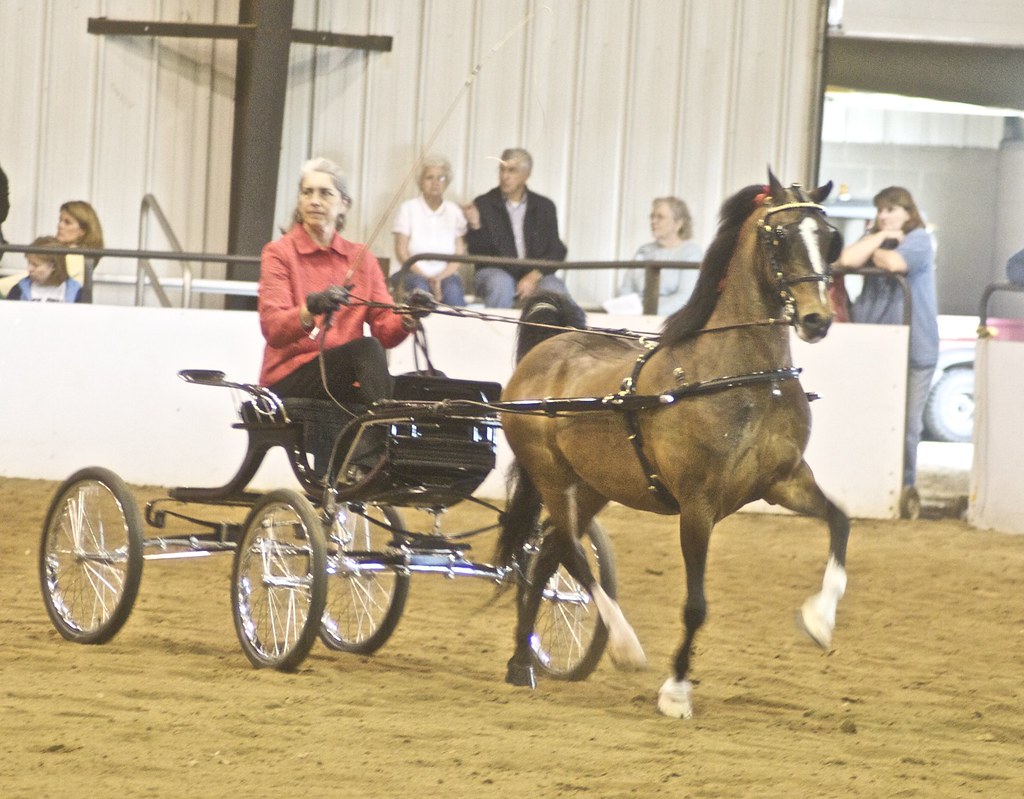
The American Saddlebred Horse, Hackney Horses, and Hackney Ponies show similar exaggerated gaits, and long hoofs and weighted shoes are used to promote this gait. The artificial enhancement required for their spectacular action creates ongoing challenges for hoof health that farriers must constantly manage.
The breed’s natural high-stepping action, while beautiful, places unusual stresses on their feet. When combined with show requirements for enhanced action, Hackneys often develop problems related to unnatural hoof angles and pressure distribution that require specialized farrier expertise.
#4 Quarter Horses – America’s Versatile Problem
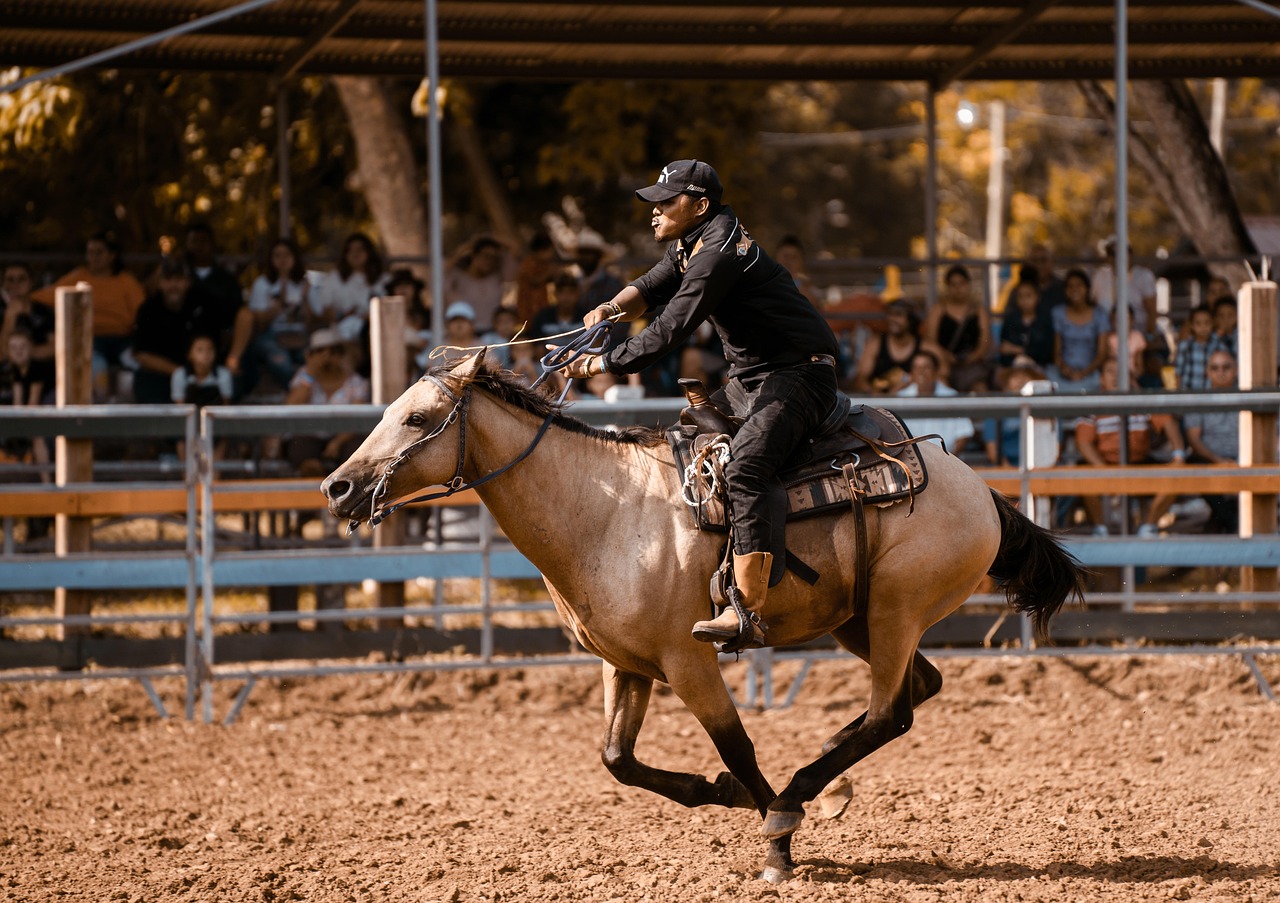
While Quarter Horses are generally known for good feet, certain bloodlines and disciplines create specific challenges for farriers. The breed’s versatility means they’re used for everything from barrel racing to cutting, creating diverse and sometimes conflicting demands on their hooves.
Modern Quarter Horse breeding has sometimes prioritized specific performance traits over hoof quality, leading to some lines with weaker horn or structural issues. The breed’s popularity also means farriers see a wide range of quality and care levels, from meticulously maintained performance horses to neglected pasture pets.
#3 Appaloosas – Spots and Soft Soles
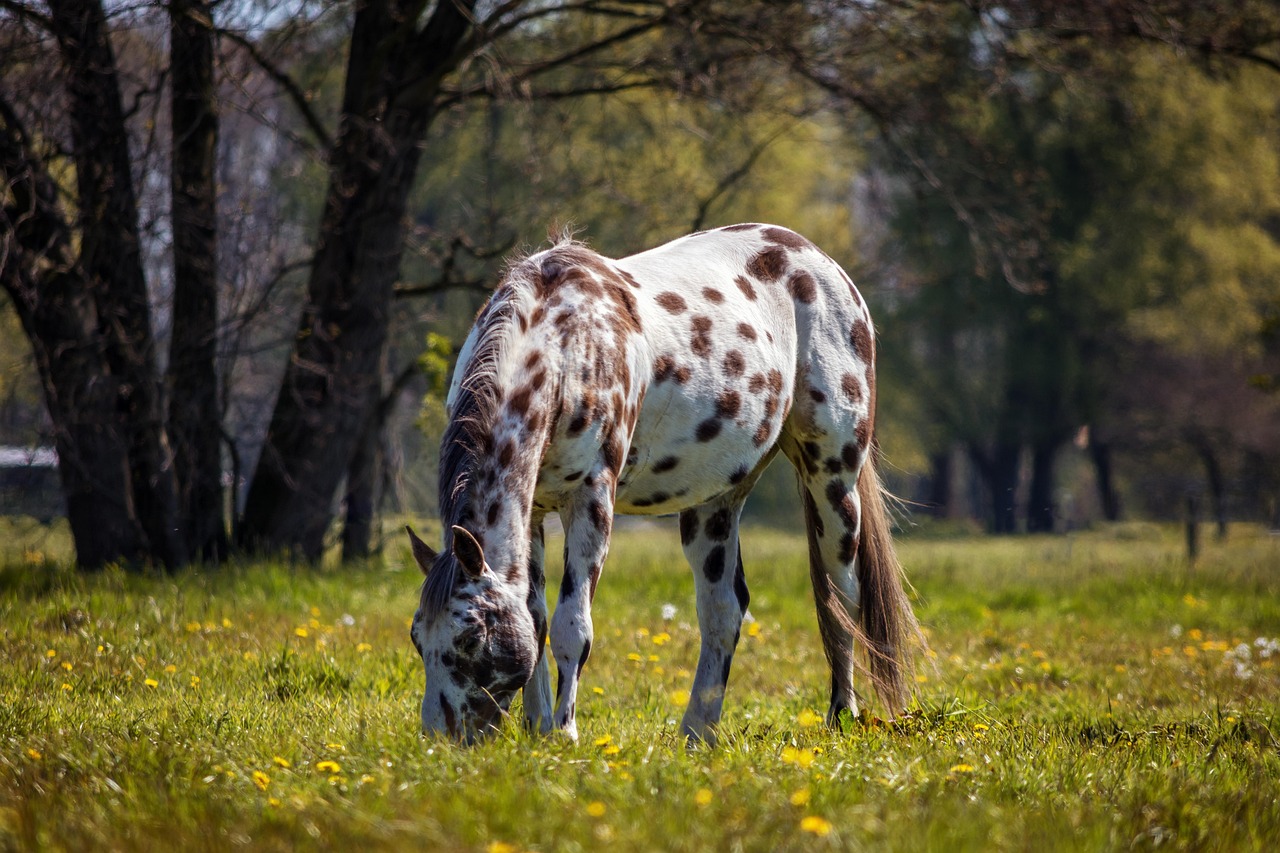
Appaloosas often present farriers with challenges related to their genetic heritage, which includes Arabian influence. Some lines tend toward softer horn quality, making them more susceptible to bruising and abscesses. The breed’s diverse background has created inconsistency in hoof quality that can be unpredictable.
The spotted horses also have a higher incidence of certain genetic conditions that can indirectly affect hoof health. Their unique coat patterns are linked to genetic factors that sometimes influence other aspects of their physiology, including hoof structure and quality.
#2 Morgans – Compact Challenges
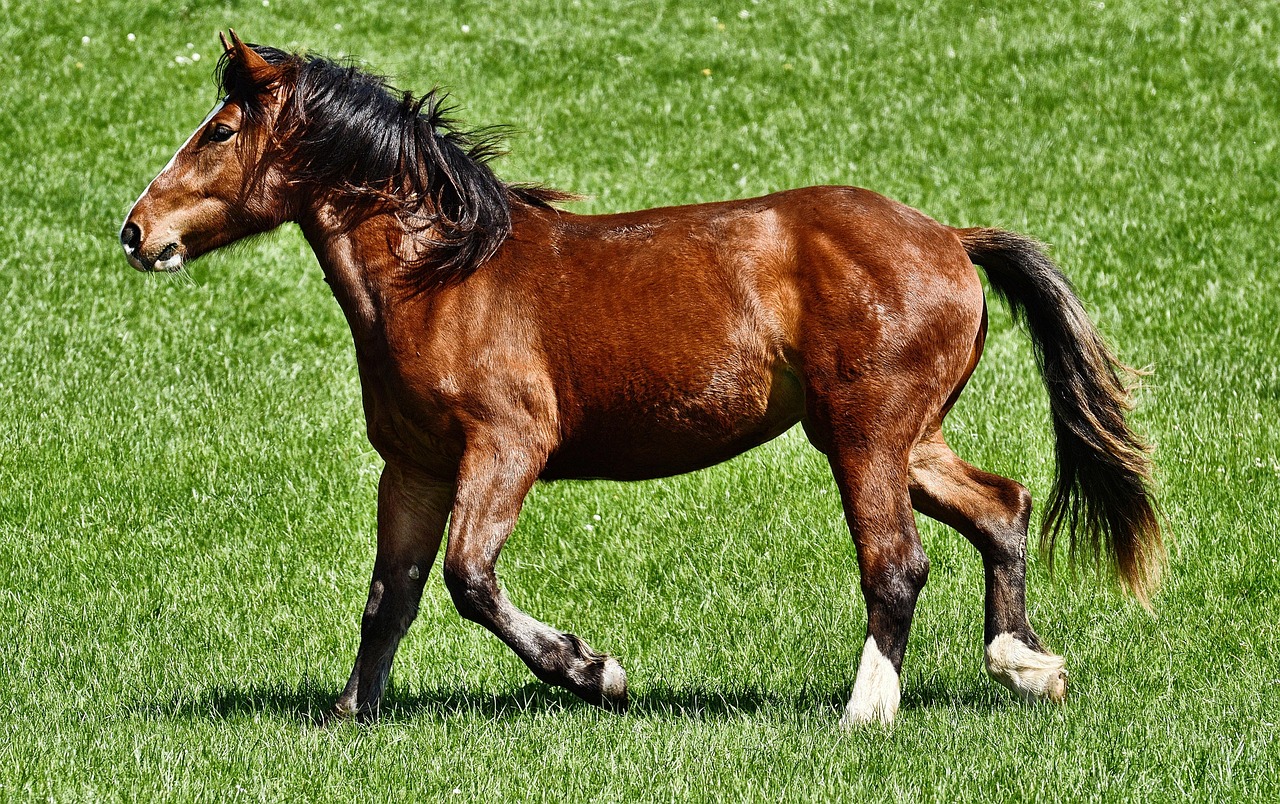
While Morgans are generally hardy horses, their compact build can sometimes create unique pressure distribution issues. The breed’s naturally upright conformation can lead to specific hoof angle challenges that require careful management to prevent problems like navicular disease.
Farriers working with Morgans often need to pay special attention to heel support and breakover to accommodate the breed’s natural way of moving. Their historical use as versatile working horses means they need to be able to handle diverse demands, which requires expert hoof care to maintain soundness across various activities.
#1 Paint Horses – Pretty Problems
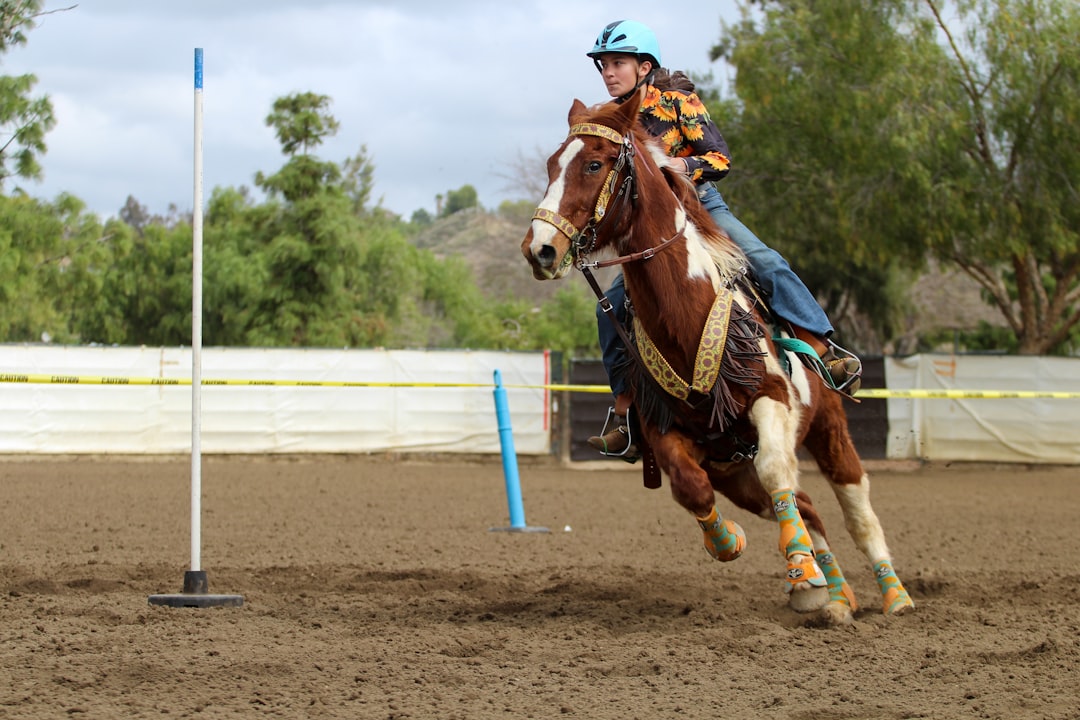
Paint Horses, sharing much of their genetic background with Quarter Horses, face similar challenges but with some unique twists. Certain Paint bloodlines have specific conformational traits that can create hoof balance issues, particularly in horses with extreme color patterns that may be linked to other genetic factors.
The breed’s popularity in western performance events creates demands similar to those faced by Quarter Horses, but Paints sometimes present farriers with additional challenges related to their diverse genetic background and the structural variations that come with their colorful coats.
Conclusion
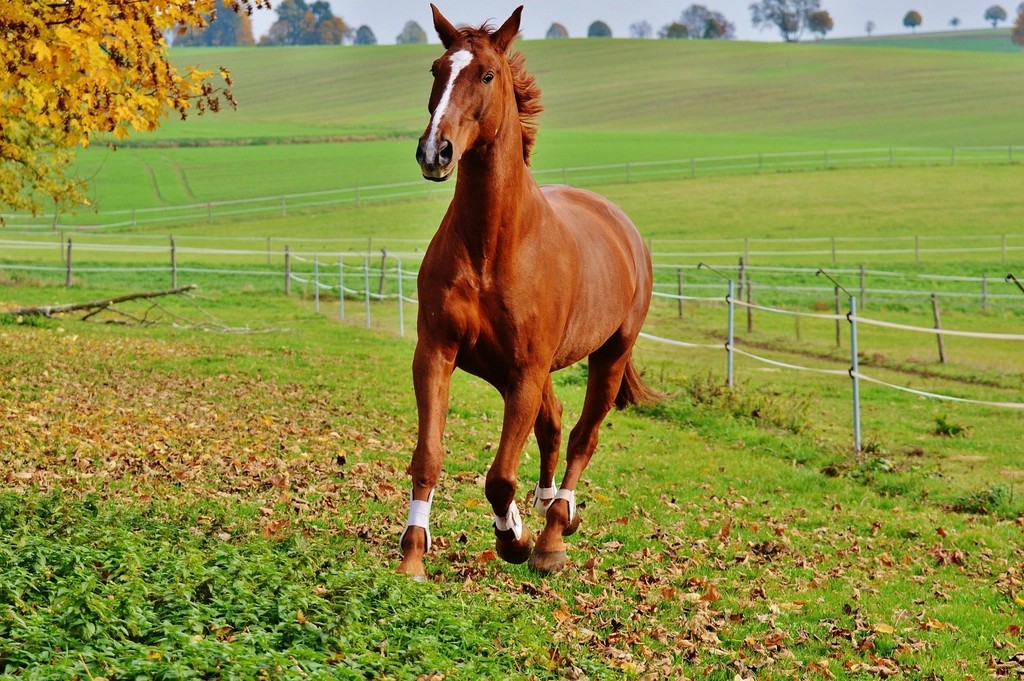
The relationship between horse breeds and hoof problems isn’t just about genetics – it’s about the intersection of breeding goals, intended use, and basic physics. Farriers who work with these challenging breeds develop specialized skills and often charge accordingly for their expertise. Understanding these breed-specific challenges helps horse owners make informed decisions about the care their animals need.
Remember, even the most challenging breeds can have excellent hooves with proper care, nutrition, and expert farriery. The key is finding professionals who understand your breed’s specific needs and working with them consistently to prevent problems before they start. After all, as any farrier will tell you, prevention is always easier than cure when it comes to hoof health. What breed surprised you most on this list?
