

Worried about unexpected vet bills?
Pet insurance can cover thousands in unexpected vet costs. Get a free quote from Lemonade in under 2 minutes.
Get My Free Quote →Sponsored · Opens Lemonade.com
Picture this: you’re scrolling social media, heartstrings tugged by a video of a shivering puppy pulled from a ditch. You donate on impulse, feeling like a hero. Yet, what if that “rescue” is just a scam preying on your love for animals?
These frauds are everywhere now, raking in cash while animals suffer. Spotting them saves lives and your wallet. Let’s uncover the top red flags.[1][2]
No Verifiable Nonprofit Status
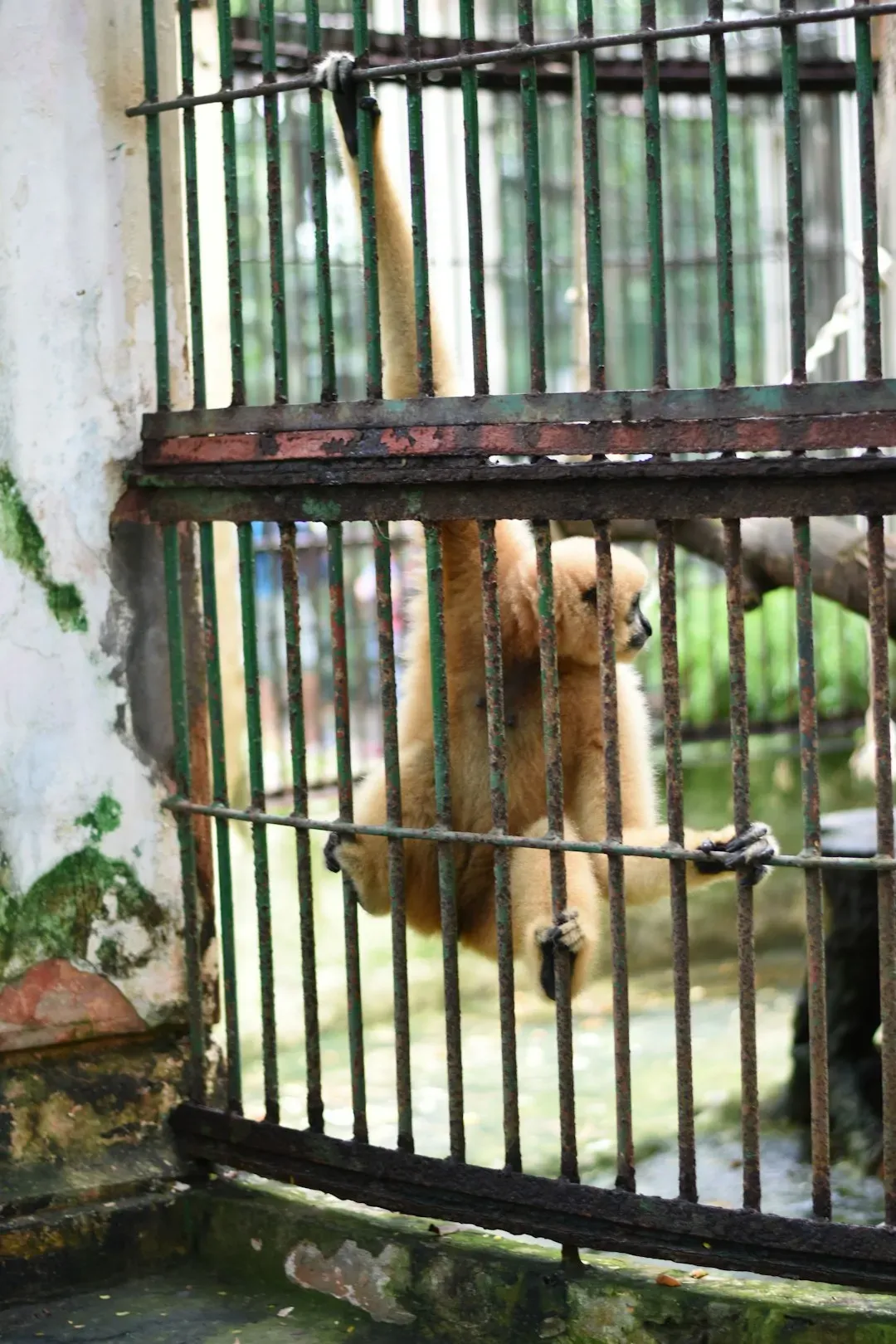
Legit shelters proudly share their 501(c)(3) paperwork or IRS exemption letters. Fraudsters dodge this, claiming privacy or busyness. Check sites like GuideStar yourself; if nothing pops up, walk away.[3]
Here’s the thing: real nonprofits must disclose finances publicly. Endless excuses mean endless suspicion. I once skipped a “rescue” that vanished from searches – smart move.[4]
Facilities Hidden from View

True shelters invite visits to see clean kennels and happy pets. Scammers invent stories like “foster-only” or “quarantine” to block you. Demand a tour; refusal screams trouble.[3]
Think about it. Filthy hoarding spots stay secret for a reason. Healthy animals don’t hide in shadows.[4]
No Real Adoption Screening
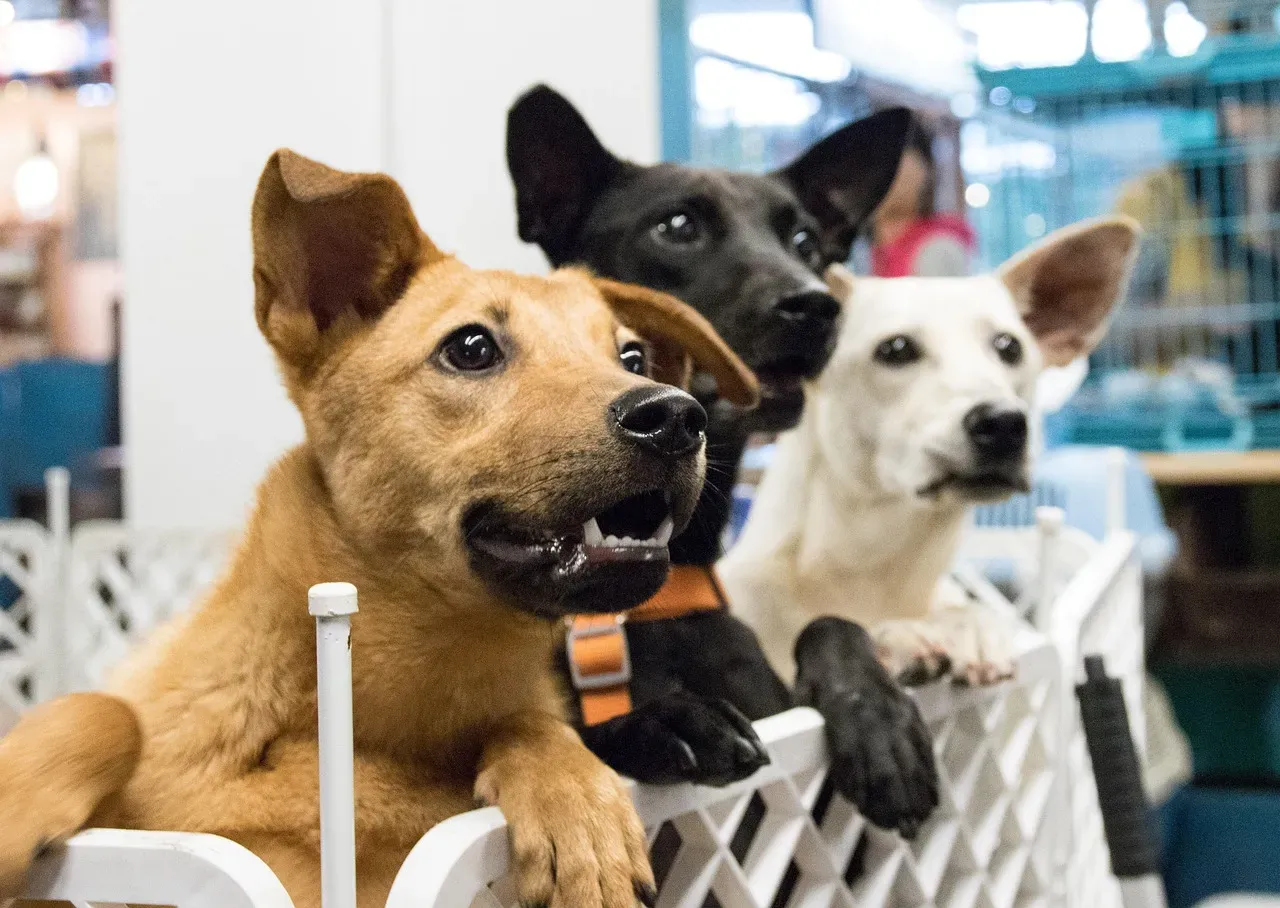
Expect applications, home checks, and contracts from ethical groups. Fakes rush you with cash grabs, no questions asked. That’s brokering, not rescuing.[4]
They skip vetting to flip animals fast. Your family deserves better than impulse placements doomed to fail. Probe their process early.[3]
Local rescuers know each other. If pros haven’t heard of them, neither should you trust them.
Missing Follow-Up Stories
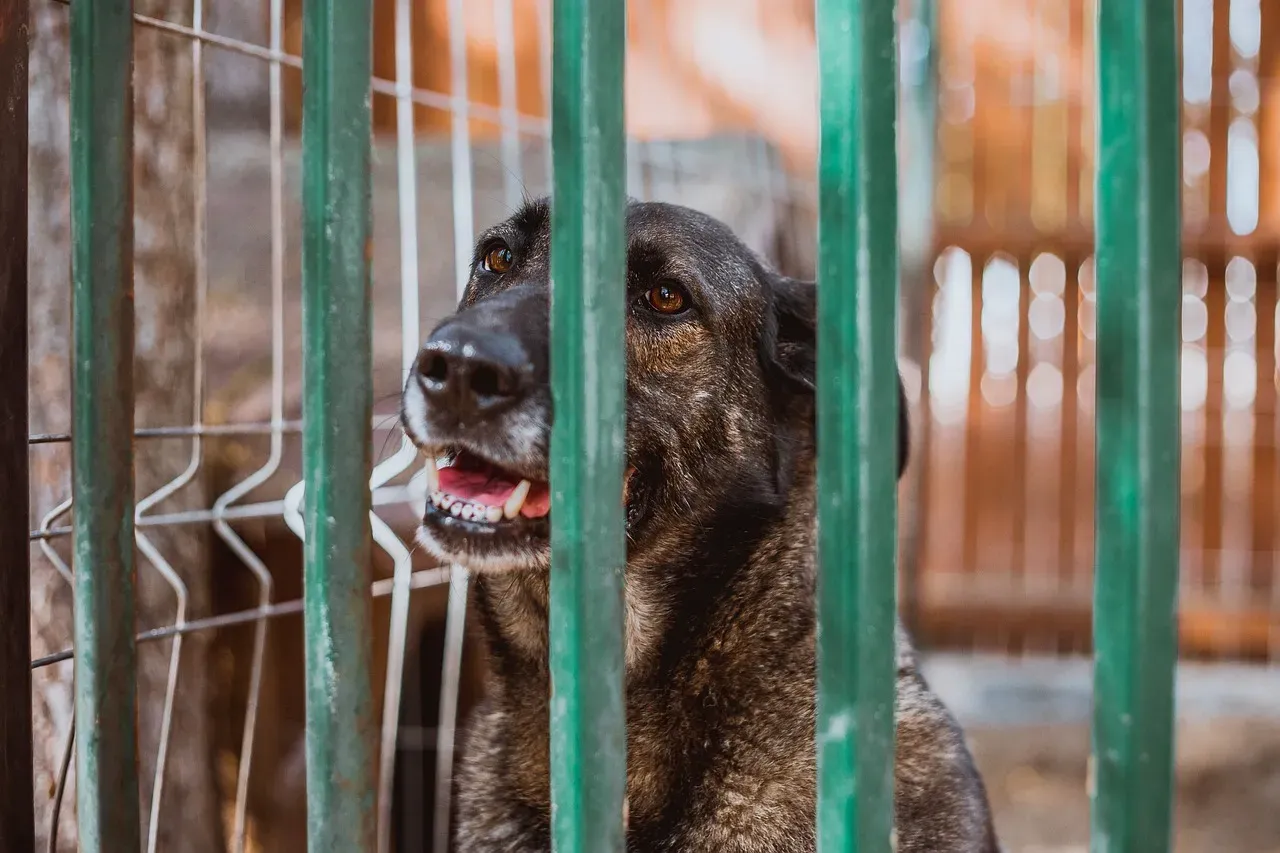
Great shelters post updates: vet visits, adoptions, family pics. Scams drop animals post-“rescue” video, no trace. Where’d that dramatic pup end up?[1]
No photos from new homes? Suspicious. Real success stories build trust and donors.
Constant Cash Cries

Always “broke,” begging for personal bills? Legit ops fundraise smartly, not desperately. Animals suffer when cash vanishes unexplained.[4]
It’s heartbreaking. Pledges promised for surgery buy nothing. Verify spending before giving.[1]
Shoddy Vet Records
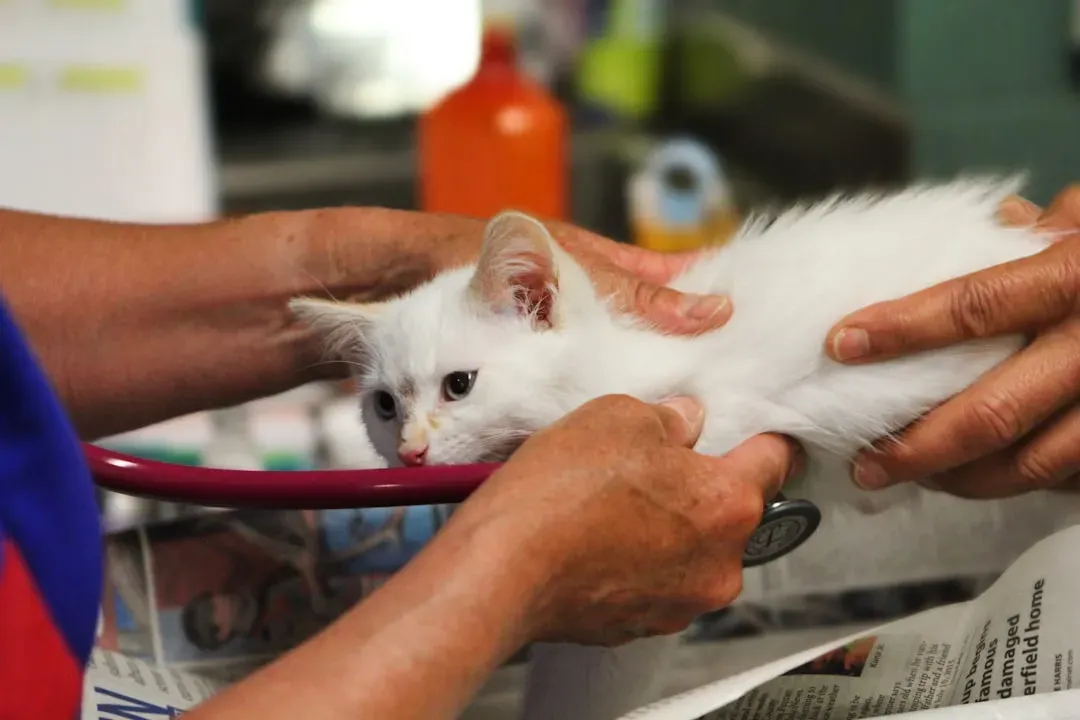
Ask for health certs, vaccines, spay/neuter proof. Fakes mumble or promise later. Comprehensive exams catch parvo or heartworm early.[3]
Pay vets directly if allowed. Dodging? They’re cutting corners, risking lives.
Mystery Animal Origins
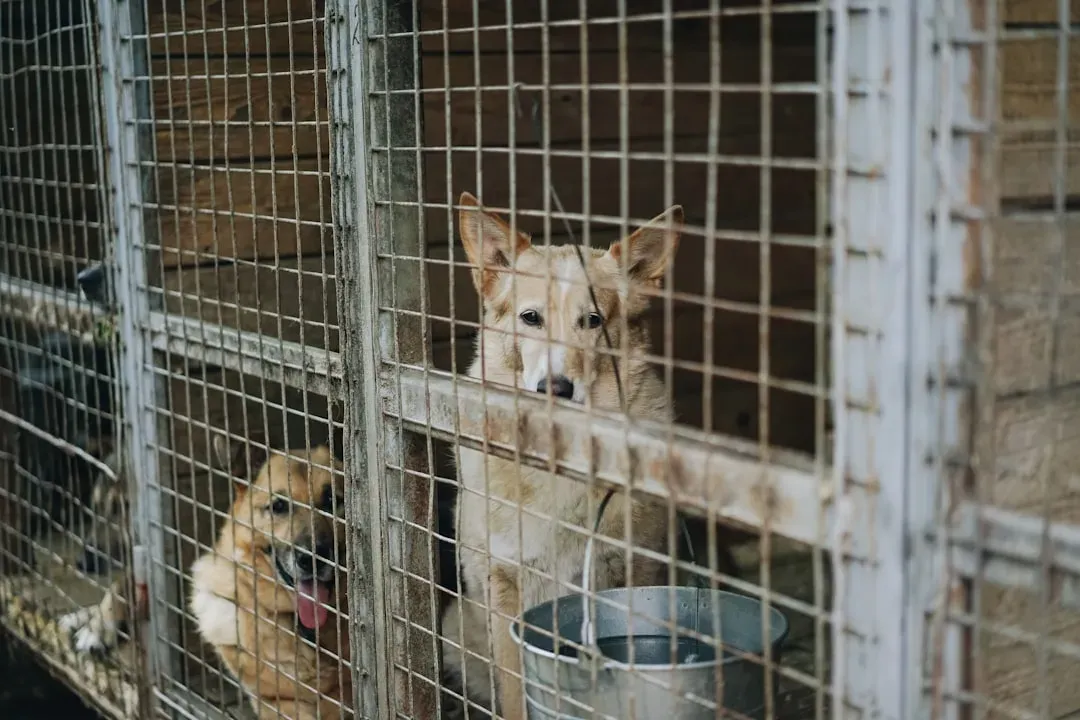
Transparent sources: local strays, transfers with papers. Scams source far away, auction buys, or puppy mills. Why skip local help?[4]
Documentation gaps hide abuse. Press for details; silence seals the deal.
Sky-High or Weird Fees

Fees cover care, around $150-400 typically. Purebred puppy premiums at “rescues”? Smells like resale racket.[3]
They hit high-pledge animals hard. Compare locally; outliers deceive.
Unknown in the Community
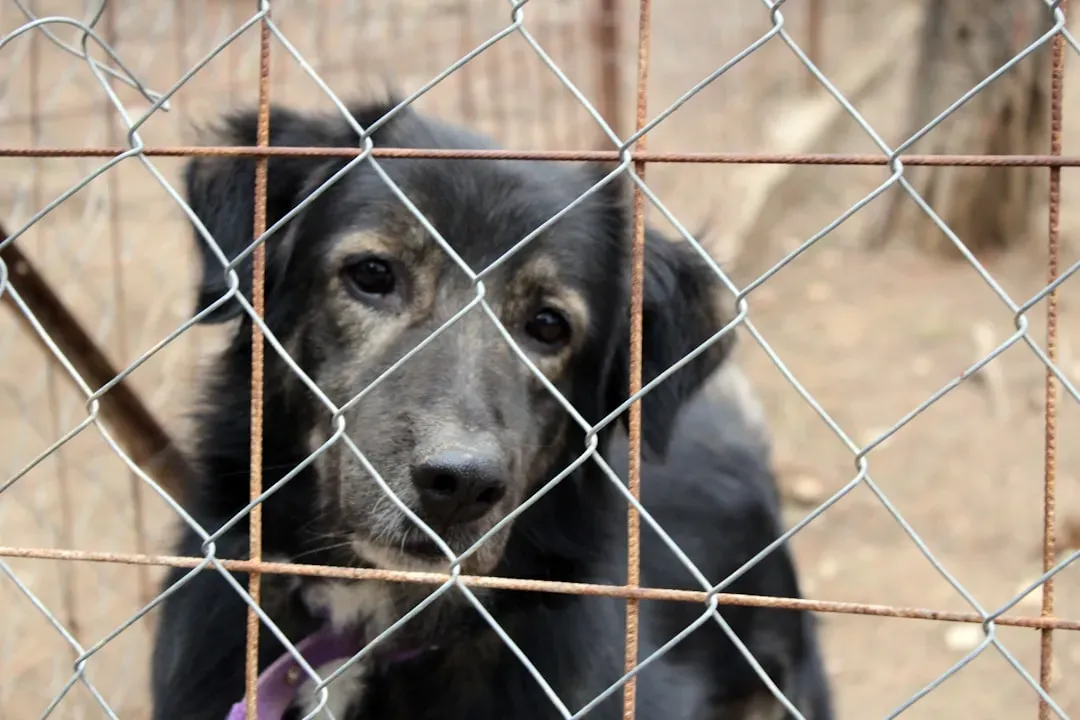
Real shelters network, host events, use fosters. Ghosts? No local rep, no events. Check with vets or neighbors.[4]
Invisibility breeds fraud. Support visible heroes instead.
Dodges or Attacks Questions
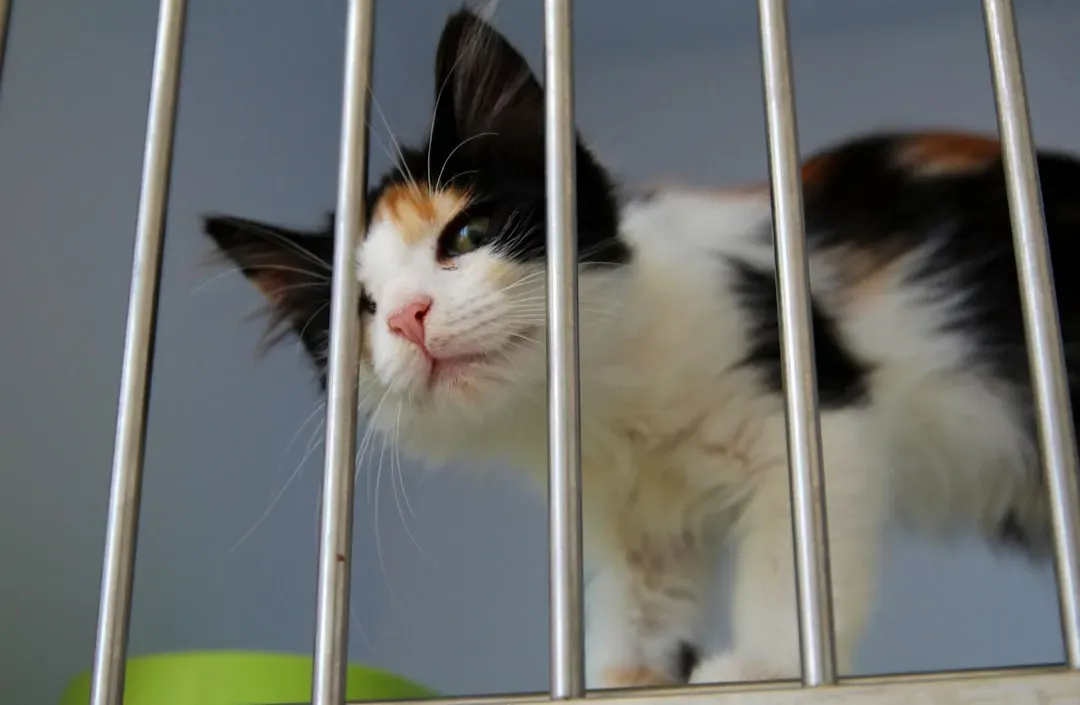
Ask basics; pros answer proudly. Fakes lash out or ghost. That’s deflection, not defense.[4]
Questions protect pups. Their rage exposes the con. Trust your gut here.
Protecting Paws: Your Action Plan

Armed with these signs, channel your compassion wisely. Verify, visit, question relentlessly. Real shelters thrive on scrutiny; fakes crumble.
Next time a sob story tugs, pause and probe. What’s one step you’ll take today to spot the real deal? Share below.
Worried about unexpected vet bills?
Pet insurance can cover thousands in unexpected vet costs. Get a free quote from Lemonade in under 2 minutes.
Get My Free Quote →Sponsored · Opens Lemonade.com
