
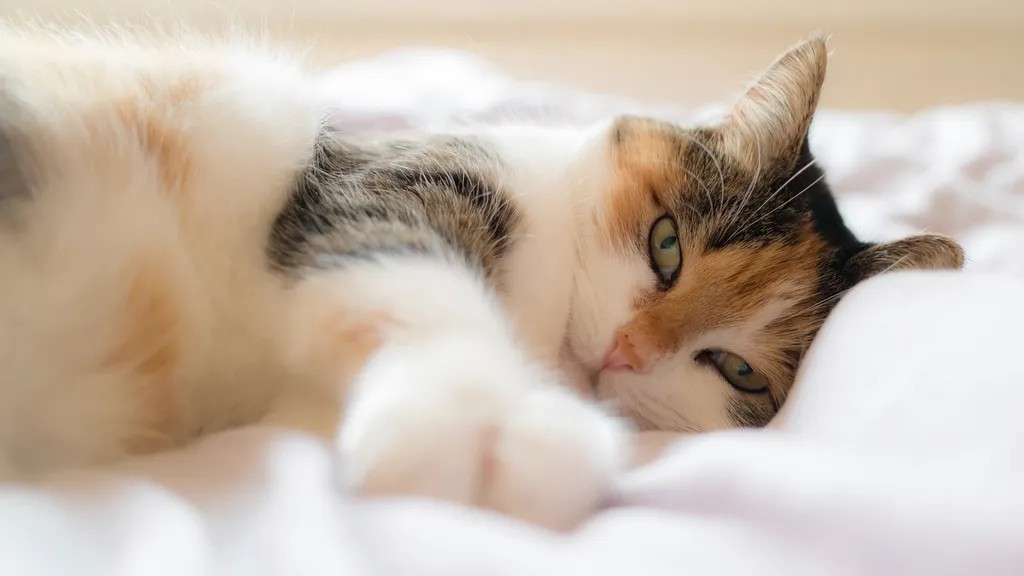
1. They Sleep in Open, Vulnerable Positions
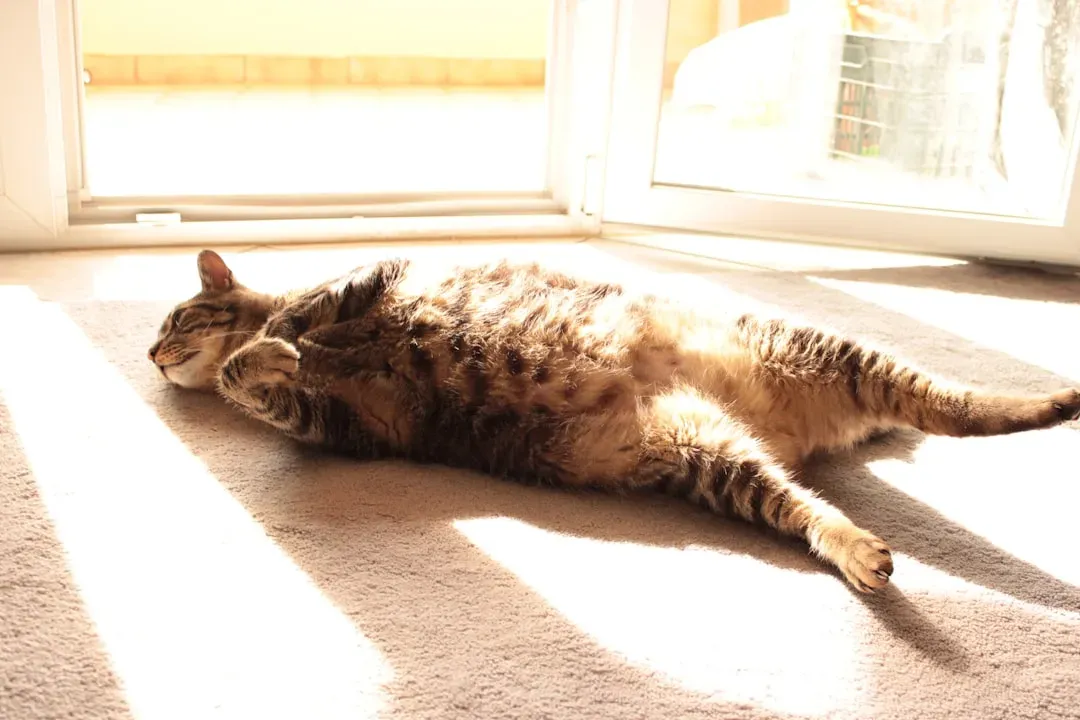
One of the most reliable indicators that your cat considers your home safe territory is simply how they sleep. Cats that are nervous, anxious, or afraid of predators often hide or seek out secure spots when it’s time to sleep. In contrast, a cat that feels safe and comfortable in their home will confidently sleep in vulnerable positions, like lying in the middle of the living room with their belly fully exposed.
This behavior carries real biological weight. When your furry feline curls up next to you, they’re showing the ultimate trust in you. Sleep is when cats are most vulnerable, so if they choose to snooze near you, it means they feel totally safe and secure in your presence.
Cats only sleep openly when they feel safe from threats. Curled-up or stretched-out sleeping positions both indicate relaxation. The fact that your cat chooses the center of the sofa over a hidden closet shelf says everything about how they perceive your shared space.
2. They Slow Blink at You
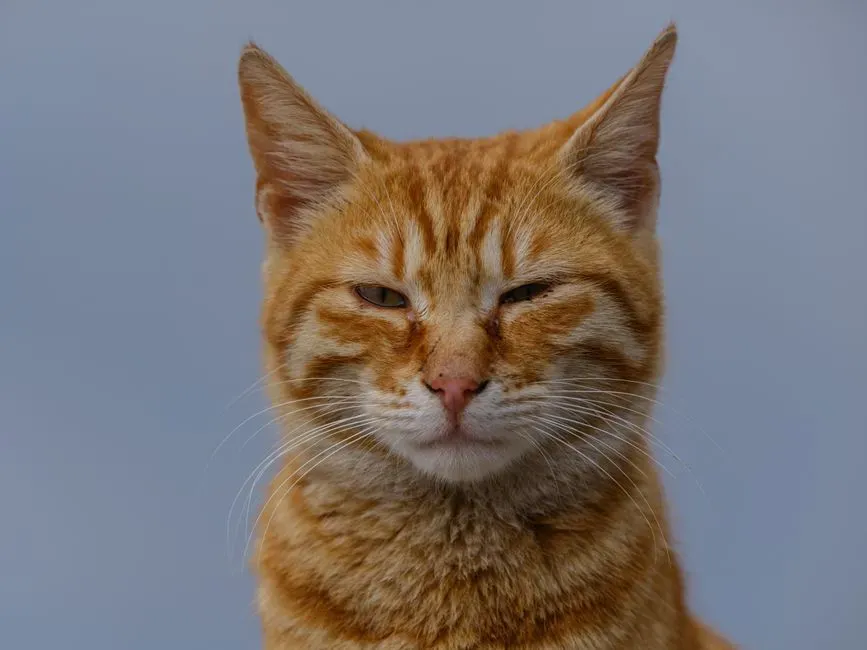
Few behaviors in the cat-human relationship are as quietly meaningful as the slow blink. Scientists have studied this behavior extensively – it’s called the slow blink sequence, and it typically involves a series of half-blinks followed by either a prolonged eye narrowing or a full eye closure. In a landmark study, cat half-blinks and eye narrowing occurred more frequently in response to owners’ slow blink stimuli toward their cats.
One sign your cat feels safe is when they slow blink, which is a signal of trust. “When a cat deliberately closes their eyes around someone, they are temporarily reducing their awareness of the environment.” Because cats are naturally cautious animals, this action suggests they feel comfortable enough to let their guard down in your presence.
When your cat looks at you and slowly closes their eyes, it’s a sign of trust and relaxation. In the wild, closing their eyes would make them vulnerable, so doing this around you means they feel safe. Try returning the gesture. It genuinely strengthens the exchange.
3. They Knead on You or on Soft Surfaces
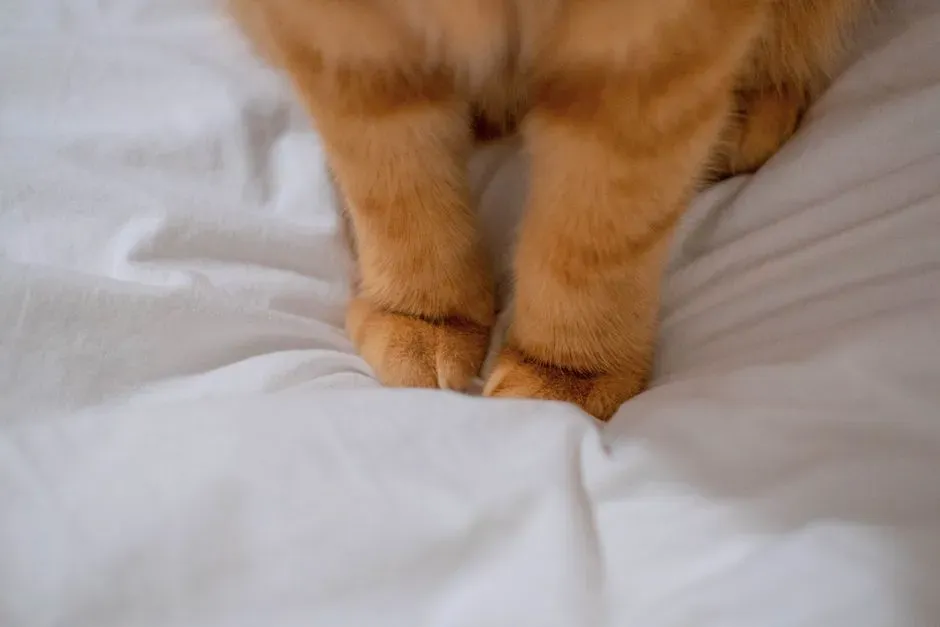
You’ve probably seen your cat pushing their paws in and out on a blanket or your lap. That’s called kneading or making biscuits. Kittens do this when nursing to help get more milk from their mom. When grown cats knead, it usually means they feel super safe and relaxed around you.
The behavior carries emotional memory with it. When your cat kneads and purrs, it’s a clear sign that they’re feeling content and secure. This behavior originates from kittenhood when nursing kittens instinctively knead their mother’s bellies to stimulate milk flow. A cat that kneads on your lap is, in a very real sense, associating you with the earliest feelings of warmth and safety they ever knew.
Kneading, often called “making biscuits,” signals comfort and contentment. When it happens regularly, in open spaces rather than hidden corners, it’s a strong marker that your home registers as core, safe territory in your cat’s mental map.
4. They Mark You and the Furniture with Scent
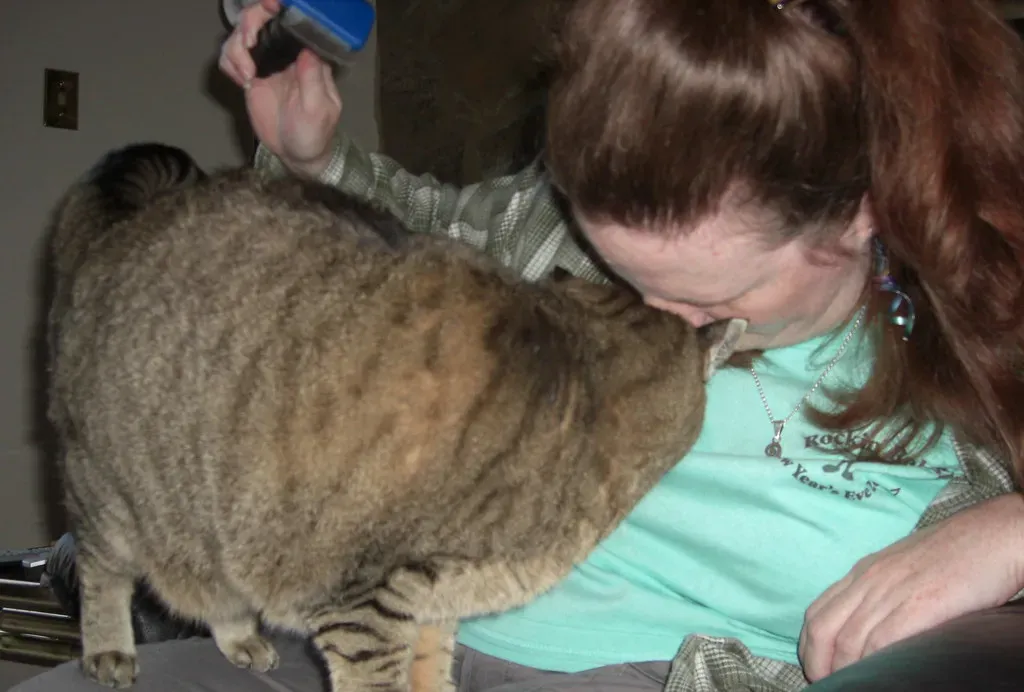
Scent marking in a relaxed, confident way is one of the clearest signs your cat has genuinely claimed your home. Your cat marks his scent by rubbing his face and body, which deposits natural pheromones to establish boundaries within which he feels safe and secure. This isn’t possessiveness in a negative sense. It’s comfort expressed chemically.
When a cat rubs their cheeks, chin, or forehead against you, they are performing a process called “bunting.” They are depositing facial pheromones that serve as a “scent mark.” By marking you, the cat is incorporating you into their “familiar” group, signaling that you are a safe, trusted part of their territory.
Scent communication happens through rubbing, headbutting, scratching, and marking territory. These behaviors help cats feel secure and familiar in their space. A cat that rubs against the couch legs, the doorframes, and your ankles is essentially writing the word “home” in a language only they can fully read.
5. They Groom Themselves or You in Your Presence
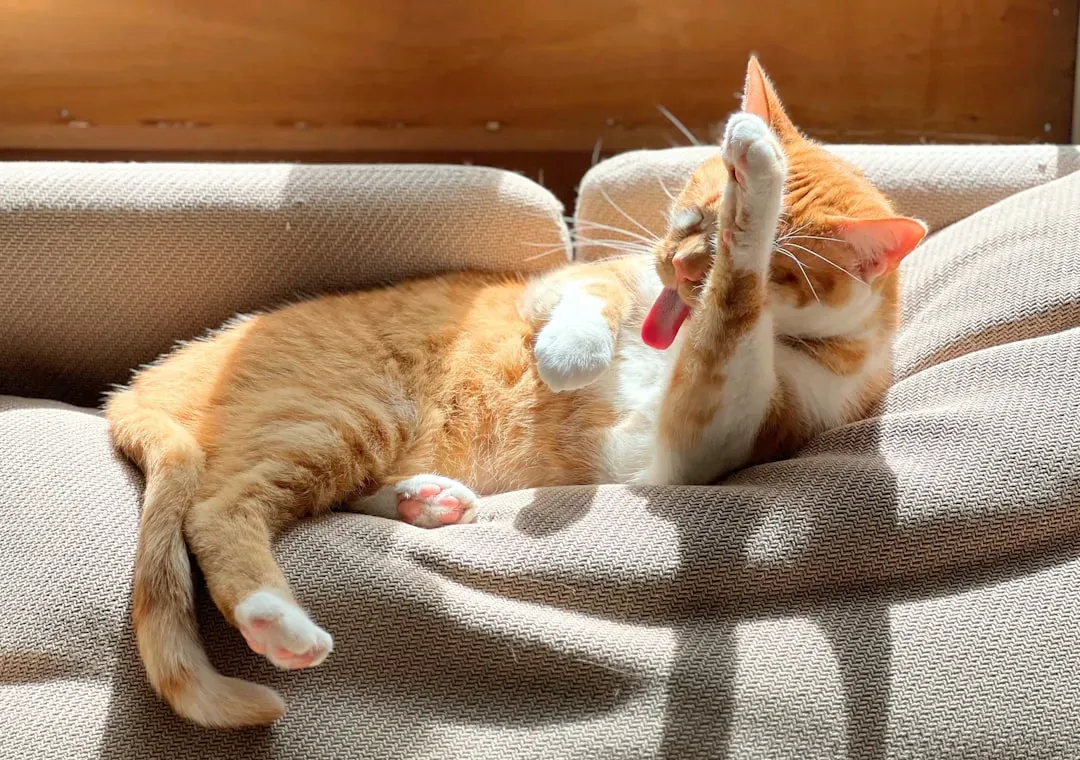
Self-grooming is a deeply vulnerable act. Grooming is deeply self-exposing behavior. An anxious or threatened cat simply will not groom. Grooming near you signals relaxation and acceptance. When a cat settles next to you, licks a paw, and begins washing their face as though you’re invisible, that’s not rudeness. It’s peace.
Grooming requires focus and leaves cats less aware of their surroundings. If your cat grooms itself around you, it’s a clear sign of trust and positive cat body language. It shows they feel secure enough not to stay on high alert.
When your cat grooms you directly, the significance deepens even further. Even more significant is when a cat grooms you directly – licking your hand, your arm, or even your hair. Licking mimics grooming within a social group, a clear bonding behavior. It shows your cat views you as family, reinforcing trust and affection.
6. They Approach You with a Raised Tail
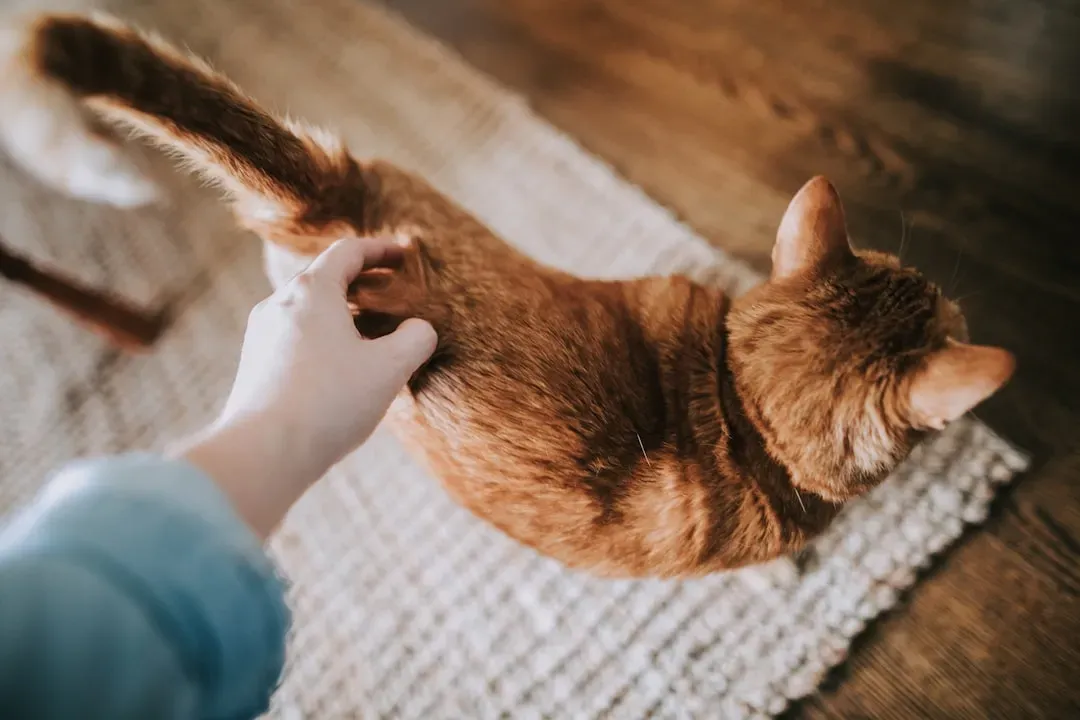
The tail is one of the most expressive parts of a cat’s body, and what it does when they walk toward you matters. A cat’s tail can say a lot. A raised tail, often with a slight curve at the tip, is one of the most obvious relaxed cat signs. It indicates confidence and friendliness. If your cat approaches you with their tail up, they’re feeling comfortable and happy.
One of the most reliable signs of a confident cat is a tail that’s lifted vertically, high in the air. Most of the time, this tail position indicates that the cat feels comfortable and open to interaction. When this happens at the door as you return home, it’s a greeting ritual born from genuine security.
Cats who are emotionally bonded with you and who trust you will often have a special way of saying hello that they reserve just for you. “If your cat comes to the door, walks towards you confidently or even raises their tail as you come home, this is a sign of safety.” That upright tail is their version of a warm welcome.
7. They Turn Their Back to You While Resting
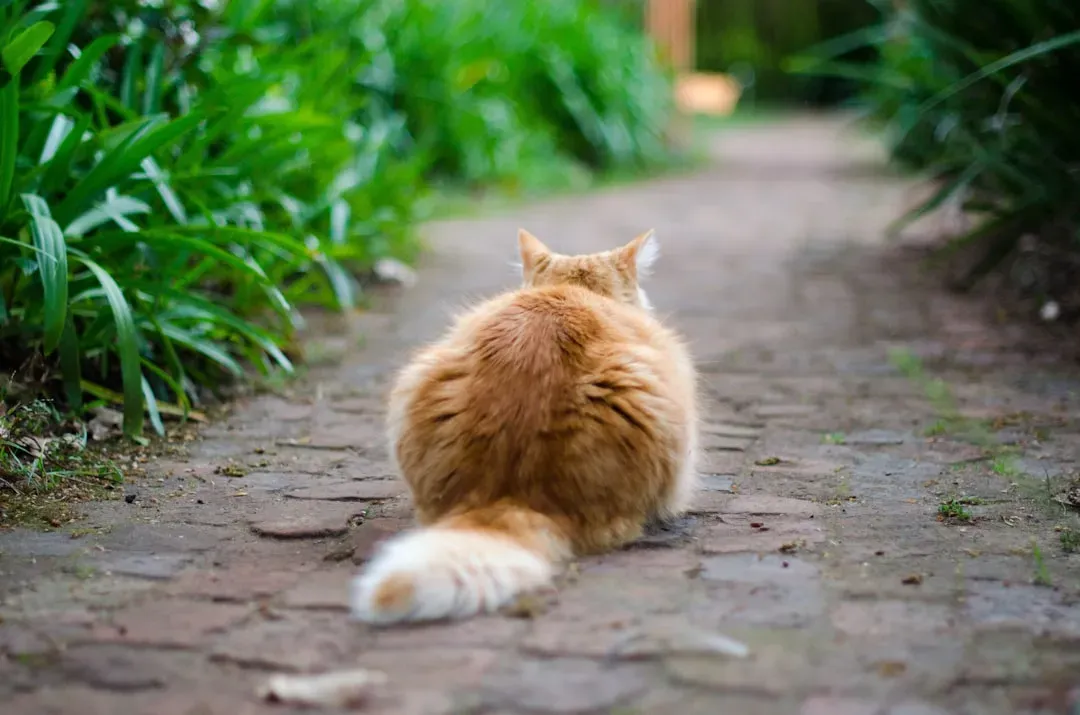
This one surprises most cat owners, but it’s actually a profound compliment. Cats don’t mistake turning their back toward you as a sign of rejection – it’s actually a compliment. “A cat who does not trust their people will not put themselves in a position to not see who is approaching.” “They are in a vulnerable state when they can’t see what’s happening behind them, but they trust you enough to turn their backs anyway.”
Even something like turning their back toward you can be an indication that they feel safe around you. It might feel like they are ignoring you, but they are also showing you that they trust you enough not to keep an eye on you all the time.
In evolutionary terms, prey awareness never fully switches off in cats. Choosing not to watch you is, biologically, a form of letting their guard down entirely. As one certified feline behaviorist explains: “A cat’s sense of safety is the foundation of their emotional well-being. Cats are both predators and prey animals, which means they are constantly assessing their environment for potential threats.” Turning away from that vigilance is real trust.
8. They Vocalize Conversationally Around You
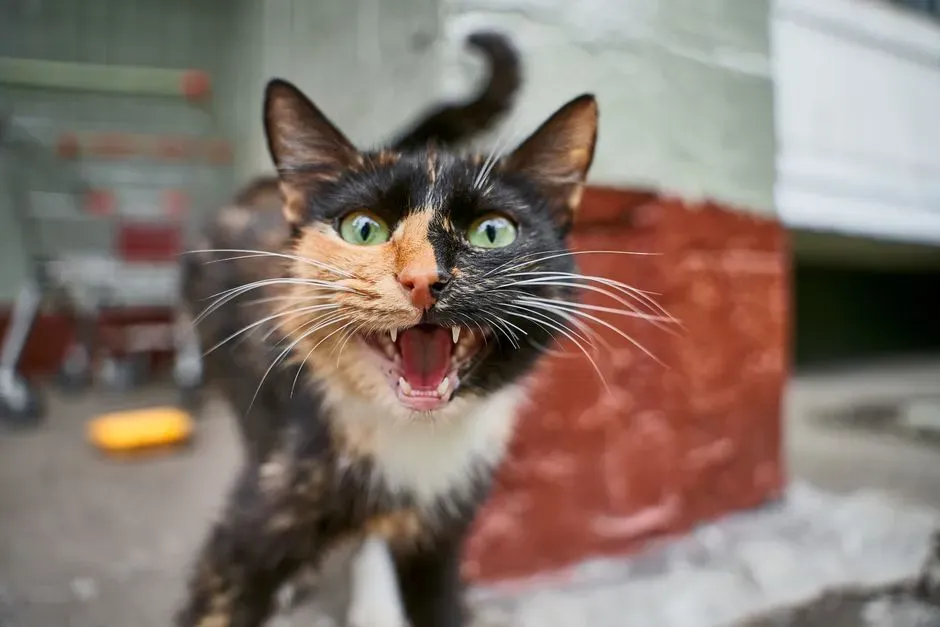
Cats don’t actually meow at each other in the wild with much frequency – that behavior is largely reserved for communication with humans. Research shows cats adjust their body language and vocalizations when interacting with humans, using more eye contact and meows than they do with other cats. When your cat “talks” to you across the room, they’re doing something behaviorally specific.
Soft meows, chirps, or trills are positive signs. Cats use these sounds to communicate with humans they trust. Gentle vocalization is another example of cat comfort. It shows your cat is relaxed and wants to interact.
Cats are typically quiet creatures, but if your kitty likes to meow at you as if having a conversation, it’s a sign they feel connected to you. A cat that chatters softly while watching birds through a window, or trills when you walk through a room, is sharing their interior world with you. That only happens when the environment feels safe enough to drop the silence.
9. They Choose to Rest in High or Exposed Spots Confidently
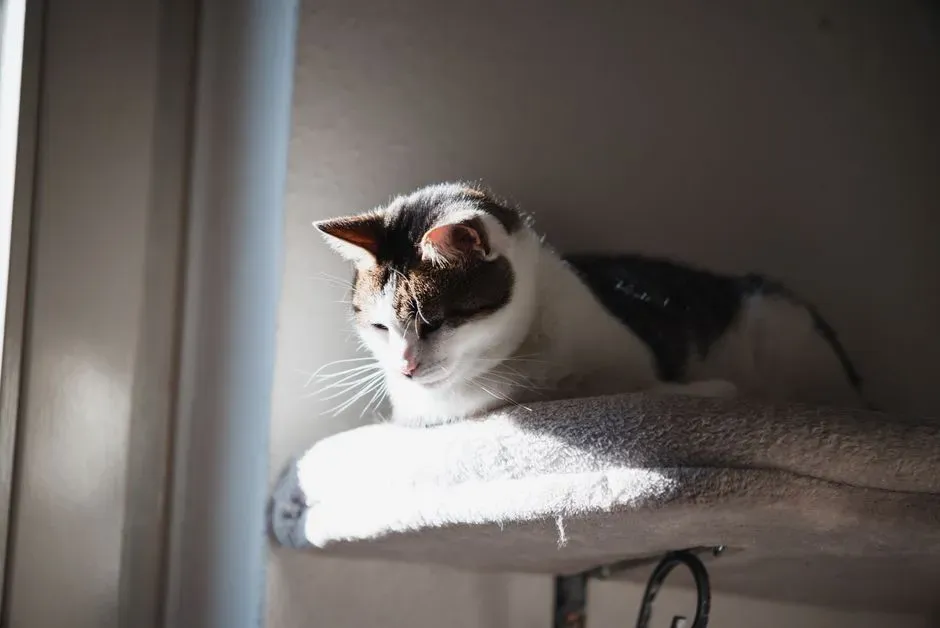
Core territory is the space where your cat feels safe and secure in her environment, usually where she sleeps and around her litter box. When a cat stretches out on a high perch, a windowsill, or the top of the refrigerator and simply surveys the room without tension, they are functioning as a secure inhabitant of their space rather than a nervous guest hiding in the shadows.
Some cats like to have access to soft resting places up high where they can observe their territory and feel safe. The difference between a cat hiding under the bed and a cat loafing on a cat tree is not always about personality. It’s often about how safe the environment actually registers. Providing cat trees, shelving, and high-up perches gives them the agency to retreat, observe, and feel secure.
Cats that feel comfortable may be seen “loafing,” which is when cats sit with their paws tucked under their body, a relaxed resting posture. While they can still move if necessary, this posture often indicates that the cat feels comfortable enough to settle and conserve energy without remaining on high alert. That tucked-paw loaf is a small, quiet declaration of ownership over the space they’re in.
10. They Seek Your Presence Without Demanding Attention
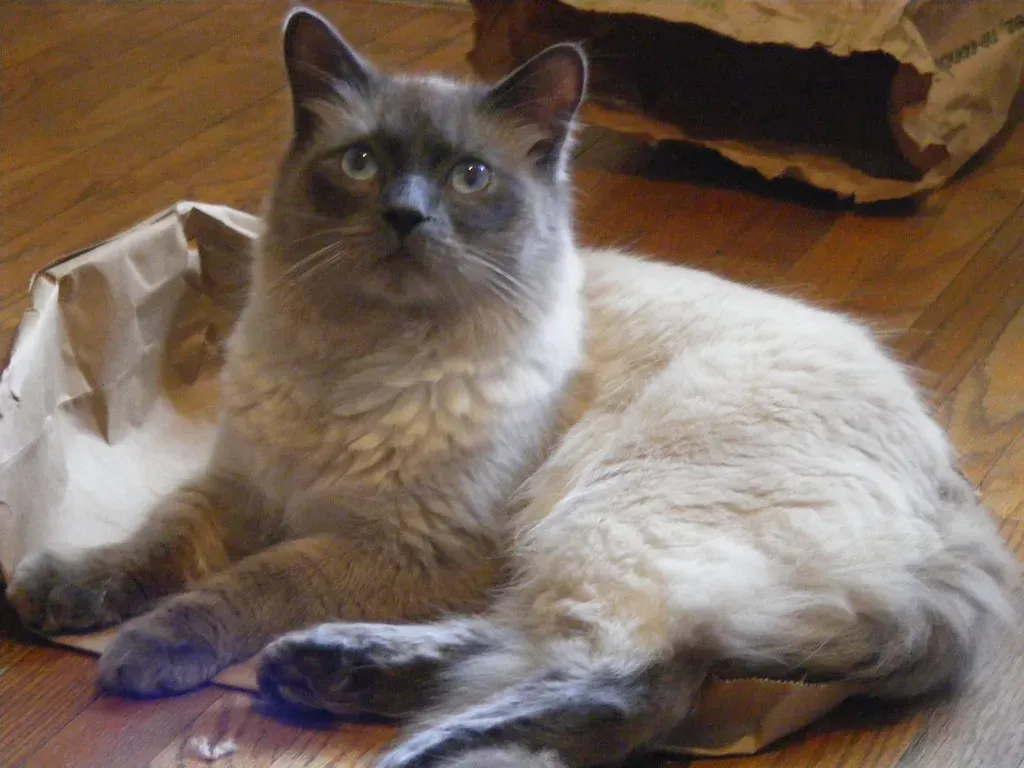
There’s a subtle but important distinction between a cat that follows you for food and a cat that simply wants to be in the same room as you. If your cat chooses to spend the majority of their time in the same room as you, that’s a good indicator that they feel safe. Given the option, a cat who feels safe with you will usually choose to at least be in the same room as you, rather than off on their own.
Following you is a sign your cat is bonded to you, indicating they seek your company and feel safe. It’s a common way cats express attachment. For animals that are wired to be independent and territorial, this kind of proximity-seeking is genuinely meaningful behavior.
Cats have their own high-value spots, and choosing to show them to you is a big deal. “Some cats will lead you into a room, hop onto a perch, or settle into their favorite spot and then glance back as if encouraging you to follow.” This behavior signals emotional security, trust, and a strong cat-human bond. A cat that invites you into their world, without asking anything back, has made a quiet but meaningful decision about who you are to them.
What These Signs Tell Us
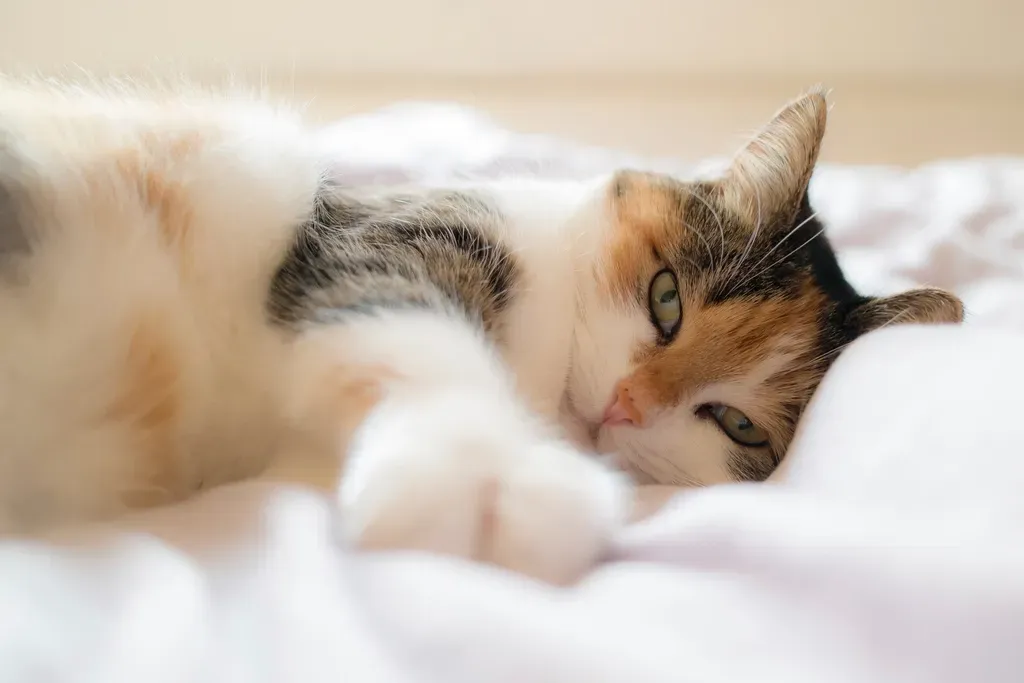
Reading your cat’s behavior through the lens of territory and safety reframes a lot of what can otherwise feel like mystery. Cats communicate largely through body language and subtle behaviors, which can make it hard to know if they are content or not. The signs above aren’t tricks or anomalies. They’re a coherent emotional language, consistent across breeds and personalities, rooted in both instinct and learned trust.
A relaxed cat is a healthy cat. When your feline feels safe and secure, their natural personality shines through. On the other hand, discomfort or stress can lead to hiding, aggression, or unusual behavior. Paying close attention to which of these signs appear regularly in your home gives you a genuinely useful picture of your cat’s emotional state.
Personally, the most compelling thing about all of this is how understated it is. Your cat isn’t performing loyalty or staging demonstrations of affection. They’re simply living openly in a space they’ve decided is worth trusting. That quiet endorsement, built behavior by behavior over months and years, is arguably more meaningful than anything a louder animal could offer. A cat that stays close, blinks slowly, and naps in plain sight has rendered its verdict. Your home passed.

- According to Native American Tradition, Coyotes Were Clever Teachers Rather Than Villains - August 13, 2026
- Animal Science Says Blue Jays Remember Thousands of Acorn Hiding Places Each Autumn - August 13, 2026
- Which Wild Animal Shares Your Sleeping Habits – Night Owls vs. Morning Wolves - August 13, 2026