
If you’ve ever stood in the barn at night listening to your horse quietly munch hay and felt your shoulders drop, you already know: a truly happy horse changes the whole atmosphere. But reading a horse’s emotional state is not always as obvious as ears pricked or tail swishing. Some horses are expressive drama queens, others are stoic poker players, and both can fool us if we only look at the surface.
This is where it gets fascinating. Horses tell on their inner world in tiny, repeated details: how they stand, how they chew, how they greet you, the way their breathing sounds when they think nobody’s watching. Once you start seeing these patterns, you can’t unsee them. Let’s walk through ten solid signs your horse is genuinely content – and ten red flags that quietly whisper the opposite.
1. Soft Eyes and a Relaxed Face (Happy)
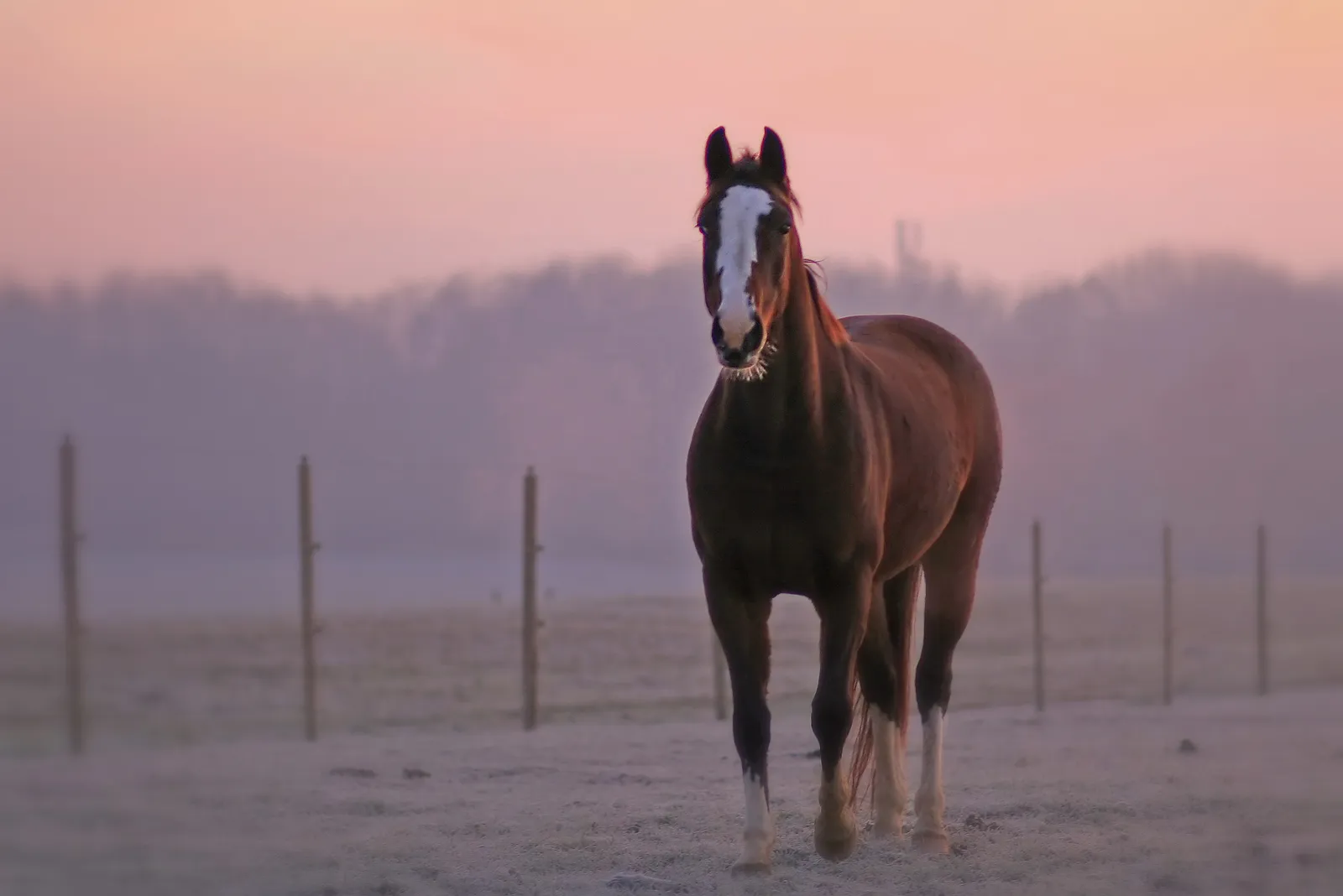
A truly content horse wears it on their face first. The eyes are soft and almond-shaped, not wide or bulging; the lower eyelid looks smooth instead of tight, and the muscles around the jaw and nostrils are loose. The nostrils themselves fall into an easy, natural curve instead of being pinched or flared like they’re ready to flee.
Spend a few minutes watching your horse in the paddock when nothing “interesting” is happening. If they stand with a relaxed lip, maybe even letting the bottom one droop a little, breathing quietly and blinking at a lazy pace, you’re likely looking at a horse who feels safe. That soft, sleepy “spa face” is one of the simplest, most honest happiness checks you can do every single day.
2. Curious, “What Are You Doing?” Energy (Happy)
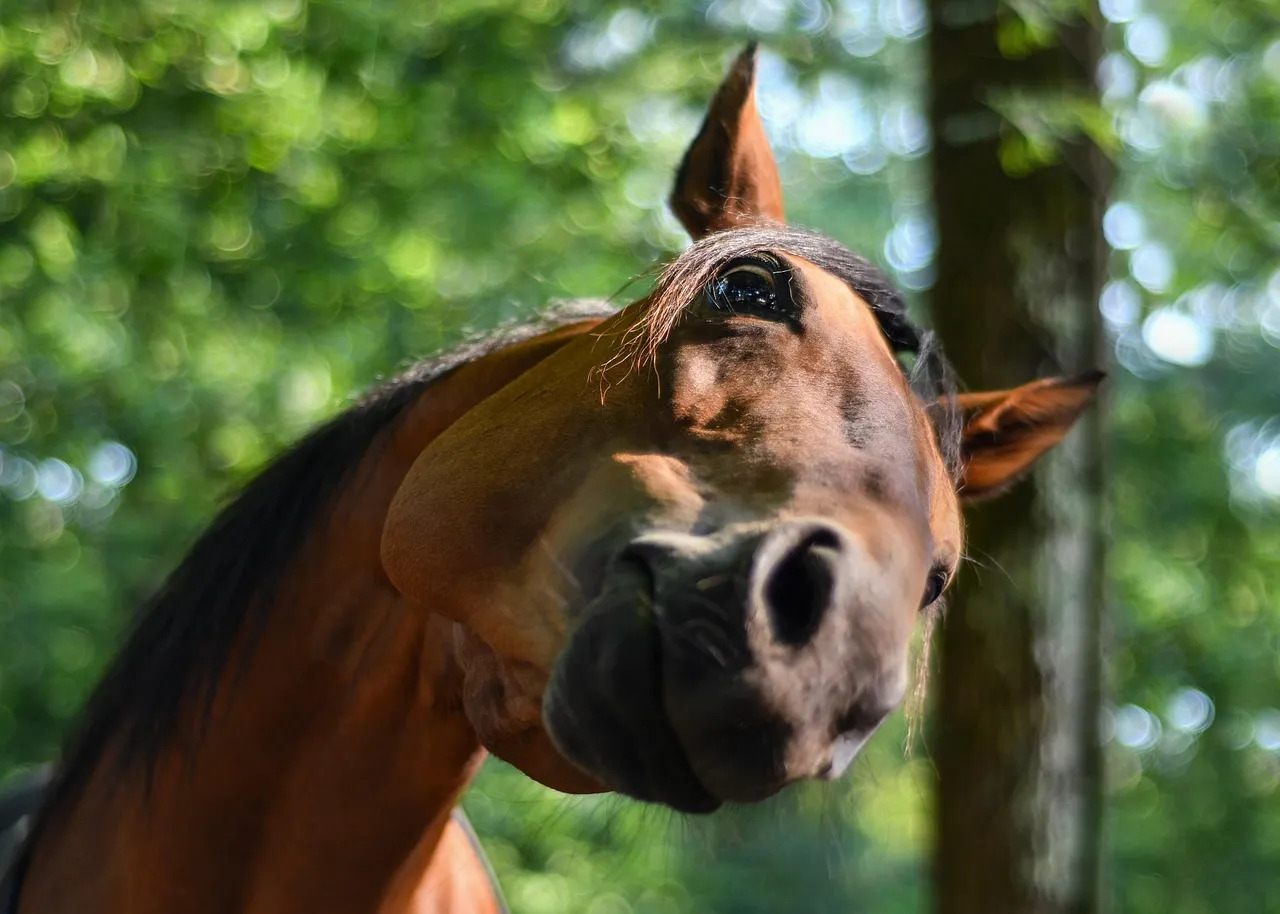
Happy horses are nosy. When you come into the barn, they look up with interest instead of shrinking back or staring through you. They might reach out to sniff your pockets, investigate the wheelbarrow, or gently nudge the brush in your hand as if to say, “Is that for me?” Curiosity in horses is a huge sign of emotional security.
Think of a confident kid in a new playground: they go exploring because they trust the world won’t hurt them. The same goes for your horse. A horse that feels free to explore new objects, walk up to a tarp, or stick their nose in a bucket they’ve never seen before is telling you they feel mentally stable and safe enough to be brave. Curiosity and happiness tend to travel together.
3. A Balanced Appetite and Calm Chewing (Happy)
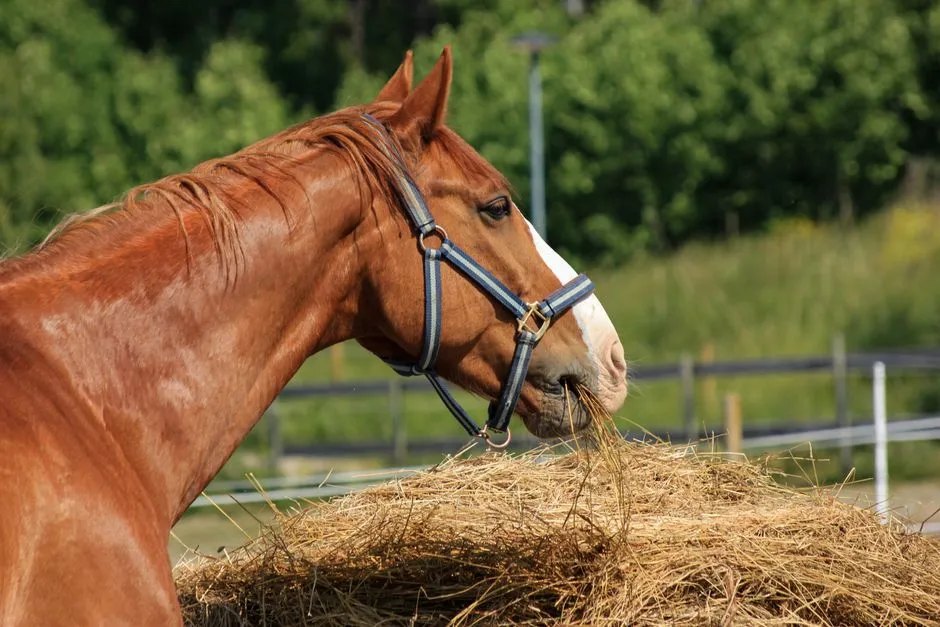
One of the most underrated signs of a happy horse is the quiet, steady sound of hay being chewed. A content horse usually has a good appetite, goes to their hay without frantic desperation, and eats in a slow, rhythmic way. They may take short breaks to rest a leg, look around, and then go back to munching with no obvious tension.
Chewing actually helps regulate stress in horses, so when they’re emotionally okay, they will often choose to eat calmly when forage is available. If your horse regularly finishes their hay, grazes comfortably, and does not bolt their feed or walk away in anxiety, you’re looking at the physical rhythm of a nervous system that feels pretty safe in its world.
4. Resting a Hind Leg and Sighing Deeply (Happy)
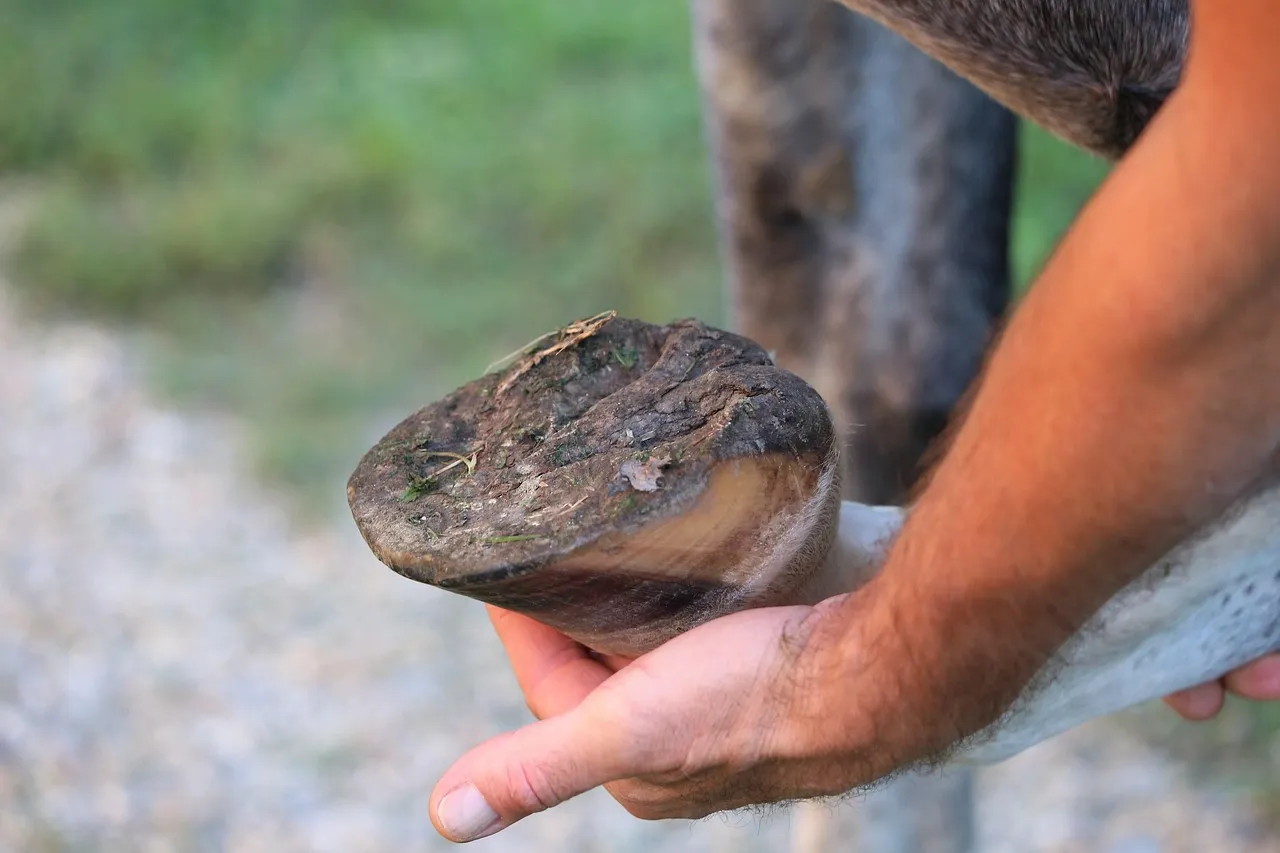
There is something deeply satisfying about watching a horse park a hind leg, drop their head, and let out a big sigh. A resting hind leg – where the foot is tipped onto the toe and the hip is slightly dropped – is a classic sign of relaxation when paired with other calm body language. It often means your horse feels comfortable enough to let their guard down for a moment.
Those long, deep exhalations and soft blowing snorts are often tiny “resets” for their nervous system. When you’re grooming, and your horse starts breathing deeper, resting a leg, maybe even leaning into the curry with half-closed eyes, you’re not just knocking mud off. You’re helping them slide into that sweet spot where their body and brain finally go, “Okay, I’m good here.”
5. Easy, Social Herd Interactions (Happy)
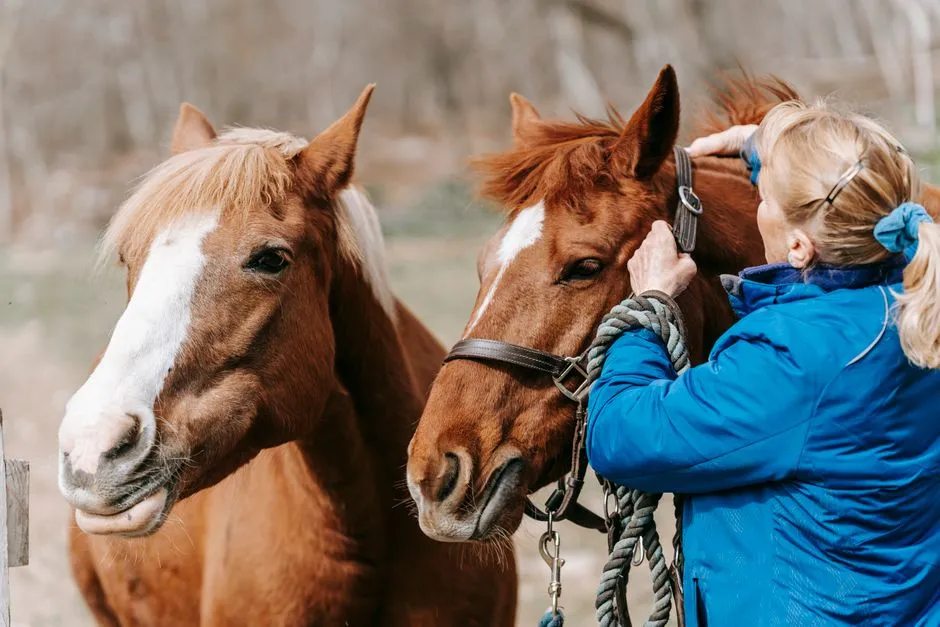
Horses are herd animals; happiness for them is very tied to feeling safe and accepted in their social group. A content horse will generally engage in normal, low-drama interactions: mutual grooming, calm shared grazing, relaxed standing side by side. They might pin their ears occasionally to set a boundary, but it is brief and proportional, not relentless.
If your horse can share a hay pile without constant fighting, naps near other horses, and seems to have at least one “buddy” they prefer to be near, that’s a powerful sign of mental comfort. A horse who feels emotionally secure in their herd is much more likely to feel emotionally secure around you, too, because the social environment isn’t keeping them on edge all day long.
6. Forward but Not Frantic Under Saddle (Happy)
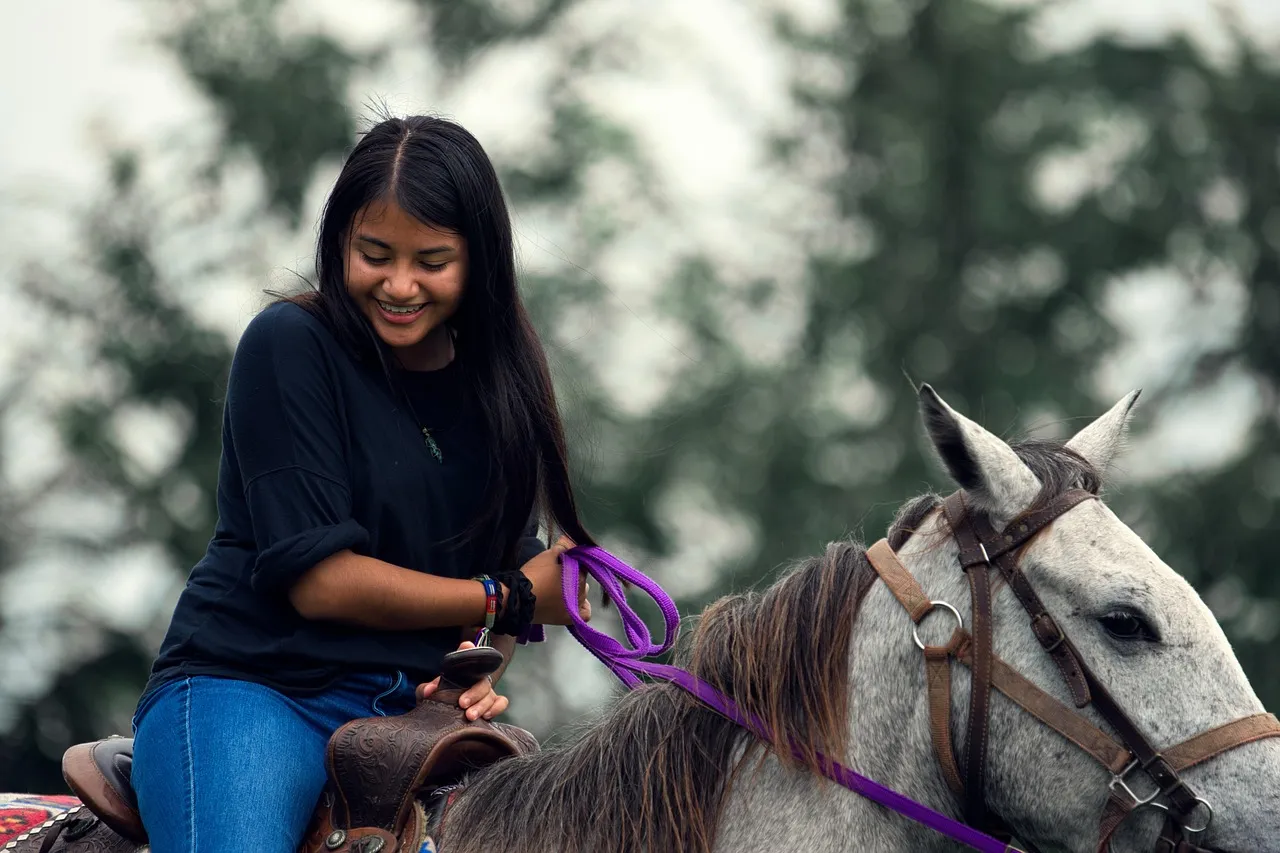
Under saddle, a genuinely happy horse typically offers an energy that feels “forward and available” rather than sluggish or tense. They step out willingly, respond when you ask, and then settle back down when you soften. There is a sense of conversation instead of argument: you ask, they answer, you both adjust. That back-and-forth, even with mistakes, is a huge sign they’re mentally with you.
You might feel a swinging back, ears casually flicking, and a tail that moves naturally instead of snapping or clamped. They may even offer a little playful energy now and then – a bigger stride, a pricked-ear canter – as if saying they’re enjoying the movement. A horse that can stay rideable but expressive is often one that feels both physically comfortable and emotionally heard.
7. Regular Sleeping and Lying-Down Time (Happy)
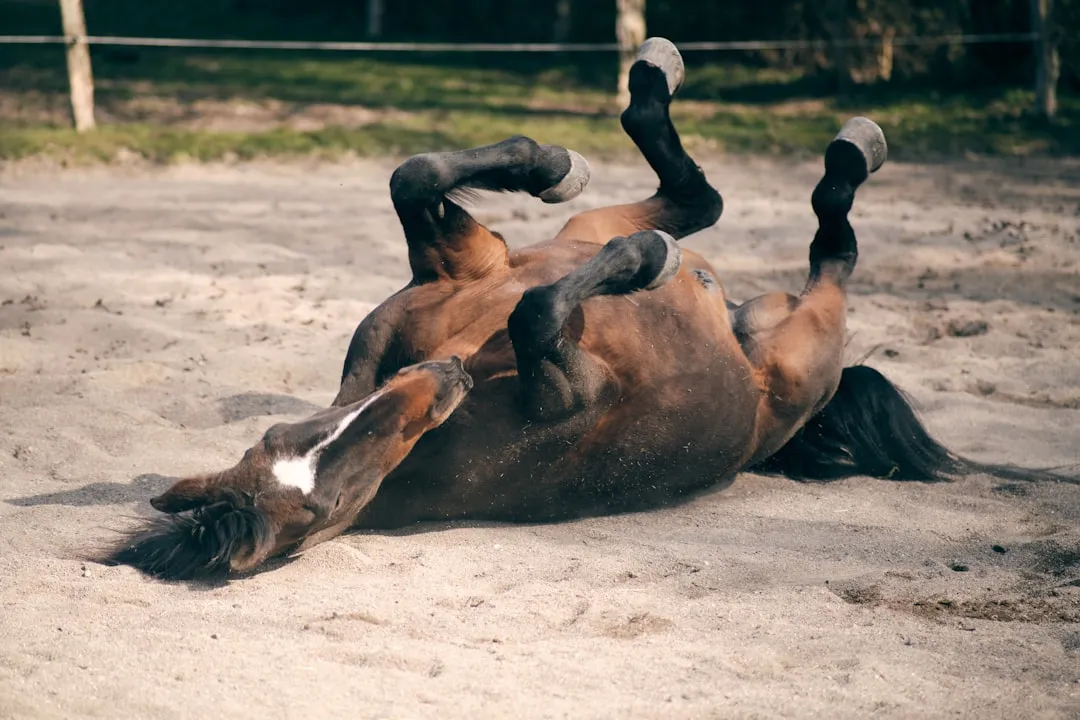
Horses that feel safe and content will lie down to sleep properly. While they can doze standing, they need to lie down for deeper, restorative sleep. If you notice your horse has shavings on their body, a flat spot in the bedding, or you occasionally catch them having a proper nap in the paddock, that’s a big green flag. It means they trust their surroundings enough to be vulnerable.
A happy horse will also have a fairly predictable rhythm: periods of rest, grazing, mild activity, and social interaction. It does not have to be clockwork precise, but they are not pacing all day or standing frozen like a statue. That ebb and flow of eating, resting, and moving is their version of a healthy daily routine, and it hinges heavily on feeling emotionally secure where they live.
8. Playful Moments and Little Bursts of Joy (Happy)
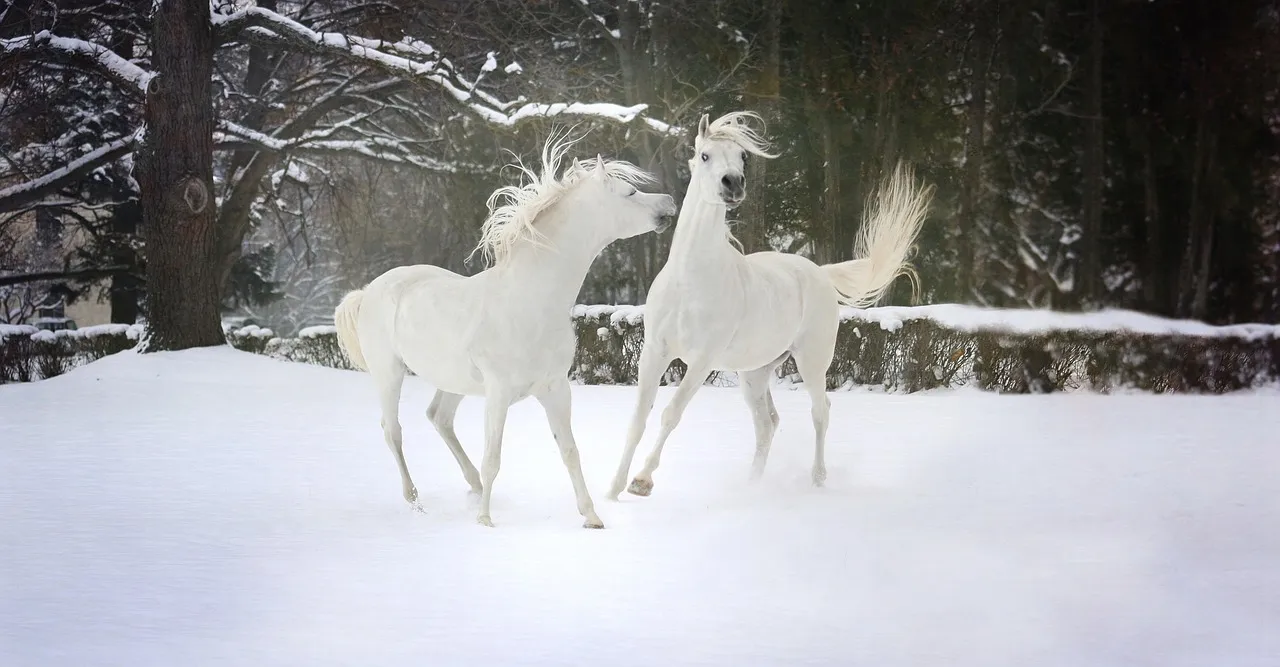
Content horses will sometimes have those adorable, slightly ridiculous bursts of play: a small buck on the lunge line, a toss of the head on a cool morning, a quick trot-and-snort dance with a pasture mate. Play is a luxury behavior; it shows up when survival stress is low enough that the horse can “waste” energy on fun.
I still remember watching a very serious older mare, who had always seemed shut down, suddenly break into a clumsy, happy canter in turnout after months of careful management. That one goofy lap around the paddock said more about her emotional recovery than any test result. When your horse occasionally chooses to move just because it feels good, that’s a huge emotional win.
9. Calm, Cooperative Handling in Everyday Tasks (Happy)
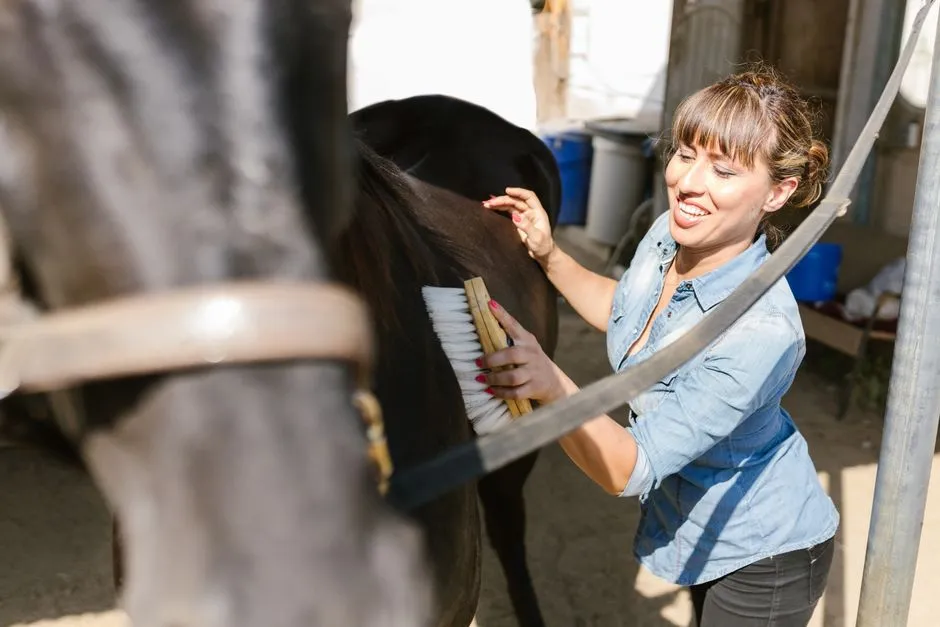
Pay attention to how your horse behaves in the boring moments: haltering, leading, picking up feet, being blanketed, walking through the gate. A happy, well-adjusted horse may not adore every task, but they generally cooperate without exploding or shutting down. They yield space, stand reasonably still, and recover quickly if something startles them.
If your horse walks up to be caught instead of spinning away, lowers their head for the halter, and stands quietly to be groomed most of the time, you are seeing quiet evidence that they trust you and their routine. No horse is a robot, and anyone who has dealt with spring weather knows the “fresh” days happen. But over weeks and months, a generally cooperative, calm attitude tells you they feel okay with their life.
10. A Willing, Relaxed Connection With You (Happy)
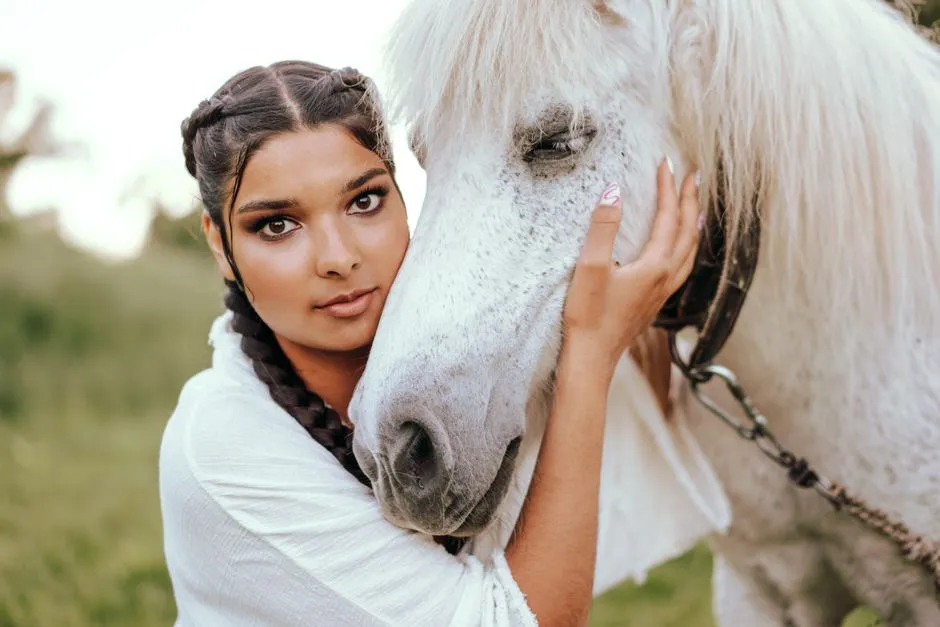
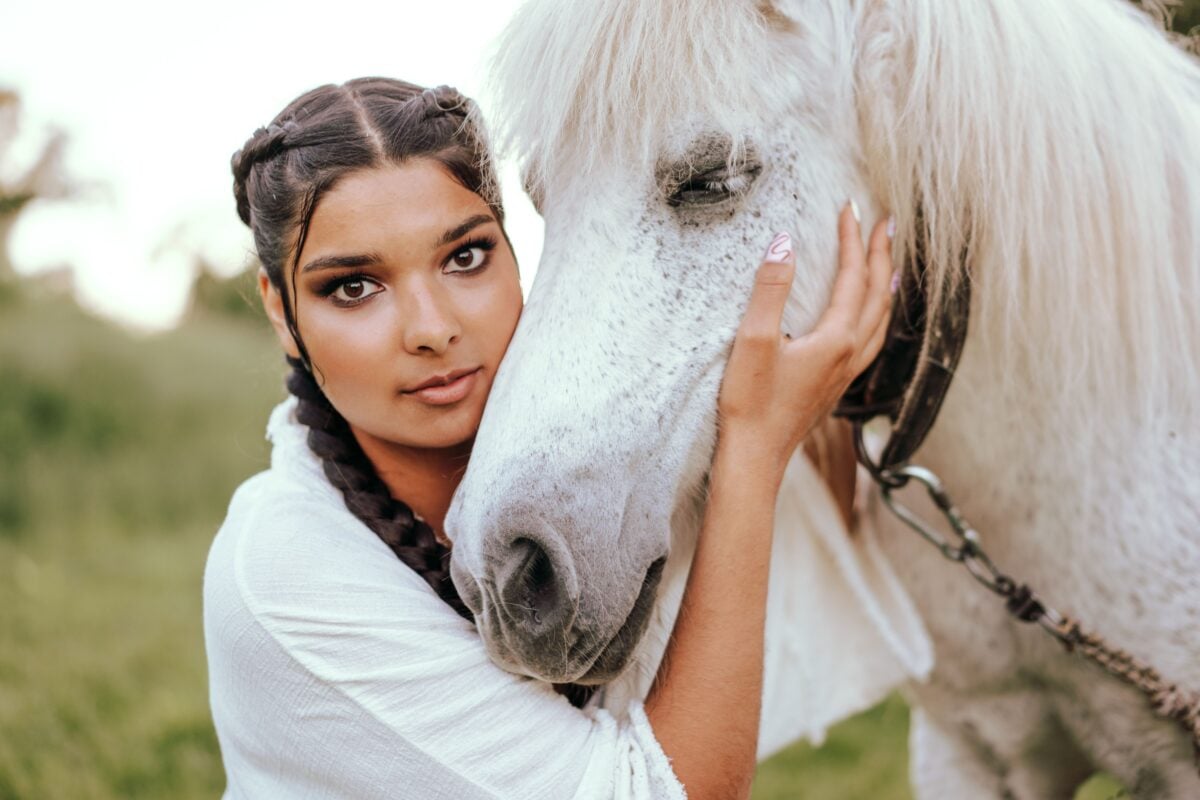
At the end of the day, happiness in horses often shows up in their relationship with their person. Does your horse walk toward you in the field, or at least stand and wait, instead of turning and stomping off? Do they lower their head into your chest, lean into scratches, or close their eyes while you rub their forehead? Those little shared pauses are emotional gold.
You may notice that when something scary happens, they look to you and settle when you stay calm. That “seek and settle” behavior – choosing you as a safe place rather than just bolting – is a huge sign of psychological comfort. You cannot fake that, and you cannot buy it; it grows out of consistent handling, fair expectations, and a life that, overall, makes sense to the horse.
11. Constant Tension in the Face and Eyes (Not Happy)
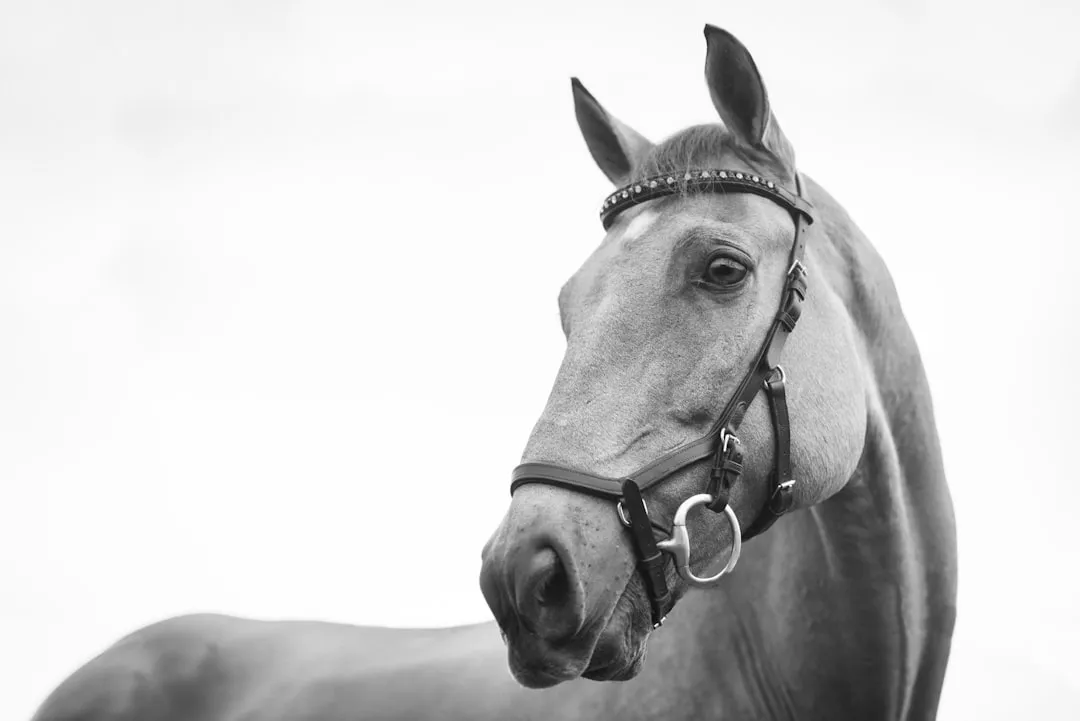
Now for the harder part: signs your horse is not okay. One of the earliest red flags is chronic tension in the eyes and face. The upper eyelid may look tight and angular, with more white of the eye showing than usual. The nostrils might be slightly pinched even when the horse is just standing, and the lips are clamped or pulled tight rather than softly closed.
This does not have to look dramatic. Some horses carry a subtle, permanent “worried wrinkle” above the eye or seem to scan the distance even in quiet environments. If you notice that your horse almost never shows that soft, sleepy face – especially in situations that should feel safe, like the stall or paddock – it is worth asking what in their world might be keeping them emotionally braced.
12. Withdrawn, Shut-Down, or “Robot” Behavior (Not Happy)
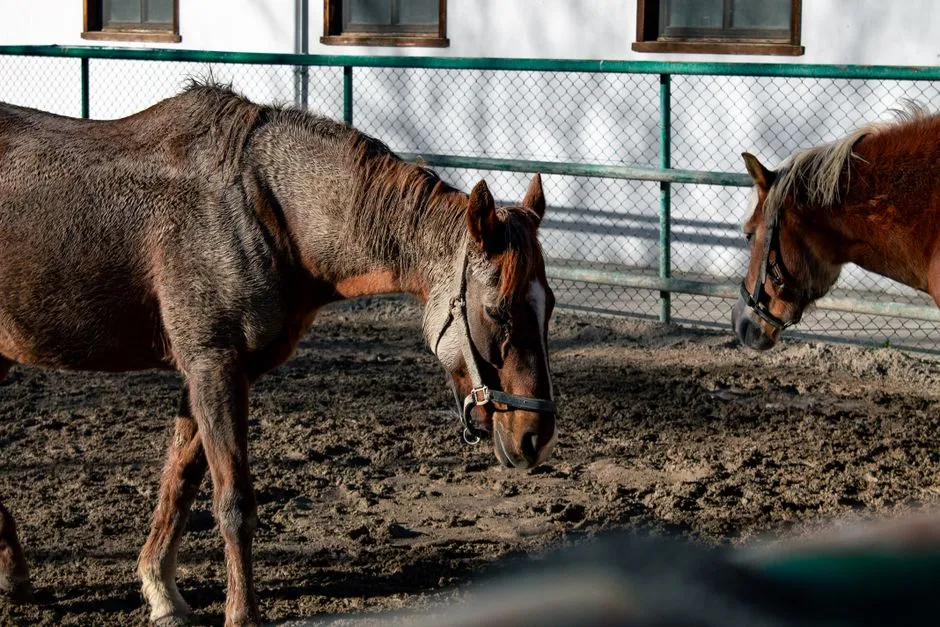
Not every unhappy horse is explosive. Many turn inward instead. They might stand like a statue for long stretches, not really engaging with the environment around them. They allow handling without protest, but there is a vacant look in the eyes, almost as if they’ve mentally checked out. To some people, this looks like “good manners,” but often it’s a coping strategy.
If your horse never reacts, never seems curious, and moves like they are just going through the motions, consider whether they might be emotionally shut down rather than truly calm. A horse that has learned resistance is useless may comply, but that is not quite the same as happiness. It is the equine version of a person who follows every rule at work but has no spark left in their eyes.
13. Aggression Around Food or in the Stall (Not Happy)
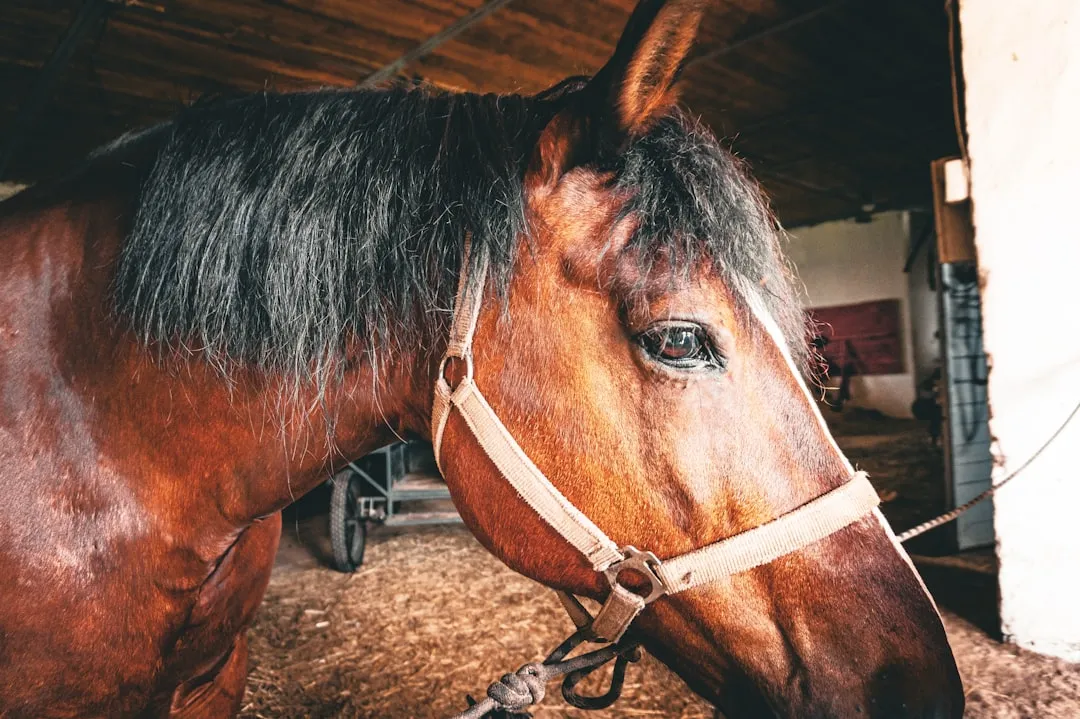
Food-related aggression can have multiple causes, including physical pain or learned behavior, but it can also be a window into emotional stress. A horse that pins ears, lunges, or threatens when you bring grain, or guards hay from others with relentless intensity, may be living with a constant sense of scarcity or anxiety. That level of guarding does not come from a horse who feels secure.
Similarly, a horse who is defensive in the stall – pinning ears when you enter, swinging the hindquarters at you, or striking when asked to move over – is often not simply “mean.” They might associate people with pressure, pain, or unpredictability. Chronic irritability is not a personality quirk to label and ignore; it is a message that something about their environment, health, or handling is not working for them.
14. Pacing, Weaving, or Other Repetitive Stable Vices (Not Happy)
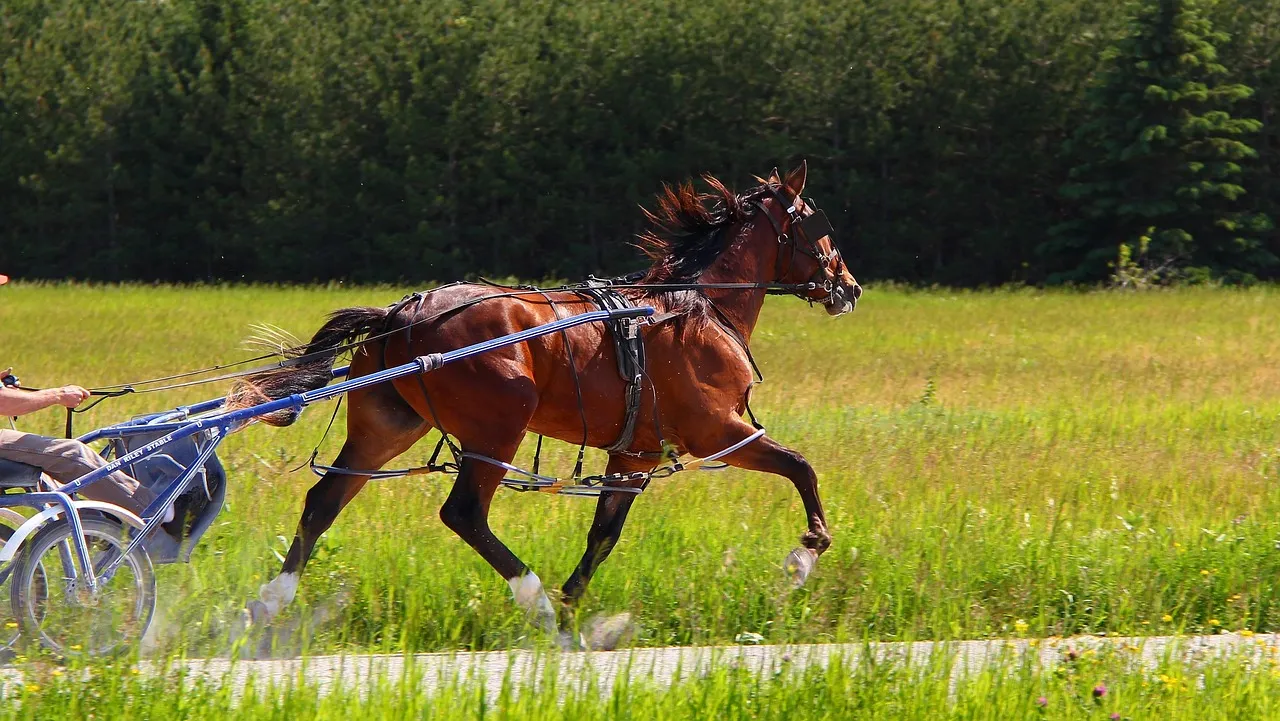
Behavior like weaving at the door, cribbing on fences, stall walking, or repetitive head bobbing is often a sign of serious underlying stress or frustration. These stereotypic behaviors do not make a horse “naughty”; they are more like an outlet for a brain that feels trapped, bored, or overwhelmed. Once these habits form, they can linger, but that does not mean the original problem should be ignored.
Imagine being stuck in a tiny apartment with no phone, no books, and no one to talk to, day after day. Sooner or later, you might pace or develop your own rituals to cope. Horses in restrictive environments often do the same. If your horse is showing these patterns, it’s a loud hint that their emotional or physical needs are not being fully met, even if they look shiny and well-fed.
15. Sudden Changes in Appetite or Drinking (Not Happy)
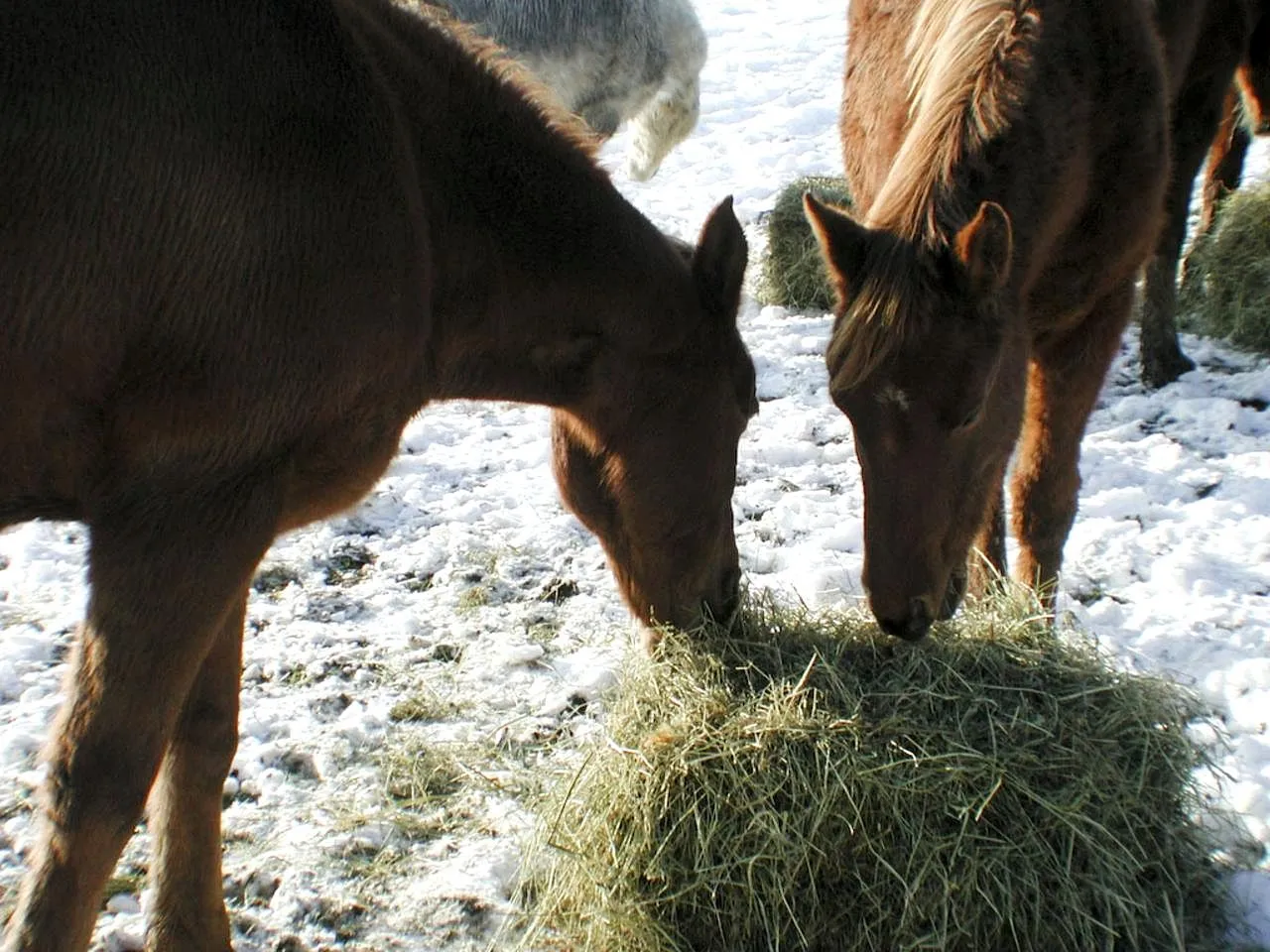
Where a steady appetite is a good sign, a sudden change is often your first alarm bell. A horse that stops eating, starts gulping water frantically, or leaves significant amounts of hay untouched might be in pain or distress. While these can be medical red flags that require a vet, they are also emotional ones: severe anxiety and chronic stress can alter appetite and gut function.
Even small shifts count. Maybe your horse used to clean up hay calmly but now snatches at it nervously, flinging it around or walking away frequently to stare into the distance. That kind of restless, uneasy eating behavior is worth noticing. Their stomach and their mind are tightly connected, and their feed tub is often where you will see that connection first.
16. Flinching, Bracing, or Overreacting to Touch (Not Happy)
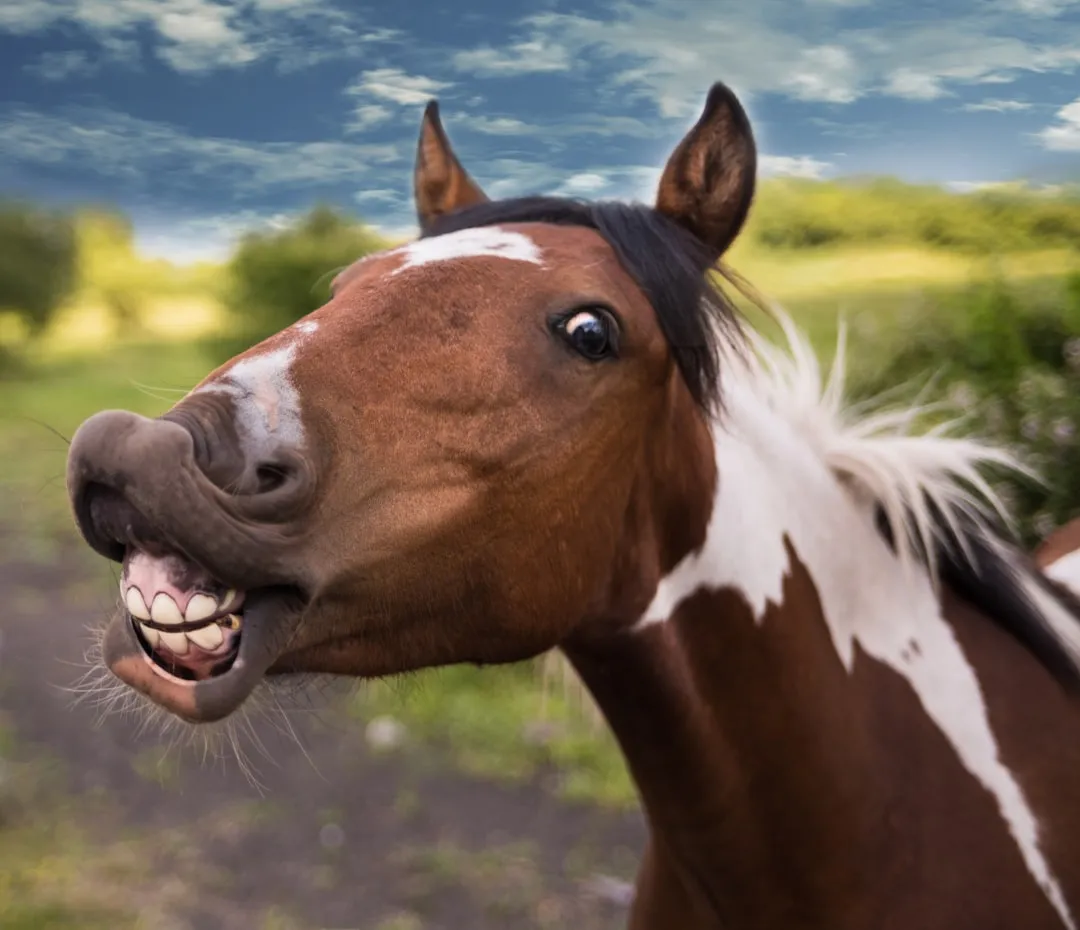
If your horse braces every time you go to touch them, that is not normal “sensitivity,” it is a survival pattern. Watch for small recoil when you reach toward their head, tension under your hand when you brush the back or girth area, or tail swishing and skin twitching at even light contact. They might tolerate it, but their whole body is saying, “I’m not okay with this.”
Sometimes this is about pain – like ulcers or back issues – and sometimes it’s about a history of rough handling or pressure they never fully understood. Either way, a horse that cannot relax under your hand is not a truly happy horse. If you have to sneak the girth tighter or rush through grooming to avoid a negative reaction, their emotional comfort level is telling you something important.
17. Explosive or Overly Shut-Down Under Saddle (Not Happy)
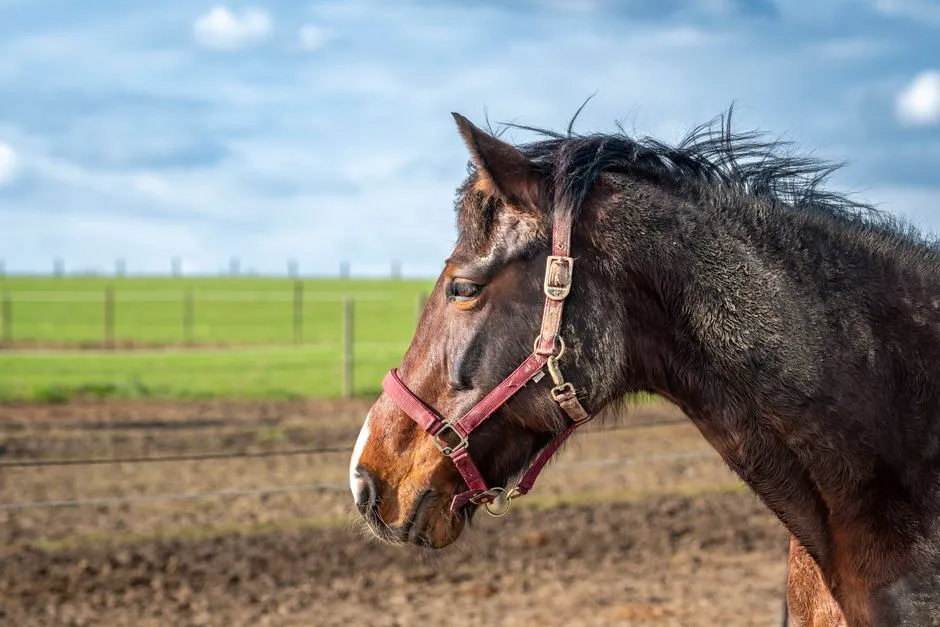
Under saddle, an unhappy horse often lives at one of two extremes: explosive or numb. On one end, you might have the horse that bolts, bucks, rears, or spins at small triggers, always feeling like a shaken soda can with the cap half unscrewed. On the other, you get the horse that moves like a dead weight, resistant to go forward, hollow in the back, and seemingly unreachable.
Neither pattern is simply a training issue. Yes, training matters, but these big reactions usually point to deeper discomfort, fear, or confusion. If your horse’s expression under saddle looks tight, their mouth is constantly fighting the bit, or they stop trying altogether, it is not a training “attitude problem.” It is their nervous system waving a flag and hoping someone pays attention.
18. Lack of Rest or Never Lying Down (Not Happy)
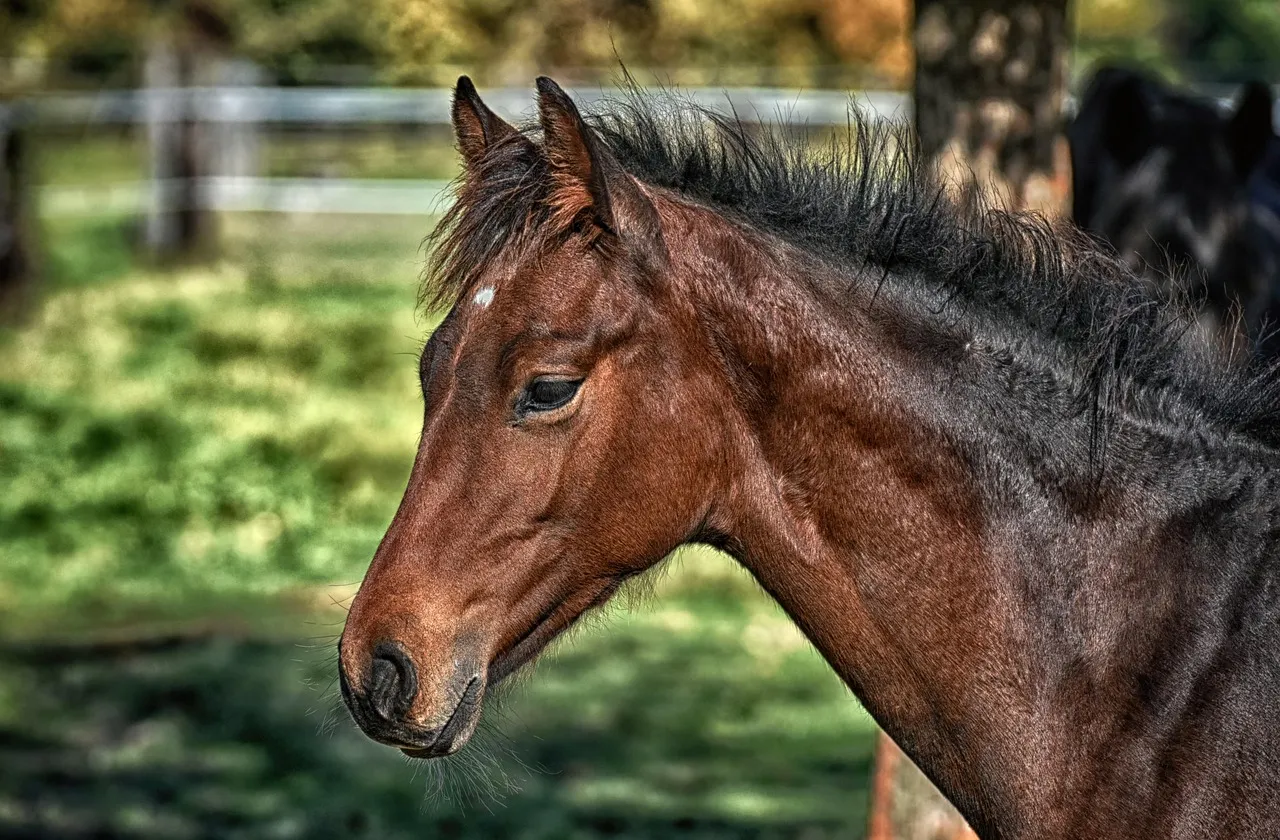
When horses do not feel safe enough to lie down, they pay for it. A horse that rarely or never lies down for deeper sleep can become chronically sleep deprived, which shows up as irritability, clumsiness, or even sudden collapsing into micro-sleeps while standing. That is not laziness; it is a desperate body trying to catch up on rest wherever it can.
If your horse is always standing, even when the rest of the herd naps, or they seem drowsy but won’t ever actually lie down, ask why. Maybe the footing is uncomfortable, the herd dynamic is tense, or the stall is too small or scary. Whatever the reason, a horse that cannot let themselves fully relax is a horse whose emotional safety net is torn, and that chips away at happiness over time.
19. Avoiding Being Caught or Turning Away (Not Happy)
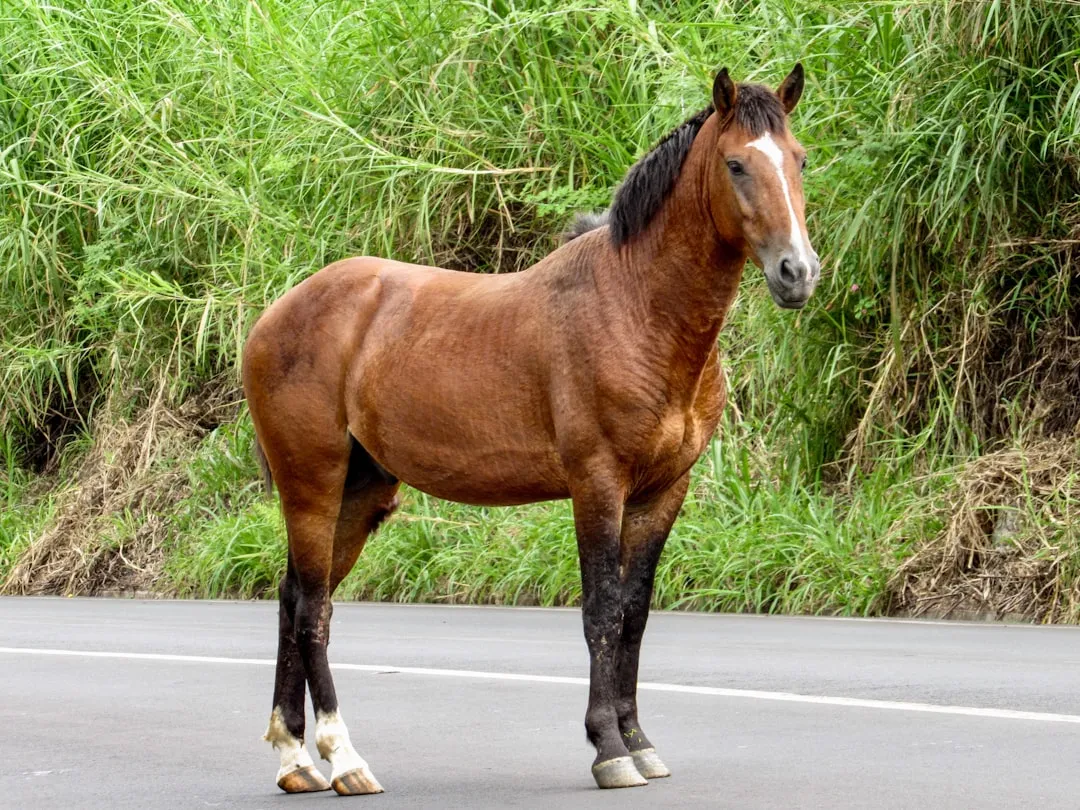
We joke about the “hard to catch” horse, but avoidance is feedback. When your horse turns their rump to you, walks away as you approach with the halter, or ducks into the far corner of the field, they are voting with their feet about how they feel regarding what usually happens next. A horse who trusts that their time with you will be fair and not always exhausting is far more likely to come forward.
It might only show up on certain days – like when they know a tough schooling session is coming – or it might be chronic. Either way, that hesitation, that subtle “No, thanks” when they see you, deserves respect. It doesn’t mean you spoil them and never work; it means you listen and try to make their workload, routine, and interactions something they can handle emotionally as well as physically.
20. A Persistent Sense That “Something’s Off” (Not Happy)
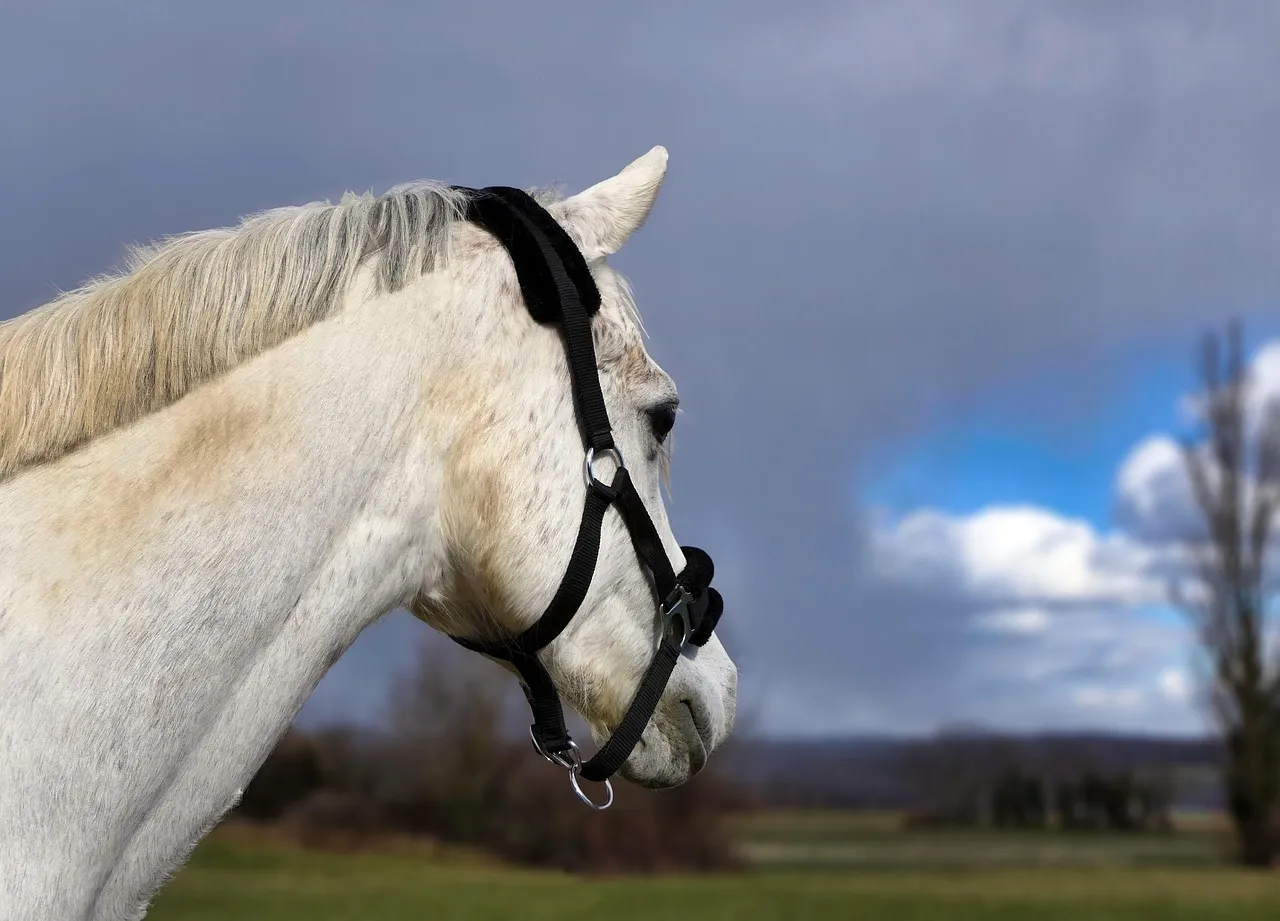
Sometimes the clearest sign a horse is not happy is that nagging gut feeling you get even when you cannot pinpoint a single dramatic symptom. Maybe they are just a little less bright-eyed, a little slower to greet you, a little stiff in their body language all the time. Nothing screams emergency, but nothing feels quite right either. That quiet, consistent “offness” is worth honoring.
I have learned the hard way that when you live with a horse every day, your subconscious catches patterns your conscious mind has not labeled yet. If you keep thinking, “They just don’t seem like themselves lately,” you’re probably right. Acting on that feeling – checking for pain, reviewing their environment, and adjusting your expectations – is one of the most powerful ways to protect your horse’s long-term happiness.
Conclusion: Happiness Is Not a Luxury for Horses – It’s the Job
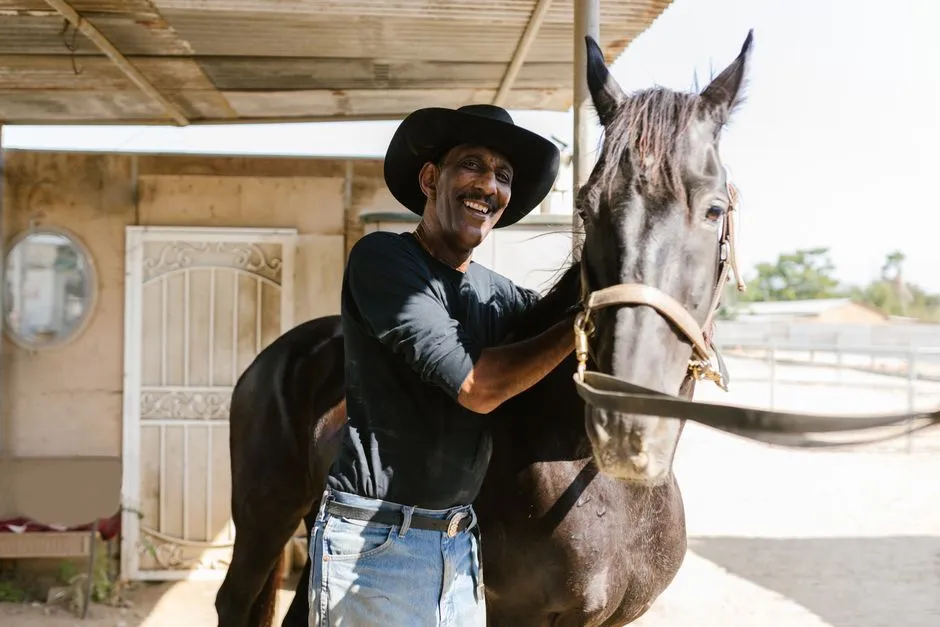
Here’s my blunt opinion: if our horses are not reasonably happy most of the time, we are missing the entire point of having them in our lives. They do not owe us rides, ribbons, or Instagram moments; we owe them a life where their basic physical, social, and emotional needs are taken seriously. A shiny coat and a decent saddle are not enough if the eyes are dull, the body is tense, and the horse is just enduring us.
The good news is, once you start really watching for these signs – the soft eyes, the curious nose, the quiet napping alongside the herd – you cannot help but make better choices. You notice sooner when something drifts off center, and you adjust: more turnout, different herd mates, vet checks, gentler training, or simply more unhurried time together. In the end, a truly happy horse is not created by one big thing; it’s the sum of a hundred small, respectful decisions you make every week. When you walk into the barn tomorrow, what is one tiny change you could make that might nudge your horse’s life a little closer to “truly happy” instead of “just coping”?
