


When it comes to choosing a family pet, many parents automatically gravitate toward smaller dogs, thinking they’ll be safer and more manageable around children. But here’s the thing that might surprise you – size doesn’t always equal safety. Some of the most challenging breeds for families with kids come in surprisingly small packages.
The Shocking Reality About Small Dog Aggression

Before diving into specific breeds, let’s address something that catches many families off guard. Small dogs tend to be more aggressive on average than medium or large breeds. This isn’t just anecdotal evidence from frustrated parents – it’s backed by research.
According to an American Veterinary Medical Association (AVMA) literature review that looked at dog bite data, veterinarians and owners reported much higher levels of aggressive behavior from small and medium dogs than they did from large dogs. The AVMA’s review states that this is likely due to smaller aggressive dogs receiving less training. A small dog, like an aggressive Pomeranian or Chihuahua, doesn’t cause as much damage as a large dog, like an aggressive German shepherd or pit bull, so owners feel less pressure to prevent their small dog’s poor behavior.
Chihuahuas: Tiny Dogs with Massive Attitudes

Let’s start with the breed that probably surprises no one on this list. The truth is that Chihuahuas are tiny dogs with big attitude. They often form a strong attachment to one family member, and they can be fiercely protective of their chosen person. Although Chihuahuas are not as big as other breeds, they can land a nasty bite if they decide a stranger is a threat to their beloved owner.
Chihuahuas tend to be intolerant of boisterous children and are often nippy, so they may not be a good choice for a family with small children. It might be surprising to see Chihuahuas on this list, but they actually make up a large percentage of unreported bites to humans on record. The reason they don’t get reported (like the bites from larger breeds) is because of their smaller size. Chihuahuas are on this list of worst dogs for kids for two reasons: temperament and fragility.
Dachshunds: The Surprisingly Stubborn Sausage Dogs
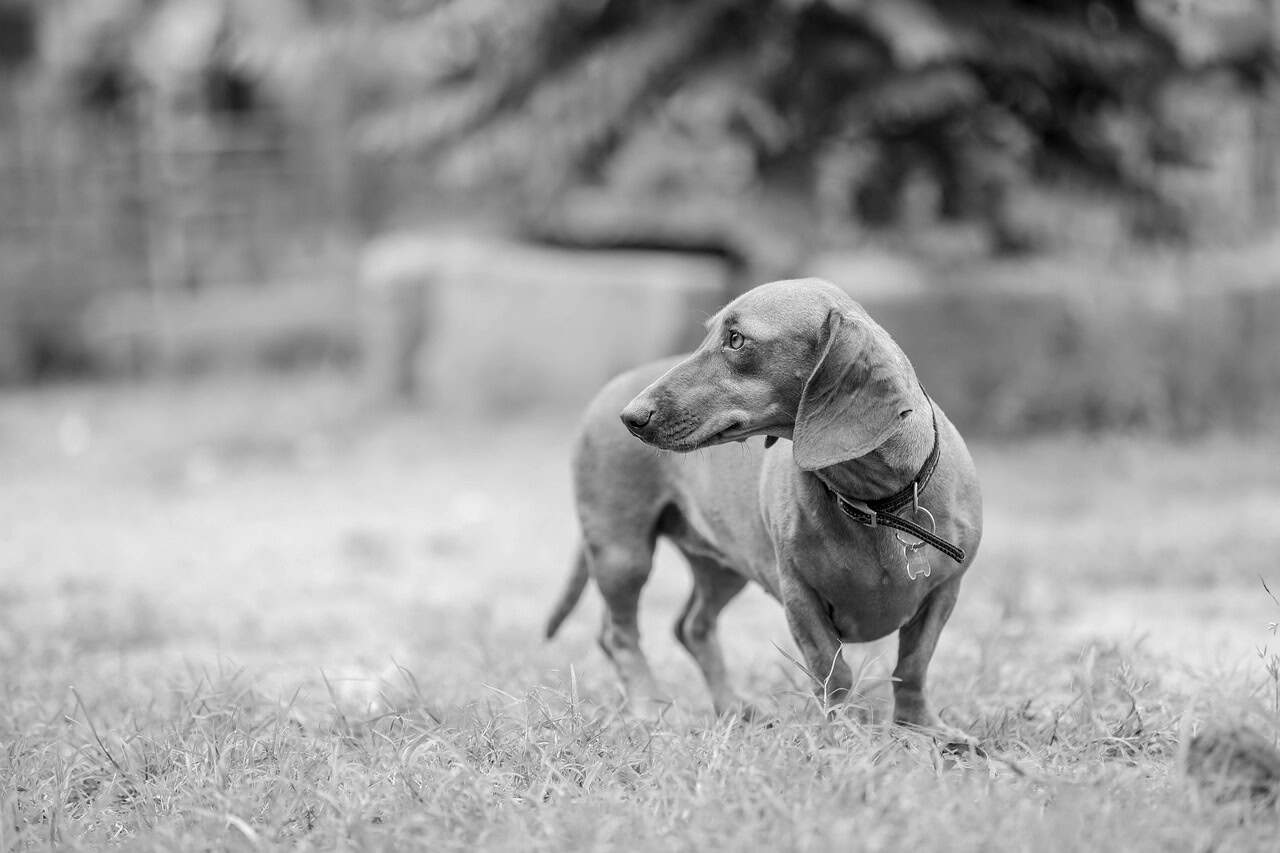
I have seen my fair share of clients asking for advice on how to stop their Dachshund from biting their toddler. This might come as a shock to many people who view these adorable wiener dogs as harmless family pets. However, Aggression in Dachshunds is far too common. They rarely get the sort of training that really works and rather than just become occasionally annoying goofballs they often lean towards aggression.
Dachshunds are genetically disposed to aggression, primarily towards small animals. Dachshunds are genetically disposed to aggression, primarily towards small animals. Dachshunds were bred to hunt badgers, so it’s natural to expect them to be quite aggressive. Their hunting heritage means they can see small children as prey-like creatures, especially when kids make sudden movements or high-pitched sounds.
Jack Russell Terriers: Energy Bombs with Teeth
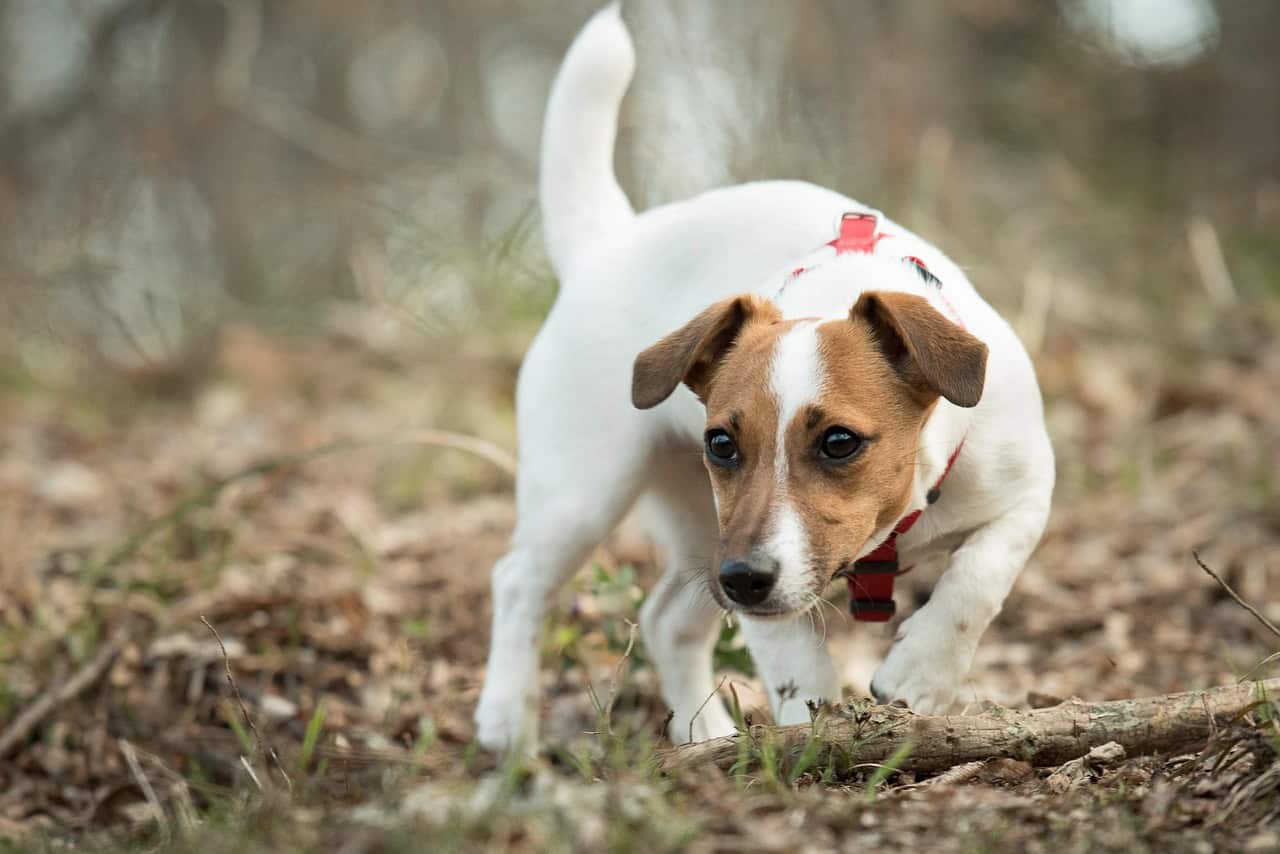
These little dynamos are beloved by many, but they come with serious warnings for families with children. Jack Russells can become very possessive of their owner or a favorite member of the family or of what they consider to be their personal property if allowed to do so to the point of showing aggressive protective behavior that must be controlled from an early age.
The Patterjack is not the best dog breed for individuals with young children unless supervision can be provided due to high energy and a stubborn side. Even purebred Jack Russells share these challenging traits. Jack Russells can become very possessive of their owner or a favorite member of the family or of what they consider to be their personal property if allowed to do so to the point of showing aggressive protective behavior that must be controlled from an early age.
Pomeranians: Fluffy Fur Balls with Big Attitudes
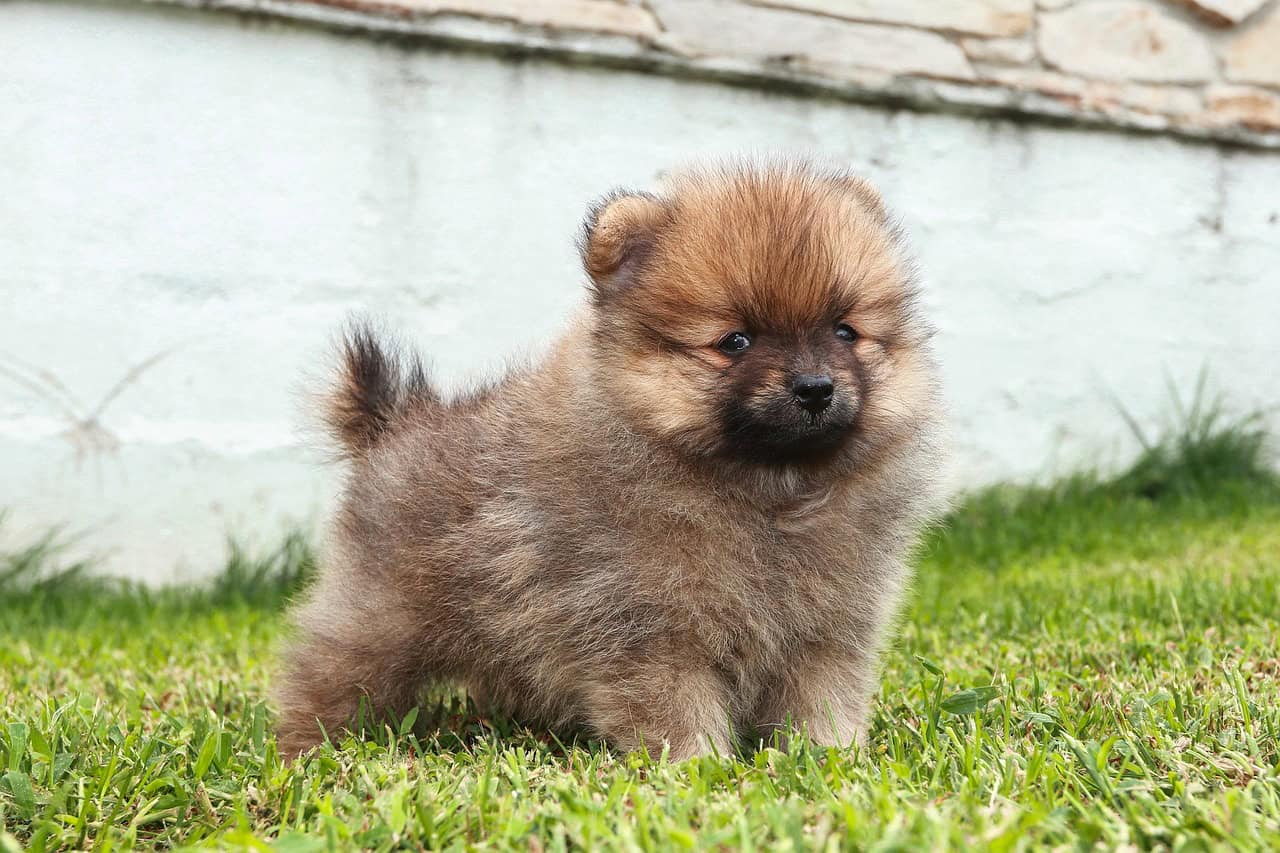
Don’t let that adorable teddy bear appearance fool you. Pomeranians can be surprisingly territorial and reactive, especially around children they don’t know well. This can mean that they’re distrustful of strangers, as they may be perceived as a threat. Jack-A-Ranians will be good with your children, but if your kids have friends over, you may want to separate your pup from the playdate or at the very least pay close attention to how they interact with a stranger in the house. They could become aggressive toward a child’s friend if they see them as a threat.
While this example specifically mentions a Jack Russell-Pomeranian mix, purebred Pomeranians share these protective instincts. Their small size makes them feel vulnerable, which often leads to defensive aggression. When children move quickly or make loud noises, Pomeranians can interpret this as threatening behavior.
Papillons: Delicate Butterflies with Sharp Edges
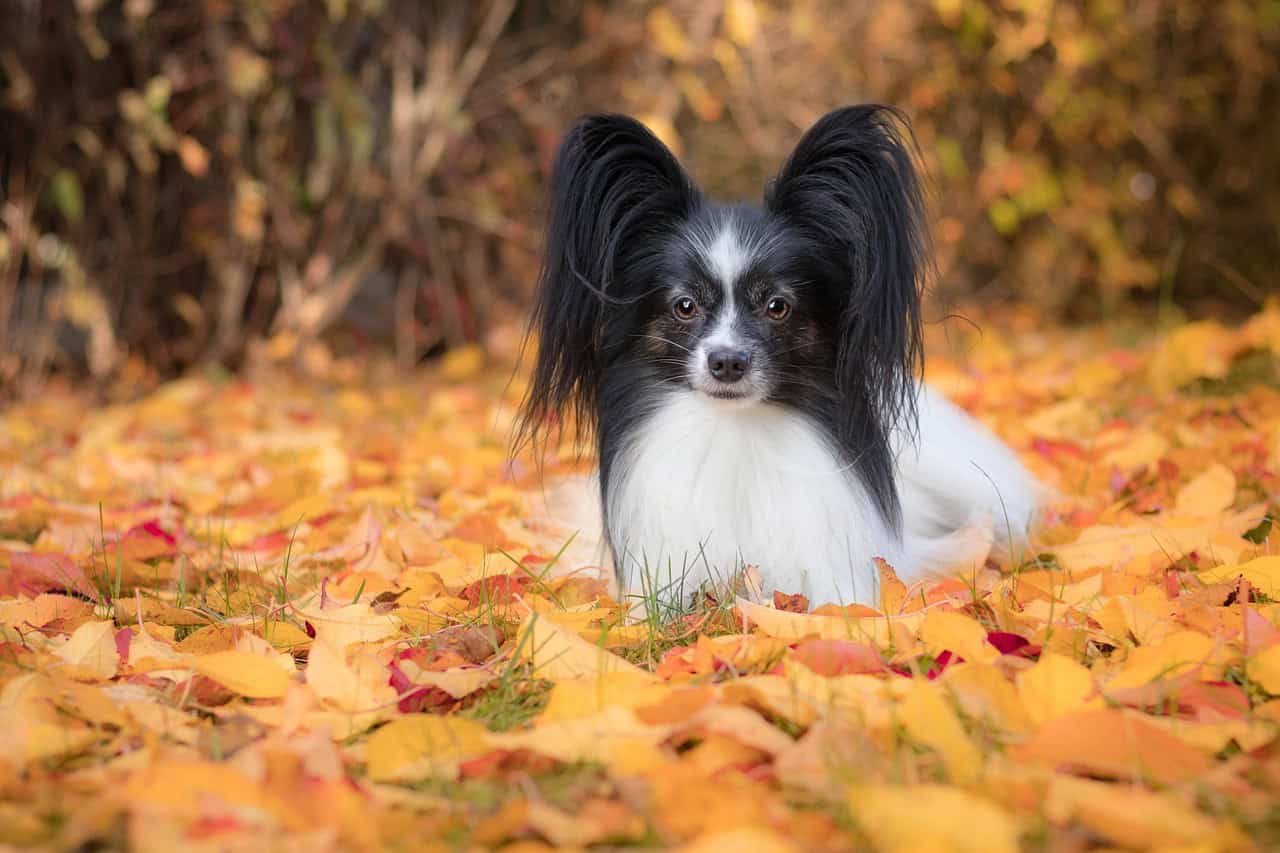
These elegant little dogs with their butterfly-like ears might look like the perfect lap dog for a family, but appearances can be deceiving. Papillons are incredibly intelligent and can be quite headstrong, which doesn’t always translate well to households with unpredictable children.
Their delicate build means they can be easily injured by rough play, and when they feel threatened or cornered, they may resort to snapping or biting to protect themselves. A tiny Maltese or Chihuahua is too frail for rough-and-tumble play, while a Mastiff can easily overwhelm a small child – this size consideration applies equally to Papillons.
Maltese: Fragile Beauties with Big Personalities
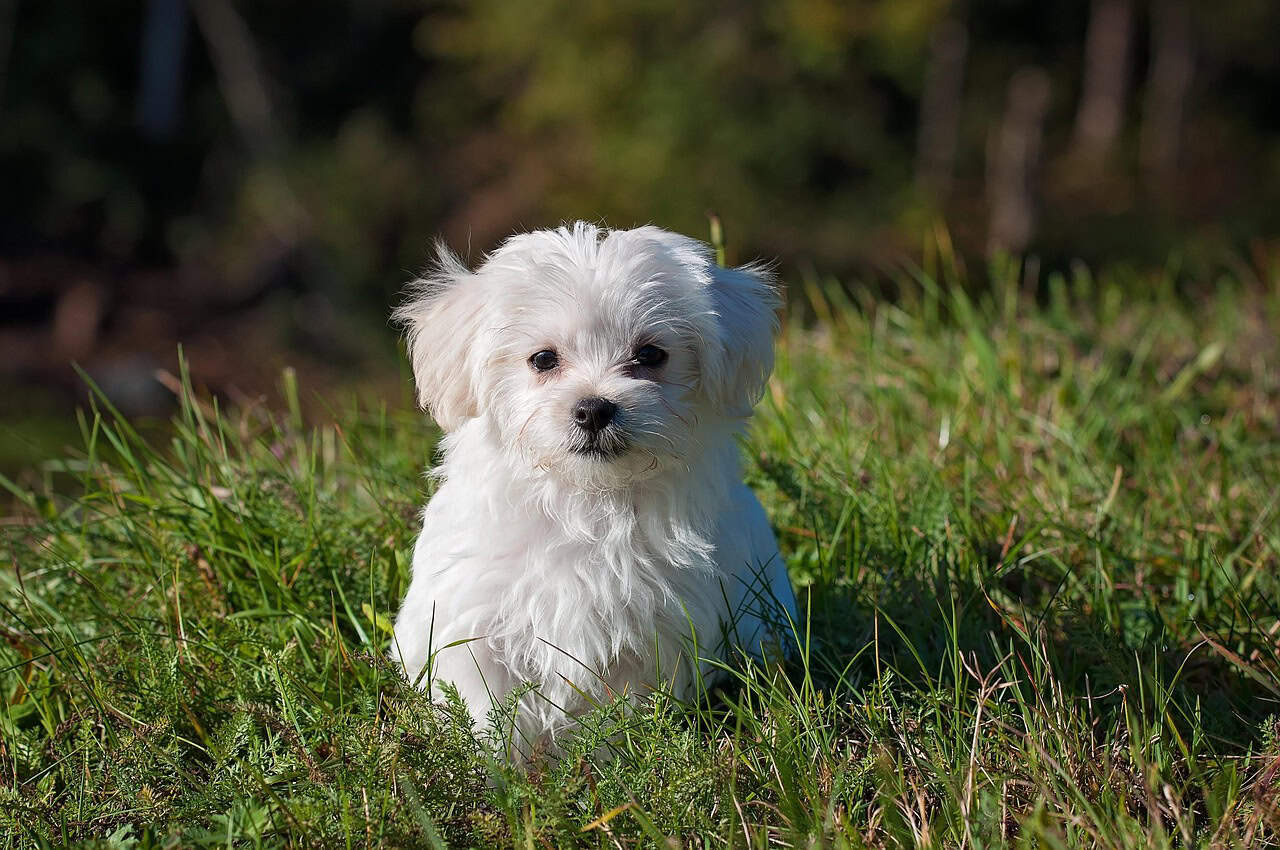
According to Michele Welton, Maltese dogs are not suitable for young children. Being very fragile, a clumsy child could easily injure a Maltese by accidentally stepping on these delicate dogs. This fragility creates a dangerous cycle – the dog becomes defensive because they’re easily hurt, and children become targets of this defensive behavior.
Sitting on a Maltese, squeezing the dog or dropping it on the patio can prove to be quite dangerous. Many Maltese are also overwhelmed by the quick movements and acute voices of children. Their silky white coats might make them look like living stuffed animals, but they’re living creatures with very real fears and defensive instincts.
Yorkshire Terriers: Small Dogs with Napoleon Complex

Yorkies are another breed that suffers from what many call “small dog syndrome.” Their terrier heritage means they were bred to be fearless hunters, and that fearlessness doesn’t always translate well to family life with children. These tiny dogs often believe they’re much larger than they actually are, which can lead to confrontations they can’t win.
Like other small terriers, Yorkies can become possessive of their favorite family members and may see children as competition for attention and resources. Their small size makes them vulnerable to accidental injury from children, which can trigger defensive aggression. Small children are especially vulnerable to bites from aggressive dogs due to their size, unpredictable behaviors, and inability to recognize dogs’ warning signals.
When Size Becomes a Safety Issue

Here’s something that might seem counterintuitive – sometimes the small size of these breeds actually makes them more dangerous around children, not less. Small dogs are susceptible to injury around small children. Just because a dog is small does not necessarily mean it is well-behaved around children. I have seen my fair share of clients asking for advice on how to stop their Dachshund from biting their toddler. I have also seen some nasty bites from small dogs. Of course, the damage a small dog inflicts on a child cannot be compared to the bite inflicted by one weighing 80 pounds or more, but things can still get ugly.
The real danger lies in the fact that children often don’t recognize the warning signs these small dogs give before they bite. Children can behave erratically, move in unpredictable ways and make a host of loud and sudden noises. Children are often very interested in dogs and may want to touch them even when they are showing signs of fear or aggression. Children are at greater risk because they are at the same level as the dogs due to their height and because they are often interested in similar things (toys, food).
The Real Reasons Behind Small Dog Aggression

Understanding why these breeds struggle with children helps us make better decisions. Lack of socialization, fear, territoriality, predatory drive, and more can prompt aggressive responses. Lack of socialization, fear, territoriality, predatory drive, and more can prompt aggressive responses. Many small dog owners simply don’t invest the same amount of training and socialization time that large dog owners do.
The survey found that small dogs were less likely to receive consistent training and had more behavioral problems because of it. When you combine inadequate training with natural territorial instincts and the vulnerability that comes from being small, you get a recipe for aggressive behavior toward children.
Making the Right Choice for Your Family

This doesn’t mean these breeds are inherently bad dogs – far from it. Many of these breeds can be wonderful companions for the right families. The key is understanding that Most dog aggression towards children is fear based, though many dogs will also show aspects of food, possessive and territorial aggression as well.
If you’re determined to get one of these breeds despite having children, extensive early socialization, consistent training, and constant supervision are absolutely essential. The best way to address aggression toward children is to prevent it. If your dog shows any signs of aggression, seek professional help immediately before these habits become ingrained. Never leave young children and infants alone with any dog.
Conclusion

The world of small dog breeds is complex, and these ten breeds require special consideration when children are part of the equation. While every individual dog is different, understanding breed tendencies can help families make informed decisions that keep everyone safe and happy. Remember, the goal isn’t to avoid these breeds entirely, but to understand their needs and limitations so you can provide the right environment for success.
What surprised you most about these small dog challenges with children?

Please send any feedback to feedback@animalsaroundtheglobe.com
- How to Prevent Wasps from Nesting Around Your Home Naturally - July 28, 2026
- The Fastest Tortoise in the World – Meet Bertie - July 28, 2026
- The AMES Foundation and Their Fight Against Rhino Poaching - July 27, 2026