

North America is a continent teeming with jaw-dropping wildlife, from the icy waters of the Pacific Northwest to the sun-baked deserts of the Southwest. We tend to think of animals in terms of their beauty or their danger. But intelligence? That’s a whole different conversation.
Some of the creatures sharing this continent with us are doing things that genuinely stop scientists in their tracks. Problem-solving. Planning ahead. Grieving. Teaching their young. It’s honestly humbling, if you think about it too hard. The diverse cognitive abilities demonstrated by North America’s smartest wild animals challenge our traditional understanding of intelligence. So, which animals make the cut? Let’s dive in.
1. The American Crow: A Feathered Genius You Probably Underestimate
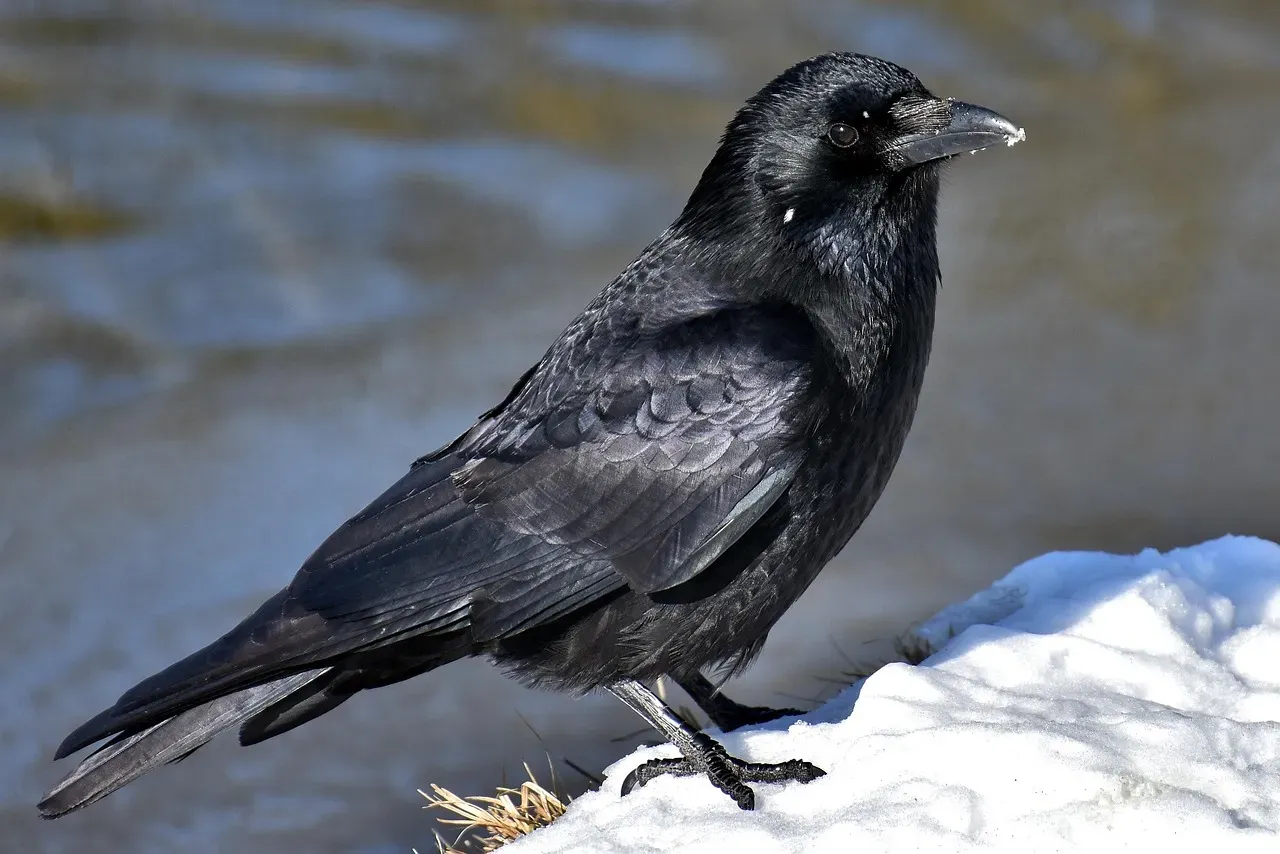
Let’s be real, most people just wave off a crow as a noisy black bird that steals french fries from parking lots. Here’s the thing though – they’re so much more. The American crow is renowned for its exceptional problem-solving skills and complex social structures. These birds are capable of using tools, such as sticks, to extract food from hard-to-reach places, and have been observed dropping nuts onto roads for cars to crack open, demonstrating an understanding of cause and effect.
Crows are highly social animals, living in large family groups known as “murders,” and they communicate through a variety of calls and can recognize individual human faces, remembering those who pose threats or offer food. That’s right. That crow watching you from the telephone wire? It knows exactly who you are.
Research has shown that crows possess a level of cognitive sophistication comparable to that of great apes. For a bird that fits in the palm of your hand, that’s absolutely staggering.
2. The Raven: North America’s Avian Mastermind
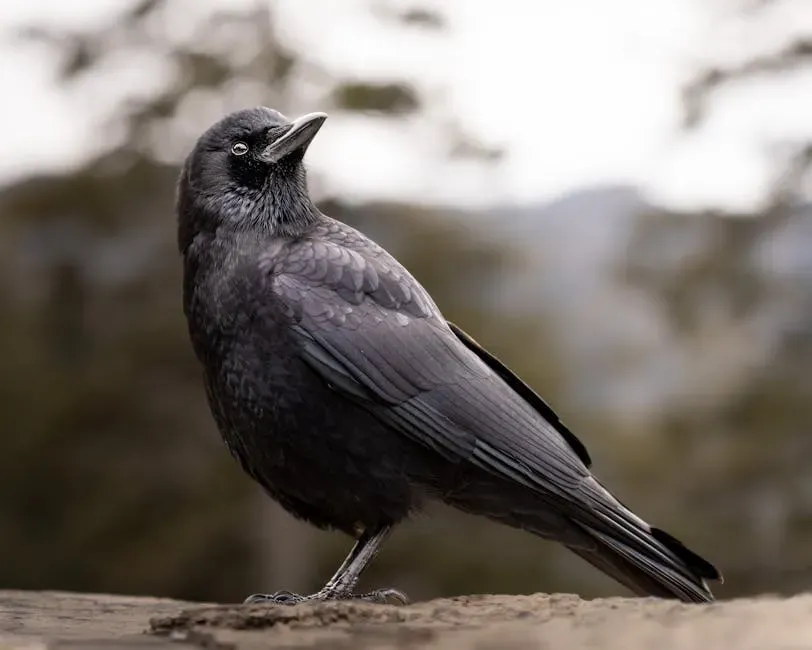
If crows are the street-smart hustlers of the bird world, ravens are the philosophers. Common ravens are arguably North America’s intellectual avian champions. These glossy black birds possess cognitive abilities comparable to those of great apes and dolphins, and can solve complex multi-step problems, use tools, and even plan for the future – a trait once thought unique to humans.
In a famous study at the University of Vermont, ravens quickly learned to pull a string to retrieve food, understanding the cause-and-effect relationship after just a few attempts. Perhaps most impressively, ravens exhibit “theory of mind,” the ability to attribute mental states to others.
Think of it like this: a raven doesn’t just know what it’s doing, it thinks about what you’re thinking. That’s a cognitive leap most animals never make. Ravens are essentially playing four-dimensional chess while the rest of the forest is playing checkers.
3. The Bottlenose Dolphin: Emotional Genius of the Seas
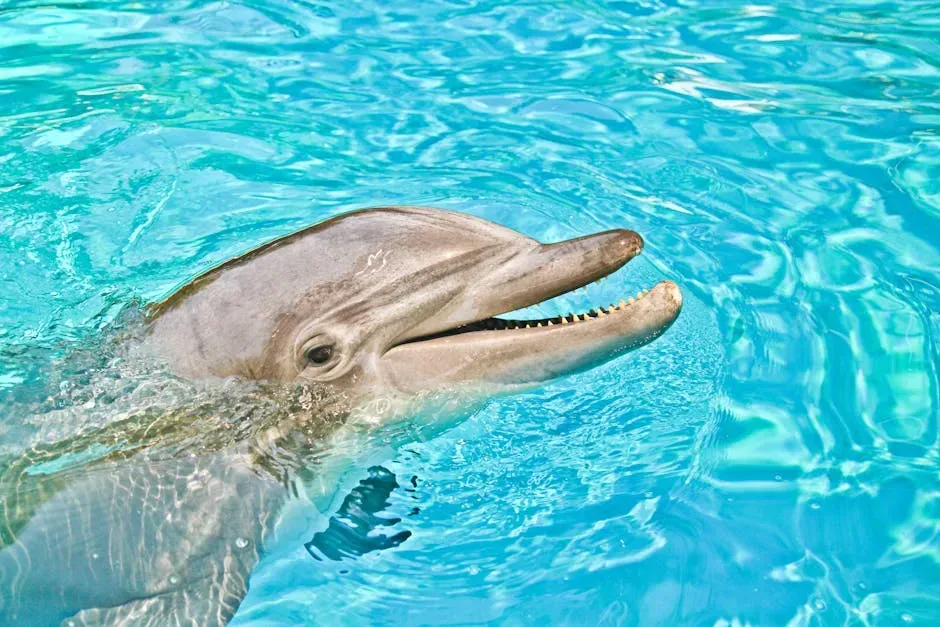
Bottlenose dolphins patrol the coastal waters of North America, and honestly, calling them simply “smart” feels like an understatement. Dolphins are highly intelligent animals, and this intelligence appears in many aspects of their lives. One well-documented example is their exceptional social memory, the longest recorded in any nonhuman species. This capacity allows them to recall and identify specific individuals they were once familiar with, even after separations lasting more than 20 years.
Research indicates that dolphins possess remarkable communication skills through unique signature whistles, enabling them to identify and connect with each other within their dynamic social structures known as pods. These signature whistles are learned and modified over time, showcasing the dolphins’ capacity for vocal learning and long-term social recognition.
Experiments have demonstrated that bottlenose dolphins can recognize their reflections in mirrors, a response that researchers interpret as evidence of self-recognition. Roughly only a handful of species on the entire planet can do that. The dolphin is one of them.
4. The Orca: Ocean’s Apex Intellect
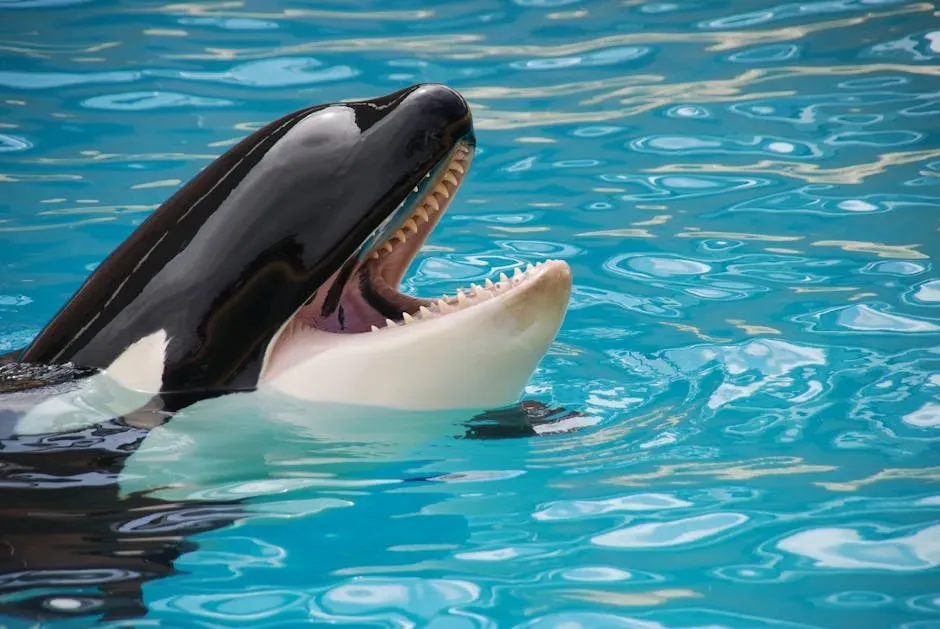
Orcas roam the coastal waters off the Pacific Northwest of North America, and they may be among the most cognitively sophisticated animals alive. Orcas’ brains are massive – five times the size of our brains – and have complex, wrinkly folds similar to a human’s. These folds in the brain allow orcas to fit more processing power into a concentrated space, giving rise to all sorts of skills and abilities.
Killer whales have been observed to possess intricate communication systems, including clicks, whistles, and pulsed calls, which serve functions from navigation to social interaction. Some pods even have unique dialects, believed to strengthen social cohesion. Dialects. Like regional accents. In whales. I know it sounds crazy, but there it is.
Two male orcas who found the body of an older female whale exhibited signs of grief: they physically retraced their mother’s last known whereabouts together, avoided socialization with other whales and retreated from group activities. In a similar story, a female orca whose calf died shortly after birth refused to part from the dead body, attempting to revive him for 17 days. Emotional depth like that is something most people never expected from any non-human animal.
5. The Raccoon: Masked Bandit With an Astonishing Brain
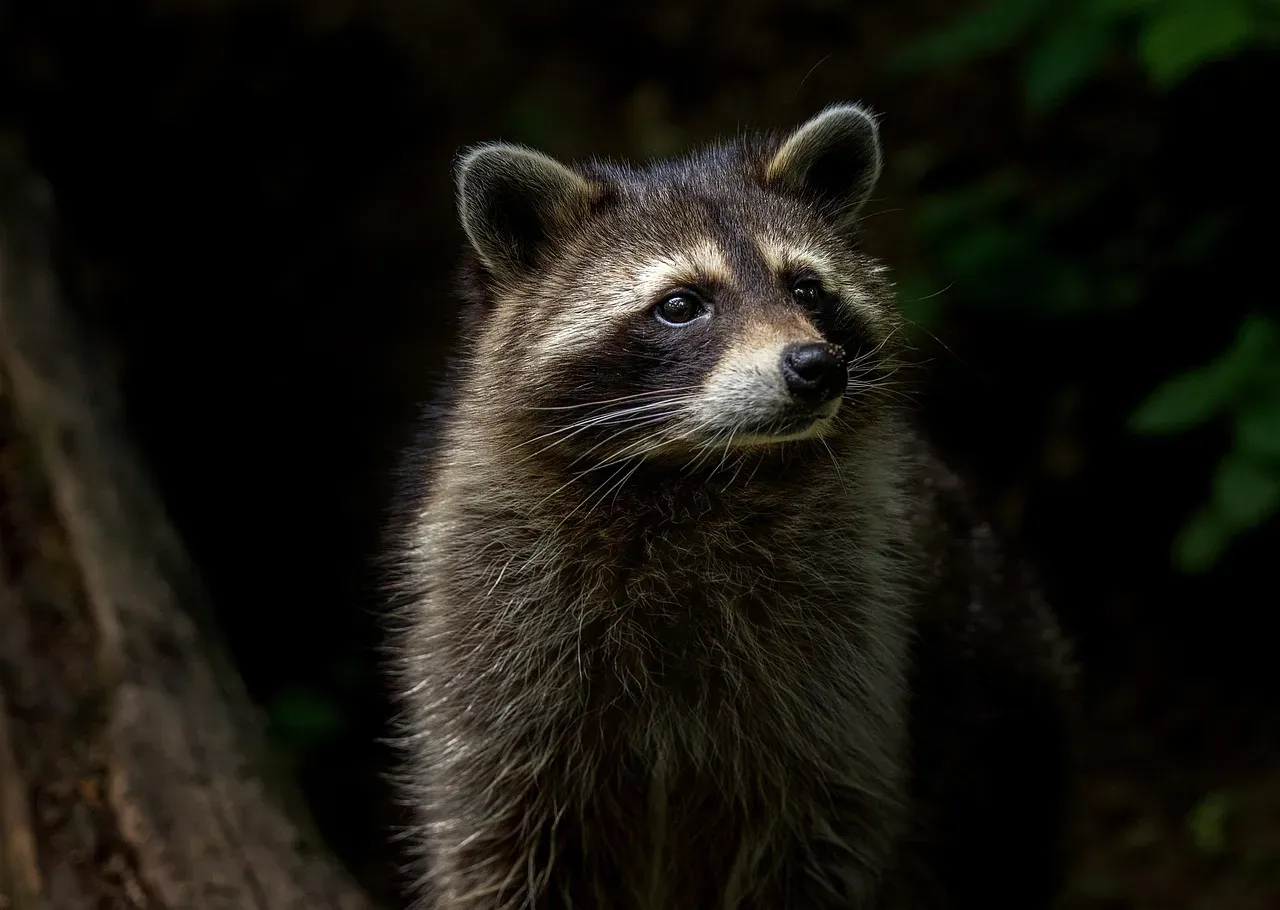
Ask anyone who’s tried to secure their trash bin and they’ll confirm: raccoons are relentless. What looks like stubborn mischief is actually high-order cognition at work. In one study, raccoons showed they could solve puzzles and unlock complex latches, which can help them navigate urban environments and points to their adaptability and resourcefulness. The study concludes that raccoons’ intelligence plays a key role in their survival, especially in human-dominated landscapes.
Studies have shown that raccoons have been able to recall solutions to complex problems and even identify and differentiate different symbols up to three years after learning them. Some experts have also said that raccoons performed very high on a mammal IQ test.
It’s hard not to admire them, honestly. They figured out how to thrive in cities, suburbs, and wilderness all at once. Raccoons are essentially the urban entrepreneurs of the animal kingdom.
6. The Gray Squirrel: North America’s Underrated Mastermind
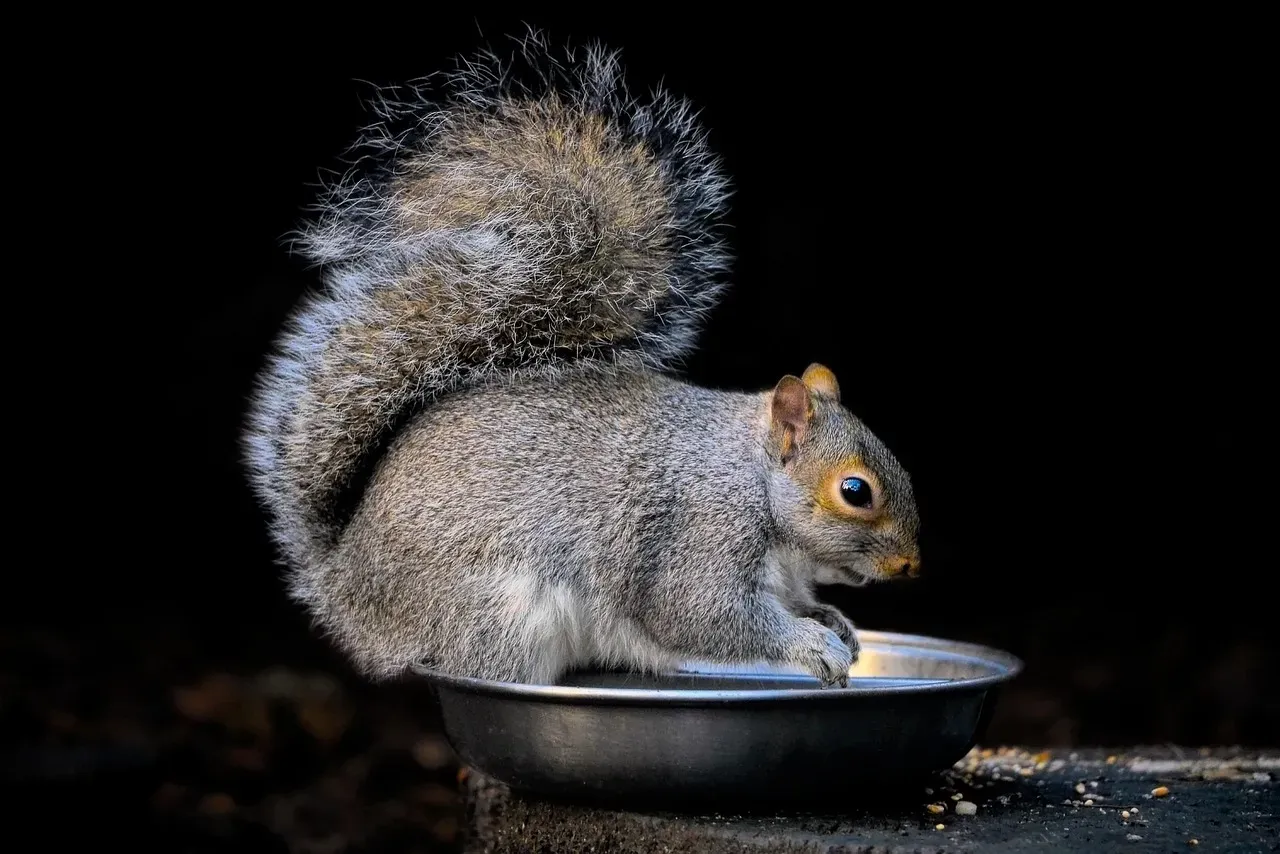
Squirrels get dismissed as hyperactive little fluffballs. That’s a serious mistake. Squirrels are incredibly smart critters, so smart in fact that some experts think of them as North America’s monkey. That’s not a casual observation. That’s researchers making a serious cognitive comparison.
Squirrels are great problem solvers, correct their mistakes, learn, and have long memories. In 2013, scientists tested the memories of gray squirrels and found they could recall the solutions to problems they hadn’t encountered in two years. Studies into squirrel “caching behavior” have shown that squirrels can remember where they buried thousands of nuts.
Eastern gray squirrels dig holes, pretend to hide their food in them and run off to other secret places to stash their food. This is deceptive caching, and they do it to confuse potential thieves. Deception requires theory of mind. That’s a big deal in the animal cognition world.
7. The Wolf: Strategic Hunter With a Social Superpower
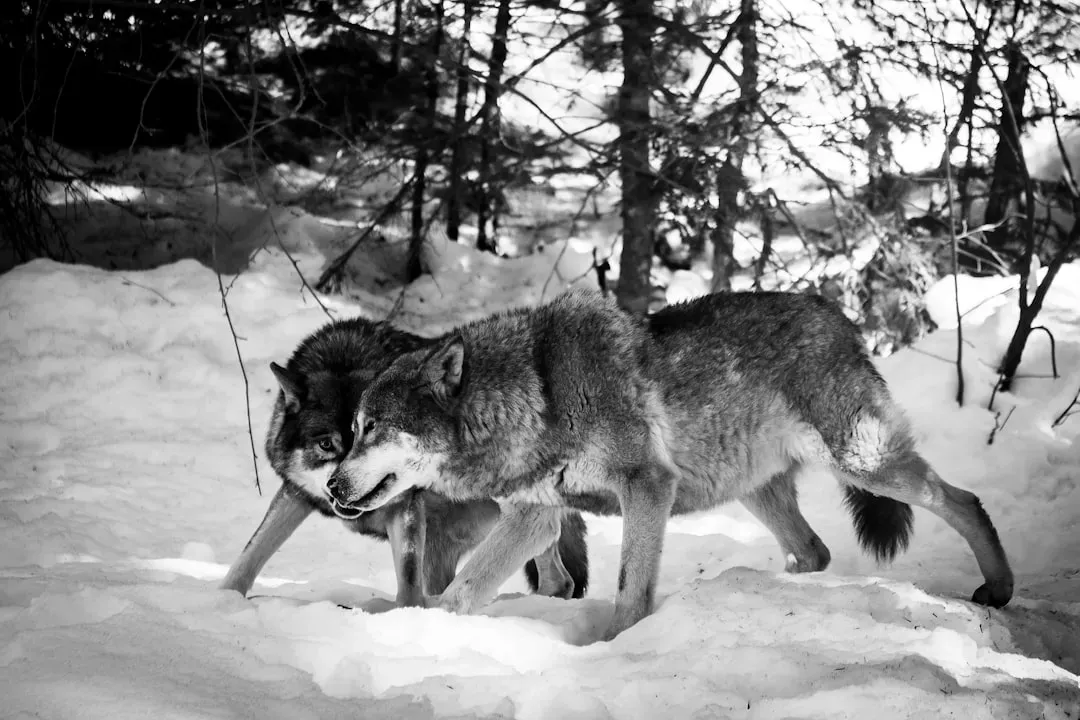
Wolves are built for intelligent teamwork in a way few creatures on Earth can match. As pack animals, wolves demonstrate incredible coordination when hunting. In order to catch their prey, they work together as an organized group, one that is forced to communally make decisions based on the ever-changing variables they face while stalking their prey.
While hunting and in research settings, wolves have proven to be incredibly competent problem solvers. Wolves also display incredible social intelligence with their complex hierarchical group structures. Think of a wolf pack as a highly mobile, highly adaptive team. Every hunt is a coordinated strategy session.
Wolves also pass information down through generations, much like human cultures pass down knowledge. It’s subtle, it’s quiet, and for years science barely gave them credit for it. Thankfully, that’s changing.
8. The North American River Otter: Playful Problem Solver
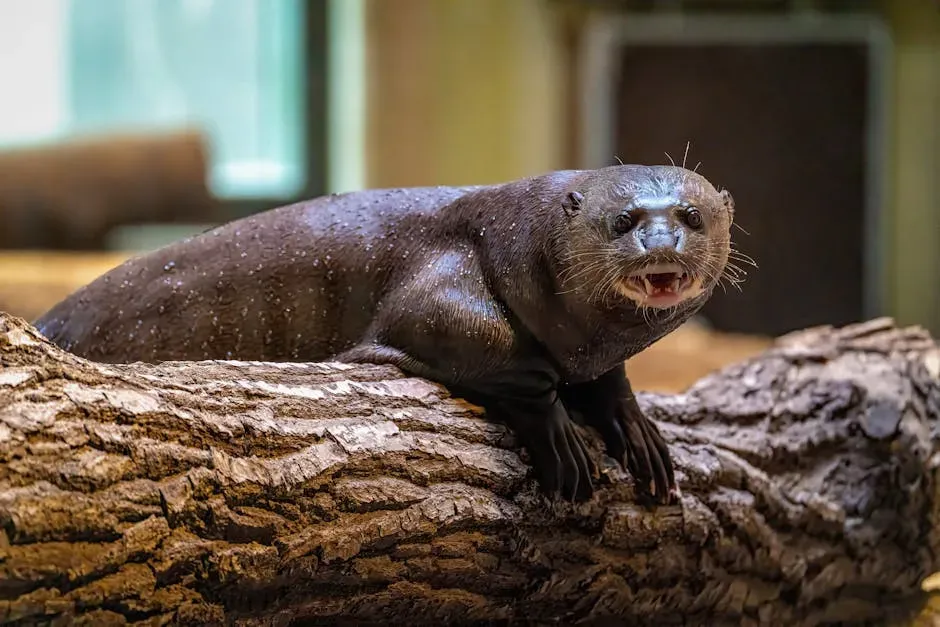
Playfulness and intelligence are more closely connected than most people realize. North American river otters are among the smartest creatures in North America. With an ability to use tools and solve complex puzzles, these otters exhibit a level of intelligence that fascinates researchers. Their playful behavior is not just for fun; it’s a critical aspect of their learning and problem-solving abilities.
River otters exhibit a variety of playful behaviors, such as sliding down muddy banks and engaging in mock fights. This play is not only a form of social bonding but also helps them develop hunting and survival skills. They are known to use tools, such as rocks, to crack open shellfish, demonstrating their ability to manipulate objects to achieve specific goals.
It’s a bit like watching a child learn through play. The mechanics are different, the goals are different, but the underlying intelligence at work is remarkably similar.
9. The American Black Bear: Memory, Adaptability, and Raw Cunning
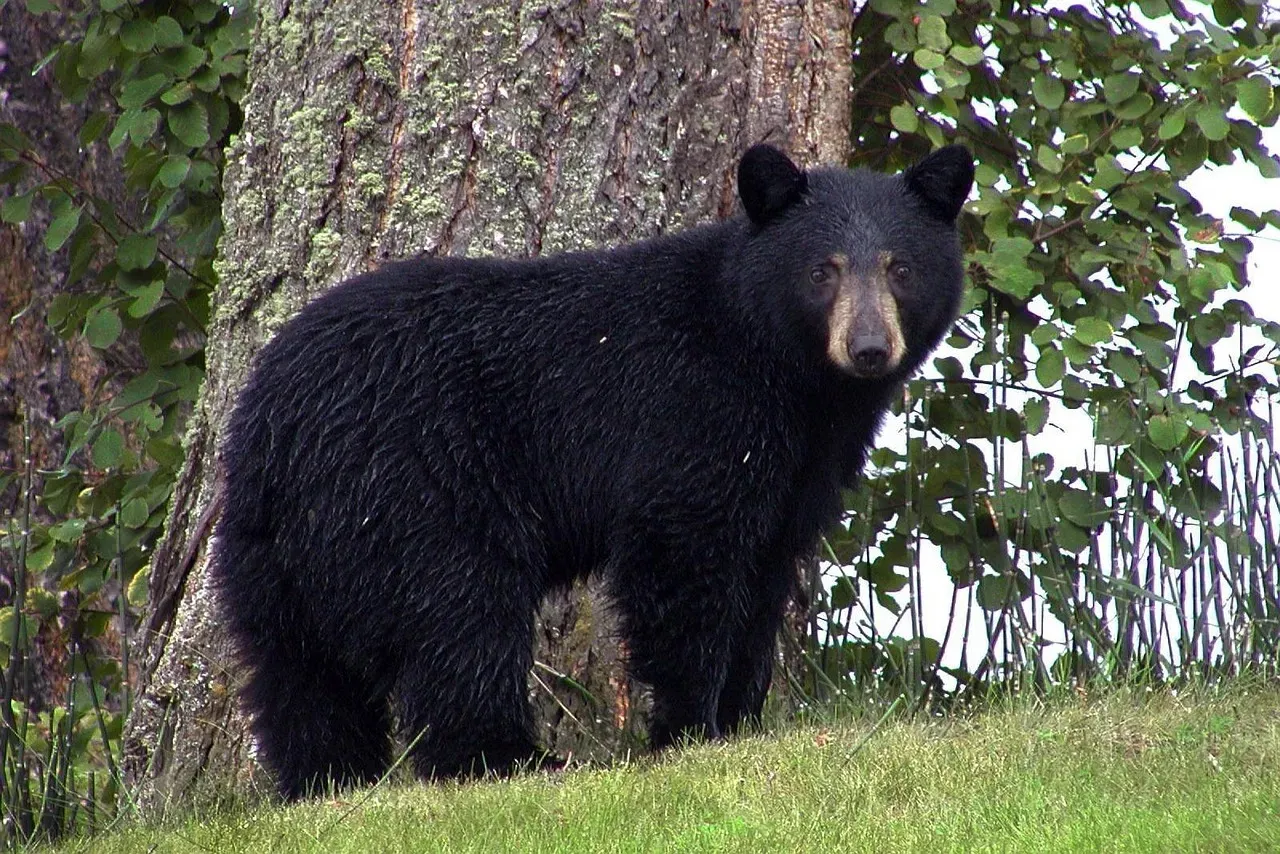
Black bears are found throughout much of North America, and they are far more cognitively impressive than their lumbering reputation suggests. The American black bear is a highly intelligent and resourceful mammal found throughout North America. These bears are known for their problem-solving abilities and adaptability, allowing them to exploit a wide range of food sources and habitats. Black bears have an excellent sense of smell, which they use to locate food from great distances.
Their ability to remember the locations of food sources and adapt their foraging strategies to changing conditions is a testament to their cognitive abilities. In addition to their foraging skills, black bears are adept at navigating complex environments.
Bears have been documented opening car doors, solving wildlife-proof containers, and navigating human landscapes with impressive precision. It’s hard to say for sure where the ceiling of black bear intelligence really sits, since we’re still learning. What we do know is that they’re much smarter than the average camping story gives them credit for.
10. The Red Fox: Cunning, Adaptable, and Street-Smart
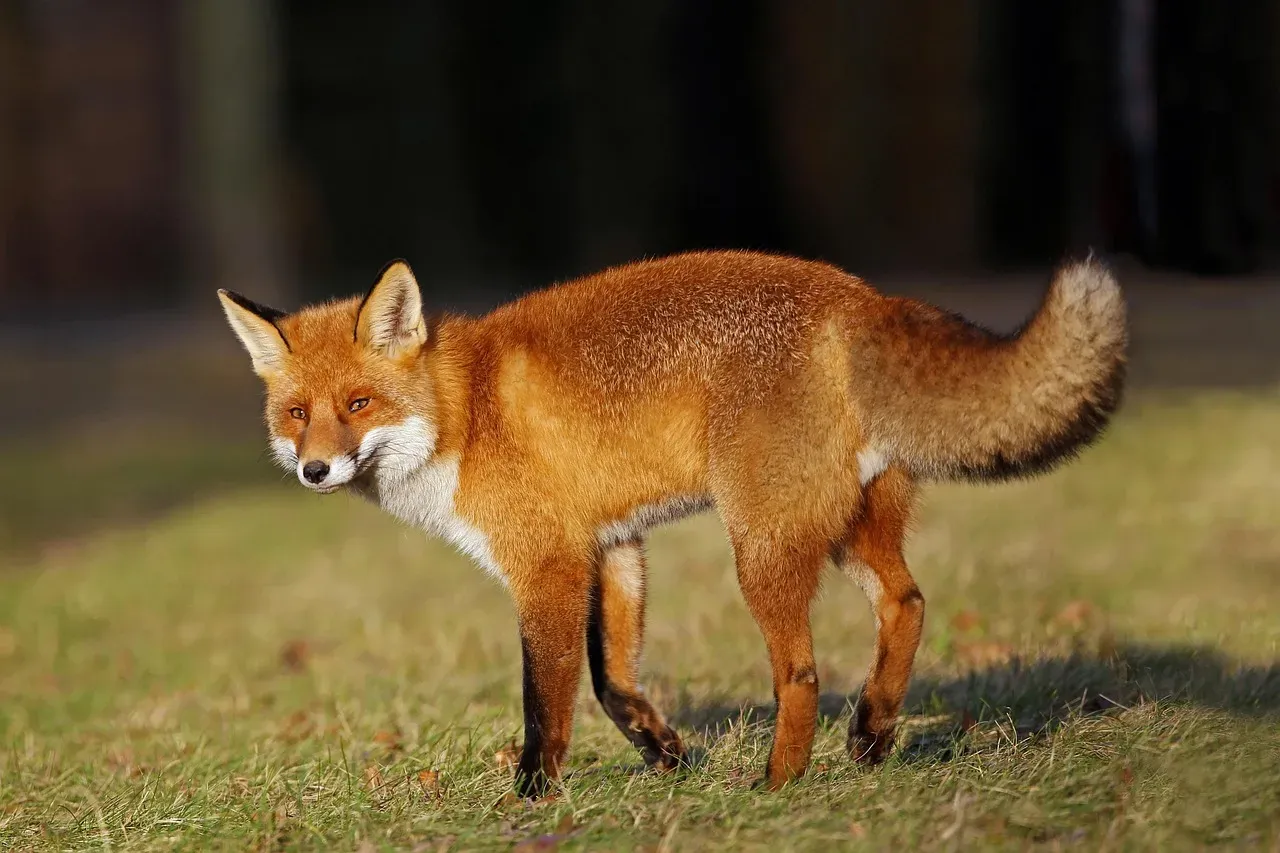
The red fox has earned a starring role in folklore as the sly trickster for a very good reason. The red fox proves itself as a highly adaptable and clever creature. With a knack for hunting and evading predators, they’re the ultimate survivors. Their cunning nature is often depicted in folklore and stories, highlighting their quick thinking and resourcefulness.
There’s good reason for the old expression “sly as a fox.” Though their intelligence has earned them a bad reputation with farmers, foxes should be admired for their resourcefulness, and their social and emotional intelligence.
Foxes thrive in environments ranging from dense forests to busy urban neighborhoods. Their ability to read a landscape, learn from humans, and adapt their behavior in real time places them firmly on any credible list of North America’s smartest wild animals. They are living proof that raw survival instinct and genuine intelligence can be one and the same.
Conclusion: Nature’s Quiet Geniuses Are All Around Us
What’s remarkable about this list is how different each of these animals is from the next. What’s becoming more and more obvious is that there aren’t just a few highly intelligent animals, but rather a vast number, all of whom demonstrate their intelligence in unique ways. A crow using a car as a nutcracker. An orca grieving its young. A squirrel pulling off an elaborate deception on a rival. These are not random animal behaviors. They are signs of minds at work.
What’s particularly fascinating is how these cognitive abilities often evolved independently in different lineages, suggesting that intelligence represents a powerful adaptive strategy regardless of evolutionary history. In other words, being smart is one of nature’s best survival tricks, and North America is full of animals that figured that out long before we started studying them.
Next time you spot a raccoon eyeing your trash can, or a crow watching you from a fence post, give a little nod of respect. You might just be in the presence of one of the continent’s great minds. What do you think? Which of these animals surprised you the most? Drop your thoughts in the comments.

- What It Means When Your Cat Stares at the Same Empty Corner at the Same Time Every Night – and the Three Explanations Competing for It - July 19, 2026
- What It Means When a Snake Crosses Your Path From Left to Right According to Every Southern Appalachian Tradition That Recorded It - July 19, 2026
- What It Means When Deer Stop Coming to an Area They Have Visited for Years – and What Wildlife Biologists Say They Are Detecting - July 19, 2026