
Some dogs walk into a room and people immediately tense up, cross the street, or grab their kids’ hands a little tighter. Not because of anything the dog has done, but because of the story that follows that breed around like a shadow. I still remember watching a neighbor’s gentle, wiggly pit bull get avoided at the park while a much snappier little dog got cuddled and cooed over. That disconnect between reputation and reality is exactly what this article is about.
When you actually look at the research on dog behavior, aggression, and bite risk, the picture is way more complicated and way more hopeful than the scary headlines suggest. Breed matters a bit, sure, but training, socialization, environment, and human behavior matter a lot more. Let’s walk through ten breeds that are often labeled as “difficult” or “dangerous” and look at what science, history, and real-life experience tell us about who they really are.
1. American Pit Bull Terrier: The Poster Child for Misunderstanding
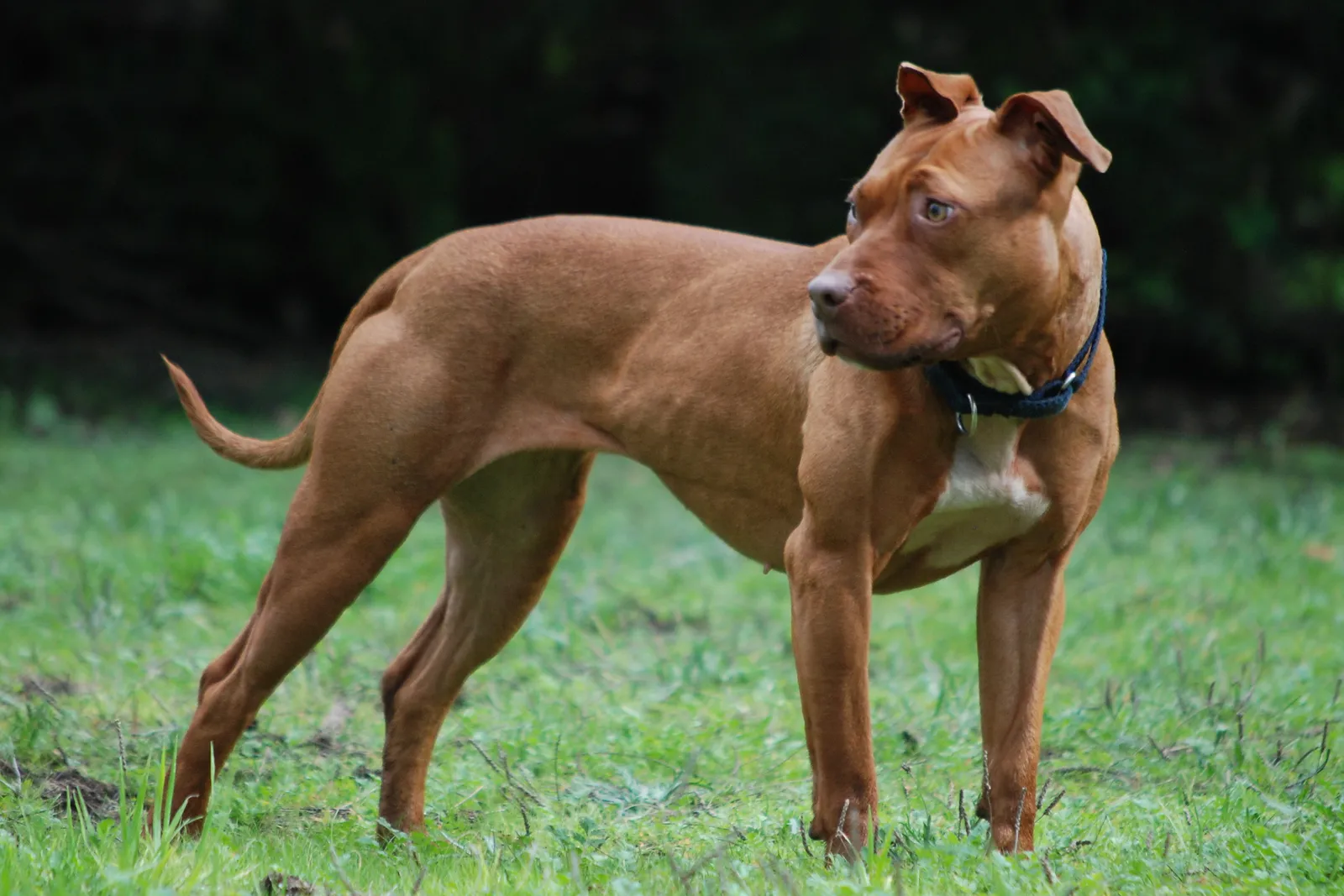
If any breed could sue for defamation, it would probably be the pit bull. For years, pit bulls have been the go-to villain in news stories, even when the dog in question is not actually a pit bull at all but some random mixed breed with a blocky head. Studies that look at serious bite incidents have repeatedly found that dogs are misidentified by both media and even professionals surprisingly often, which means a lot of statistics on “pit bull attacks” are shaky at best.
Behavior research has shown that, on average, pit bull–type dogs score similar to many other common breeds on measures of stranger-directed and owner-directed aggression when you control for things like training and environment. What pit bulls do often have is a lot of energy, tenacity, and physical strength, which means if they’re poorly bred, under-socialized, or encouraged toward aggression, the results can be devastating. But in stable homes with fair, consistent training, many pit bulls turn out to be goofy, people-oriented dogs who live for couch cuddles and tug-of-war, not the monsters the headlines make them out to be.
2. Rottweiler: Powerhouse Guardian With a Soft Center
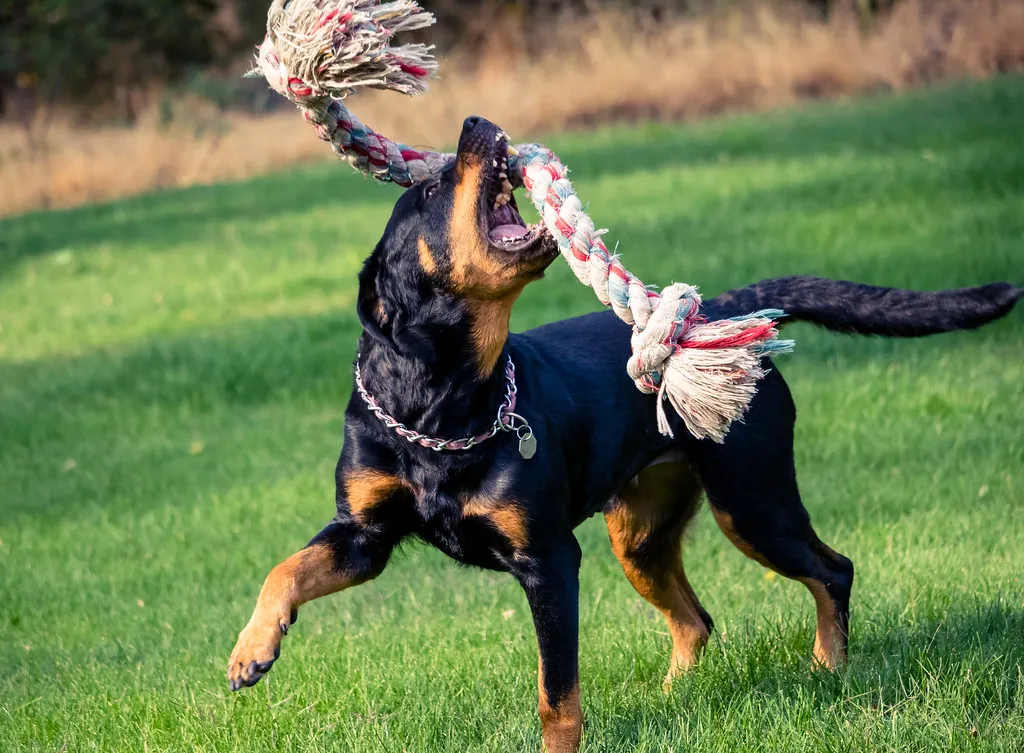
Rottweilers look like they were carved out of solid muscle, and that powerful frame feeds a lot of fear. Historically, they were drover dogs and guardians, bred to move cattle and then protect carts and money, so yes, they were designed to notice threats and respond with conviction. That guardian instinct can be a gift or a problem, depending entirely on how humans handle it from puppyhood onward.
Temperament testing and owner surveys suggest that well-bred, well-raised Rottweilers tend to be confident, calm, and surprisingly playful with their families. The so-called “difficult” side often shows up when people bring home a Rottie purely for status or protection, skip training classes, and fail to expose the dog to the world in a positive way. When you put early socialization, clear boundaries, and mental exercise in place, you start to see what many Rottweiler lovers talk about: a dog that’s both serious about family security and utterly ridiculous about belly rubs.
3. German Shepherd: The Overworked Professional of the Dog World
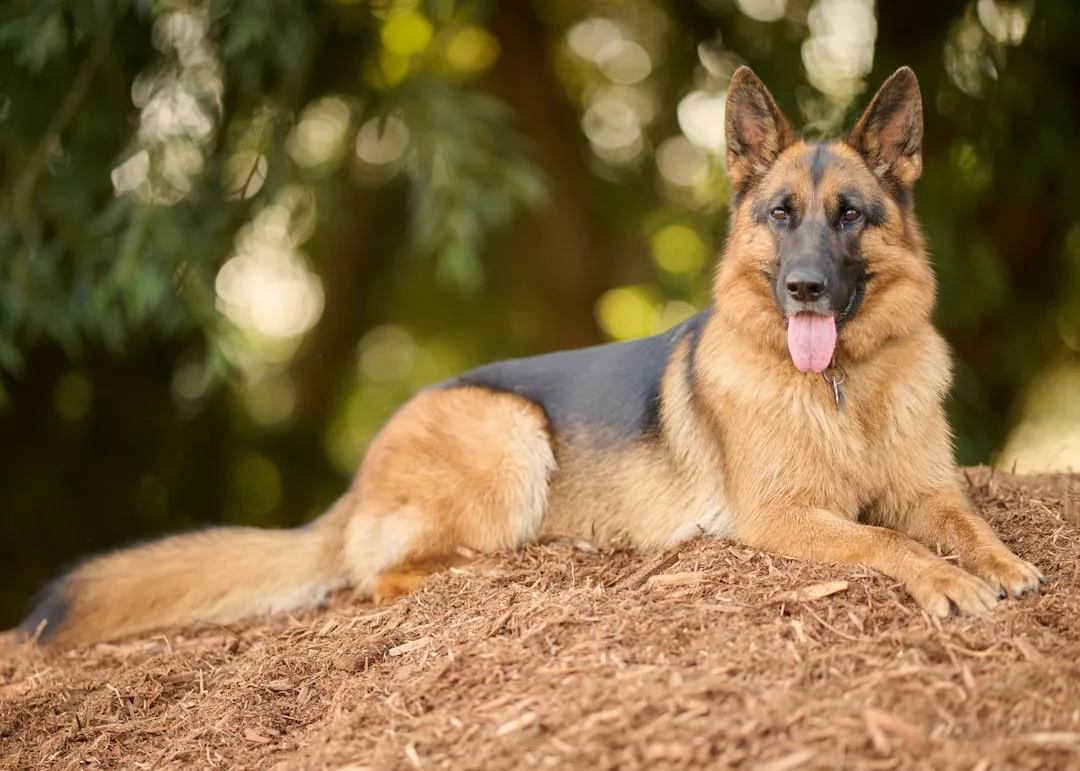
German Shepherds show up in policing, military work, search and rescue, and protection sports, and that intense working image has shaped how people see them. They’re often perceived as suspicious, tense, or reactive by default. In reality, the original ideal for the breed was a stable, confident, versatile herding dog who could handle both pressure and family life, not a bundle of raw nerves on a leash.
Modern research and large-scale behavioral surveys do show that some lines of German Shepherds are more prone to anxiety and reactivity, especially when breeding has focused too heavily on extremes of drive or appearance instead of mental stability. But when you get a dog from sound, health- and temperament-tested lines and actually give them what their brain craves – structured training, problem-solving games, clear jobs – the “difficult” label often melts away. What’s left is a bright, loyal dog who can be as gentle with children as they are intense on a training field, as long as you respect that they’re more like a working professional than a casual hobby dog.
4. Doberman Pinscher: Elegance, Intelligence, and Unfair Fear
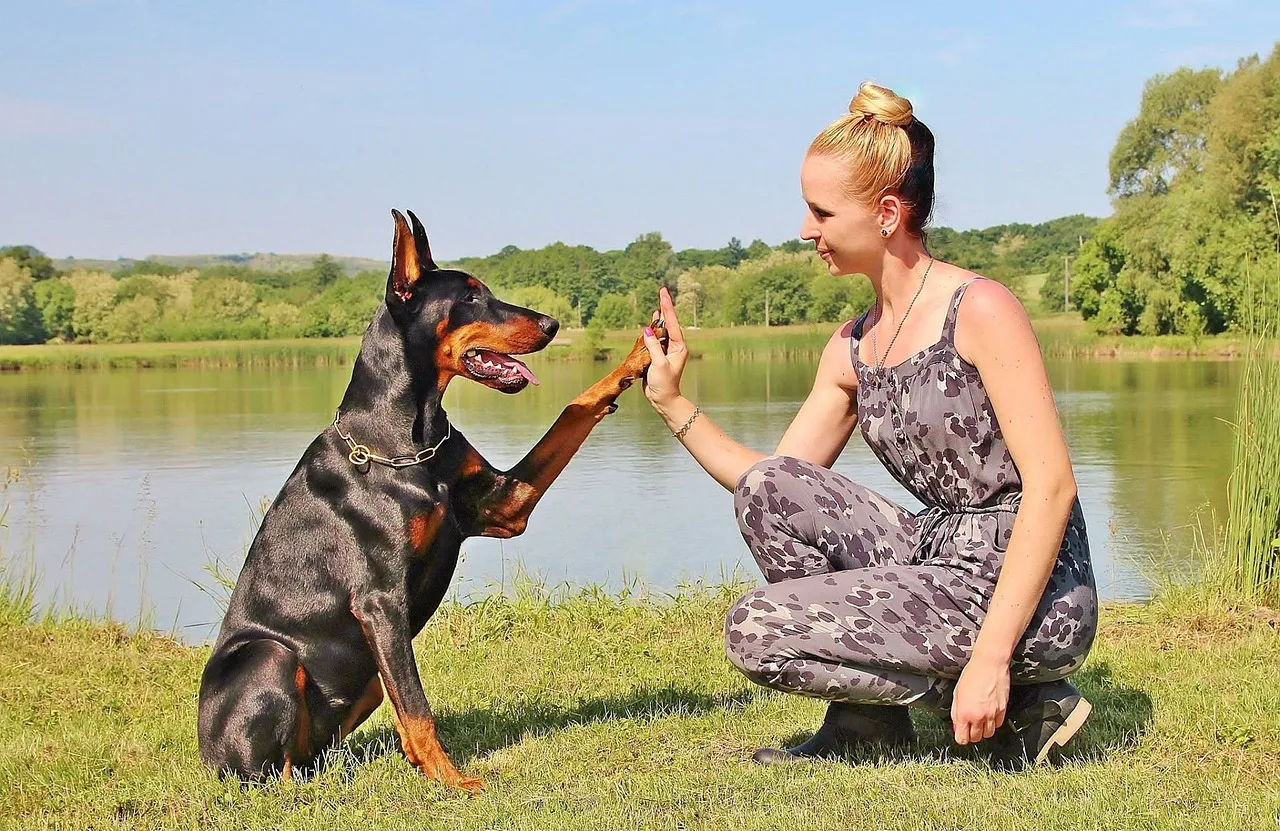
Dobermans have that sleek, alert look that makes some people assume they’re seconds away from attack. A lot of that image comes from movies and security marketing, where the Doberman is almost always the intimidating gatekeeper. Historically, they were developed as personal protection dogs, so they are indeed wired to keep an eye out for danger and stay close to their people. But the good breeders have always selected for courage and clarity, not random aggression.
Behavioral science paints Dobermans as highly trainable, people-focused, and often quite sensitive. Many owners report that harsh training methods backfire badly, making these dogs either shut down or become anxious rather than obedient. When you use positive reinforcement and consistent structure, the breed’s intelligence and attachment to their humans shine. Instead of a so-called “dangerous” dog, you usually end up with a shadow-like companion who follows you from room to room and seems almost too aware of your moods.
5. Siberian Husky: The Drama Queen Escape Artist
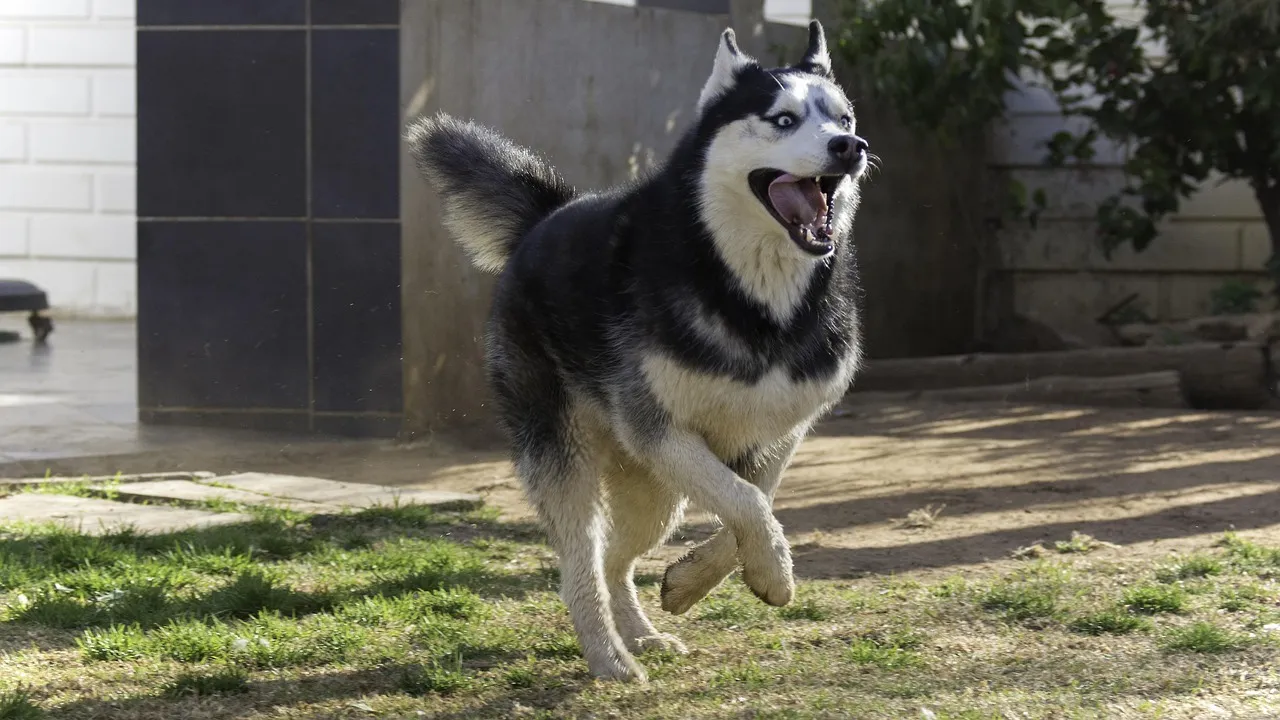
Huskies often get labeled as “bad” or “uncontrollable” simply because they’re so different from what many first-time owners expect. These are dogs bred to run long distances, work cooperatively in teams, and make decisions in harsh environments. That independent streak means they’re less concerned with pleasing you just because you asked nicely. To someone used to a biddable retriever, that can feel downright rebellious.
Studies comparing trainability across breeds often place Huskies in the middle of the pack: not untrainable, but more independent and easily bored. Their so-called “difficult” behaviors – howling, digging, escaping, chasing anything that moves – are really just natural sled dog instincts with nowhere useful to go. Owners who lean into what Huskies were designed for, with activities like canicross, bikejoring, or even long runs and puzzle games, often see a dramatic shift. Under the high energy and mischief, you’ll find a friendly, social dog with a hilarious flair for melodrama.
6. Akita: Dignified, Reserved, and Often Misread
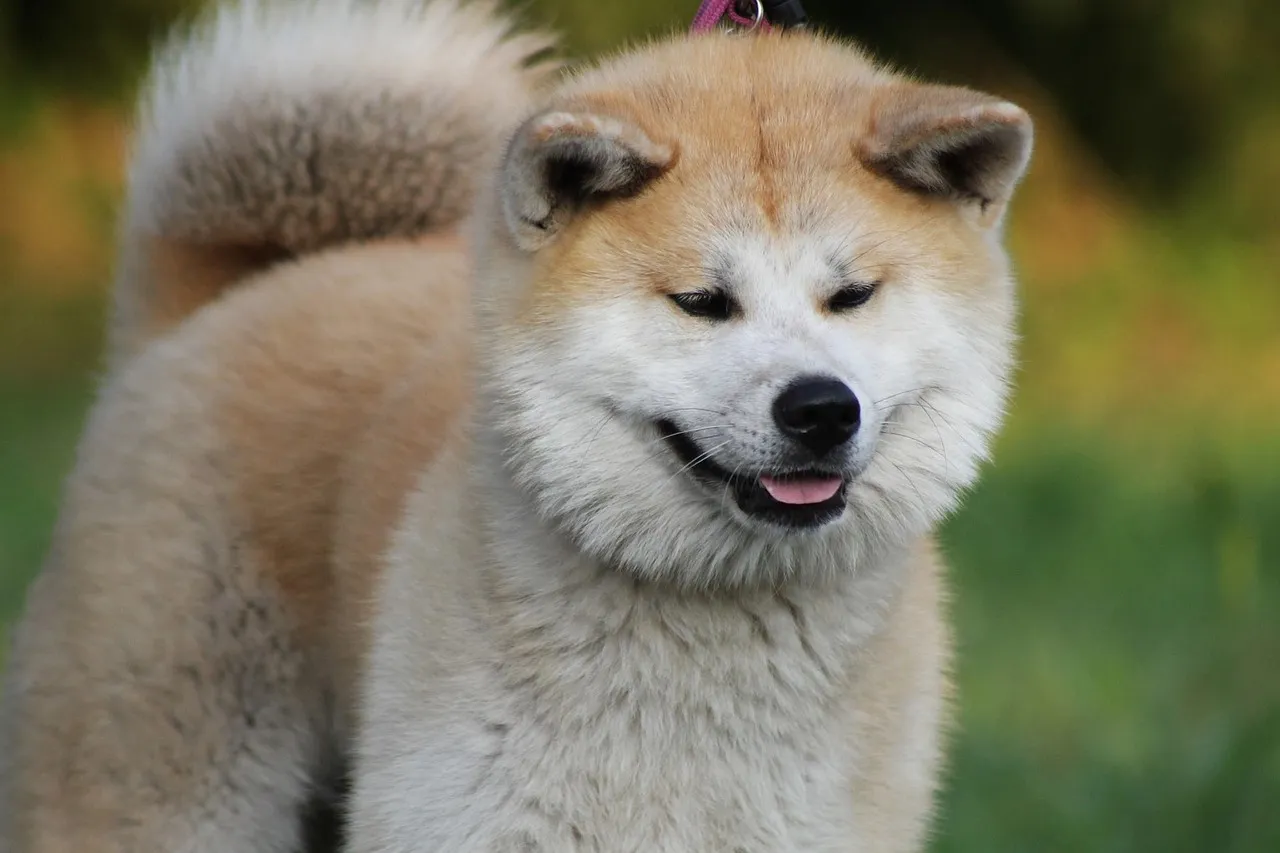
The Akita’s big bear-like frame and calm stare can feel intimidating if you’re used to lab-style friendliness. This is a breed shaped by a long history of hunting large game and guarding, combined with cultural expectations of dignity and restraint. They are not the type to fling themselves into the arms of strangers, and that reserve frequently gets misread as hostility or coldness rather than just a different social style.
Behavior data suggests that Akitas can be more likely than some other breeds to show dog-directed aggression, particularly toward unfamiliar dogs of the same sex. That reality needs honest handling: thoughtful introductions, management, and responsible ownership are non-negotiable. But with their own people, many Akitas are deeply loyal, affectionate, and even silly in private. When people accept that not every dog wants to be a social butterfly and respect an Akita’s boundaries, the “difficult” label shifts into a more accurate one: powerful, complex, and best suited to owners who enjoy a strong-minded partner, not a pushover.
7. Chow Chow: The Cat in a Dog’s Body
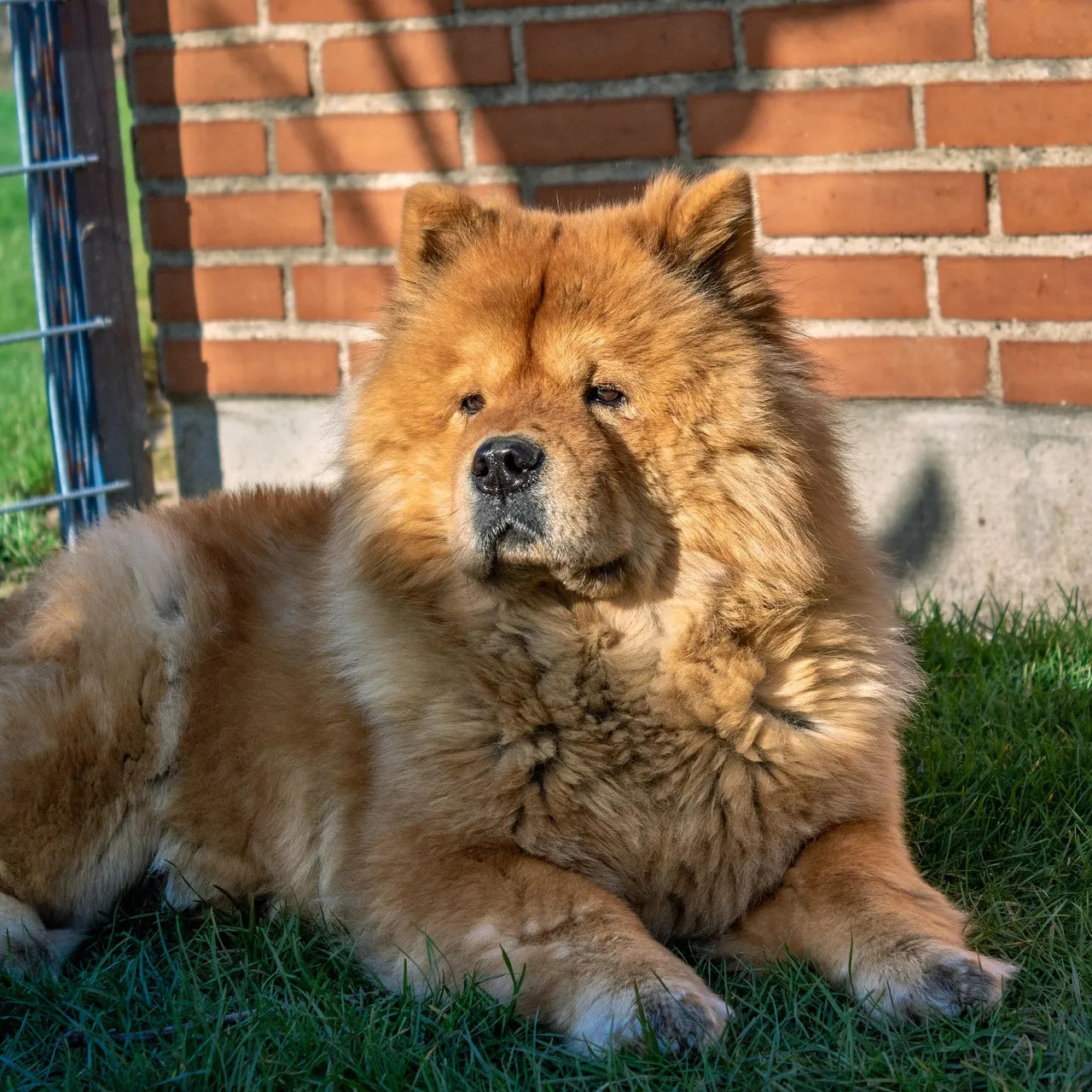
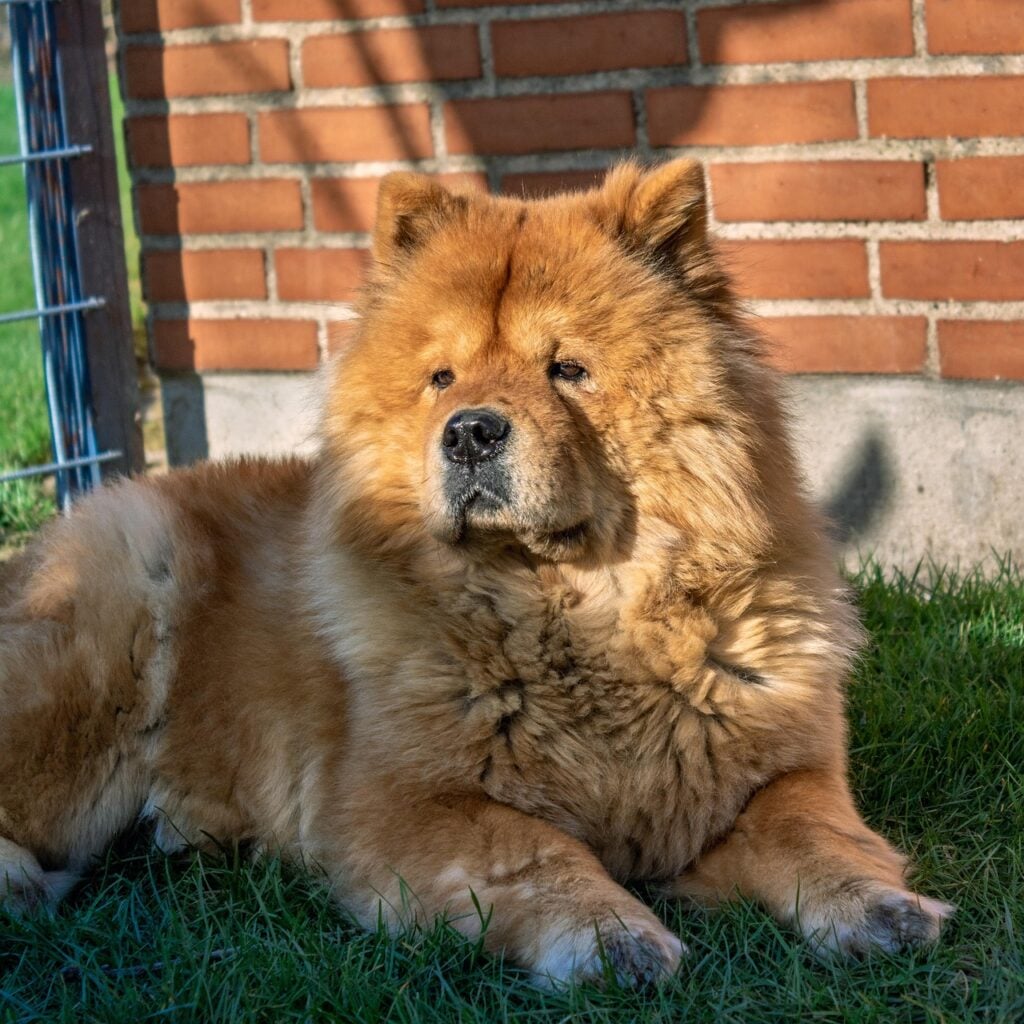
Chow Chows might be one of the most visually striking breeds, with their lion manes and blue-black tongues, but they’re also among the most misunderstood. Many Chows simply do not care about strangers, which in a world that expects dogs to be bouncy and eager-to-please can come across as aloof or even rude. Historically, they served as multipurpose farm and temple dogs in China, including guarding roles, so wariness about outsiders is built into many bloodlines.
Studies and temperament assessments have found that Chows tend to be more independent and less playful with unfamiliar people compared with many popular family breeds. That doesn’t make them “vicious”; it just means they’re wired more like cats in their social preferences. With patient, reward-based training and early exposure to a variety of people and situations, they typically bond strongly with family members and can be remarkably calm companions. The real challenge is convincing humans to stop expecting lab-like exuberance from a dog that is, by nature, much more reserved.
8. Jack Russell Terrier (and Similar High-Drive Terriers)
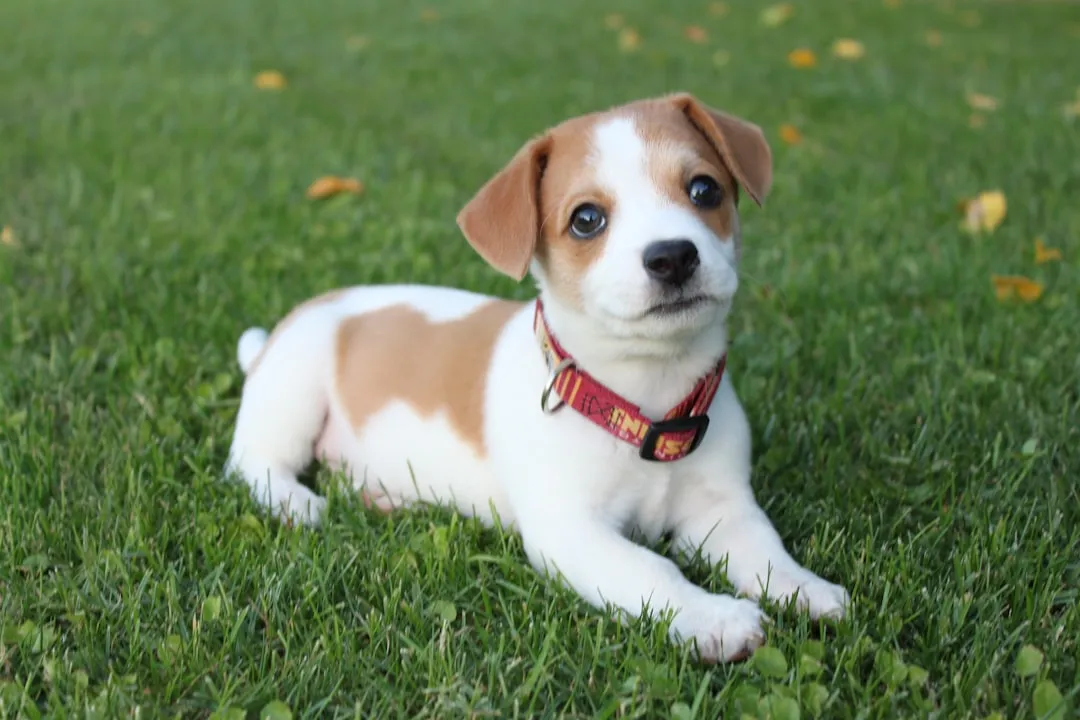
Jack Russells and related terrier breeds are often dismissed as “naughty” or “hyper” when the deeper truth is that they are working hunters in tiny bodies. Bred to flush and pursue prey, they’re fast-thinking, quick-reacting, and driven. In the wrong environment – small apartment, no training, minimal exercise – that drive turns into chewing, barking, and darting after anything that moves. People call the dog difficult, but really the lifestyle is just a bad fit.
Behavior research frequently ranks terriers as highly energetic, independent, and sometimes more likely to show dog-directed reactivity if not socialized well. But they’re also extremely intelligent and capable of impressive performance in sports like agility, flyball, and scent work. When given outlets for their hunting heritage and mental energy, Jack Russells often become fun-sized powerhouses who love their people fiercely. It is fair to say they’re not for everyone, but calling them “bad” dogs ignores the fact that they’re simply overqualified for a couch-only life.
9. Dogo Argentino: Built for Hard Work, Not Casual Ownership
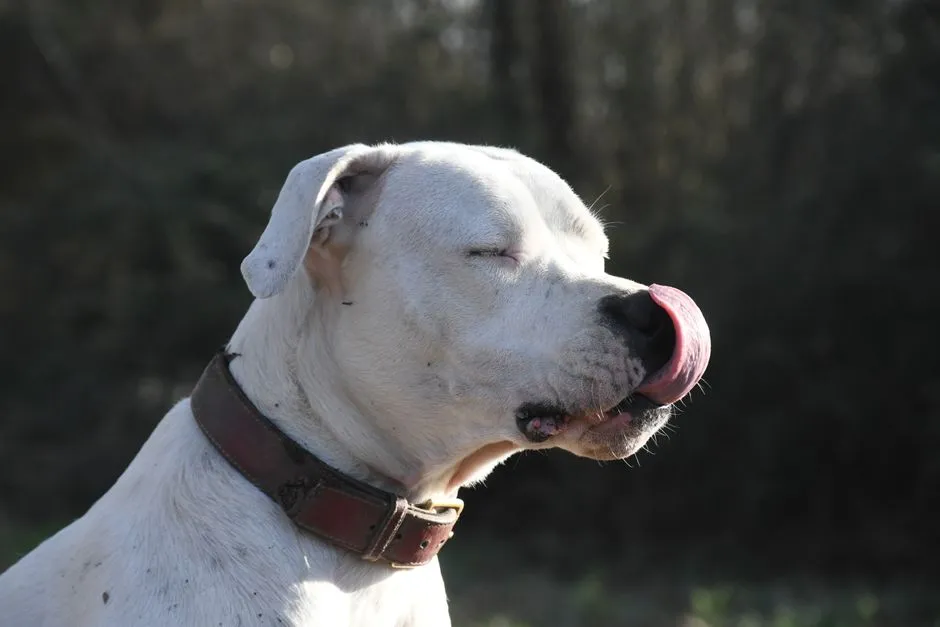
The Dogo Argentino is less common than many breeds on this list, but its muscular, imposing look has already put it on banned lists in some places. Originally developed in Argentina for big game hunting and later used in some protection roles, these dogs combine strength, courage, and serious determination. That combination understandably makes regulators and insurance companies nervous, even though reliable data on the breed’s behavior in everyday homes is limited in many regions.
Experienced owners and trainers generally describe Dogos as affectionate and people-oriented with their families, yet potentially intense with unfamiliar dogs if not carefully managed. As with other powerful working breeds, the risks come less from something inherently “evil” in the breed and more from who owns them, how they are raised, and what they are asked to do. When people treat a Dogo like a casual pet without providing structure, socialization, and firm but fair training, things can go wrong fast. In the right hands, though, they tend to be steady, athletic partners rather than the out-of-control beasts their reputation implies.
10. Belgian Malinois: The Athlete Everyone Keeps Underestimating

The Belgian Malinois has become famous in recent years as a favorite in elite military and police units, and that fame has been a double-edged sword. Videos of Malinois scaling walls, leaping onto shoulders, and charging through obstacles look amazing, but they also inspire inexperienced dog lovers to bring one home thinking they are just lean German Shepherds. Within months, many of those dogs get labeled “crazy,” “dangerous,” or “unmanageable” because the reality of living with that much drive is overwhelming.
Behavioral studies and working-dog research confirm what professionals already know: Malinois tend to be exceptionally high in energy, focus, and environmental sensitivity. They’re like elite endurance athletes combined with obsessive problem solvers. Without a job, serious daily training, and a lifestyle built around channeling that intensity, they can develop anxiety, compulsive behaviors, or reactivity. That does not make them bad dogs; it makes them highly specialized tools. When matched with the right handlers, they’re some of the most impressive, stable working dogs on earth. When treated like a casual pet choice, they can become the very “difficult” stereotype that fuels their bad reputation.
Conclusion: It Was Never Just About the Breed
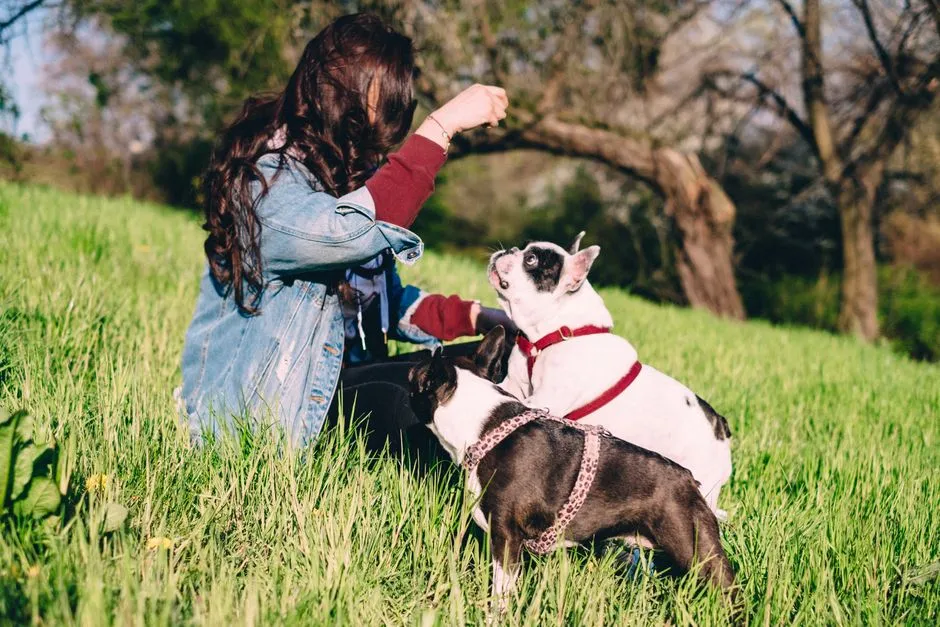
When you zoom out and look at these so-called difficult breeds side by side, a pattern jumps out: the dogs we fear most tend to be powerful, intense, or simply different from the easygoing, social-media-friendly family dog stereotype. Research keeps coming back to the same conclusion: environment, early experiences, owner choices, and training methods play an enormous role in how any dog turns out. Blaming the breed alone is like blaming a sports car for speeding tickets while ignoring the person behind the wheel.
My own opinion, after years of watching these debates, is that breed-specific fear does more harm than good. It punishes responsible owners, clogs shelters with misjudged dogs, and lets genuinely irresponsible handling off the hook. That doesn’t mean every breed is right for every person – far from it. It means we owe dogs the courtesy of seeing them as individuals shaped by both genetics and experience, not as walking headlines. The next time you see a “scary” breed on the sidewalk, maybe the most radical thing you can do is simply look at the leash, look at the human at the other end, and ask yourself: is the problem really the dog, or is the story we’ve told about them just too easy to believe?

- 10 So-Called Difficult Dog Breeds That Have Been Unfairly Judged for Their Reputation - August 14, 2026
- Animal Science Says Foxes Can Predict Rodent Movements Under Deep Snow - August 14, 2026
- 11 Plants That Feed Butterflies From Spring Through Fall - August 14, 2026