
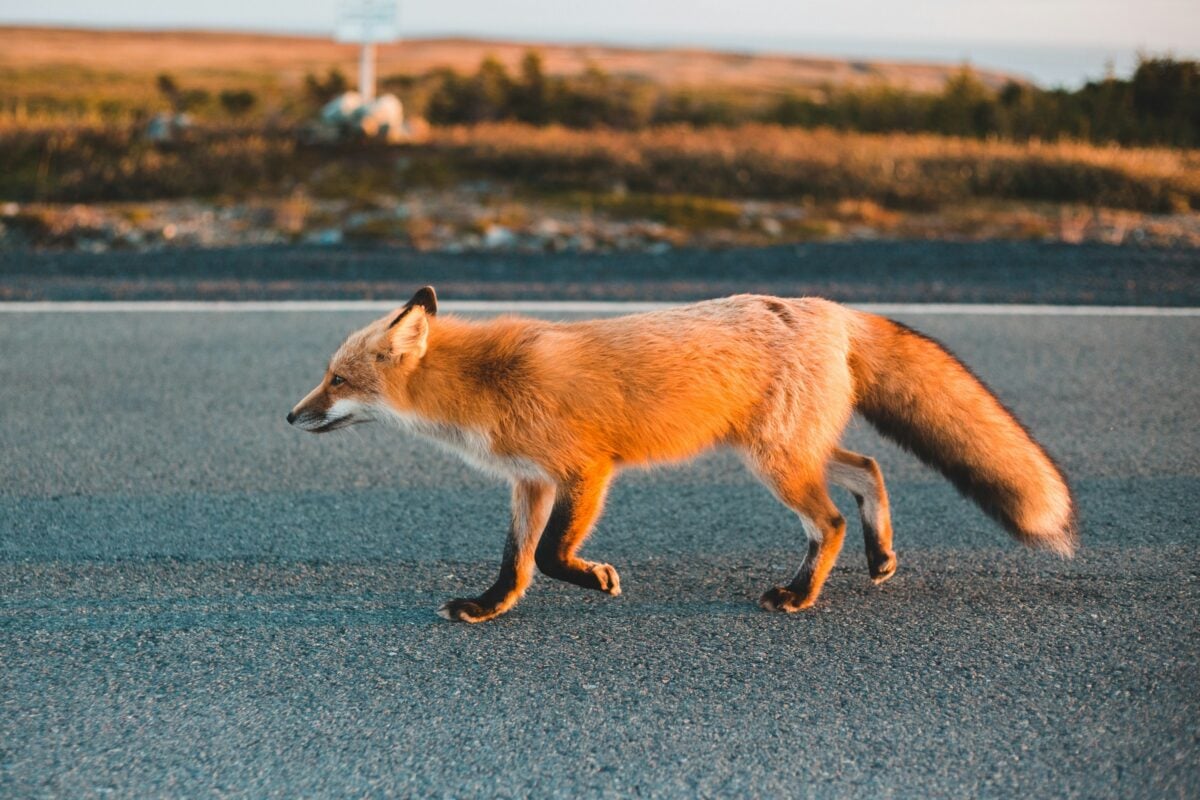
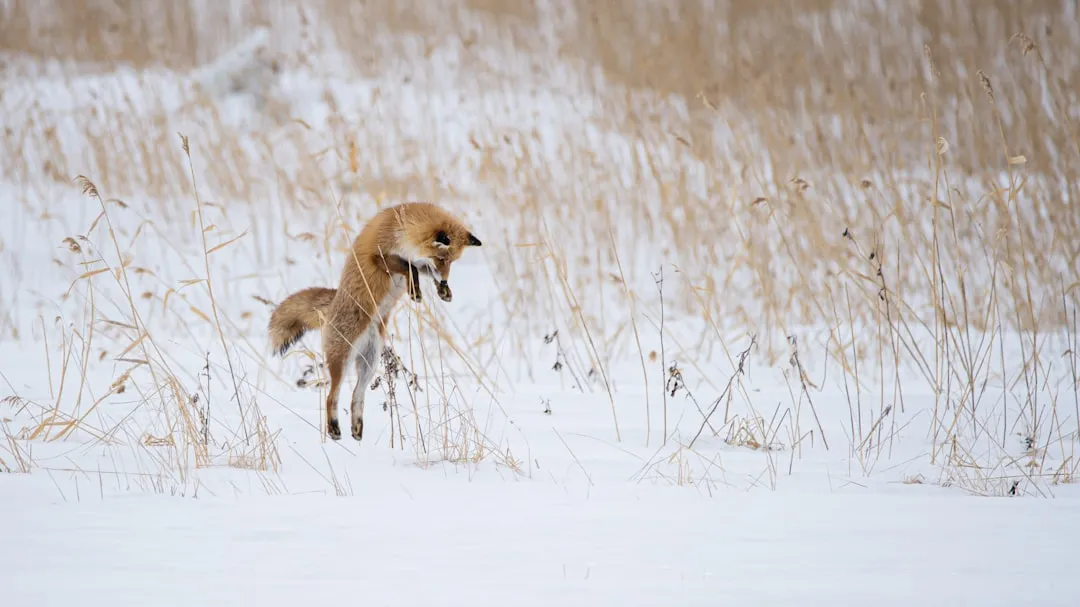
Picture a frozen field at midnight. The wind is howling, the snow is deep enough to swallow your boots, and everything looks completely still. Then, out of nowhere, a red fox freezes, tilts its head, and launches itself like a furry missile into a snowbank… and comes up with a mouse. It feels almost supernatural, like the fox has x‑ray vision or some secret sixth sense.
Scientists have been quietly obsessed with this behavior for years, and the emerging picture is even cooler than the viral videos. It turns out that foxes are not just lucky hunters; they are using physics, sound, and maybe even Earth’s magnetic field to effectively “predict” where rodents are moving under deep snow. It is one of those stories where nature turns out to be far more sophisticated than most of us ever imagined.
The Strange Fox Leap That Sparked Scientific Curiosity
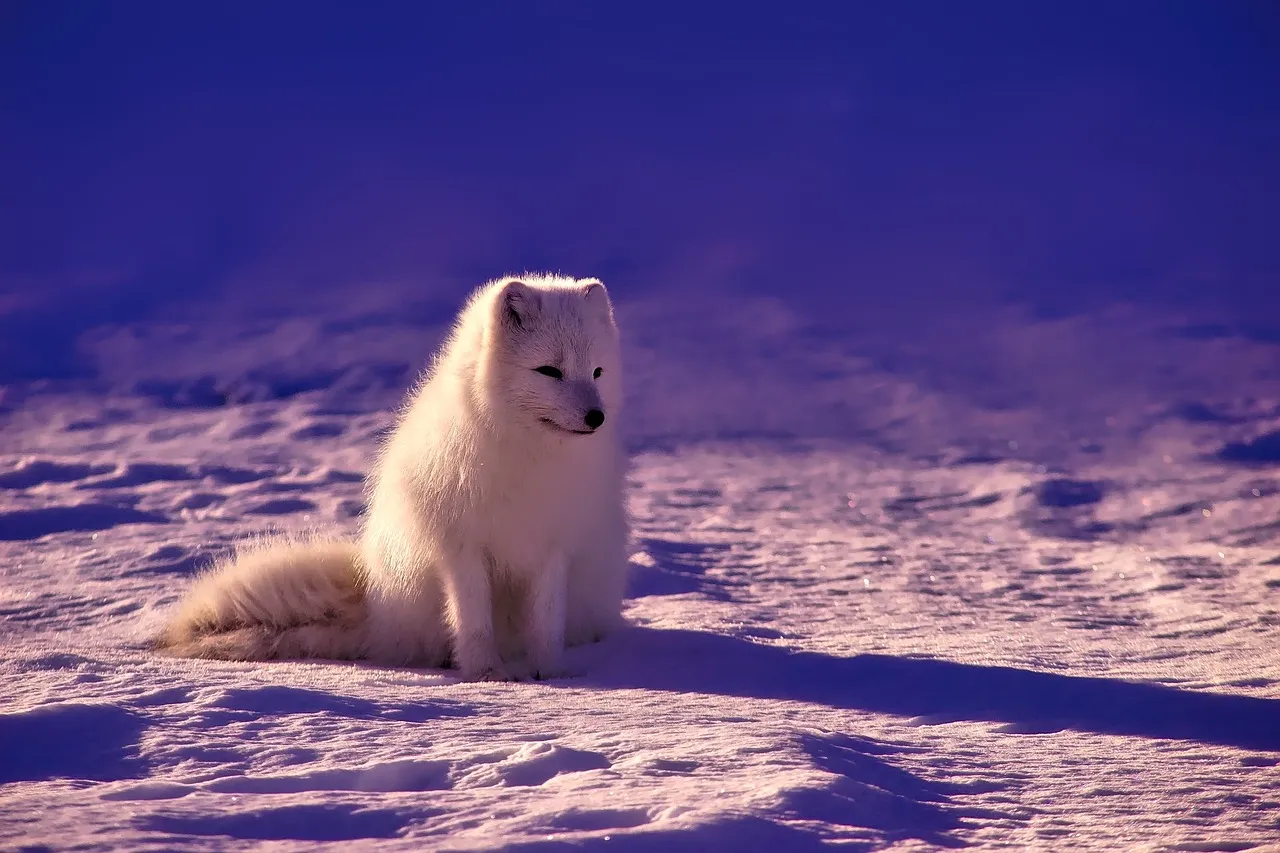
If you have ever seen a fox execute a perfect vertical pounce into snow, it looks oddly theatrical, almost like a rehearsed stunt. The fox often pauses, listens, aligns its body in a particular orientation, and then jumps in a tight arc, nose first, punching through several inches or more of snow. Hunters and wildlife photographers noticed that this maneuver succeeds far more often than random chance would suggest.
For biologists, that repeatable, dramatic move was a scientific goldmine. A consistent behavior pattern usually means there is an underlying system or mechanism at work. Researchers started filming foxes in the wild, counting how often they leaped, how often they actually caught prey, and what direction they were facing when they did it. The more the data piled up, the less it looked like guesswork and the more it looked like a highly tuned sensory strategy.
How Sound Travels Through Deep Snow
Under winter snowpack, small rodents like voles and mice live in a hidden world of tunnels, called the subnivean zone. Their tiny footsteps, rustling fur, and gnawing sounds are muffled to us, but they still create vibrations and high‑frequency noises that can travel through snow. Snow, especially when it is not densely packed, can act like an acoustic filter, blocking some sounds while letting others pass through more clearly.
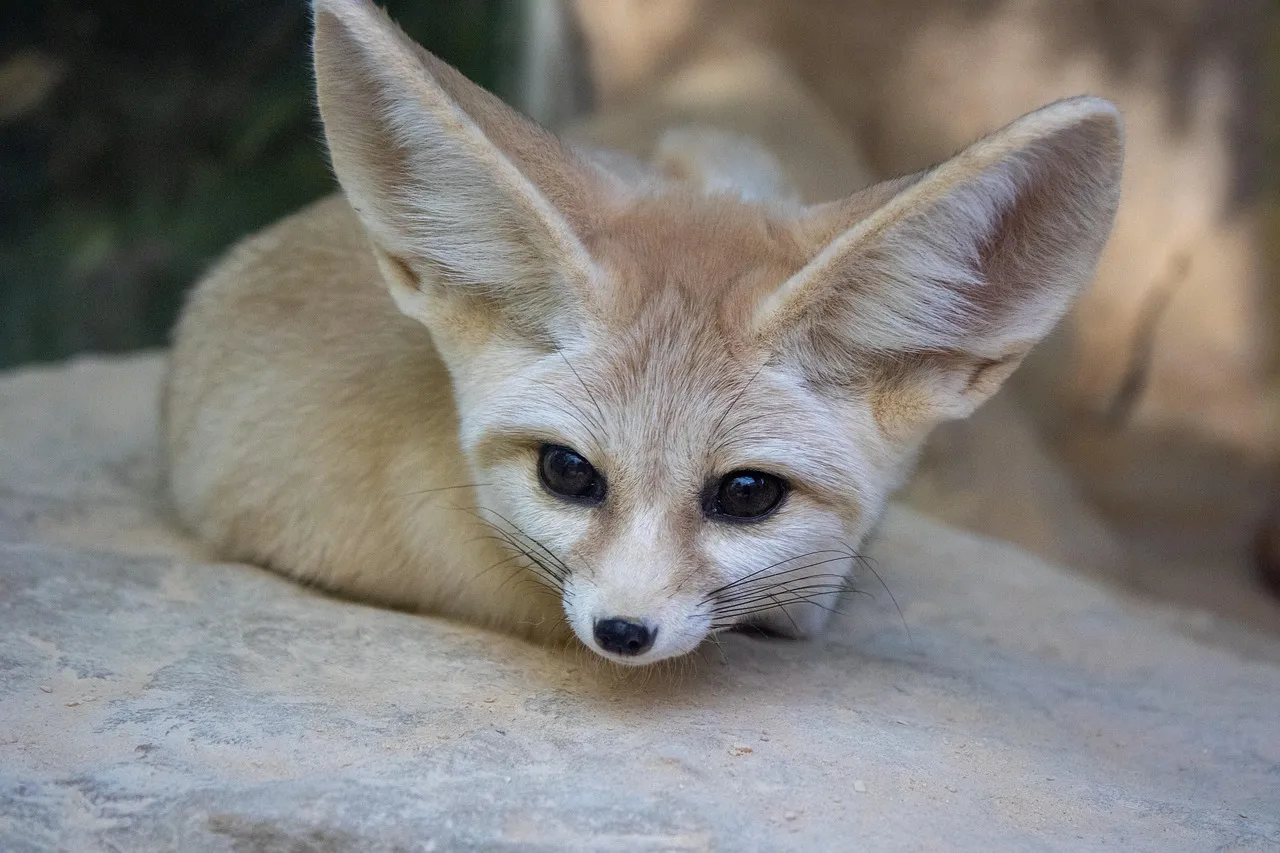
Foxes have incredibly sensitive hearing, especially in the higher frequencies where rodent noises live. Their tall, mobile ears work like living satellite dishes, helping them detect and locate faint sounds under the snow surface. Even though snow softens and distorts sound, foxes have evolved in exactly this kind of environment, so their auditory system is effectively calibrated to decode that snowy static into a usable “map” of where something is moving below.
Pinpoint Accuracy: Triangulating Rodent Movements
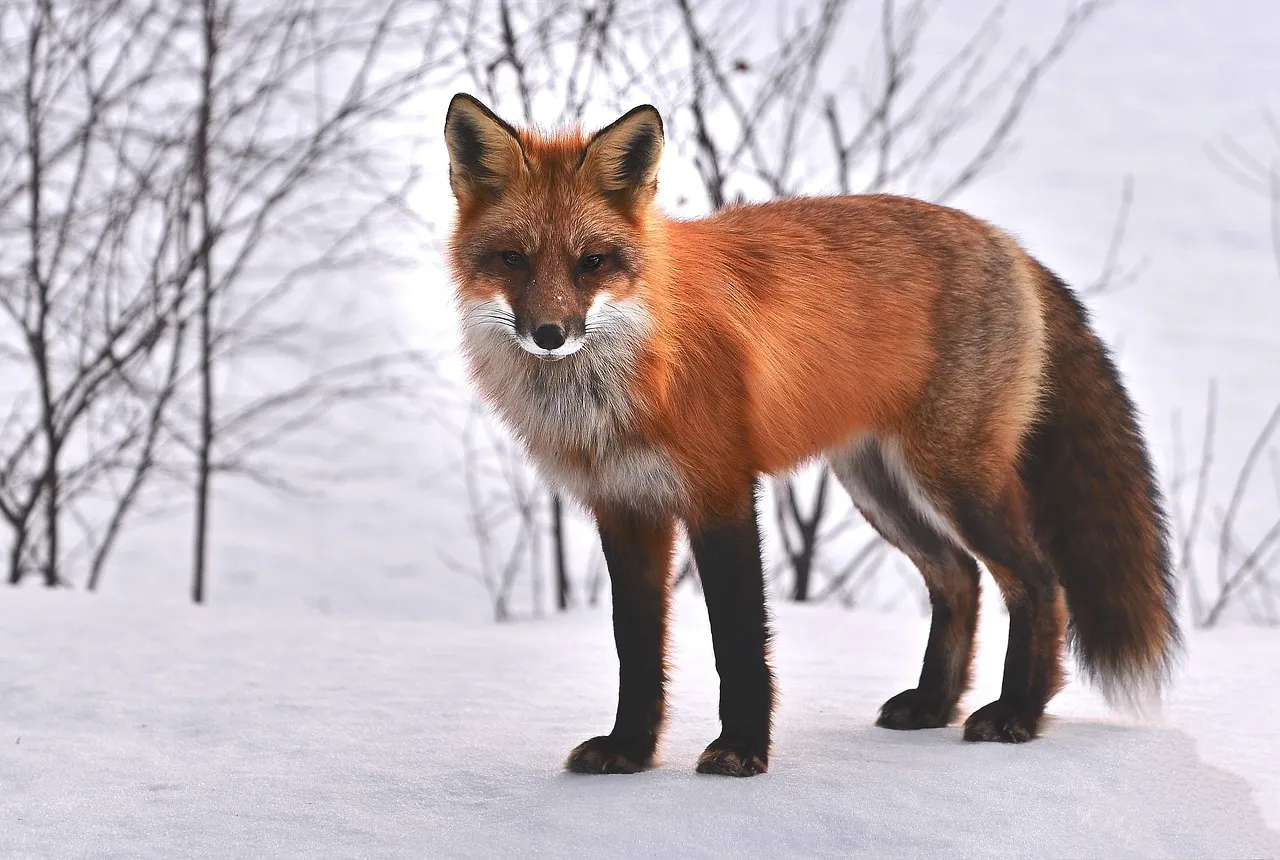
Listening is only the first step; the real trick is turning sounds into a precise location. Foxes are thought to use a form of auditory triangulation, comparing the tiny differences in the time and intensity of sounds reaching each ear. Slight head tilts and micro‑movements help them refine this sound picture, turning a vague rustle into a clear target zone.
Once the fox has a good fix on the position, it can also make a rough prediction of where the rodent is heading based on the direction and rhythm of the movement sounds. Think of it like listening to someone walking upstairs and being able to tell which room they are about to enter. The fox is doing a real‑time calculation: not just where the rodent was a second ago, but where it will be by the time the fox hits the snow.
Do Foxes Use Earth’s Magnetic Field Like a Built‑In Rangefinder?
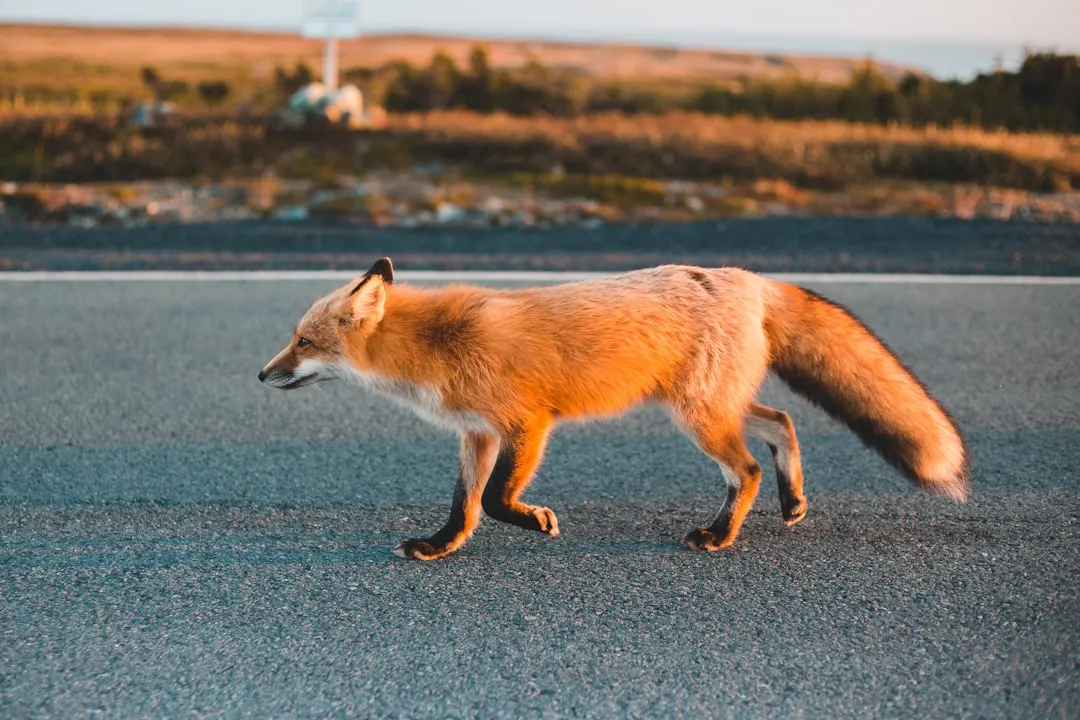
Here is where things get controversial and fascinating. Some field observations suggest that foxes catch prey more successfully when they pounce facing a particular compass direction, often toward the north‑east. One hypothesis is that they may be using Earth’s magnetic field as a sort of built‑in targeting system, combining sound information with a magnetic “overlay” to estimate distance more accurately.
The idea is that when the sound source lines up with a specific magnetic direction in the fox’s field of view, the geometry becomes just right for an accurate pounce. It is a bit like using the crosshairs in a scope: once sound and magnetic cues line up, the fox commits. Not all scientists are fully convinced yet, and the exact mechanism is still under debate, but even the possibility that a wild fox is running a physics‑level calculation in a split second is mind‑bending.
Why Snow Depth Changes the Game Completely
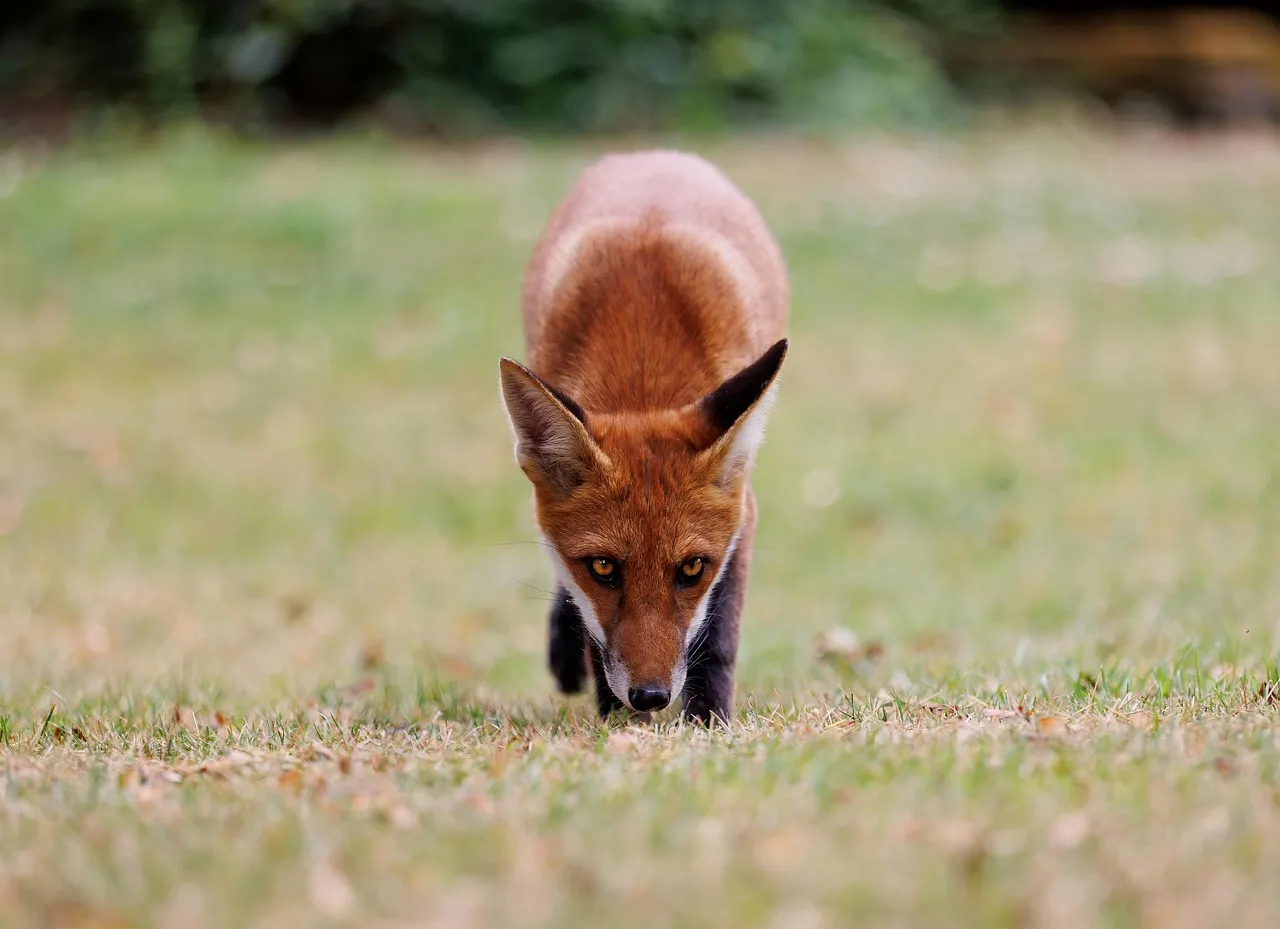
On bare ground or shallow snow, a fox can often rely on a mix of smell, sight, and sound, and even a partial glimpse of movement can guide the final attack. Deep snow, especially when it forms a thick crust, removes sight and smell almost entirely. Rodents can run complex paths under several inches or more of snow, never once exposing themselves to view, which would seem to give them the upper hand.
Paradoxically, that same deep snow creates a more consistent acoustic environment. With fewer surface noises and visual distractions, the fox can focus almost completely on sound and subtle vibrations. The fox’s leap is not just a dramatic finishing move; it is literally the only way to punch through that barrier fast enough to catch the rodent before it darts away. The deeper the snow, the more the fox’s unique hunting adaptation becomes a decisive advantage rather than a hindrance.
From Wild Fields to Human Science: What Researchers Have Learned
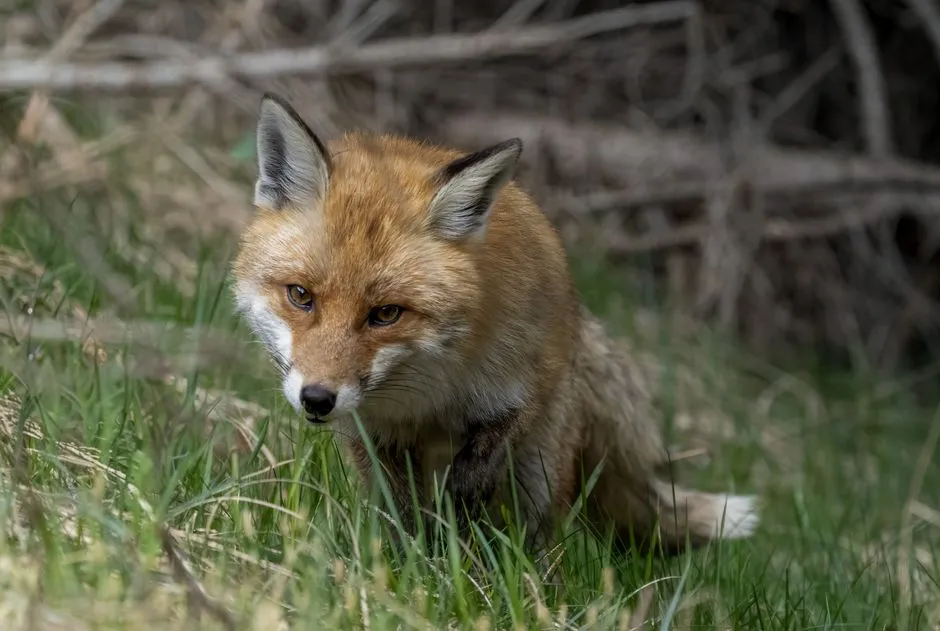
Scientists studying fox hunting under snow have had to get creative, using high‑speed cameras, directional microphones, and careful mapping of snow depth. By comparing where foxes jump, which direction they face, and how often they succeed, researchers can tease apart which factors matter most. The emerging picture is that success rates are noticeably higher when the fox aligns in certain directions and when snow depth falls within specific ranges.
These studies do not just tell us cool trivia about foxes; they expand our understanding of animal senses and navigation in harsh environments. Similar research on birds, sea turtles, and other migratory animals has already shown that many species are sensitive to Earth’s magnetic field. Foxes might be part of that club, but using magnetism not for long‑distance travel, rather as a short‑range targeting tool for split‑second hunting decisions. That twist makes them especially interesting to both ecologists and neurobiologists.
High‑Tech Parallels: What Foxes Can Teach Engineers
When you step back, what a fox is doing under deep snow looks a lot like a problem engineers wrestle with in robotics and defense: detecting and locating a hidden moving object through a noisy medium. In a way, the fox is running the wild‑animal version of signal processing, filtering out irrelevant noise and locking onto the pattern that matters. Instead of fancy algorithms and silicon, it is doing it with ears, brain, and instinct.
Some researchers have speculated that understanding how foxes integrate sound and possibly magnetic information could inspire better sensors and guidance systems. Think of ground robots that need to locate buried pipes, or search‑and‑rescue devices that must detect faint sounds under rubble or snow. Nature has had millions of years to test and refine solutions; watching a fox nail a mouse under a foot of snow is like watching the prototype of a very advanced, very efficient detection system working perfectly in real time.
What This Fox Skill Says About Intelligence in Nature
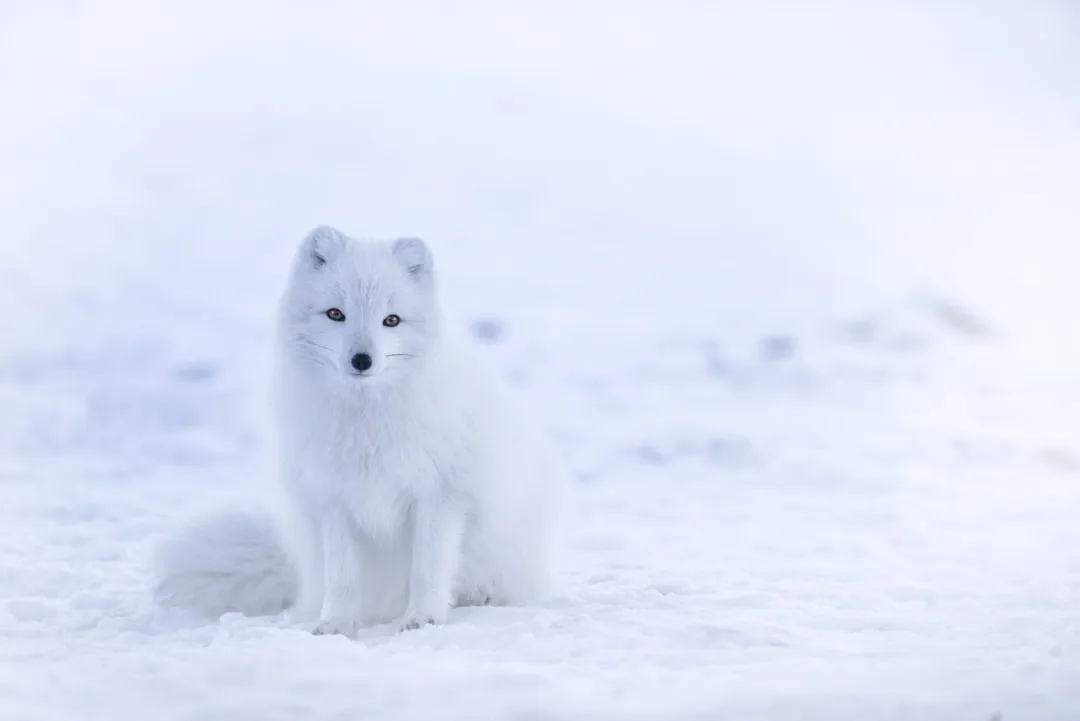
There is a temptation to dismiss animal behavior as “just instinct,” like they are running a rigid script. But watching a fox adjust its position, wait for the right moment, and commit to a single, explosive leap under uncertain conditions feels like something more nuanced. It suggests a blend of hard‑wired wiring and real‑time decision making, a kind of quiet intelligence tuned specifically to that winter landscape.
Personally, I think we seriously underestimate how sophisticated these behaviors are simply because we do not understand them yet. Whether or not foxes are literally reading Earth’s magnetic field like a compass, the fact that they can repeatedly predict the movements of unseen prey under deep snow should change how we talk about “simple” animal minds. The next time you see a fox launch itself into a drift, it might be worth asking yourself: how many invisible calculations did it make in that one second – and how many of ours would actually be as efficient?

- 10 Cat Breeds That Tolerate Dogs Surprisingly Well - August 14, 2026
- Which North American Flower Are You According to Your Zodiac Sign - August 14, 2026
- How to Attract Orioles to Your Garden - August 14, 2026