

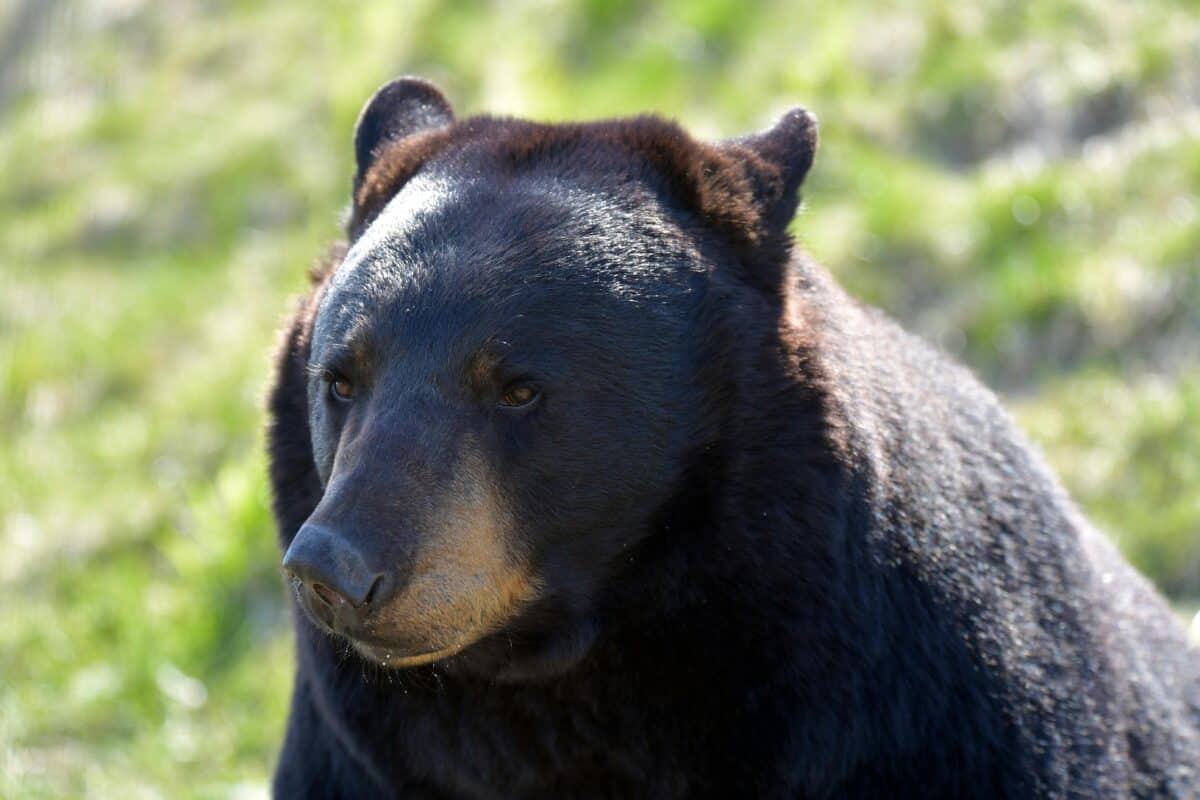
Alaska, with its pristine wilderness and abundant wildlife, offers some of the most spectacular bear viewing opportunities in the world. Every year, millions of salmon return to Alaska’s rivers to spawn, creating a magnificent natural spectacle as bears gather to feast on this nutritious bounty. The image of a bear standing in a rushing stream, expertly catching a leaping salmon in its powerful jaws, represents one of nature’s most iconic moments. This article explores ten remarkable locations throughout Alaska where visitors can witness this extraordinary predator-prey relationship in action, providing insights on the best viewing times, accessibility, species of bears present, and essential safety tips for an unforgettable wildlife experience.
Brooks Falls in Katmai National Park

Brooks Falls in Katmai National Park stands as perhaps the most famous bear-viewing destination in the world. During peak salmon runs from late June through July, visitors can observe up to 50 brown bears simultaneously fishing for sockeye salmon as the fish leap up the falls. The National Park Service maintains several viewing platforms that provide safe, close-up observation opportunities. The iconic image of bears perched atop the falls, catching salmon mid-air, has been immortalized in countless nature documentaries. Access is typically via floatplane from King Salmon or Homer, with day trips and multi-day packages available. The Brooks Camp Visitor Center offers educational programming about bear behavior and ecology, enhancing the viewing experience with valuable context about these magnificent animals and their crucial relationship with salmon.
McNeil River State Game Sanctuary

McNeil River boasts the largest concentration of wild brown bears in the world, with up to 70 bears gathering to feed during peak salmon runs in July and August. This protected sanctuary operates under a strict permit system—only 10 visitors per day are allowed during the viewing season, with permits distributed through an annual lottery. The limited access creates an intimate wildlife viewing experience with minimal human impact on bear behavior. Visitors are guided by Alaska Department of Fish and Game biologists to designated viewing areas along the river, where they can observe bears fishing for chum salmon. Some bears at McNeil have been known to catch over 30 salmon in a single day during peak runs. The sanctuary’s long-term protection has created a unique situation where bears have become habituated to human observers while remaining completely wild, offering an unparalleled opportunity to witness natural behavior up close.
Pack Creek Bear Viewing Area on Admiralty Island

Located within the Admiralty Island National Monument near Juneau, Pack Creek has earned its nickname “Fortress of the Bears” by hosting one of the highest densities of brown bears in North America. Admiralty Island is home to an estimated 1,600 brown bears—more bears than the entire lower 48 states combined. The viewing area provides observations of bears feeding on pink and chum salmon from July through September. The site is managed jointly by the U.S. Forest Service and Alaska Department of Fish and Game, with permits required for visitation during peak season. Two viewing areas—a beach site and an elevated observation platform about a mile upstream—offer different perspectives on bear fishing behaviors. Most visitors access Pack Creek via floatplane from Juneau, making it one of the more accessible premier bear viewing destinations. The island’s Tlingit name, “Xootsnoowú,” translates to “Fortress of the Bears,” reflecting the long cultural recognition of this island’s importance to these magnificent creatures.
Russian River Falls on Kenai Peninsula

The Russian River Falls viewing platform offers one of Alaska’s most accessible bear viewing opportunities, requiring only a moderate 2.4-mile round-trip hike from the Russian River Campground. This Kenai Peninsula location is unique because visitors can observe both brown and black bears catching sockeye salmon during two distinct runs—the first from mid-June through July and the second from mid-July through August. The elevated wooden observation deck provides safe viewing above the falls where bears gather to catch salmon attempting to leap upstream. The area’s accessibility via the road system makes it popular with independent travelers and locals, unlike many Alaskan bear viewing sites that require air transportation. The Russian River is also a popular sportfishing destination, creating a unique situation where bears and human anglers fish the same waters (though in separate designated areas). Park rangers frequently patrol the area to ensure proper food storage and bear safety protocols are followed by all visitors.
Anan Wildlife Observatory near Wrangell

Anan Creek offers a rare opportunity to observe both black and brown bears fishing at the same location, with black bears typically outnumbering brown bears. The site features a covered viewing platform overlooking a small waterfall where bears congregate to catch pink salmon from late July through August. Located on the mainland near Wrangell in Southeast Alaska, the observatory is managed by the U.S. Forest Service with a limit of 60 visitors per day during peak season. What makes Anan particularly special is the close proximity of the viewing opportunities—bears often fish and travel along trails just feet away from the viewing platform and access trail. The site has historical significance as well, having been used by the indigenous Tlingit people as a seasonal fishing camp for thousands of years. Most visitors access Anan via a 35-minute boat ride from Wrangell, though floatplane access is also available. Forest Service interpreters are stationed at the observatory during the viewing season to provide information and ensure visitor safety.
Chilkoot River near Haines

The Chilkoot River corridor near Haines offers one of Alaska’s most convenient road-accessible bear viewing opportunities, attracting visitors who want to observe bears without the expense of flightseeing trips. Brown bears frequent this productive, short river (less than one mile long) to catch pink and sockeye salmon from July through September. The Chilkoot’s unique geography—a short river connecting Chilkoot Lake to the ocean—concentrates fish and creates ideal fishing conditions for bears. The river corridor’s accessibility creates management challenges, as bears, tourists, and local fishermen all share the limited space. In recent years, bear viewing management programs have been implemented to reduce conflicts and improve the viewing experience. The area is culturally significant as a traditional fishing site for the Tlingit people, with evidence of human use dating back thousands of years. Visitors can often observe bears fishing from their vehicles along the Chilkoot River Road, though designated pullouts offer safer viewing opportunities.
Fish Creek Wildlife Observation Site near Hyder

Fish Creek near the small town of Hyder offers a unique bear viewing experience along Alaska’s border with British Columbia, Canada. An elevated boardwalk allows visitors to observe black bears and occasionally brown bears catching pink and chum salmon from July through September. This site is notable for being the only premier bear viewing location in Alaska accessible by road (though reaching Hyder itself requires traveling through Canada). The U.S. Forest Service manages the viewing area, which features interpretive signs about bear ecology and behavior. Fish Creek is particularly known for its excellent photography opportunities, with bears often fishing in close proximity to the viewing platform in good lighting conditions. The small town of Hyder, with its population of just around 60 residents, embraces its identity as a bear viewing destination, with local businesses catering to wildlife enthusiasts. The area also attracts bears that have become habituated to human presence but remain completely wild in their fishing behaviors.
Geographic Harbor in Katmai National Park
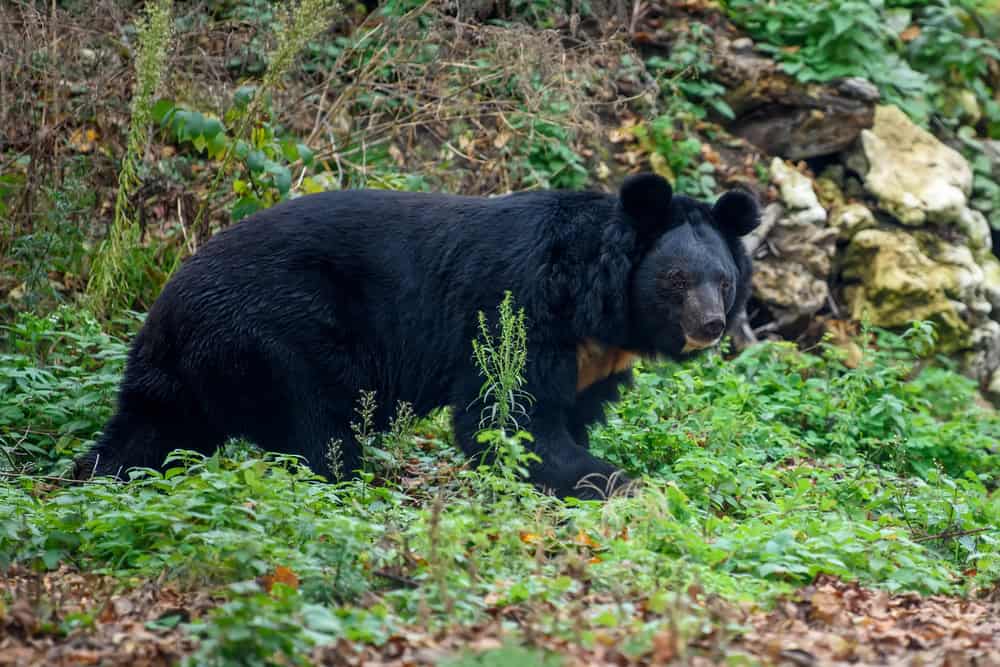
Geographic Harbor, located in the coastal region of Katmai National Park, offers a less-visited alternative to the famous Brooks Falls while still providing exceptional bear viewing opportunities. During salmon runs from late July through September, brown bears can be observed fishing for pink and silver salmon along the beaches and tidal flats of this protected bay. Unlike the more structured viewing at Brooks Falls, Geographic Harbor offers a more immersive experience—visitors typically observe bears from small skiffs or while walking along beaches with experienced guides. Access is exclusively by boat or floatplane, typically as part of guided expeditions from Homer or Kodiak. The coastal setting creates diverse fishing behaviors among bears, from stream fishing to beach fishing as salmon school near river mouths. The harbor’s remote location means bears here often exhibit more natural behaviors, less influenced by regular human presence. The surrounding scenery is spectacular, with volcanic mountains forming a dramatic backdrop to the bear viewing experience.
Frazer Lake in Kodiak National Wildlife Refuge
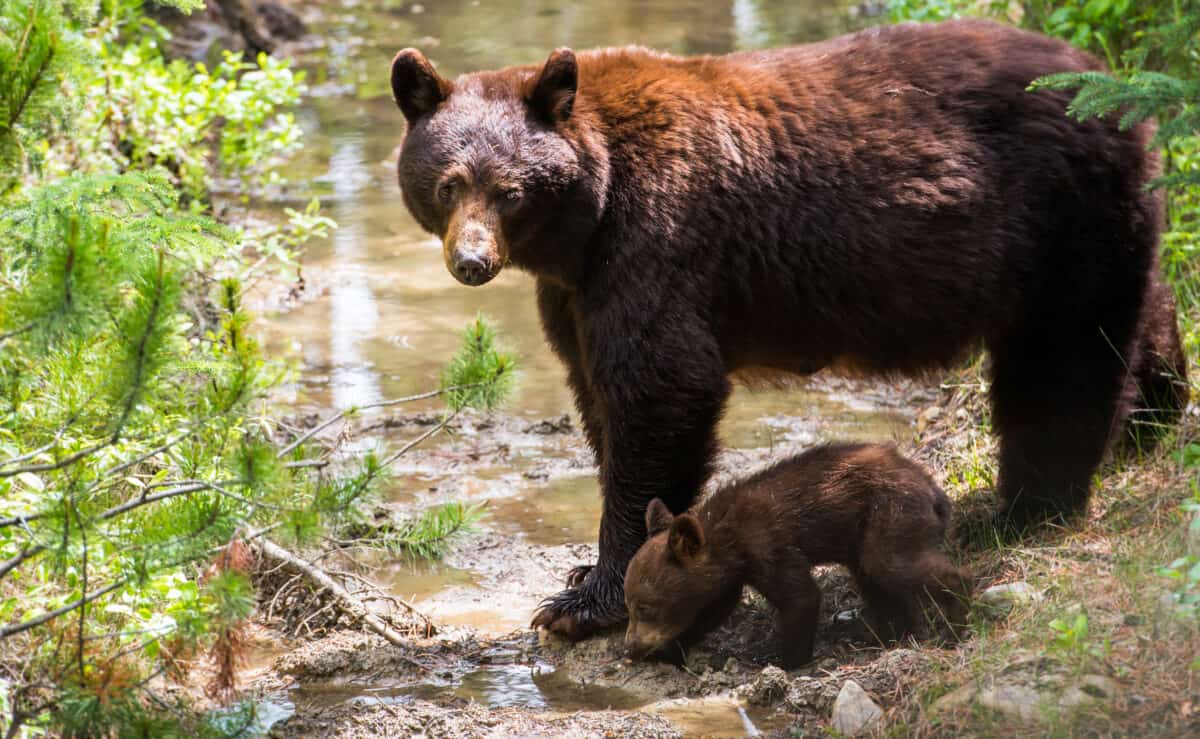
Frazer Lake on Kodiak Island offers visitors the chance to see the distinctive Kodiak brown bear—the largest subspecies of brown bear in the world—catching sockeye salmon at a man-made fish pass. The Alaska Department of Fish and Game constructed this fish ladder in 1962 to help salmon navigate a waterfall barrier, and it has become an excellent bear viewing location. Kodiak bears, which have been isolated from mainland bears for over 12,000 years, can reach enormous sizes, with males weighing up to 1,500 pounds when fattened for winter. The viewing season typically runs from mid-July through early September, with guided trips available from the town of Kodiak. Most visitors access Frazer Lake via floatplane, often as part of day trips or multi-day stays at remote wilderness lodges. The Kodiak National Wildlife Refuge manages the area with strict protocols to minimize human impact on bear behavior. The refuge encompasses nearly two million acres of pristine wilderness and supports about 3,500 Kodiak bears—approximately 0.7 bears per square mile.
Wolverine Creek near Lake Clark National Park
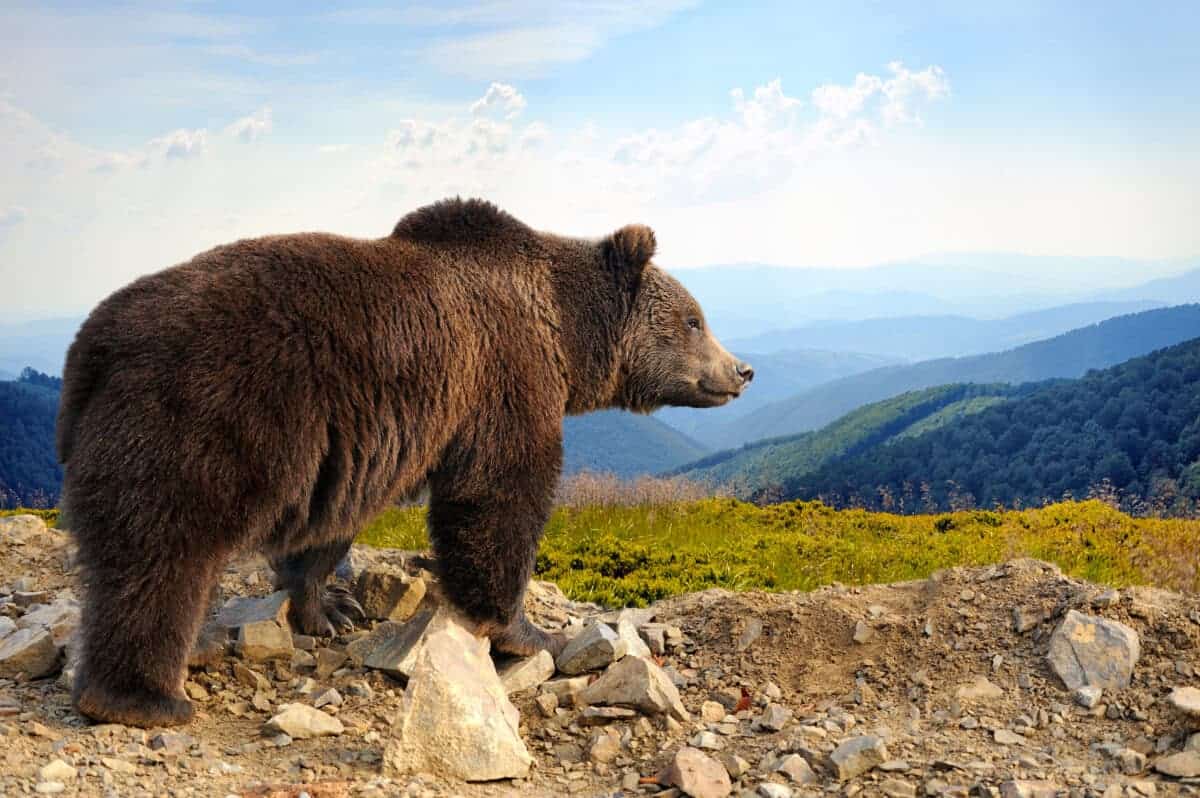
Wolverine Creek, technically just outside Lake Clark National Park boundaries, has emerged as a popular bear viewing destination accessible by a short floatplane ride from the towns of Homer or Soldotna. Brown bears congregate here from June through August to catch sockeye salmon, with viewing conducted primarily from boats positioned in the creek and adjacent lake. This unique arrangement, where bears fish along the shoreline while visitors observe from boats, creates a distinctive viewing experience different from platform-based observations at other sites. The area’s proximity to the Kenai Peninsula communities makes it ideal for day trips, with multiple air taxi services offering excursions. Bears at Wolverine Creek have become habituated to the presence of boats, often fishing within 20-30 feet of observers while focusing intently on catching salmon. The site is unusual because it lacks formal management infrastructure like viewing platforms or staffed facilities, though guides follow established best practices for minimizing disturbance to bears. The setting is particularly scenic, with densely forested mountains surrounding the clear waters of the creek and lake.
O’Malley River at Kodiak National Wildlife Refuge
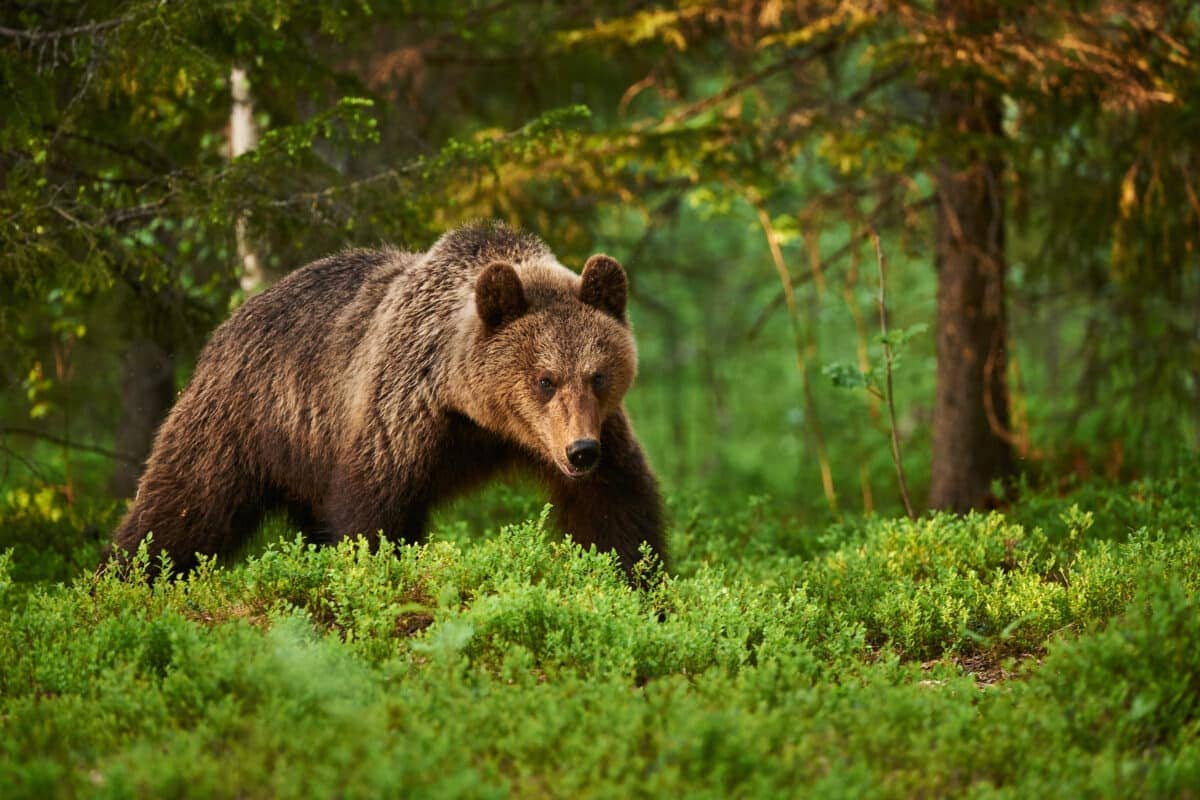
The O’Malley River area within Kodiak National Wildlife Refuge represents one of the most remote and pristine bear viewing locations in Alaska. This site hosts concentrations of Kodiak brown bears fishing for sockeye salmon from mid-July through August. The viewing experience here differs significantly from more developed locations—there are no constructed platforms or facilities, and access is limited to guided groups staying at wilderness lodges or on chartered vessels. The river flows into Karluk Lake, Alaska’s second-largest lake on an island, creating diverse fishing opportunities for bears from the river mouth to several miles upstream. The remoteness of O’Malley River means fewer bears here have extensive exposure to humans, sometimes resulting in more natural behaviors for observers lucky enough to visit. Access typically involves multiple transportation modes—commercial flight to Kodiak, followed by floatplane to a wilderness lodge, then boat transport to the viewing area. The surrounding landscape features the rolling, emerald-green hills characteristic of Kodiak Island, creating a spectacular backdrop for bear viewing.
Conclusion: Alaska’s Bear Viewing Opportunities

Alaska’s diverse landscapes provide unparalleled opportunities to witness one of nature’s most impressive spectacles—bears fishing for salmon in their natural habitat. From the world-famous Brooks Falls with its infrastructure and accessibility to remote coastal locations like Geographic Harbor, each site offers unique perspectives on bear behavior and ecology. These bear viewing opportunities not only create memorable wildlife experiences but also foster greater understanding and appreciation for these magnificent animals and their critical relationship with healthy salmon ecosystems. As climate change and development pressures continue to impact both bears and salmon, these viewing sites take on additional importance as places where people can form personal connections with wildlife that inspire conservation action. Whether you’re a wildlife photographer seeking the perfect shot, a nature enthusiast hoping for close encounters, or simply someone wanting to experience Alaska’s remarkable biodiversity, witnessing bears catching salmon represents one of North America’s most extraordinary wildlife viewing experiences.

As a little kid, I fell in love with nature, wildlife, and animals. Living in the USA, South Africa, Italy, China and Germany gave me the opportunity to discover the world's Wildlife. My favorite animals are Mountain Gorillas, Siberian Tigers, and Great White Sharks.
I'm a certified PADI Open Water Diver, went to Everest Base Camp and Trekked Gorillas in Uganda. I hold a Master of Science in Economics and Finance.
Please send any feedback to feedback@animalsaroundtheglobe.com
- Why the Great Barrier Reef Is the Best Place to Spot Sea Turtles - June 3, 2026
- 2 Animals With Super Sized Body Parts and What They are For - June 3, 2026
- Explore The Azores - June 3, 2026