


The Great Barrier Reef stretches over 2,300 kilometers along Australia’s northeast coast, creating the world’s largest coral reef system. This underwater paradise houses an incredible diversity of marine life that continues to amaze scientists and visitors alike. From tiny, colorful fish darting between coral formations to massive marine giants gliding through deeper waters, the reef supports over 1,500 species of fish and countless other creatures. Every dive or snorkel trip reveals new wonders, making it impossible to see everything in just one visit. The reef’s crystal-clear waters offer perfect visibility to witness nature’s most spectacular underwater show, where each animal plays a vital role in maintaining this delicate ecosystem.
Green Sea Turtle

These ancient mariners have been navigating Earth’s oceans for over 150 million years, making them true living fossils. Green sea turtles can weigh up to 190 kilograms and live for decades, with some individuals reaching over 80 years old. Their name comes from the green color of their fat, not their shell, which actually ranges from brown to olive.
Watching a green sea turtle glide effortlessly through the water feels like witnessing poetry in motion. They’re surprisingly graceful for such large creatures, using their powerful flippers to propel themselves through coral gardens. The Great Barrier Reef serves as both a feeding ground and nesting site for these magnificent reptiles.
Clownfish

Made famous by a certain animated movie, clownfish are actually much more fascinating in real life than on screen. These vibrant orange fish with white stripes live in a remarkable partnership with sea anemones, creating one of nature’s most perfect examples of symbiosis. The anemone provides protection with its stinging tentacles, while the clownfish keeps it clean and brings food scraps.
What’s truly mind-blowing is that all clownfish are born male and can change to female when needed. If the dominant female in a group dies, the largest male will transform to take her place. Their bright colors serve as a warning to predators, advertising their toxic skin coating that makes them unpalatable to most fish.
Manta Ray

With wingspans reaching up to 7 meters, manta rays are among the ocean’s most majestic creatures. These gentle giants filter-feed on plankton and small fish, gliding through the water with an elegance that puts ballet dancers to shame. Despite their enormous size, they’re completely harmless to humans and often appear curious about divers.
Each manta ray has a unique pattern of spots on its underside, like a fingerprint that researchers use for identification. They’re incredibly intelligent, possessing the largest brain-to-body ratio of any fish species. Watching a manta ray perform barrel rolls while feeding is an unforgettable experience that leaves many visitors speechless.
Whale Shark

The whale shark holds the title of world’s largest fish, yet it feeds on some of the tiniest organisms in the ocean. These spotted giants can grow up to 18 meters long and weigh as much as 20 tons, making them true ocean behemoths. Despite their intimidating size, they’re filter feeders that pose no threat to humans.
Swimming alongside a whale shark creates an almost spiritual experience, as these ancient creatures move with surprising grace through the water. Their mouths can open up to 1.5 meters wide, creating a powerful suction that draws in plankton, small fish, and fish eggs. The Great Barrier Reef provides perfect feeding conditions for these magnificent animals during certain seasons.
Reef Shark
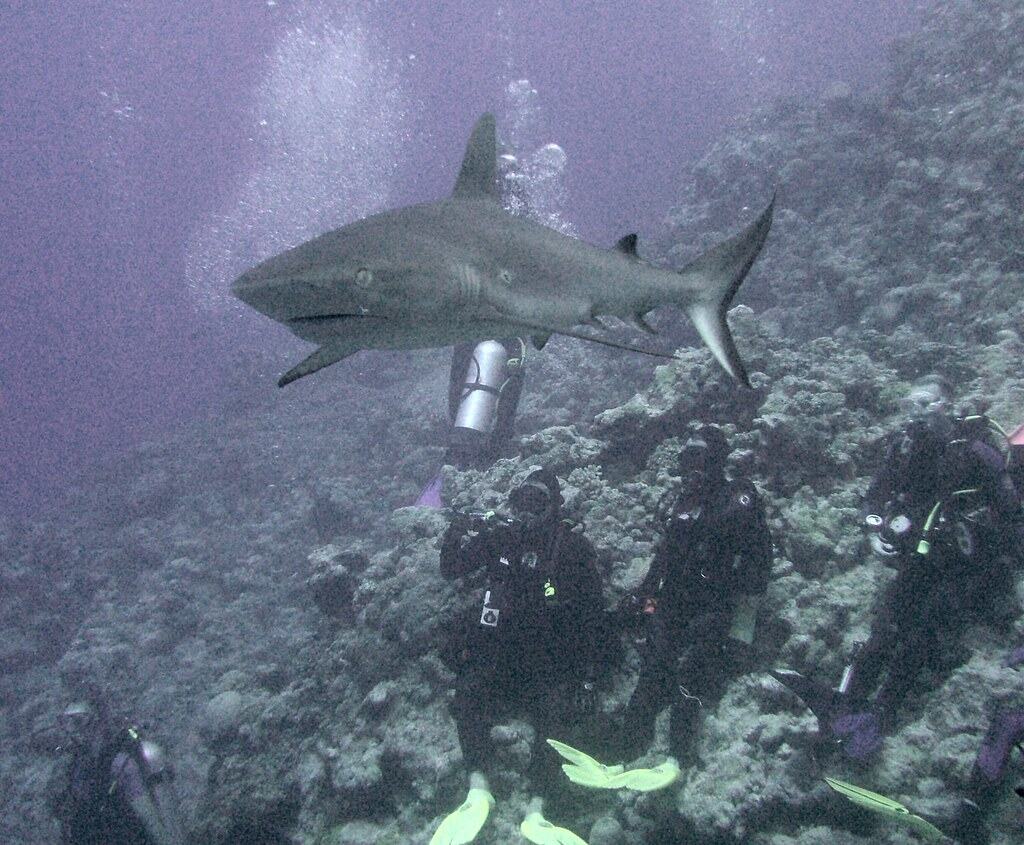
Grey reef sharks patrol the outer edges of the Great Barrier Reef like underwater sentinels, maintaining the delicate balance of the ecosystem. These sleek predators typically measure 1.5 to 2 meters in length and play a crucial role in keeping fish populations healthy by removing weak and sick individuals. Their presence actually indicates a thriving reef system.
Contrary to popular belief, reef sharks are generally not aggressive toward humans and prefer to keep their distance. They’re incredibly efficient hunters, using their excellent senses to detect electrical fields produced by other fish. Watching them glide silently through the water demonstrates millions of years of evolutionary perfection in action.
Giant Tridacna Clam

These massive mollusks can live for over 100 years and grow to weigh more than 200 kilograms, making them the largest living bivalves on Earth. Their vibrant blue and green mantles create stunning underwater landscapes, while their tissues house billions of symbiotic algae that help feed the clam through photosynthesis. This partnership allows them to grow to such enormous proportions.
Despite old movie myths, giant clams don’t actually trap divers with their shells. They close extremely slowly, taking several seconds to shut completely, giving any creature plenty of time to escape. Their colorful appearance and peaceful nature make them popular subjects for underwater photographers visiting the reef.
Maori Wrasse

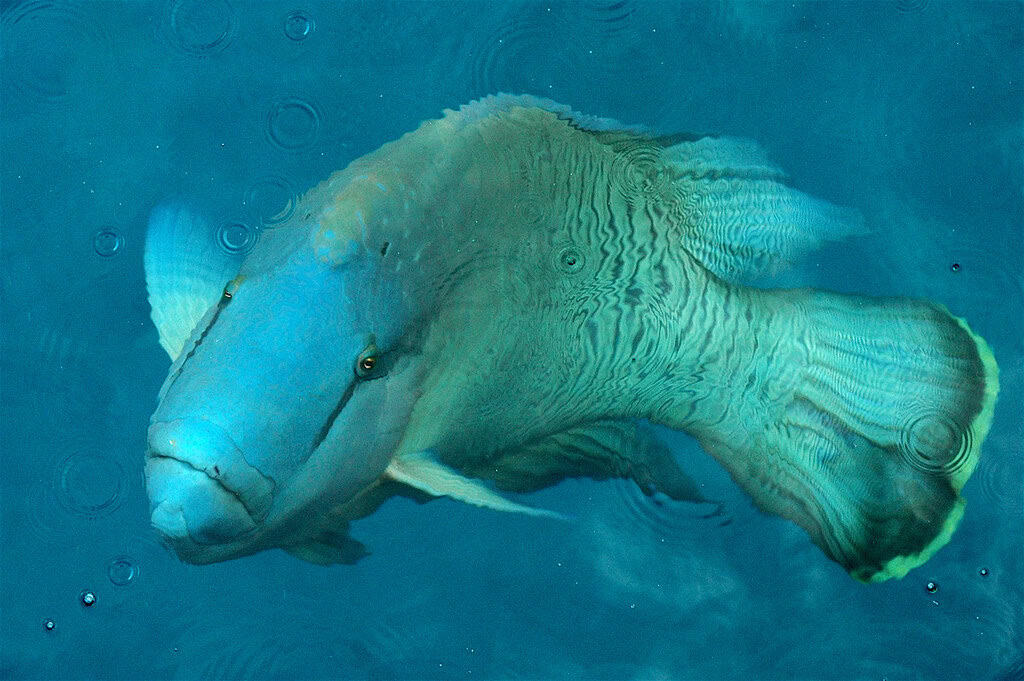
The Maori wrasse, also known as the Napoleon wrasse, is one of the reef’s most charismatic residents. These fish can grow up to 2 meters long and develop a distinctive bulbous forehead as they age, giving them an almost human-like appearance. They’re incredibly long-lived, with some individuals reaching 30 years old.
These gentle giants are naturally curious and often approach divers, seeming to enjoy human interaction. Their powerful jaws can crush shells and coral, making them important for reef health by controlling populations of crown-of-thorns starfish and other potentially harmful species. Unfortunately, they’re also endangered due to overfishing in many parts of the world.
Mandarin Fish

Hidden among coral crevices during the day, mandarin fish emerge at dusk in a spectacular display of color and behavior. These small, psychedelic fish are covered in intricate patterns of blue, orange, and green that look like they were painted by an artist. They’re notoriously difficult to spot, making any sighting a special treat for divers.
Their mating ritual is particularly fascinating, as pairs rise together from the reef at sunset to release eggs and sperm into the water column. This synchronized spawning happens just as darkness falls, lasting only a few seconds before the fish dart back to safety. Their vibrant colors come from unique pigment cells that no other vertebrate possesses.
Crown-of-Thorns Starfish

While often viewed as a threat to coral reefs, crown-of-thorns starfish are actually natural residents of the Great Barrier Reef ecosystem. These large, multi-armed starfish are covered in venomous spines and can grow up to 80 centimeters across. They feed on coral polyps by everting their stomachs and digesting the coral externally.
In normal numbers, they play an important ecological role by preventing fast-growing corals from dominating slower species. However, population explosions can cause significant coral damage, leading to ongoing management efforts. Their alien-like appearance and impressive size make them both fascinating and somewhat intimidating to encounter underwater.
Coral Grouper
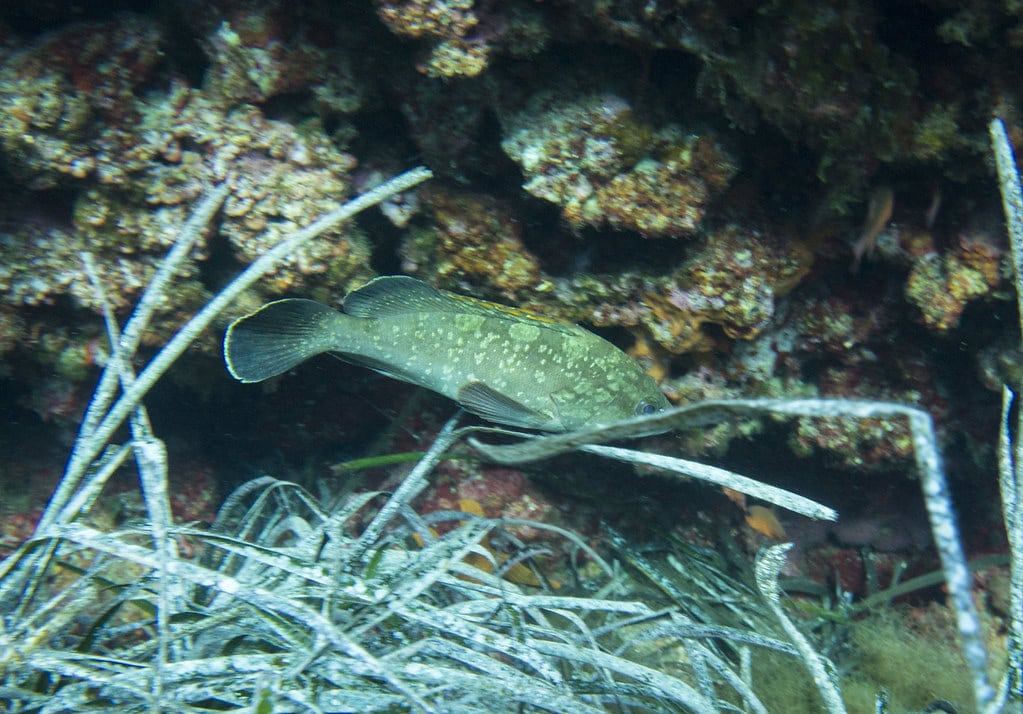
These colorful predators are masters of camouflage, able to change their skin patterns and colors to blend perfectly with their surroundings. Coral groupers can grow quite large, with some species reaching over a meter in length, and they’re incredibly intelligent fish that have been observed using tools and cooperating with other species to hunt. Their large mouths and powerful jaws make them formidable predators on the reef.
What makes them truly special is their cooperative hunting behavior with moray eels and other fish species. They’ll actually lead other predators to hidden prey, creating a coordinated attack that benefits all participants. This level of interspecies cooperation is rare in the animal kingdom and demonstrates the complex relationships that exist within reef ecosystems.
Conclusion
The Great Barrier Reef continues to be one of our planet’s most precious natural treasures, housing an incredible diversity of marine life that captivates visitors from around the world. Each of these ten stunning animals represents just a fraction of the thousands of species that call this underwater paradise home. From the gentle giants like whale sharks and manta rays to the tiny, colorful mandarin fish hiding in coral crevices, every creature plays a vital role in maintaining the reef’s delicate balance.
These remarkable animals face increasing challenges from climate change, pollution, and human activities, making conservation efforts more critical than ever. Experiencing these creatures in their natural habitat creates lasting memories and often inspires people to become advocates for ocean protection. The next time you’re floating above this underwater wonderland, remember that you’re witnessing millions of years of evolution in action – isn’t that worth protecting for future generations?

As a little kid, I fell in love with nature, wildlife, and animals. Living in the USA, South Africa, Italy, China and Germany gave me the opportunity to discover the world's Wildlife. My favorite animals are Mountain Gorillas, Siberian Tigers, and Great White Sharks.
I'm a certified PADI Open Water Diver, went to Everest Base Camp and Trekked Gorillas in Uganda. I hold a Master of Science in Economics and Finance.
Please send any feedback to feedback@animalsaroundtheglobe.com
- Protecting Wildlife from Harmful Pesticides - June 3, 2026
- 14 Farm Animals That Are Treated Like Family in Rural Traditions - June 3, 2026
- 20 Things You Never Noticed About Common Wildlife - June 3, 2026