
There is an animal so rare, so quietly slipping away, that most people have never once heard its howl. It prowls a narrow strip of coastal North Carolina, outnumbered by humans millions to one, watched by scientists with a mix of wonder and genuine dread. It is neither quite a wolf nor quite a coyote. It is America’s own, and it is almost gone.
The red wolf carries a story that is part ecological tragedy, part conservation thriller. It has been declared extinct in the wild, brought back from the edge, and is now fighting for survival all over again. What you are about to discover about this creature will likely surprise you at every turn. Let’s dive in.
It Is Truly America’s Only Native Wolf
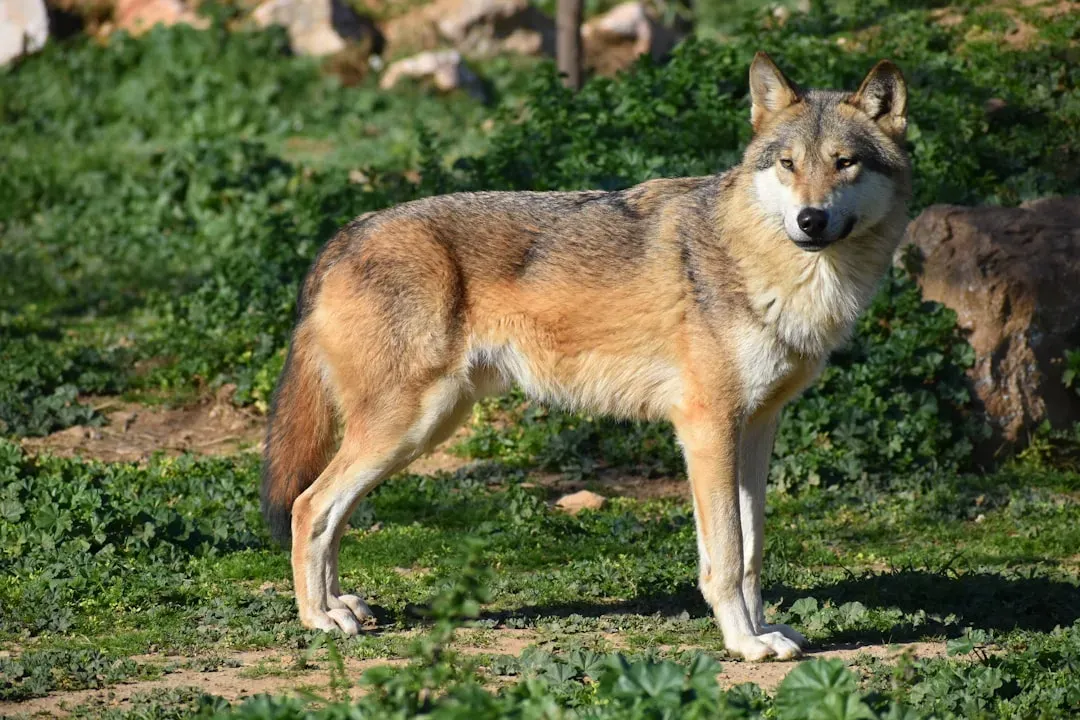
Here is something that most wildlife enthusiasts genuinely do not know: the red wolf is the only large predator whose entire historical range falls entirely within the borders of the United States. Known as “America’s wolf,” the red wolf (Canis rufus) is the only large predator whose historic range is found only within the United States. That makes it uniquely, entirely American in a way no other wolf species can claim.
Native to the Southeast, the red wolf is the world’s most endangered canid and is uniquely “All-American” as its entire historical range is confined within what is now the United States. In fact, this creature has lost more of its historical territory – 99.7 percent – than any other large carnivore, including lions, tigers and snow leopards. That number is staggering. Think about it: lions still roam across Africa. Snow leopards still haunt Asian mountain ranges. The red wolf? Nearly erased from the map it once entirely owned.
It Was Once Declared Extinct in the Wild
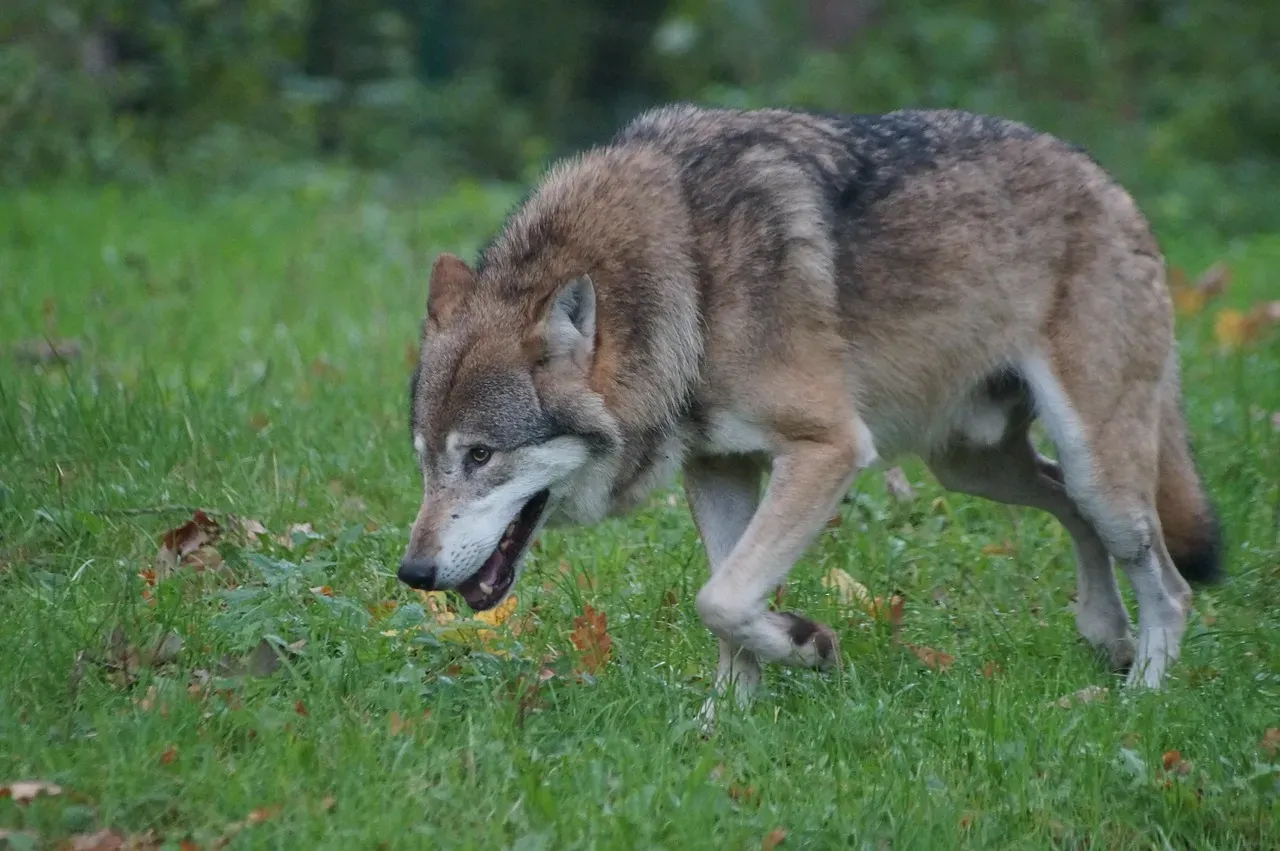
By 1980, the red wolf was considered extinct in the wild. That is not a near miss or a close call – it was the official, documented end of a species in its natural habitat. Government-sponsored predator control programs, habitat destruction, and relentless hunting had stripped the population down to almost nothing over the course of barely a century.
Over a period of 6 years, more than 400 wolf-like canids were captured in Louisiana and Texas, but of this number, only 43 were considered red wolves and were placed in captivity. Further, breeding experiments revealed that only 17 of the 43 were true red wolves, and only 14 of these successfully bred in captivity. Think of that narrow genetic bottleneck. The entire future of the species rested on just 14 individual animals. That is less than a typical classroom full of kids.
Only Around 16 Wild Individuals Were Confirmed at the Start of 2025
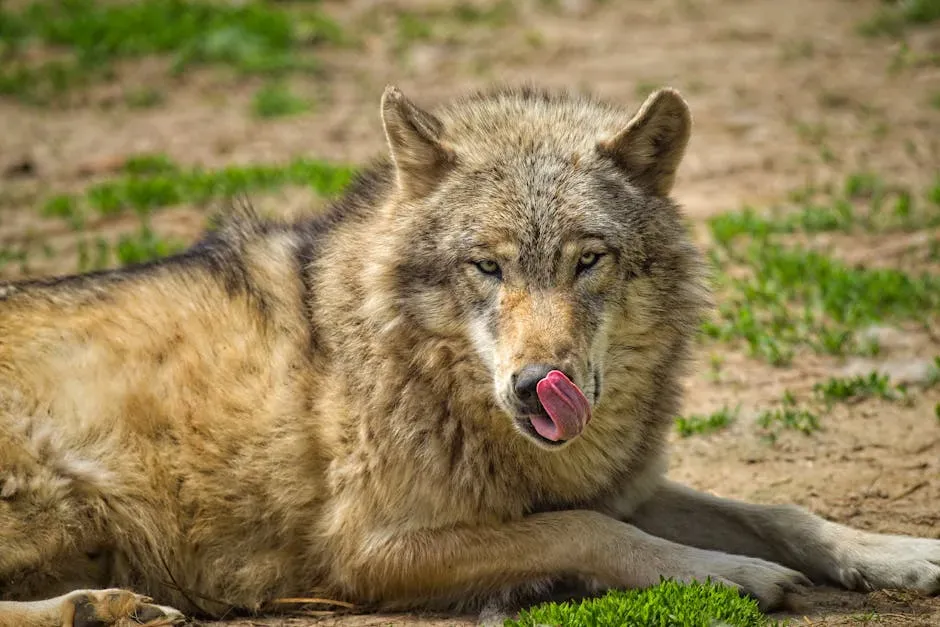
I know it sounds almost impossible, but the number is real and it is devastating. As of February 2025, there are currently 16 known to remain in the wild in North Carolina. Sixteen. That is fewer wolves than there are players on a football field during a game. The entire wild population of what was once a dominant predator across the entire southeastern United States fits inside a single small restaurant.
However, there is cautious good news to hold onto. The in-situ population has significantly increased as of September 2025. The US Fish and Wildlife Service states the total in-situ population is estimated at 28 to 31, up from 16. The SAFE ex-situ population stands at 284 with 42 pups in 12 litters born this season. Recovery, while fragile, is inching forward.
It Was the First Large Carnivore Ever Reintroduced After Going Extinct in the Wild
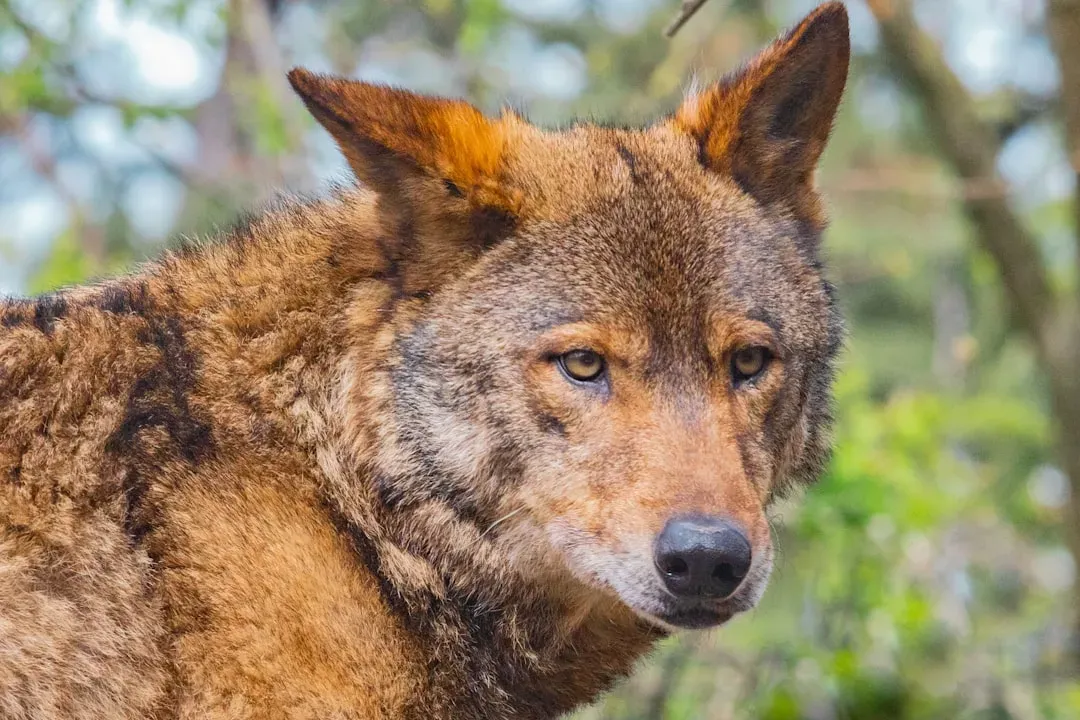
People talk about the famous gray wolf reintroduction in Yellowstone National Park, and they should. But here is a fact that often gets overlooked: the red wolf got there first. Red wolves were officially declared extinct in the wild in 1980, but due to the efforts of the U.S. Fish and Wildlife Service, which captured the remaining 14 wild red wolves and started a captive breeding program, the species became the first animal to be successfully reintroduced after being declared extinct in the wild.
In 1987, eight red wolves – four breeding pairs – were released into the Alligator River National Wildlife Refuge in northeastern North Carolina, reestablishing a wild population. The Yellowstone wolf reintroduction was actually modeled off this earlier reintroduction of red wolves into North Carolina. Honestly, the red wolf’s conservation story paved the road that many other species now travel. It just rarely gets the credit.
Its Appearance Is Unlike Any Other Wolf

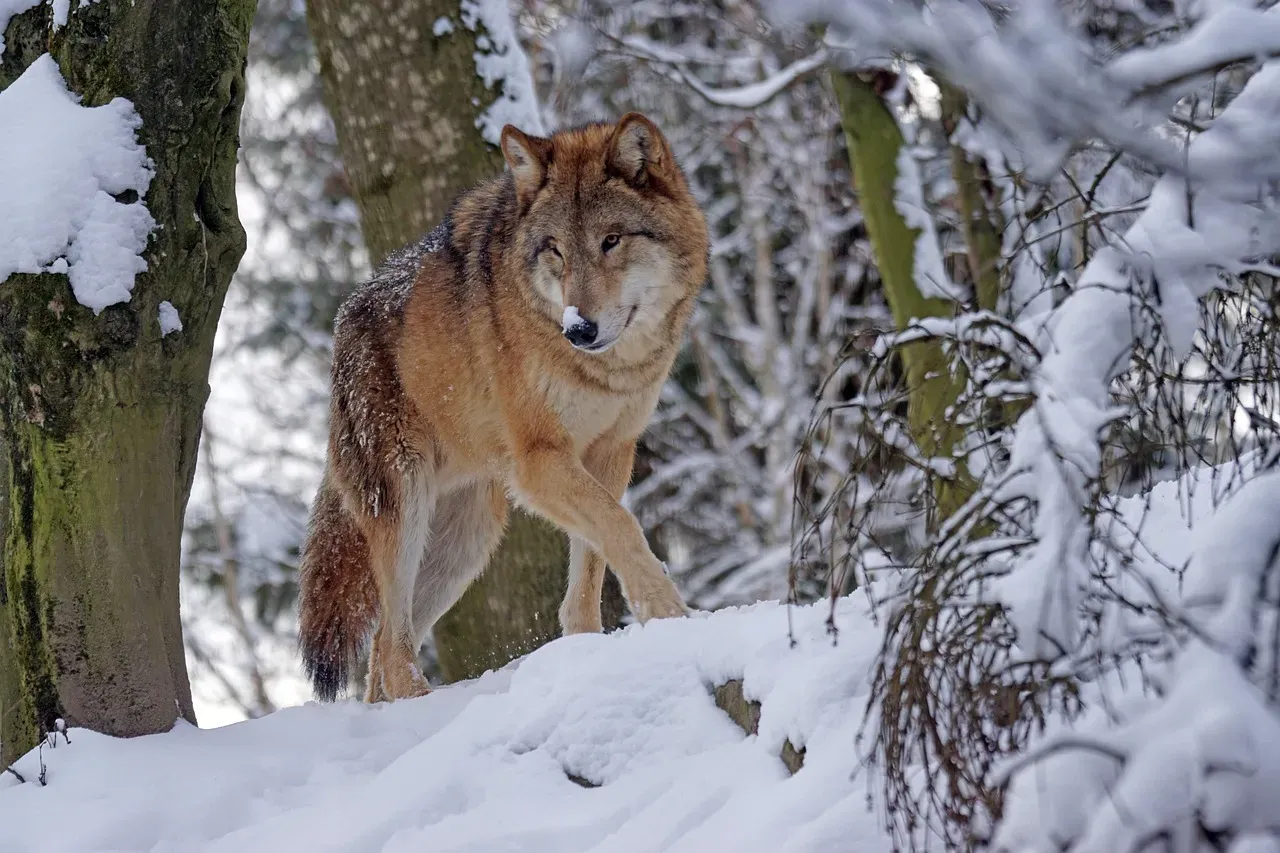
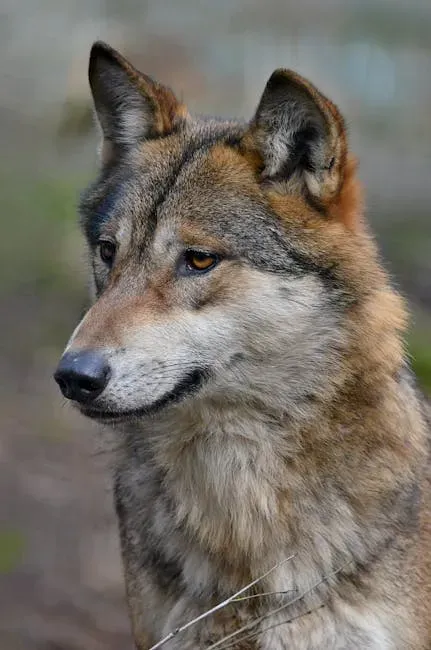
The red wolf is a smaller, thinner cousin of the gray wolf, and is named for its distinctive reddish coat. Red wolves have a distinct reddish tinge to their coat, particularly on the ears, head and legs. Adult red wolves tend to resemble their cousins, the gray wolves, but are usually smaller, with longer, lankier legs, taller ears and a thinner body. They are often described as resembling a mix between a gray wolf and a coyote.
Despite the name, their coats can vary quite a bit in color. Some have tawny or cinnamon-colored fur, while others have more gray and black tones mixed into their coats. Their undersides are usually colored white or pinkish-red. Adults measure about 4 to 5 feet long from nose to tail and stand about 26 inches at the shoulder. They weigh between 40 and 80 pounds. Lean, long-legged, and built for swamps and forests, they are a different silhouette entirely from the hulking gray wolf of popular imagination.
Coyote Hybridization Is One of Its Most Unusual Threats
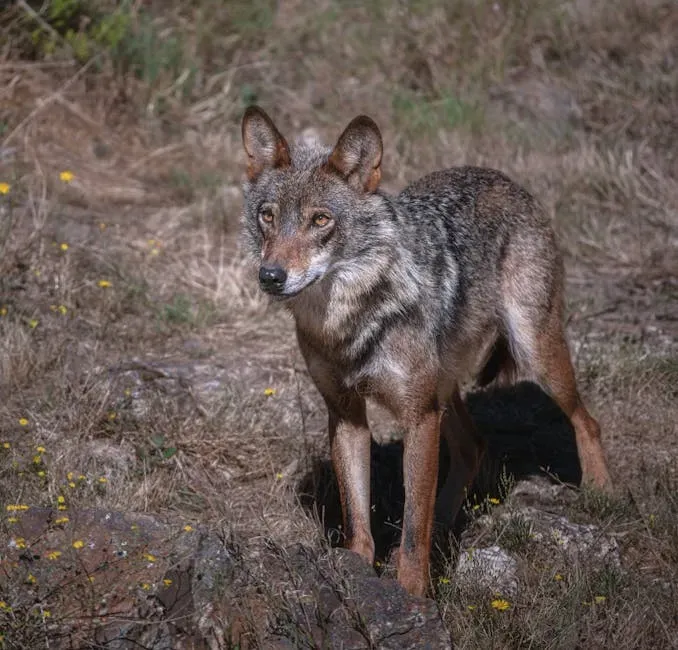
Most endangered species fight threats like habitat loss or poaching. The red wolf faces those too, but it also battles something almost unique in conservation: the danger of being genetically absorbed by a closely related species. When low in population numbers, red wolves tolerate coyotes due to the lack of ability to form breeding pairs with other red wolves. Any offspring between coyotes and red wolves endangers the red wolf species as an entirety by potentially wiping them out with hybrid animals.
Biologists developed a genuinely creative solution to this problem. In 1999, biologists started sterilizing coyotes to prevent hybridization. The sterilizations are “not to control the coyote population size – it’s purely to keep their DNA from being passed to a red wolf offspring.” There have been no red wolf and coyote hybrid litters born in the last three years, a direct result of the coyote sterilization management practice. Currently, there are 53 sterilized coyotes with active radio collars in the red wolf recovery area. It is conservation biology operating at a level of precision most people never imagined.
They Mate for Life and Live in Tight Family Packs
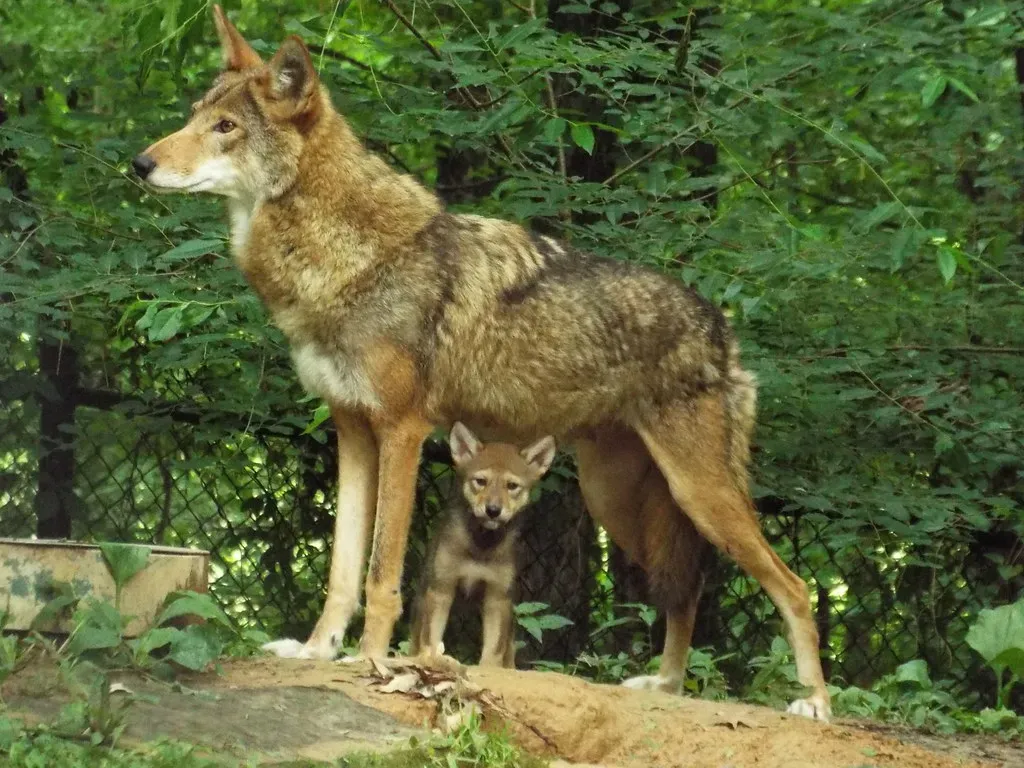
There is something genuinely touching about red wolf social life that I think gets lost in the conversation about their numbers. Red wolves mate for life, and each pack is formed around the breeding pair. Usually red wolves form a group of five to eight, composed of the breeding male and female and their offspring from different years. The pack is a very close family unit.
Older offspring help the breeding male and female raise their younger siblings, and will also attend the den. Within one to three years, the younger red wolves will leave the pack in search of their own mates and territory. Red wolves tend to form pair-bonds for life and mate once a year in February. Pups are typically born in April or May in well-hidden dens that may be located in hollow trees, stream banks and sand knolls. Dens have also been found in holes that have been dug in the ground near downed logs or forest debris piles. There is an entire world of family structure and loyalty unfolding quietly in those North Carolina wetlands.
Their Survival Has a Surprisingly Short Life Expectancy in the Wild
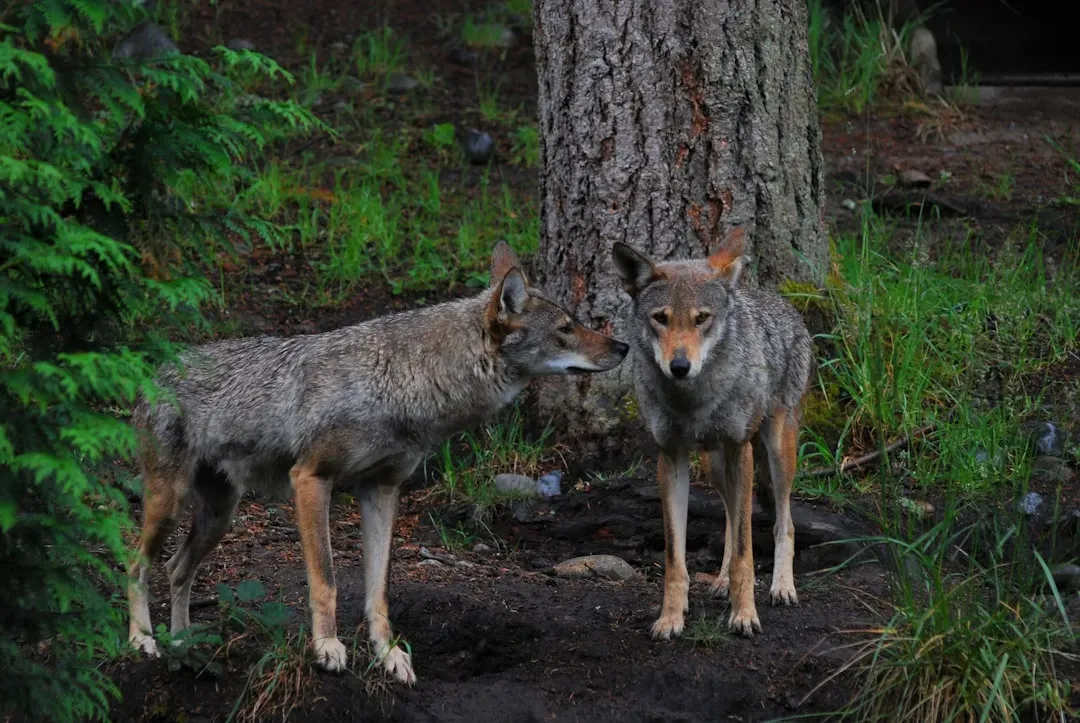
Here is a hard truth about what it means to be a wild red wolf today. The average red wolf lifespan is 7 to 9 years, but their life expectancy drops to roughly 2 to 3 years in the wild when considering human-based mortalities including gunshots and vehicle strikes. That gap between natural lifespan and actual life expectancy tells you everything about the pressure these animals are under.
The oldest known red wolf in the wild was actually 14 years old – 1743F – who passed away in 2023. The small, experimental wild population has struggled over the decades, challenged mainly by mortality from vehicle strikes and gunshots. Managers and scientists were elated by the birth of 8 pups in the wild in 2024, only to be devastated when the pup’s father was killed by a car later that year, leaving the female unable to care for the litter alone. That single car strike on a single road is a reminder of just how precarious the math truly is.
Their Identity as a Species Is Still Scientifically Debated
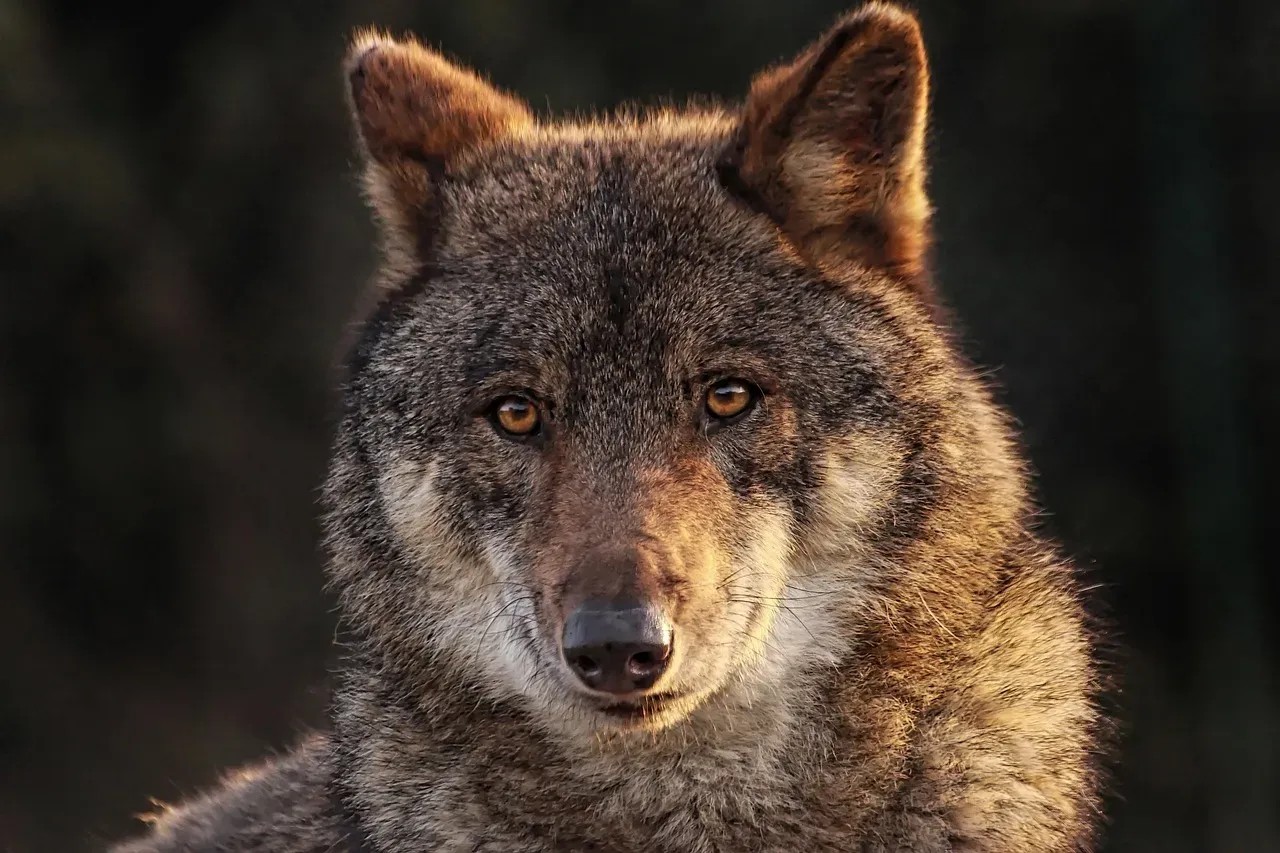
This is perhaps the most surprising fact of all: scientists still do not completely agree on what, precisely, the red wolf is. In 2011, a study compared the genetic sequences of 48,000 single nucleotide polymorphisms taken from the genomes of canids from around the world. The comparison indicated that the red wolf was about 76% coyote and 24% gray wolf with hybridization having occurred 287 to 430 years ago.
However, a study the following year reviewed a subset of that data and proposed that its methodology had skewed the results and that red and eastern wolves are not hybrids but are in fact the same species separate from the gray wolf. The 2012 study proposed that there are three true Canis species in North America: the gray wolf, the western coyote, and the red wolf and eastern wolf. So this creature is endangered and its very biological identity is still being argued. That is a rare kind of existential situation for any living thing to be in.
It Shapes Its Entire Ecosystem in Ways You Would Not Expect
Let’s be real: most people think a wolf is just a wolf. A predator that eats deer. But the red wolf’s ecological role goes much deeper than that. Research found that relative abundance increased for most prey and competitor species including American black bear, bobcat, Virginia opossum and Northern raccoon as the red wolf population declined. For all species, this increase was most notable after spring 2018. For some species, the increase was dramatic – the detection rate for raccoon, bear and bobcat doubled from the spring of 2018 to the spring of 2021.
Within their ecosystem, red wolves play a valuable role in keeping numbers of prey like deer in check. In turn, the smaller prey populations are less likely to balloon out of control and consume all available nutrients in their habitat. Additionally, the red wolves’ diet includes the invasive nutria and nuisance animals like raccoons. When red wolves disappear, the ecosystem falls out of balance in ways that ripple outward for years. They are not just a species in a landscape. They are the force that holds that landscape together.
Conclusion
The red wolf’s story is one of the most dramatic in American conservation history. From a species declared extinct in the wild, to a second chance built on the genetics of just 14 individuals, to a wild population that still clings on in a narrow corner of North Carolina – this animal has defied the odds more than once. Their numbers five years ago had dropped to a perilously low seven known red wolves roaming free on the Albemarle Peninsula’s 1.7 million acres of wetlands, woods and farmlands. The pups, along with the formation of new breeding pairs, are tangible evidence that an imperiled species can rebound if proven science-based management practices are combined with public investment in both red wolf recovery and habitat conservation.
The U.S. Fish and Wildlife Service has a new long-range plan, and if it works, the red wolf could be removed from the federal endangered species list in roughly 50 years. Fifty years is a long time to hold your breath. Still, for an animal that was once written off entirely, the fact that hope exists at all is remarkable. The question worth sitting with is this: how many more creatures like the red wolf are we allowing to slip away before we even learn their names?

- 12 US States Where Wild Horses Are Roaming Free Again and Why It Matters - July 18, 2026
- 10 Spectacular Attractions in the US - July 18, 2026
- 10 US National Parks Where Wildlife Is Flourishing Like Never Before - July 18, 2026