

You’ve probably watched them dozens of times. The robin tilting its head on the lawn, the chickadee darting in and out of the feeder, the mourning dove sitting quietly on a fence post. They’re so familiar that most of us assume we know them. We don’t, really.
The birds outside your window are running complex cognitive operations, pulling off survival tricks that took millions of years to evolve, and living social lives that would raise a few eyebrows. Most of it happens in plain sight, completely unnoticed. What follows might make you look out that window a little differently.
#1. The Chickadee’s Brain Literally Grows Every Autumn
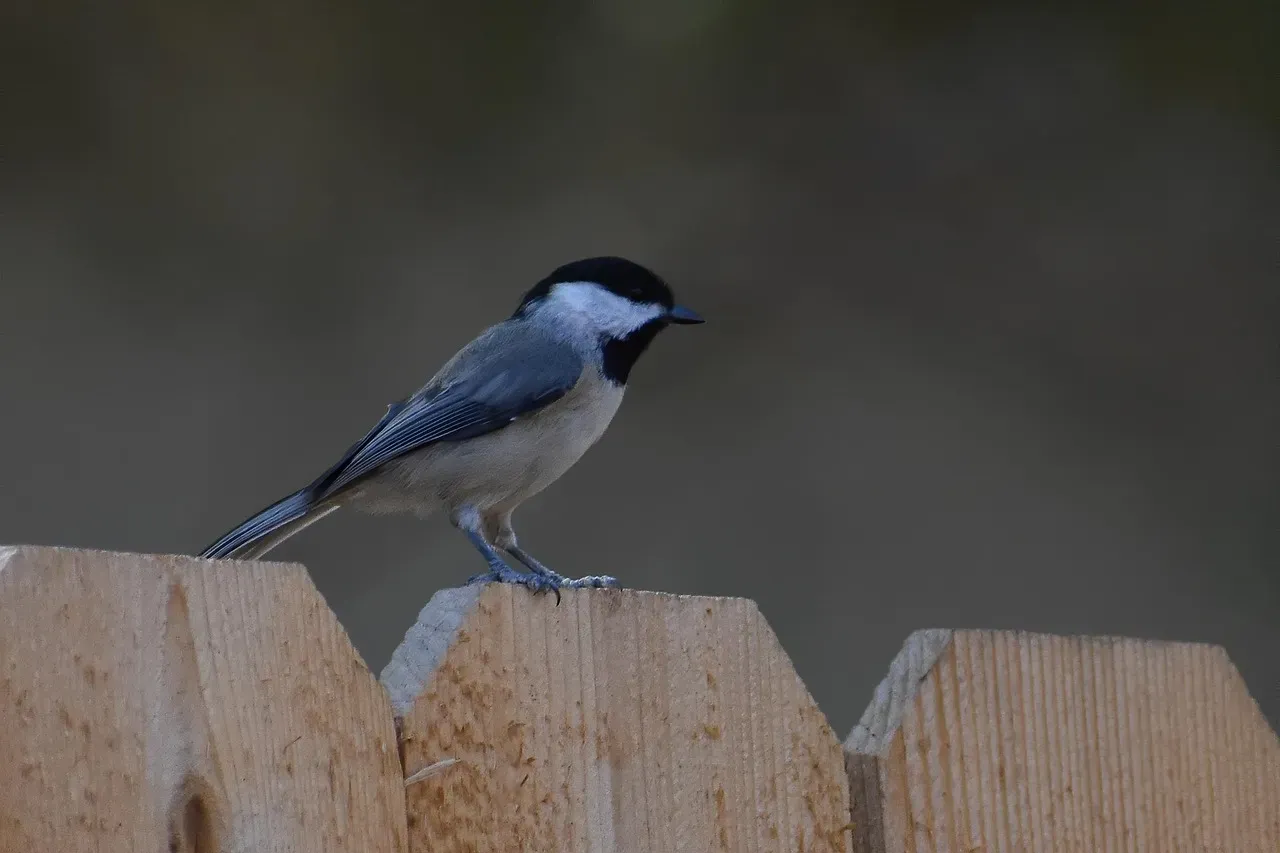
Of all the things a backyard bird can do, this one is genuinely hard to believe. Every fall, the part of a chickadee’s brain responsible for remembering where things are expands in size by approximately 30 percent, through an increase in the number of neurons in the hippocampus. It’s not a figure of speech. The brain physically changes.
In the fall, chickadees can store up to 1,000 seeds a day or 80,000 seeds a season, and to keep track of all these seeds, they can replace old neurons with new ones, overwriting old memories with new ones. When winter is over and the old information is no longer needed, the brain shrinks back to its smaller size, erasing the unwanted memory. It’s a seasonal cognitive upgrade that humans can only admire from a distance.
#2. Robins Hunt Worms With Their Eyes, Not Their Ears
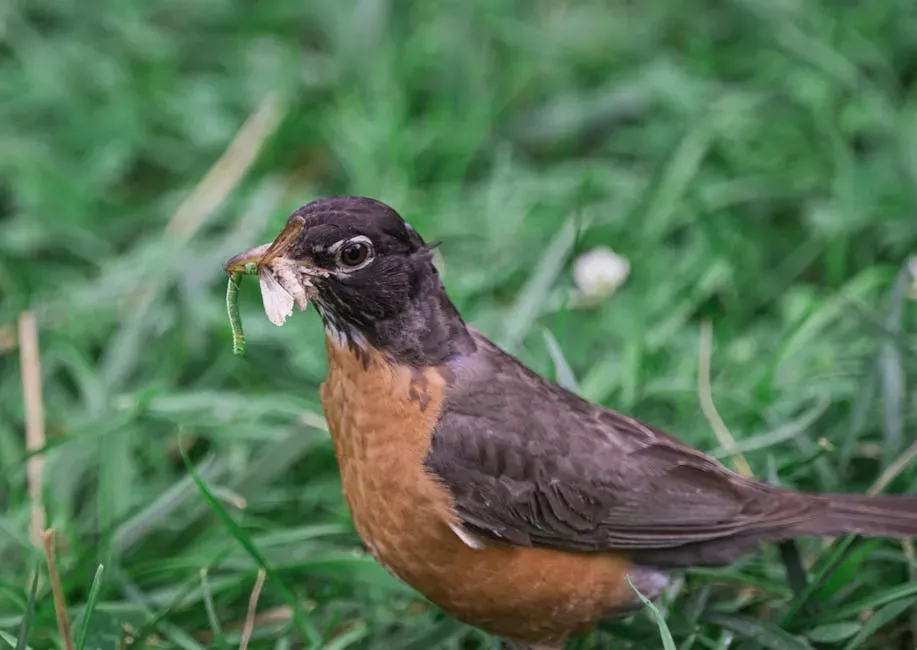
There’s a long-standing myth that robins tilt their heads to listen for earthworms underground. The reality is more visually impressive. American robins have exceptional eyesight, and they hunt for worms by standing perfectly still and watching for the tiniest movements in the soil. That sideways head tilt is about angling their eyes for the best possible view, not tuning their ears to the ground.
Studies show that robins have a unique feeding style compared to other backyard birds, relying heavily on live prey like earthworms, which they spot by sight and sound. Although robins are considered one of the key harbingers of spring, only some birds in northern states travel south during winter. Instead, stragglers will join large roaming flocks looking for berries, and when spring returns, they disband and spread back out across their full range. So that robin in January isn’t lost. It’s just quietly getting on with things.
#3. Blue Jays Are Skilled Vocal Deceivers
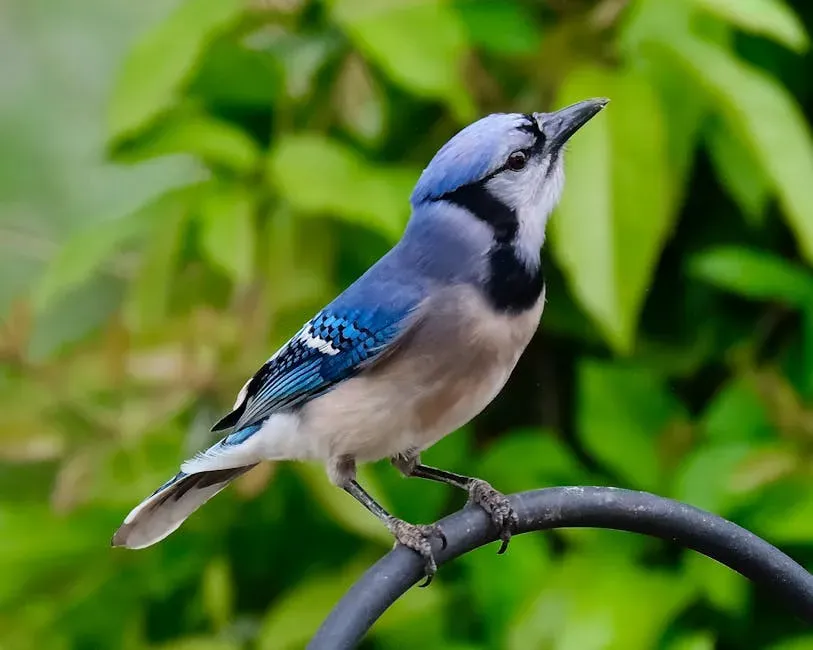
Blue jays have a reputation for being loud and bossy, which is fair. But there’s something more calculated going on. Blue jays are often heard imitating the calls of the red-shouldered hawk and other hawks, either to deceive or warn other birds. In practice, this mimicry can serve a very self-interested purpose.
Blue jays have been known to mimic the cries of hawks to make other birds scatter from feeders so they can easily get to the food, and they also mate for life and are devoted parents to their young. The black facial markings on blue jays vary widely and may help them recognize each other. So the next time a blue jay empties your feeder in about thirty seconds, know that it planned that.
#4. The Northern Mockingbird Can Learn Over 200 Songs
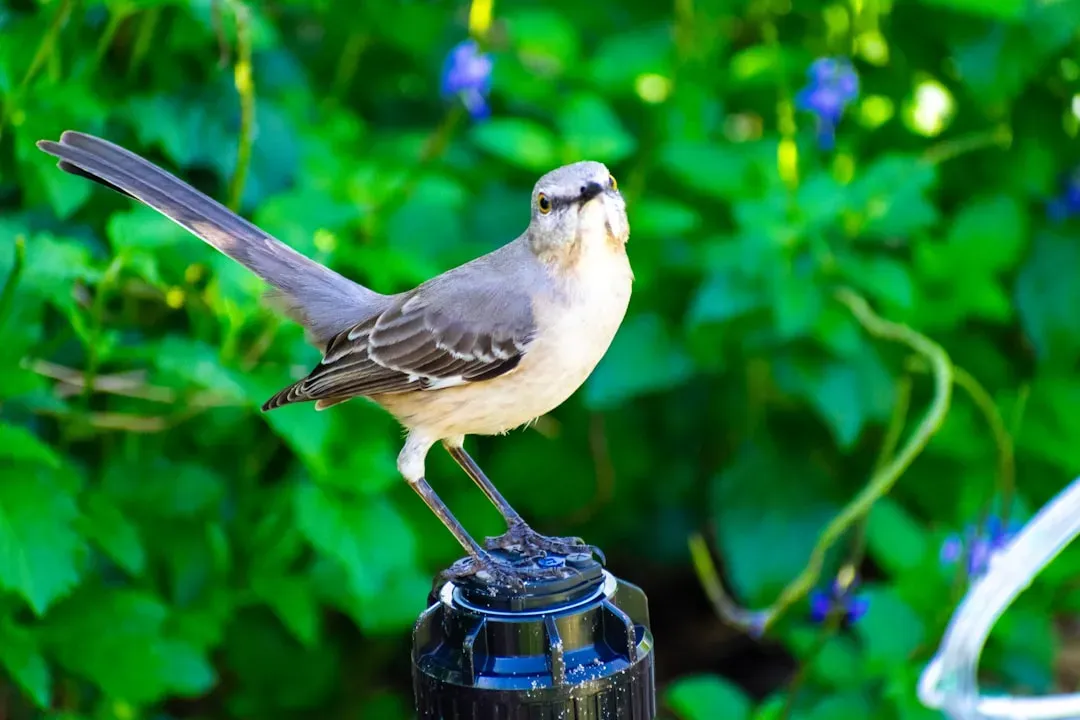
The mockingbird’s scientific name, Mimus polyglottos, translates roughly to “many-tongued mimic,” and that name earns its keep. Northern mockingbirds have been known to learn over 200 songs in their lifetimes, and the male ones, in particular, use their song to attract females during mating season in the springtime. They don’t just imitate birds, either. The mockingbird doesn’t produce its own song, but imitates the songs of other birds, as well as other sounds like frogs and even car horns.
The more songs a male has, the older he is, and it is believed that females prefer males with larger repertoires as it indicates age and experience. Mockingbirds continue to learn new songs throughout their lives, singing both day and night. The males that sing the most are typically young and unattached, and night singing usually decreases once they pair up. If a mockingbird is keeping you awake at 2 a.m., it’s probably still looking for a partner.
#5. Mourning Doves Feed Their Chicks Something Like Milk
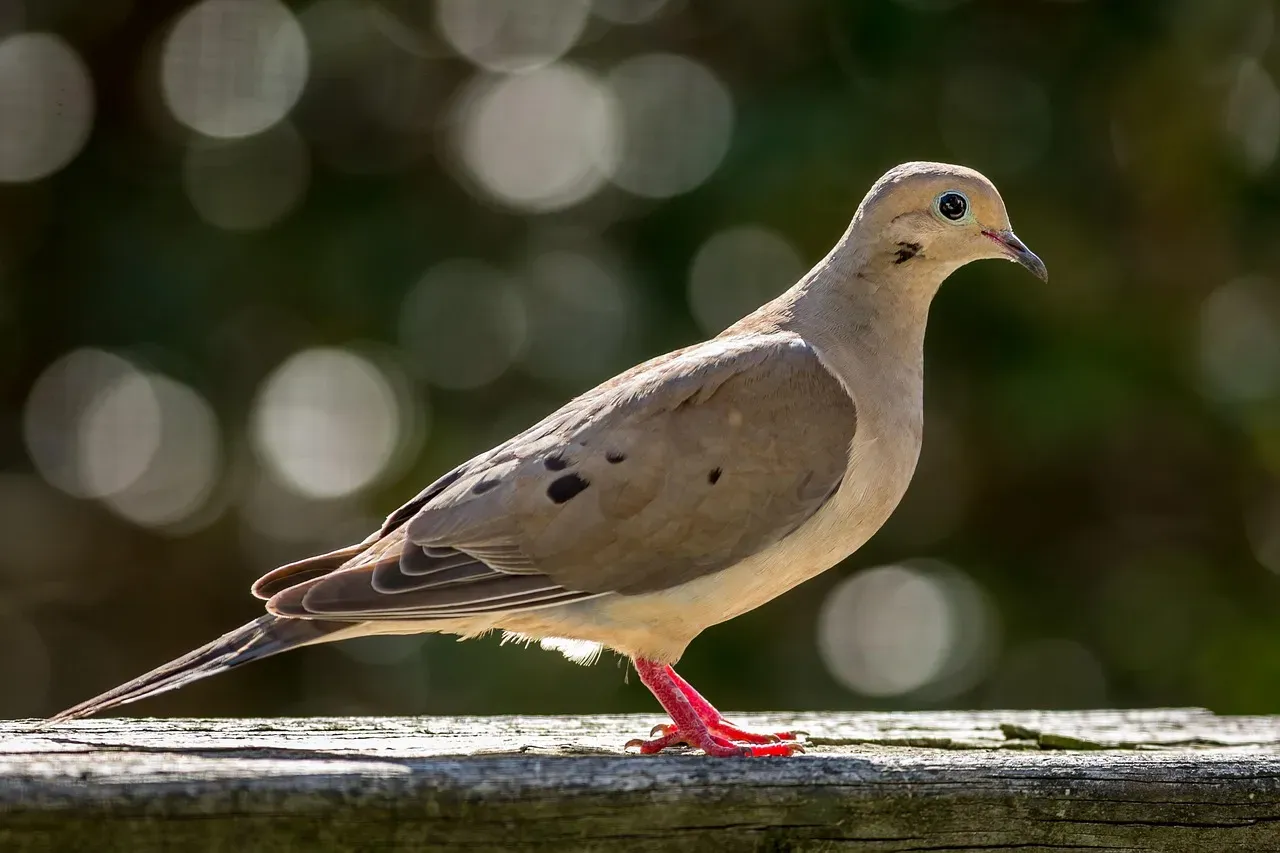
Mourning doves look modest enough perched on the fence, gently cooing. Their parenting strategy, though, is genuinely surprising. In the first few days of a young mourning dove’s life, both parents feed their chicks what’s known as “crop milk,” a nutrient-rich substance with a texture like cottage cheese, secreted by cells in the crop and regurgitated into a meal for the chicks. This feeding strategy is shared across the pigeon and dove family, but only a handful of other birds use “milk” to feed their young, including flamingos and penguins.
On average, mourning doves will eat about 12 to 20 percent of their body weight every day, and one notable eater was recorded with 17,200 bluegrass seeds in its crop at once. Mourning doves aren’t named for the time of day. They are called mourning doves because of their sad song. A gentle detail for a bird that, underneath all that softness, is quietly built for survival.
#6. Chickadees Encode Each Hidden Seed With a Unique Brain Pattern
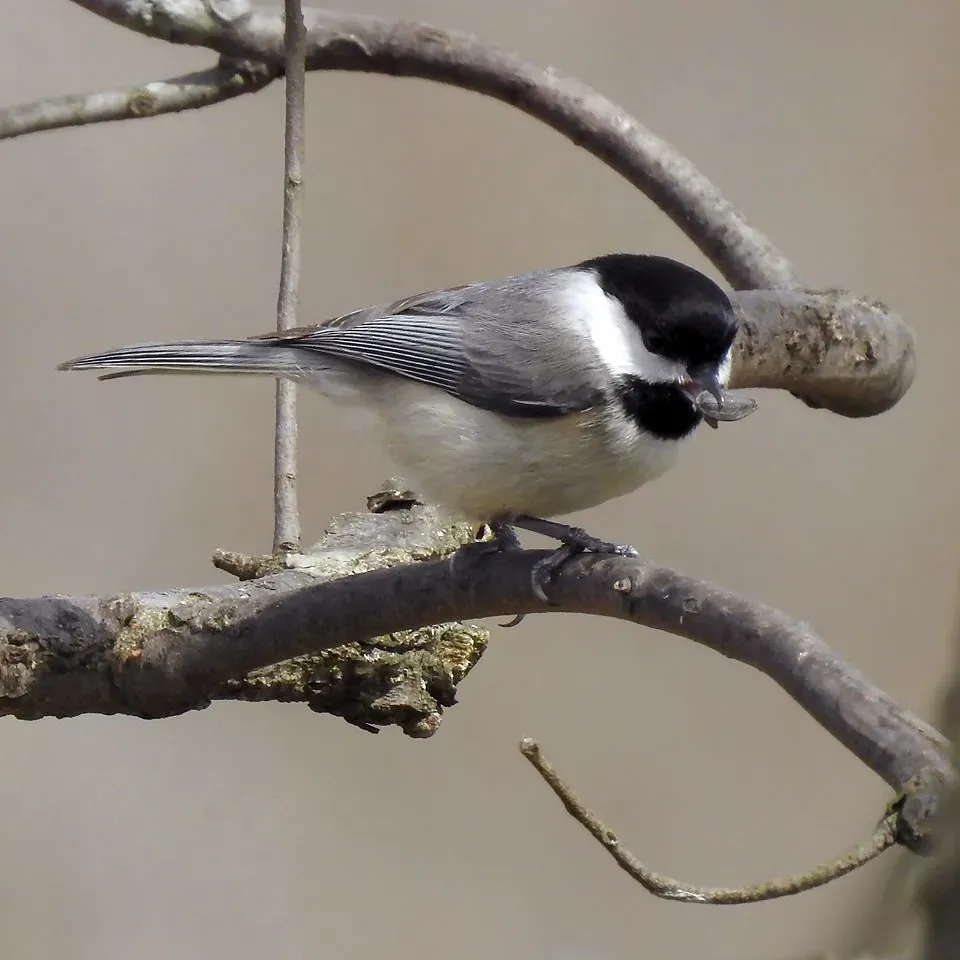
Beyond the fact that chickadees grow new brain tissue each fall, researchers have discovered something even more precise about how they actually store memories. Scientists found that each time a chickadee stashed a seed, hippocampal neurons fired in a unique pattern, and these fleeting patterns reactivated when the birds retrieved that specific food cache. Think of it as a biological barcode, one per seed location.
Each time a bird hid a seed under a flap, researchers saw a brief, unique brain pattern appear. Each pattern was specific to an instance of seed-hiding, so different patterns appeared even when the birds hid multiple seeds in the same location or when stashes were created at neighboring perches. This barcode-like formatting of memory, revealed in the journal Cell, may be a common tactic in animal brains, including those of humans. Your backyard chickadee may be quietly advancing neuroscience.
#7. White-Throated Sparrows Come in Two Distinct Versions
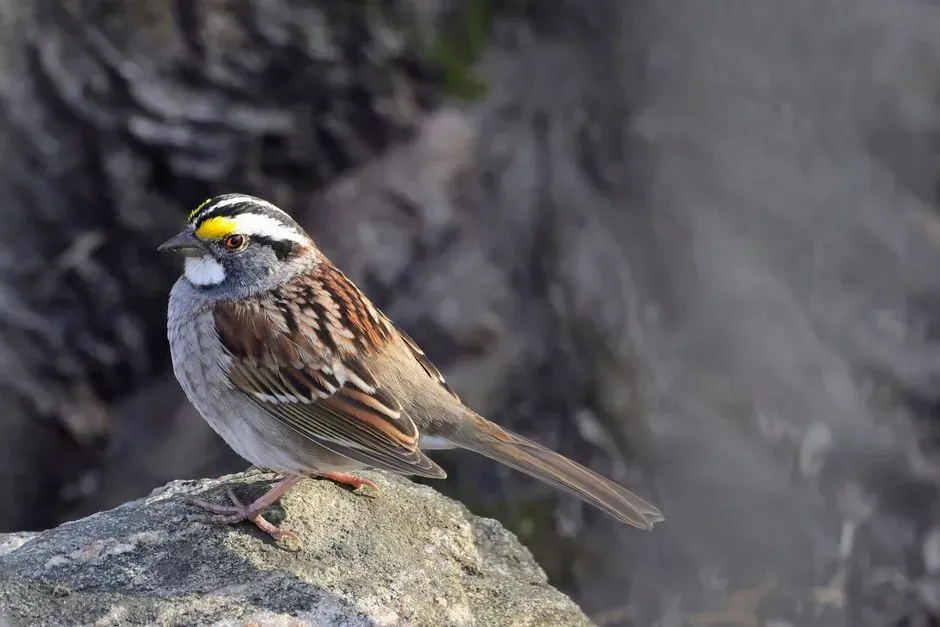
Most people have no idea there are actually two kinds of white-throated sparrow, and the difference goes deeper than feather color. White-throated sparrows come in two color variations: white-crowned and tan-crowned, and they almost always mate with a bird of the opposite crown color. It’s a remarkably consistent pattern, observed repeatedly across populations.
Even though they look nothing alike, dark-eyed juncos have been known to mate with white-throated sparrows, producing hybrid offspring. The two crown variants behave differently as well, with research suggesting they tend to take on different roles in nesting and territory defense. It’s a level of complexity hiding inside a bird most people barely stop to notice.
#8. Woodpecker Drumming Is Mostly About Communication, Not Food
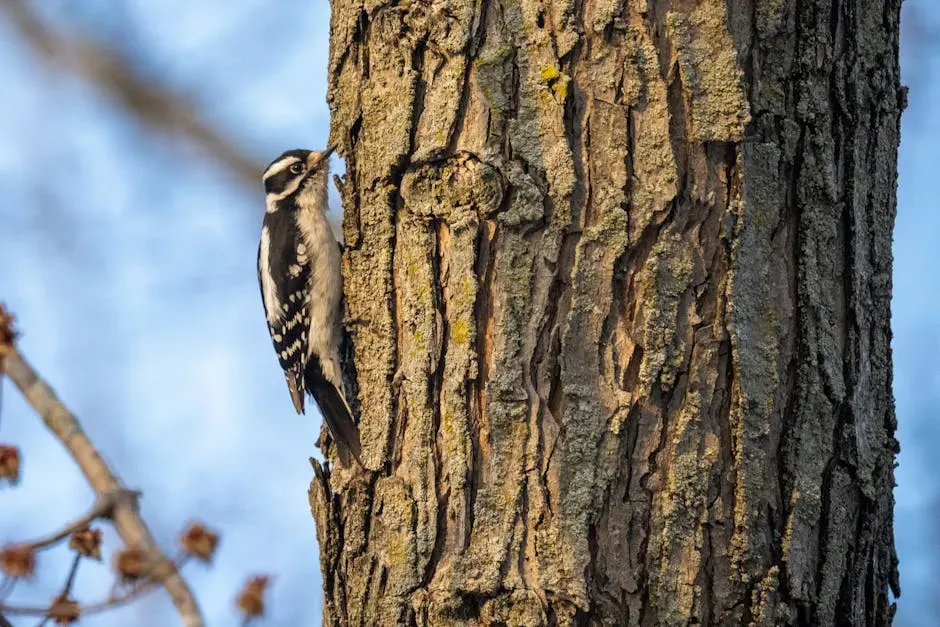
The rapid-fire drumming of a woodpecker on a dead tree is easy to mistake for feeding. Most of the time, that’s not what’s happening. The drumming from downy woodpeckers and other woodpeckers has little to do with feeding. Instead, it’s their version of a bird song. They’re broadcasting their presence, establishing territory, and attracting mates through percussion.
Woodpeckers court by the familiar sound of pecking a tree or other hard surfaces, the louder the better according to females. This same pattern is carried out by other birds who sing instead of peck. Male birds who can belt out more tunes are considered more attractive. Loud is the point. The next time your eaves get an early-morning drumming session, you’re witnessing a courtship display, not a maintenance issue.
#9. Backyard Birds Are Capable of Social Learning
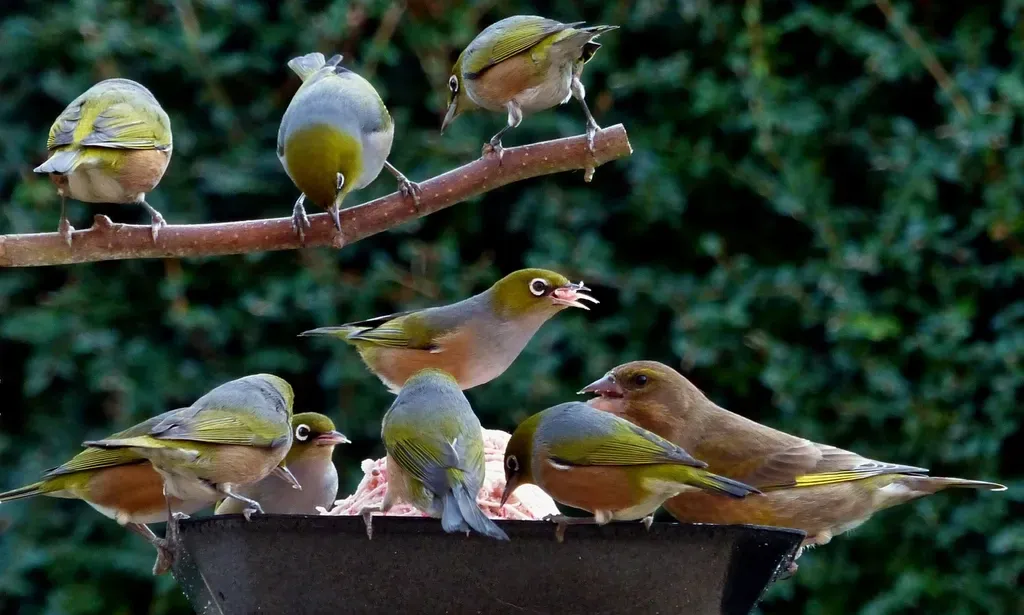
Birds that move into a new area don’t just figure things out alone. Recent research confirms something more sophisticated is going on. Scientists have found a trigger for social learning in wild animals. An experiment on great tits pinpointed a single factor, immigration, that can cause birds to pay close attention to others, leading them to rapidly adopt useful behaviors.
The study is the first to provide experimental support of a long-held assumption that immigrants should strategically use social learning. It was published in PLOS Biology by scientists from the Max Planck Institute of Animal Behavior and the University of Konstanz. Citizen science based on backyard observations has actually revealed new insights into backyard bird behavior and conservation trends, of importance to biologists and conservationists. The birds at your feeder are watching, learning, and adapting in ways we’re only beginning to understand.
#10. Waxwings Can Get Drunk on Fermented Fruit
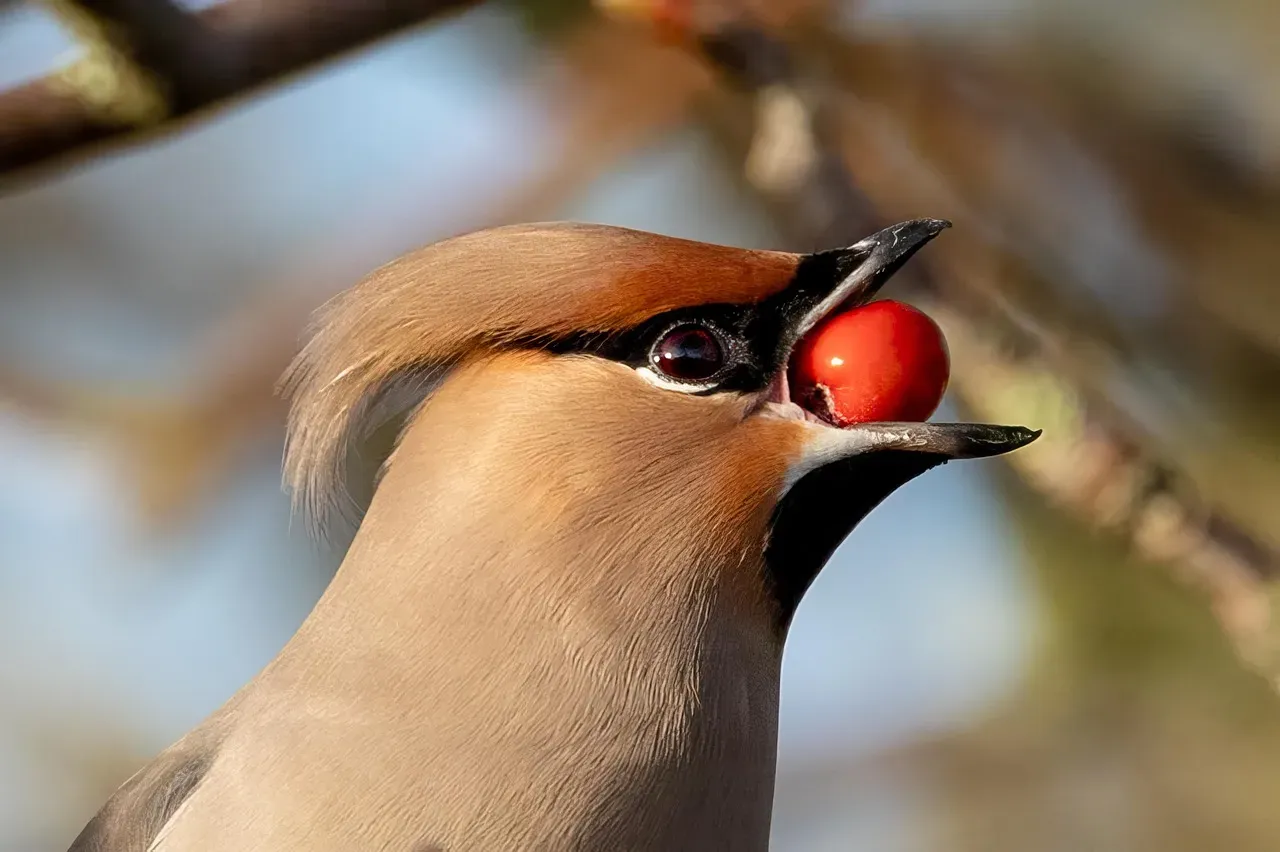
This one sounds like folklore, but it’s well documented. If there’s fruit anywhere nearby, bohemian waxwings will find it, and if that fruit is fermented, they may get drunk and crash into buildings or fences while flying. It’s not a rare occurrence either. Wildlife rehabilitators have treated disoriented waxwings that simply flew into things after eating their way through a tree full of overripe berries.
Two species of birds in particular, chickadees and red-breasted nuthatches, weigh their seed before deciding whether or not to eat it. According to the Department of Biology at the University of Vermont, these birds will choose sunflower seeds with considerable heft over lighter ones because they use a lot of energy finding the feeder and want to get the most out of their effort. The contrast is striking. Some backyard birds are calculating nutritional value down to seed weight, while others are diving headfirst into nature’s open bar. Both strategies, apparently, have their merits.
Final Thoughts
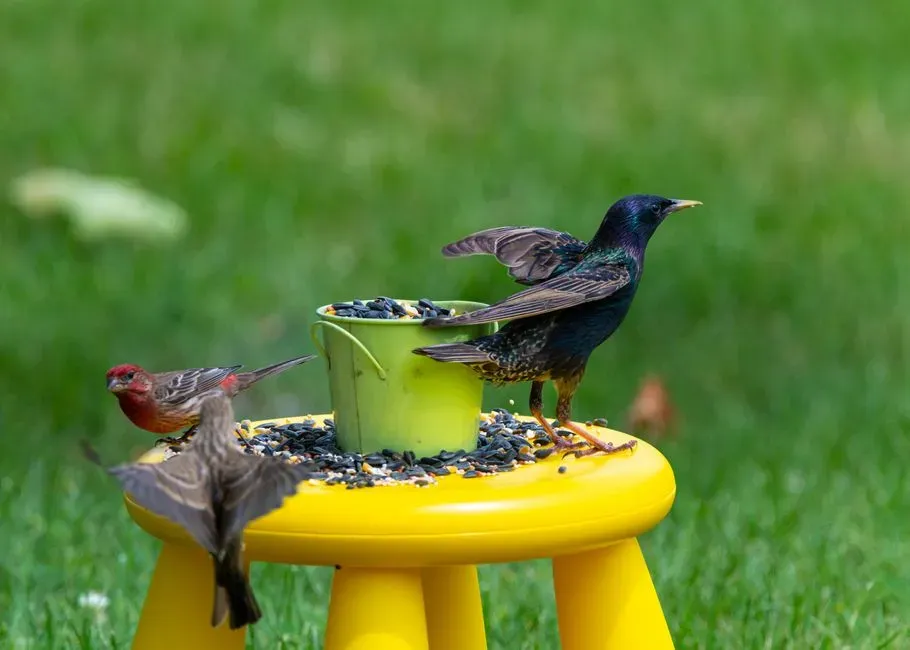
There’s something genuinely humbling about learning how much is happening just outside the window. These aren’t simple, decorative creatures. They’re running on neurological hardware that shapes memory seasonally, navigating complex social structures, and solving daily survival problems in ways that continue to surprise researchers.
We tend to project ordinariness onto the familiar. A robin on a lawn, a chickadee on a feeder – they blend into the background of a busy morning. The science says they probably shouldn’t. Every one of those birds is doing something extraordinary. Most of us just haven’t been paying close enough attention.
Backyard birding doesn’t require a field guide or expensive optics to become genuinely rewarding. Sometimes all it takes is knowing what you’re actually looking at. Once you do, ordinary becomes quietly astonishing.

- What It Means When Your Cat Stares at the Same Empty Corner at the Same Time Every Night – and the Three Explanations Competing for It - July 19, 2026
- What It Means When a Snake Crosses Your Path From Left to Right According to Every Southern Appalachian Tradition That Recorded It - July 19, 2026
- What It Means When Deer Stop Coming to an Area They Have Visited for Years – and What Wildlife Biologists Say They Are Detecting - July 19, 2026