
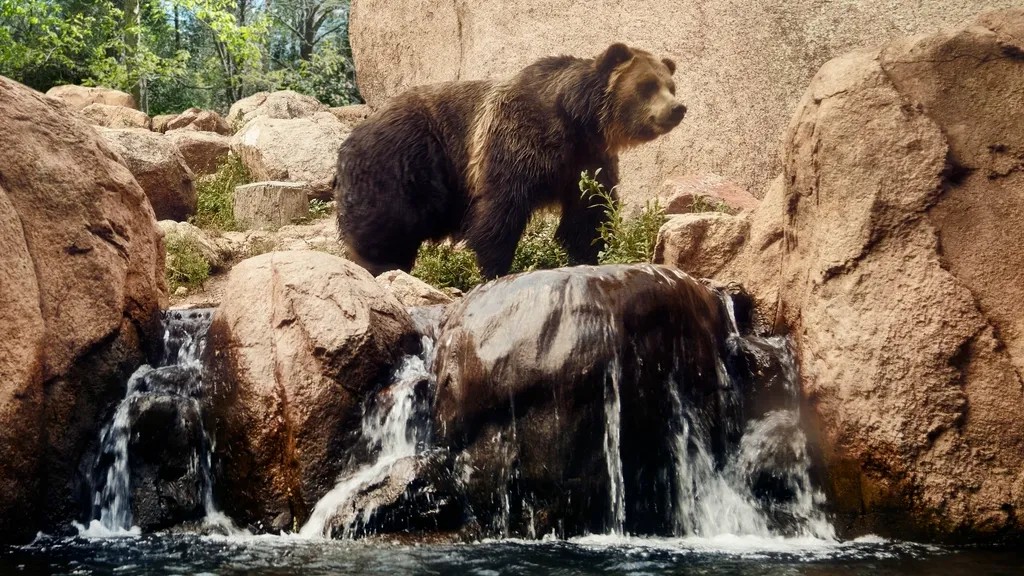
Picture this: you’re setting up camp after a long day of hiking, when suddenly you hear rustling in the bushes. Your heart stops as a massive black shape emerges, sniffing the air with curious intensity. Welcome to an increasingly common reality across America, where bear encounters are climbing at an unprecedented pace.
While these magnificent creatures once retreated deep into remote wilderness areas, they’re now boldly venturing into suburbs, raiding garbage cans, and turning backyard barbecues into unexpected wildlife encounters. The statistics paint a striking picture: human interactions with black bears are increasing in 18 states, with more than 46,000 incidents reported to state agencies in 2022. That’s more than double the roughly 21,000 bear complaints nationwide just seven years earlier.
So let’s get started exploring the ten states where you’re most likely to cross paths with these powerful predators, and why these encounters are becoming the new normal.
Connecticut: A Small State with Big Bear Problems
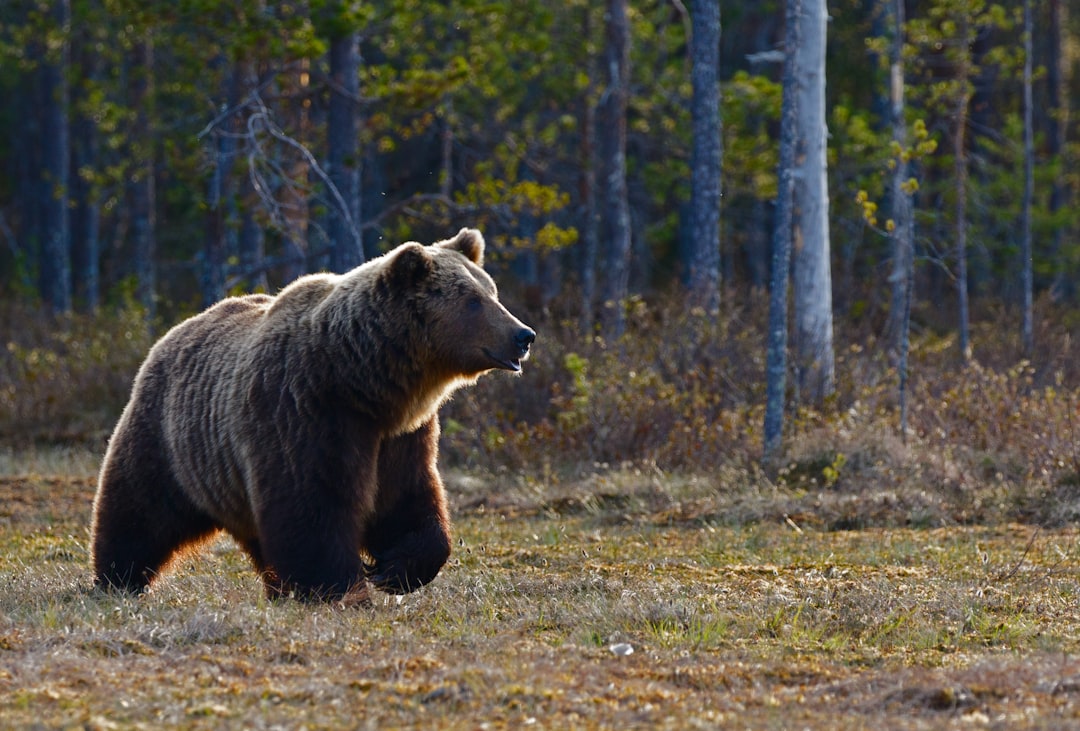
Connecticut might be one of America’s smallest states, but it’s making headlines for all the wrong reasons when it comes to bear encounters. Bear sightings were reported from 159 of Connecticut’s 169 towns and cities in 2024, with the town of Simsbury alone recording nearly 1,000 bear sightings in a single year.
The most alarming statistic? Bears entered households in Connecticut at least 67 times in 2024, the highest recorded number in the state over the past 10 years. That translates to roughly six home entries per 100 bears, a rate that far exceeds neighboring northeastern states. Connecticut reported nearly 3,500 human-bear conflicts in 2024, prompting heated debates about implementing the state’s first bear hunting season.
Colorado: Where Mountain Living Meets Bear Reality

Colorado Parks and Wildlife received 4,644 bear reports between January 1 and November 1, 2024, marking a significant increase from the 3,414 reports during the same period in 2023. This year’s total ranks as the third-highest since 2019, with an estimated 17,000 to 20,000 bears calling the Rocky Mountain state home.
Denver metro area counties have been particularly hard hit, with wildlife managers reporting that bear activity and human conflict continued to be problematic throughout 2024. The combination of drought conditions and inconsistent natural food sources has pushed bears closer to residential areas, where they’ve learned that garbage cans and bird feeders offer easy meals year-round.
Vermont: Small State, Massive Bear Surge
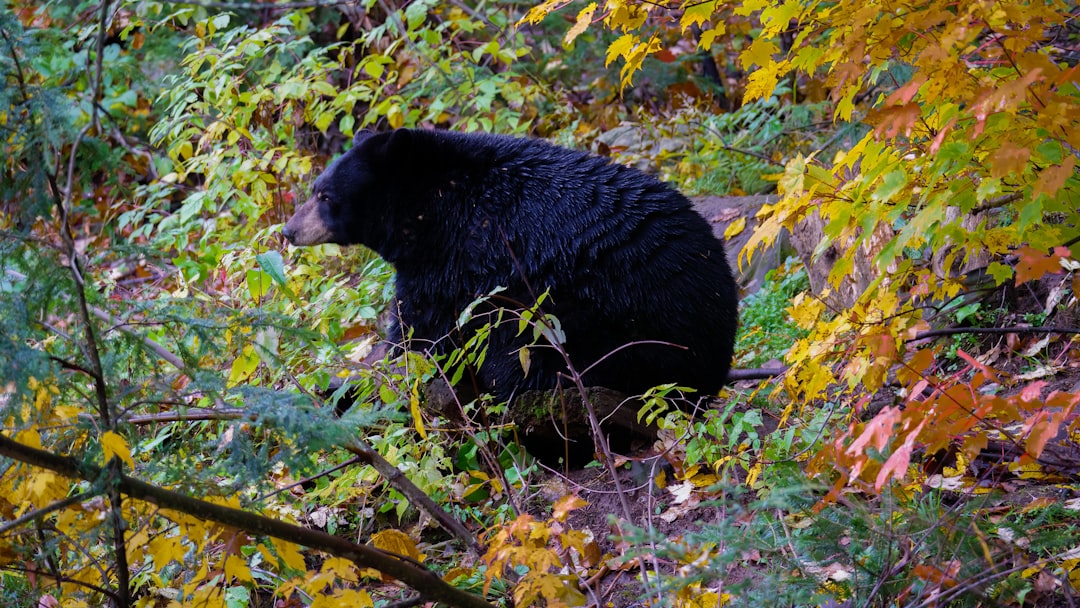
Don’t let Vermont’s pastoral image fool you. Vermont wildlife officials saw a drastic spike in human-black bear interactions, with 1,151 incidents reported by late 2024, compared to 912 in 2023. The state experienced an even more dramatic surge in 2020, when reports jumped from 626 to 1,710 in a single year.
What makes Vermont’s situation particularly concerning is the role human behavior plays in these encounters. Improperly stored garbage factored into 46% of human-bear incidents reported in Vermont between 2011 and 2023. Wildlife biologists note that residents have essentially been training bears over the past 30 years to view backyards and town centers as reliable food sources.
New Jersey: The Garden State’s Growing Predicament
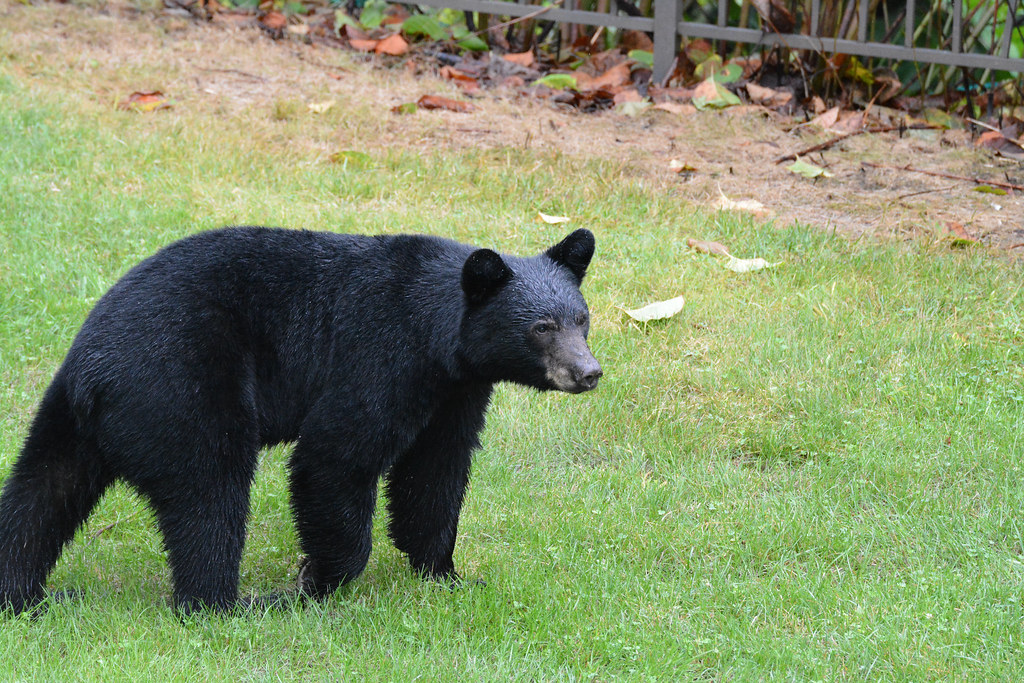
New Jersey presents one of the most dramatic bear comeback stories in America, though not necessarily in a good way. The population has grown from approximately 1,500 bears in 2018 to over 3,000 in recent years, with projections suggesting it could surpass 4,000 by 2026. Black bear complaints and sightings have risen over time, with bear-related activity now being reported in all 21 counties.
The statistics from recent years are truly staggering. Bear-involved incidents reported to the NJDEP increased by 237% from January 2022 through October 2022 compared to the same period in 2021, including 62 aggressive encounters with humans, one attack on a human, 12 attacks on dogs, 12 home entries, 15 attempted home entries, 84 instances of property damage exceeding $1,000, and 52 attacks on protected livestock. Even in densely populated Bergen County, 59 bear-related incidents were reported by late 2024, up from 43 during the same period in 2023.
California: The Golden State’s Dark Side of Conservation Success
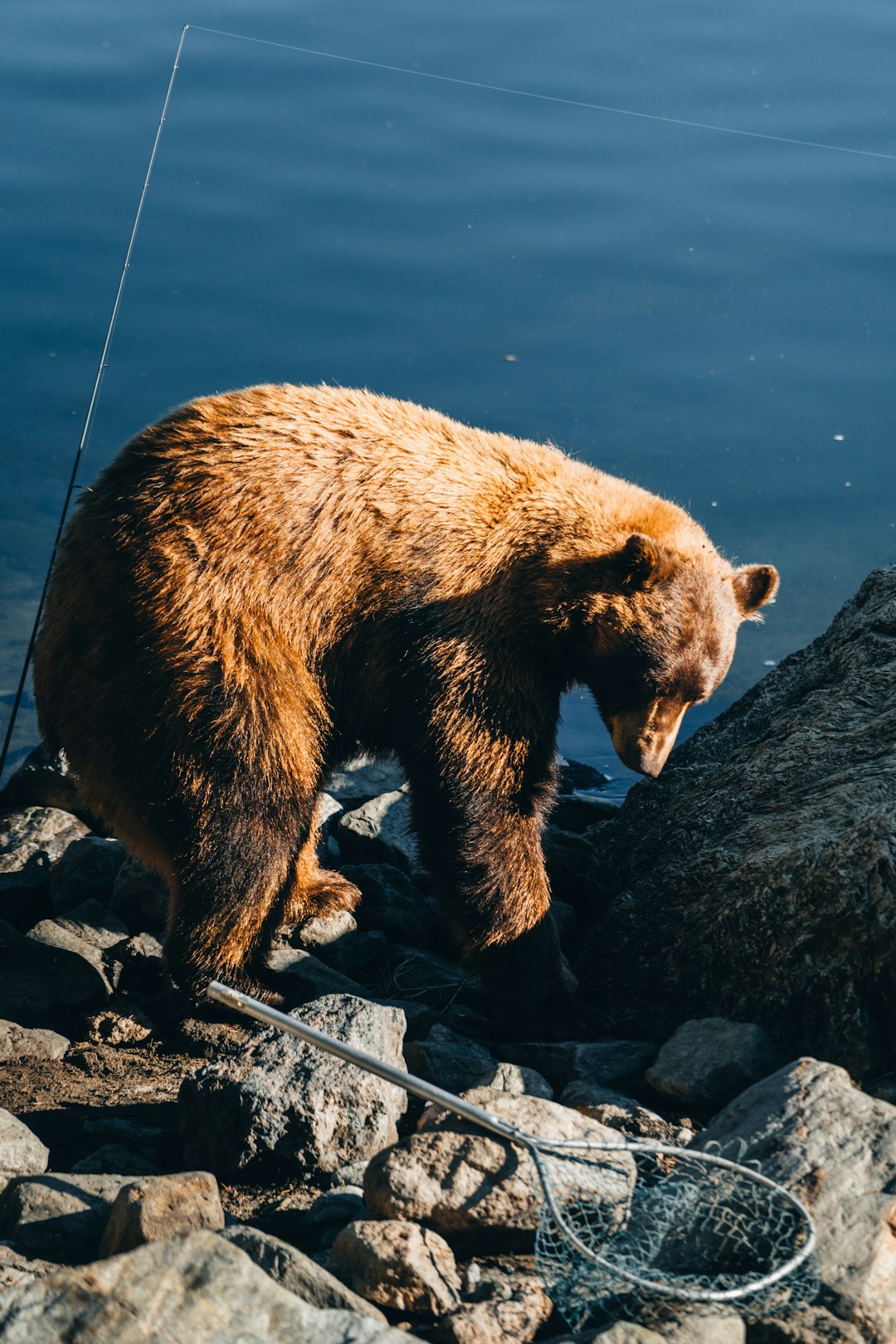
California’s bear population has become a victim of its own conservation success, with an estimated 25,000 to 30,000 black bears now roaming the state. These numbers represent a remarkable recovery, but they’ve also created unprecedented challenges. Due to population density reaching carrying capacity, bears are spreading into areas where they were not seen 50 years ago, leading to more frequent problematic human-bear encounters.
The consequences have become tragically real. California recorded its first documented fatal black bear attack in 2024, when a 71-year-old woman was killed in her own home after repeatedly reporting increasingly aggressive bear encounters to authorities. California’s bears have adapted remarkably well to human presence, sometimes leading to conflicts in areas like South Lake Tahoe, where bears occasionally enter homes searching for food.
Florida: The Sunshine State’s Unexpected Bear Boom
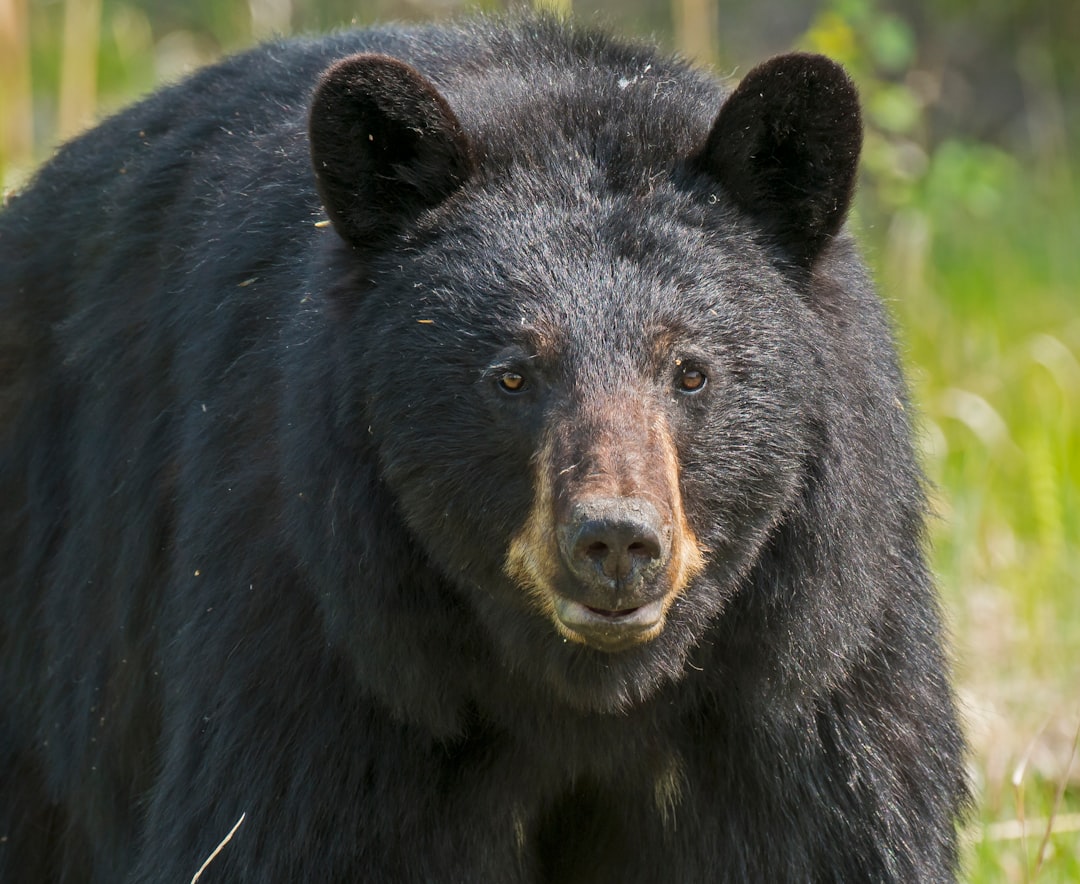
Florida might seem like an unlikely candidate for a bear encounter hotspot, but the data tells a different story. With over 6,000 black bear related calls to the Florida Fish and Wildlife Conservation each year, the state is seriously considering its first bear hunt in almost a decade. Central Floridians are experiencing more black bear encounters as temperatures rise and mating season begins.
The bears aren’t just staying in rural areas anymore. Bears have been spotted throughout Central Florida this season including in crowded metropolitan areas. While population data hasn’t been updated since 2015, wildlife officials acknowledge that bear numbers and demographics have likely changed significantly, prompting discussions about new management strategies including potentially controversial hunting seasons.
New York: Empire State’s Expanding Bear Territory
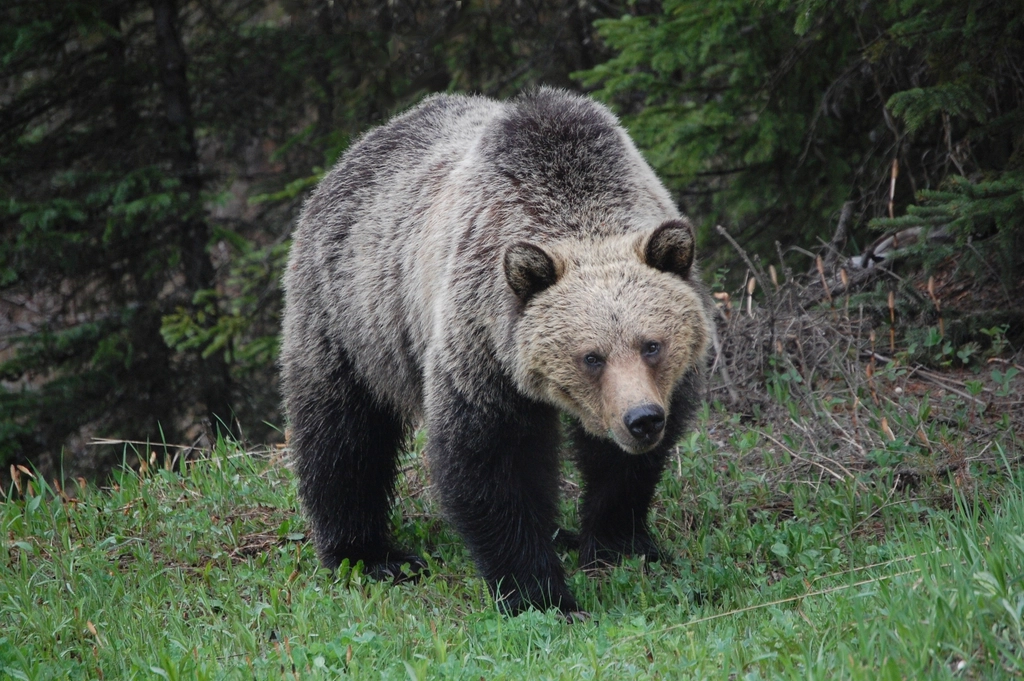
New York’s bear population is thriving in ways that would have seemed impossible decades ago. Hunters in New York harvested an estimated 1,685 bears during the 2024 hunting seasons, marking a 24 percent increase from 2023 and approximately 13 percent higher than five- and 10-year averages. These harvest numbers reflect a robust and growing population that’s expanding beyond traditional strongholds.
New York State supports a healthy bear population in regions like the Adirondacks and Catskills, with these forested areas offering the food and cover that bears need, making them some of the best places to observe bear activity in the Northeast. The expansion has been so successful that wildlife management units within the Catskills and western Adirondacks continue to produce the highest bear harvest densities in the state.
Washington: Pacific Northwest Paradise Turned Bear Highway
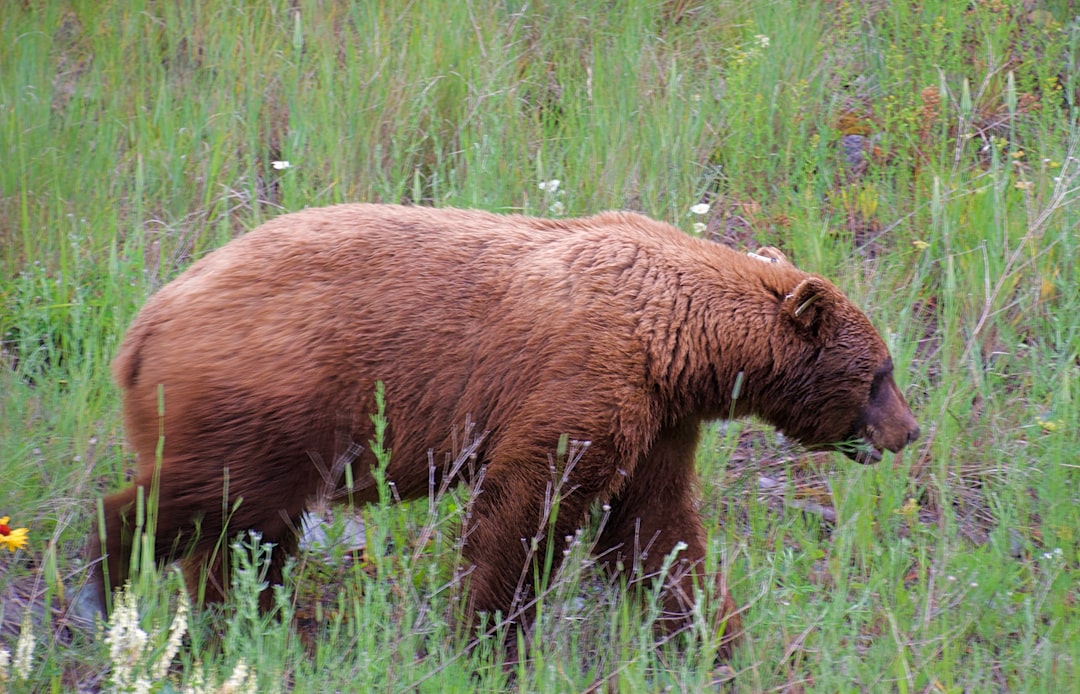
Washington State has become a textbook example of successful bear recovery, perhaps too successful for comfort. An estimated 25,000 to 30,000 black bears live throughout Washington, inhabiting everything from coastal rainforests to the dry woodlands of the Cascade Mountains. Black bears are distributed widely throughout Washington’s temperate forests, and although they avoid urban areas, their range overlaps with hiking and camping zones, making occasional encounters a reality for those exploring remote trails.
The state’s Olympic National Park has become particularly notable for bear activity, with its rich biodiversity and temperate rainforests providing ideal habitat. Black bears are commonly seen in these lush environments, and visitors should make their presence known by talking or clapping hands, especially in dense vegetation.
Wisconsin: America’s Unexpected Bear Capital
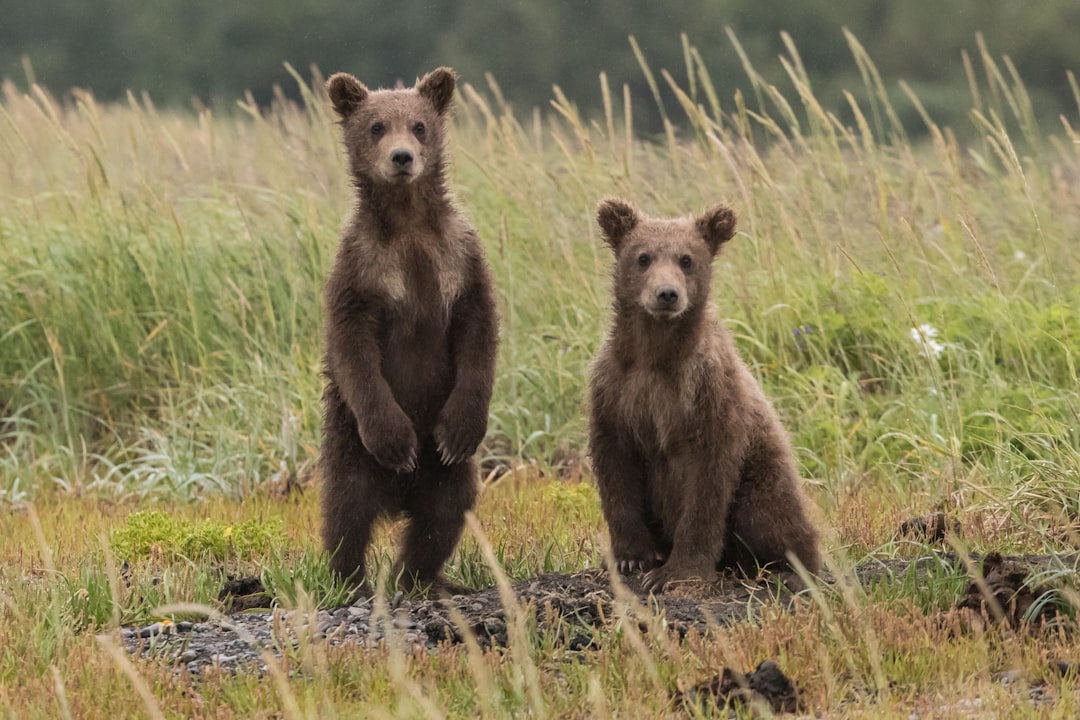
Wisconsin might surprise many people as a bear encounter hotspot, but the numbers don’t lie. Wisconsin’s bear population was estimated at 9,000 bears in 1989, but the most recent data indicates the bear population is currently estimated just north of 24,000 bears, representing a 166.7 percent increase in roughly 35 years. Most of Wisconsin’s 24,000 black bears are located in the upper third of the state.
Bear hunters harvested 4,285 bears during the 2024 five-week season, rebounding from the below-average harvest of 2,922 bears taken during 2023’s season, likely contributing to an increase in the number of bears on the landscape. The state has had to implement innovative management strategies, dividing Wisconsin into bear management zones with different hunting pressures based on population goals.
Montana: Big Sky Country’s Growing Bear Challenge
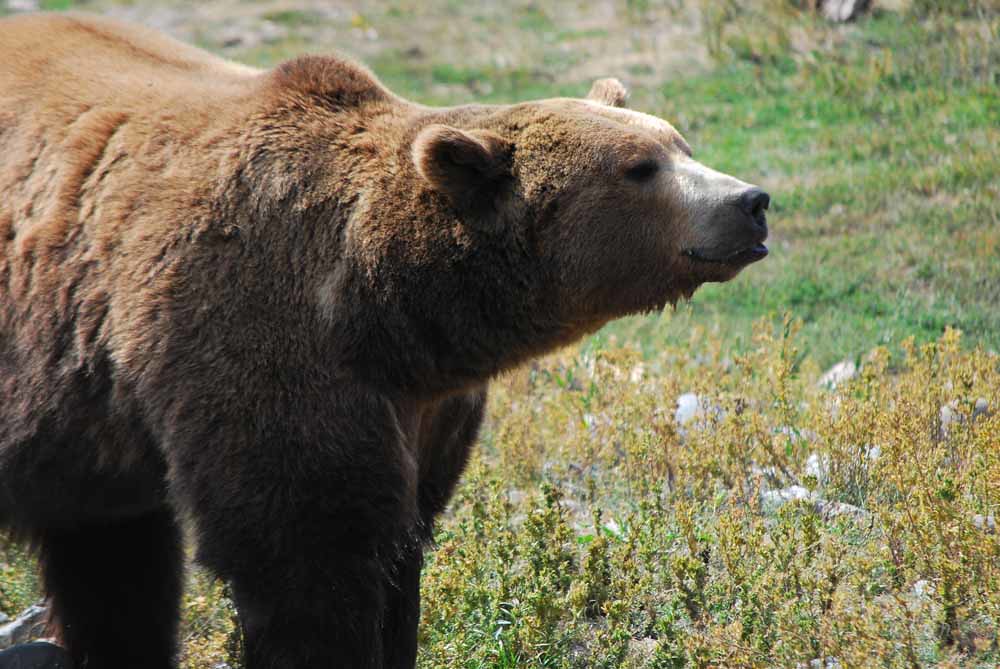
Montana represents the wild frontier where grizzlies and black bears coexist, creating complex management challenges. The state’s estimated 13,000 black bears represent a stable and healthy population, while approximately 1,000 grizzlies now roam the Greater Yellowstone Ecosystem and the Northern Continental Divide Ecosystem. What’s particularly concerning is the expansion pattern: grizzlies have been observed returning to the prairie landscapes of eastern Montana, areas they haven’t occupied in over a century.
This expansion brings new challenges as bears encounter agricultural operations and communities with little recent experience living alongside these powerful predators. Montana, home to Glacier National Park, boasts diverse ecosystems that provide perfect habitat for bears, particularly grizzlies, and visitors can enjoy Montana’s natural beauty while respecting their space.
Conclusion
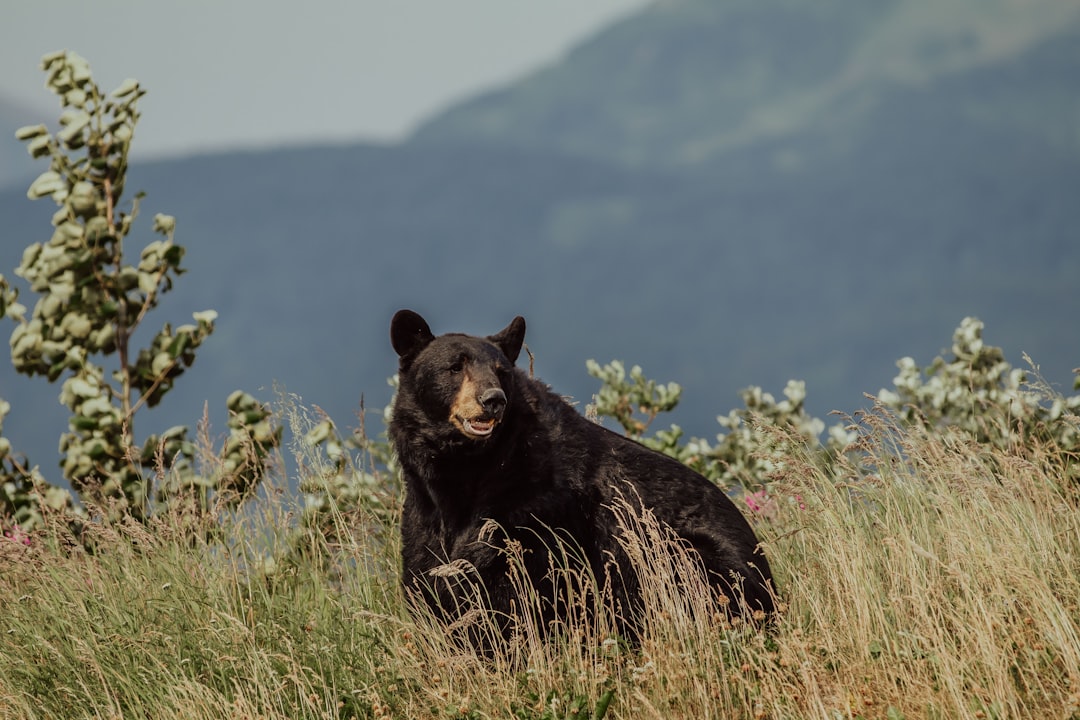
The surge in bear encounters across these ten states represents both a conservation success story and a growing public safety challenge. The black bear population in the United States is estimated to be between 339,000 and 465,000, with continental estimates at their highest in a century. The widespread uptick of encounters shows no signs of abating as bear populations expand and look for new places to live, with bears being very adaptable and opportunistic, adapting well to making a living among human development.
What started as isolated incidents in remote wilderness areas has evolved into a nationwide phenomenon affecting suburban neighborhoods, metropolitan areas, and popular recreation destinations. The message is clear: whether you live in Connecticut’s suburbs or Colorado’s mountain towns, understanding bear behavior and taking proper precautions isn’t just good advice anymore, it’s essential for your safety and theirs.
What do you think about this growing trend? Tell us in the comments.
