
Nature has a way of surprising us when we least expect it. Most of us grow up learning that animals operate on instinct alone, that predators chase prey, and that species stick firmly to their own kind. Then a baby hippo bonds with a century-old tortoise, or a cheetah refuses to leave his Labrador companion’s side, and all of that tidy logic falls apart.
Numerous cases of interspecies friendships among wild and domesticated animals have been reported and documented with photography and video. These stories aren’t folklore or staged for clicks. They’re real, verified, and increasingly studied by scientists who are finding that the emotional capacity of animals runs much deeper than we once assumed. What follows are ten of the most remarkable cross-species bonds ever documented.
Owen the Hippo and Mzee the Giant Tortoise
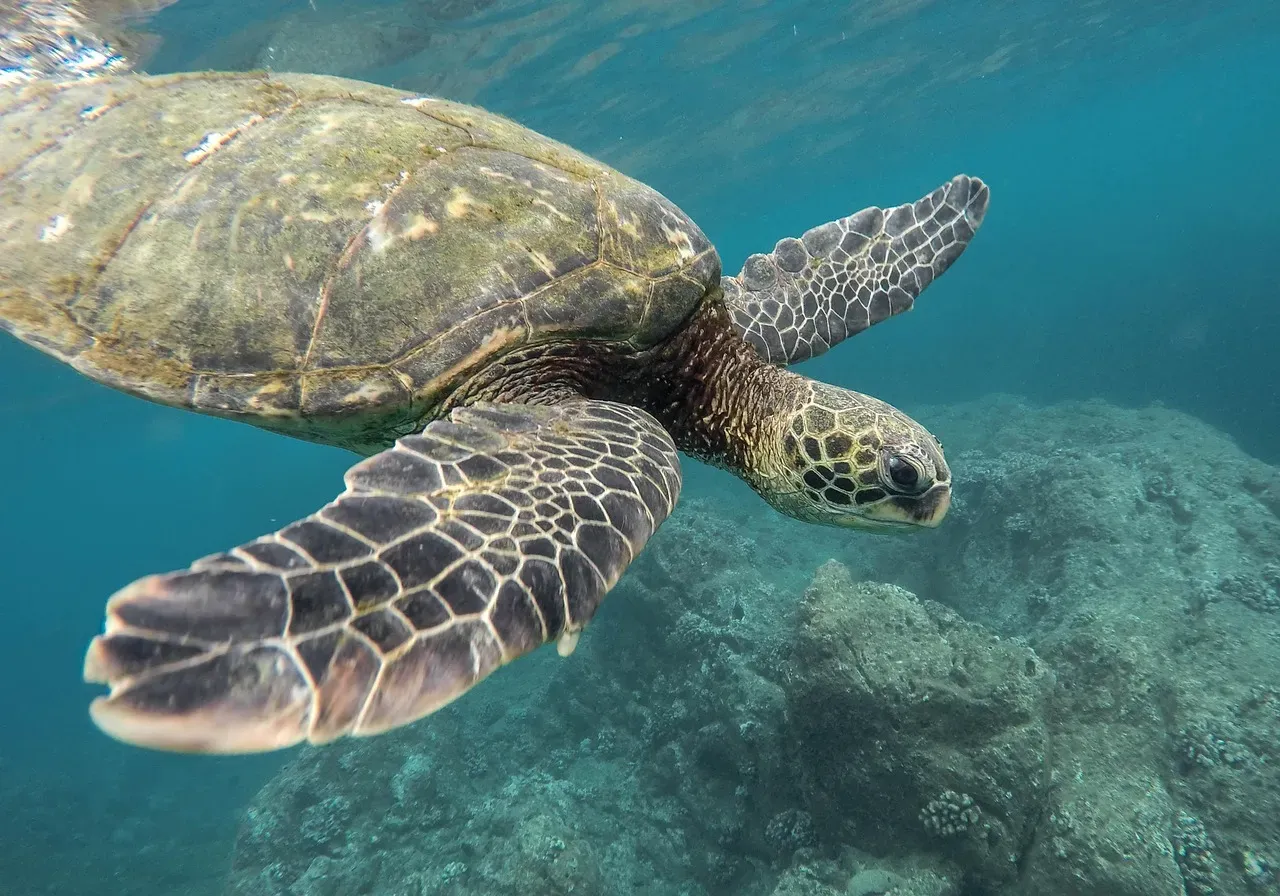
Few stories in the animal world carry quite the weight of Owen and Mzee. Owen was a baby hippopotamus orphaned by the 2004 tsunami, who formed a bond with a 130-year-old giant tortoise named Mzee in Kenya. Separated from his herd and washed to sea, Owen was eventually rescued by wildlife rangers and brought to an animal sanctuary.
After the devastating tsunami, the century-old tortoise became an adoptive parent to the baby hippo, and the pair were inseparable, eating, sleeping, and swimming together. What made this pairing so striking wasn’t just the size difference. It was the age gap of more than a century between them.
This remarkable relationship between two species that would never interact in the wild became the subject of several books and documentaries. It remains one of the most widely recognized interspecies bonds ever recorded.
Baloo, Shere Khan, and Leo: The BLT Trio
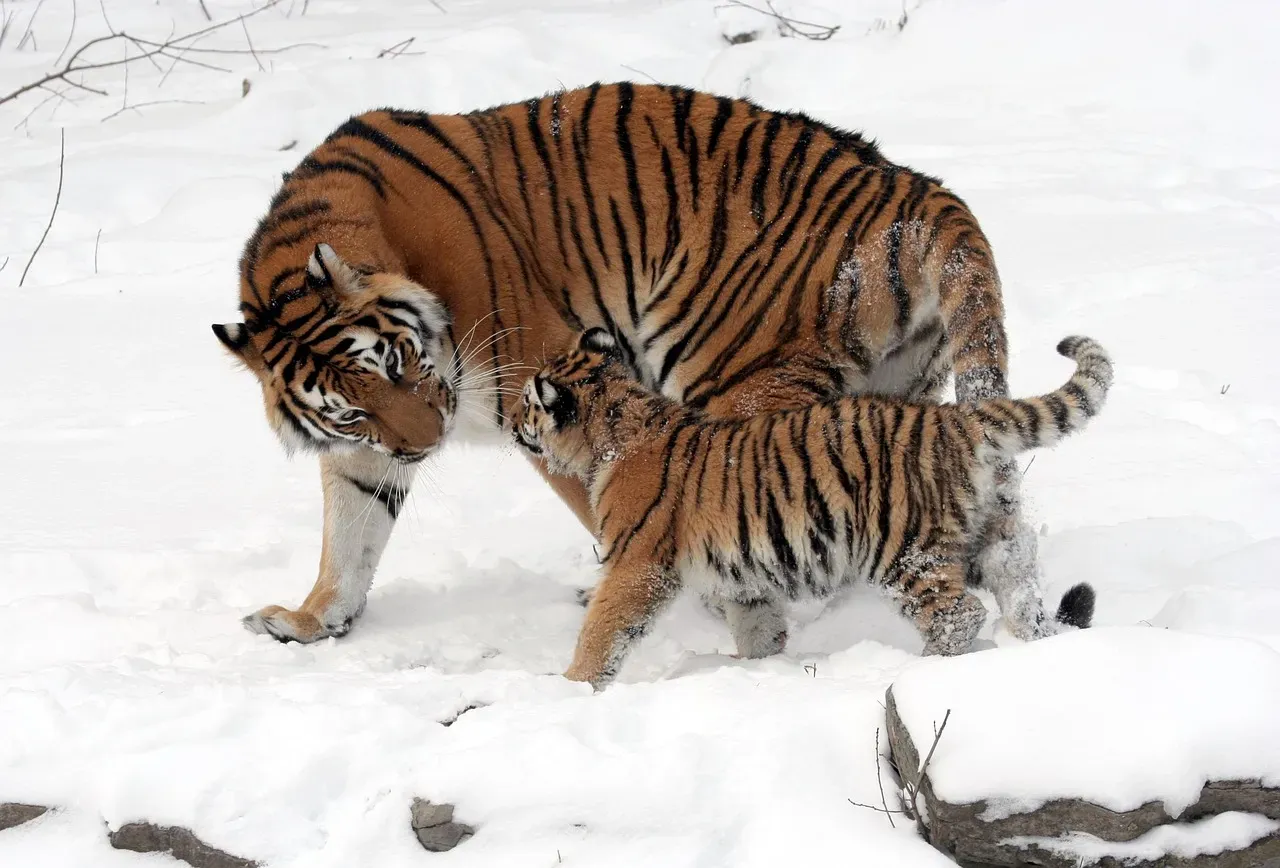
This unusual friendship between a tiger, a lion, and a bear came about after they were rescued from a drug baron’s house during a police raid. All three were cubs at the time, already marked by fear and neglect. The circumstances that brought them together were grim, but what grew from that shared trauma was extraordinary.
All three suffered abuse at the hands of a drug dealer. Luckily, the three cubs were found during a police raid and transported to the Noah’s Ark Animal Sanctuary, where over time they became more comfortable in their surroundings and started to play together, cuddle, groom, and have fun.
Baloo even needed surgery to remove a harness that had grown into his skin and caused deformities. Because of what they had suffered together, the three friends became inseparable. Their story is a quiet testament to how shared hardship can build bonds that defy every natural expectation.
Kasi the Cheetah and Mtani the Labrador
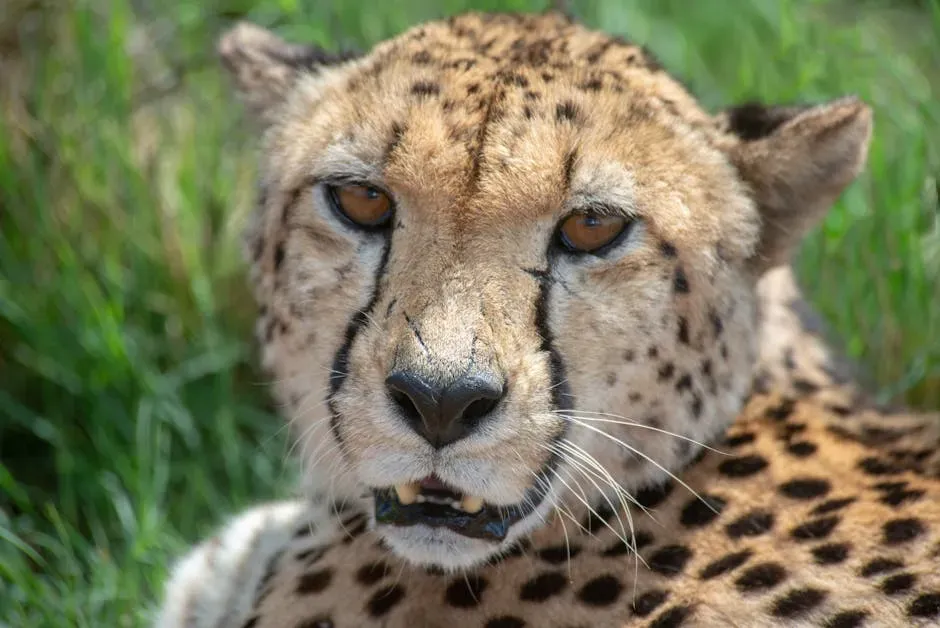
At Busch Gardens in Tampa, Florida, an extraordinary friendship developed between Kasi, a male cheetah cub orphaned in the wild, and Mtani, a female Labrador retriever. Initially paired as part of a conservation education program, their relationship evolved beyond the handlers’ expectations. From an early age, they shared living space, played together, and formed a genuine social bond.
While cheetahs are typically solitary and predatory, Kasi displayed remarkable social flexibility with his canine companion. Their friendship helped Kasi develop normal social behaviors despite being separated from his natural family unit. That’s a meaningful detail. A dog was essentially teaching a cheetah how to be social.
The cheetah, typically a solitary and nervous big cat, found that this companionship helped it remain calm and approachable, significantly improving its quality of life. The pairing was so effective that many zoos have since adopted similar dog-companion programs for anxious big cats.
Bubbles the Elephant and Bella the Black Lab
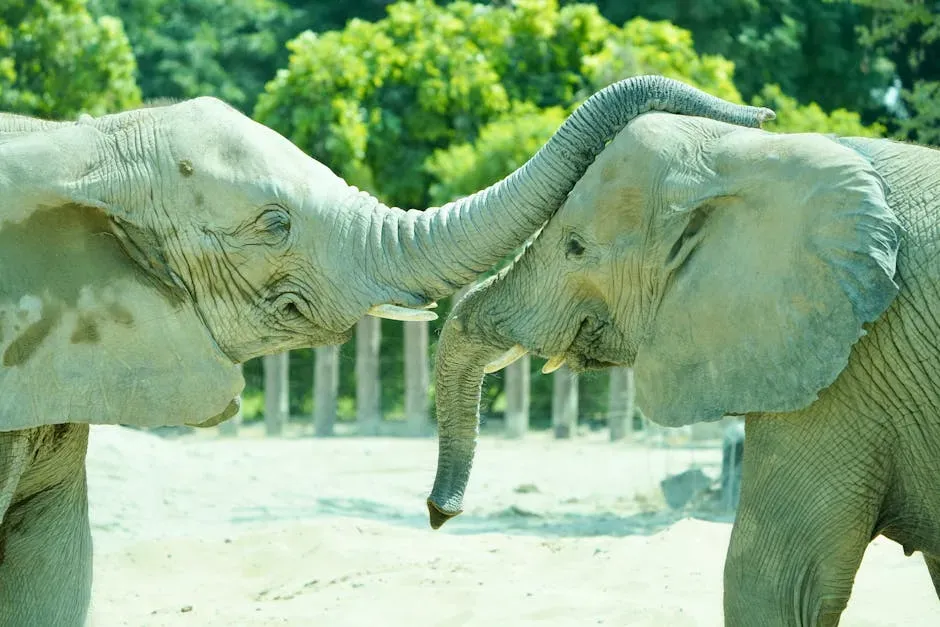
Bubbles was rescued in Africa in 1983 after both of her parents were killed by poachers. It wasn’t until 2007 that an orphaned Labrador found her way into the sanctuary and formed a unique bond with Bubbles. The pair have spent years playing together at the Myrtle Beach Safari; Bubbles will jump into the water and throw a ball, and Bella will leap across her friend’s back to catch it.
The sheer size contrast alone makes this friendship visually astonishing. One weighs several tons, the other a few dozen pounds. Despite the extreme difference in size, Bubbles the elephant and Bella the black lab became great friends.
Their game of aquatic fetch has been photographed and shared widely around the world. It captures something that no amount of scientific language fully explains: two completely different creatures simply enjoying each other’s company.
Suryia the Orangutan and Roscoe the Dog
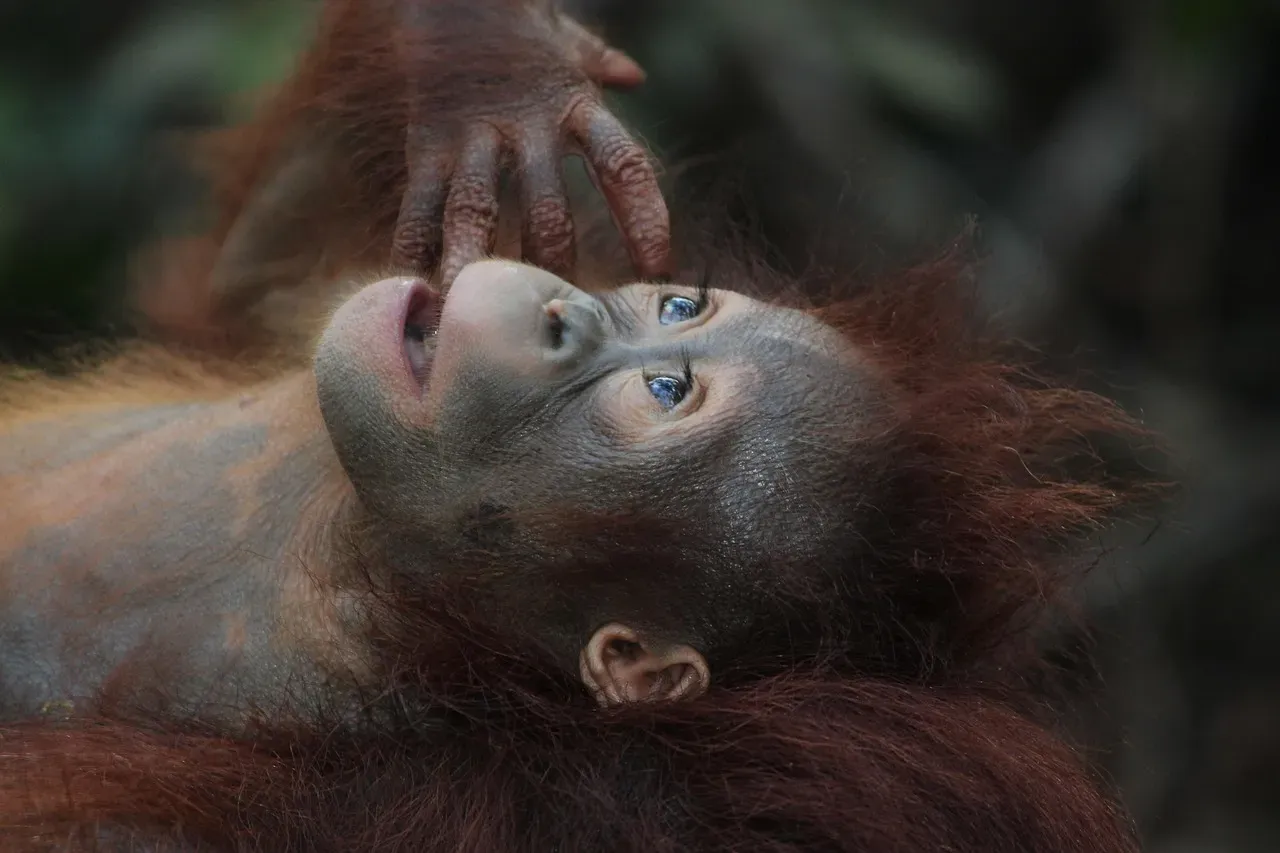
Suryia, an orangutan, and Roscoe, a dog, were raised together in a South Carolina sanctuary. The two met when Suryia spotted the homeless Roscoe wandering into an animal centre. The keepers decided to adopt the dog and allowed him to spend time with Suryia to give the primate some friendship.
Orangutans are very intelligent and prefer not to be on their own. The orangutan would take the dog for walks around the enclosure on a lead and swim with him. The dynamic is almost comically domestic. An orangutan walking a dog on a leash is not something most people expect to see outside of a cartoon.
There are also pictures of the pair being taken for a ride on the back of an elephant, which also lives in the sanctuary. The two animals became the subject of a book used to raise money for their shared home. That book is a real thing, which says a lot about how deeply their bond resonated with people.
Tarra the Elephant and Bella the Dog
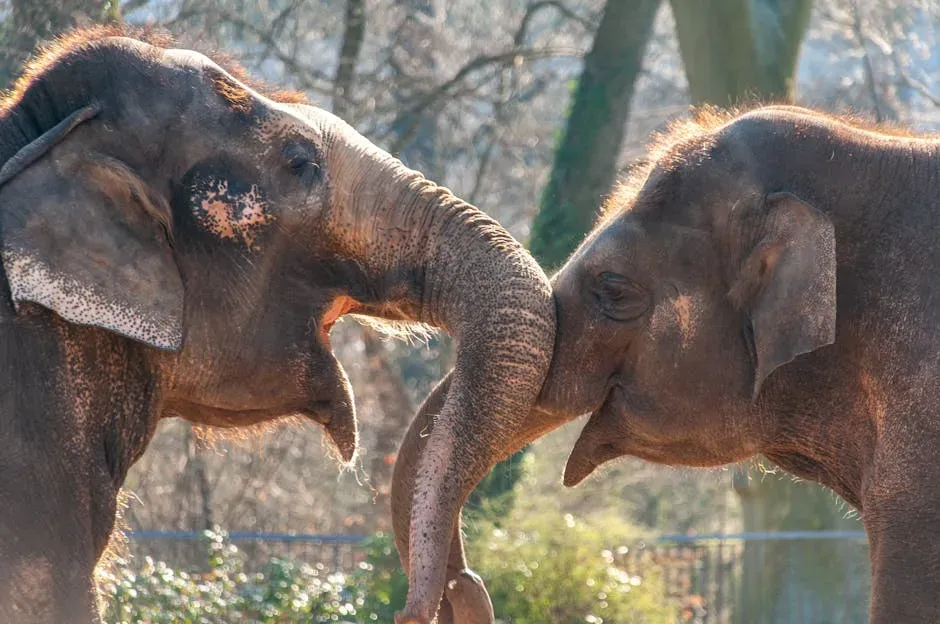
At an animal sanctuary in Tennessee, an elephant named Tarra and a dog named Bella formed an inseparable bond. The pair spent years enjoying each other’s company, displaying affection in ways that mirrored human friendships. Tarra’s gentle trunk would carefully stroke Bella, and Bella would reciprocate by snuggling up to her massive friend, illustrating how different animals can share companionship enriched with understanding and care.
Tarra and Bella’s story differs meaningfully from other elephant-dog pairings because of how deliberately tender it appeared. When Bella was injured and confined to the sanctuary’s office building, Tarra reportedly waited outside every single day. That level of attentiveness is difficult to write off as coincidence.
Koko the Gorilla and Her Kittens
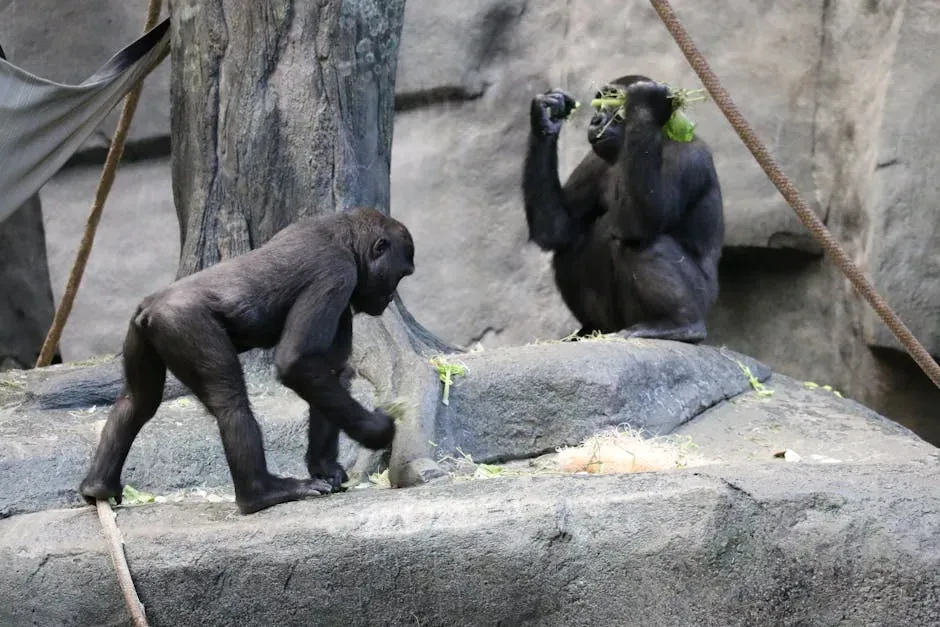
Koko may be one of the most famous gorillas the world has ever known. Her empathy and intelligence opened people’s hearts and minds when animal cognition and emotions were not widely researched. Along with learning sign language and taking a photograph of herself for a 1978 National Geographic cover, Koko loved to raise kittens.
She chose her first kitten for her birthday in 1984 and named it All Ball. A year later, the kitten sadly died after being hit by a car, and Koko expressed her sadness through sign language. Still, she adopted many more kittens, including Ms. Gray and Ms. Black, and gained significant joy from these feline friendships.
The grief Koko showed through sign language after losing All Ball is the kind of evidence that quietly shifts scientific debate. It’s one thing to say animals have social bonds. It’s another to watch a gorilla communicate her loss in a language humans invented.
The Ram and the Blind Cow
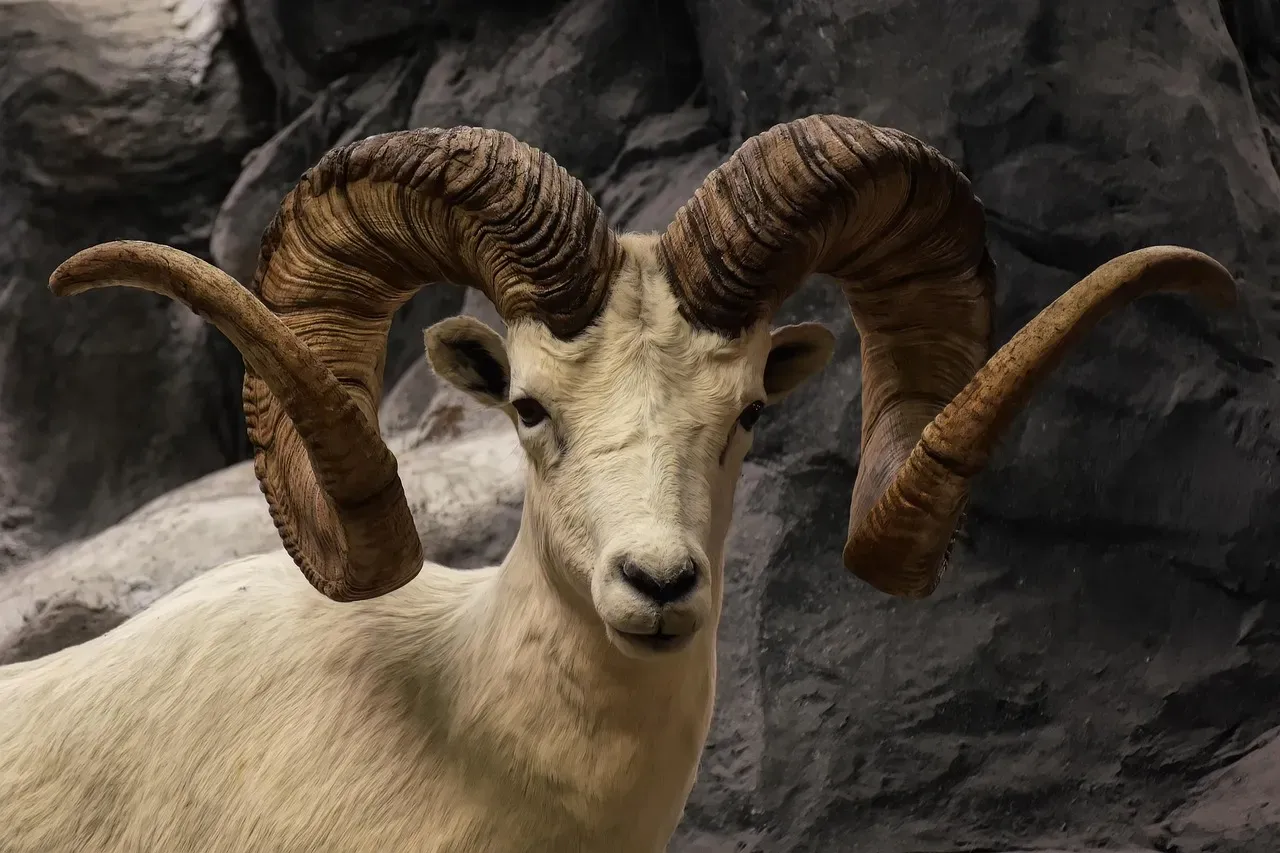
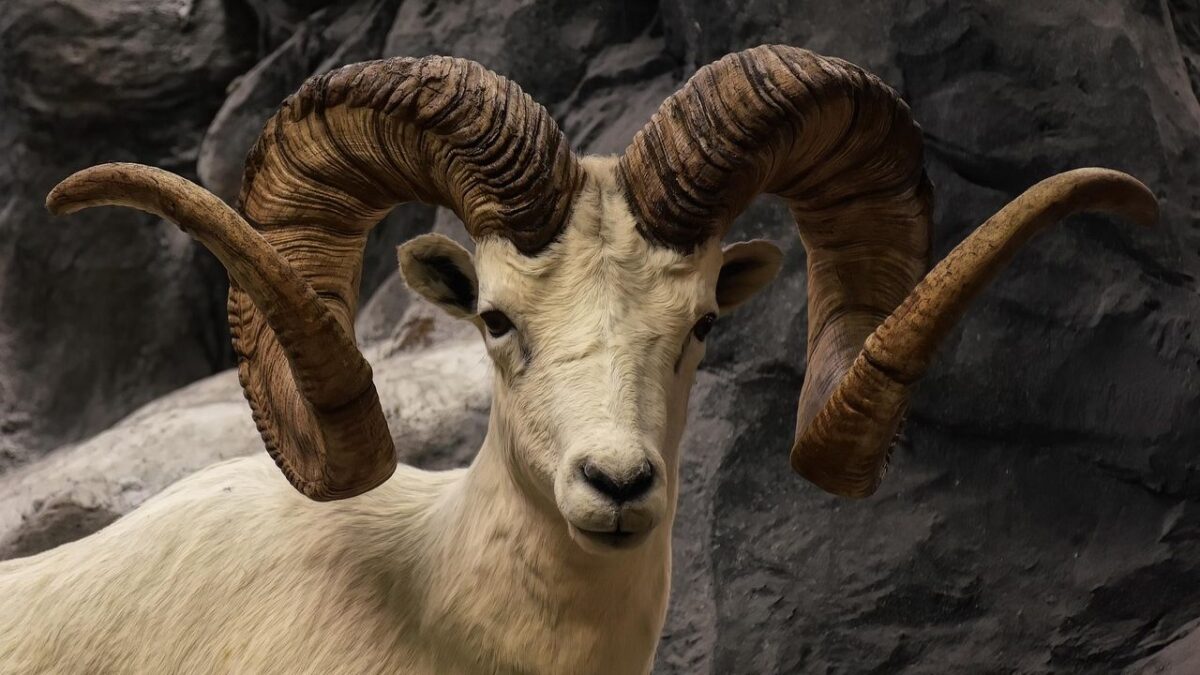
Not every remarkable interspecies bond involves exotic animals or rescued cubs. Some of the most touching stories are quietly ordinary. A ram and a blind cow exhibited interspecies friendship in which the ram would protect the cow by making sure she did not bump into anything and feeding beside her every day. When the cow gave birth to a calf, the ram extended these same protective behaviors toward the calf as well.
There’s something particularly striking about this one. The ram had no obvious incentive. These two animals were not raised from birth together, nor were they in any staged conservation program. The protective behavior simply appeared and then extended to the next generation.
Mutualism can contribute to the formation of interspecies friendships because it involves a pair of organisms experiencing mutually beneficial exchanges with each other, which may lead to a long-lasting bond. The ram and cow are a quiet example of that principle playing out without any human engineering involved.
Tinni the Dog and Sniffer the Wild Fox
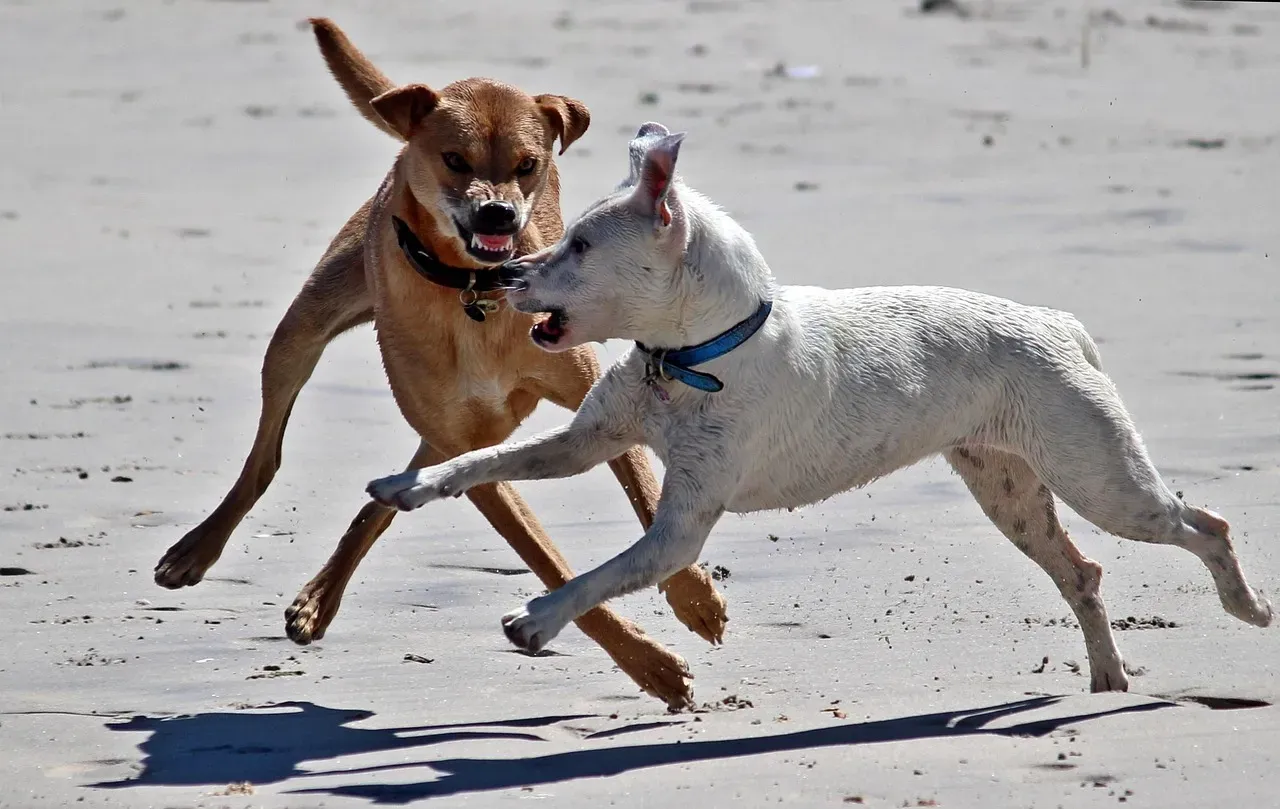
Norwegian photographer Torgeir Berge was out on a walk with his dog Tinni when the two stumbled across a wild fox. Now Tinni and the fox, since named Sniffer, regularly race through the woods while Berge tries to keep up so as to document their friendship.
This pairing stands out because it involves a truly wild animal choosing to return. Sniffer wasn’t a rescue. Nobody introduced them in a controlled environment. The fox kept coming back, and the two animals developed a genuine play relationship entirely on their own terms.
Not only do these two pals have a popular song on YouTube, but they also have a book about them. The book was published in 2016, and its authors hope their tale will raise awareness around the fox fur trade. A wild fox and a domestic dog, playing in the Norwegian woods, accidentally became conservation advocates.
West African Diana Monkeys and Campbell’s Monkeys
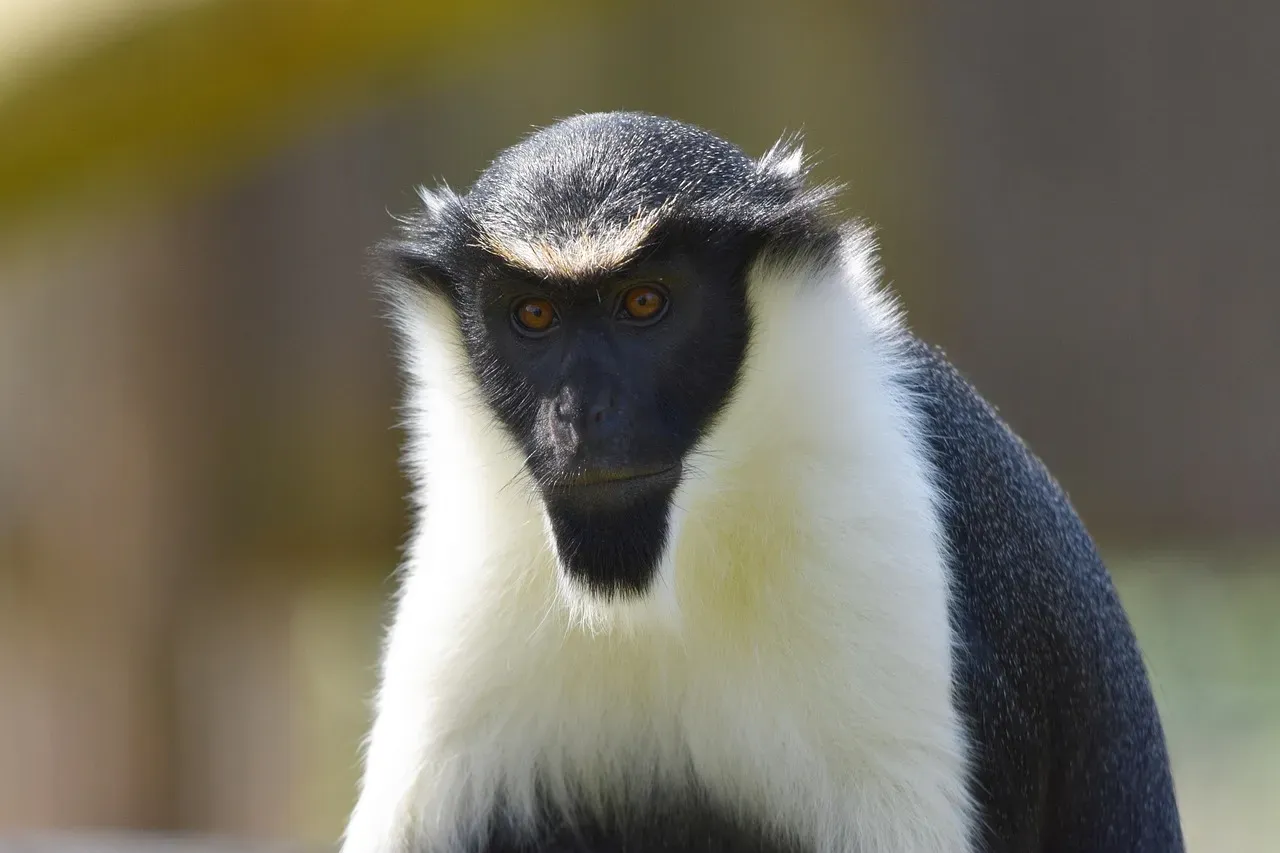
Most entries on this list involve animals in captivity or domestic settings. This one is different. It happens entirely in the wild, which makes it especially significant from a scientific standpoint. West African Diana monkeys and Campbell’s monkeys seem to understand and react to the alarm calls of the other species, and form associations with each other through mutual protection.
Interspecific communication is an effective way of forming mutuality and interspecies friendships in the wild, which often involves different species warning each other about potential danger approaching. These two monkey species have, in effect, developed a shared language of caution, each listening for the other’s alerts as if they belong to the same troop.
It’s a form of friendship built not on play or proximity but on trust in high-stakes situations. Each species becomes more secure because of the other’s presence, and that kind of reciprocal reliability is, at its core, what friendship actually is.
What These Friendships Tell Us
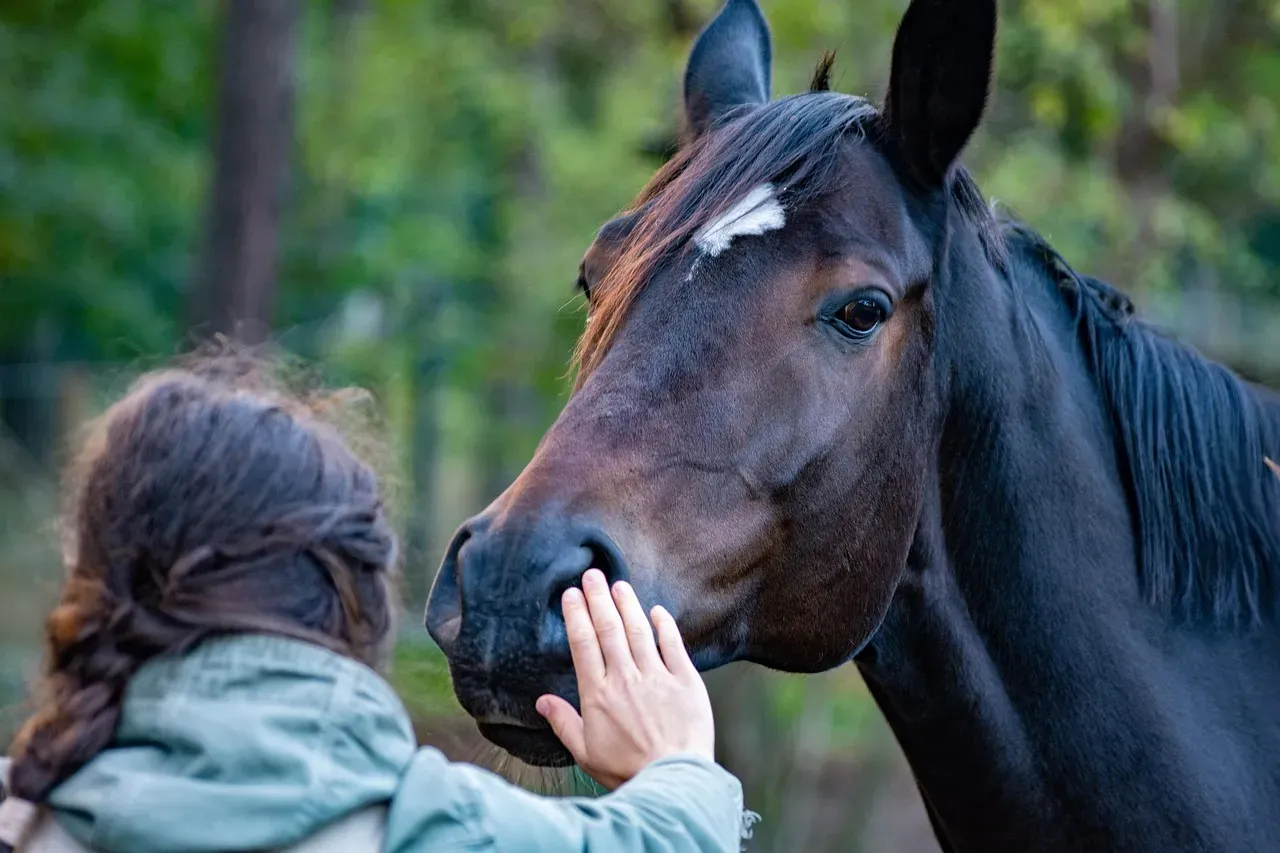
A 2022 research review suggests the mechanisms that operate in other animals’ brains during social interactions with their own are similar to those that operate in human brains. The researchers suggest that, due to the evolution of common brain mechanisms, animals engaged in social interaction may experience similar emotions to humans who engage with their own friends or loved ones.
Early-life socialization plays a crucial role, with many of these friendships forming during critical developmental periods when animals are most receptive to social imprinting. Shared trauma or isolation often serves as another bonding catalyst, creating psychological conditions where animals may seek comfort across species boundaries.
Unusual friendships like these show that animals may be far more emotionally complex than many of us believe. From a gorilla grieving a kitten to a wild fox choosing to return to the same dog day after day, the evidence points in one direction. The capacity for connection, it turns out, was never uniquely ours to begin with.

- 12 Architectural Wonders From The Ancient World That Inspire Us Today - July 18, 2026
- 6 Beautiful Ancient Cities That Time Forgot (But Shouldn’t) - July 18, 2026
- 6 Common Animal Behaviors That Are Often Misunderstood by Humans - July 18, 2026