

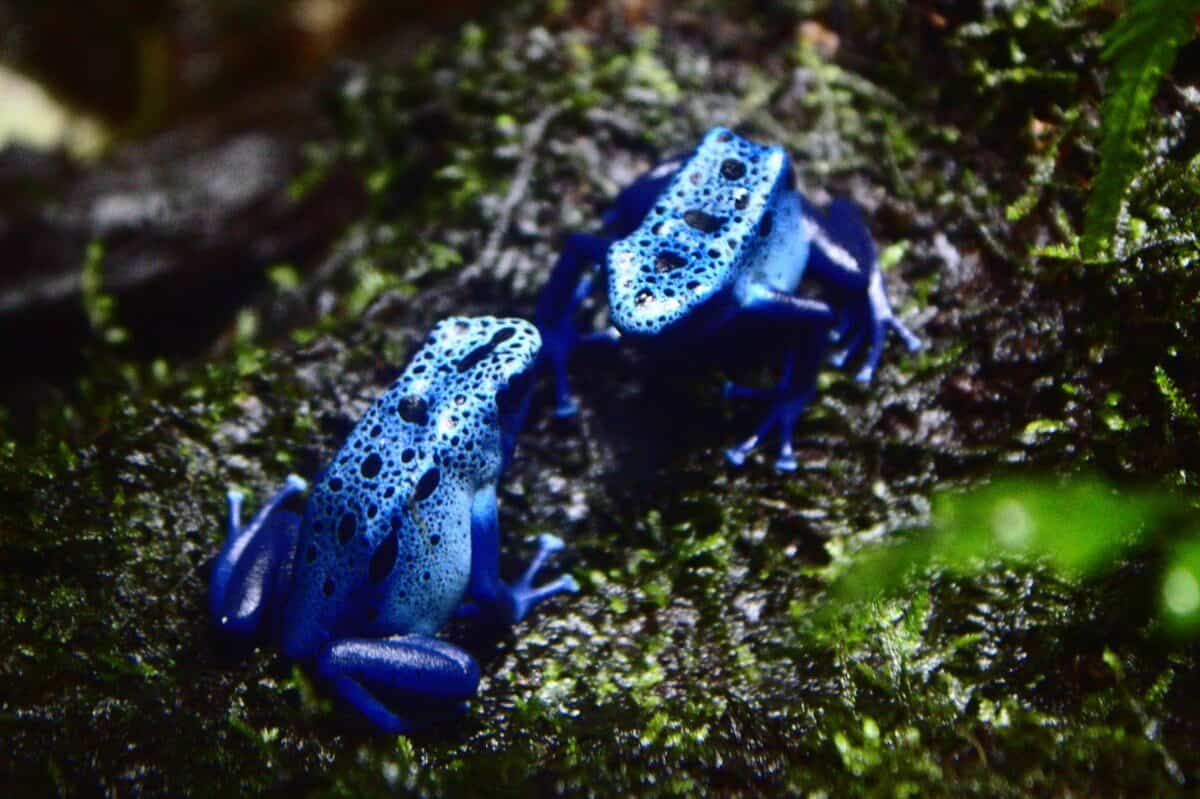
Poison dart frogs, with their vivid array of colors and lethal toxins, present a fascinating glimpse into the art of survival in the natural world. These small amphibians, despite their diminutive size, command significant respect and attention within their ecosystems. With vibrant hues that warn predators of their toxicity, poison dart frogs serve as both a wonder and a warning in nature’s vast tapestry.
Understanding Poison Dart Frogs
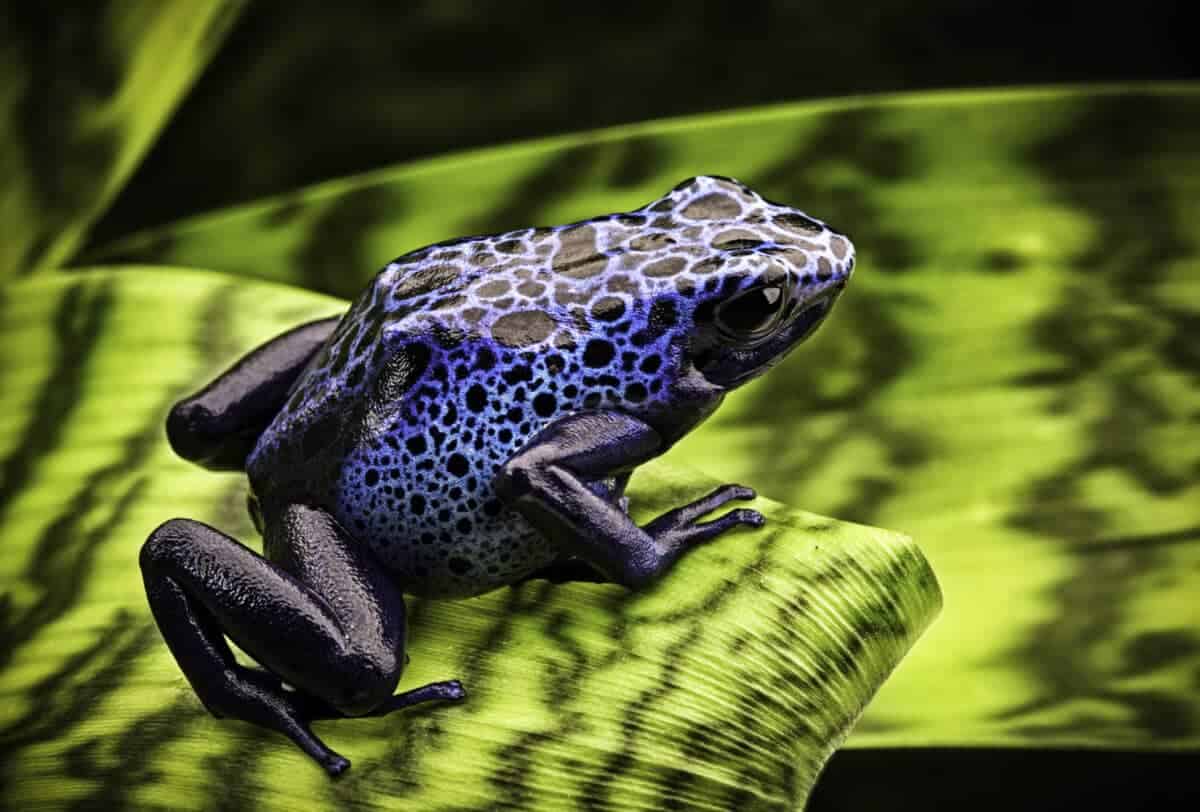
Poison dart frogs belong to the Dendrobatidae family, native to Central and South America. Known for their radiant colors, these frogs are not just beautiful but also possess a powerful defense mechanism: potent toxins stored in their skin. The colors serve as a deterrent to potential predators, showcasing a remarkable example of aposematic coloration – a survival strategy that pairs visual warning signals with toxicity.
The Origin of Their Name

The name “poison dart frog” originates from the indigenous tribes of South America, who used the frogs’ potent toxins to tip their blow darts for hunting. Not all poison dart frogs are lethal to humans, but the ones that are played a crucial role in the cultures that utilized their defensive secretions.
Brilliant Colors and Their Meanings

The colors of poison dart frogs range from bright red and blue to vivid yellow and green. These colors are not mere aesthetic features; they serve as a visible warning to predators about the toxic nature of the frogs. This evolutionary trait helps reduce the likelihood of being eaten, as predators learn to associate bright colors with danger.
The Role of Diet in Toxicity

Poison dart frogs derive their toxicity from their diet. In the wild, they consume ants, termites, and other small insects that contain toxic alkaloids. These chemicals accumulate in the frogs’ skin, rendering them poisonous. Interestingly, dart frogs raised in captivity and fed a diet devoid of these toxic prey often lose their toxicity entirely.
The Science Behind Their Toxins
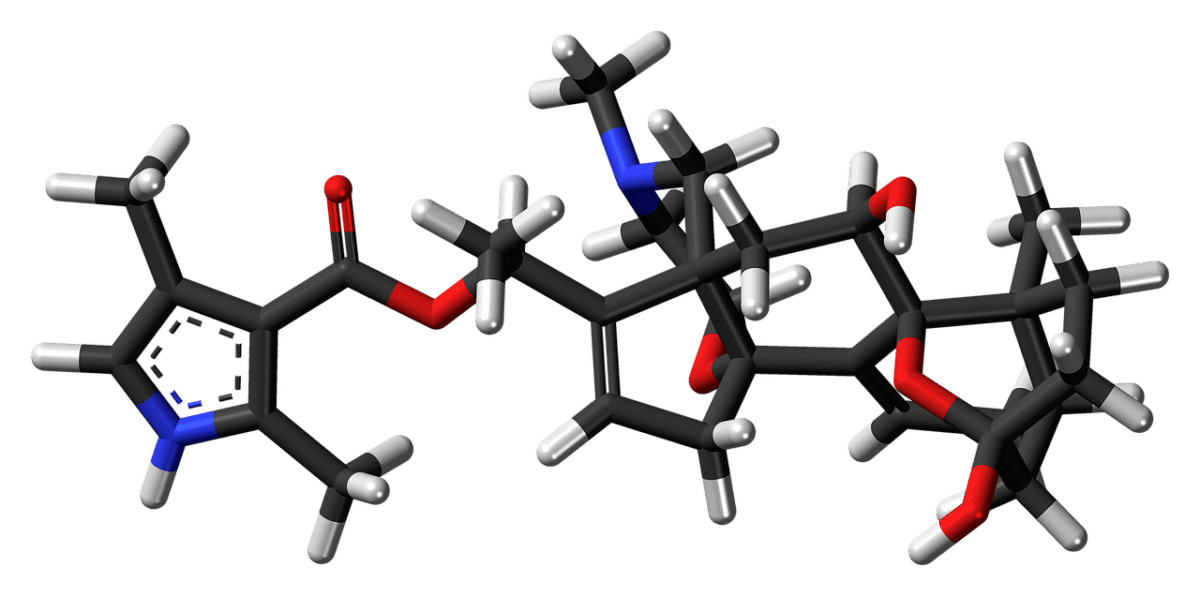
The primary toxins found in poison dart frogs are batrachotoxins, which interfere with nerve and muscle function in predators, potentially leading to paralysis and death. Although these compounds are lethal in high concentrations, research into their properties has provided insights into new medical applications, highlighting the potential benefits hidden within their toxicity.
Adaptations for Survival
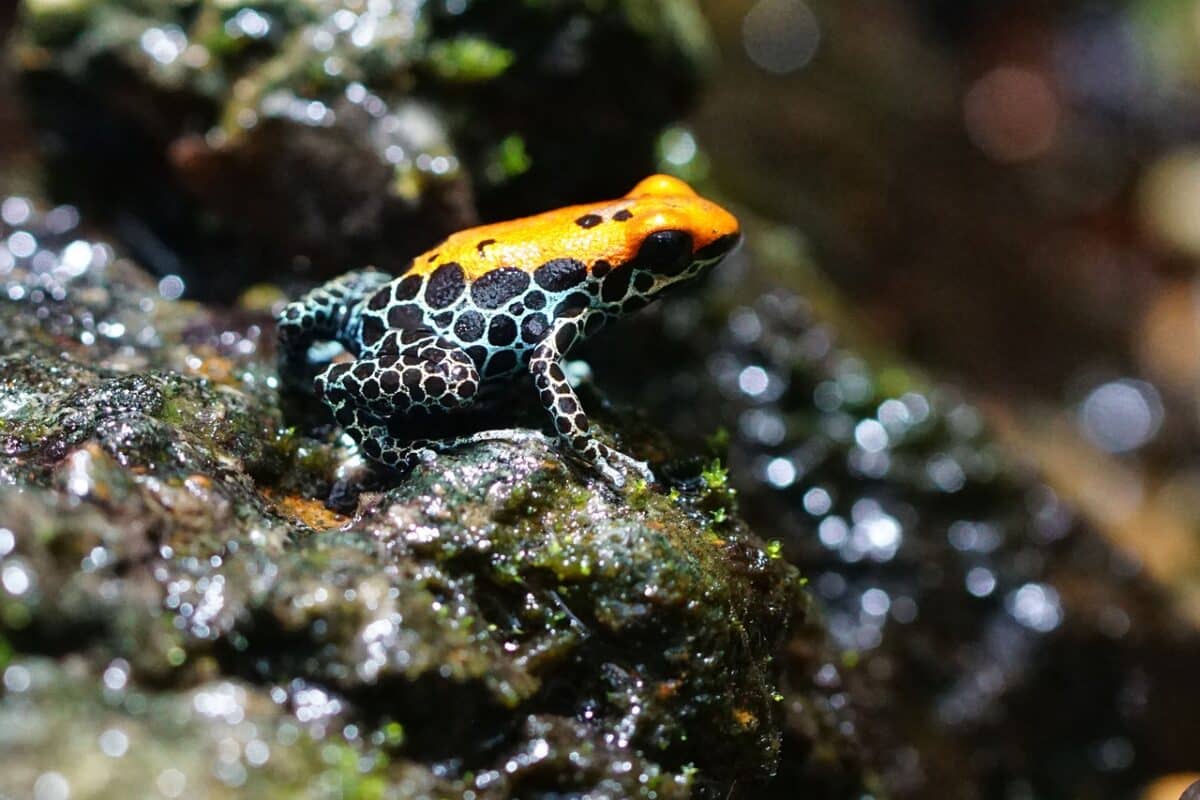
Aside from their chemical defences, poison dart frogs are equipped with various adaptations that aid in their survival. Their small size allows them to hide easily, while their agile movements enable a quick escape from predators. Additionally, their social behaviors and mating calls contribute to their ability to thrive in diverse environments.
Habitat and Ecosystem Role
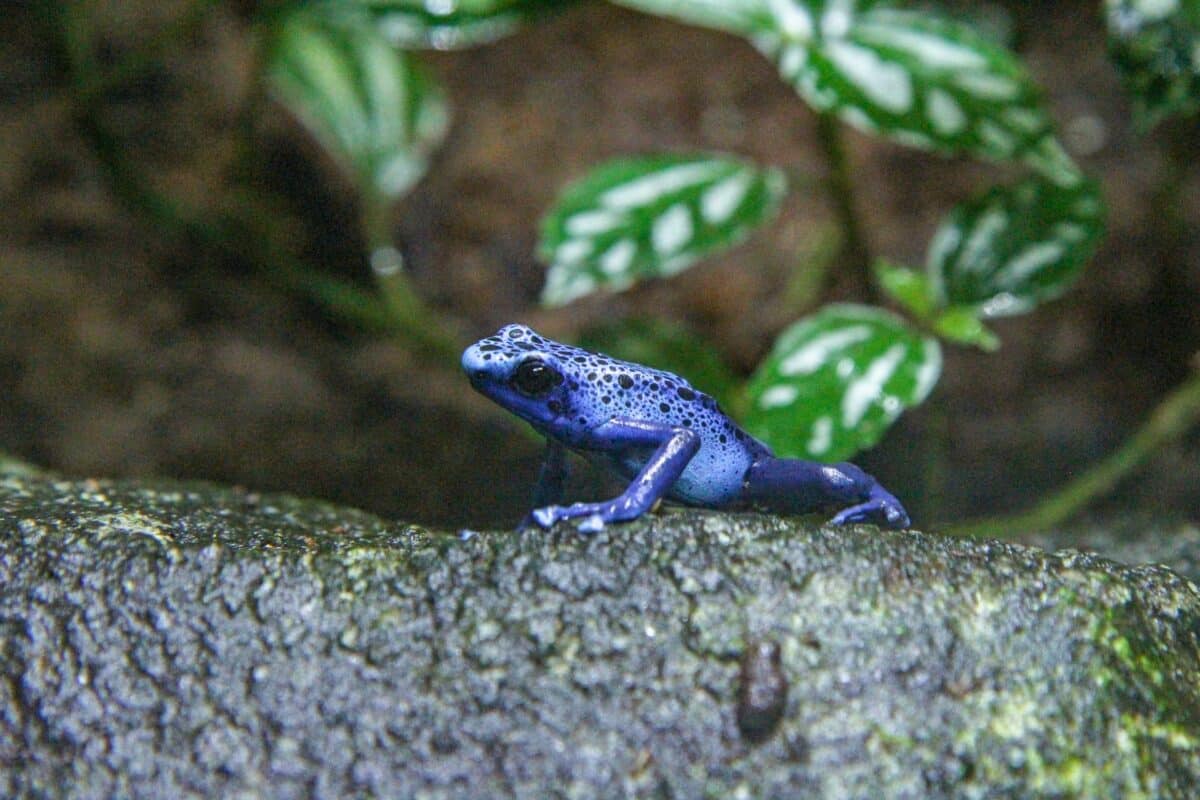
These frogs inhabit tropical rainforests where they play an integral role in maintaining ecological balance. By controlling insect populations, they help regulate the health of their ecosystems. Their presence also indicates a healthy environment, as they are sensitive to environmental changes and pollution.
Conservation Status and Challenges

Many poison dart frog species face threats from habitat destruction, climate change, and the illegal pet trade. As their habitats are diminished, the survival of these species becomes increasingly precarious. Various conservation efforts are underway to protect their natural environments and to educate the public about the importance of these unique amphibians.
The Beauty of Biodiversity

Poison dart frogs exemplify the beauty of biodiversity. Their unique adaptations and ecological roles remind us of the intricate connections within ecosystems. Preserving such biodiversity is crucial not only for the survival of these frogs but for the health of our planet as a whole.
Research and Medical Potential

While their toxins are dangerous, they also hold the potential for medical breakthroughs. Researchers study these compounds to develop new painkillers and other pharmaceuticals, demonstrating the dual nature of these frogs as both predators and benefactors.
Captivating Yet Cautionary

The allure of poison dart frogs is undeniable, attracting interest from scientists, nature lovers, and hobbyists alike. However, their care in captivity requires careful attention, including maintaining their specialized diets and naturalistic settings to support their wellbeing.
The Future of Poison Dart Frogs
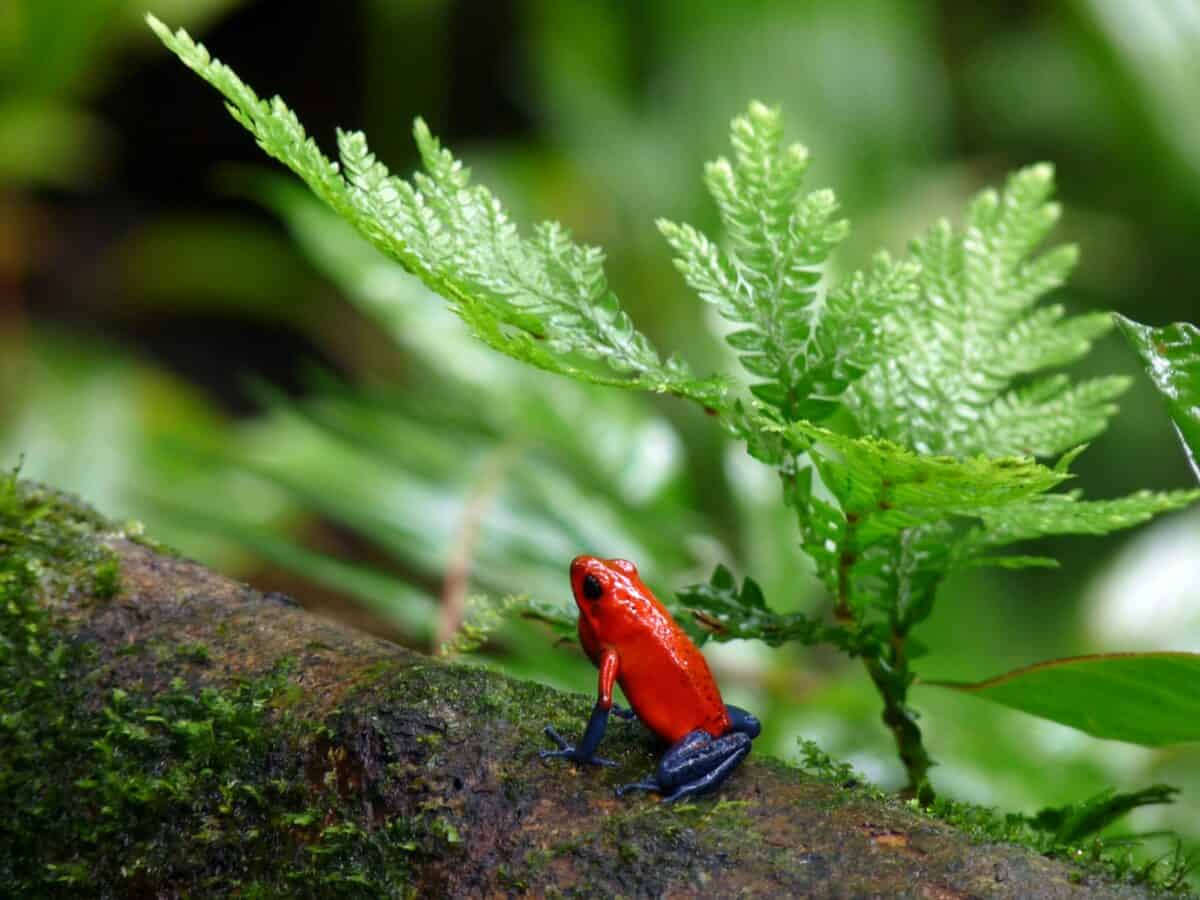
Despite the challenges they face, there is hope for the future of poison dart frogs. Increased awareness and conservation initiatives can help ensure that these symbols of nature’s warning continue to hop brightly in their native lands. By protecting these creatures, we honor the delicate balance of life on Earth.
In conclusion, the lethal colors of the poison dart frog are a testament to nature’s ingenuity, offering significant lessons in adaptation and survival. By understanding and preserving these extraordinary creatures, we can appreciate the complex interactions of our natural world and the vital importance of biodiversity.

- Cuddling for Warmth: How Meerkats Stay Cozy - July 18, 2026
- This U.S. Lake Is Mysteriously Disappearing—Here’s What Scientists Say - July 18, 2026
- This Jellyfish Hunts in Packs - July 18, 2026