

Cats have a reputation. Aloof. Mysterious. Emotionally unavailable. If you’ve ever owned one, you’ve probably had that exact moment of staring at your cat and wondering, “Do you even like me?” It’s a fair question. They’re not exactly handing out hugs or wagging their tails in excitement at the door.
Here’s the thing though. Cats show love differently than humans do, often expressing affection through subtle behaviors. Slow blinking, headbutting, and following you around are all signs a cat loves you. The trick is learning to read that language, because once you do, you’ll realize your cat has been declaring its love this whole time. You were just missing it. Let’s dive in.
1. The Slow Blink That Says “I Trust You With My Life”
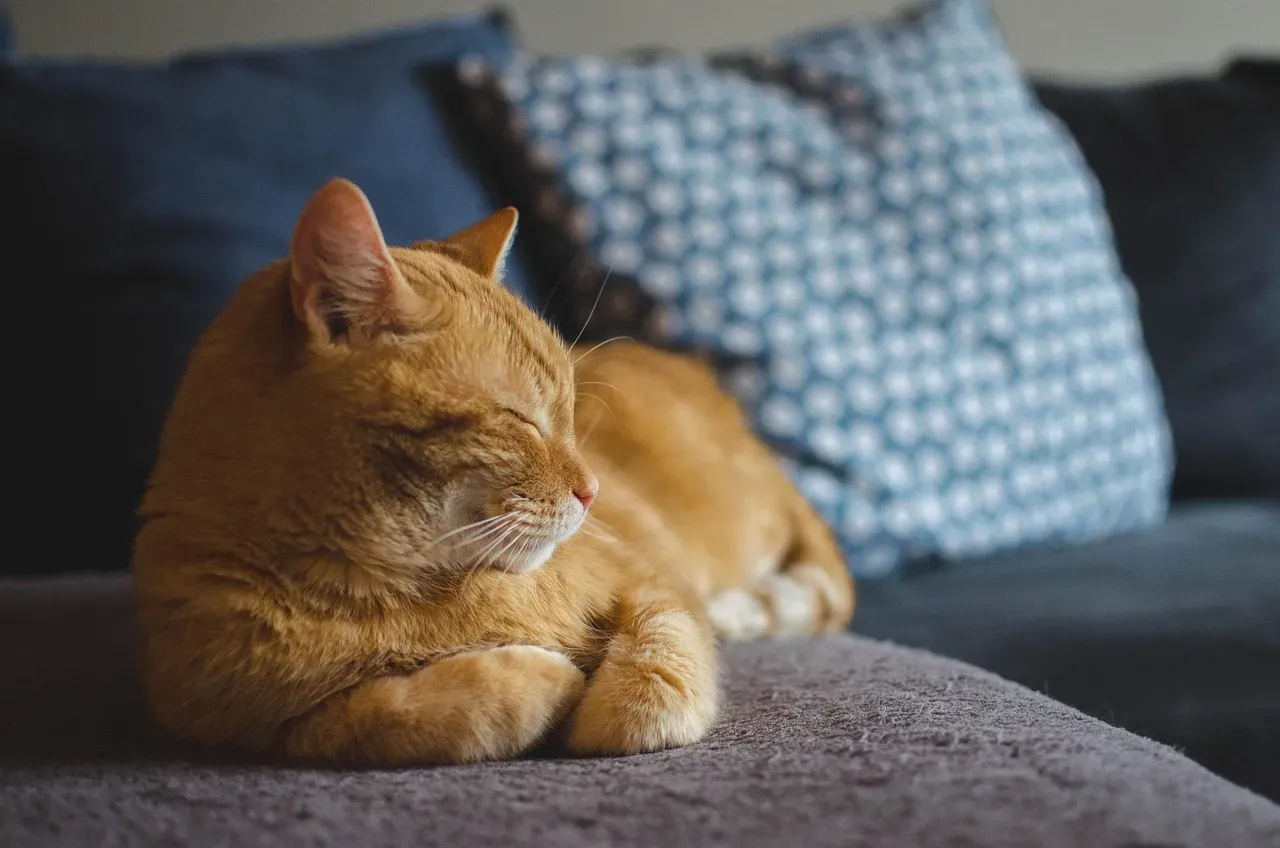
You probably glanced right past this one and thought nothing of it. Your cat locks eyes with you, and slowly, almost lazily, closes its eyes and opens them again. That, right there, is one of the most profound things a cat can do.
Slow blinking is one of the ultimate signs of trust a cat can give you. Consider when an animal locks their eyes on prey or a rival. An unblinking stare is typically seen as a threat and a challenge. When your cat looks at you and slow blinks, they are relaxing their guard – a cat in the middle of a slow blink is momentarily vulnerable.
A groundbreaking 2020 study published in Scientific Reports found that cats respond positively to slow blinking from humans. This non-verbal cue, akin to a cat’s version of a smile, signals trust and affection.
Honestly, I think this might be the most elegant way any creature has ever said “I love you.” No words, no grand gestures. Just a blink. You can slow blink right back, and in controlled experiments, cats show unmistakable signs of emotional connection when their owners slowly blink back at them. The animals were also more likely to slow blink at the humans if the people slow blinked first.
2. The Head Butt That Is Actually a Declaration of Ownership
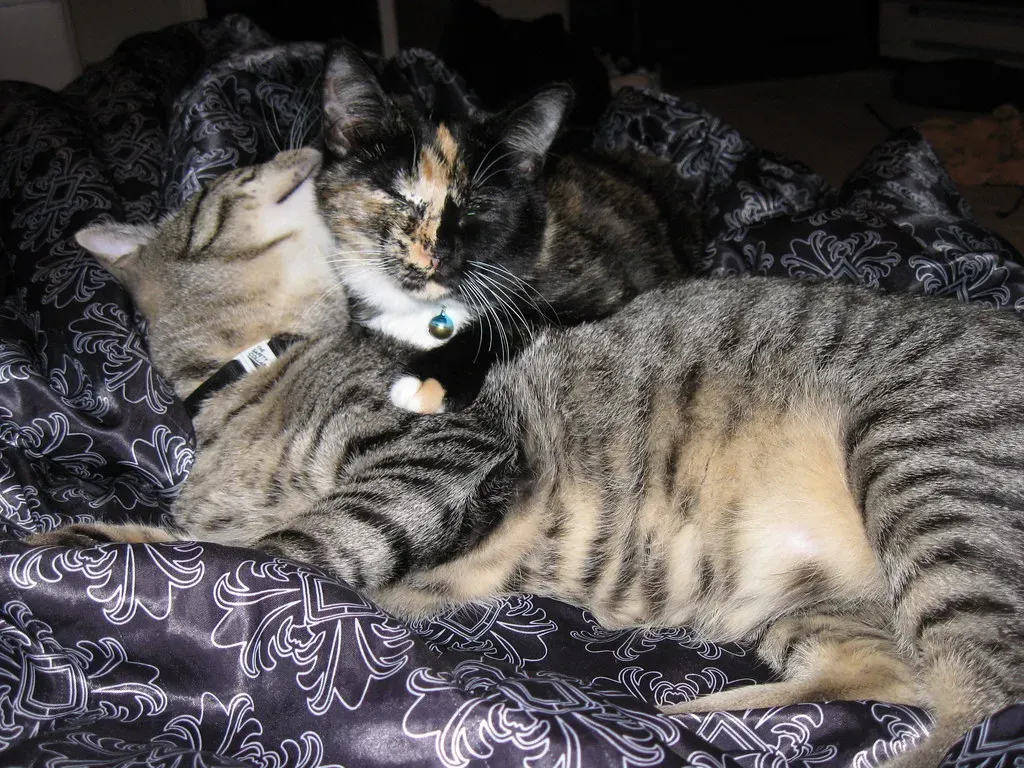
Your cat walks up, presses its forehead firmly against yours, and you laugh it off as cute. What you just received is actually a territorial claim – and a deeply affectionate one at that.
One of the most common ways cats show affection is through head-butting and nuzzling. This behavior, known as bunting, is a cat’s way of marking you with their scent. When a cat rubs its head against you, it’s not just seeking attention but also leaving its scent glands on you, claiming you as part of their territory.
When a cat presses their forehead against your face or rubs their cheek against your leg, it is called bunting, and it is one of the clearest ways your cat is marking you as their own. They do this not only to claim you but also as a way to bond with you.
Think of it like a feline version of wearing your partner’s hoodie. It smells like them. It feels safe. Your cat wants the whole world to know you belong together.
3. The Kneading Ritual They Never Outgrew
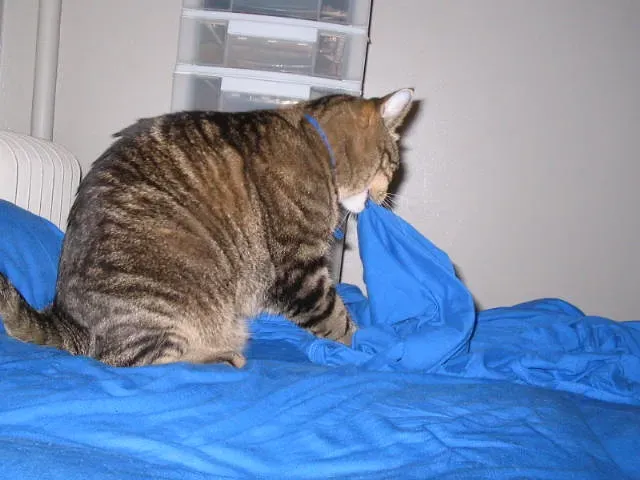
You’re sitting quietly, minding your business, and suddenly your cat climbs on your lap and starts rhythmically pushing its paws into your thighs like it’s making bread dough. It can be slightly uncomfortable. It is also incredibly meaningful.
Kneading, where cats push their paws against a soft surface, often accompanies purring. This behavior, rooted in kittenhood when they kneaded their mother’s belly for milk, shows that your cat feels relaxed and trusts you completely.
Kneading is believed to bring comfort by releasing endorphins to reduce stress and promote relaxation. Relaxed cats that knead are showing contentment. They will often knead when you gently pet or stroke them.
It’s a direct emotional throwback to the safest, warmest feeling a cat has ever known. When your cat kneads you, you have essentially become their mother figure. That’s not nothing. That’s everything, really.
4. Purring That Goes Way Deeper Than “I’m Happy”
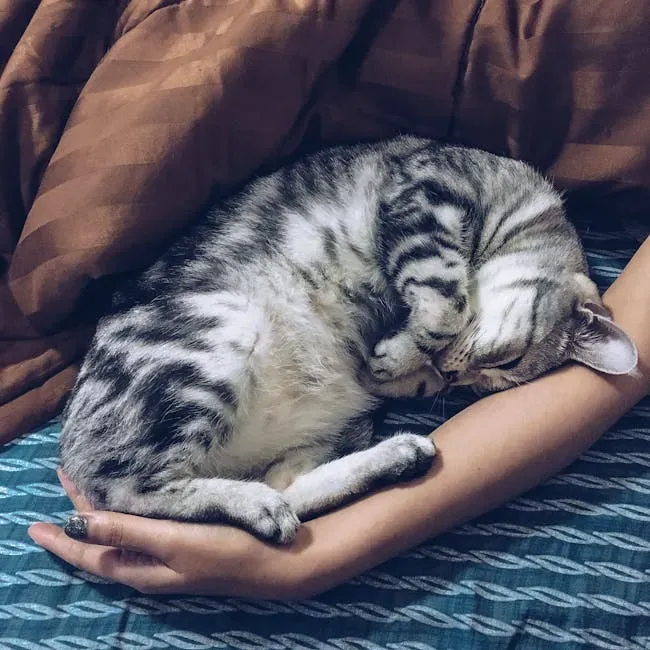
Most people know purring means a cat is content. True. But the science behind it is surprisingly rich, and it tells a much bigger story about how your cat feels about you specifically.
Feline behaviorists have found that cats purr for a variety of reasons, but they believe that purring first starts as a form of communication and bonding mechanism between kittens and their mothers. It’s also a common indicator of comfort and ease. If your cat purrs contentedly when they are around you, there’s a good chance they feel bonded with you and relaxed in your presence.
Purring is often associated with a cat’s contentment and happiness. When a cat purrs while being petted or sitting on your lap, it’s a sign of deep affection and comfort.
It’s hard to say for sure where exactly the line is between “purring because food is near” and “purring because you are near,” but if your cat seeks you out just to sit and purr, that distinction becomes pretty clear.
5. The High Tail Greeting That Means Pure Joy
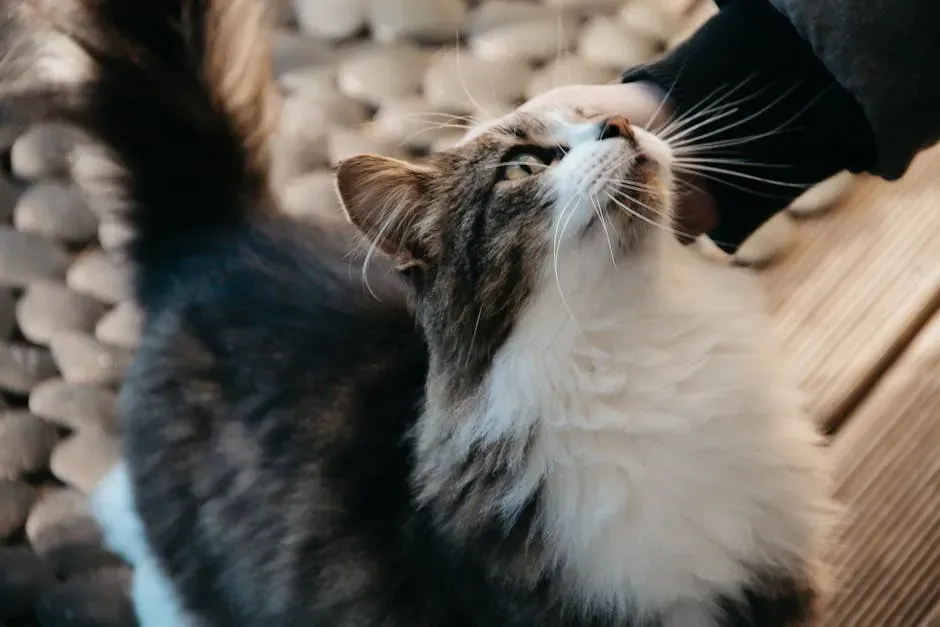
Watch your cat walk toward you next time. Really watch. If that tail shoots straight up in the air, maybe with a tiny curl at the tip, you’re witnessing a full-on happy dance in cat language.
When a cat approaches you with its tail held high, often with a slight curve at the tip, it’s a sign of confidence and affection. This posture indicates that your cat is happy to see you and feels secure in your presence.
According to animal behaviorist and cat specialist Marilyn Krieger, felines often show affection through their tails. A curved tip is a friendly greeting and invitation to interact with your cat, while a more expressive display of love is your cat wrapping their tail around your hands, ankles, arms, or any part of your body.
It’s the closest thing to a dog’s tail wag that you’re going to get from a feline, and honestly, it carries the same warmth.
6. Grooming You Like You’re Family
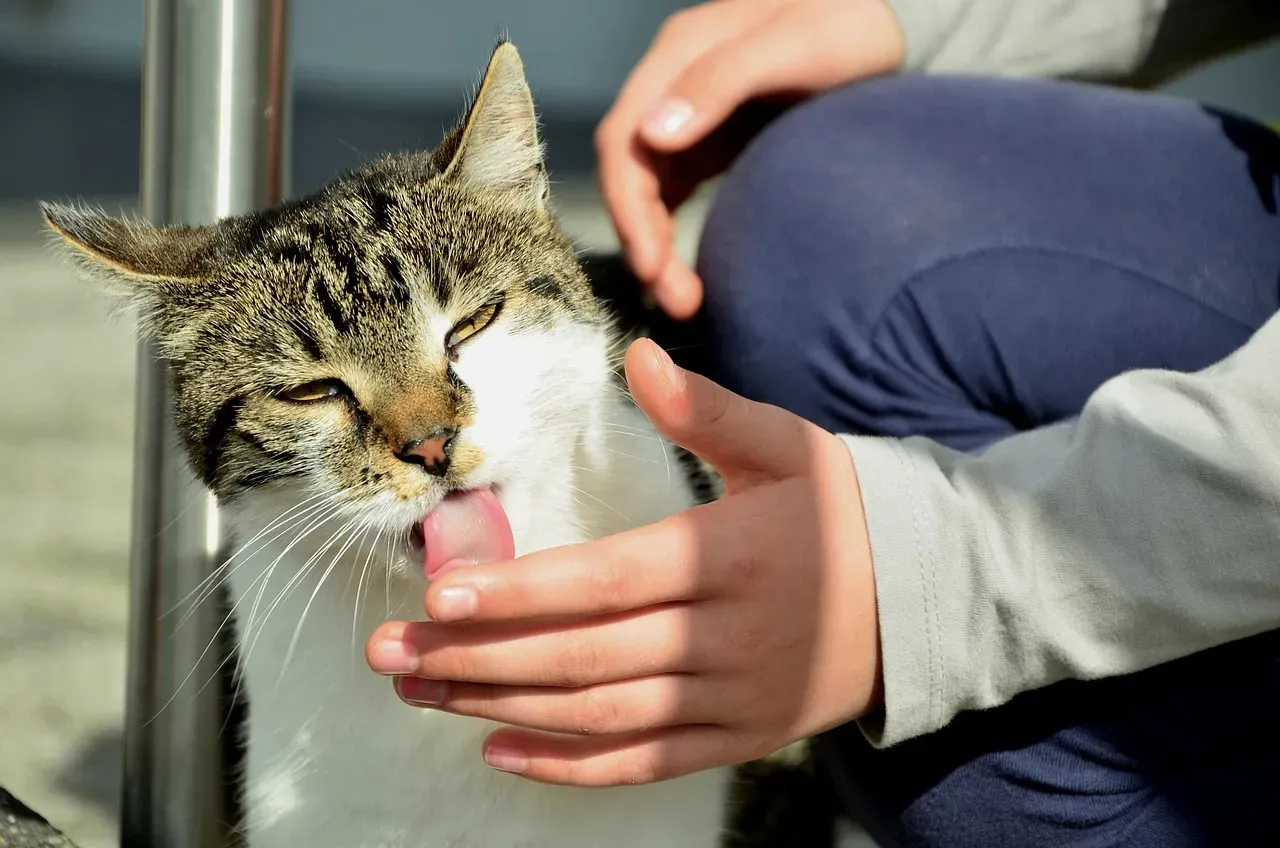
If your cat has ever licked your hand, your hair, or your face, you might have wondered whether you just needed a bath. You didn’t. You were being included in something sacred.
Cats groom each other as a bonding ritual, so when they lick your hair, hands, or face, it means your cat considers you part of its tribe. It’s a way cats show attachment to their owner.
When a cat expresses affiliative social behaviour by licking a person’s hand or face, this kind of scent exchange shows a sign of affection. Cats are emotionally sensitive, tuned in to their owner’s feelings, and you’ll find your cat licking you to soothe your anxiety throughout illness or tough times.
Let that sink in. Your cat might actually lick you more when you’re stressed or unwell. That’s not random behavior. That’s genuine emotional attunement, and it’s astounding when you think about it.
7. Sleeping on You or Beside You Every Single Night
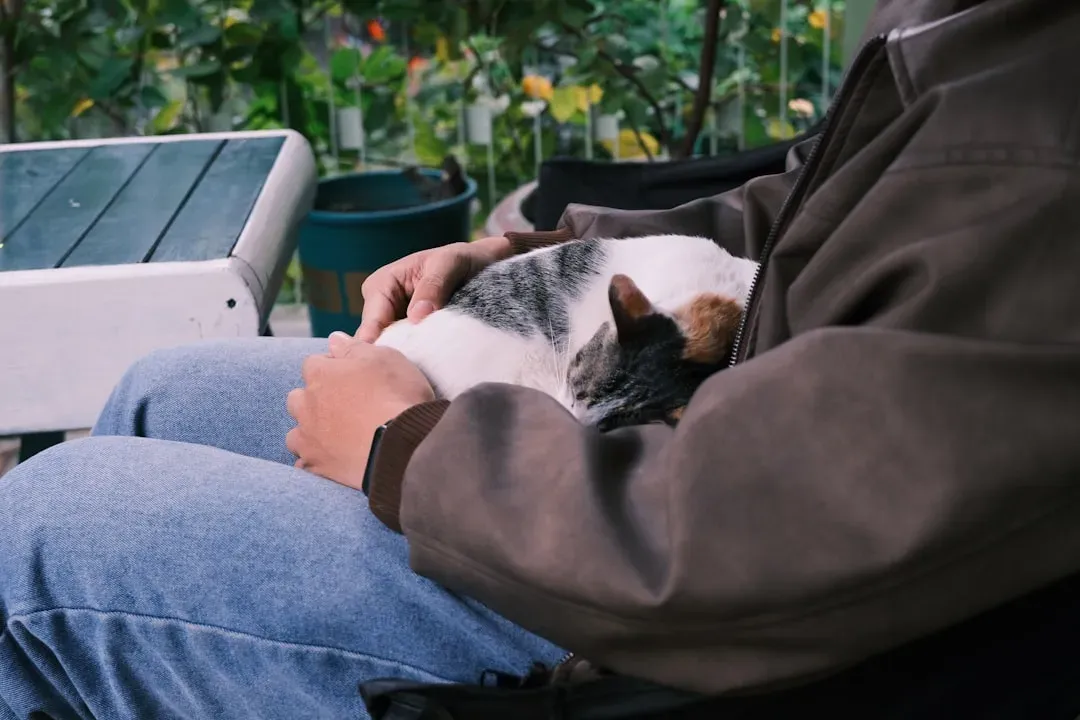
Cats are predators who are also prey. In the wild, being asleep means being vulnerable. Where your cat chooses to sleep is one of the most honest signals it can give you about how safe you make them feel.
Cats are vulnerable when sleeping, so choosing to sleep near or on you shows deep trust. This isn’t a cat being lazy or opportunistic about a warm spot. This is a deliberate choice to lower every defense they have right next to you.
Cats often show their love by simply being near you. If your cat chooses to sit on your lap, sleep beside you, or follow you around the house, it’s a clear indication that they enjoy your company. This behavior demonstrates their comfort and desire to be close to you, which is a significant sign of affection.
Some nights when my cat sprawls across the pillow above my head, it feels more like an inconvenience than a love letter. But knowing the biology behind it makes me see it completely differently now.
8. Bringing You Gifts (Yes, Even the Gross Ones)
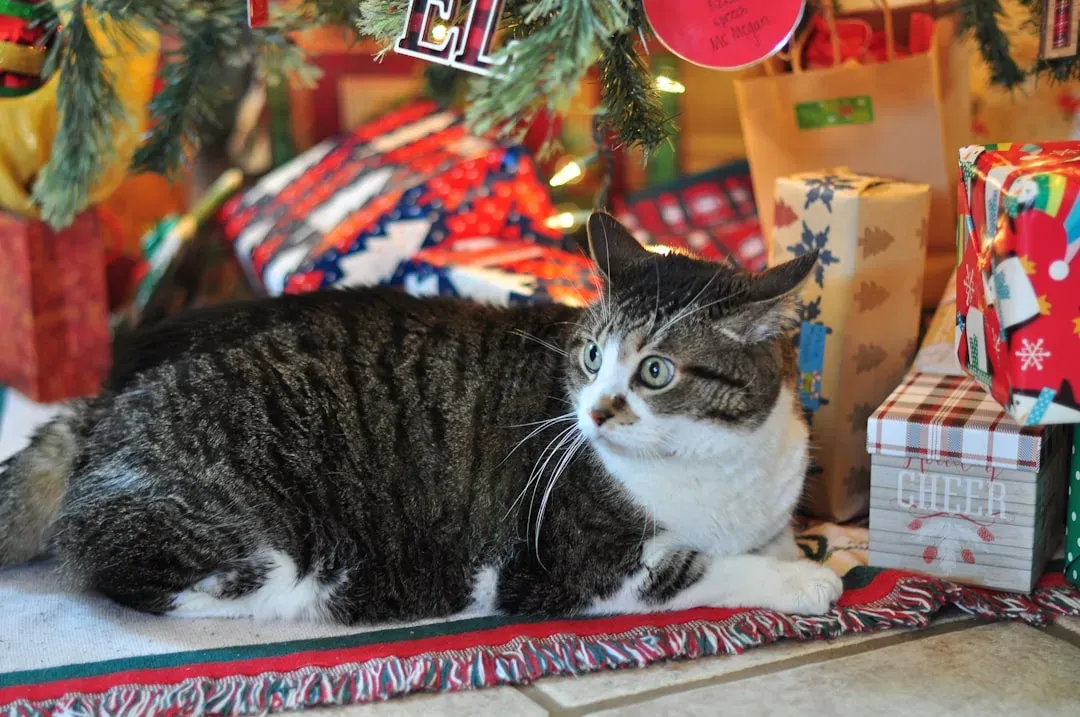
Here is one that surprises almost everyone and delights very few. Your cat drops a dead mouse, a crumpled toy, or a random sock at your feet and looks at you expectantly. Before you recoil, understand what just happened.
While it might be unpleasant to find a dead mouse or bird at your doorstep, this behavior is a sign of love and trust from your cat. In the wild, cats bring prey to their families. By bringing you gifts, your cat is sharing its “hunt” with you, showing that they consider you part of their family.
Whether it’s a favorite toy left carefully outside your bedroom door or a real-life “catch of the day” like a mouse or small animal, your kitty is proudly sharing their hunting success with you. Cat behavior experts say this is a classic sign your cat has bonded with you.
It’s a little like a child running home from school, bursting through the door, and shoving a crayon drawing in your face. Messy, unexpected, and completely filled with love.
9. Following You Around the House Like a Shadow
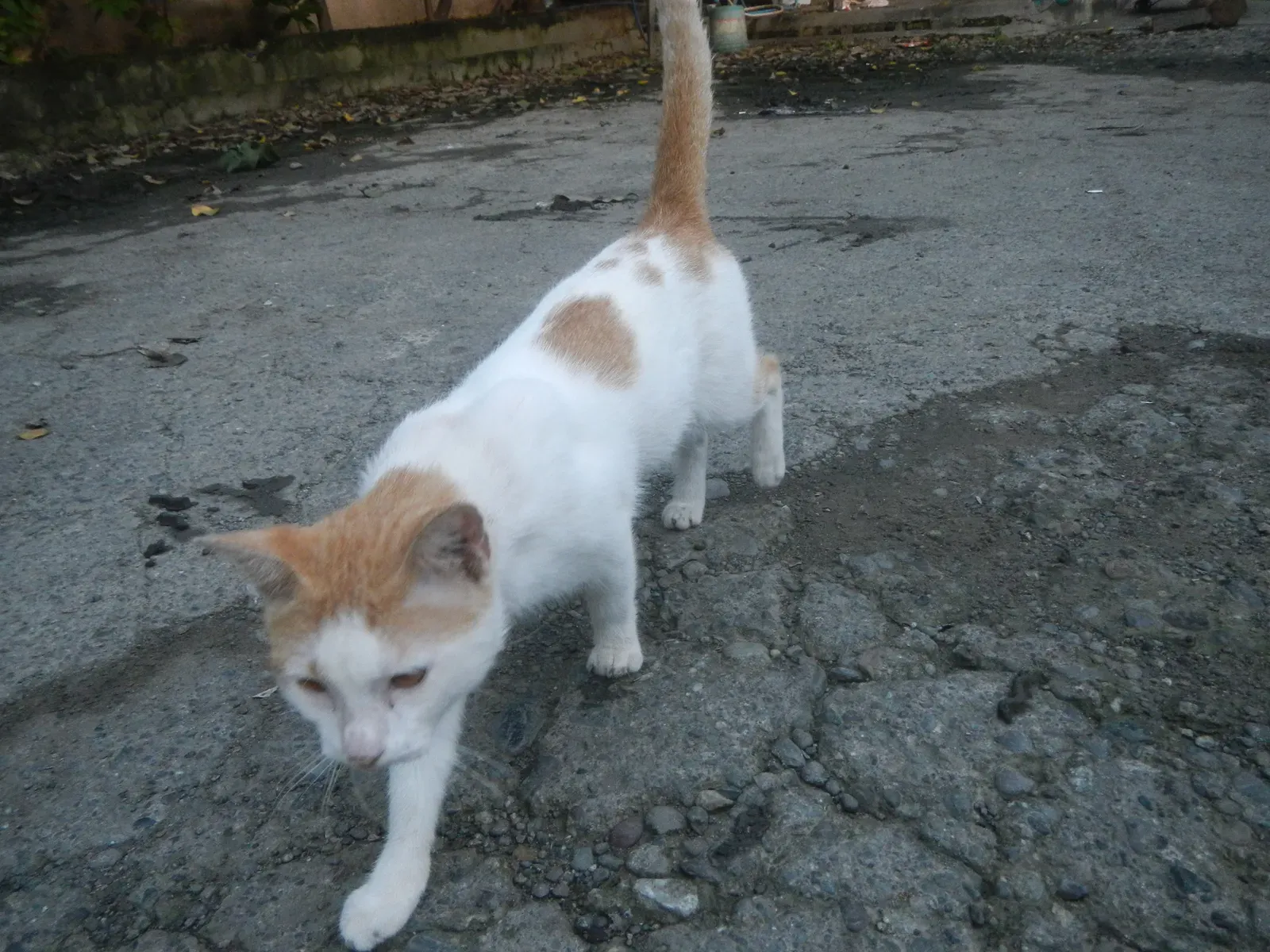
People assume cats who follow their owners everywhere are simply bored, or angling for a snack. Sometimes, sure. But most of the time, it’s something much sweeter than that.
Cats are more likely to explore and interact with their environment when they feel relaxed and comfortable in a person’s presence. So if your pet is often on the move while you’re with them, take it as a subtle sign of affection. The message is that they are more comfortable in your presence.
Your cat following you is a sign of trust and affection, showing they want to be near you and are interested in your activities. There can be many reasons for a cat trailing you around, but there are many cases in which your cat simply enjoys your company and wants to be with you. If it’s not close to feeding time and your cat isn’t acting like they want anything, chances are they are just trying to bask in your presence.
Let’s be real. If you had zero interest in someone, you wouldn’t follow them from room to room. Neither would your cat.
10. The Belly Expose – The Ultimate Act of Vulnerability
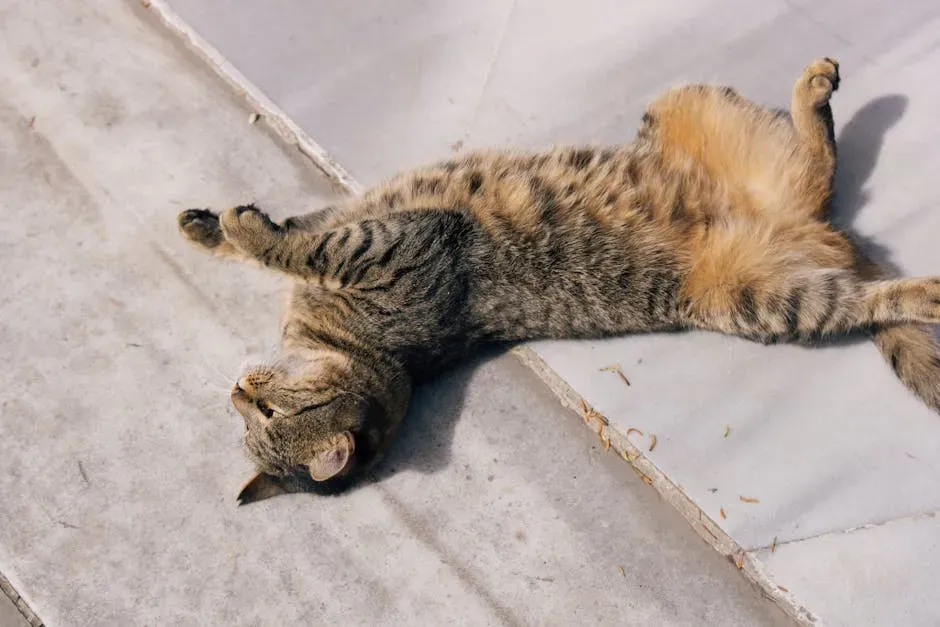
A cat rolling over to flash you its belly is widely misunderstood. Many people reach in for a rub, immediately regret it, and walk away confused. The belly show was never an invitation to pet. It was something far more significant.
When a cat rolls over and exposes its belly, it’s showing a great deal of trust. The belly is a vulnerable area, and by exposing it, your cat is indicating that they feel safe and comfortable with you.
Rolling over to expose their belly is a sign of ultimate trust, as this position exposes vital organs to a predator. If your feline does this around you, it’s a major sign of love and comfort. These tiny gestures of trust are key indicators of a strong human-cat bond and show your cat considers you part of their inner circle.
Your cat is essentially saying: “I am completely unguarded around you.” In a creature wired for self-preservation, that is a remarkable thing to witness.
Conclusion: Your Cat Loves You More Than You Think
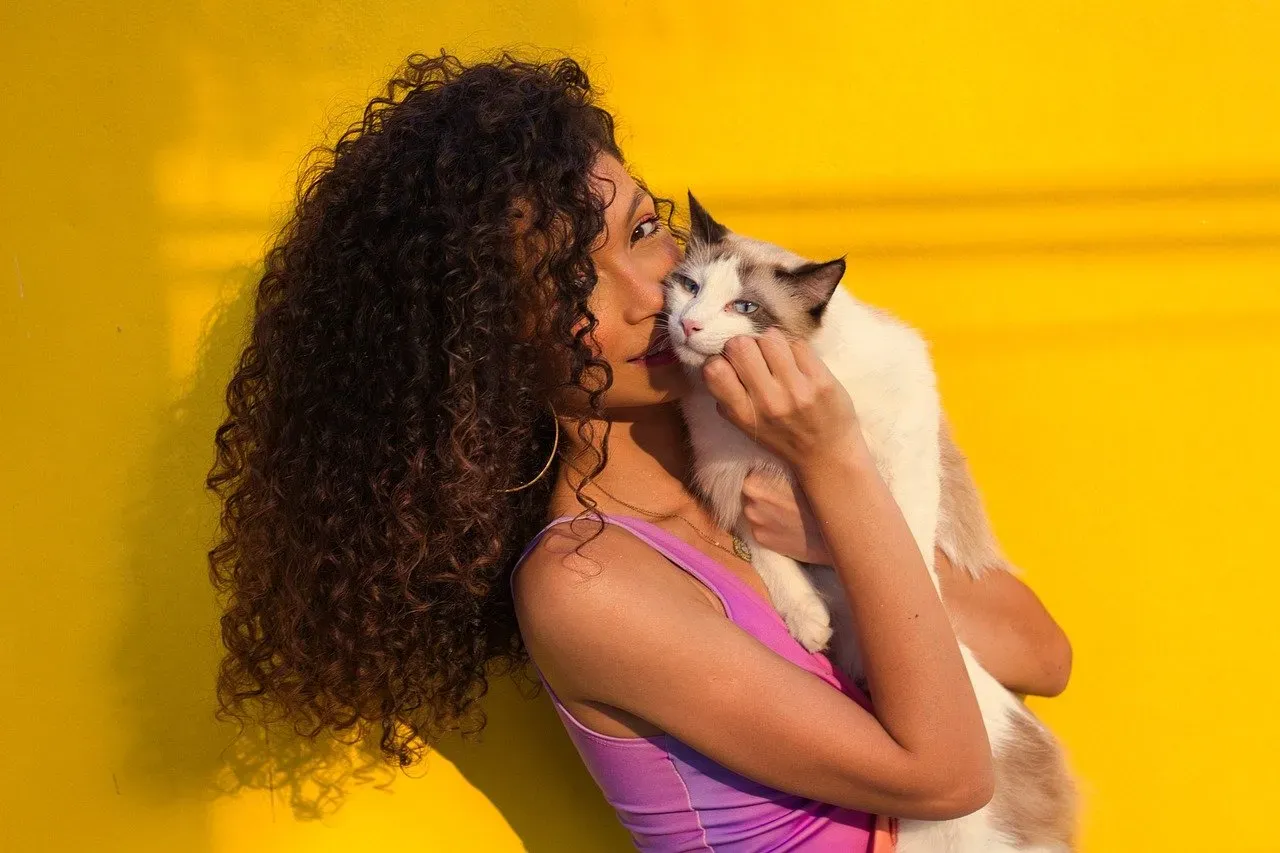
A study published in Current Biology found that cats form attachment bonds to their human caretakers in very much the same way that dogs and human children do. After observing key secure attachment behaviors in over roughly two thirds of cats and kittens involved in the study, researchers concluded that “we may be underestimating cats’ socio-cognitive abilities.”
The love is there. It always has been. It’s just written in a different language – one made of blinks, head presses, rumbling purrs, and midnight visits to your pillow. Cats are much more subtle in showing their love, though that doesn’t mean the shared bond between cats and humans is any less than with dogs. It just means you’ll need to work a little harder to understand your cat’s love language and boundaries to build trust.
Once you start seeing these behaviors for what they truly are, you’ll never look at your cat the same way again. That slow blink from across the room hits differently when you know it means everything. So next time your cat does any of these ten things, pause. Appreciate it. And maybe slow blink back.
Which of these behaviors does your cat do most? Drop it in the comments – we’d genuinely love to know.
