

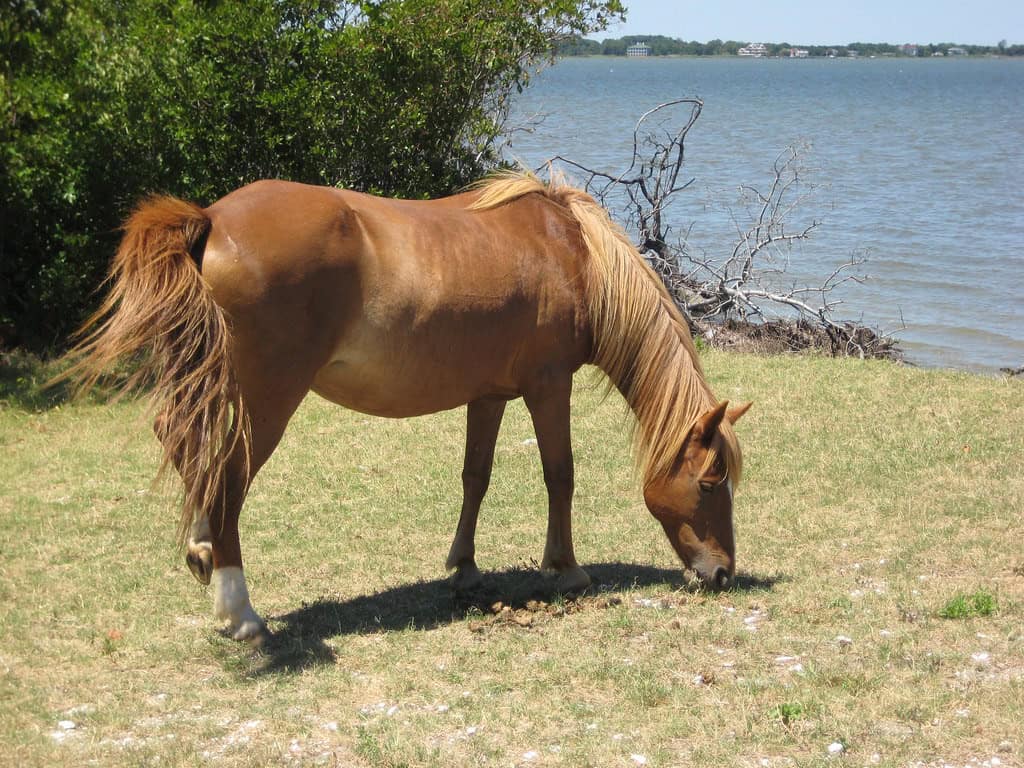
Horses are fascinating creatures that have evolved alongside humans for thousands of years. As prey animals with complex social structures, they’ve developed sophisticated communication methods that go far beyond the vocalizations we commonly associate with them. Understanding these behaviors isn’t just interesting—it’s essential for anyone who works with, rides, or cares for these majestic animals. The language of horses is primarily visual, consisting of subtle body movements, facial expressions, and postures that communicate their emotional states and intentions to both other horses and humans.
While some horse behaviors might seem strange or even comical to us, they serve important purposes in equine society and survival. From unusual sleeping habits to peculiar social rituals, horses display a rich repertoire of behaviors that tell us about their physical and emotional well-being. This article explores ten of the most unique and intriguing horse behaviors, explaining the science and evolutionary purpose behind these equine quirks that have puzzled and delighted horse enthusiasts for generations.
The Flehmen Response Why Horses Curl Their Upper Lip

One of the most distinctive and often misunderstood horse behaviors is the Flehmen response—that curious moment when a horse raises its head, curls back its upper lip, and appears to be laughing or showing its teeth. This behavior looks comical but serves a serious sensory purpose. When horses display the Flehmen response, they’re actually directing scents toward the vomeronasal organ (also called Jacobson’s organ), a specialized olfactory structure located in the roof of their mouth. This organ allows horses to analyze pheromones and other chemical signals that aren’t detectable through regular olfaction.
Horses typically exhibit this behavior when investigating interesting or novel scents, particularly those related to reproduction. Stallions frequently show the Flehmen response when detecting a mare in estrus, helping them determine her reproductive status. However, all horses regardless of sex or age will display this behavior when encountering unusual odors, including those from unfamiliar horses, certain foods, or even chemical substances. This specialized sensory capability demonstrates the sophisticated ways horses gather information about their environment beyond what humans can perceive with our comparatively limited sense of smell.
Standing Sleep How Horses Rest on Their Feet
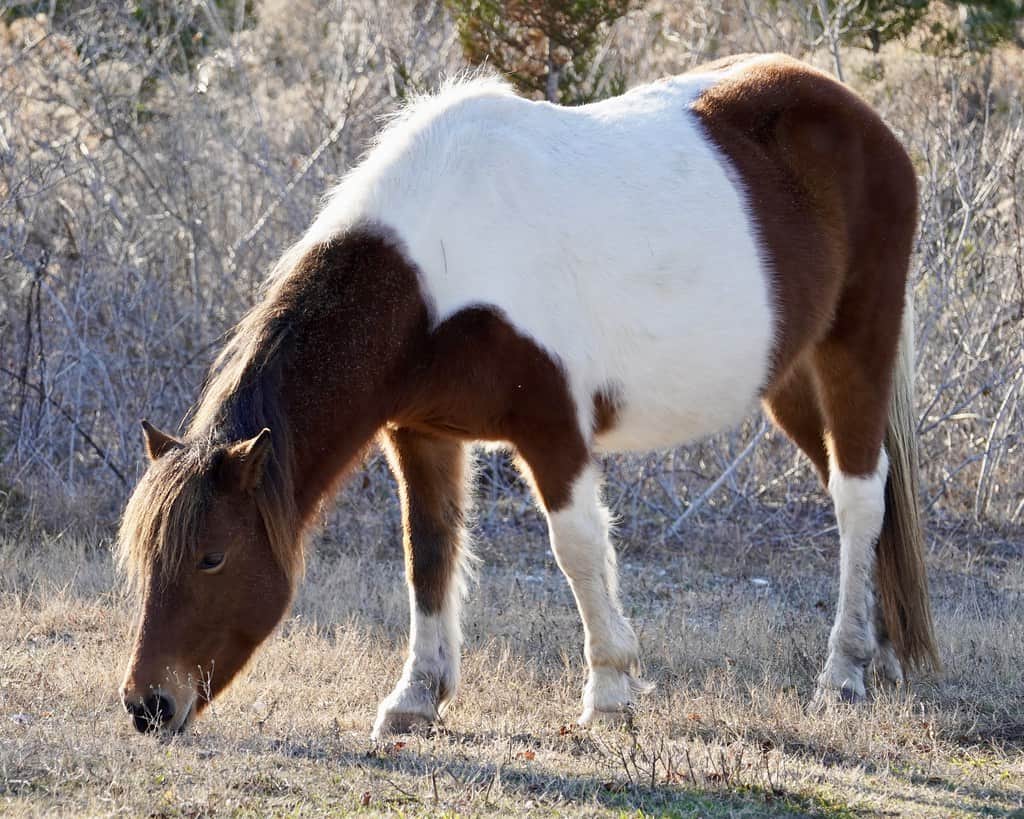
Perhaps one of the most remarkable adaptations in horses is their ability to sleep while standing upright. This unusual sleeping behavior stems from their evolutionary history as prey animals that needed to be ready to flee from predators at a moment’s notice. Horses accomplish this feat through an anatomical mechanism called the “stay apparatus”—a system of ligaments, tendons, and specialized joint arrangements that lock their legs in place, allowing their muscles to relax without collapsing. This passive support system enables horses to doze while standing, conserving energy while maintaining readiness for quick escape.
While horses can and do sleep standing up, they don’t experience complete REM (rapid eye movement) sleep in this position. For deep, restorative sleep, horses must lie down, making themselves temporarily vulnerable. This explains why horses typically only spend about 2-3 hours lying down within each 24-hour period, usually broken into several short intervals. Healthy horses establish a sleep pattern that balances their need for deep rest with their instinctive caution. Interestingly, in herd settings, horses often take turns lying down to sleep, with some herd members remaining vigilant while others rest, demonstrating their cooperative social nature.
Mutual Grooming Social Bonding Through Scratching
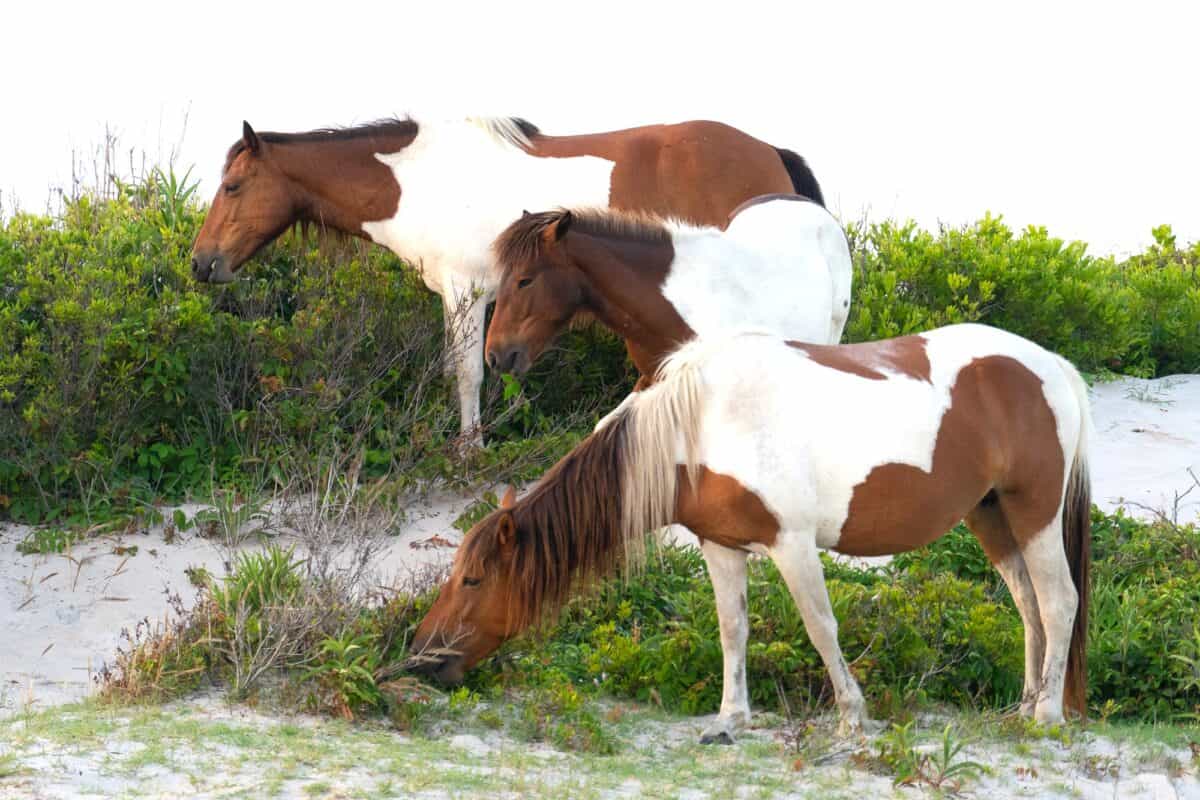
One of the most heartwarming behaviors horses display is mutual grooming—the practice where two horses stand side by side, often head-to-tail, and gently nibble, scratch, or rub each other’s coats. This behavior serves multiple practical purposes, helping horses reach itchy spots they can’t access themselves, particularly along the neck, withers, and back. Beyond the practical aspect of coat maintenance, mutual grooming plays a crucial role in strengthening social bonds within the herd. When horses engage in this activity, their bodies release endorphins—natural feel-good hormones that reinforce positive associations with their grooming partners.
Research has shown that horses are selective about their grooming partners, preferring to engage in this intimate behavior with specific herd members with whom they share strong social bonds. These grooming partnerships often indicate friendship hierarchies within the herd that may not be obvious from other interactions. Horse owners and caretakers often notice that horses who regularly groom each other also tend to graze together, stand near each other during rest periods, and display less aggressive behaviors toward one another. This sophisticated social behavior demonstrates the complex emotional lives of horses and their capacity for forming specific friendships, challenging the notion that they operate solely on instinct.
Cribbing and Wind-Sucking Stereotypical Behaviors Explained

Cribbing is a stereotypical behavior where horses grab onto a fixed object with their incisors, pull back, arch their neck, and suck in air, often making a distinctive grunting sound. Similarly, wind-sucking involves the same air-gulping behavior but without grasping an object. These behaviors, once developed, typically become habitual and difficult to eliminate. While sometimes mistakenly labeled as “stable vices” or bad habits, these behaviors actually indicate underlying welfare concerns. Research suggests multiple potential causes, including stress, boredom, gastrointestinal discomfort, and possibly genetic predisposition. When horses crib or wind-suck, endorphins are released in their brains, creating a self-rewarding cycle that makes the behavior particularly persistent.
The impact of cribbing extends beyond behavioral concerns—it can lead to dental problems, weight loss, and potential colic risks due to the unusual air intake. Management approaches focus on addressing underlying causes rather than simply preventing the behavior through restrictive methods. Increasing turnout time, providing more forage, enabling social interaction, and ensuring consistent feeding schedules can reduce the incidence of cribbing. Additionally, modifications to feeding practices, such as offering multiple small meals and ensuring constant access to quality forage, may help address gastrointestinal factors that contribute to these behaviors. Understanding cribbing as a symptom rather than merely a bad habit represents an important shift in equine welfare awareness.
Pawing and Digging Uncovering Natural Instincts

When horses repeatedly strike the ground with a front hoof in a digging motion, they’re engaging in pawing behavior that serves several potential purposes. In natural settings, wild horses paw at snow or hard ground to access water or forage hidden underneath. This instinctive behavior persists in domestic horses, though the context has changed. Pawing often indicates impatience or anticipation, such as when a horse knows feeding time is approaching or when they’re tied and waiting. It can also signal frustration, boredom, or discomfort, making it important for horse owners to investigate the underlying cause rather than simply trying to stop the behavior.
Consistent or excessive pawing deserves attention as it may indicate underlying issues. If a horse paws frequently during feeding, this could suggest gastrointestinal discomfort or anxiety about resource access. Pawing while under saddle might indicate physical pain or emotional stress. In some cases, pawing becomes a learned behavior when it has successfully gained attention or resources in the past. Addressing the root causes—whether through modified management practices, pain assessment, or environmental enrichment—is more effective than punishment, which often increases frustration without addressing why the horse is pawing in the first place. This behavior offers important insights into a horse’s emotional state and needs when properly interpreted.
Snorting and Blowing Acoustic Communication Signals

The distinctive sounds horses make through their nostrils—ranging from gentle blowing to explosive snorts—form an important part of their communication repertoire. Recent research has revealed that these sounds aren’t just automatic responses but may convey specific information about a horse’s emotional state and environmental perceptions. The “snort”—a forceful exhalation that often produces a vibrating sound—has been linked to positive emotional states in horses. Studies have found that horses snort more frequently when they’re in pleasant situations, such as grazing in preferred areas or engaging in positive human interactions, suggesting these sounds may be indicators of equine well-being.
Different acoustic signals serve varied purposes in equine communication. Short, sharp blows might indicate alertness or mild alarm, while deep, prolonged blowing often signals relaxation as a horse releases tension. Understanding these nuanced vocalizations helps handlers better interpret a horse’s emotional state. For instance, an increase in snorting during new training methods might indicate increased comfort with the activity, while a sudden cessation could signal stress. These respiratory sounds, combined with visual cues like ear position and tail carriage, provide valuable insights into a horse’s internal experience, allowing attentive caretakers to respond appropriately to their needs and emotions.
Rolling Behavior More Than Just Scratching an Itch

The sight of a horse dropping to the ground and vigorously rolling from side to side is both entertaining and functionally important for these animals. While the most obvious purpose of rolling is physical—it helps horses scratch otherwise unreachable areas and assists in grooming by removing loose hair, dirt, and parasites—this behavior serves multiple additional functions. Rolling helps regulate body temperature, particularly after exercise when sweat and moisture are trapped under the coat. The rolling motion disperses sweat, aids evaporation, and can help a horse cool down more efficiently. In natural environments, dust from rolling also acts as a natural insect repellent by creating a physical barrier against biting insects.
Rolling also carries important social and emotional dimensions. Horses often select specific rolling spots that become established “rolling areas” within their territory. These areas are typically well-drained, have loose soil or sand, and may be used repeatedly by multiple herd members. The behavior frequently has a contagious quality—when one horse rolls, others in the group are likely to follow suit. This synchronization of behavior strengthens herd cohesion. For domestic horses, the opportunity to roll represents an important natural behavior that supports physical and psychological well-being. Restricting this behavior, such as in horses kept continuously stabled, may contribute to stress and reduced welfare, highlighting the importance of turnout time for domestic equines.
Teeth Clacking in Foals Submissive Communication

One of the most endearing and distinctive behaviors observed in young horses is teeth clacking or champing. This behavior, primarily seen in foals and weanlings, involves rapidly opening and closing the mouth, causing the teeth to make an audible clicking or clacking sound. This action serves as a crucial submissive signal that helps young horses navigate their social world safely. When a foal encounters an adult horse or a more dominant individual, this teeth clacking communicates: “I’m just a baby, I’m not a threat.” This submissive display typically inhibits aggressive responses from older horses, essentially functioning as a social protection mechanism.
The behavior typically diminishes as horses mature, though some horses continue this submissive display into adulthood, particularly when encountering highly dominant individuals or in stressful situations. The persistence of this juvenile behavior in some adult horses may indicate early socialization experiences or temperament differences. Interestingly, this communication signal appears to be innate rather than learned, as even orphan foals raised without adult horse models will display teeth clacking when introduced to other horses. This behavior demonstrates the sophisticated social communication system horses are born with, allowing even the youngest members of equine society to effectively communicate their status and intentions to maintain herd harmony.
Head Tossing and Nodding Deciphering Equine Body Language

Head movements constitute a significant component of equine body language, with head tossing and nodding communicating various messages depending on context. A vertical head nod, where the horse raises and lowers its head repeatedly, often indicates interest or enthusiasm, particularly when approaching something desirable like food or a familiar human. In contrast, vigorous head tossing—rapid, sometimes circular movements of the head—can signal frustration, impatience, or discomfort. Under saddle, these movements might indicate issues with bit fit, dental problems, or tension in the neck and poll regions. However, it’s crucial to distinguish between communication-based head movements and those stemming from medical issues.
Some head tossing behaviors have physical rather than psychological origins. Conditions like headshaking syndrome, where horses violently throw their heads without apparent external triggers, are now recognized as neurological disorders often related to trigeminal nerve irritation. Environmental factors like bright sunlight, wind, or seasonal allergies can trigger or worsen these symptoms. Other physical causes for abnormal head movements include ear infections, vision problems, or musculoskeletal pain in the neck or back. This complexity highlights the importance of a comprehensive approach when evaluating unusual head movements, potentially including veterinary assessment to rule out health concerns before attributing the behavior solely to training issues or communication attempts.
Play Behavior The Importance of Equine Games

Horses of all ages engage in play, though it’s most frequently and vigorously observed in younger individuals. Play behavior in horses takes several forms, including locomotor play (running, bucking, rearing), object play (manipulating items like balls or branches), and social play (mock fighting, chasing). These playful interactions serve crucial developmental purposes, helping young horses build physical strength, improve coordination, and develop important social skills. Through play-fighting and chase games, young horses learn about appropriate force, boundaries, and herd etiquette that will be essential throughout their lives. The presence of regular play behavior is widely recognized as an indicator of positive welfare, signaling that a horse’s basic needs are met and they have energy to devote to non-essential activities.
For domestic horses, opportunities for play are sometimes limited by management practices, potentially impacting both physical and psychological development. Research suggests that horses kept in group housing with sufficient space demonstrate more frequent and diverse play behaviors compared to those in individual stabling. Interestingly, play doesn’t disappear entirely in adulthood—many horses maintain playful behaviors throughout their lives, particularly those with access to compatible herd mates and adequate space. Providing environmental enrichment that facilitates natural play behaviors, such as safe objects to manipulate or appropriate social groupings, can significantly improve quality of life for domestic horses. Understanding the value of play helps caretakers create environments that support this important aspect of equine behavior.
Conclusion: The Complex World of Equine Behavior

The rich tapestry of horse behaviors we’ve explored reveals the sophisticated nature of these remarkable animals, whose communication systems and social structures have evolved over millions of years. From the puzzling Flehmen response to the endearing teeth-clacking of foals, each behavior serves specific purposes related to survival, social cohesion, or individual well-being. Understanding these behaviors not only satisfies our curiosity but also equips us to provide better care, training, and environments for the horses in our lives. When we recognize that behaviors like cribbing or head-tossing often indicate underlying needs or concerns rather than simply being “bad habits,” we can address root causes rather than just symptoms.
The science of equine behavior continues to evolve, with new research regularly challenging long-held assumptions about why horses behave as they do. This growing body of knowledge emphasizes that horses are complex, sentient beings with individual personalities, preferences, and emotional lives that deserve our consideration and respect. By learning to read the subtle language of horses—expressed through body posture, facial expressions, vocalizations, and the unique behaviors we’ve discussed—we can build stronger, more harmonious relationships with these animals that have been our companions throughout human history. The more we understand about horse behavior, the better equipped we are to ensure their welfare while enjoying the special partnership that exists between humans and horses.

As a little kid, I fell in love with nature, wildlife, and animals. Living in the USA, South Africa, Italy, China and Germany gave me the opportunity to discover the world's Wildlife. My favorite animals are Mountain Gorillas, Siberian Tigers, and Great White Sharks.
I'm a certified PADI Open Water Diver, went to Everest Base Camp and Trekked Gorillas in Uganda. I hold a Master of Science in Economics and Finance.
Please send any feedback to feedback@animalsaroundtheglobe.com
- Why the Great Barrier Reef Is the Best Place to Spot Sea Turtles - June 3, 2026
- 2 Animals With Super Sized Body Parts and What They are For - June 3, 2026
- Explore The Azores - June 3, 2026