

In the vast tapestry of the animal kingdom, mammals are typically known for giving birth to live young. However, a few mysterious and fascinating creatures defy this norm by laying eggs. These rare mammals, known as monotremes, captivate animal enthusiasts and researchers alike with their unique reproductive approach. Let’s explore these ten extraordinary egg-laying mammals that challenge our understanding of nature.
The Platypus Nature’s Enigma

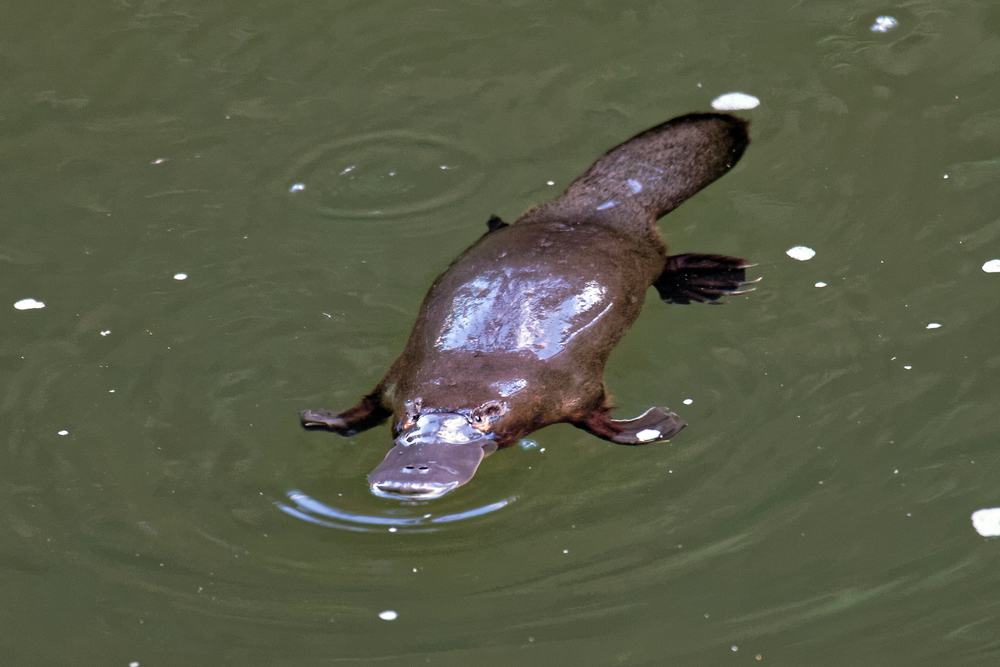
The platypus is perhaps the most famous of all egg-laying mammals. With its duck-bill, webbed feet, and beaver-like tail, it looks like a creature from a mythical story. Native to Australia, the platypus spends most of its time in water, using its bill to detect prey. After mating, the female lays one to three eggs and incubates them by curling around them. The platypus defies the conventional image of a mammal, making it a subject of endless fascination.
Echidnas: The Spiky Egg-Layers

Echidnas, often referred to as spiny anteaters, are another group of monotremes found in Australia and New Guinea. These creatures have a distinctive spiky appearance reminiscent of a hedgehog or porcupine. Female echidnas lay a single egg and keep it in a pouch on their belly. Once the egg hatches, the young echidna, known as a puggle, remains in the pouch until it develops spines. Echidnas are solitary animals, mainly feeding on ants and termites.
Short-Beaked Echidna A Master of Adaptation

The short-beaked echidna is a variation of the echidna family, widely distributed throughout Australia. This species is known for its exceptional adaptability, thriving in various environments from forests to deserts. The short-beaked echidna lays a single egg, which the mother carries in her pouch until it hatches. These creatures are nocturnal, using their long snouts to forage for insects during the night. Their ability to curl into a ball, protecting themselves with their spines, is a remarkable survival tactic.
Western Long-Beaked Echidna A Rare Sight

The western long-beaked echidna is a lesser-known member of the monotreme family, found primarily in New Guinea. This species is distinguished by its elongated snout and larger size compared to its short-beaked cousin. The western long-beaked echidna’s egg-laying process is similar, with the female nurturing the egg in her pouch. Due to its elusive nature and remote habitat, this echidna remains one of the most mysterious egg-laying mammals.
Sir David’s Long-Beaked Echidna A Tribute to Exploration

Named in honor of Sir David Attenborough, Sir David’s long-beaked echidna is a testament to the wonders of nature. This species inhabits the highlands of New Guinea and exhibits characteristics similar to other echidnas. It lays eggs and carries them in a pouch, showcasing the unique reproductive habits of monotremes. Despite its scientific name, this echidna remains shrouded in mystery, with limited sightings and ongoing research.
Eastern Long-Beaked Echidna A Conservation Challenge

The eastern long-beaked echidna, native to the forests of New Guinea, is critically endangered. Its egg-laying behavior is a hallmark of monotremes, with the female nurturing her young in a pouch. This species faces numerous threats, including habitat loss and hunting, making conservation efforts vital. The eastern long-beaked echidna’s plight highlights the importance of preserving biodiversity and protecting these unique creatures.
Ornithorhynchus anatinus A Scientific Marvel

The scientific name for the platypus, Ornithorhynchus anatinus, reflects its bird-like and duck-like features. This creature’s ability to lay eggs while possessing mammalian traits makes it a subject of scientific intrigue. The platypus challenges the traditional classification of mammals, offering insights into the evolutionary history of these animals. Its unique blend of characteristics continues to captivate researchers and inspire curiosity.
The Role of Egg-Laying in Evolution

Egg-laying mammals offer a glimpse into the evolutionary past of mammals. Monotremes, the group that includes all egg-laying mammals, are considered some of the most primitive mammals. Their reproductive strategy provides clues about the transition from egg-laying reptiles to live-bearing mammals. Studying these creatures helps scientists understand the complex web of evolution and the diverse paths life can take.
Monotremes A Window Into Prehistoric Times

Monotremes, including the platypus and echidnas, are often described as living fossils. These mammals have retained primitive features that give insight into the early stages of mammalian evolution. Their egg-laying behavior is a significant link to their reptilian ancestors. Monotremes serve as a reminder of the ancient lineage of mammals and the diverse forms life can assume.
The Unique Anatomy of Egg-Laying Mammals

Egg-laying mammals possess distinct anatomical features that set them apart from other mammals. For instance, monotremes have a cloaca, a single opening for excretion and reproduction, a trait shared with reptiles and birds. Their reproductive strategy, combined with their physiological characteristics, makes them a unique group worthy of study. These anatomical quirks highlight the diverse adaptations of life on Earth.
The Fascination with Egg-Laying Mammals

The allure of egg-laying mammals lies in their rarity and distinctiveness. As some of the few mammals that lay eggs, they challenge our understanding of what it means to be a mammal. Their enigmatic nature has captured the imagination of scientists and the public alike. These creatures remind us of the endless wonders of the natural world and the mysteries that still await discovery.
The Conservation Importance of Monotremes

Protecting egg-laying mammals is crucial for maintaining biodiversity. Many species, like the eastern long-beaked echidna, face threats from habitat destruction and human activity. Conservation efforts are essential to ensure the survival of these unique creatures. By preserving their habitats and raising awareness, we can safeguard the future of these fascinating animals.
The Cultural Significance of Egg-Laying Mammals

In some cultures, egg-laying mammals hold special significance. Indigenous Australian communities have long revered the platypus and echidnas as part of their mythology. These creatures are often depicted in art and storytelling, highlighting their role in cultural heritage. The cultural importance of egg-laying mammals underscores their impact beyond the scientific community.
Why Egg-Laying Mammals Matter

Egg-laying mammals play a vital role in our understanding of the natural world. Their unique reproductive strategy provides insights into the diversity and adaptability of life. By studying these creatures, we gain a deeper appreciation for the complexity of evolution and the interconnectedness of all living beings. Their continued existence enriches our planet’s tapestry of life.
Future Research on Egg-Laying Mammals

The study of egg-laying mammals continues to evolve as new discoveries emerge. Advances in technology allow scientists to explore these creatures’ genetics, behavior, and ecology in greater depth. Future research promises to unveil more about their mysterious lives and contribute to our understanding of evolution. As we learn more, these egg-laying mammals will continue to inspire wonder and curiosity.
Conclusion

The world of egg-laying mammals is a testament to nature’s creativity and adaptability. These fascinating creatures defy norms, offering a glimpse into the rich tapestry of life on Earth. As we delve deeper into their lives, we uncover the beauty and complexity of evolution, reminding us of the endless wonders that await discovery.

As a little kid, I fell in love with nature, wildlife, and animals. Living in the USA, South Africa, Italy, China and Germany gave me the opportunity to discover the world's Wildlife. My favorite animals are Mountain Gorillas, Siberian Tigers, and Great White Sharks.
I'm a certified PADI Open Water Diver, went to Everest Base Camp and Trekked Gorillas in Uganda. I hold a Master of Science in Economics and Finance.
Please send any feedback to feedback@animalsaroundtheglobe.com
- Can Pets Sense Earthquakes Before Humans? - August 10, 2026
- The World’s Most Venomous Snake How the Inland Taipan Strikes with Speed - August 10, 2026
- 13 Creatures With Incredible Natural Armor - August 9, 2026
Leave a comment
You must be logged in to post a comment.