

The Carolinas, with their diverse ecosystems ranging from coastal plains to mountainous regions, harbor a fascinating array of wildlife. Among these creatures are several venomous species that have adapted to survive in these varied environments. While the word “venomous” often triggers fear, these animals play crucial ecological roles and typically only pose a threat when they feel threatened. This article explores ten venomous animals found in North and South Carolina, detailing their characteristics, habitats, and the nature of their venom.
Additionally, we’ll examine five commonly misunderstood species that are often mistakenly feared as dangerous. By understanding the true nature of these animals, residents and visitors to the Carolinas can better appreciate the region’s biodiversity while taking appropriate precautions when encountering wildlife. Knowledge is the best tool for coexisting safely with these remarkable creatures that call the Carolinas home.
1. Eastern Diamondback Rattlesnake
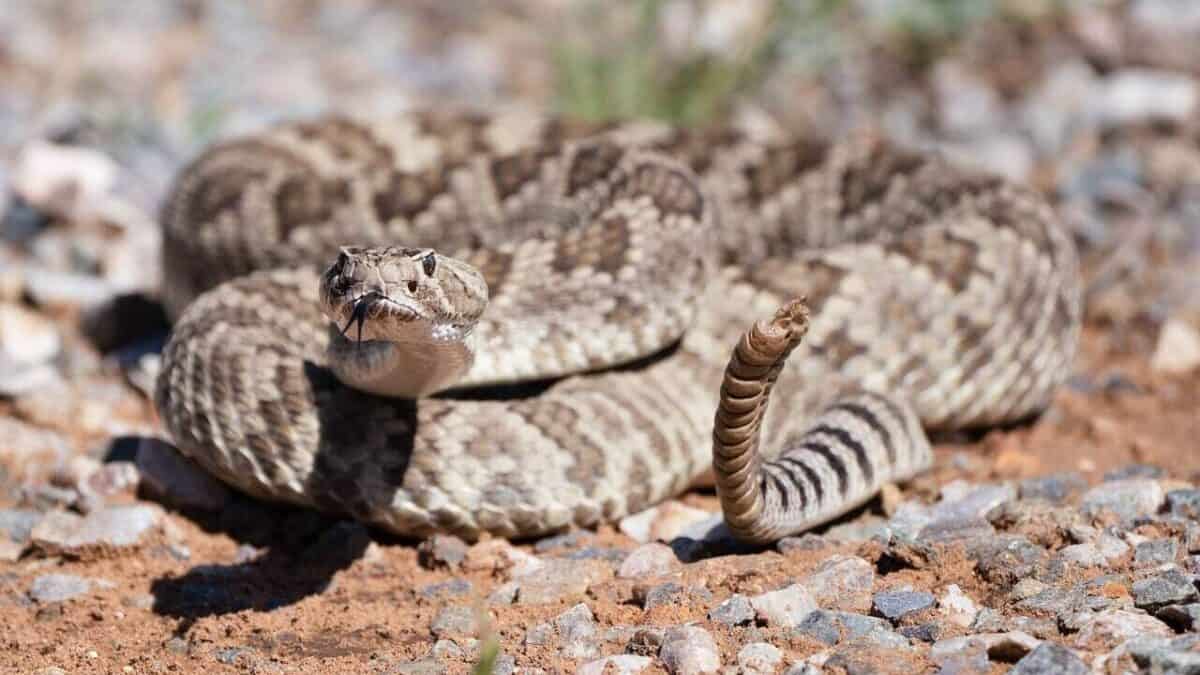
The Eastern Diamondback Rattlesnake (Crotalus adamanteus) stands as the largest venomous snake in North America and one of the most formidable serpents in the Carolinas. These impressive reptiles can grow up to 8 feet long and weigh as much as 10 pounds. They’re easily identified by their distinctive diamond-shaped patterns outlined in cream or yellowish colors against a brown, olive, or grayish background. The characteristic rattle at the end of their tail serves as a warning mechanism when they feel threatened.
Found primarily in the coastal regions of South Carolina, Eastern Diamondbacks possess a potent hemotoxic venom that destroys tissue and disrupts blood clotting. Their venom delivery system is highly efficient, with long, hollow fangs that fold back when not in use. Despite their dangerous reputation, these snakes play a vital role in controlling rodent populations and typically avoid human contact. Habitat loss has contributed to their declining numbers, with the species now considered endangered in North Carolina and threatened throughout much of its range.
2. Timber Rattlesnake
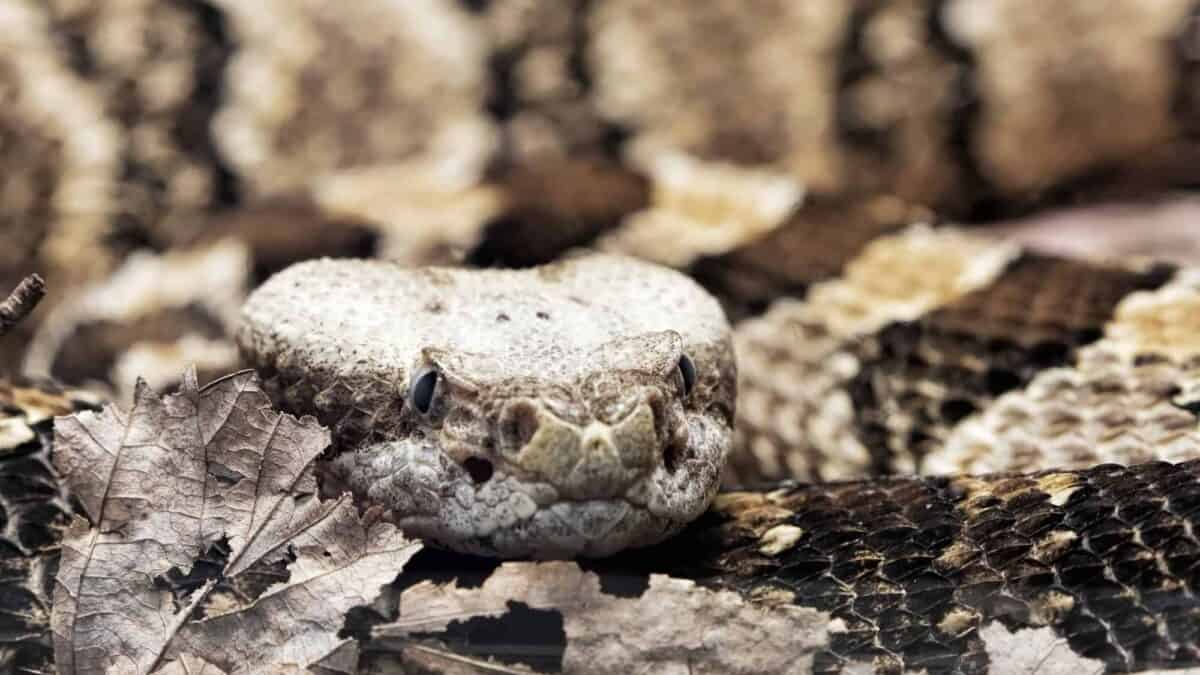
The Timber Rattlesnake (Crotalus horridus) is more widespread throughout both Carolinas than its diamondback cousin. Also known as the Canebrake Rattlesnake, especially in the coastal plain regions, these snakes display considerable color variation across their range. Mountain populations tend to be darker with black crossbands on a yellowish or grayish background, while coastal specimens often show a pinkish or salmon-colored stripe running down their spine. Adults typically reach 3-5 feet in length and have a distinctive rattle that adds segments with each shedding of their skin.
Timber Rattlesnakes possess a complex venom that contains both hemotoxic and neurotoxic components, making their bites particularly dangerous if left untreated. They favor forested areas, rocky outcrops in the mountains, and swampy areas in the coastal plain. Despite their potentially dangerous bite, Timber Rattlesnakes are generally non-aggressive and serve as important predators of small mammals. Conservation efforts are increasingly important for these snakes as they face population declines due to habitat fragmentation, road mortality, and intentional killing.
3. Copperhead
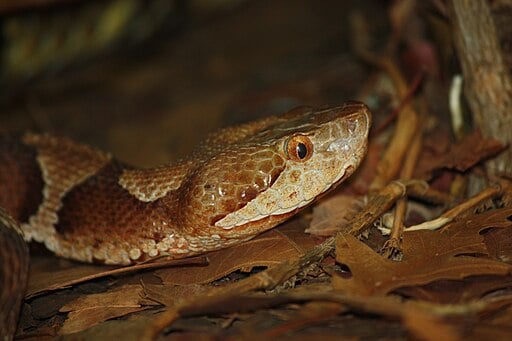
The Copperhead (Agkistrodon contortrix) is by far the most commonly encountered venomous snake in the Carolinas, inhabiting diverse habitats from suburban areas to forests and mountain regions. These medium-sized pit vipers typically grow to 2-3 feet in length and are immediately recognizable by their copper-colored heads and distinctive hourglass-shaped crossbands. Their excellent camouflage allows them to blend perfectly with fallen leaves, making accidental encounters more likely, especially during autumn.
Though Copperhead venom is less potent than that of rattlesnakes, their bites are still serious medical emergencies that require immediate attention. Their venom is primarily hemotoxic, causing tissue damage and intense pain. What makes Copperheads particularly notable is their behavioral tendency to freeze when threatened rather than flee, and they often deliver “dry bites” without injecting venom. Despite being responsible for more venomous snake bites in the region than any other species, fatalities from Copperhead bites are extremely rare. These adaptable snakes thrive even in suburban environments, where they help control rodent populations.
4. Cottonmouth (Water Moccasin)

The Cottonmouth (Agkistrodon piscivorus), also known as the Water Moccasin, is a semi-aquatic pit viper found in the wetlands, swamps, and water bodies of the Carolinas, particularly in the coastal plains. Adults are substantial snakes, often reaching 3-4 feet in length, with heavy bodies and distinctively blocky heads. Their coloration ranges from olive-brown to nearly black, with dark crossbands that become less visible as the snake ages. When threatened, Cottonmouths display their most famous behavior—opening their mouths wide to reveal the stark white lining that gives them their common name.
Unlike many water snakes, Cottonmouths can often be seen basking on logs or banks with their bodies partially submerged. They’re strong swimmers that hold their heads above water, unlike many harmless water snakes that swim with only their heads visible. Their venom is similar to that of Copperheads but potentially more potent, causing tissue damage and preventing blood from clotting. Cottonmouths feed on a varied diet including fish, amphibians, smaller snakes, and small mammals. Despite their intimidating display, unprovoked attacks are rare, though they tend to stand their ground rather than retreat when encountered.
5. Coral Snake
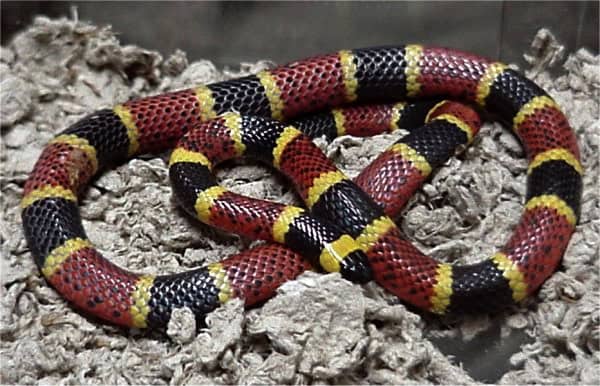
The Eastern Coral Snake (Micrurus fulvius) represents the only member of the Elapidae family—which includes cobras and mambas—native to the Carolinas. Found primarily in the southeastern coastal plain of North Carolina and throughout suitable habitats in South Carolina, these elusive snakes are immediately recognizable by their brilliant pattern of red, yellow, and black bands that completely encircle the body. The crucial identifier is that the red and yellow bands touch each other, distinguishing it from harmless mimics—a distinction remembered by the rhyme “red touch yellow, kill a fellow.”
Unlike pit vipers, Coral Snakes have short, permanently erect fangs and must chew to deliver their potent neurotoxic venom, which attacks the nervous system rather than tissue. Though their venom is highly toxic, Coral Snakes are shy, non-aggressive, and rarely encountered due to their secretive, burrowing habits. They prefer sandy, wooded areas and are most active during twilight hours. Bites from Coral Snakes are exceedingly rare in the Carolinas, but any suspected bite should be treated as a serious medical emergency requiring immediate attention and antivenom treatment.
6. Southern Black Widow Spider

The Southern Black Widow (Latrodectus mactans) is perhaps the most notorious of the venomous arachnids found in the Carolinas. Female Black Widows are glossy black with a distinctive red hourglass marking on the underside of their abdomen, though this marking can sometimes appear as separated red spots. They typically measure about 1.5 inches in length including their legs, with females significantly larger than the brownish, non-venomous males. These spiders create irregular, tangled webs in dark, undisturbed locations such as woodpiles, under stones, in outbuildings, and sometimes in outdoor furniture.
Black Widow venom contains powerful neurotoxins that affect the nervous system, causing severe pain that typically radiates from the bite site to other areas of the body. Other symptoms can include muscle cramps, nausea, tremors, and elevated blood pressure. Despite their fearsome reputation, these spiders are not aggressive and typically only bite when directly threatened or accidentally pressed against the skin. Deaths from Black Widow bites are extremely rare in the United States, particularly with modern medical care, though the elderly and very young may be at greater risk of severe reactions. Antivenom is available for serious cases, though most bites are treated with pain management and supportive care.
7. Brown Recluse Spider

The Brown Recluse Spider (Loxosceles reclusa) is often cited as present in the Carolinas, though its established range is primarily centered in the central southern United States. True populations in the Carolinas are limited, with most confirmed specimens being transported from elsewhere. These spiders are light to medium brown, about the size of a quarter including legs, and feature a distinctive violin-shaped marking on their cephalothorax (the combined head and thorax), which gives them the nickname “fiddle-back” spiders. Unlike most spiders which have eight eyes, the Brown Recluse has six eyes arranged in pairs.
What makes the Brown Recluse concerning is its cytotoxic venom, which can cause necrotic lesions in the skin and underlying tissues. The bite itself is often painless initially, with symptoms developing over hours or days. While most bites heal without severe complications, some can develop into serious wounds that take months to heal and may require surgical intervention. The spiders are not aggressive and typically bite only when pressed against the skin, such as when putting on clothing where a spider is hiding. To minimize risk, residents should shake out stored clothing and bedding, wear gloves when handling stored items, and reduce clutter in storage areas where these spiders might find shelter.
8. Yellow Jacket

Yellow Jackets (primarily Vespula species) are among the most commonly encountered venomous insects in the Carolinas. These social wasps are identified by their characteristic black and yellow striped pattern and measure about half an inch in length. Unlike honey bees, Yellow Jackets have a sleek, smooth appearance and can sting multiple times without dying. They build papery nests, often underground in abandoned rodent burrows, in wall voids, or sometimes suspended from structures. A single colony can contain thousands of individuals by late summer, making encounters more common as the season progresses.
Yellow Jacket venom contains proteins that cause pain and swelling, along with chemicals that attract other Yellow Jackets to attack the same target. What makes these insects particularly dangerous is their aggressive defense of their nests and their attraction to human food during late summer cookouts and gatherings. Multiple stings can occur quickly, and for the estimated 3% of adults with venom allergies, Yellow Jacket stings can trigger life-threatening anaphylactic reactions. Prevention involves covering food at outdoor gatherings, avoiding perfumes and bright clothing during outdoor activities in late summer, and professional removal of nests near human habitation. If allergic, carrying an epinephrine auto-injector can be life-saving.
9. Honey Bee
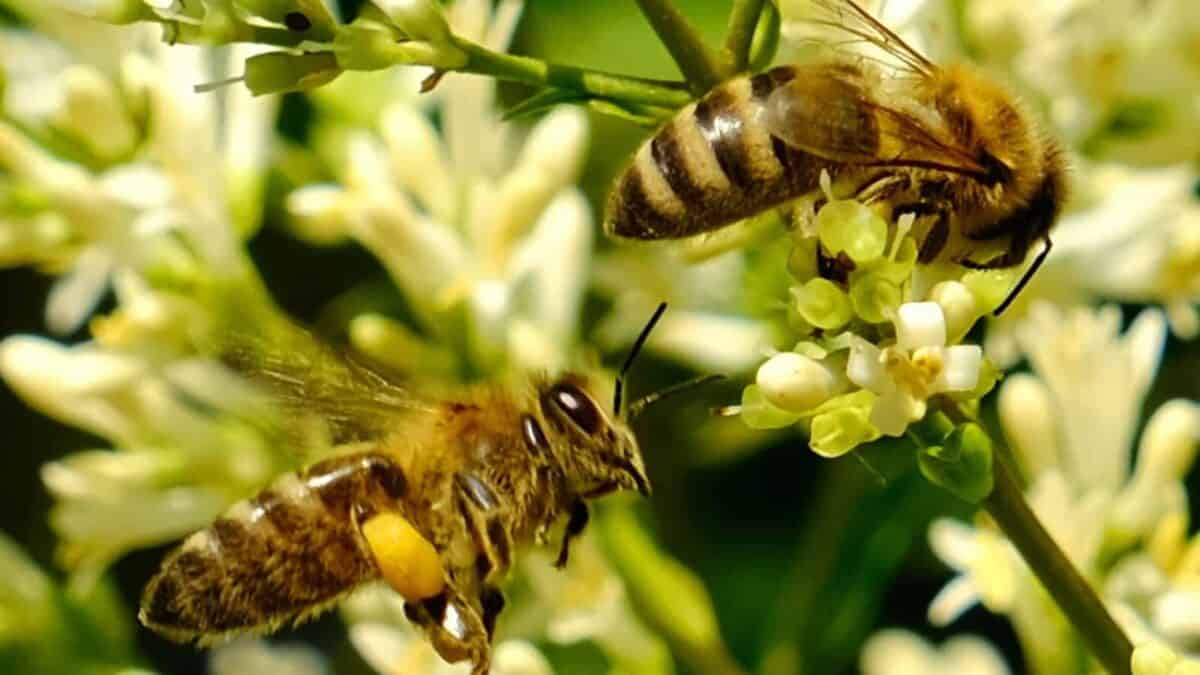
Though not typically considered dangerous wildlife, the European Honey Bee (Apis mellifera) is technically among the venomous animals found throughout the Carolinas. These essential pollinators are golden brown with black stripes and covered in fine hairs, measuring about half an inch long. Unlike many venomous creatures on this list, honey bees are not native to North America but were introduced by European settlers in the 17th century. They create complex hives containing thousands of individuals, with elaborate social structures centered around a single queen.
Honey bee venom contains melittin, which destroys cell membranes and triggers pain and inflammation. Unlike Yellow Jackets, honey bees have barbed stingers that remain in the skin, causing the bee to die after stinging. Generally non-aggressive away from their hives, honey bees typically sting only when threatened or when their colony is disturbed. The greatest danger comes from allergic reactions, which affect a small percentage of the population but can be life-threatening. Despite this potential danger, honey bees are vitally important to agriculture and wild plant communities through their pollination services. The recent decline in honey bee populations due to diseases, parasites, and pesticide use has raised significant ecological and agricultural concerns throughout the region.
10. Saddleback Caterpillar
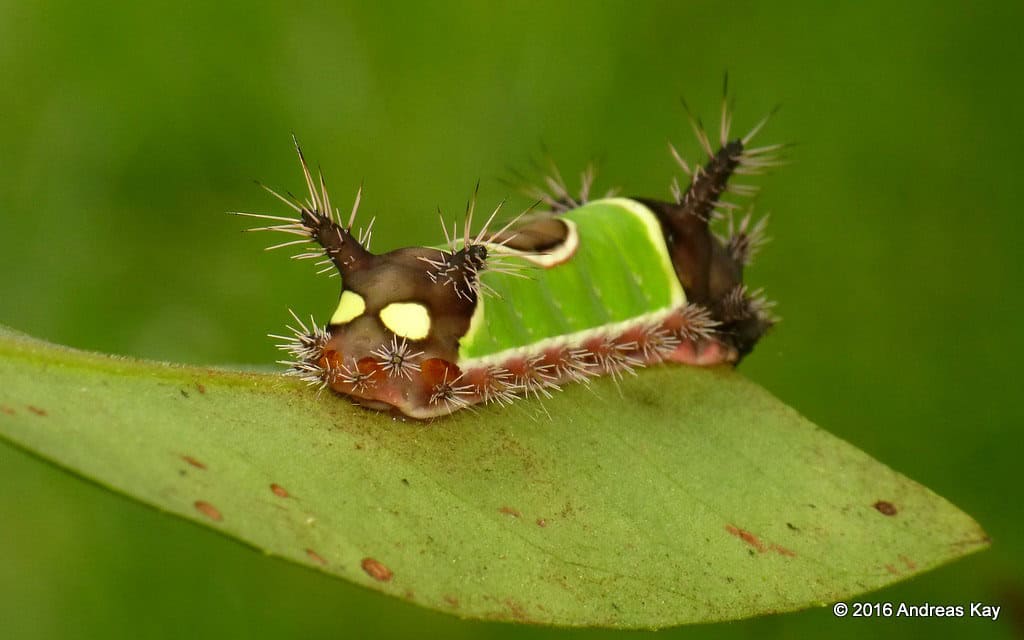
The Saddleback Caterpillar (Acharia stimulea) represents one of the more unusual venomous creatures in the Carolinas. This striking insect larva is unmistakable with its bright green “saddle” on a brown “blanket” on its back, flanked by prominent spiny horns at both ends and rows of smaller spines along its sides. Typically about an inch long, these caterpillars can be found on a variety of plants including apple trees, dogwoods, maple, oak, and many garden plants from July through October.
What makes the Saddleback Caterpillar venomous are the hollow, spine-like setae that cover its body, which contain and can inject venom upon contact. When touched, these spines break off in the skin and release venom that causes an immediate burning sensation, intense irritation, inflammation, and sometimes nausea or other systemic symptoms. While rarely dangerous except to those with severe allergies, encounters can be extremely painful. The pain typically subsides within hours, though inflammation may persist for days. The best prevention is to learn to recognize these caterpillars and wear gloves when gardening. Despite their defensive capabilities, Saddleback Caterpillars play a role in the ecosystem as they eventually transform into rather plain brown moths known as slug moths.
Misunderstood Species #1: Eastern Hognose Snake

The Eastern Hognose Snake (Heterodon platirhinos) is perhaps the most dramatic actor in the reptile world and one of the most frequently misidentified “venomous” snakes in the Carolinas. With a distinctive upturned snout used for digging and a tendency to flatten its neck like a cobra when threatened, this snake often inspires fear despite being harmless to humans. Their coloration varies widely from solid black to yellow, orange, brown, or gray, often with dark blotches, which further contributes to misidentification as dangerous species.
What makes the Hognose particularly memorable is its elaborate defensive display. When threatened, it will hiss loudly, flatten its head and neck, and strike repeatedly—though almost always with a closed mouth. If this doesn’t deter a predator, the snake employs its most famous trick: rolling onto its back, opening its mouth, and playing dead, sometimes even emitting a foul-smelling musk and letting its tongue hang out. While Hognose snakes do possess rear fangs and venom used to subdue their prey (primarily toads), this venom is mild and poses no significant threat to humans. These beneficial snakes deserve appreciation rather than fear for their unique adaptations and their role in controlling toad populations.
Misunderstood Species #2: Northern Water Snake
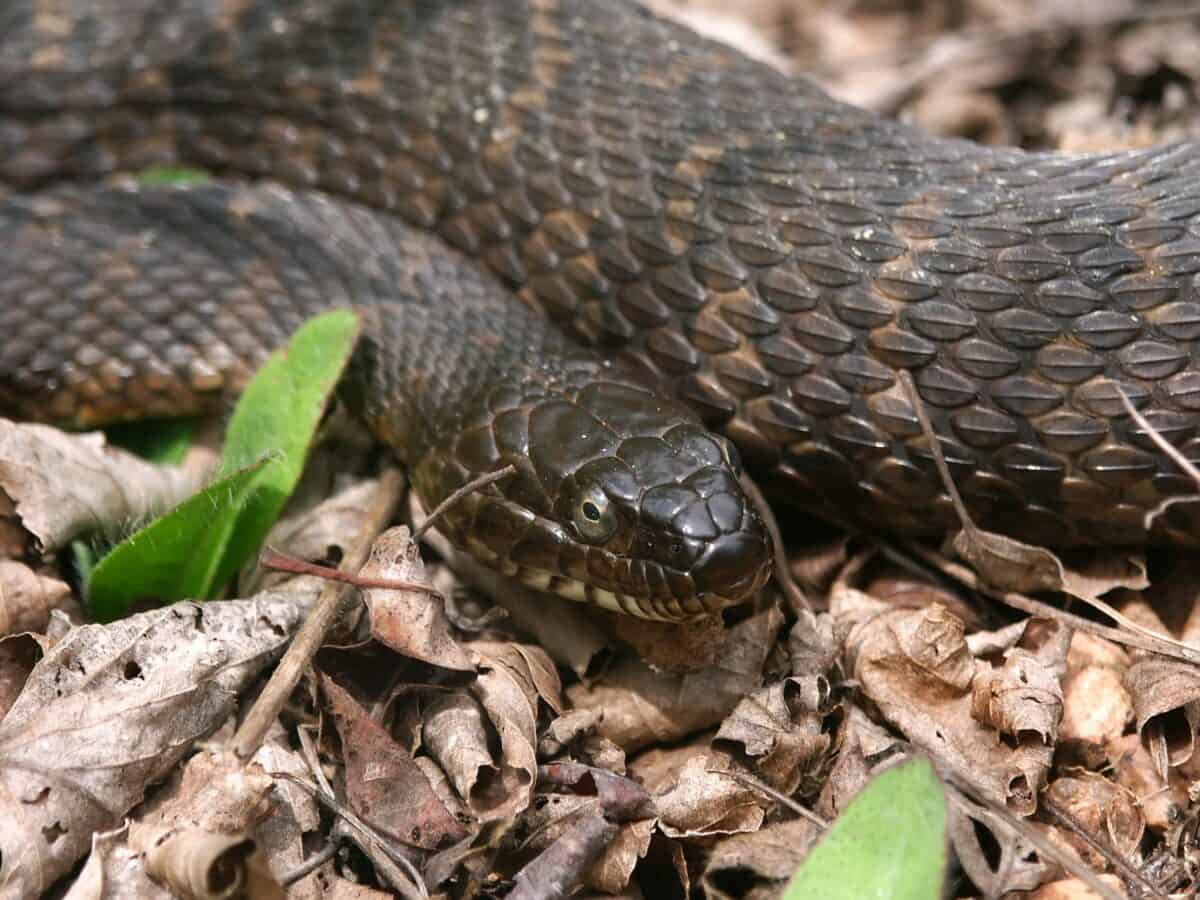
The Northern Water Snake (Nerodia sipedon) is frequently misidentified as the venomous Cottonmouth, leading to unnecessary killings of these beneficial reptiles throughout the Carolinas. These substantial non-venomous snakes can grow up to 4.5 feet long and vary in coloration from brown to gray with darker crossbands or blotches. As they age, their pattern often darkens, making older specimens appear nearly black and further contributing to confusion with Cottonmouths. They inhabit various freshwater environments including lakes, rivers, streams, and wetlands throughout both North and South Carolina.
Several key differences can help distinguish Northern Water Snakes from Cottonmouths. Water snakes have round pupils and lack the heat-sensing pits found on pit vipers. Their heads are more oval-shaped rather than distinctly triangular, and they lack the facial stripe that runs through the eye of a Cottonmouth. Behaviorally, Northern Water Snakes are excellent swimmers but swim with just their head above water, while Cottonmouths swim with much of their body visible on the surface. Though non-venomous, Water Snakes can be defensive when cornered and will bite repeatedly, causing bleeding due to anticoagulant properties in their saliva. These important predators help control populations of fish, amphibians, and rodents, making them valuable components of aquatic ecosystems.

- The Glasswing Butterfly: Nature’s Invisible Beauty - July 21, 2026
- What Happens If a Whale Dies in the Ocean? - July 21, 2026
- Why You Should Stop Feeding Ducks at the Park - July 21, 2026