


Discovering a snake or lizard in your backyard might be an exciting encounter for some and a scary surprise for others. While reptiles are a vital part of our ecosystem, understanding their role and risks is essential for anyone who shares their backyard with them. Here, we delve into 10 venomous reptiles you might encounter near your home, offering insights into their behavior, habitat, and safety precautions.
Cottonmouth (Water Moccasin)

The Cottonmouth, also known as the Water Moccasin, is a semi-aquatic snake often found in southeastern United States wetlands. Known for its aggressive defense, this snake’s venom can cause severe tissue damage. It tends to be found near water bodies, hiding among debris or logs, and should be left alone if spotted.
Eastern Diamondback Rattlesnake

The Eastern Diamondback Rattlesnake is the largest rattlesnake species found predominantly in the southeastern United States. Its potent venom is a mixture of enzymes and proteins that can quickly incapacitate prey. These rattlesnakes use their distinctive rattle as a warning before striking.
Western Diamondback Rattlesnake

Common in the southwestern U.S., the Western Diamondback Rattlesnake is often seen in deserts and shrublands. Recognizable by its diamond-shaped pattern, this species is responsible for many snakebite incidents in the U.S. Yet, it usually avoids humans and strikes when threatened.
Coral Snake

Brightly colored, the Coral Snake is often confused with non-venomous mimic species like the Scarlet Kingsnake. The phrase “Red on yellow, kill a fellow” helps distinguish it as a venomous species. Found in the southeastern U.S., coral snakes prefer moist, wooded environments and are reclusive by nature.
Timber Rattlesnake

Inhabiting the eastern parts of the United States, the Timber Rattlesnake can be found in forests and rocky hillsides. Although bites are rare due to their remote habitat, the Timber Rattlesnake’s venom can still be dangerous. It is known for being docile unless provoked.
Copperhead

The Copperhead is recognized by its distinctive copper-red head and hourglass pattern. Found in eastern and central U.S., these snakes prefer wooded and rocky areas. While their venom is relatively mild, bites can still cause localized pain and should be treated promptly.
Mojave Rattlesnake

Natives of the Southwest Desert, Mojave Rattlesnakes are noted for their potent venom, considered one of the most toxic among rattlesnakes. These snakes are typically found in high desert regions, and like their relatives, they utilize their rattle to ward off threats.
Pygmy Rattlesnake
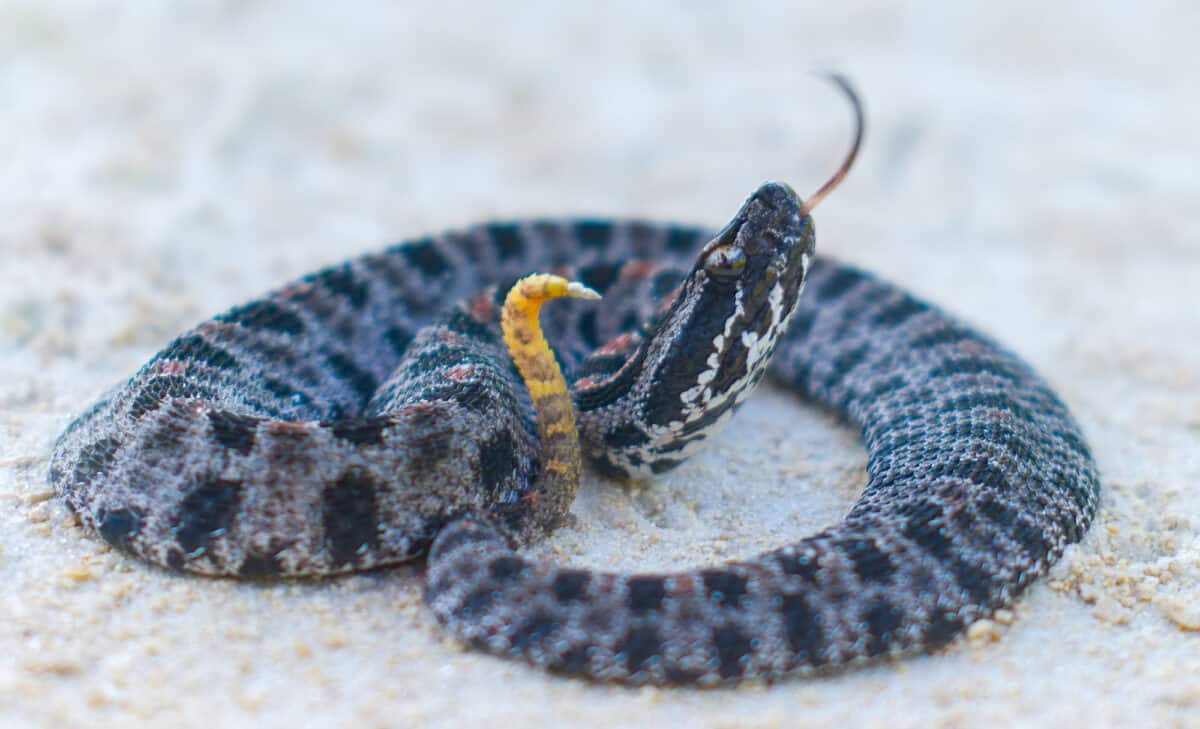
The Pygmy Rattlesnake, though small, can be found in a vast range that includes the southeastern U.S. Its diminutive size makes it less conspicuous, allowing it to reside unnoticed in wooded areas. While its venom is less potent, it’s still advisable to seek medical attention if bitten.
Gila Monster
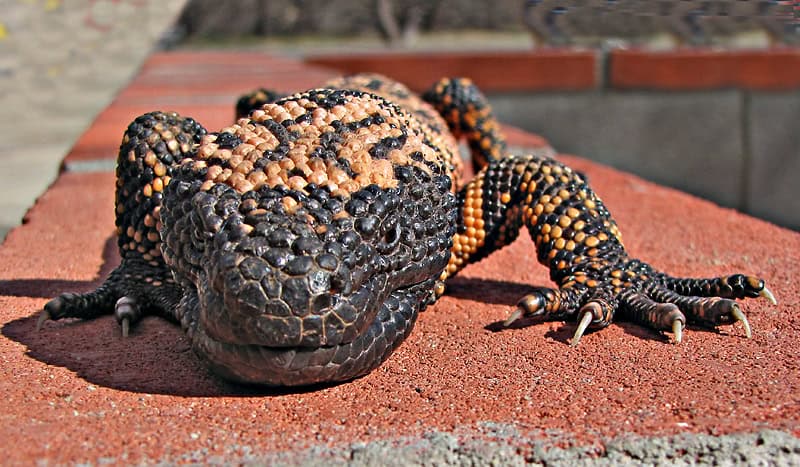
The Gila Monster is one of only a few venomous lizards, residing in the deserts of the southwestern United States. Recognizable by their colorful, bead-like skin, they rarely pose a threat to humans due to their slow-moving nature and prefer to shy away from encounters.
Eastern Coral Snake
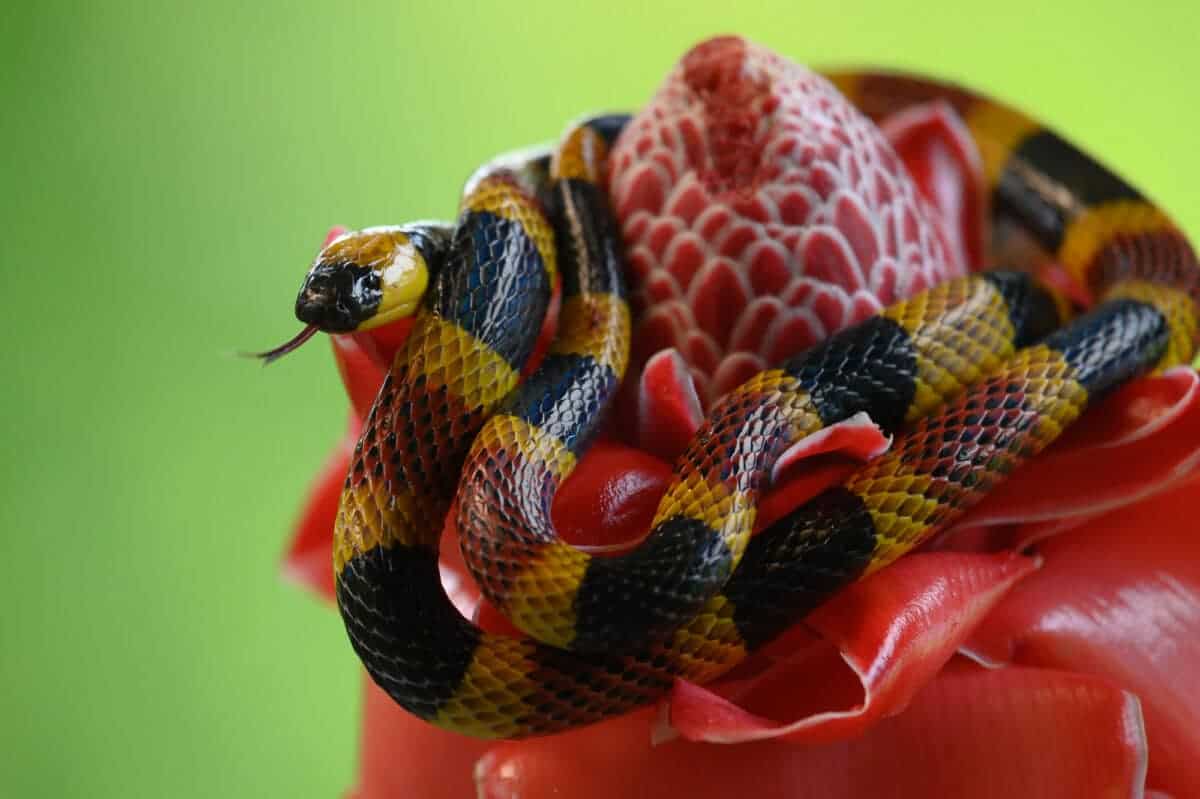
A relative of the Coral Snake, the Eastern Coral Snake is likewise reclusive and harmless unless harassed. Their habitats range from Florida to southeastern Texas, residing in sandy and wooded areas. Their venom is neurotoxic, affecting the nervous system, and prompt medical care is required if bitten.
Behavior and Adaptations

Each of these reptiles has developed unique adaptations that contribute to their survival in the wild. Their behaviors, ranging from warning displays to camouflage, demonstrate their evolutionary strategies to evade predators or successfully capture prey. Understanding these behaviors can help in safely observing these creatures in the wild.
Safety Precautions and Coexistence
Encountering a venomous reptile can be alarming, but by maintaining composure and respecting their space, confrontation can be avoided. Educating yourself and others about identifying these reptiles and knowing how to react during an encounter can enhance safety and foster coexistence.
Conclusion

In conclusion, understanding these venomous reptiles that may inhabit your backyard aids in fostering a harmonious relationship with nature. While these reptiles may pose a potential risk, they also play crucial roles in their ecosystems by controlling rodent populations and serving as both predator and prey within their habitats. Respectful cohabitation involves knowledge, awareness, and preparedness, ensuring both human safety and reptile conservation.

From exploring the marine wonders in the Azores and witnessing the vast savannas of Kenya, to delving deep into the rich biodiversity of South Africa and traversing iconic landscapes in Australia and the US like Yellowstone, Chris's experiences are vast.
With a penchant for diving alongside sharks, the ocean holds a special place in his heart.
Through his academic insights, he champions wildlife conservation, striving with 'Animals Around The Globe' to cultivate a profound connection between humans and animals, enhancing our mutual appreciation.
Connect with him at Feedback@animalsaroundtheglobe.com.
- Why Spiders Don’t Get Stuck in Their Own Webs - July 20, 2026
- What Scientists Found in a 10,000-Year-Old Beehive - July 20, 2026
- This Spider Builds Fake Decoys of Itself - July 20, 2026