

Sudden Changes in Grooming Habits
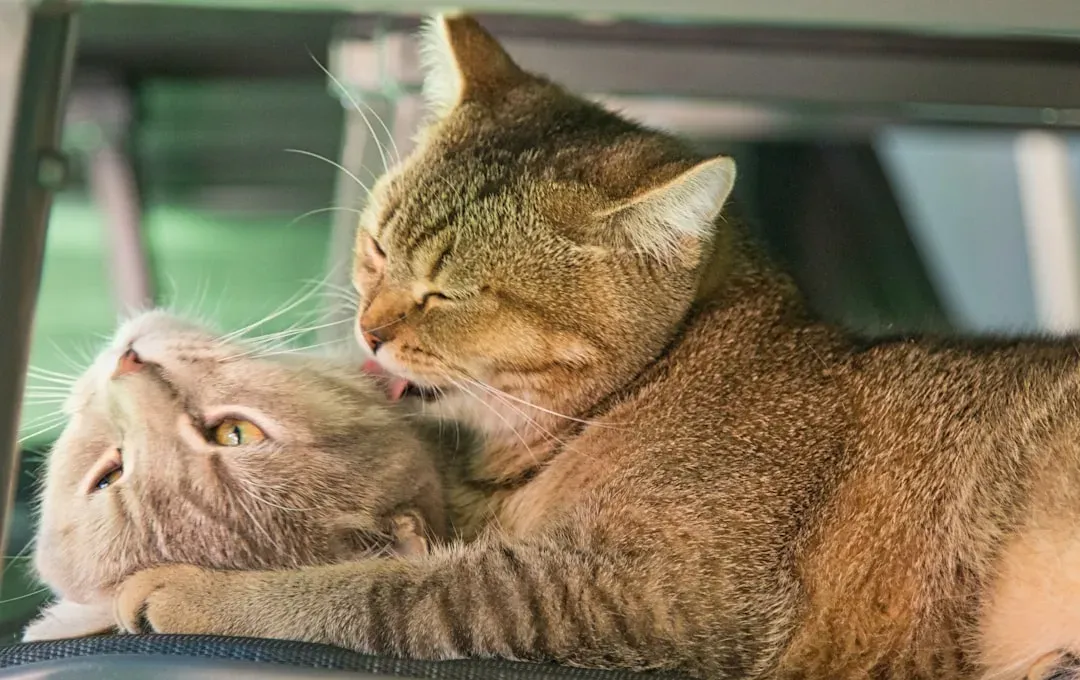
Grooming is one of the most reliable windows into a cat’s wellbeing, and it tends to shift in two distinct directions when pain is present. Most cats with osteoarthritis stop grooming themselves as well as they used to. They develop a messy hair coat and may become matted over their painful body parts. Conversely, some cats that are in pain will over-groom and traumatize the skin of the areas where they are sore, leading to baldness or irritated skin.
The direction of the change matters less than the change itself. Referred pain is a common cause of excessive grooming in a particular location. For example, your cat might overgroom the base of their tail or lower back area excessively if they have kidney problems. Regularly monitoring your cat’s coat condition can provide early indications of discomfort. If their coat suddenly looks different, it’s worth paying close attention.
Avoiding Jumping or Elevated Spots
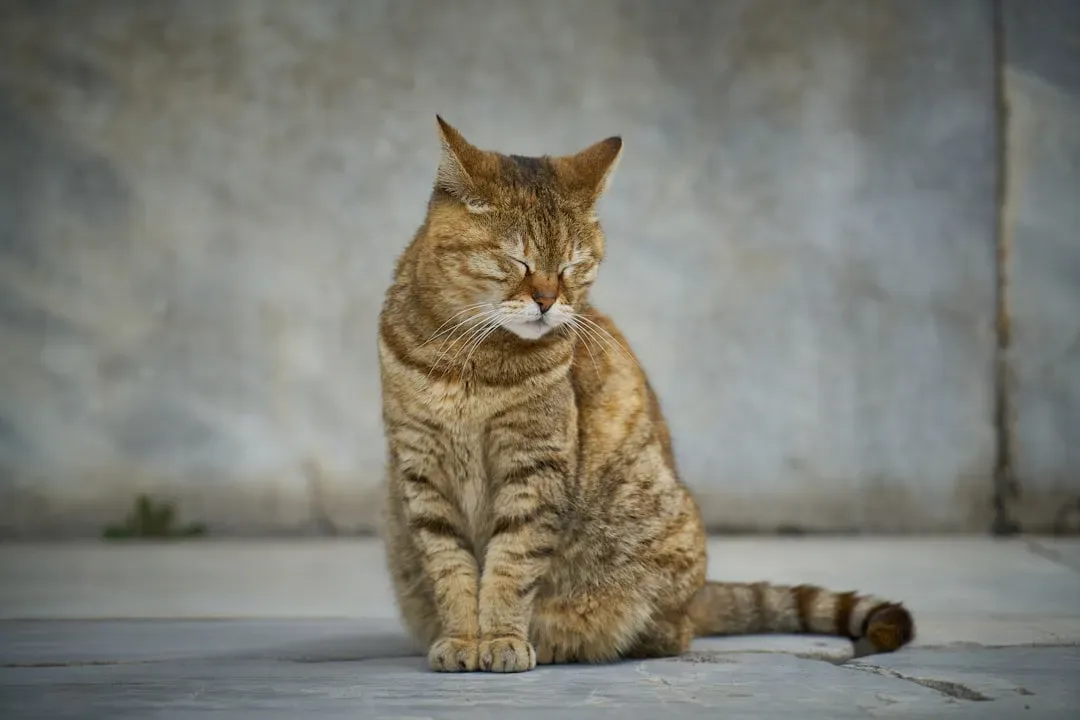
Cats often like to sleep or spend time in elevated locations, such as cat trees, windowsills, and furniture. If jumping vertically becomes painful, they may elect to spend more time in locations that are easier to access. Most owners read this as their cat simply getting lazier or older, but that interpretation misses what’s actually happening beneath the surface.
In some cases, cats may not stop jumping altogether, but they may change the way they jump or access vertical surfaces. Cats who previously jumped several feet in the air or between objects may now make several smaller jumps to cover the same distance or less reliably hit their target. Injuries and joint pain often prevent cats from jumping up onto surfaces and going up and down stairs. If your feline friend is suddenly spending more of their time on the floor when they used to hop up on your bed or sofa, don’t mistake this as a simple sign that your cat is getting older.
Hiding or Withdrawing from the Family
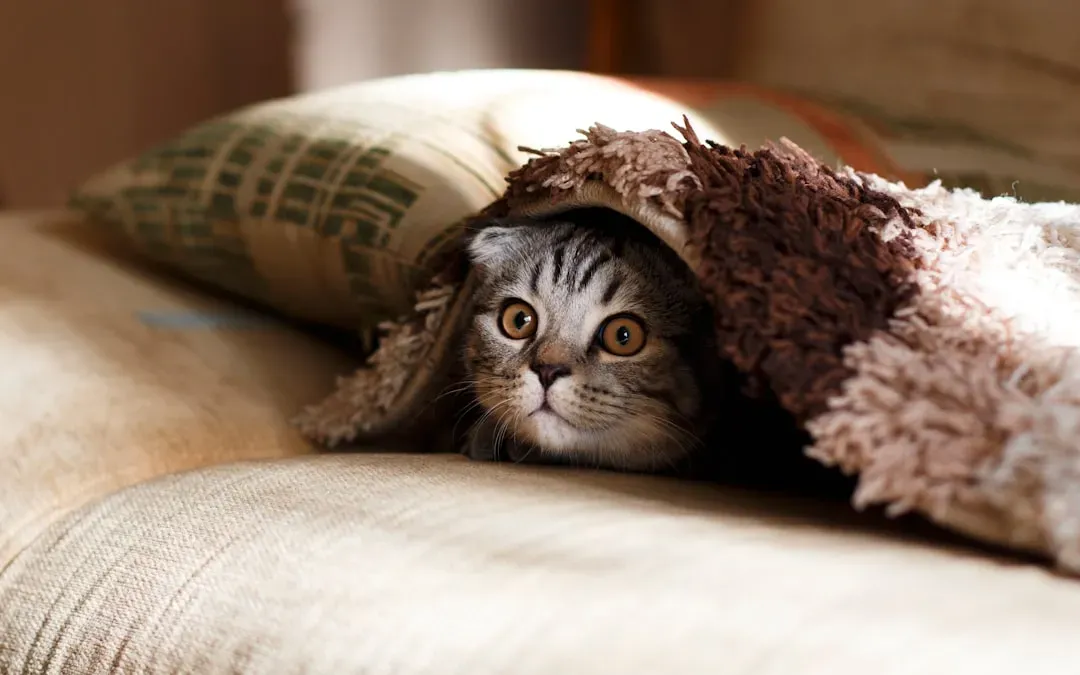
A normally social cat who is suddenly hiding and not partaking in normal daily events might be in pain. It’s not uncommon for cats to isolate themselves to show that they’re not feeling their best, whether it be pain or sickness. This behavior is particularly easy to dismiss, especially in cats that already have independent personalities.
Cats in pain often retreat to quiet, secluded areas and may be more difficult to coax out. This is one of the most common early signs of discomfort. Cats in pain may withdraw from their usual family interactions, may become less engaged in their surroundings, and may start hiding. A cat that used to greet you at the door and now can’t be found under the bed isn’t being dramatic. Something is wrong.
Unexplained Aggression or Irritability
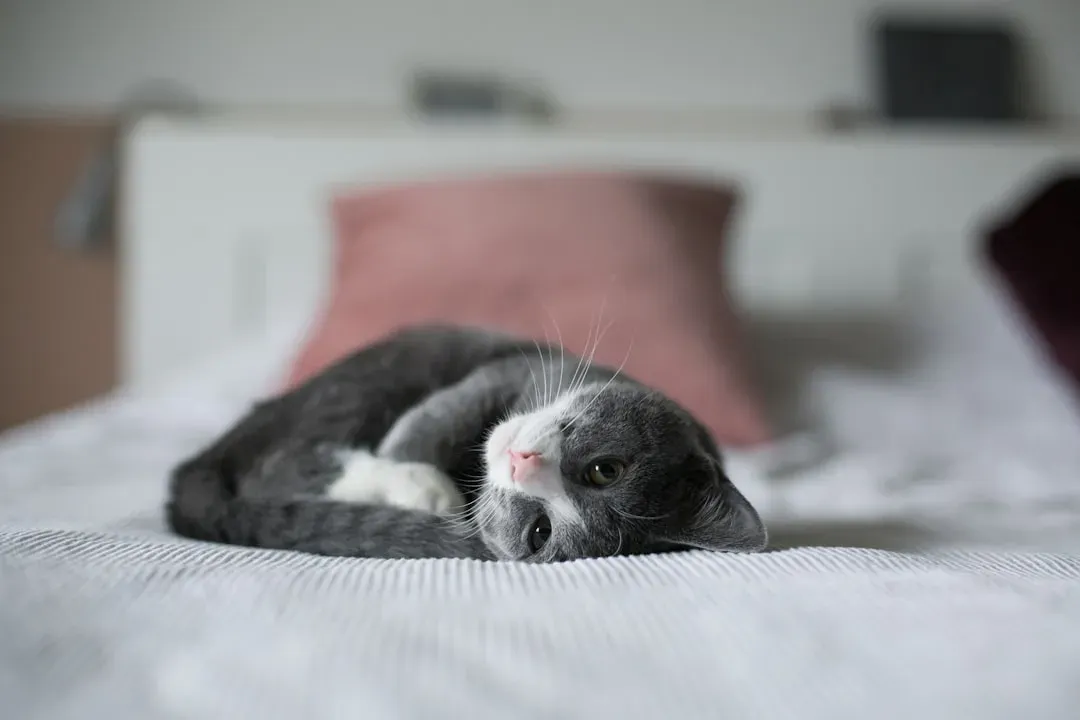
A cat who has been a lovebug for years suddenly deciding they don’t like being petted, showing signs of aggression, or starting to spend more and more time hiding in dark, quiet locations are often-overlooked behavior changes that are common signs of pain from injuries and illnesses. Owners frequently label this as a personality shift or attribute it to stress, never considering that a physical source might be driving it.
Pain often makes cats lash out, especially when touched. If your cat suddenly becomes defensive, hissing, spitting, or swatting when touched, they may be in pain. Tail flicking, avoiding handling, or flinching at contact can be further clues. Many owners attribute these changes to the cat “just getting old” or being “grumpy,” when in reality, each of these behaviors could be signs of pain.
Purring That Isn’t About Contentment
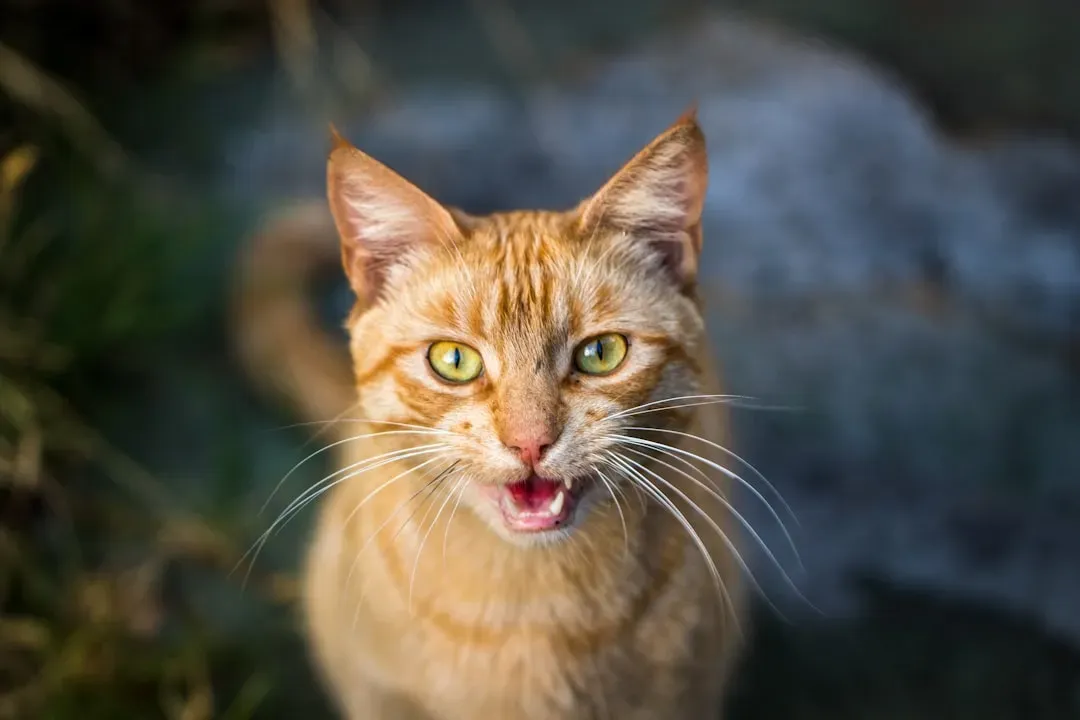
This is the one that catches most owners completely off guard. Purring feels reassuring. It feels like everything is fine. Most of us know that a hissing or growling cat is an unhappy cat, but meows and purrs can actually be signs of a cat in pain. Purring is usually thought of as a sign of contentment, but some cats purr when they are frightened or hurting.
Increased vocalization, such as excessive meowing, yowling, or even purring, which can be a self-soothing mechanism, may indicate distress. Some cats may become unusually quiet, which can be just as concerning as increased vocalization. Whether your cat has ramped up the noise or gone strangely silent, either extreme is a signal worth noting, not ignoring.
Litter Box Avoidance or Changes in Bathroom Habits
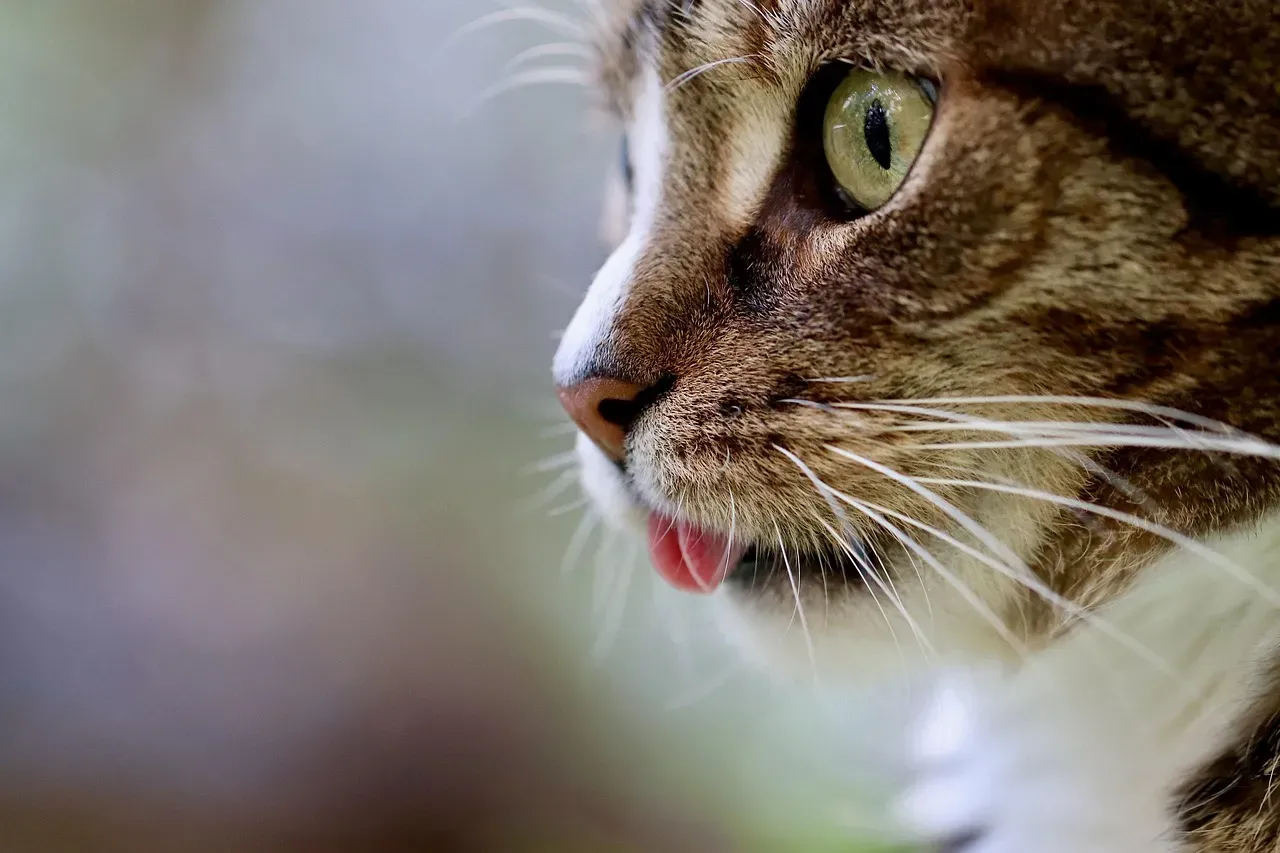
Painful urination or defecation, caused by issues like urinary tract infections or constipation, may cause your cat to avoid the litter box altogether. Accidents outside the box, straining, or vocalizing during bathroom trips are signs to take seriously. Many owners assume the cat is simply being difficult or reacting to a dirty box, when the reality is far more medically urgent.
Cats that suddenly have accidents in the house after years of using the litter box may be in too much pain to get in and out of a box with high sides. Male cats in particular are prone to life-threatening urinary blockages. Early signs include frequent visits to the litter box, licking the genital area, crying while urinating, or producing only small drops of urine. Never chalk litter box changes up to bad behavior without first ruling out a physical cause.
Subtle Shifts in Eating Habits
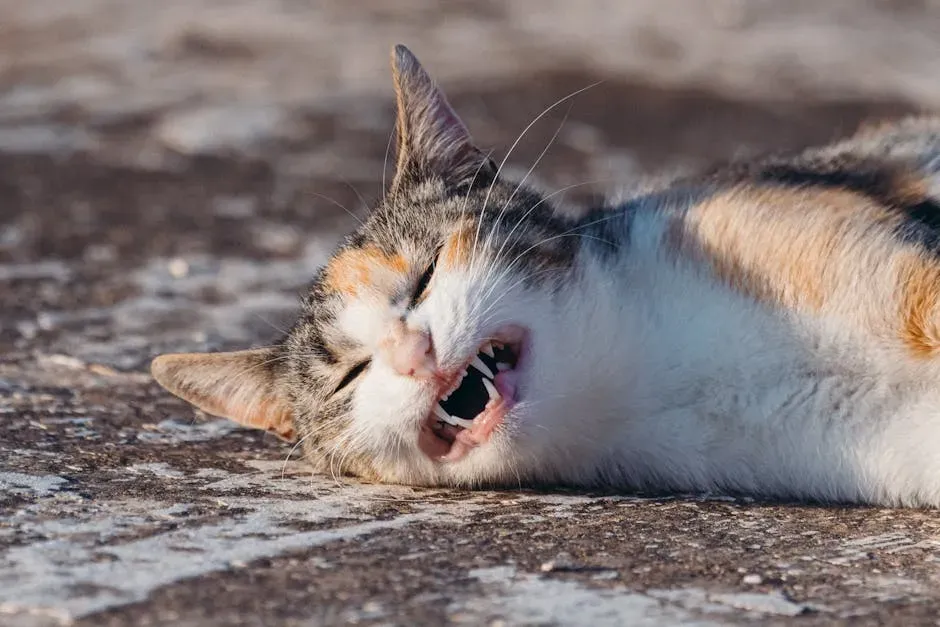
Cats with severe dental disease or gum inflammation often continue to eat despite oral pain. They might start scooping food out of the dish before they eat. That tiny behavioral quirk, easily dismissed as a cute habit, can actually be your cat’s way of avoiding the sharp contact of teeth on food when their mouth is hurting.
Cats in pain may stop eating, especially if it hurts to chew, and dental disease is a common culprit. A decrease or increase in water consumption may also suggest an underlying medical condition. A cat whose appetite suddenly drops may be feeling too much pain to eat, or they may be experiencing nausea from a disease. Food and water intake tell a surprisingly clear story if you’re paying attention to the details.
Changes in Facial Expression and Body Posture
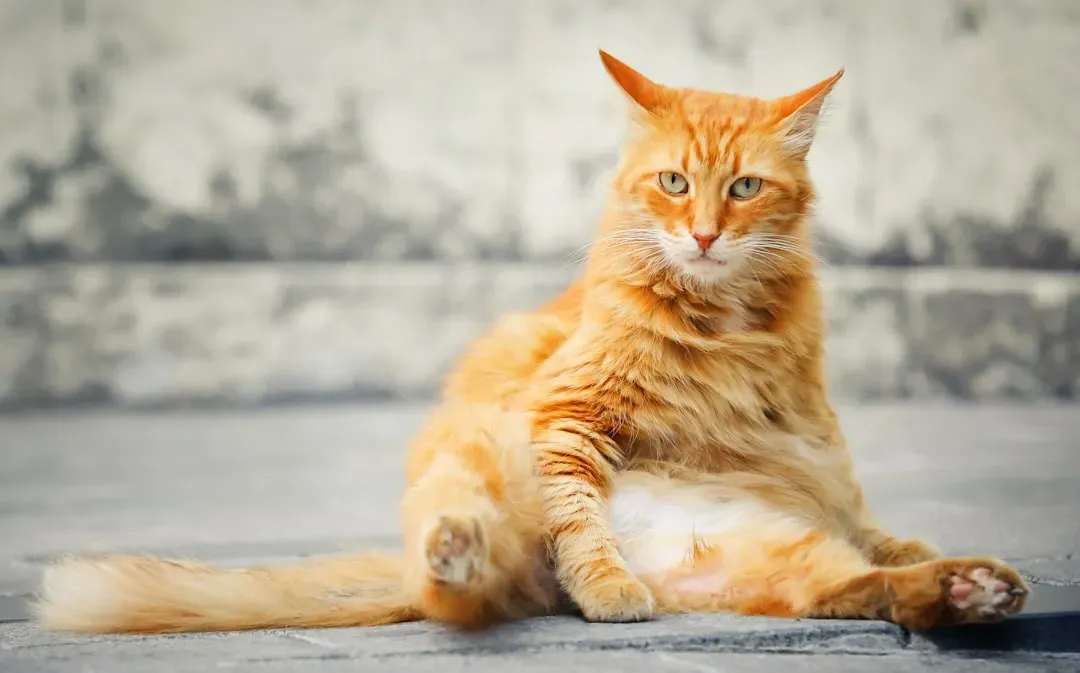
Altered posture or facial expressions, including a hunched posture, arched back, tucked legs, squinting eyes, flattened ears, or tension around the cheeks, nose, or mouth, are all indicators worth watching closely. A commonly used tool for helping owners recognize acute feline pain is called the “feline grimace scale,” which helps owners create a pain score based on changes in five features of their cat’s face.
Cats communicate through body language more than sound. Stay vigilant for squinted or half-closed eyes, flattened ears, or tucked paws. Other potential signs of pain are body tension and holding their tail low. A cat with abdominal pain may have a hunched back, tucking in their abdomen in a protective posture. You may also notice a cat being protective of a certain area of their body, not wanting to be touched, or limping or hesitating to put weight on a sore limb. The body, it turns out, speaks volumes when the voice stays quiet.
What to Do When You Notice These Signs
The honest truth is that cats are exceptionally good at suffering privately, and the burden of detection falls entirely on the people who love them. Many potentially serious conditions, including urinary blockages, dental infections, arthritis, and internal injuries, can progress dangerously if not identified early. By the time a cat shows obvious symptoms like crying or limping, the underlying condition may already be advanced.
One of the best things cat owners can do to improve the outcome of their veterinary visit is to bring short videos and photos of what their cat is doing at home. Never attempt to give human pain medications, as many can be highly toxic to cats. The sooner pain is recognized and managed, the better you will maintain your cat’s quality of life and their enjoyment of daily living activities.
Cats don’t ask for help. They’ve been wired for centuries not to. That’s precisely why paying attention to the quiet, inconvenient, easy-to-dismiss changes in their behavior matters so much. The cat sitting a little lower than usual, grooming a patch of fur a little too often, or skipping the windowsill they’ve claimed for years isn’t being lazy or moody. They’re telling you something. Whether you catch it in time depends entirely on whether you’re willing to look closely enough.
