
1. The Antikythera Mechanism
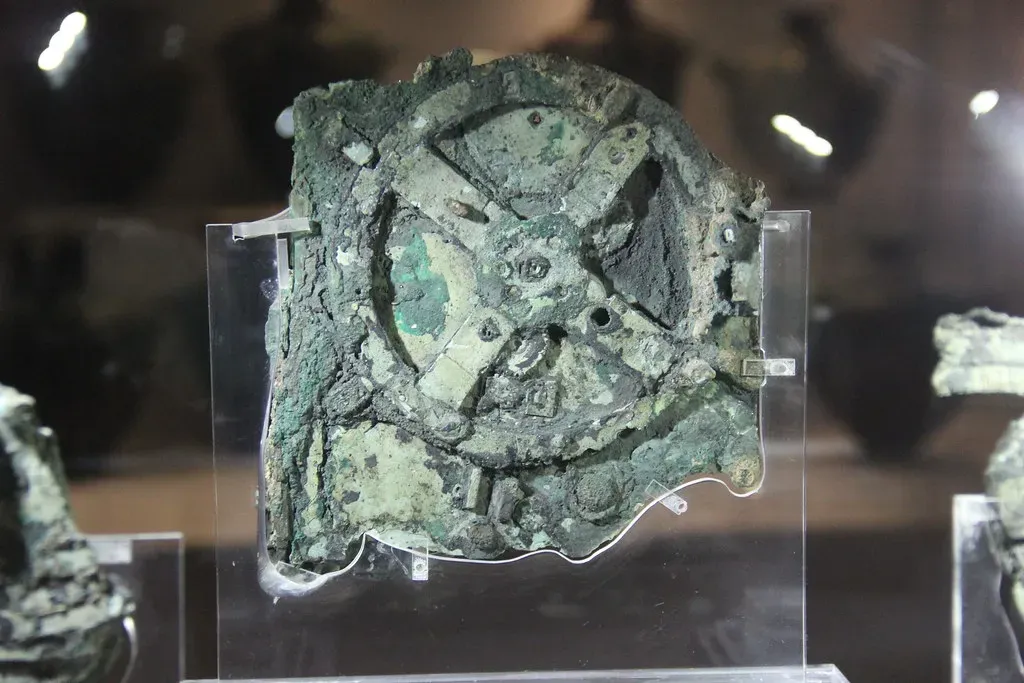
When sponge divers pulled a corroded lump of bronze from a Roman shipwreck off the Greek island of Antikythera in 1901, nobody knew what they had. Among marble statues, amphorae, and jewelry lay an unremarkable lump of corroded bronze and wood, broken into fragments. For decades, it sat quietly in the archives of the National Archaeological Museum in Athens. There was nothing to suggest it was anything more than debris, until 1902, when archaeologist Valerios Stais noticed something strange: a gear.
He initially believed it was an astronomical clock, but most scholars considered the device to be prochronistic, too complex to have been constructed during the same period as the other pieces that had been discovered. This was a startling discovery, for epicyclic gears would not appear again in the West for another 1,500 years. The mechanism was eventually confirmed as genuine, now widely regarded as the most complex piece of machinery ever discovered from antiquity.
2. The Altamira Cave Paintings
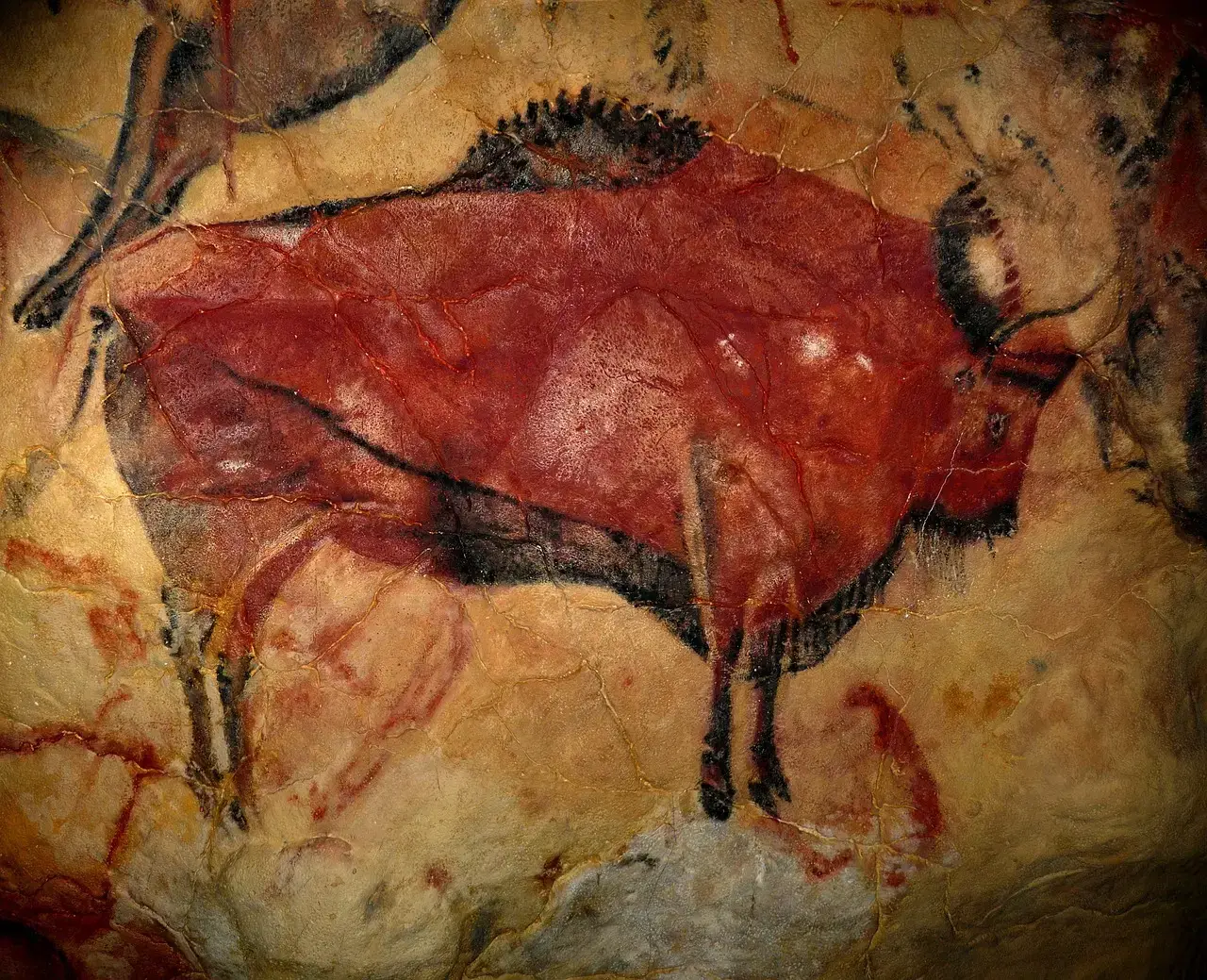
The scientific community initially dismissed the paintings as forgeries, unable to accept that “primitive” humans could create such sophisticated art. The Altamira cave paintings in northern Spain were discovered in the 1870s, and when they were brought to the attention of the academic world, the response was not wonder. It was rejection.
These Paleolithic masterpieces challenged 19th-century beliefs about prehistoric humans’ cognitive abilities and artistic talents. When finally authenticated, Altamira forced a complete rethinking of our ancestors’ symbolic and creative capabilities. It took many years and the discovery of similar paintings elsewhere before the scientific community fully accepted that Ice Age humans were capable of such breathtaking artistry.
3. The Phaistos Disc
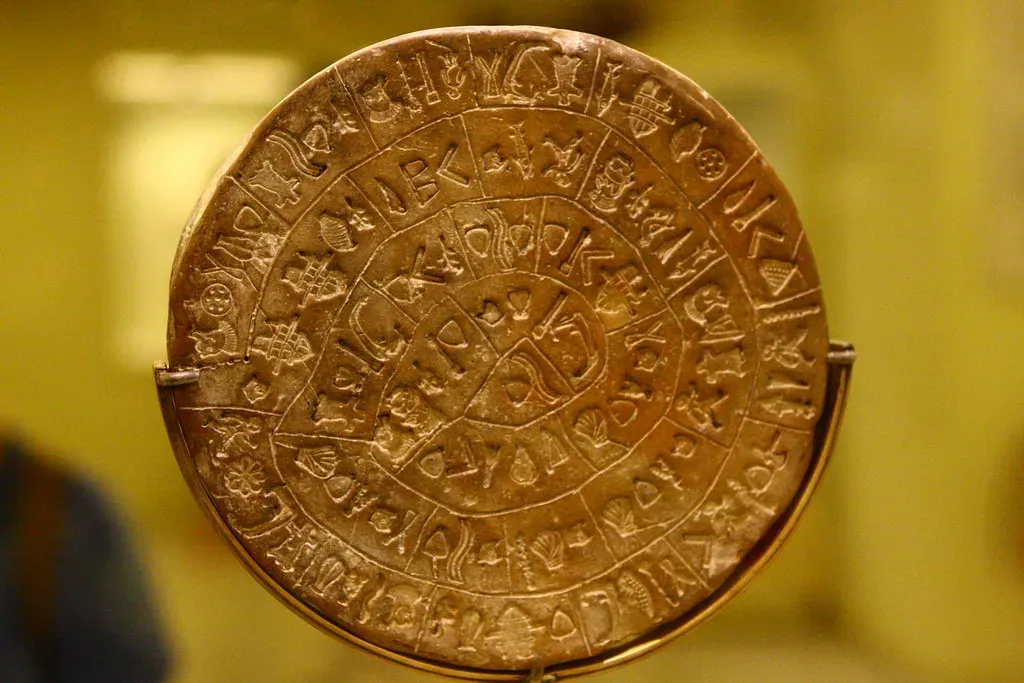
Discovered in 1908 in the ruins of the Minoan palace of Phaistos on the Greek island of Crete, the Phaistos Disc is a small fired clay plate that features a spiral of stamped symbols. Dating to the middle or late Minoan Bronze Age around 1700 BC, it contains 241 tokens comprising 45 distinct signs. These symbols were pressed into soft clay using pre-formed seals before baking, making it arguably the earliest known example of movable type printing in human history.
Not a single example of the stamped or printed method of writing of the Phaistos Disc has been found in the numerous excavations carried out on Crete over the past 100 years or so. This complete lack of comparative material has suggested to some that the disc is a forgery. Some prominent linguists have controversially suggested the disc is a clever modern forgery, but extensive thermoluminescence dating has confirmed its ancient Bronze Age origins. Its symbols remain undeciphered, and the debate has never fully quieted.
4. The Nebra Sky Disk
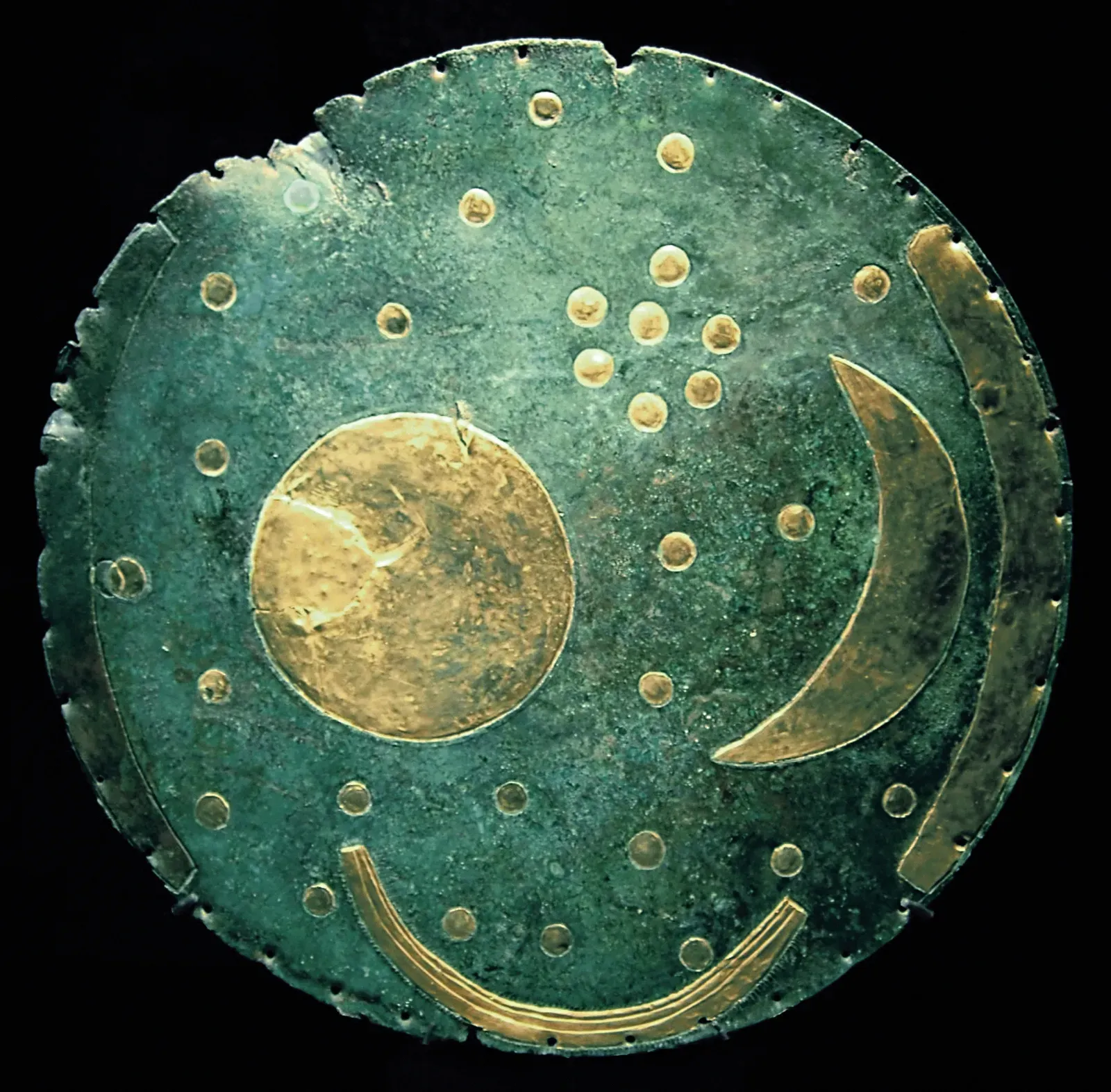
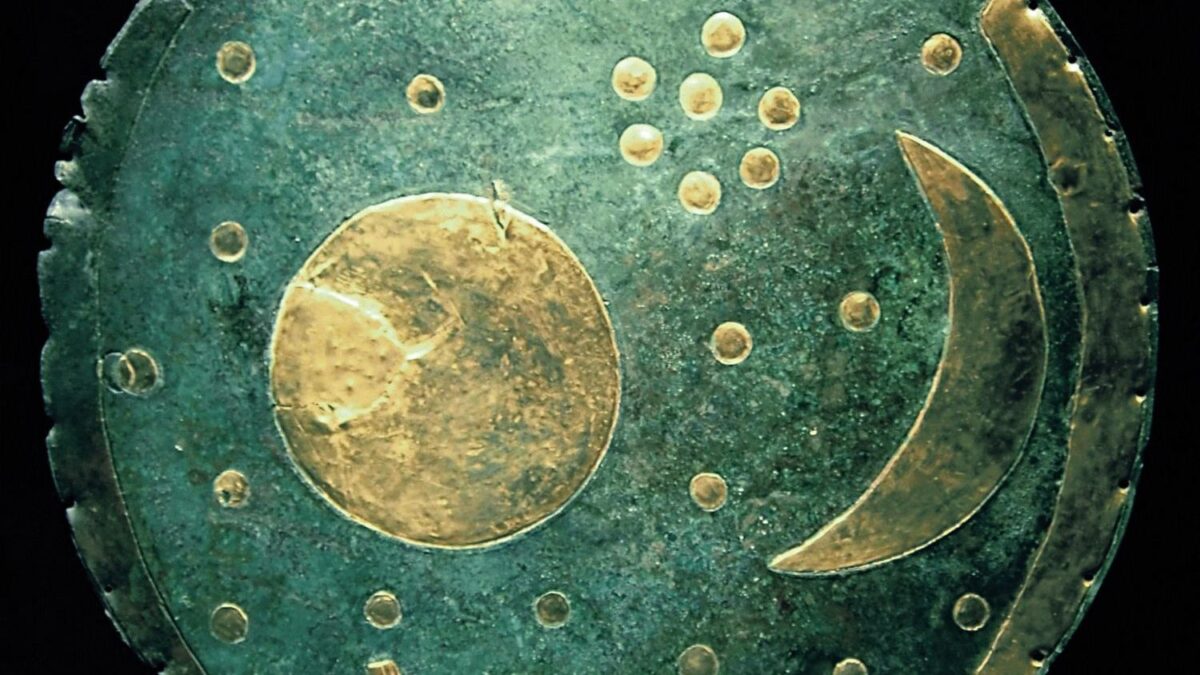
Unearthed by illegal treasure hunters in Germany in 1999, the Nebra Sky Disk is a stunning bronze plate featuring gold inlays that depict the sun, a crescent moon, and stars, including a cluster interpreted as the Pleiades. Dated to around 1600 BC, it is widely considered the oldest known concrete depiction of the cosmos worldwide. Its extraordinary condition and the circumstances of its discovery on the black market immediately raised red flags.
Because the disk was acquired illegally and sold through back channels before authorities could study its find site, researchers had no context for it. As is the case with art forgery, scholars and experts don’t always agree on the authenticity of particular finds. The Nebra disk faced serious skepticism from the moment it surfaced. Extensive scientific testing and the eventual location of the original burial site ultimately confirmed it as one of the most astonishing Bronze Age objects ever found.
5. The Shroud of Turin
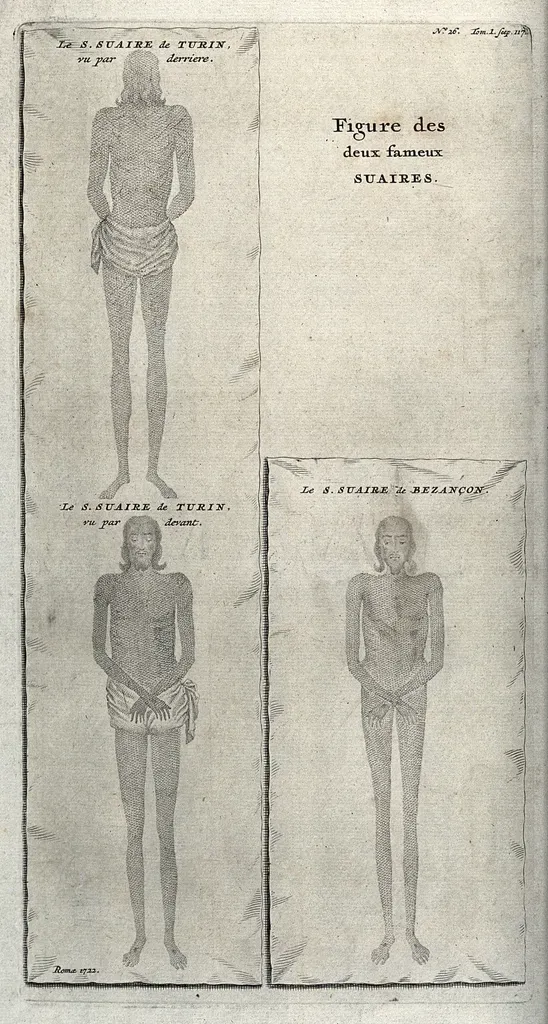
The Shroud of Turin appears to be the burial cloth of a crucified man. It is made of woven linen, approximately 14.5 feet long and 3.7 feet wide, and bears a faint, negative image of the front and back of a man who has wounds consistent with crucifixion. It has attracted intense scientific scrutiny for decades, and the question of whether it is genuine or a masterful medieval creation has never been fully resolved.
In 1988, an international team of researchers performed carbon dating on a small fragment of the shroud, concluding that the fabric originated between 1260 and 1390 AD. This finding led many to dismiss the shroud as a medieval forgery. Nevertheless, some experts have continued to challenge this conclusion, arguing that the linen could be genuine. In 2017, another team from the Institute of Crystallography found evidence of blood from a torture victim on the shroud, identifying substances like creatinine and ferritin, which are typically present in victims of severe trauma. These findings contradict the theory that the image was painted by medieval forgers.
6. The Baghdad Battery
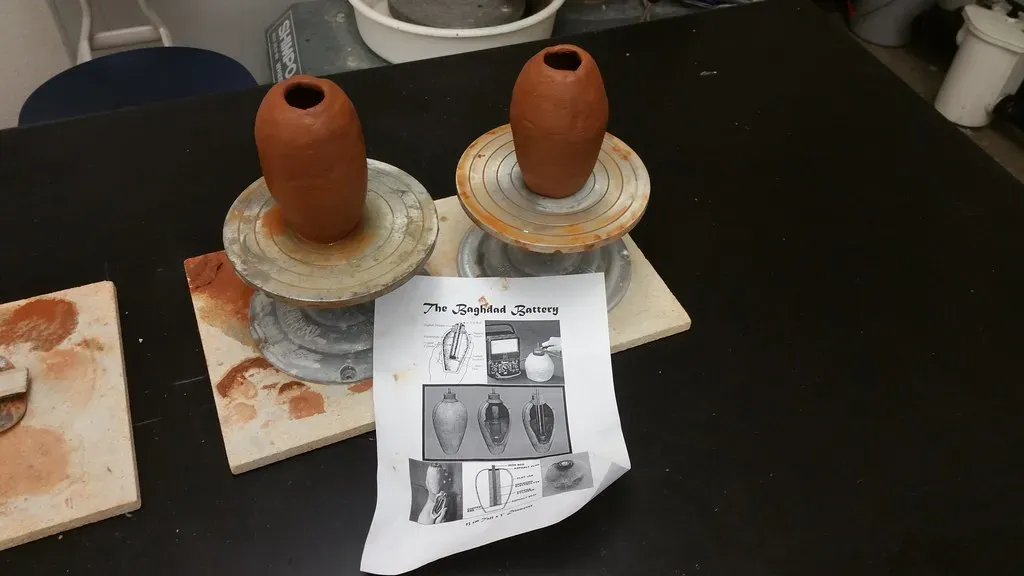
Since its discovery near Baghdad in the 1930s, the so-called Baghdad Battery has intrigued historians and archaeologists alike. The object consists of a ceramic vessel, a copper tube, and an iron rod that, when assembled, could theoretically generate a small electrical current. When researchers first proposed that it might represent an ancient understanding of electricity, many colleagues assumed they were looking at a modern fabrication.
The Baghdad Battery is a ceramic vase, a copper tube, and an iron rod made in Parthian or Sassanid Persia, discovered in 1936. Its construction resembles a galvanic cell, hinting at possible electrical use. No clear records explain its purpose, leaving room for interpretation. Some argue it stored scrolls or sacred texts, not electrical energy. Its authenticity as an ancient object is not seriously disputed today, though its function remains genuinely uncertain.
7. The Getty Kouros
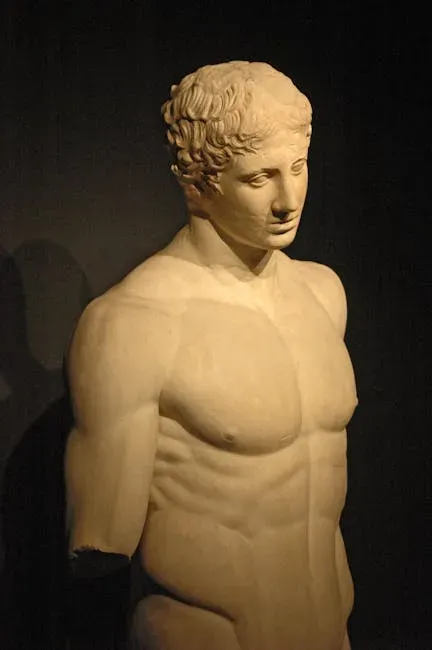
The Getty Museum acquired a statue believed to be an ancient Greek kouros. While scientific tests suggested authenticity, stylistic doubts raised concerns. The statue’s authenticity remains disputed, making it one of the most debated cases in archaeological history. When the Getty first presented it to the world in the mid-1980s, it was celebrated as a rare and complete example of Archaic Greek sculpture.
The problem was that several leading art historians, upon seeing the statue in person, reported an immediate and uncomfortable feeling that something was off. Some forgers can be very skillful, and there are often disagreements about the authenticity of an item even among experts. The Getty Kouros sits in a strange limbo to this day, labeled by the museum itself with the caveat that its origins are unresolved, a rare institutional admission that the question has no clean answer.
8. The Voynich Manuscript
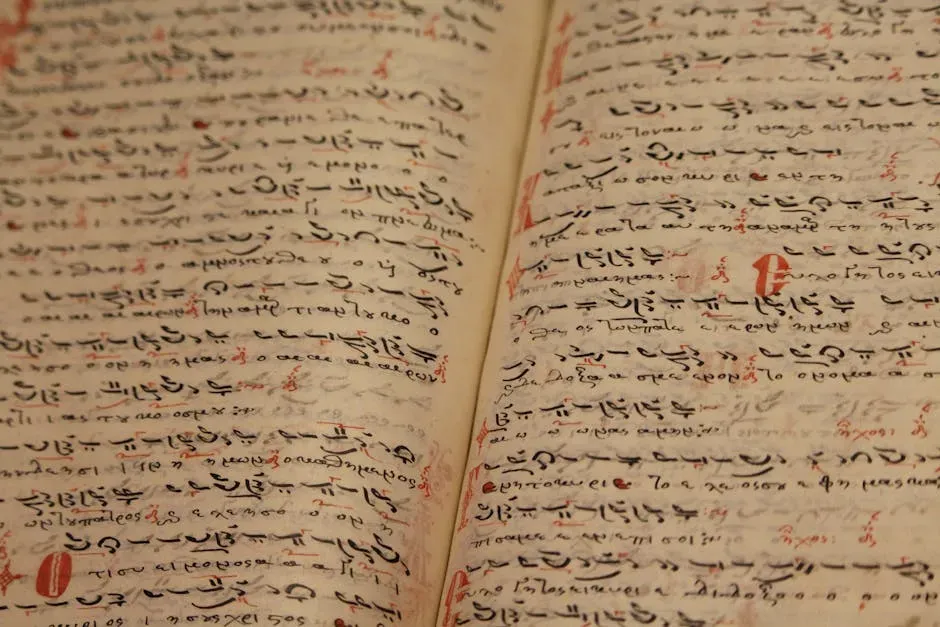
Named after the bookseller Wilfrid Voynich, who acquired it in 1912, this illustrated codex written in an entirely unknown script has baffled researchers for over a century. From the start, many scholars argued it was simply an elaborate hoax, a meaningless collection of invented symbols designed to look like a language without actually being one.
Scholars and experts don’t always agree on the authenticity of particular finds. Carbon dating conducted in 2009 placed the vellum used in the manuscript’s creation at somewhere between the early 1400s and the mid-1400s, which effectively ruled out the theory that Voynich himself had faked it. High-quality forgeries may still end up in institutions that do not have the time or resources to verify the authenticity of all items, and it can take many years for objects to be carefully analyzed. The manuscript’s text has still never been decoded.
9. The Vinland Map
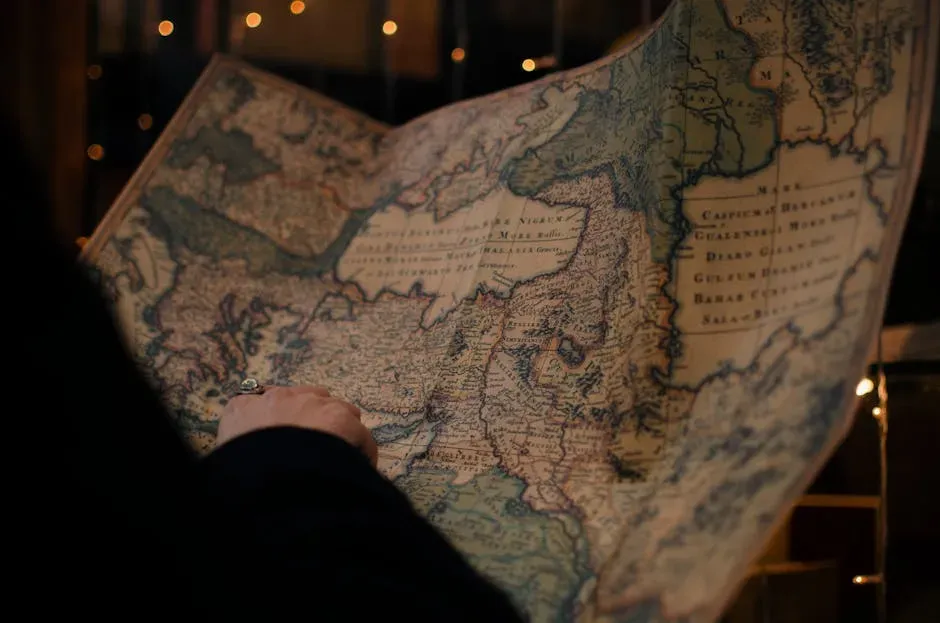
The Vinland Map hints at Norse transatlantic travel before Columbus, though its authenticity sparks debate. The map first surfaced in 1965 and was presented as a 15th-century cartographic document showing a landmass in the western Atlantic, which scholars identified as North America. If genuine, it would have been the oldest known map of the New World, predating Columbus by decades.
The map, in almost perfect condition, was believed to document Viking exploration routes, and was later identified by scholars as a modern forgery. Ink analysis conducted in the 1970s found traces of a synthetic compound that only became available in the 20th century, effectively ending its case for authenticity. Yet despite this, debate has continued in some corners of academia, with occasional studies reopening the question only to close it again.
10. The Dead Sea Scrolls Fragments at the Museum of the Bible
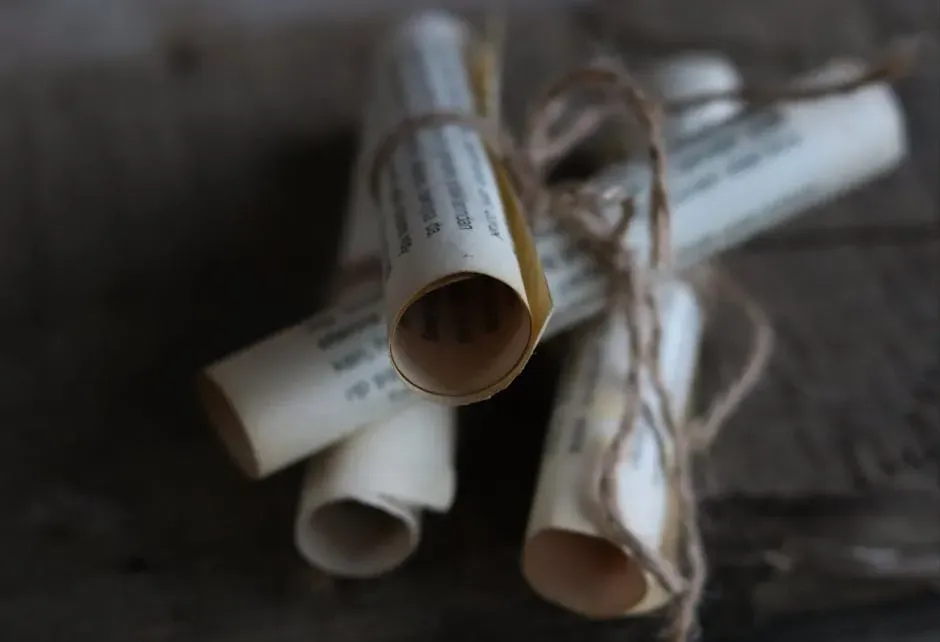
The original Dead Sea Scrolls, which make up the earliest surviving pieces of the Old Testament, were found between 1947 and 1956 in the Qumran caves of the Judean Desert. When a new batch of fragments emerged on the market after 2002, they were treated with enormous excitement by collectors and institutions. The Museum of the Bible, funded by Steve Green, the billionaire president of Hobby Lobby, opened in 2017 with the scroll fragments as its centerpiece.
A 200-page report by a five-person team judged the artifacts to be 20th-century forgeries meant to mimic the famed Dead Sea Scrolls first discovered in 1946 in Israel’s Qumran caves. Genuine Dead Sea Scrolls are made from tanned or lightly tanned parchment; the museum’s pieces were written on leather, possibly sourced from ancient shoes or sandals. Most damningly, careful microscopic analysis showed that the fragments’ scripture was painted onto already ancient leather. This case remains one of the most high-profile forgery revelations in recent archaeological memory.
11. The Saqqara Bird
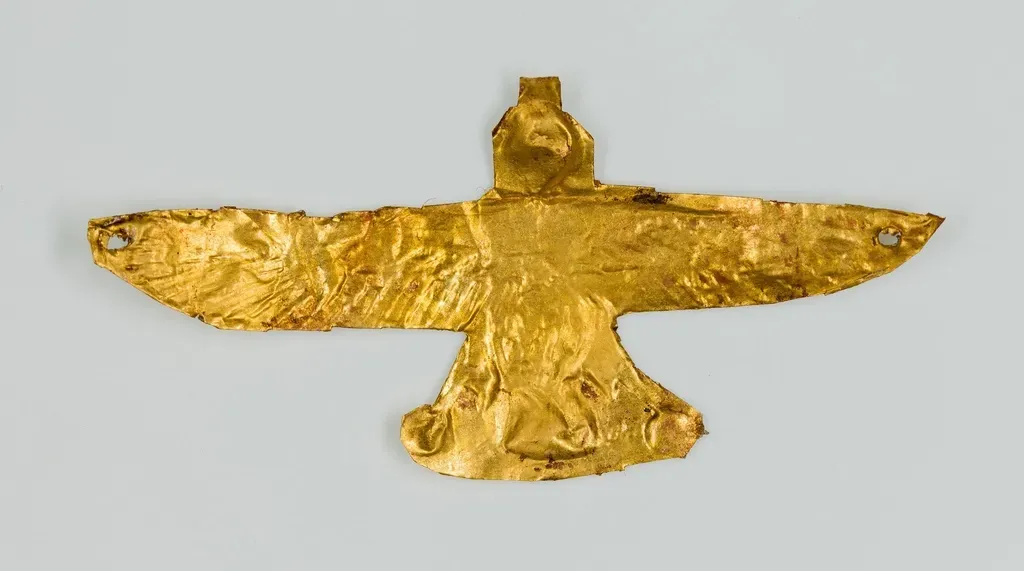
The Saqqara Bird supposedly depicts a glider, but was made in Ancient Egypt. Found in 1898 in a tomb dating to around 200 BC, it is a small wooden carving shaped like a bird with straight, horizontal wings. For decades it sat in a Cairo museum storage room labeled simply as a wooden bird. It wasn’t until 1972 that a researcher noticed its wings were not the curved wings typical of bird carvings but something closer to an aerodynamic wing profile.
Once that claim entered the public conversation, the object attracted both breathless enthusiasm and serious skepticism. Some researchers argued the aerodynamic resemblance was coincidental, that ancient Egyptians simply carved stylized birds. As is the case with art forgery, scholars and experts don’t always agree on the authenticity of particular finds, and the Saqqara Bird sits in that frustrating middle space where neither full debunking nor full vindication has arrived. Its authenticity as an ancient object is not questioned; its meaning very much is.
12. The Piri Reis Map
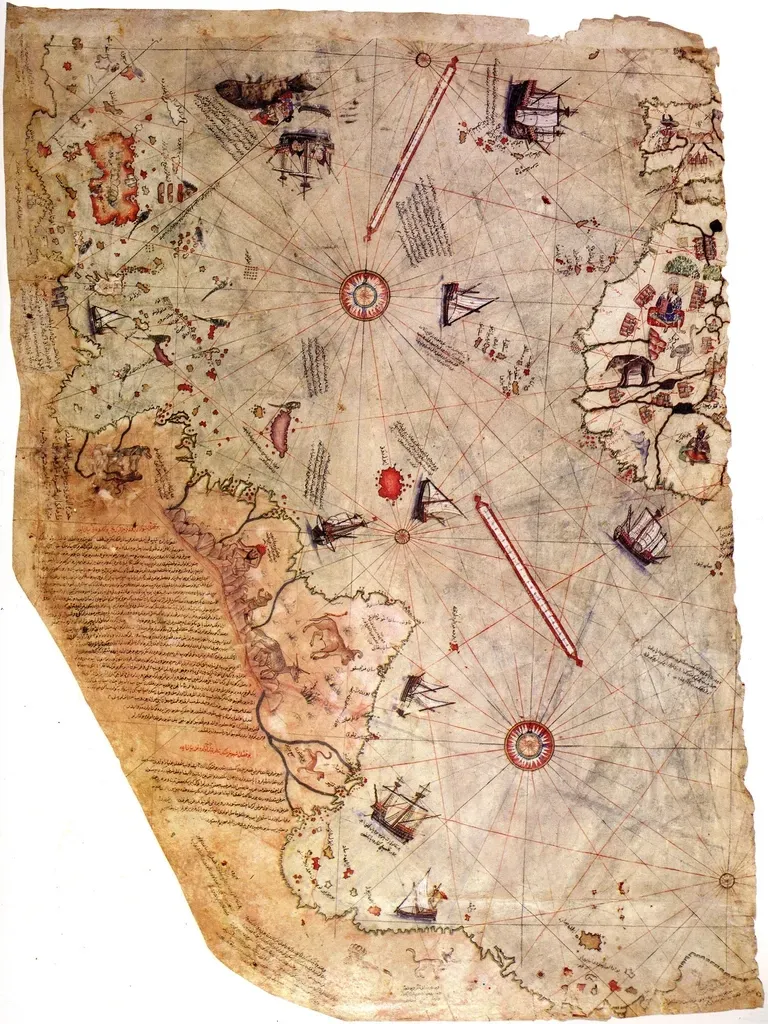
Drawn in 1513 by Ottoman admiral Piri Reis, this map was discovered in 1929 during renovations at the Topkapi Palace in Istanbul. Its depiction of the coastlines of South America and what some argued was Antarctica sparked immediate controversy. Many historians assumed it was a later fabrication inserted into the historical record, precisely because its geographical accuracy seemed implausible for its time.
The map’s documented provenance, however, is solid. It is signed by Piri Reis himself and references sources he used, including maps from Christopher Columbus. Authentic antiquities do not appear randomly or anonymously; reputable artifacts almost always come from established, traceable channels, often with documentation spanning decades. The Piri Reis map fits that standard. The debate today centers on interpretation rather than authenticity, with scholars arguing about what the southern landmass actually represents rather than whether the map is real.
13. The Quimbaya Artifacts
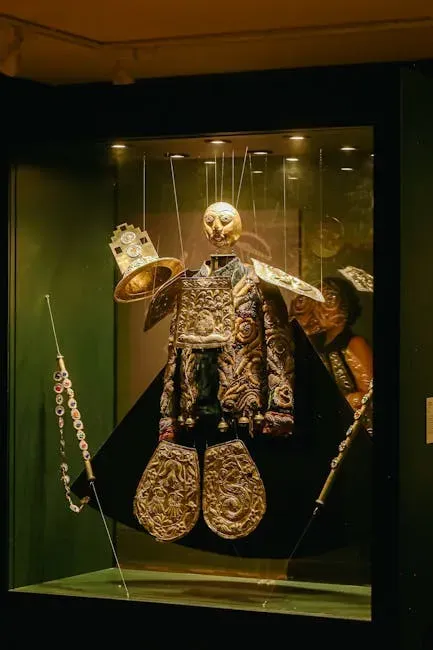
Golden objects found in Colombia and made by the Quimbaya civilization have been alleged to represent modern airplanes. In the Gold Museum in Bogotá, they are described as figures of birds and insects. When researchers first proposed in the 20th century that these small gold figurines resembled aircraft, the inevitable follow-up question was whether they could possibly be genuine pre-Columbian objects or later additions to the archaeological record.
Scientific analysis has confirmed that the Quimbaya artifacts are indeed genuine pre-Columbian objects, crafted between roughly 500 and 800 AD. Some pieces may be obviously forged by creators with a lack of knowledge about the society of origin, but some forgers can be very skillful. The figurines passed every test of authenticity, which shifted the debate away from forgery and toward the far more philosophically charged question of what ancient Colombian artisans were actually depicting. The answer, most scholars agree, is simply stylized birds and fish, however unusual their silhouettes may appear.
A Pattern Worth Recognizing
What ties these thirteen objects together is not mystery for its own sake, but something more revealing about the limits of expertise. Art forgery has a long and surprisingly sophisticated history, with some of the most convincing fakes deceiving collectors, historians, and even major institutions. In many cases, these works weren’t exposed for years, and sometimes decades, after being accepted as genuine. Advances in science and provenance research have helped uncover the truth, but these cases still highlight how difficult authentication can be.
As global interest in ancient and historical artifacts has grown, so too has the presence of reproductions, altered objects, and outright forgeries. That pressure makes skepticism a professional necessity. The problem is that skepticism applied too broadly becomes its own distortion of the historical record, inevitably risking skewing research toward the typical and prejudicing experts against the unusual.
The deepest takeaway from these thirteen cases isn’t about forgery at all. It’s about how comfortably we assume the past fits our expectations of it. Every time a genuine artifact gets dismissed as too complex, too strange, or too inconvenient, we’re not protecting the historical record; we’re quietly editing it. The ancient world was far more inventive, far more connected, and far more surprising than any textbook has ever had the courage to fully admit.
