
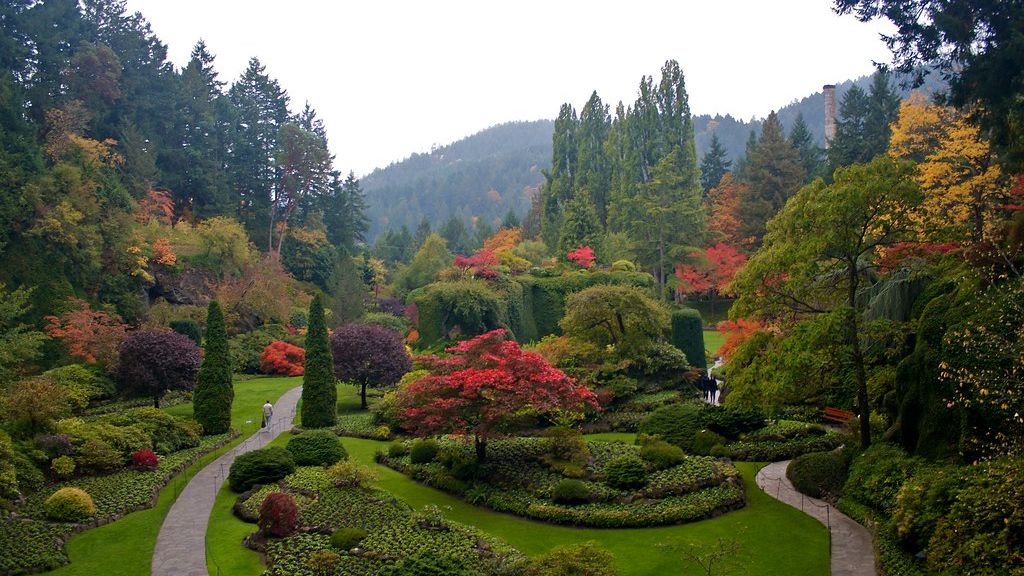
Picture the scent of roses mingling with the gentle murmur of water fountains. Imagine stepping through a Japanese bridge surrounded by water lilies that seem to glow with every color imaginable. have this uncanny ability to make us feel like we’ve entered another world entirely, somewhere between nature and art.
What makes a garden truly beautiful, though? Maybe it’s the way light filters through ancient trees, or how a simple path can lead you somewhere unexpectedly magical. The world is scattered with that have captivated visitors for centuries. Each one tells a different story, whether it’s a painter’s canvas brought to life or a royal estate frozen in time. Let’s dive into these living masterpieces that prove gardening isn’t just about plants – it’s about creating wonder.
Royal Botanic Gardens, Kew, London
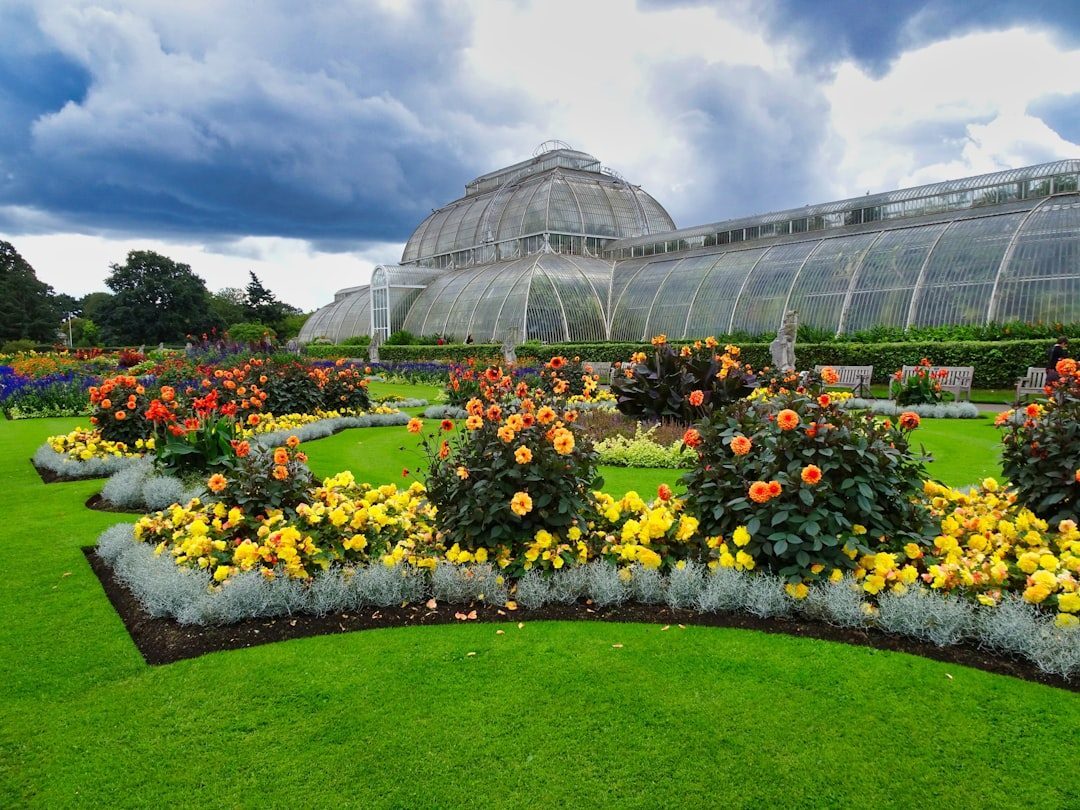
Founded in 1759, Kew Gardens houses the largest and most diverse botanical collections in the world, with living collections including some of 27,000 taxa. Kew serves as a global leader in plant conservation and research. Let’s be real, when you’re walking through somewhere that preserves knowledge dating back centuries, you feel the weight of history beneath your feet.
This historic landscape garden includes work by internationally renowned landscape architects Bridgeman, Kent, Chambers, Capability Brown and Nesfield. The Temperate House is the largest Victorian glasshouse in the world, and the iconic Palm House was designed by Decimus Burton. Walking the elevated Treetop Walkway gives you a view most people never see – the world from a bird’s perspective. It’s one of those moments where you realize just how small you are compared to nature’s grand design.
Keukenhof Gardens, Lisse, Netherlands
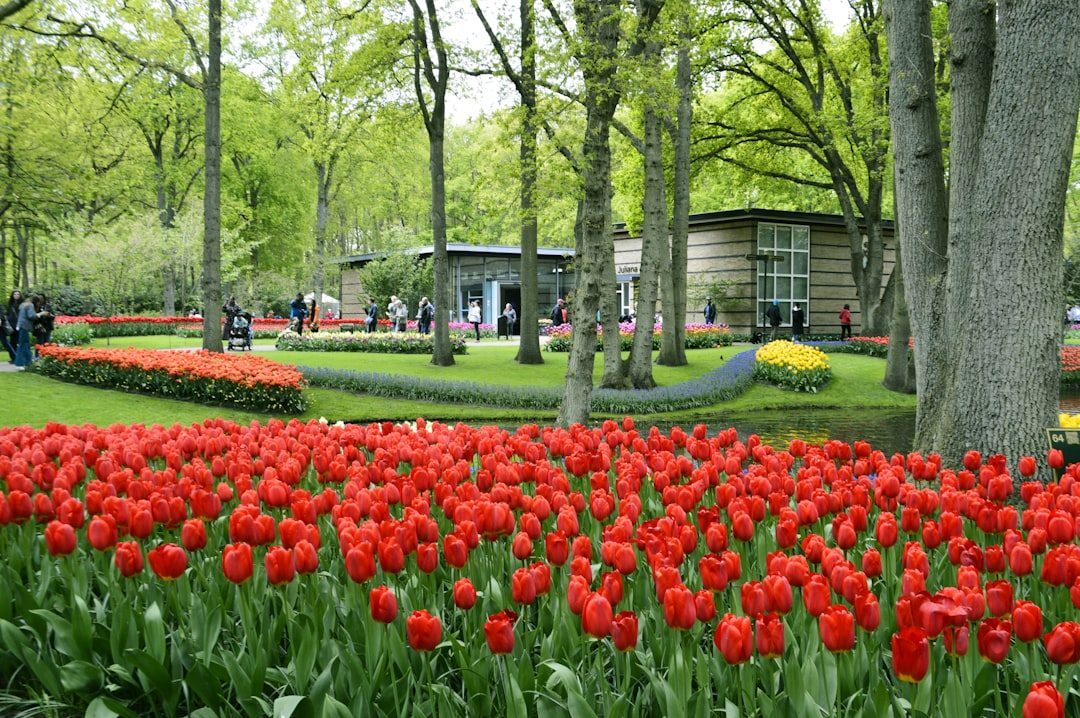
Keukenhof covers 79 acres and they plant something like 7 million bulbs every year. I know it sounds crazy, but imagine seven million individual flowers all blooming at once. You can only wander through in spring, as the gates swing open from late March to mid-May, just for about eight weeks – in 2025, it’s March 20th to May 11th.
Named the Garden of Europe, the Keukenhof tulip garden attracts hundreds of travelers to soak in the spiraling floral fields, historic castles, streams, and other hidden natural delights. Tulips take center stage here, naturally. Over a million people show up every year. The sheer explosion of color makes you wonder if nature somehow became a painter overnight, throwing every shade imaginable onto one canvas.
Claude Monet’s Gardens, Giverny, France
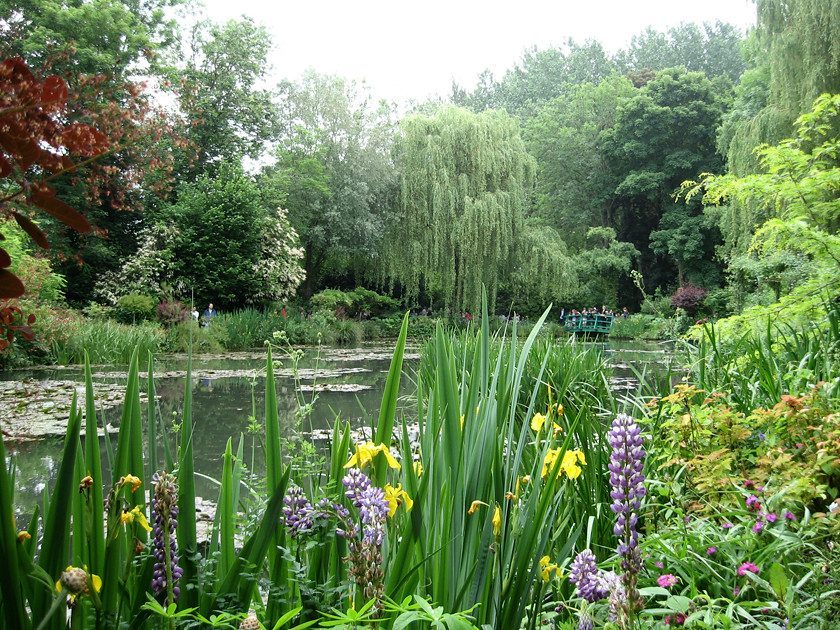
The romantic gardens at Claude Monet’s historic home in Giverny inspired many of the Impressionist’s most famous paintings, and stepping into these beautifully restored grounds on a summer’s day is like walking into the artist’s inner world, with dappled light on lily ponds and swaying tendrils of weeping willows. Here’s the thing – you’re not just visiting a garden. You’re literally standing inside a painting.
Monet bought the property at Giverny in 1883, and over the next forty years he designed and built the pond, the Japanese bridge, and the gardens specifically to provide subjects and inspiration for his work. The best time to visit is undoubtedly July, when the water lilies are in bloom. Try closing your eyes for a moment while standing on that famous bridge – you can almost see Monet himself, palette in hand, capturing the ever-changing light.
Gardens of Versailles, France
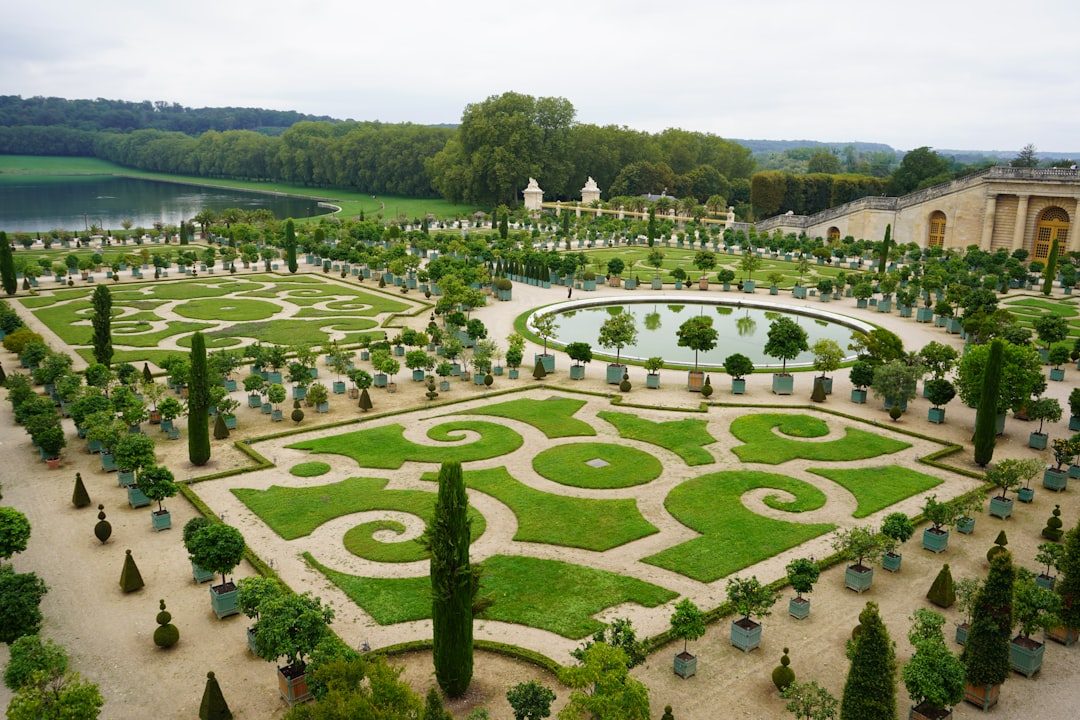
Created by French landscape artist André Le Nôtre for King Louis XIV, the Versailles formal gardens took over 40 years to complete and are spread over almost 200 acres. The historic gardens cover approximately 800 acres and are visited by over 6 million people each year. Walking these grounds, you get a sense of what absolute power looked like when it decided to reshape nature.
There are 221 sculptures in the Palace of Versailles gardens, making this one of the largest open-air sculpture museums in the world. The Orangery boasts over 1000 trees including orange, lemon, pomegranate, palm and olive trees. Every pathway, every trimmed hedge, every fountain was placed with obsessive precision. It’s hard to say for sure, but you can almost feel the Sun King’s ego radiating from the landscape itself.
Butchart Gardens, British Columbia, Canada
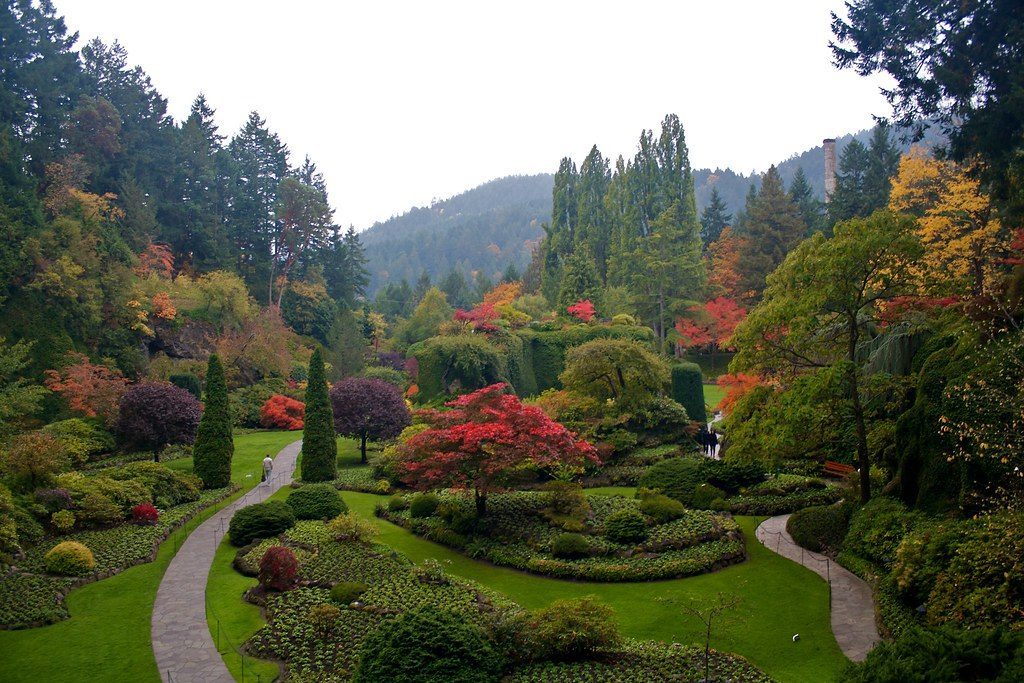
This garden is one of the most magnificent expanses of plants and trees in the world, boasting an uninterrupted bloom thanks to over 1 million bedding plants and 900 varieties of colorful flowers, and is considered one of the historic sites of Canada, attracting more than 1 million tourists each year. The crazy part? This entire wonderland started in a limestone quarry. Someone looked at a hole in the ground and saw possibility instead of destruction.
Created by Jennie Butchart and still privately owned and operated by the family, The Gardens was designated a National Historic Site of Canada in 2004 for its one hundredth birthday. Every season brings something different – from spring tulips to summer roses to autumn’s fiery colors. The dedication spans generations, proving that beauty requires patience and vision that extends beyond a single lifetime.
Gardens by the Bay, Singapore
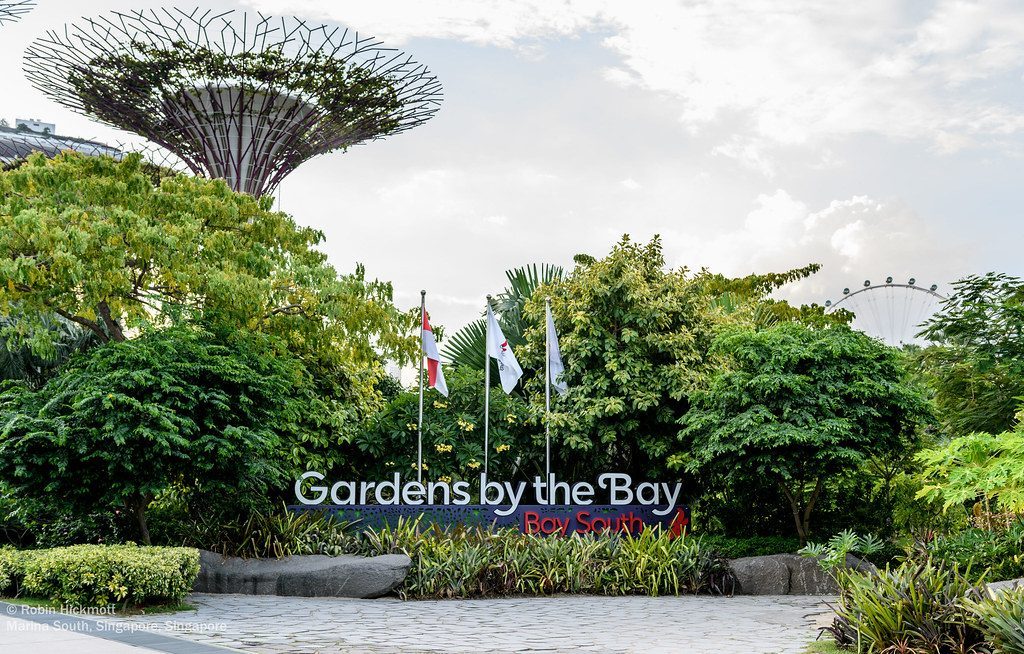
Singapore’s Gardens by the Bay are something akin to a fairground of flowers or a floral theme park, as this ultramodern tropical city has created a unique architectural spectacle showcasing some of the world’s most precious plant life, with hi-tech Supertrees, a Flower Dome, light shows, sculptures, and a huge cooled conservatory housing a mountain habitat. Honestly, the first time you see those towering Supertrees light up at night, it feels like you’ve stumbled into the future.
While the Singapore Botanic Gardens celebrate more than 160 years of botanical heritage, Gardens by the Bay represents Singapore’s futuristic vision of green spaces, famous for its towering Supertree structures that light up spectacularly at night and its climate-controlled conservatories showcasing exotic plants and rare blooms. Visitors can explore winding aerial walkways to the summit, fully immersed in the flora of a tropical Cloud Forest. Nature and technology shake hands here in ways that seem almost impossible.
Jardin Majorelle, Marrakech, Morocco
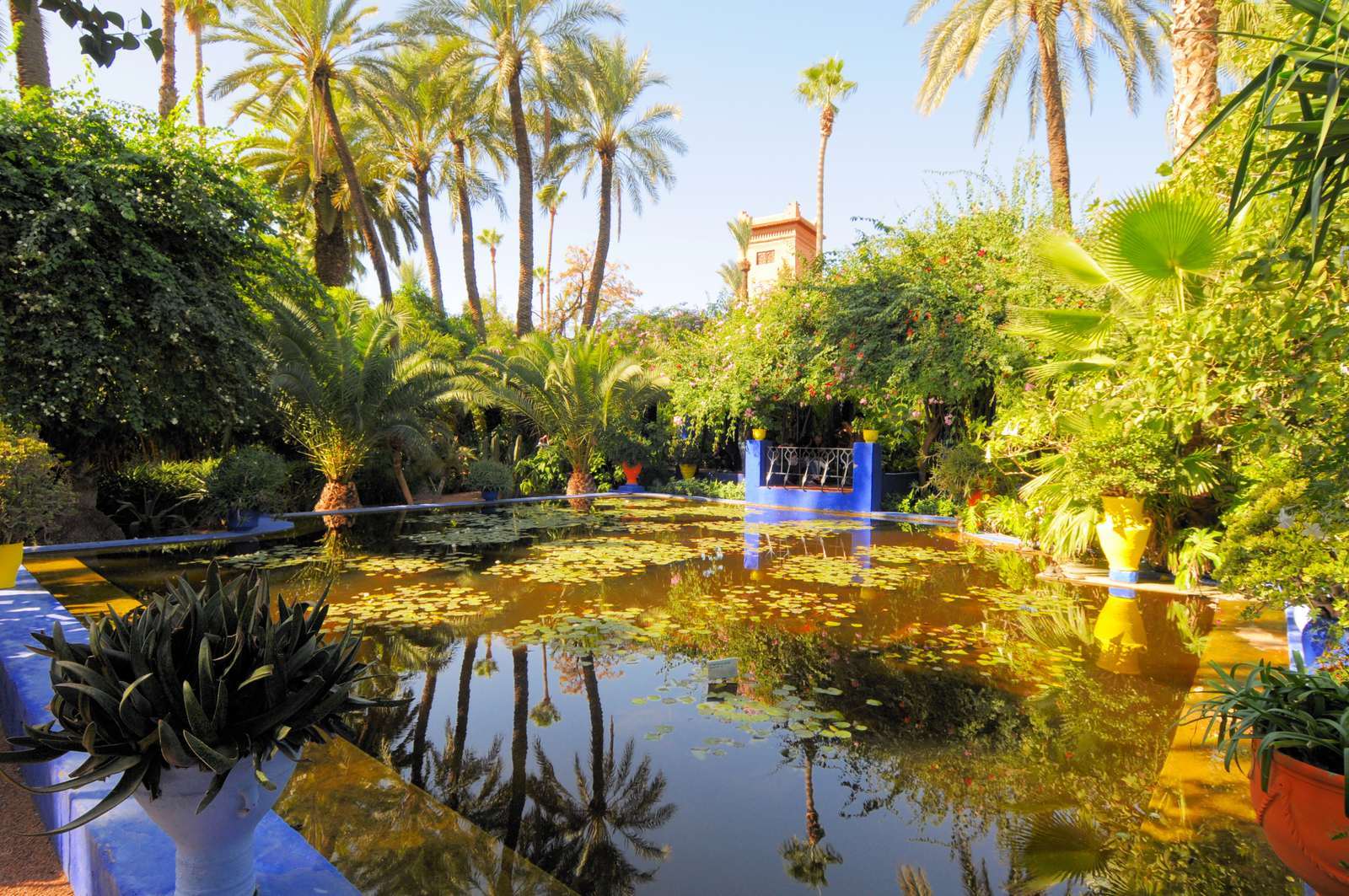
Nestled amid the bustle of Marrakech, Jardin Majorelle is an oasis of desert flowers, cacti, and lily ponds surrounding a deep blue villa, named after landscape painter Jacques Majorelle who owned the Art Deco studio and its gardens in the early 20th century, with Yves Saint Laurent purchasing the grounds in 1980 and nurturing its 300 plant species. That electric blue – technically called Majorelle blue – hits your eyes like a jolt of cool water in the desert heat.
Created by Jacques Majorelle, a French painter, the garden took almost 40 years to complete, spreading over 9,000 square meters with both Art Deco and Moorish influences, and by 1980 the gardens and villa were in need of renovation when French fashion designers Yves Saint-Laurent and Pierre Bergé purchased it. The contrast between vibrant cobalt architecture and exotic desert plants creates a dreamlike atmosphere. You step through the entrance and suddenly the chaos of Marrakech’s streets feels like it belongs to another universe entirely.
Villa d’Este, Tivoli, Italy
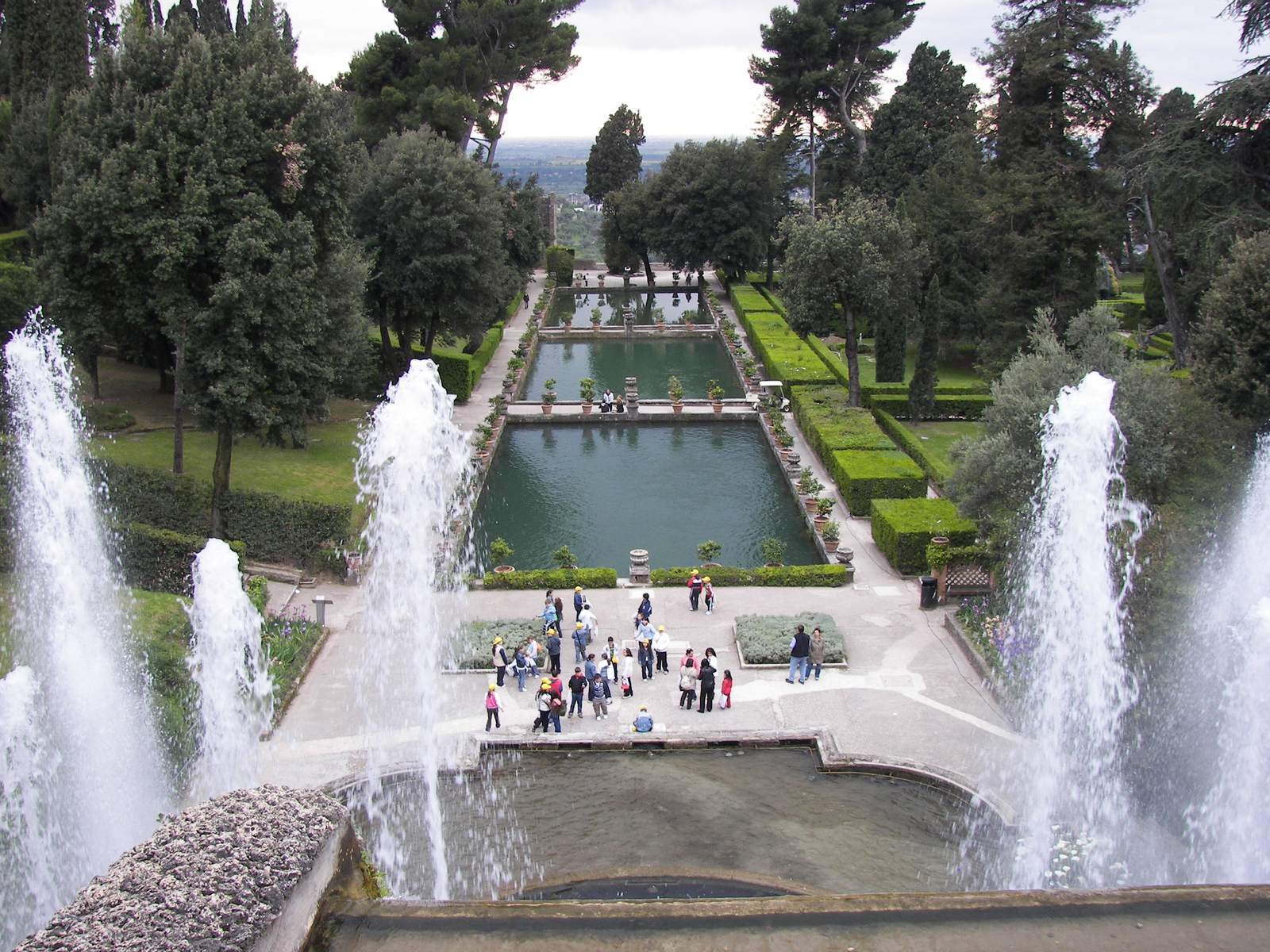
For pure Renaissance glamour, nothing beats Italy’s Villa d’Este house and gardens, a UNESCO World Heritage Site where the opulent Baroque villa and gardens are laid out on a slope to dramatic effect, with meticulously planned terraces and paths interspersed with grand fountains, romantic sculptures, formal planting and wide pools. Water is the star performer here, cascading and spraying in choreographed displays that have captivated visitors for centuries.
Another one of the of the world, the Villa d’Este Gardens are definitely a contender for the top spot. The engineering alone is mind-blowing when you consider this was all designed in the 1500s. No electricity, no modern pumps – just gravity, ingenuity, and an unwavering commitment to creating spectacle. The sound of rushing water follows you everywhere, turning the whole experience into something almost meditative.
Kirstenbosch National Botanical Garden, Cape Town, South Africa
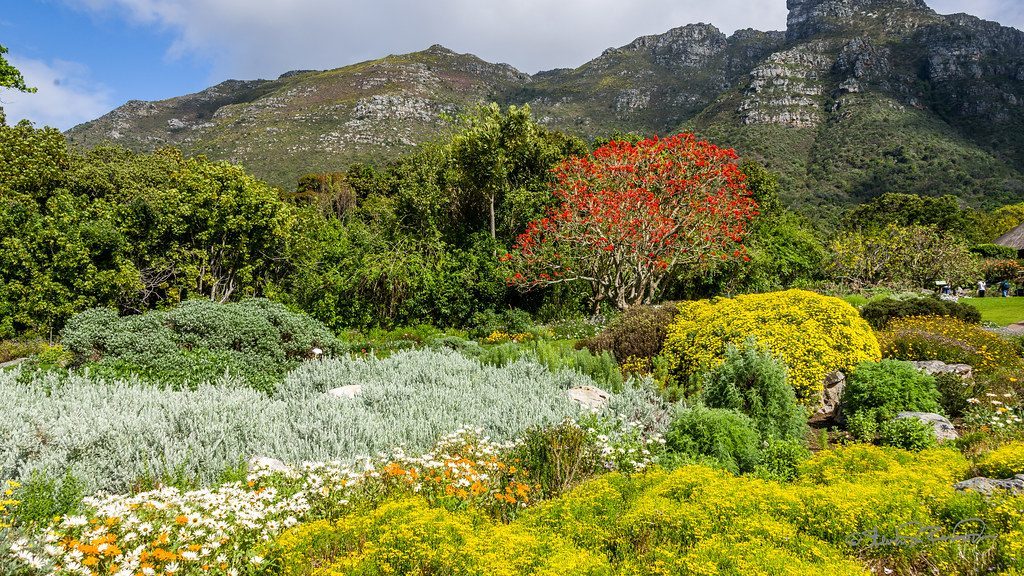
Few gardens can match the sheer magnificence of their setting against the slopes of Cape Town’s Table Mountain, and in 2004 the Cape Floristic Region including Kirstenbosch was declared a UNESCO World Heritage Site. The gardens encompass 1,320 acres of cultivated gardens and a nature reserve, with over 7,000 plant species, many of which are endemic to the region.
Kirstenbosch National Botanical Garden in Cape Town is one of the most renowned botanical gardens in the world, known for its breathtaking beauty and rich biodiversity, nestled at the foot of Table Mountain covering 528 hectares and home to a vast array of indigenous South African plants including many species of proteas and fynbos. When you see those proteas blooming against the backdrop of Table Mountain, you understand why some places feel sacred. The raw beauty of it all makes you grateful that someone had the foresight to protect this landscape.
Ryoan-ji Temple Garden, Kyoto, Japan
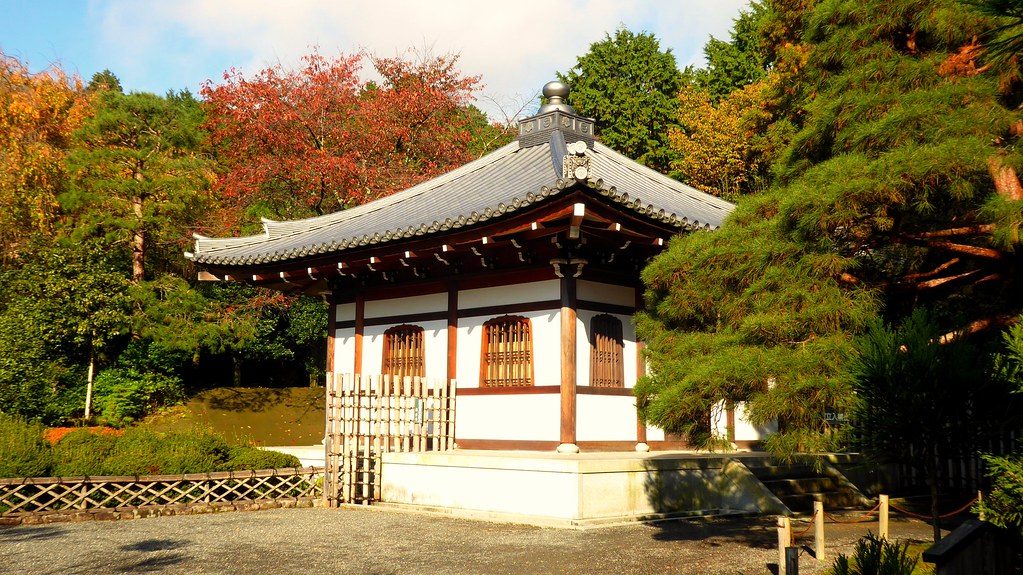
Garden design is an art form in Japan that stretches back over 1000 years, and more spiritually significant is the concept of the Japanese rock garden, the most famous of which resides at Ryoanji Temple in Kyoto, a Zen Buddhist temple dating back to 1450 though the origins of the garden are uncertain. Fifteen rocks arranged in raked gravel – that’s it. Yet somehow, this austere composition stops people in their tracks.
The genius lies in what isn’t there as much as what is. Stand anywhere along the viewing platform and you can only see fourteen rocks at once. The fifteenth always hides from view. Some say it represents the elusive nature of enlightenment. Others just sit and let the patterns in the gravel calm their racing minds. Either way, the silence here speaks louder than any elaborate floral display ever could.
Conclusion
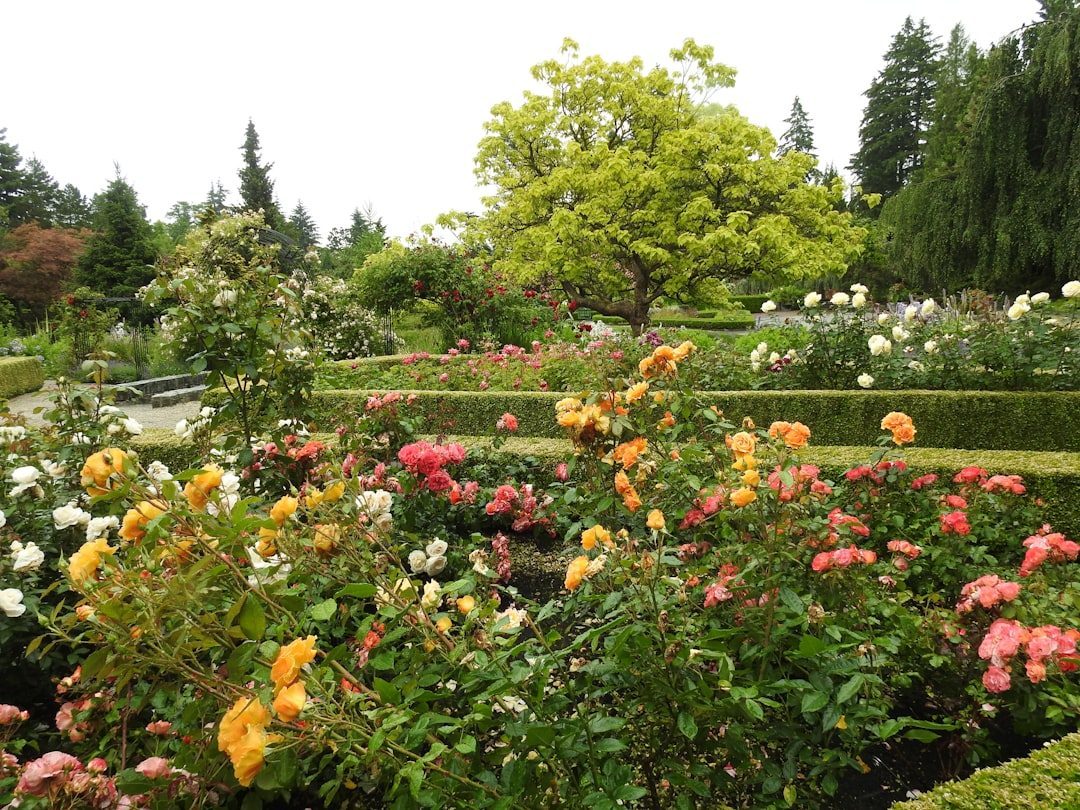
These ten gardens prove that humans have always needed beauty in their lives, whether it’s crafted with surgical precision or allowed to grow with wild abandon. From the scientific treasures at Kew to the zen simplicity of Ryoan-ji, each garden offers something different – a chance to slow down, breathe deeply, and remember that we’re part of something larger than ourselves.
What strikes me most is how each place carries the fingerprints of those who created them. Monet’s obsession with capturing light. Louis XIV’s hunger for grandeur. The quiet contemplation of Zen monks. Gardens aren’t just about plants – they’re about human dreams made tangible. Which one speaks to you? Maybe it’s time to plan your next adventure and find out what these living artworks reveal when you walk their paths yourself.

- 16 Horse Breeds That Vets Say Are Nearly Impossible to Recommend to Beginners Anymore - June 13, 2026
- 6 Signs Your Home Has a Spider Infestation - June 13, 2026
- 8 Things You Should Never Do When Hiking In Angel’s Landing - June 13, 2026