
Worried about unexpected vet bills?
Pet insurance can cover thousands in unexpected vet costs. Get a free quote from Lemonade in under 2 minutes.
Get My Free Quote →Sponsored · Opens Lemonade.com
The numbers behind the global biodiversity crisis are genuinely sobering. Roughly 47,000 species are currently threatened with extinction worldwide, primarily due to habitat loss, climate change, wildlife trade, and invasive species. That scale of loss can feel overwhelming, almost abstract.
Yet woven into this difficult picture are stories that push back against despair. Across every continent and ocean, targeted conservation programs have demonstrated that species don’t have to stay on a downward trajectory. When people commit resources, time, and political will, animals come back.
The Iberian Lynx: Rewriting What Recovery Can Look Like
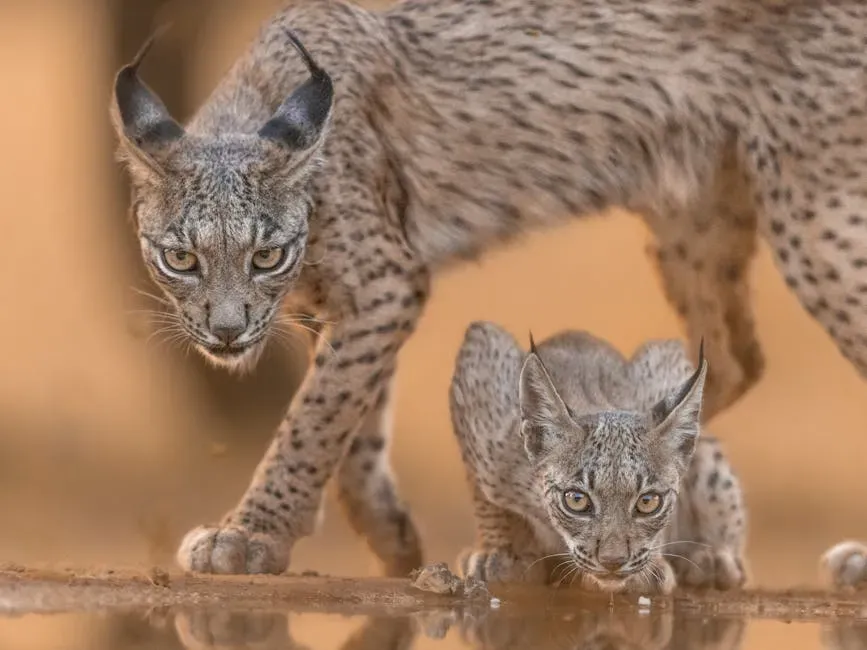
Few animals symbolize the potential of conservation more vividly than the Iberian lynx. For decades, it held the grim distinction of being the world’s most endangered feline, its population decimated by habitat fragmentation and the collapse of its primary prey, the European rabbit.
Thanks to conservation efforts focused on increasing the availability of the Iberian lynx’s main food source, the population began to climb. Portugal introduced a National Breeding Centre in Silves, in the Algarve, and additional programmes saw the release of hundreds of captive lynxes alongside habitat restoration work.
In 2015, the IUCN reclassified the Iberian lynx from critically endangered to endangered. By their most recent 2024 assessment, the species was reclassified again as vulnerable, with an increasing population of 648 mature individuals. The recovery has since been described as the “greatest recovery of a cat species ever achieved.”
Sea Turtles and Humpback Whales: Oceans Offering Cautious Optimism
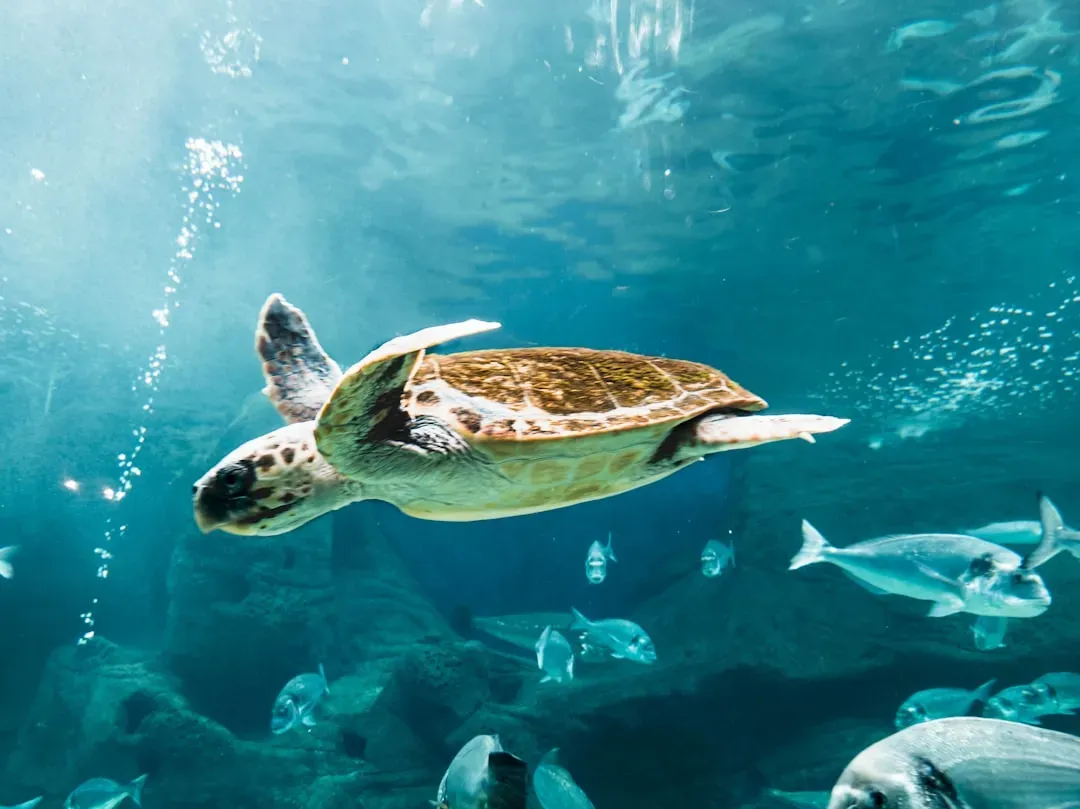
Marine species face pressures that land animals don’t: bycatch, ocean warming, plastic pollution, and shipping traffic. The recoveries happening in our oceans are therefore particularly striking.
While green sea turtles remain listed on the Endangered Species list, a recent assessment found that nearly three-quarters of green sea turtle populations are now at low risk worldwide, and the global population has rebounded by nearly 30 percent since the 1970s. In Florida, fisheries had reduced nesting females to around 4,000 by the 1980s. With beach protection and hunting bans, the population rebounded, and more than 230,000 nests are now scattered across the state’s beaches.
Humpback whales have also seen significant recovery, with nine of the fourteen identified populations successfully removed from the endangered species list after decades of conservation efforts. These are not small wins. They represent generations of science, policy, and sustained public attention finally paying off.
Giant Pandas, Snow Leopards, and the Power of Coordinated Global Action
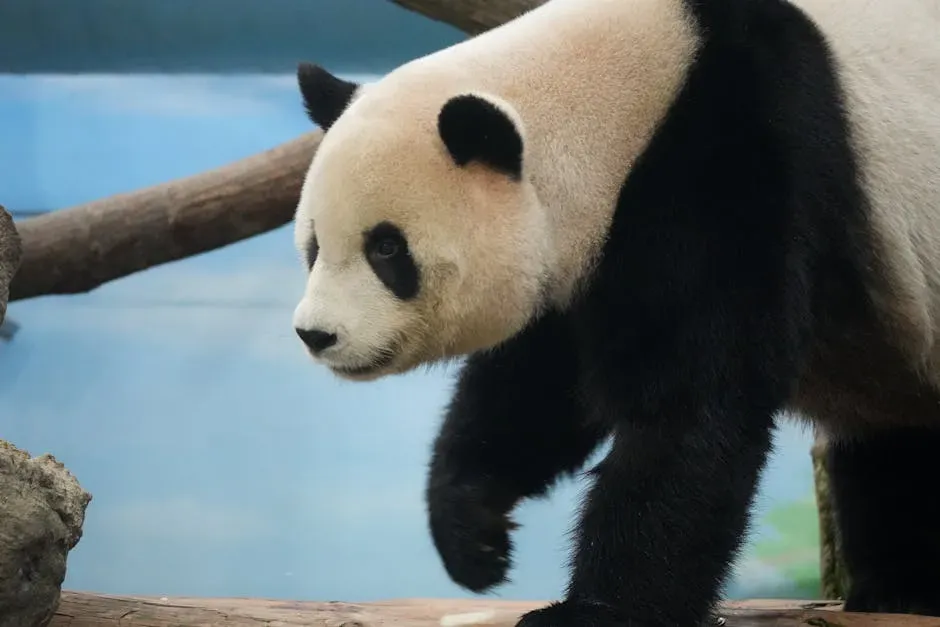
Some of the most recognizable conservation victories involve species that became unlikely symbols of the entire movement. Their recoveries tell us something important about what organized, international effort can accomplish.
The giant panda was the beneficiary of one of the most intensive conservation efforts ever undertaken. China joined CITES, making trade in panda skins illegal, while also establishing reserves to protect panda habitats and launching substantial breeding programs. As a result, the giant panda was reclassified as vulnerable by the IUCN in 2016. In 2024, the Chinese government approved plans for a giant panda reserve spanning over 27,000 square kilometers.
One reason for the snow leopard’s recovery is legal protection across its range. International organizations like the IUCN, along with nonprofits such as the Snow Leopard Trust and Wildlife Without Borders, worked to safeguard the species by creating new protected areas, stemming poaching, and reducing conflicts between leopards and herders. Snow leopards were downlisted to a lower-risk category in 2017. These results didn’t happen by accident. They required patience, cooperation across borders, and communities willing to coexist with large predators.
Legislation, Technology, and the Infrastructure Behind Recovery
Behind every species comeback is a framework that makes it possible. Legal protection, consistent funding, and increasingly sophisticated tools have changed what conservation teams can actually achieve on the ground.
The U.S. Endangered Species Act currently protects over 1,600 species and has successfully prevented the extinction of 99 percent of listed species since its implementation. A total of 39 species have been fully recovered since the ESA was passed, including 23 since 2009. It’s estimated that the ESA has prevented the extinction of roughly 291 species since passage in 1973.
Technology is adding a new dimension to these efforts. In Bhutan, WWF is testing environmental DNA technology to monitor biodiversity. Animals naturally shed DNA as they move through their environment, and by sampling soil, water, or snow, scientists can determine what species are present. A pilot study in Royal Manas National Park illuminated 134 species, including 33 on the IUCN Red List.
Since 2000, the State Wildlife Grant Program in the U.S. has invested more than $1.34 billion in conservation efforts, including research, fish and wildlife surveys, species restoration, and habitat management. Funding at that scale, sustained over decades, is what separates a headline from a lasting result.
Community-Led Conservation: When Local Stewardship Changes Everything

Some of the most durable conservation wins share a common thread: they involve the communities closest to the land. Top-down programs matter, but conservation that takes root locally tends to last longer.
Thirty Hills in central Sumatra, one of the island’s last large blocks of intact lowland forest, was once threatened by deforestation and plantation expansion. In 2015, WWF and partners secured the rights to manage the forest, converting nearly 100,000 acres previously designated for logging into an ecosystem restoration concession.
A decade later, the Thirty Hills landscape shelters some of the world’s rarest wildlife, including a resident herd of Sumatran elephants, an estimated 10 percent of the global population of Sumatran tigers, and a growing, self-sustaining community of reintroduced orangutans. Local and Indigenous communities are recognized as its stewards, with sustainable, forest-friendly activities supporting both livelihoods and biodiversity.
Closer to home, on the tiny Sombrero Island in the Caribbean, the critically endangered Sombrero ground lizard numbered fewer than 100 individuals in 2018. By 2024, researchers found the population had climbed to more than 1,600, responding positively to island restoration efforts including the removal of invasive mice and the planting of native vegetation. Small-scale, targeted, local. Remarkably effective.
Conclusion: The Evidence for Hope Is Real
Conservation fatigue is understandable. The WWF’s Living Planet Report measures the average change in population sizes of more than 5,000 vertebrate species and shows a decline of 73 percent between 1970 and 2020. That trajectory is not something to minimize.
Still, the record shows clearly that intervention works. When communities put concerted effort behind conservation, species can and do recover. The Iberian lynx, the green sea turtle, the giant panda, and dozens of lesser-known animals have all pulled back from the edge because humans chose to act.
What the success stories collectively suggest is not that the crisis is over, but that its outcome is not fixed. The tools exist. The knowledge exists. What remains is the sustained commitment to use them, species by species, habitat by habitat, until the list of recoveries grows longer than the list of losses.
Worried about unexpected vet bills?
Pet insurance can cover thousands in unexpected vet costs. Get a free quote from Lemonade in under 2 minutes.
Get My Free Quote →Sponsored · Opens Lemonade.com
