
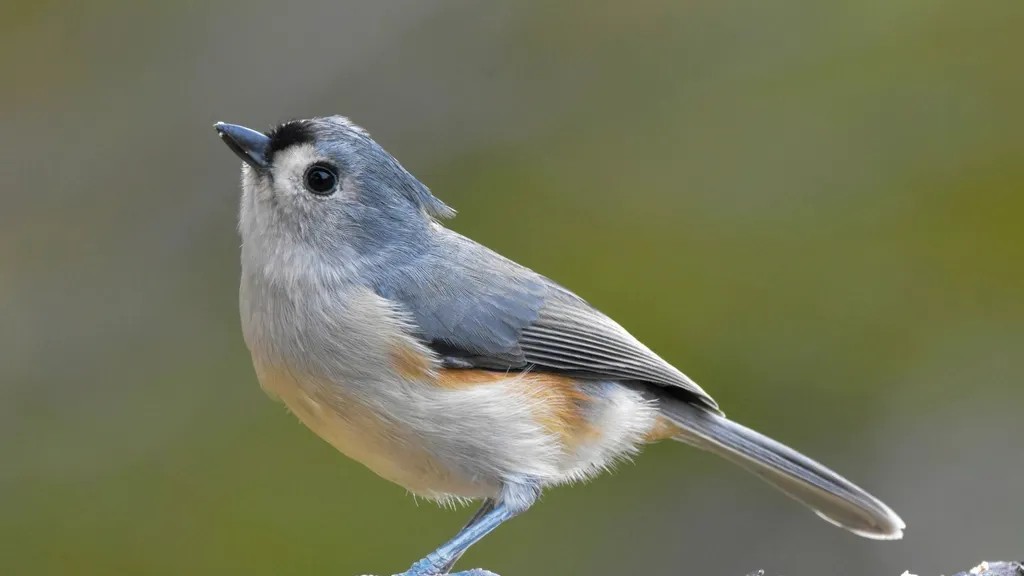
Most people who spot a tufted titmouse at their feeder see a small, agreeable gray bird with a tidy crest and bold dark eyes. They note the visit, maybe smile, and move on. What they rarely realize is that the creature perched on that sunflower seed tube is quietly doing something remarkable, whether deceiving a hawk, mentally mapping a hidden food supply, or boldly harvesting hair from a nearby squirrel.
These birds are common enough that familiarity breeds a kind of casual dismissal. Yet the more closely you look at tufted titmice, the more interesting they become. The eleven facts below are the ones that tend to go unnoticed, even by people who spend considerable time with binoculars in hand.
#1: They Pull Hair from Living Animals to Line Their Nests
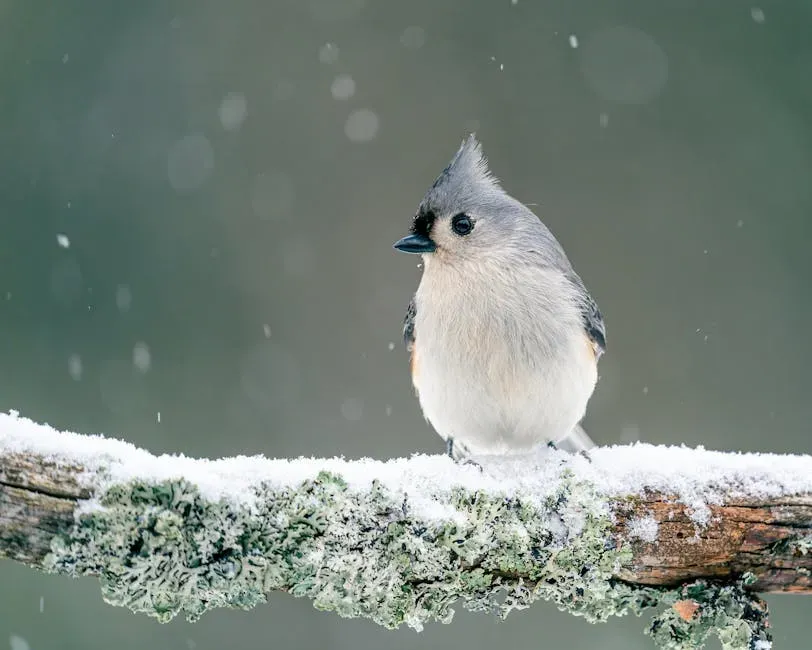
Tufted titmice often line the inner cup of their nests with hair, and sometimes they pluck it directly from living animals. The list of hair types identified from old nests includes raccoons, opossums, mice, woodchucks, squirrels, rabbits, livestock, pets, and even humans. That last entry is worth sitting with for a moment. If you’ve ever felt a faint tug at the back of your neck while standing near a bird feeder, there’s a small chance you contributed to someone’s nursery.
It only takes a few days for tufted titmice to complete a nest once they’ve found the right site, and they use nearby natural resources including grass, leaves, moss, and hair. The hair-lining behavior likely serves as both insulation and structural binding, keeping the nest cup snug through unpredictable spring temperatures. It’s an unusual habit, and one that reveals just how resourcefully these small birds approach the task of raising young.
#2: Their Alarm Call Is Designed to Fool Predators
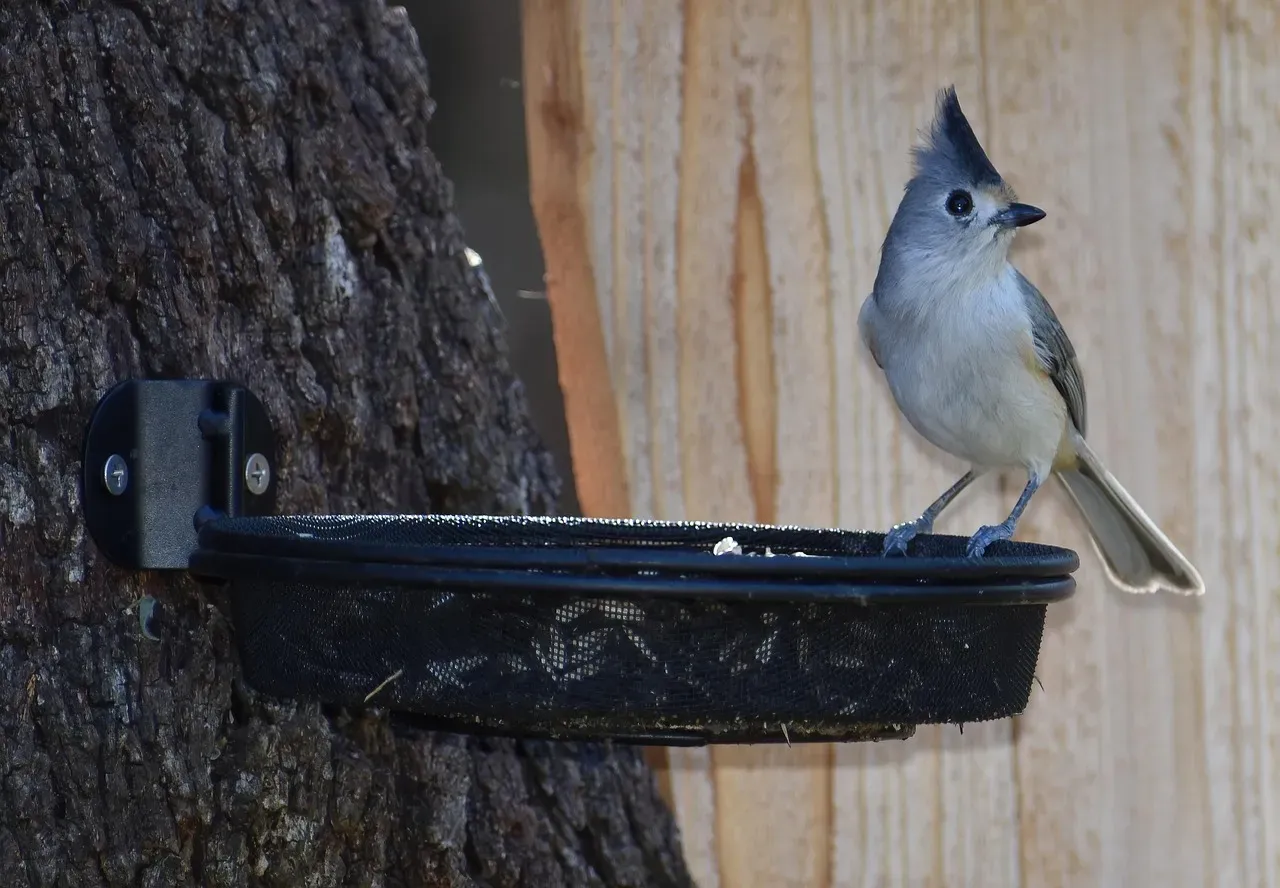
Tufted titmice have an alarm call that seems to fade off into the distance, giving the impression that the bird is moving from one place to another. Birdwatchers and predators alike can be fooled into chasing this ghost call while the titmouse stays securely hidden out of sight. It’s a surprisingly sophisticated acoustic trick for a bird that weighs less than an ounce.
Tufted titmice also give fussy, scolding call notes and, when predators are sighted, a harsh distress call that warns other titmice of the danger. The combination of misdirection and genuine warning signals suggests a nuanced communication system. Most observers simply hear “small bird alarm” and assume they frightened the animal away. In reality, the titmouse may still be sitting three feet from them, perfectly still and entirely unbothered.
#3: They Cache Food and Carry Surprisingly Detailed Mental Maps
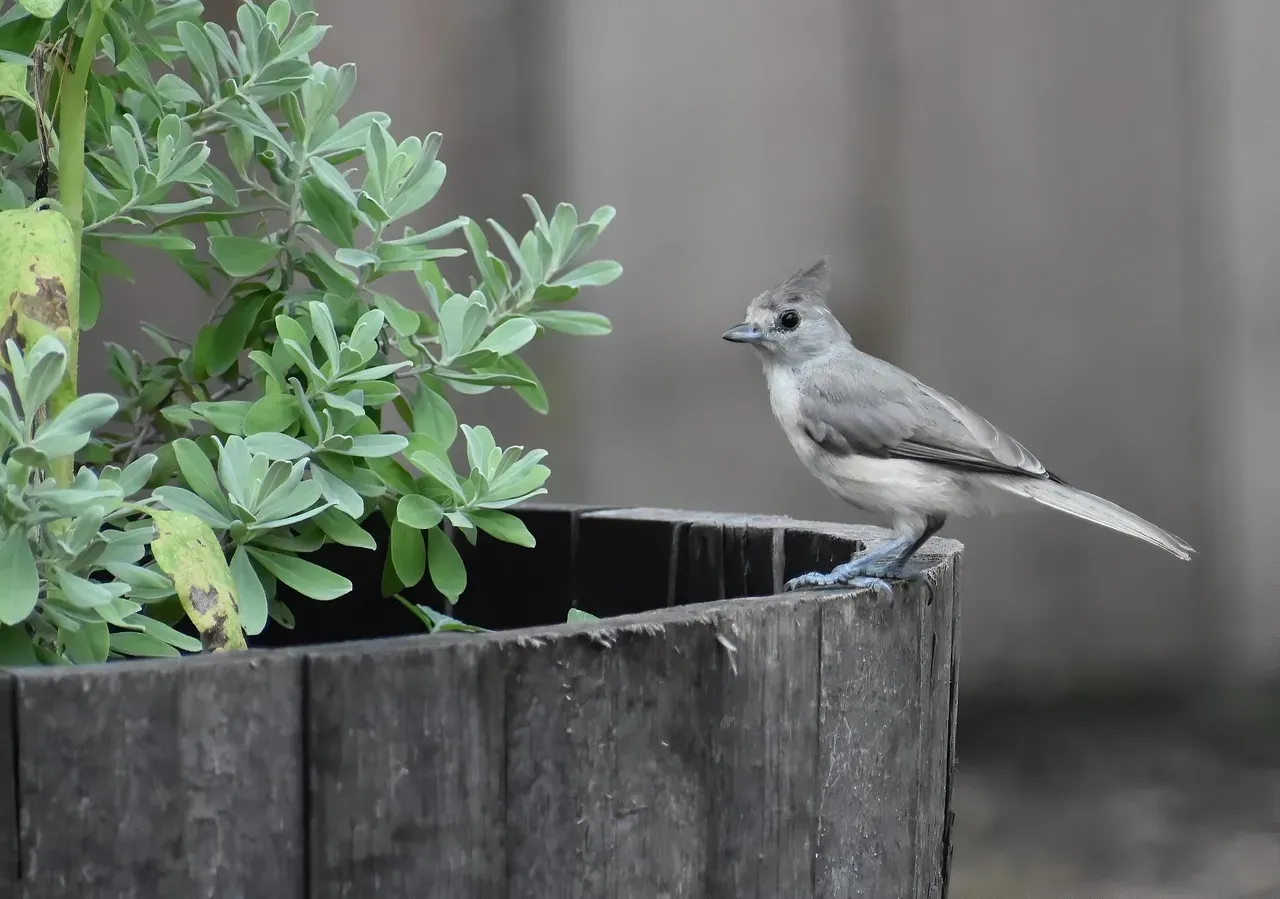
Tufted titmice hoard food in fall and winter, a behavior they share with many of their relatives, including the chickadees and tits. They take advantage of a bird feeder’s bounty by storing many of the seeds they get. Tufted titmice can remember the location of hundreds of stored food items, even weeks later. That kind of spatial recall, operating in a brain smaller than a walnut, is genuinely impressive.
Research on the chickadee-titmouse clan shows clear links between caching and brain regions tied to memory, with seasonal changes reported: storing ramps up in autumn and brain tissue linked to spatial memory grows in step. Larvae and small chunks of suet can also be tucked away, especially during cold spells when fat brings quick energy. Bark seams on mature trees are the main storage spots, though dead limb stubs, fence posts, and siding gaps can also host a single wedged seed. The whole operation runs quietly, right in front of us, every winter.
#4: They Use Their Feet Like Hands to Crack Open Seeds
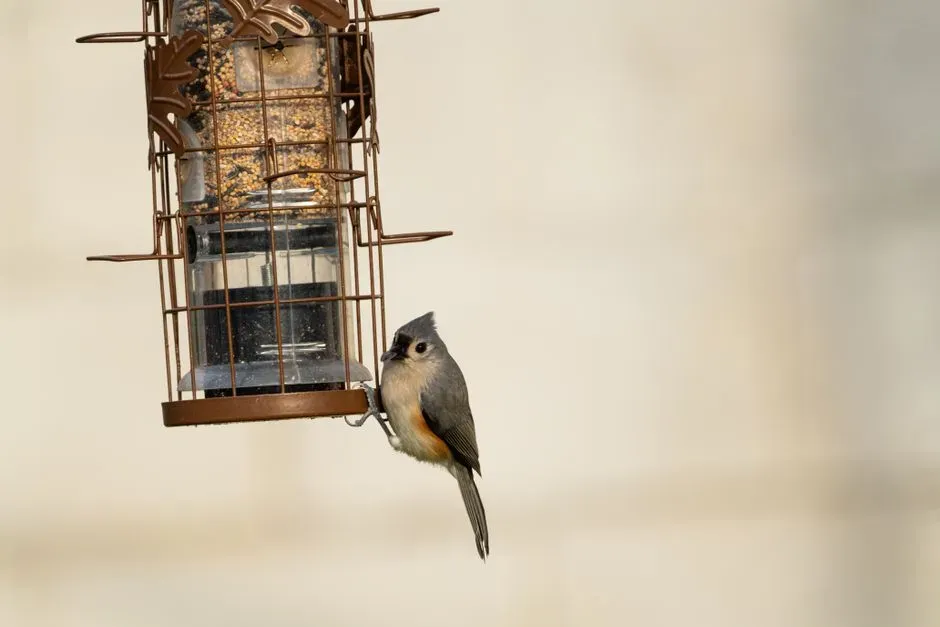
Tufted titmice are one of just a few perching birds that can use their feet to hold seeds while they break them open. They are known for their habit of carrying large seeds to a perch, holding them with their feet, and hammering them open with their strong beak. Watch closely the next time one visits your feeder and you’ll see this behavior clearly: grab, fly, pin, hammer. It takes only seconds.
The large black eyes, small round bill, and brushy crest give these birds a quiet but eager expression that matches the way they flit through canopies, hang from twig-ends, and drop in to feeders. When a titmouse finds a large seed, you’ll see it carry the prize to a perch and crack it with sharp whacks of its stout bill. The foot-pinning technique is easy to miss if you’re watching casually, but once you’ve seen it, it becomes one of the most memorable things about the species.
#5: They Are Among the Most Intelligent Backyard Birds
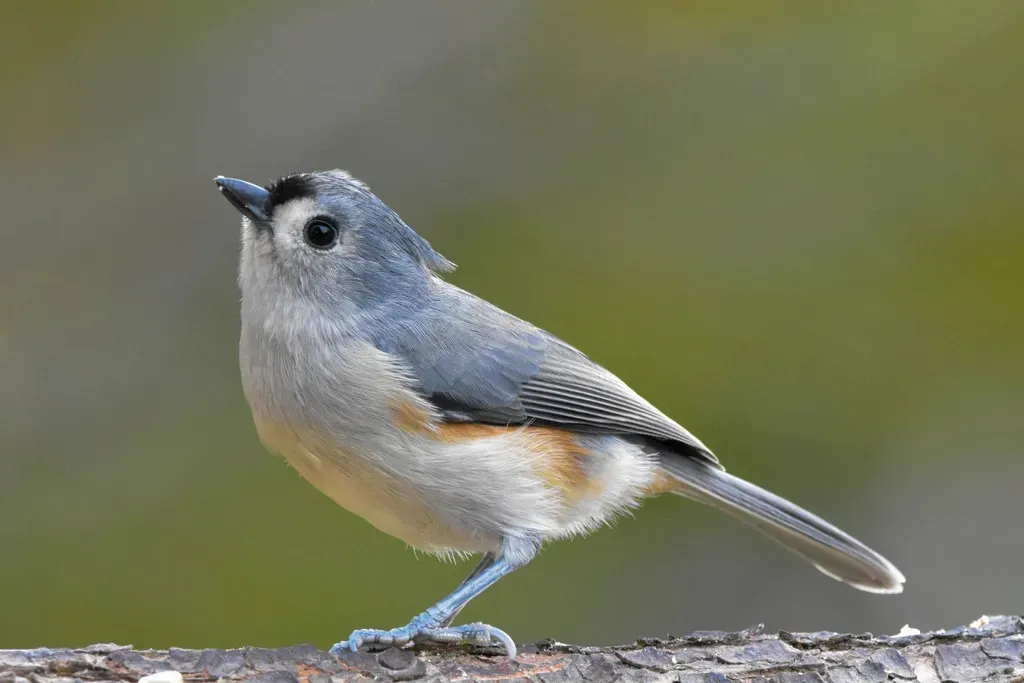
The titmice are highly adaptable creatures, and after the corvids (crows and jays) and parrots, they are among the most intelligent of all birds. That’s a remarkable ranking for a bird most people associate with feeders and winter flocks rather than with problem-solving. Their caching behavior, social coordination, and alarm call sophistication all point toward cognitive abilities well above what their modest appearance might suggest.
Tufted titmice are highly intelligent, active birds that are often spotted in trees and hanging upside down looking for insects beneath twigs. They are acrobatic foragers often hanging upside down to inspect a branch or twig from all angles while searching for food. These small birds can demonstrate curiosity regarding humans and sometimes will perch on a window ledge and seem to be peering into the house. That last behavior, the window-peering, is one most people assume is their own imagination. It probably isn’t.
#6: Their Song Is Learned, Not Entirely Instinctive
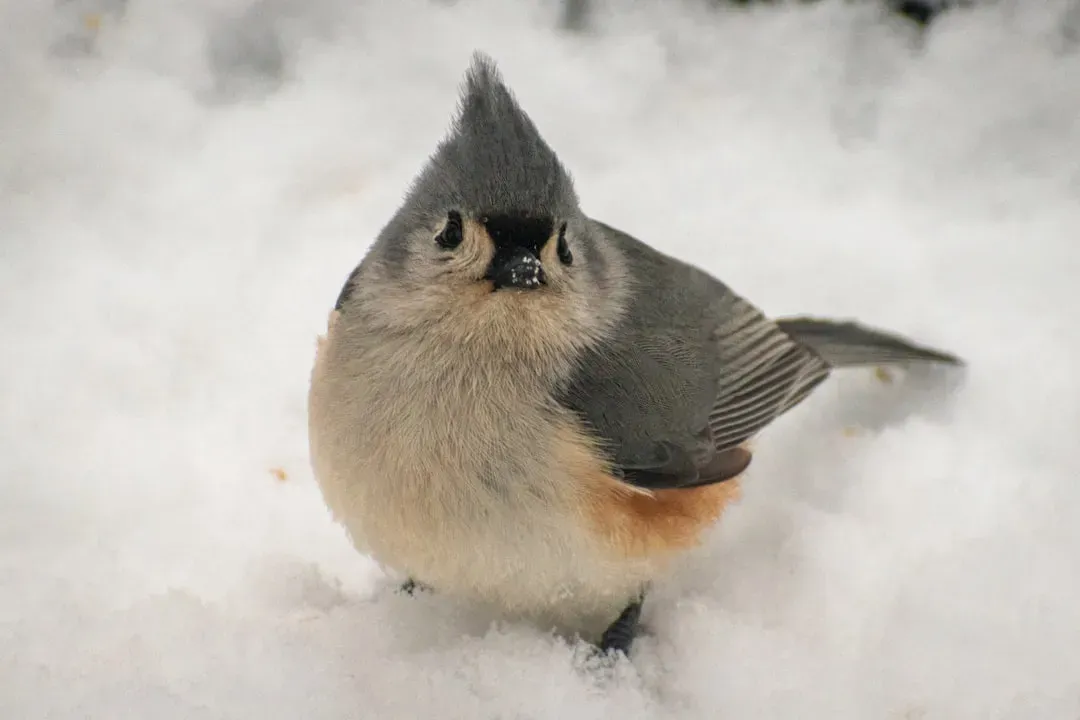
The tufted titmouse is famous for its clear, whistled song that sounds like a repeated “peter.” This call plays crucial roles in communication, and in the male titmouse it is used to advertise territories and repel competitors. It is mainly given during dawn, dusk, and especially the breeding season to attract a female for mating. What’s less commonly known is that this song isn’t purely hardwired.
Song is inherited from both sexes, but it is primarily learned from the male. Young males essentially acquire the local dialect of their father’s song, which means populations in different areas can develop subtle regional variations over generations. The song is a high-pitched phrase, peter-peter-peter, repeated up to eleven times in succession. The repetition is so consistent that experienced birdwatchers use it as a reliable identifier even before the bird comes into view.
#7: They Don’t Excavate Their Own Nesting Cavities
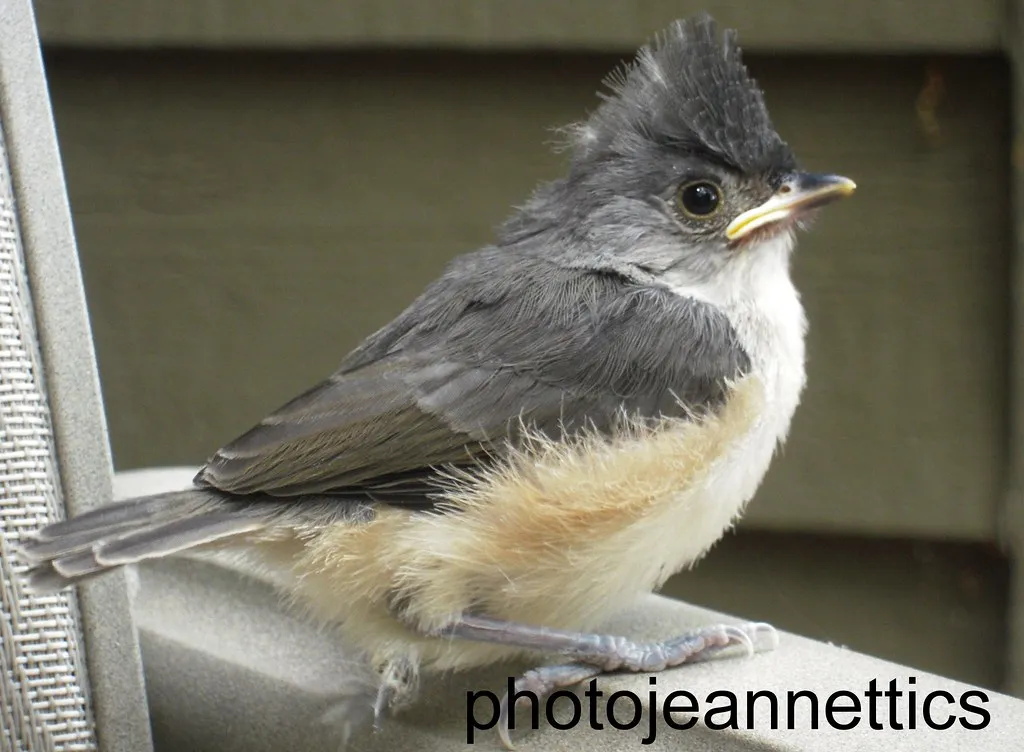
Tufted titmice do not excavate their own nesting cavity. Instead, they use natural holes in trees and abandoned cavities excavated by woodpeckers. They will also use artificial nesting boxes. This makes the tufted titmouse entirely dependent on other species and natural processes for a critical part of its survival, which is a less obvious vulnerability than it might first appear.
Old growth wood or dead trees make the perfect site for a tufted titmouse nest. They look for a new site each year, which adds to their difficulty in finding suitable locations as forests are turned into neighborhoods. The tufted titmouse is monogamous, and a pair may use the same nest cavity for more than one year, which suggests that when they do find a good cavity, they hold onto it. The scarcity of natural cavities is one reason nest boxes make such a meaningful difference for this species.
#8: Young Birds Sometimes Stay Home to Help Raise Siblings
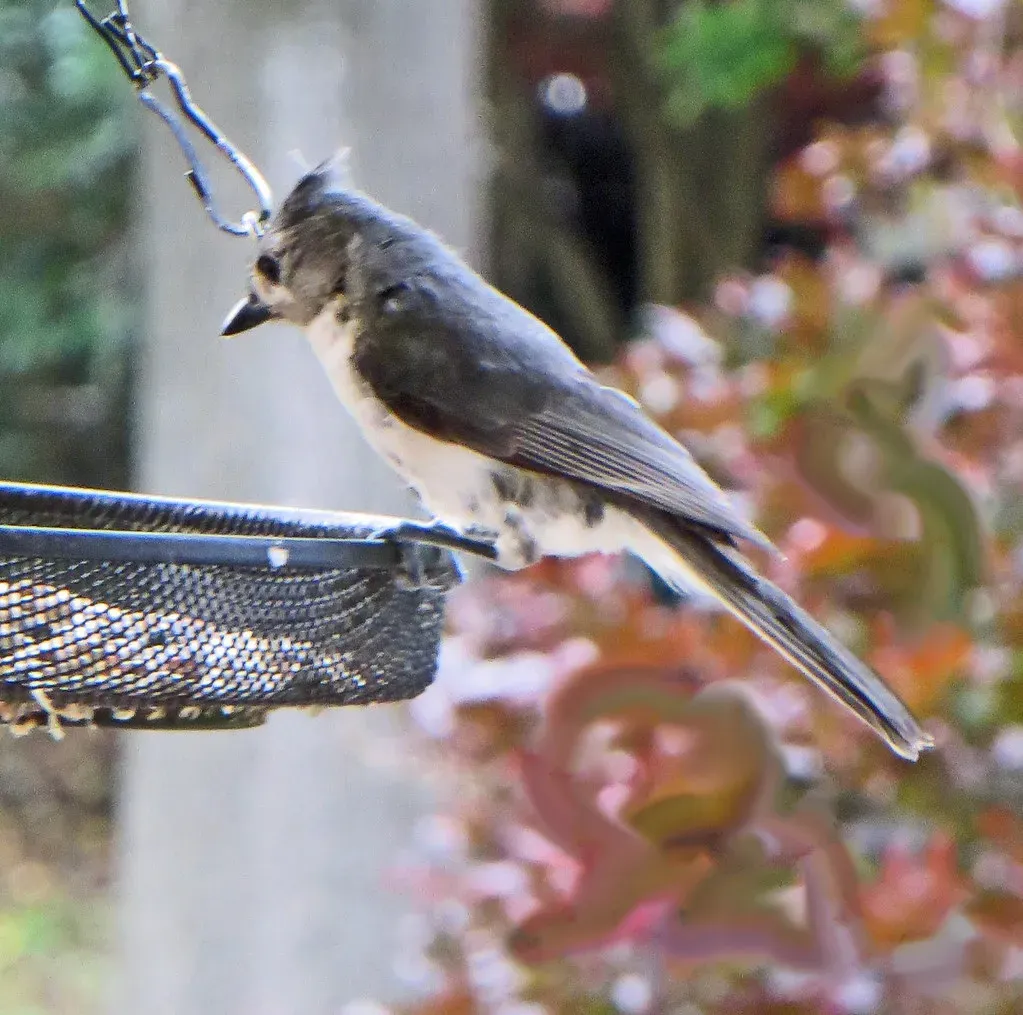
Rarely, a young titmouse remains with its parents into the breeding season and will help them raise the next year’s brood. This behavior, called cooperative breeding, is uncommon among small songbirds and makes the tufted titmouse something of an outlier in the backyard bird world. In tufted titmice, it has been observed that older clutch members and even first clutch offspring will help nest subsequent clutches, though this kind of cooperative breeding is not a frequent occurrence.
Young tufted titmice often remain with their parents throughout their first winter. The incubation period for females is approximately thirteen days and the nestling period is about seventeen days. Offspring are fed until they are thirty-six days old and they beg until they are sixty-four days old. That extended period of parental investment, combined with the occasional yearling helper, gives some nesting pairs a genuinely collective quality that most observers would never suspect from watching a feeder.
#9: They Form Mixed-Species Foraging Flocks with a Clear Social Hierarchy
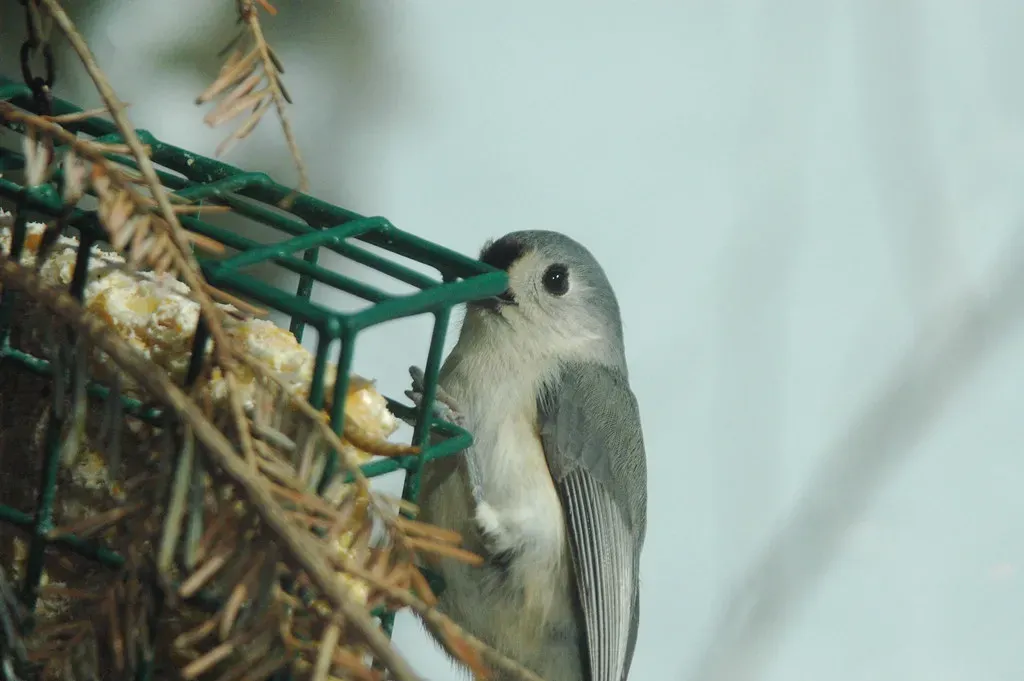
During the winter, tufted titmice forage together with chickadees, nuthatches, woodpeckers, and Brown Creepers. These mixed flocks aren’t random gatherings. They’re organized roving units that cover ground more efficiently and provide better predator detection than any single species could manage alone. The tufted titmouse is vocally active and responds to sounds of agitation in other birds, and this species readily forms small flocks, known as troupes or banditries, which often associate with chickadees and other passerines when foraging.
The tufted titmouse is apparently totally dominant over black-capped chickadees within their shared territory, and chickadee survival rates often drop after titmice expand into their territory for the first time. That’s a significant ecological dynamic hiding behind what looks like a peaceful mixed flock at a winter feeder. The titmouse is, in quiet but consistent ways, the assertive partner in these arrangements.
#10: Their Range Has Been Steadily Marching Northward for Decades
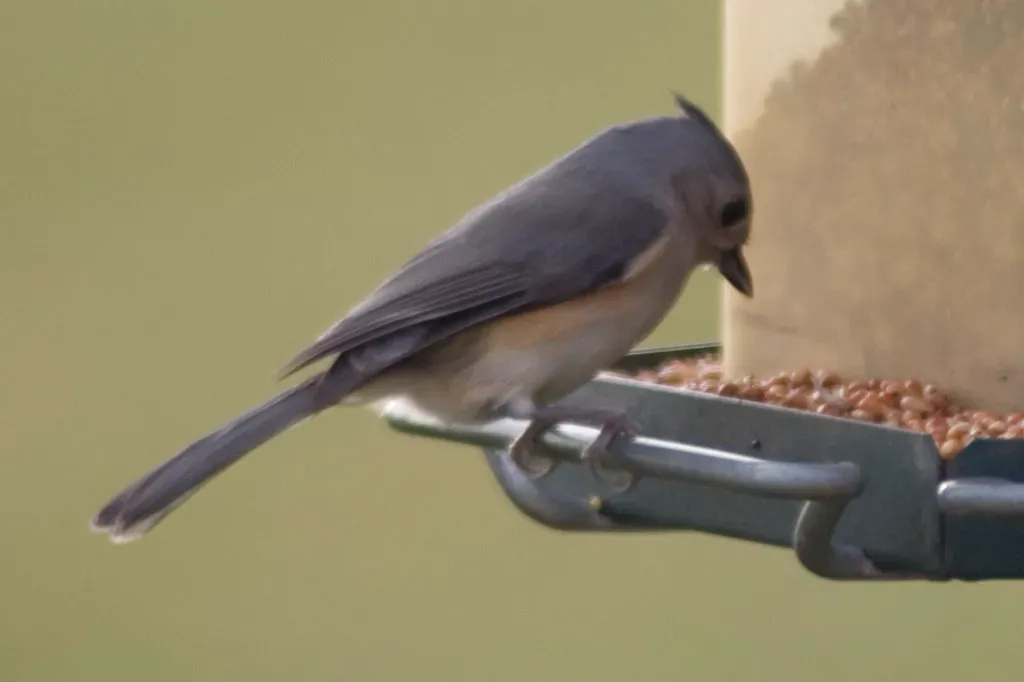
The tufted titmouse has been expanding its range northward since the 1940s and is now found almost to the Canadian border across most of its range. Speculation for the expansion suggests warming winter temperatures and the increase in mature woodland habitat. While winter temperatures are probably the main factor limiting titmice in the north, their overall expansion was probably aided by the availability of bird feeders. That means backyard feeding has genuinely shifted where this species lives.
Titmice are a southern species and were unheard of in some northern states until the 1950s, when an ongoing northward expansion finally crossed state borders. By the 1980s they were well established in some southeastern areas but had not yet made it to more northern regions. Now they’re reliable in communities much farther north and have been found, albeit rarely, in places they were never recorded before. It’s a slow-motion range shift happening in real time, visible to anyone paying close attention to what shows up at their winter feeder year after year.
#11: The Oldest Known Wild Tufted Titmouse Lived Over Thirteen Years
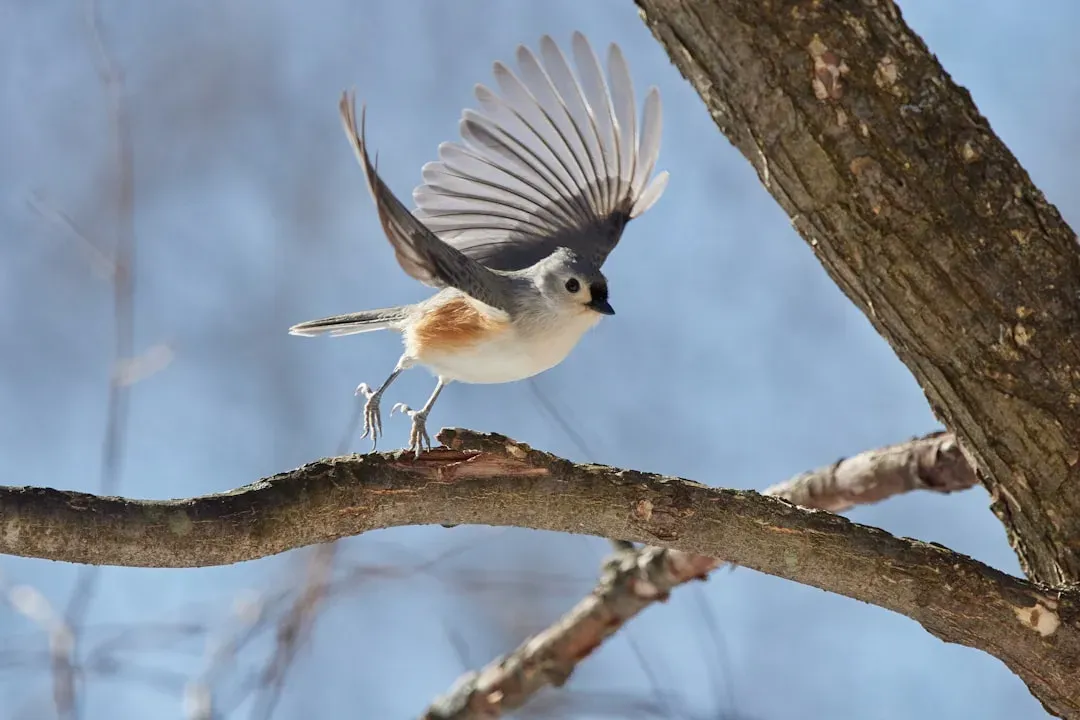
The oldest known wild tufted titmouse was at least thirteen years and three months old. It was banded in Virginia in 1962 and found in the same state in 1974. For a bird of its size, that’s a remarkable lifespan. Most small songbirds face intense predation pressure and the physical demands of migration, yet this species, as a year-round resident, manages to persist in one territory for well over a decade in some cases.
Tufted titmice are most active during the day and, generally, do not migrate extensively, remaining in one location throughout the winter. According to the IUCN, the tufted titmouse is listed as Least Concern, with a stable population trend, though maintaining mature tree habitats is vital for their long-term survival. A bird that can live thirteen years in the wild, navigate a territory across seasons, remember hundreds of food caches, and raise multiple broods with family assistance deserves more than a passing glance at the feeder window.
The Bird Worth a Second Look
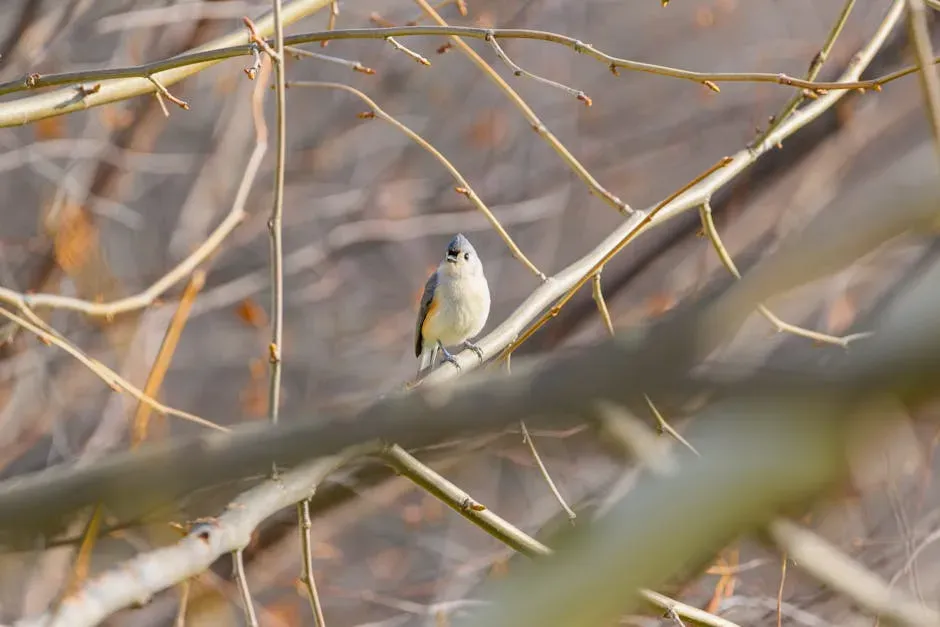
The tufted titmouse has a way of blending into the background of a busy feeder scene, overshadowed by flashier visitors. Yet almost everything it does, once you look closely enough, turns out to be more considered and more complex than it first appears. The deceptive alarm call, the hair-collecting nest-lining, the spatial memory, the cooperative family structure: none of these are coincidences. They’re the result of millions of years of refinement in a small, adaptable, quietly impressive package.
Familiarity is often the enemy of observation. The tufted titmouse is proof that the most ordinary-looking visitor can carry the most interesting story, if you’re patient enough to watch past the first five seconds.

- Why Wolves Were Reintroduced to Yellowstone - July 15, 2026
- The Resurgence of America’s Wild Horses: A Symbol of Freedom and Hope - July 15, 2026
- 10 Cat Breeds That Tolerate Dogs Surprisingly Well - July 15, 2026