
What makes these ancient beings tick? Honestly, scientists have been scratching their heads over this question for decades now. The answers might just hold the keys to understanding aging itself, not only for animals but potentially for us too. So let’s dive in.
The Ocean Quahog Clam: A Five Century Survivor
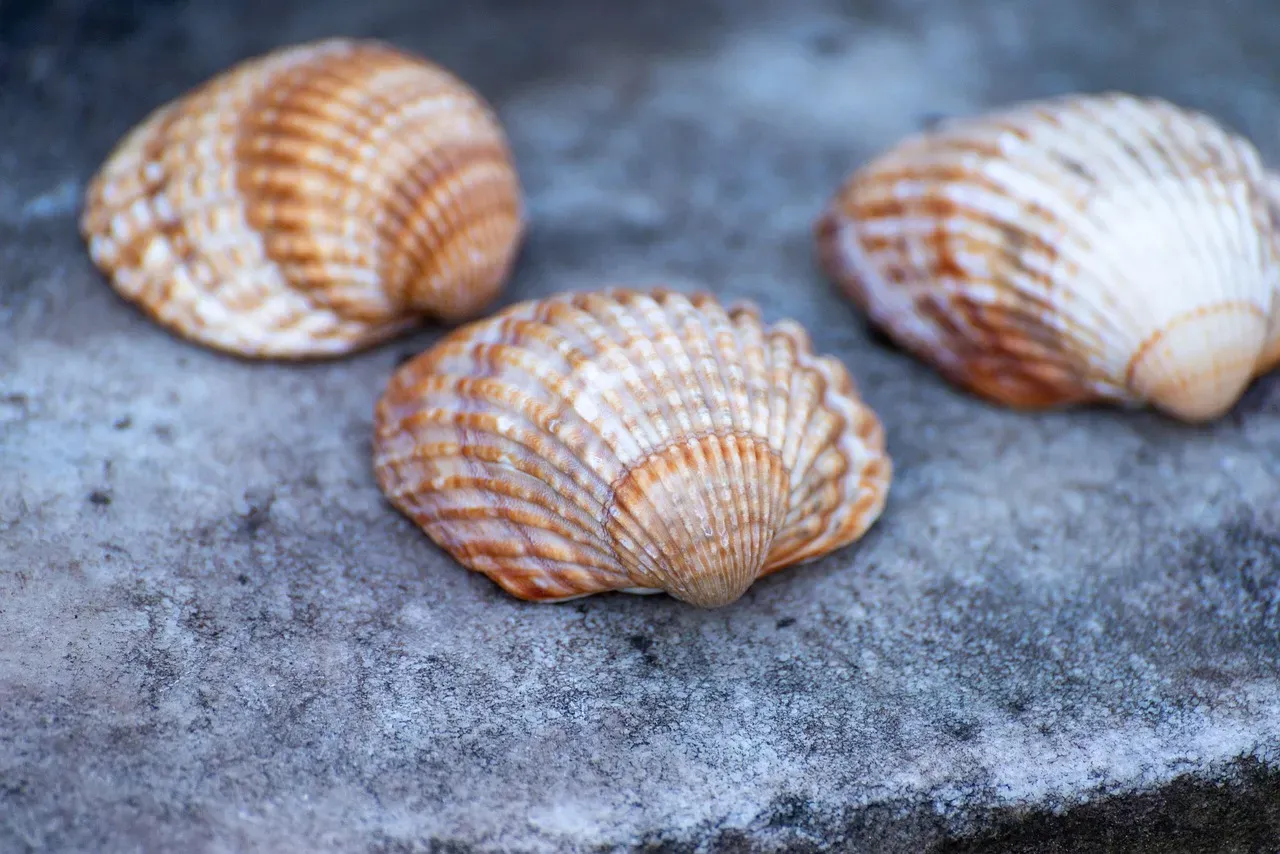
The ocean quahog is a species of clam known for its impressive longevity, with the oldest known specimen estimated to be 507 years old. This particular clam earned the nickname Ming because it was born during China’s Ming Dynasty. Think about that for a second. This little mollusk was settling into the seafloor when European explorers were just beginning to map the world.
Scientists determine the age of ocean quahogs by counting growth rings on their shells, similar to counting tree rings. Each ring represents a year of life, creating a natural archive of time.
Research suggests that extreme longevity in these clams is associated with attenuated cellular reactive oxygen species production, and reduced protein carbonyl concentration suggests lower levels of accumulated macromolecular damage. Basically, their cells are better at resisting the kind of oxidative stress that wears down most organisms.
The extreme maximum lifespan of the ocean quahog clam appears to be independent of telomere dynamics, with telomere lengths showing no change with age. Unlike many animals where telomeres shorten over time leading to aging, these clams seem to have bypassed that particular limitation entirely.
These marine marvels are found in the chilly waters of the North Atlantic, where they provide an incredible window into marine climate history. Every layer they add to their shell records environmental conditions from that year, making them living time capsules.
Greenland Sharks: The Ocean’s Timeless Predators
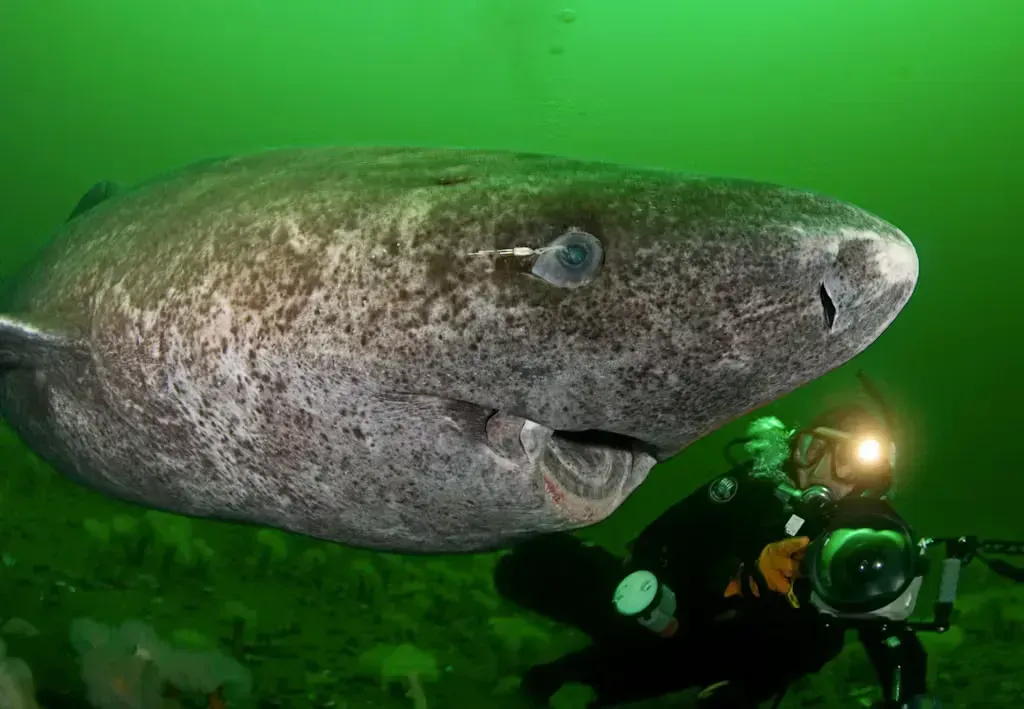
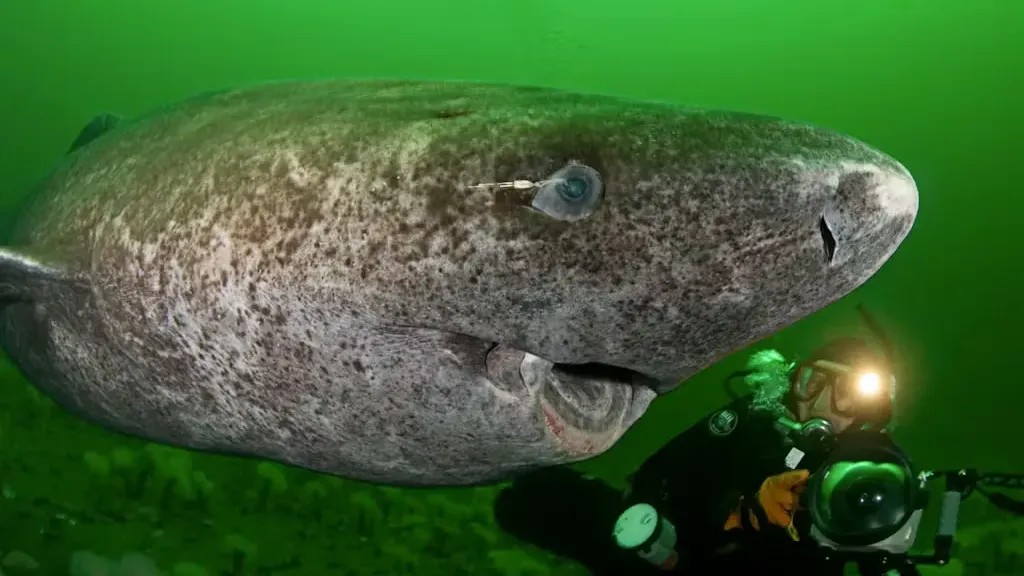
Greenland sharks are the longest-living vertebrates in the world, with the oldest known individuals recorded by scientists having been about 400 years old, though it’s possible they could live for more than 500 years. Let’s be real, this is almost incomprehensible when you consider most fish species are lucky to make it a few decades.
Researchers think that living in the cold waters of the North Atlantic and Arctic Oceans probably helps slow down the metabolic processes and biochemical activity of these sharks, extending their lifespans. The frigid environment essentially puts them in a perpetual slow-motion existence.
The secret to the Greenland shark’s longevity may be in its cancer-fighting powers, with the shark’s genome being twice as large as a human’s and containing multiple copies of genes that play a role in DNA repair and tumor suppression. These genetic superpowers give them an edge in maintaining cellular integrity over centuries.
Female Greenland sharks aren’t ready to breed until they are 156. Imagine waiting over a century and a half just to reach sexual maturity. It’s a completely different life timeline than anything we’re used to.
Studies examining the eye lens nuclei of Greenland sharks have revealed that these sharks grow incredibly slowly and reach sexual maturity only at around 150 years of age. The lens proteins form before birth and don’t degrade, creating a chemical snapshot that scientists can date using radiocarbon methods.
Glass Sponges and Deep Sea Corals: The Millennium Club
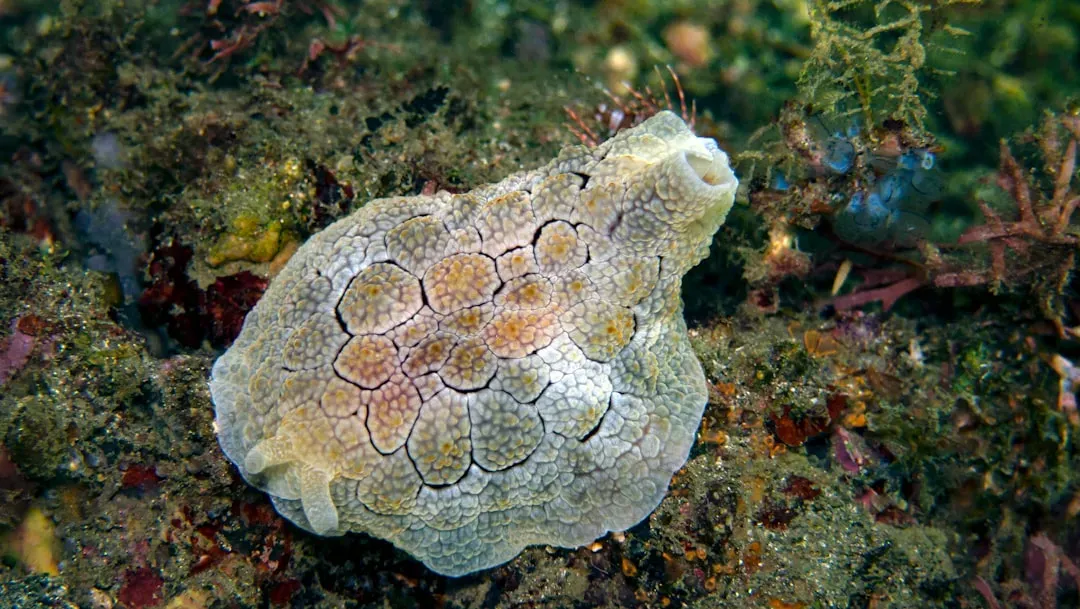
Glass sponges found in the East China Sea and Southern Ocean have been estimated to be more than 10,000 years old, likely making them the longest lived animal on Earth. Ten thousand years. That’s older than human civilization as we know it.
Some coral species can live up to 5,000 years, with a black coral estimated to be about 4,270 years old, which means it was alive during the Old Kingdom of Ancient Egypt. These organisms were thriving when the pyramids were being constructed.
Research conducted in 2025 proposed that the environment may be a significant factor in barrel sponge longevity, with the sponges potentially being resilient to the effects of sediment by producing mucous that removes sediment from their surface. This allows them to resist environmental conditions that would inhibit their ability to survive for millennia.
The true age champions live in water, often at great depths where conditions are stable and consistent. There’s something about the deep ocean environment, with its constant temperature and minimal disturbances, that seems to favor extraordinary lifespans.
Here’s the thing: these creatures inhabit zones where time moves differently. The deep sea is a realm of darkness, cold, and relative tranquility compared to the chaotic surface world. Evolution has sculpted organisms there that simply don’t follow the same aging rules as terrestrial animals.
Bowhead Whales and Naked Mole Rats: Mammalian Longevity Champions
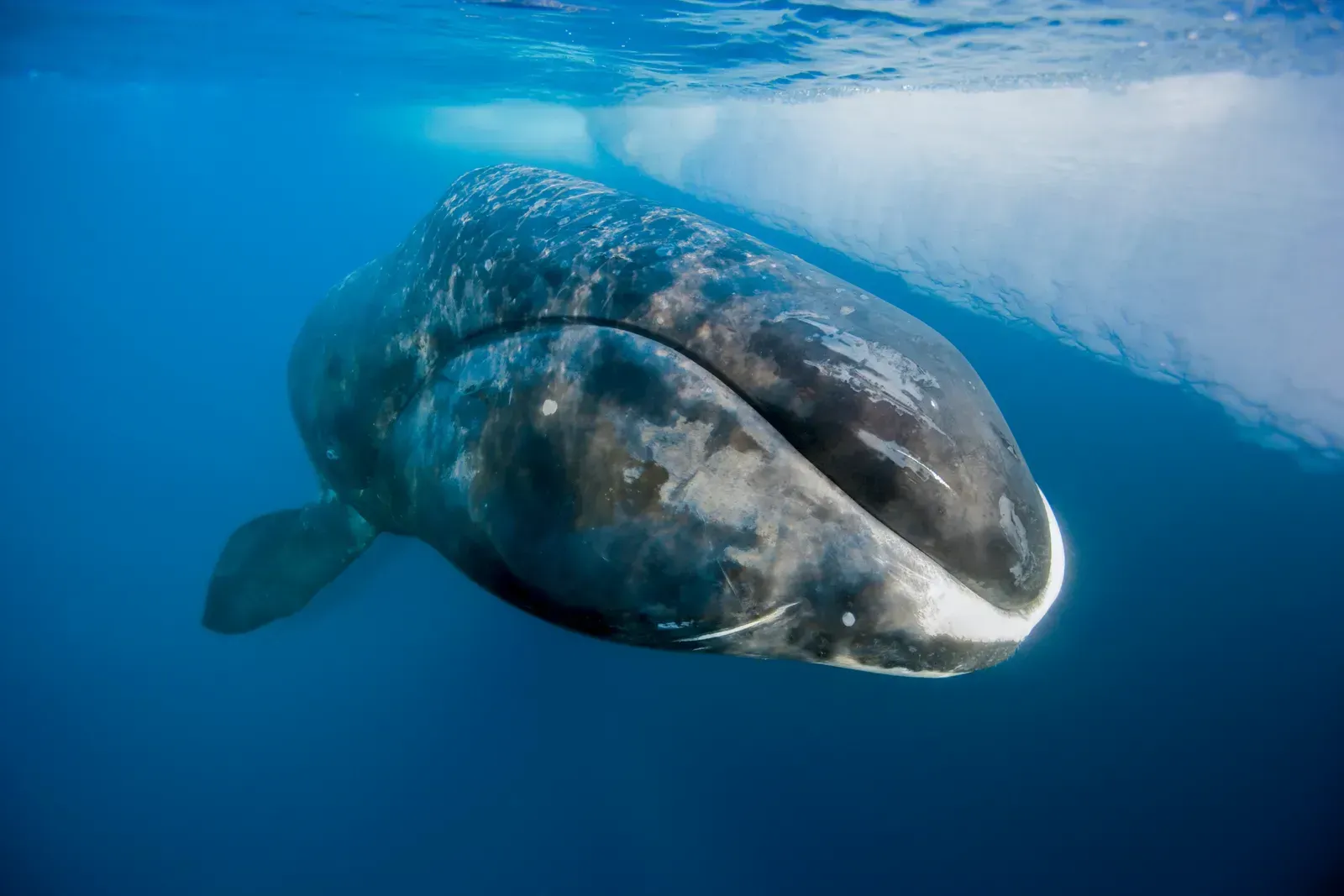
The bowhead whale can live up to 200 years, and researchers studying its genome have discovered that this species possesses unique genes that aid in DNA repair and resistance to mutations that can lead to cancer, with their cells being both efficient and accurate at repairing double-strand breaks in DNA. These cellular repair mechanisms work more frequently than in other mammals.
Research conducted in 2025 found that bowhead whales may live as long as they do because they can repair detrimental mutations in their DNA, thanks to a protein. It’s like having an internal maintenance crew constantly fixing problems before they spiral out of control.
The naked mole rat is truly a remarkable rodent that can survive for 18 minutes without oxygen and is resistant to many types of cancer, with studies showing that mole rats’ risk of dying doesn’t increase with age as quickly as other mammals, and their cells reproduce more accurately and are less likely to be damaged. They’ve essentially hacked the typical rodent aging process.
The naked mole rat’s 30-year average lifespan might not sound impressive, but the homely rodents live more than 10 times longer than any other rodent species. For context, most mice are considered elderly at just three years old.
I think what’s fascinating here is the diversity of strategies. Whales went big and developed sophisticated DNA repair systems. Naked mole rats, on the other hand, stayed small but developed extraordinary cellular resilience. Nature found multiple pathways to the same destination.
Telomeres, Metabolism, and the Biological Keys to Extended Life
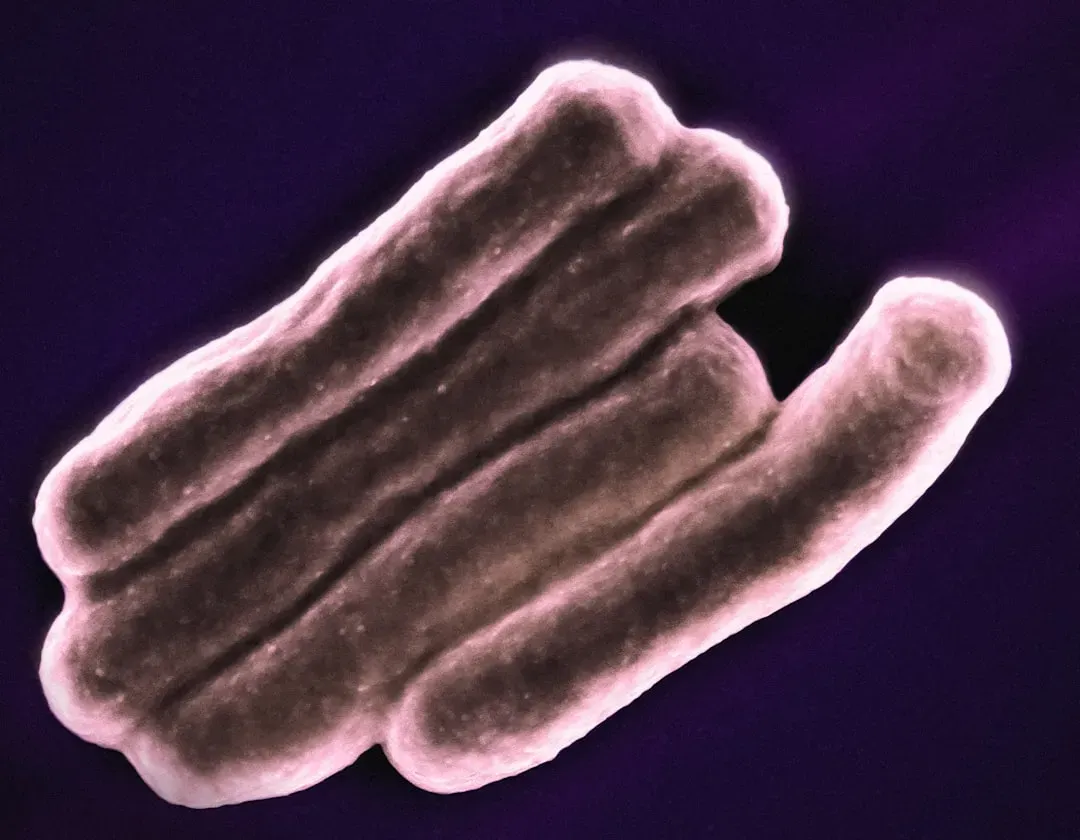
Scientists measured telomere length in peripheral blood mononuclear cells from individuals of different species at different ages and calculated the telomere shortening rate per year in each species using high-throughput quantitative fluorescence techniques. The results were eye-opening.
Long-lived species tend to have telomeres that shorten more slowly, if at all, compared to short-lived species, with the longest living bird species having the slowest telomere rate of change. Some exceptionally long-lived species even show telomeres that lengthen with age.
Bats are the longest-lived mammals for their size, and telomeres do not shorten with age in the longest-lived bats. This finding challenges the conventional wisdom that telomere shortening is an inevitable part of aging.
Larger species tend to have longer lifespans, with this correlation thought to be due to the fact that larger animals have slower metabolic rates and fewer natural predators. The slower you burn energy, the longer the candle lasts, so to speak.
Giant tortoises were once thought to have long lifespans due to slow metabolism, but scientists now think other genetic and biological processes are at work, with giant tortoises never stopping growth or reproduction, which means they effectively don’t age. They’re not just living longer; they’re aging differently at a fundamental biological level.
Conclusion: What Ancient Animals Teach Us About Time

The remarkable creatures we’ve explored paint a picture of longevity that’s far more complex than simply “living a long time.” From clams that ignore telomere shortening to sharks with supercharged DNA repair systems, nature has experimented with countless approaches to extending life. What becomes clear is that aging isn’t some inevitable universal law, but rather a collection of biological processes that can be slowed, paused, or even reversed under the right circumstances.
Scientists have spent years trying to find the secrets to a long life, and many of the species on this list may offer clues as to how we might be able to live healthier and prolonged lives in the future. The implications extend far beyond simple curiosity about the natural world.
These ancient animals remind us that our understanding of biological limits is still evolving. They challenge assumptions about what’s possible and push researchers to think differently about aging mechanisms. Whether it’s the ocean quahog’s resistance to oxidative stress, the Greenland shark’s enhanced DNA repair capabilities, or the naked mole rat’s cancer resistance, each species offers a unique window into the molecular machinery of longevity.
Perhaps the most profound lesson is this: time moves differently depending on where you are and how you’re built. A century for a human represents an entire lifespan, but for a Greenland shark gliding through Arctic waters, it’s barely the beginning of adulthood. Makes you wonder what we might discover next about the nature of aging itself, doesn’t it? What do you think about these incredible survivors? Does it change how you view aging?

- Why Wolves Were Reintroduced to Yellowstone - July 15, 2026
- The Resurgence of America’s Wild Horses: A Symbol of Freedom and Hope - July 15, 2026
- 10 Cat Breeds That Tolerate Dogs Surprisingly Well - July 15, 2026