

Picture this: the last rays of sunlight filtering through a cypress swamp, and somewhere in the shadows, a tawny ghost moves silently through the undergrowth. Most Floridians have never seen one in person, and honestly, most never will. Yet the Florida panther remains one of the state’s most intriguing creatures, wrapped in mystery and misconceptions.
There’s something almost mythical about an animal that managed to cling to survival when everything seemed stacked against it. These cats have stories to tell, stories that go far beyond what you’d find in a typical nature documentary. So let’s dive in and uncover some surprising truths about Florida’s most elusive predator.
They Can’t Roar Like Other Big Cats
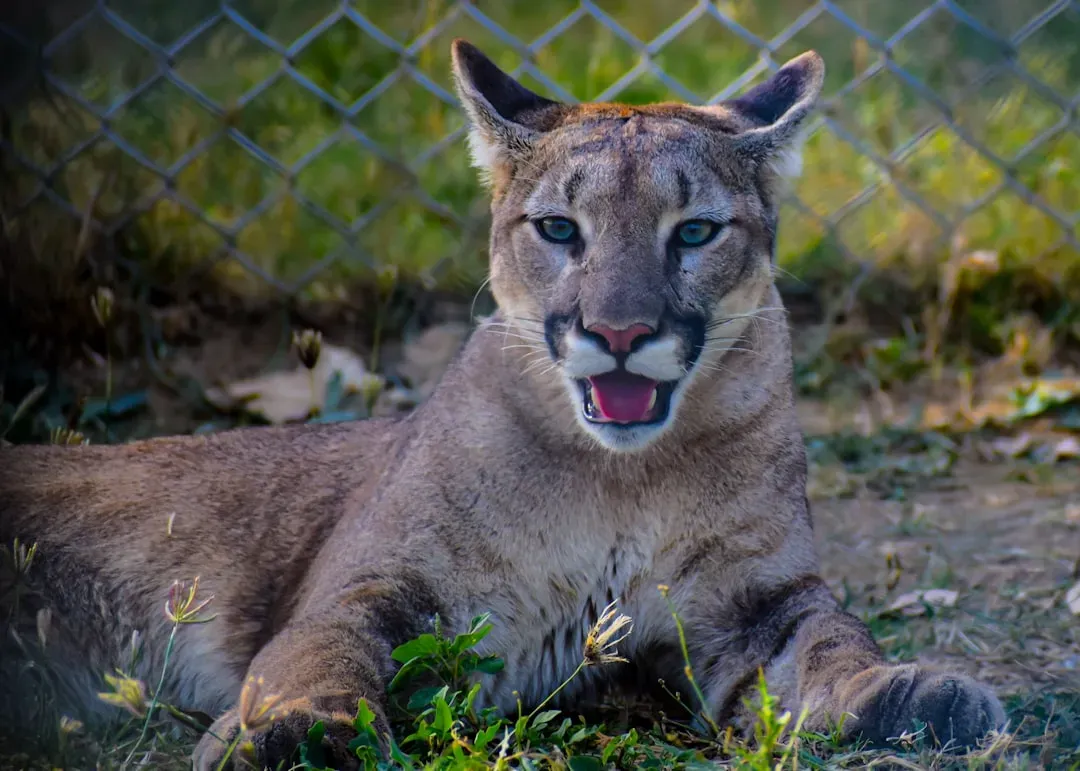
Here’s the thing: Florida panthers can’t roar at all. They purr, hiss, snarl, growl, and yowl to communicate. It’s hard to say for sure, but this makes them more similar to your house cat than to a lion or tiger, despite their impressive size.
Although mountain lions are one of the largest species of cat found in North America, they actually have more in common with the house cat than a lion or tiger. Unlike other large cats, mountain lions lack a flexible hyoid and are unable to roar. Instead of that bone-shaking roar you’d expect from a big cat, panthers communicate through whistles, chirps, and purrs. Imagine encountering one in the wild and hearing it chirp like an oversized housecat.
Their Kinked Tails Tell a Dark Story
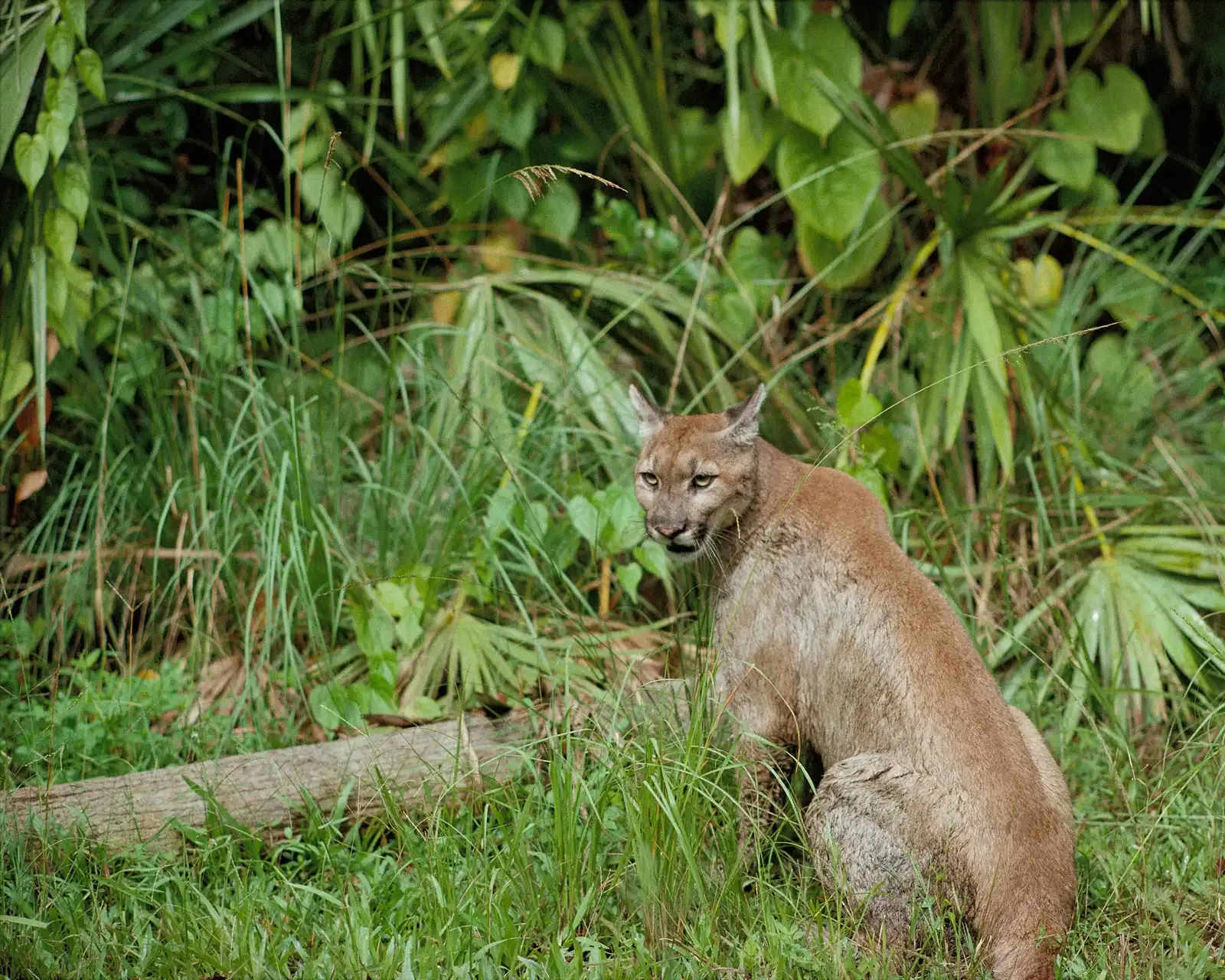
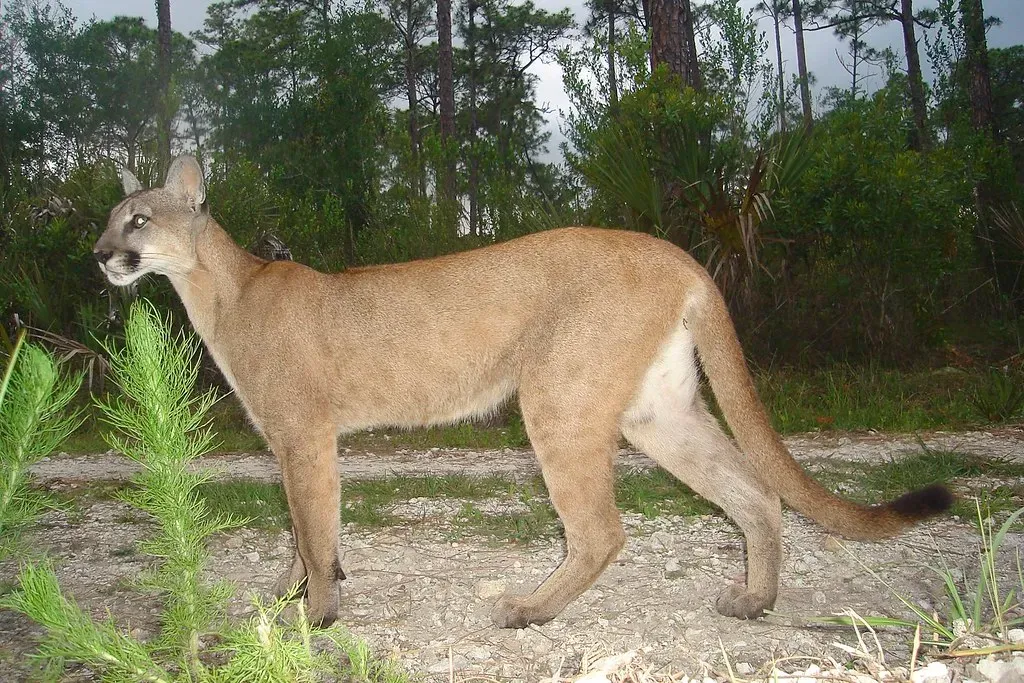
A good way to tell a Florida panther from other subspecies of mountain lion is by looking at the tail and back. Florida panthers usually have a crooked tail and a unique patch of fur on the back. The back fur is almost like a cowlick, not conforming to the rest of the panther’s fur.
These aren’t just quirky physical traits. These are not true subspecies differences, however, because kinked tails and cowlicks are a negative consequence of inbreeding and poor genetic variation. Florida panthers often suffer these traits because their populations had been so low in the past that multiple generations of inbreeding were unavoidable. It’s a visible scar from when the species teetered on the very edge of extinction. The good news? Over time, the prevalence of kinked tails and cowlicks has decreased as Florida panther populations have begun to grow once again.
Texas Cougars Saved Them From Extinction
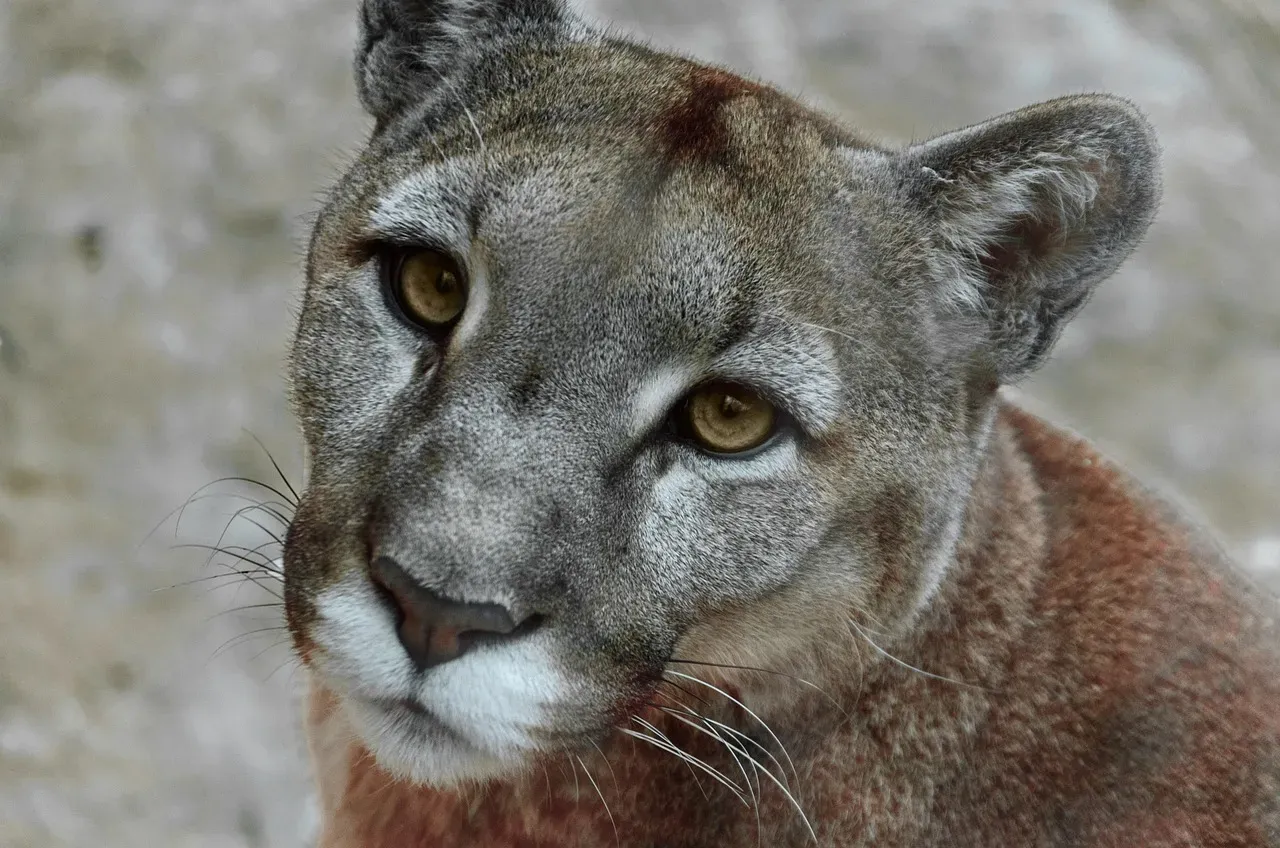
By the mid 1990s, things looked grim. By the 1990s, only 20-30 panthers remained living in the wild, and only here in SW Florida. This genetic bottleneck caused a decline in birth rates, and those that were born exhibited birth defects such as cowlicked fur, kinked tails, and even holes in their hearts.
Scientists made a controversial decision. A decision was made in the mid-90s to bring 8 female Texas “cougars” to breed with the male Florida panthers. This subspecies of puma would have been a natural breeding partner for panthers since they shared habitat and range on the Texas/Louisiana border. Let’s be real, it was a gamble. However, The population of Florida panthers has increased tenfold over the past 30 years, thanks to the introduction of pumas from Texas into the Everglades. Despite that outside DNA, new research finds panthers have kept their genetic diversity. The intervention worked remarkably well.
They’re Apex Predators Reshaping Ecosystems
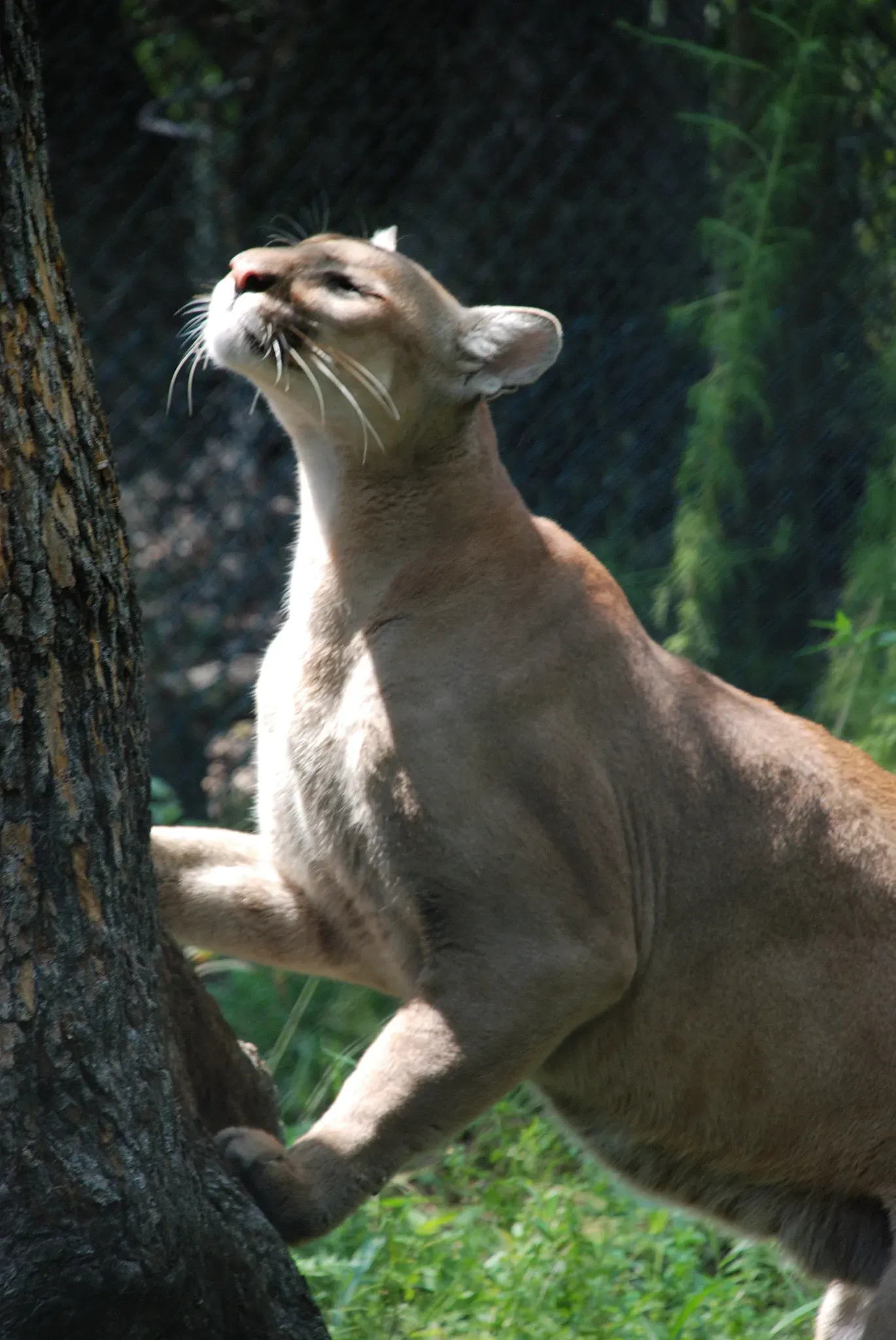
According to a 2022 study from the University of Georgia, Florida panthers are now the main cause of death for white-tailed deer in Southwest Florida. Of 241 deer captured and fitted with GPS collars during the study, 96 were killed by Florida panthers. This shows improved health (and therefore ability to hunt) in the endangered panther population.
Think about that for a moment. An animal once nearly extinct is now controlling deer populations across Southwest Florida. Florida panthers play a crucial role in maintaining the health and balance of their ecosystem. As apex predators, they help regulate prey populations, such as deer, wild hogs, and small mammals, preventing overgrazing and maintaining the integrity of plant communities. Their comeback isn’t just about saving one species; it’s about restoring balance to an entire ecosystem.
Males Travel Incredible Distances
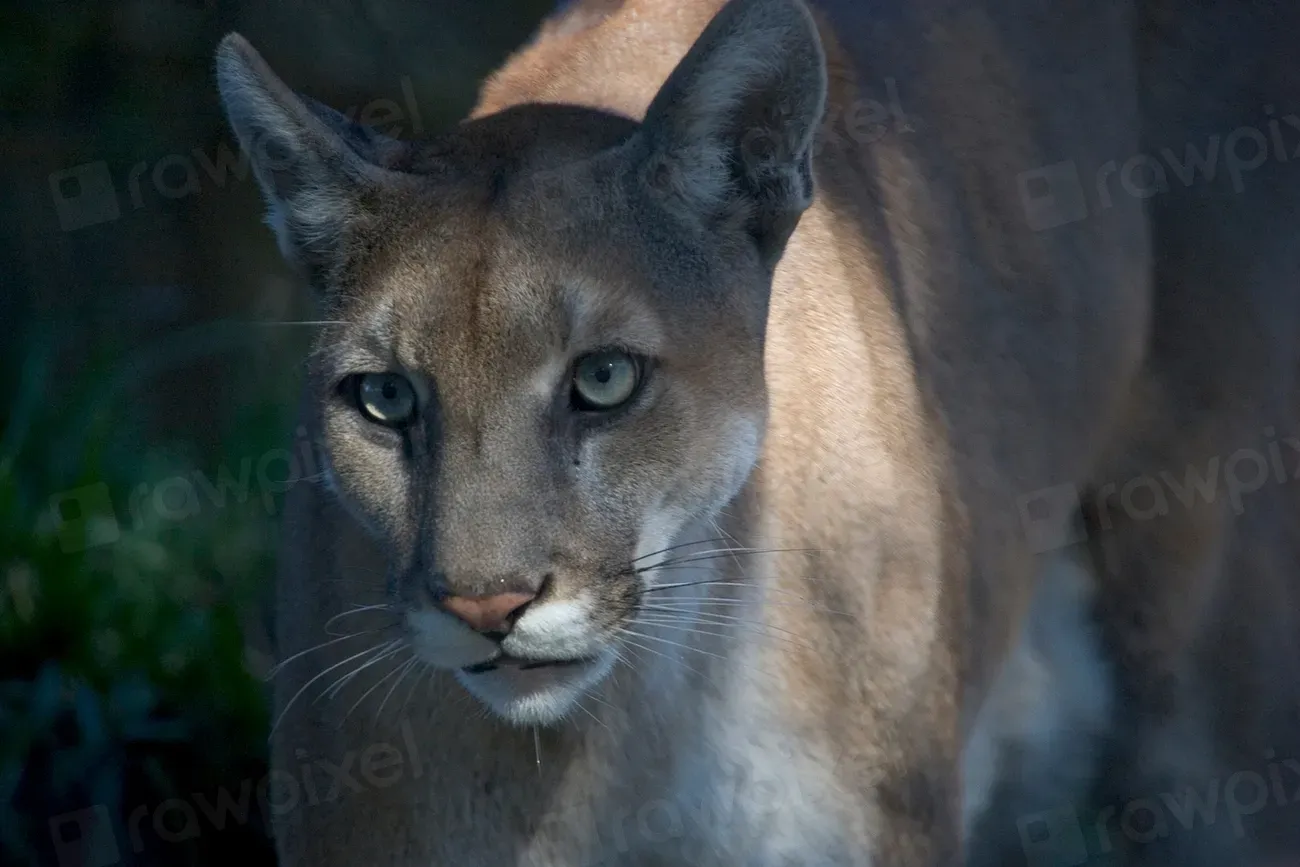
Male panthers are wanderers. Males require vast home ranges of up to 250 square miles, while females generally occupy 70 to 200 square miles. Panthers are highly mobile and can travel up to 20 miles a day in search of food or mates.
It is not uncommon to find male panthers throughout the Florida peninsula, and one male ventured into western Georgia where he was shot and killed in 2008. Some males have been documented as far north as Alabama. Females, on the other hand, tend to stay close to their mother’s home range, which is why population expansion happens so slowly.
Vehicle Collisions Are Their Biggest Killer
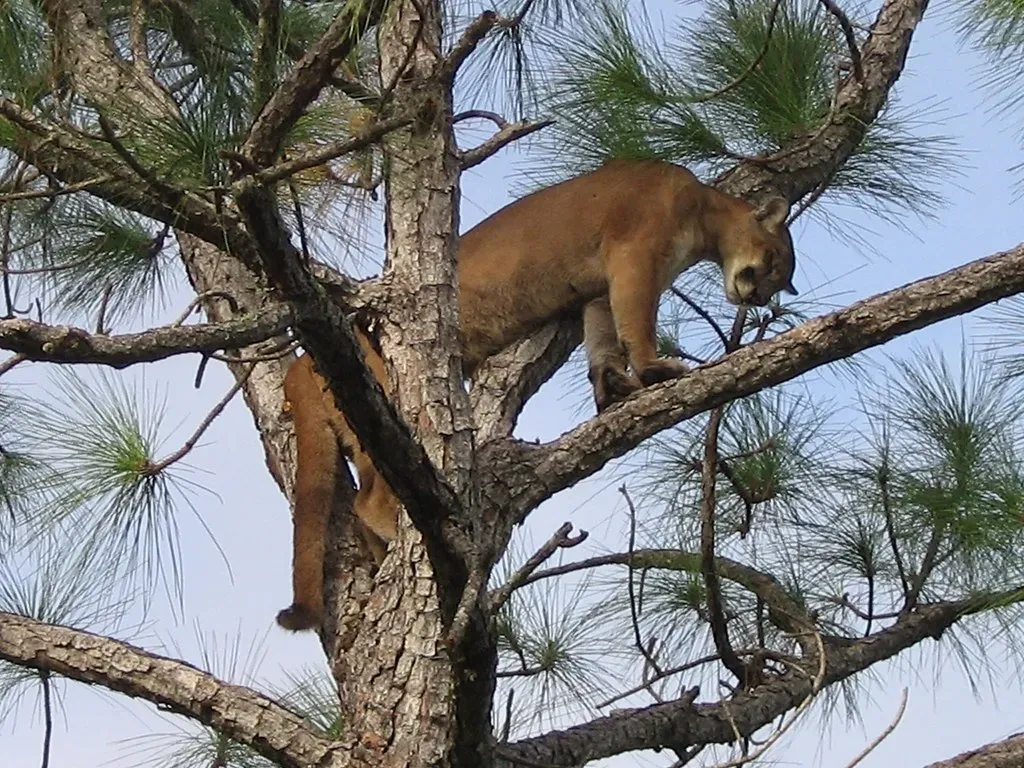
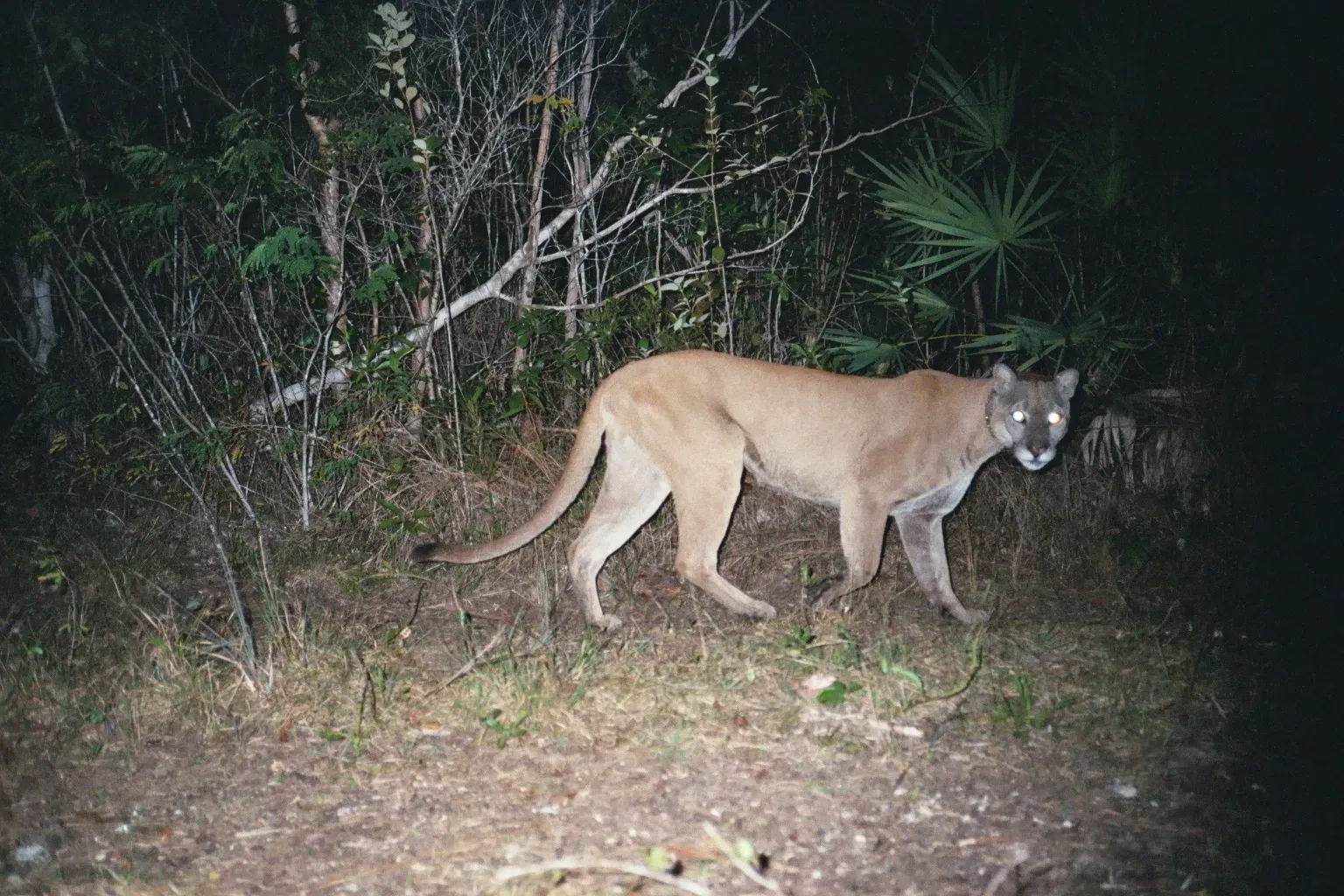
This one hits hard. Vehicular collisions are the number one cause of known panther mortalities. Every year, dozens of these magnificent cats are struck and killed on Florida’s roads as they search for territory, food, and mates.
To date in 2025, four panthers have been killed by vehicles, which are the leading cause of death for the animals, according to the Florida Fish and Wildlife Conservation Commission. Roads don’t just kill panthers directly; they fragment habitats, separating breeding populations and limiting genetic diversity. Wildlife crossings and underpasses have helped, but it’s nowhere near enough given the pace of development.
Kittens Are Born With Blue Eyes and Spots
Florida panthers are spotted at birth, and typically have blue eyes. As the panther grows, the spots fade and the coat becomes completely tan, while the eyes typically take on a yellow hue. Those spots serve an important purpose during their most vulnerable weeks.
At birth, the kittens are born covered in dark spots. The spots help camouflage the kittens under forest debris. The kittens are vulnerable to predators, especially right after birth when they are blind. Mothers keep their kittens hidden in dens for the first six to eight weeks, nursing them constantly before gradually teaching them to hunt. Kittens will stay with their mother until they are 1.5 or 2 years old.
They’re Battling Invasive Species for Food
The panthers are also competing with the Burmese pythons. With the snakes eating the panther’s food, it is making it harder for them to hunt and stay alive. Imagine recovering from near extinction only to find an invasive predator eating your prey base.
These massive pythons have decimated populations of small and medium mammals in the Everglades. Some ecologists fear that the Burmese python (Python molurus bivittatus), an invasive species that competes with the Florida panther for prey, is reducing prey populations and thus contributing to increased panther mortality. It’s a new challenge in an already difficult fight for survival.
There’s Never Been a Human Attack
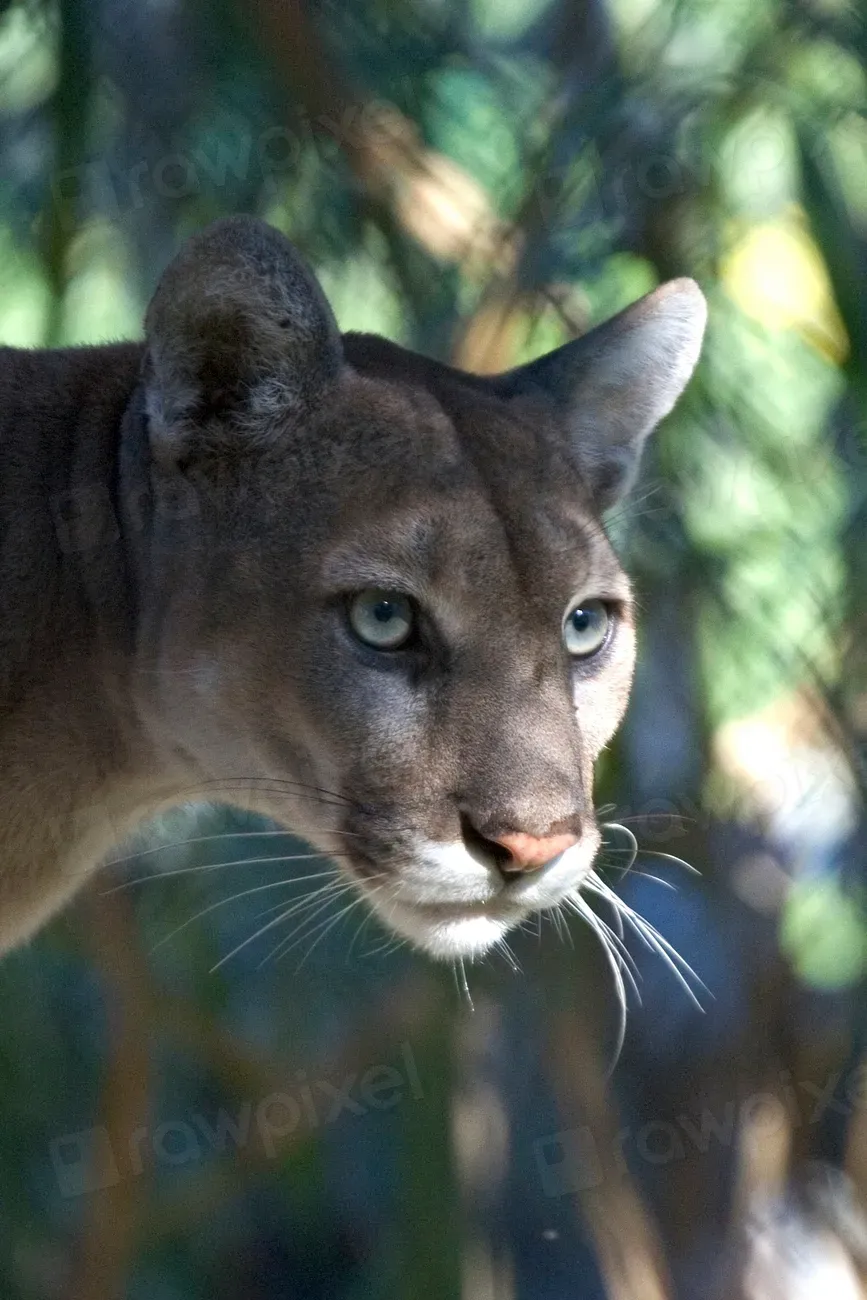
Despite all the fear and misconceptions, here’s a remarkable fact: There has never been a documented Florida panther attack on a human. Let that sink in. Florida panthers are not aggressive toward people. They are elusive, solitary animals that prefer to avoid human contact whenever possible. If given space and respect, they pose little to no threat.
The panthers rarely linger, and there are no documented attacks on humans. These cats want nothing to do with us. They’re far more threatened by humans than we are by them, yet fear and misunderstanding continue to plague their recovery efforts.
They Can Leap Over 15 Feet When Hunting
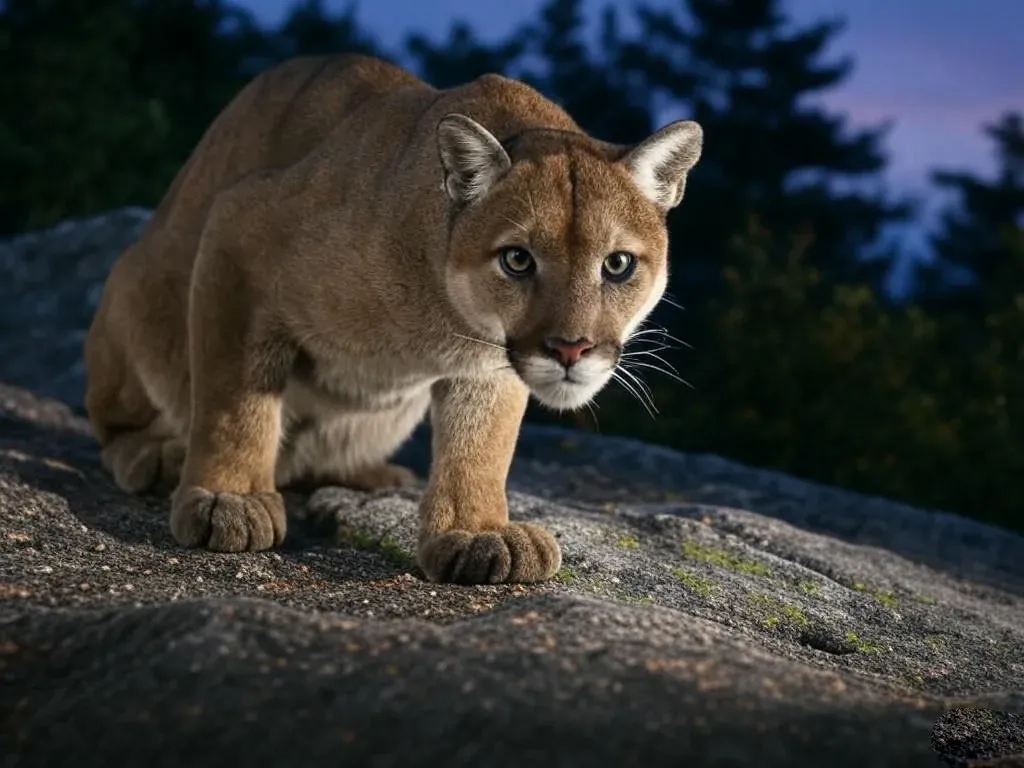
Florida panthers can leap more than 4 m (15 ft.) when pouncing on their prey. Picture a predator launching itself through the air with that kind of power and precision. Panthers are solitary, efficient hunters that stalk and ambush their prey. They are most active at dusk and dawn.
They’re stealth incarnate, using dense vegetation to get within yards of their target before exploding into action. While they are capable of short bursts of speed up to 35 miles per hour, they rely more on stealth and ambush tactics when hunting. It’s a testament to millions of years of evolution as apex predators.
Climate Change Threatens Their Future Habitat
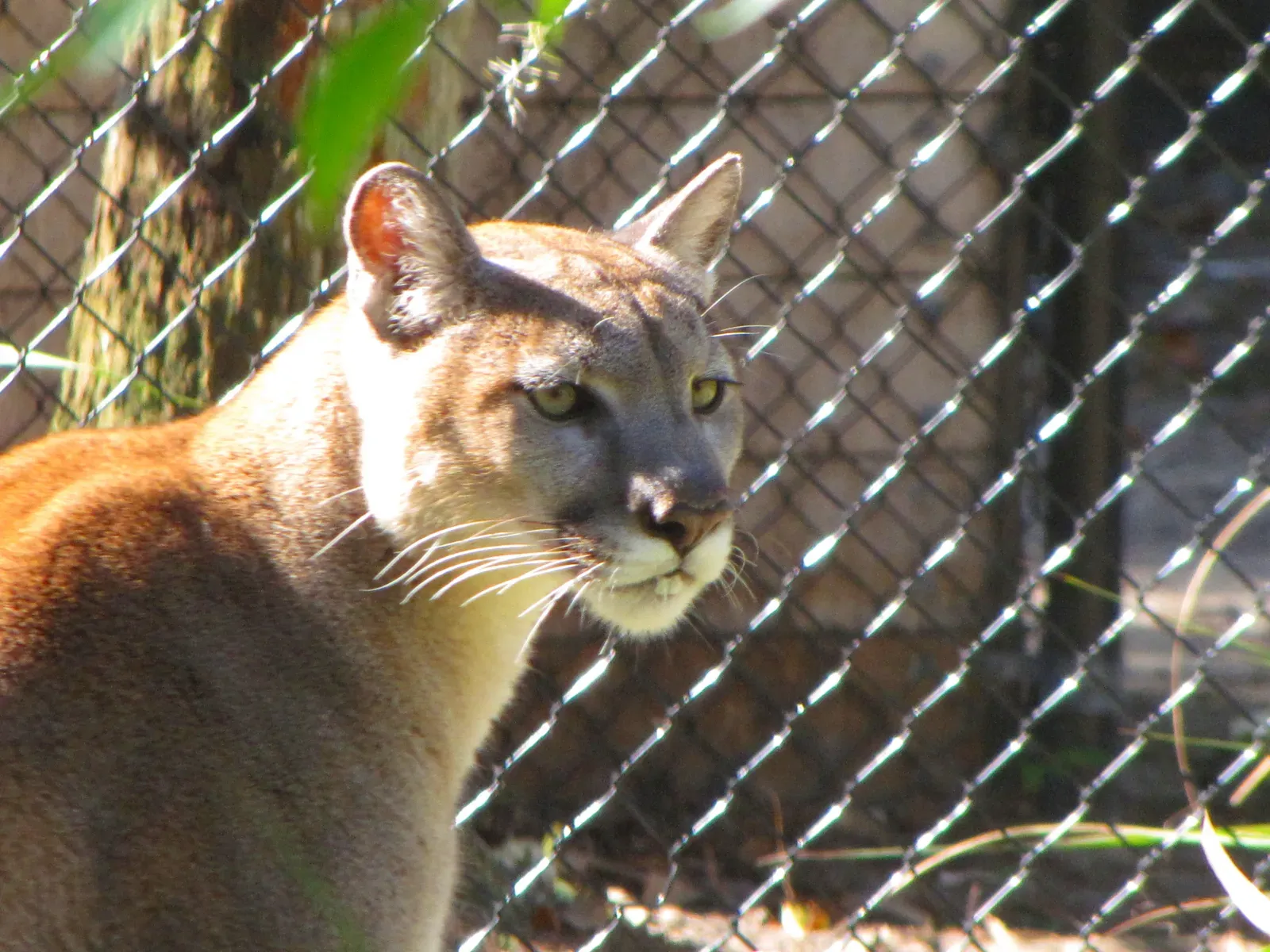
Future Florida human population projections, coupled with habitat loss secondary to climbing sea levels, predict a stark reduction in the Florida panther home. A combined 17% of current Functional Zone habitat is predicted to be lost to planned developments and a rise in sea level by 2040.
It’s really a sad scenario when you think about it. By 2070, it is predicted Florida will be home to an additional 14.9 million new residents, including 1.27 million people added to Lee, Collier, and Hendry counties, where most panther populations are currently found. The cats survived near extinction once, but can they survive the twin pressures of development and rising seas?
Current Population Remains Critically Small
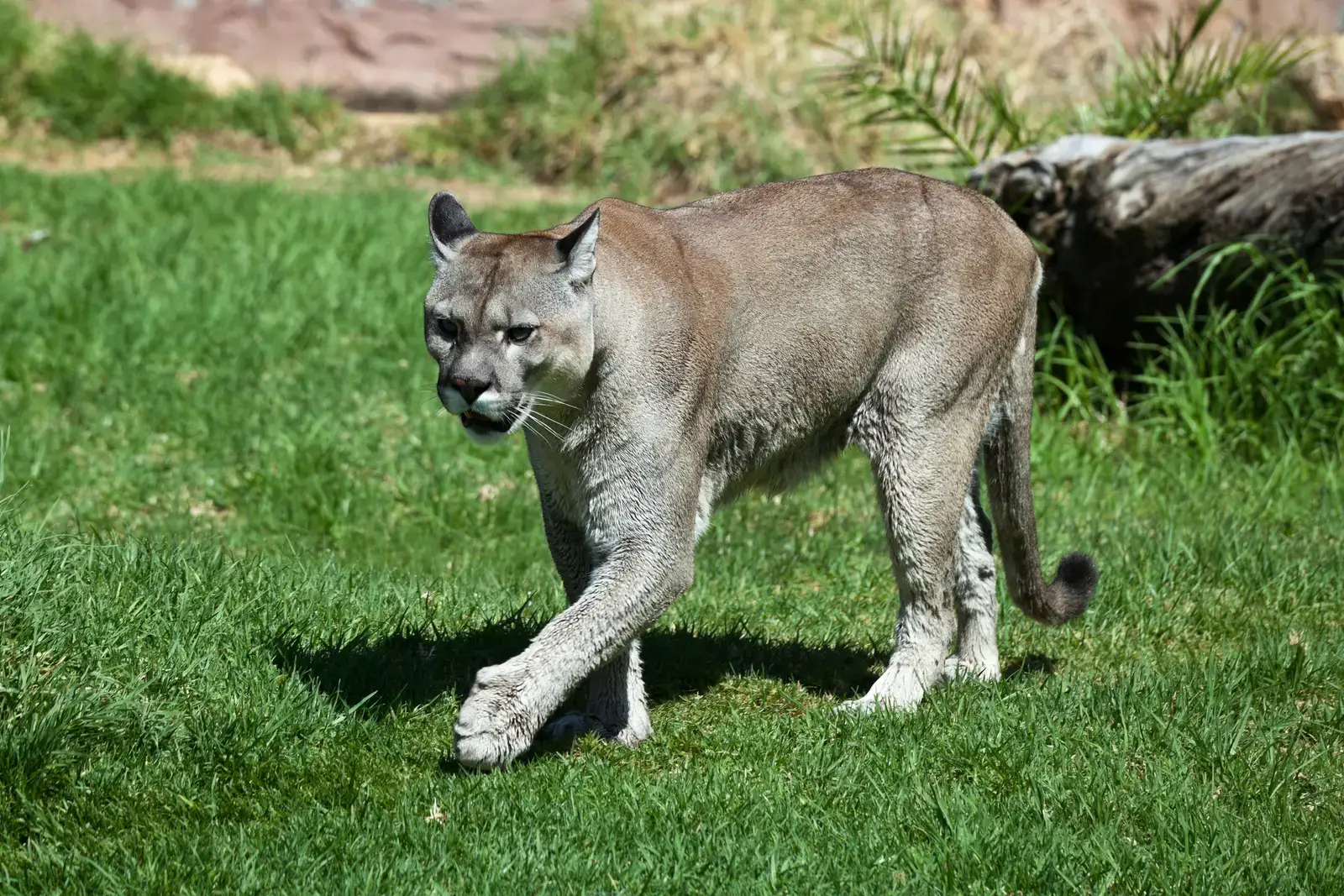
As of 2024, about 200 individuals are left in the wild. While that’s a massive improvement from the roughly 20 animals in the 1990s, it’s still precarious. There are approximately 120-230 adult panthers in the population.
It is the only confirmed cougar population in the Eastern United States, and currently occupies 5% of its historic range. Think about that: these animals once ranged from Florida to Louisiana, throughout the Gulf Coast states and Arkansas. Now they’re squeezed into the southwestern tip of Florida, fighting for every acre of habitat they can get.
The road to recovery requires three separate populations of roughly 240 individuals each throughout the state before the species can be considered recovered. We’re nowhere close to that goal yet, but the progress made so far shows it’s possible.
What do you think about these resilient cats? Their story is one of survival against impossible odds, but it’s far from over. Did any of these facts surprise you?
