
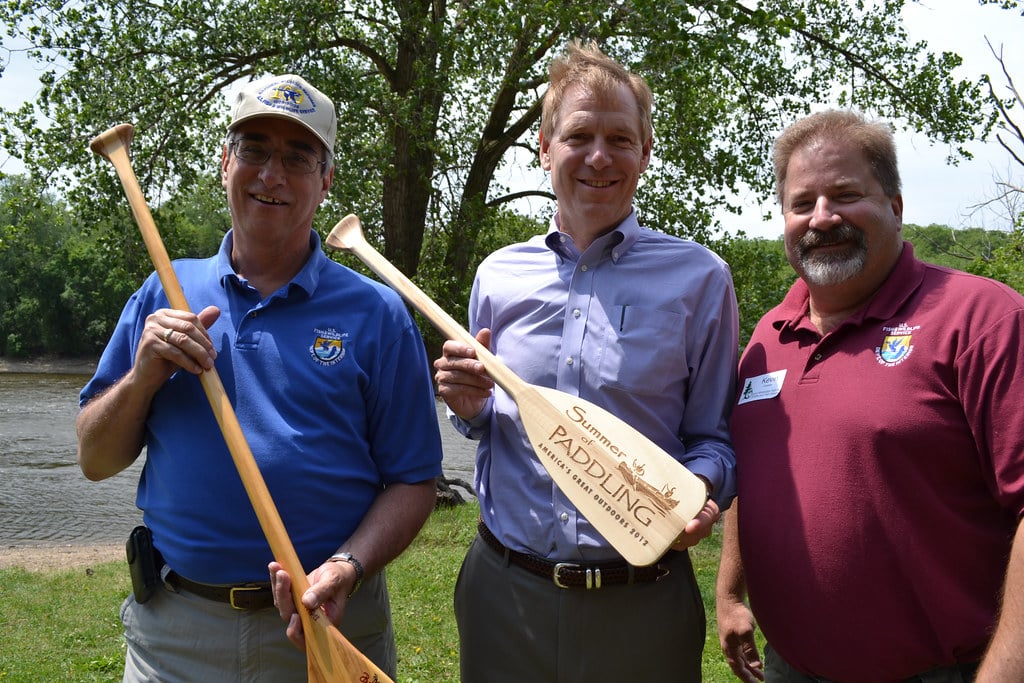
Let’s clear up the headline’s sneakiest assumption first: turning 62 does not unlock free ranger-led wildlife walks. Those walks are generally free for everyone, from toddlers to tourists to teenagers. What your 62nd birthday really changes is the price of getting through the gate. So the click was worth it. Below are 11 free wildlife experiences, plus the fine print most listicles skip.
Here’s where it gets interesting. One of these walks is a lottery with long odds. Another runs every single day of the year. One comes with a free canoe that most outfitters would happily charge you for. And a few of the best deals aren’t inside a famous national park at all. Start with the one where the real show happens above a cave.
#11 – Mammoth Cave’s Free Surface Program Beats the Paid Tour for Wildlife Fans
🔥 Would you like to save this?
We'll email this post to you, so you can come back to it later!
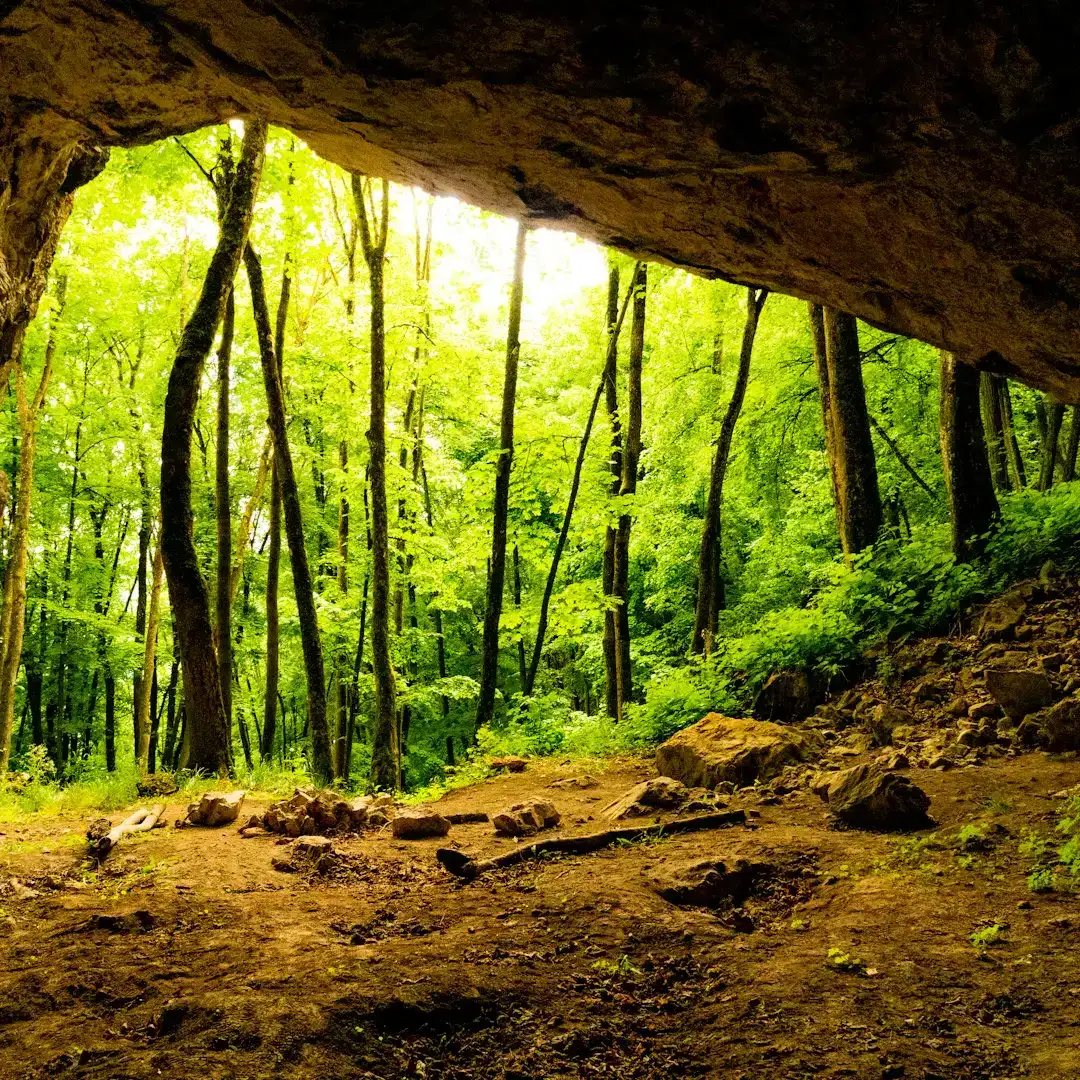
The best wildlife deal at Mammoth Cave happens above ground.
At Mammoth Cave, all surface programs are free, while cave tours carry a fee. The paid tours are geology-focused. They are built around rock, passages and formations, not animals. That makes sense at a park protecting the longest known cave system on Earth, with more than 400 miles of mapped passage.
Most first-timers book the underground tour and treat the forest outside as a parking lot. Wildlife lovers have that backwards. The free surface walk is where the Kentucky woodland and its residents are the whole point. Hardwood forest, river bottoms and quiet trails are the kind of setting where a deer or a wild turkey is a reasonable hope.
Where does age 62 come in? A Senior Pass covers standard entrance fees at federal sites. It may also provide a 50 percent discount on some amenity fees such as camping and specialized interpretive services. Whether that discount applies to a specific cave tour is worth asking at the ticket desk before you pay full price.
Quick Compare
- Surface programs: free, set in the forest, and the better fit for wildlife fans.
- Cave tours: carry a fee and focus on rock, passages and formations.
- Your pass: ask the ticket desk whether any discount applies before you pay full price.
Do the free walk first. Decide on the paid tour afterward, once you know what you want from the day.
But the next stop proves you don’t need a famous national park at all…
#10 – Jamaica Bay: The Big-City Refuge Most Birders Overlook
🔥 Would you like to save this?
We'll email this post to you, so you can come back to it later!
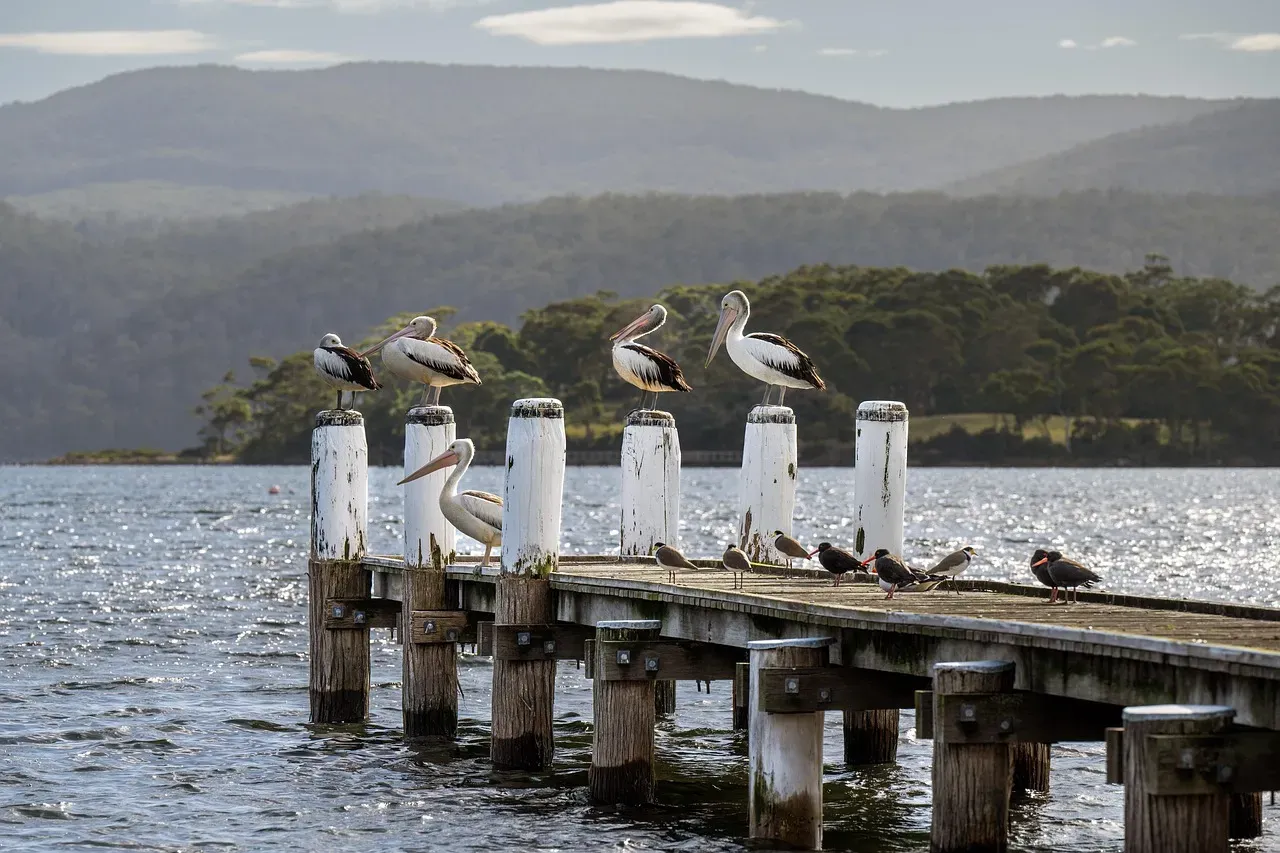
One of the East Coast’s best wildlife stops sits inside a metropolitan park unit.
Jamaica Bay Wildlife Refuge is part of Gateway National Recreation Area. Most travelers file New York City under skyscrapers, not shorebirds. That is the mistake. Stand on the right trail and you can watch egrets work the shallows with the Manhattan skyline hanging in the distance.
The refuge is a mix of salt marsh, open water and grassland. That mix draws birds that have no interest in your itinerary. More than 300 bird species have been recorded in the area, and birders treat it as a serious spot, especially during migration seasons. In late spring, horseshoe crabs also come ashore to spawn on the bay’s beaches.
Here’s what to check before you go:
- Walk and talk schedules change by season, so check the Gateway calendar.
- Entry rules vary by site, so confirm fees on the official page.
- Bring binoculars, since many birds stay well out on the water.
Wildlife viewing is cheap here, but nothing is guaranteed. Programs can be seasonal, and weather cancels outdoor events. Treat the calendar as a starting point, not a promise.
Next up is a park where the walk itself can be a workout…
#9 – Glacier’s Ranger-Led Hikes Are the Free Guide Most Visitors Skip
🔥 Would you like to save this?
We'll email this post to you, so you can come back to it later!
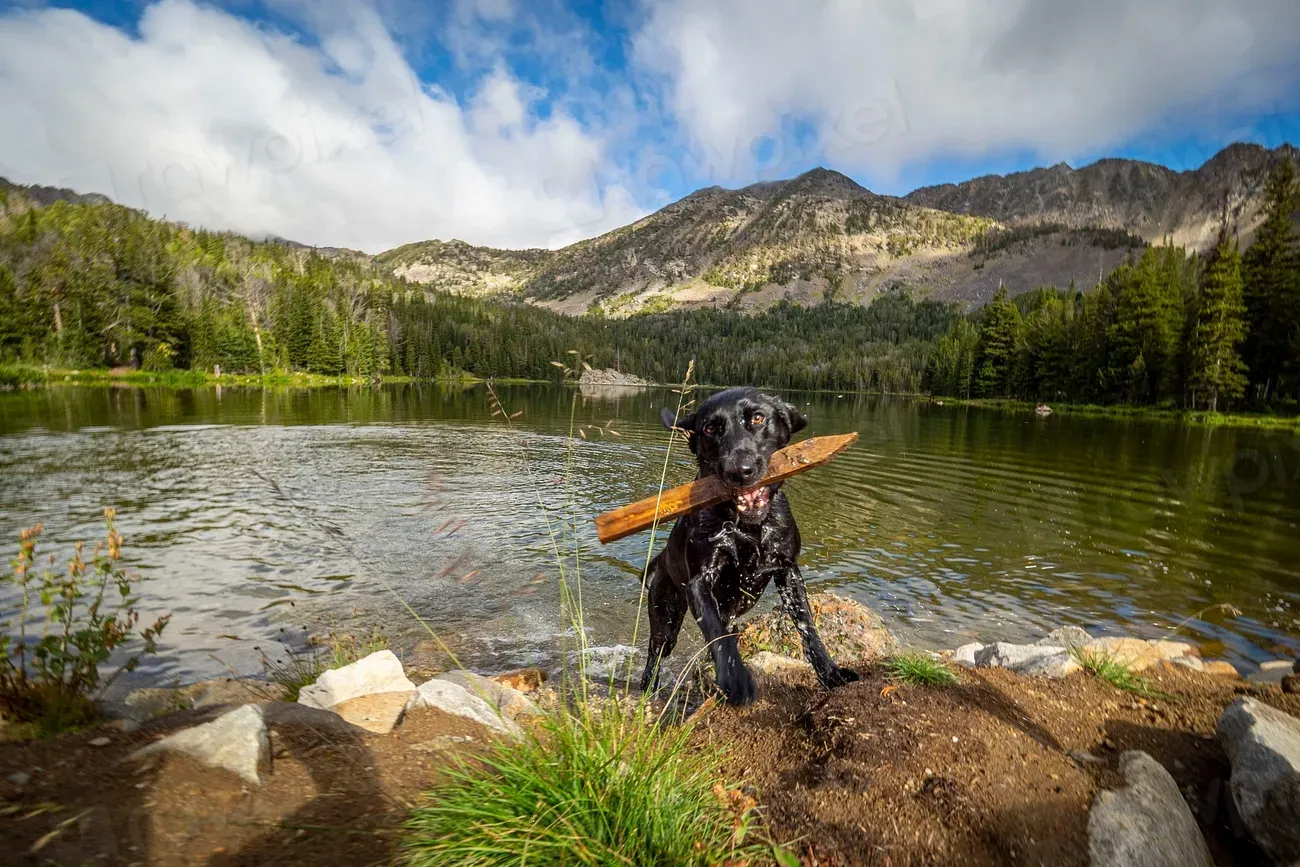
Glacier’s rangers will walk you through grizzly country at no extra charge.
Glacier’s ranger-led hikes are usually free with park admission. They range from short family-friendly walks to longer hikes. The range is the catch, so read the difficulty description before you sign up. The park is home to grizzlies, black bears, mountain goats and bighorn sheep, and a good ranger knows where each tends to show up.
Many visitors hire a private guide on day one. That’s often an expensive way to learn what a ranger will tell you for free. Private guides have their place, especially for backcountry trips. For a first look at the ecosystem, the ranger hike is the smarter opening move.
Your pass helps with the gate. At per-vehicle fee sites, it admits the pass holder plus passengers in one vehicle. So a couple, or a grandparent with grandkids in the back seat, gets in on one pass.
Quick checklist for ranger hikes:
- Match your pace to the posted distance and terrain.
- Bring bear spray if the ranger or park guidance advises it.
- Confirm the meeting point at a visitor center.
Free doesn’t mean unstructured. Rangers set the route, the pace and the safety briefing, which matters more in bear country than most people admit.
The next walk is wetter, and it runs on the moon’s schedule…
#8 – Acadia’s Free Tidepool Tours Run on the Ocean’s Clock
🔥 Would you like to save this?
We'll email this post to you, so you can come back to it later!
At Acadia, the schedule is set by the tide, not by the park.
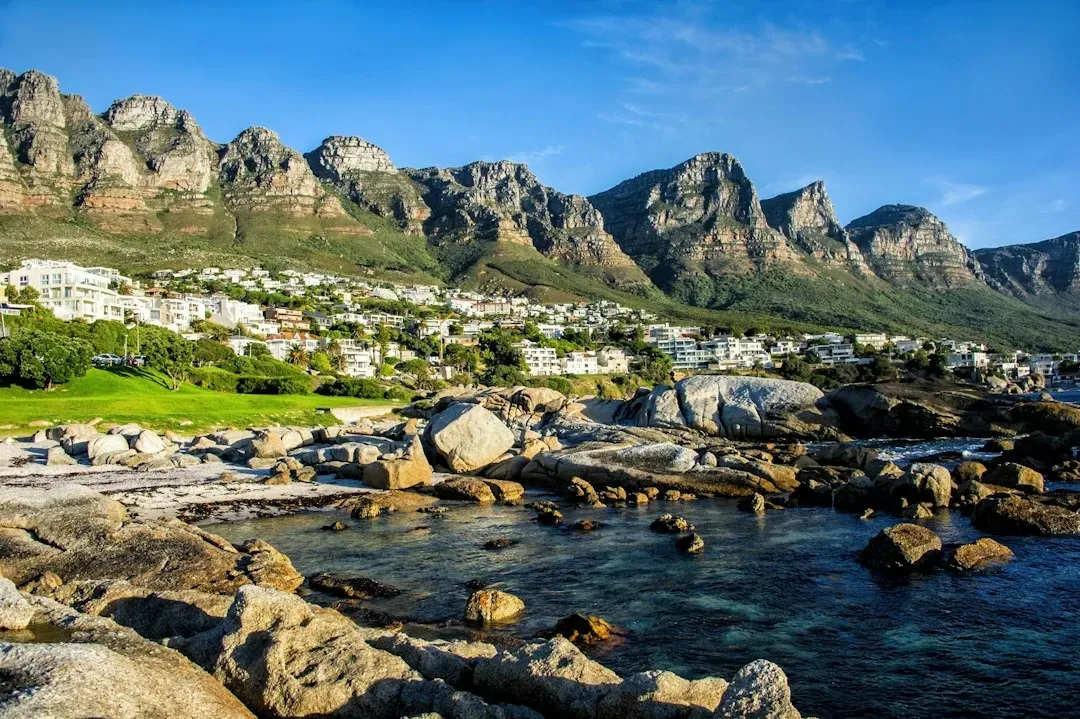
Acadia’s rangers run free tidepool tours, timed around low tide, when the shoreline gives up its hidden residents. Show up at the wrong hour and you will see only wet rock. Along this part of Maine, the tide can swing roughly 10 to 12 feet, so the shoreline you see at noon may be underwater by dinner.
That is why low-tide ranger walks are worth building your day around. A ranger reads the rocks for you. They point out the crabs, snails and anemones you would step right over. Kids tend to remember this walk for years, and so do their grandparents.
The animals in a tidepool survive swings in temperature and salinity that would kill most sea life. That makes the walk a lesson in toughness as much as a wildlife stop.
Your Senior Pass matters at the gate here, since the entrance fee is the one cost on this walk. Check the current tide chart and the program listing the night before. Both change daily.
But the next park hides its best wildlife program behind a single piece of advice…
#7 – Sequoia Kings Canyon: Free Bear Talks and Moonlit Walks
🔥 Would you like to save this?
We'll email this post to you, so you can come back to it later!
Some of California’s wildest mountain wildlife gets explained for free, and no reservation is needed.
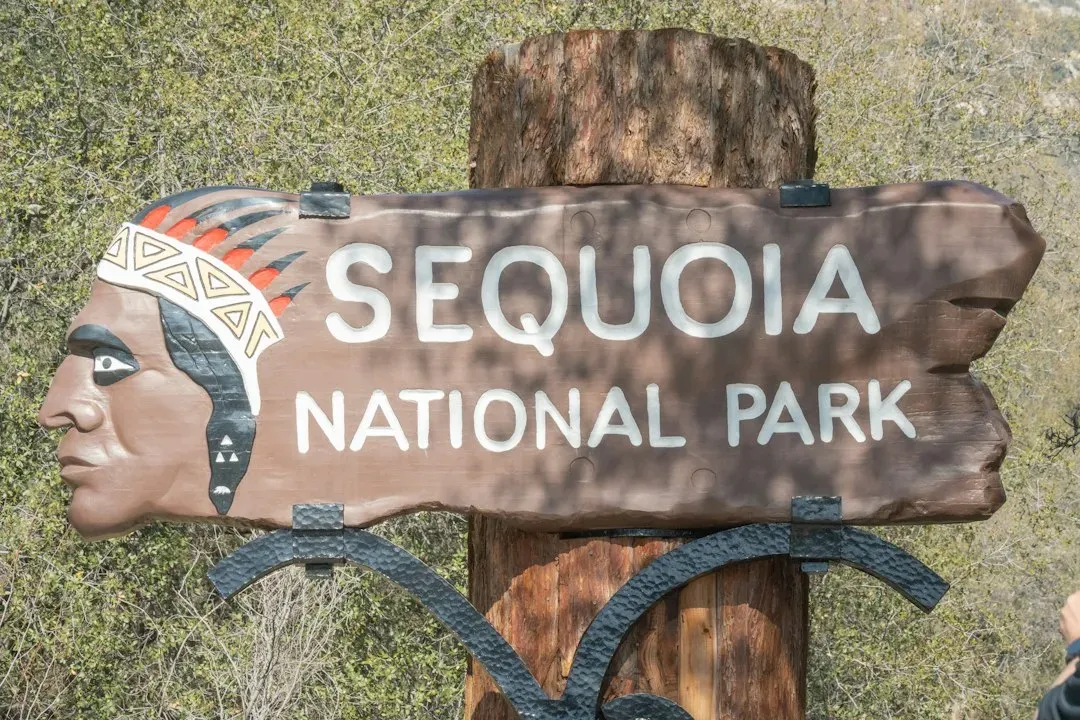
At Sequoia and Kings Canyon, walks, talks, activities and evening programs are free and open to the public. Visitor center talks cover bears and other mountain wildlife. Rangers also lead walks through sequoia groves and moonlight walks, when the giant trees look like something from another planet.
Timing is the trap. Most programs are scheduled in summer, from Memorial Day through Labor Day. Arrive in October and the calendar may look nearly empty.
No reservations are necessary for scheduled ranger programs. That makes this one of the easiest free wildlife experiences on the list. Walk up, listen, ask questions.
A word on paid options. The park’s partner organization sells public and private guided national park experiences for small groups. Those are different from the free ranger calendar, so know which one you are signing up for.
Honest opinion: the free bear talk may be the most useful 30 minutes of any Sierra trip. The bears here are black bears, not grizzlies, but they are smart, persistent and very interested in an unlocked cooler. Bear behavior is where visitors make costly mistakes.
The next walk happens above the treeline, where the air gets thin…
#6 – Rocky Mountain’s Tundra Nature Walk Takes You Above the Trees
🔥 Would you like to save this?
We'll email this post to you, so you can come back to it later!
This walk happens on a landscape most Americans will never stand on.
Rocky Mountain National Park offers ranger-led walks, talks and activities, and the Tundra Nature Walk is one of them. All ranger-guided experiences are free, great for visitors of all ages, and open to the public.
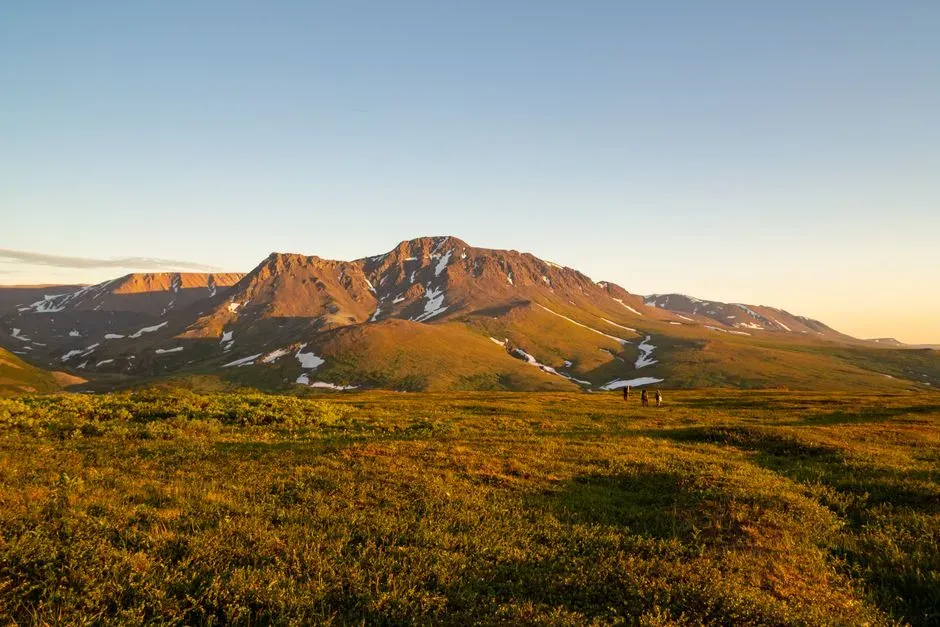
Alpine tundra is a harsh, windy world above the tree line, where the park’s high road climbs past 12,000 feet. Small mammals such as marmots and pikas are among the animals associated with that habitat. A pika looks like a tiny, round-eared relative of the rabbit. Sightings are never guaranteed, so a ranger’s eye helps.
The slow pace of a ranger walk is the real benefit at high elevation. Thin air punishes people who rush. A guided stroll builds in the stops that your body wants anyway.
Practical points:
- Topics, times and locations are on the park calendar and at all visitor centers.
- Programs may be canceled last minute due to unforeseen circumstances like inclement weather.
- Dress in layers, since alpine weather turns fast.
Your pass handles the gate. The walk costs nothing more, but bring water, sun protection and patience for altitude.

Professional 7 in 1 Dog Paw Cleaner for Dogs & Cats - Includes 1 Portable Paw Washer, 1 Bath Brush
Check Price on AmazonAs an Amazon Associate, we earn from qualifying purchases.
10/7/2026 1:26 pm GMTi

Dog Stairs for Bed 18" H, 4-Step Dog Steps for High Bed
Check Price on AmazonAs an Amazon Associate, we earn from qualifying purchases.
10/9/2026 2:42 pm GMTi

Glass Hummingbird Feeder for Outdoors Hanging, 16 oz Leak-Proof Nectar Feeder with Bee Guards & Ant Moat
Check Price on AmazonAs an Amazon Associate, we earn from qualifying purchases.
10/7/2026 1:22 pm GMTi

Hand Blown Glass Hummingbird Feeders for Outdoors Hanging, 24oz Wild Bird Nectar Feeder
Check Price on AmazonAs an Amazon Associate, we earn from qualifying purchases.
10/7/2026 1:23 pm GMTi

Halloween Dog Collar with Bow, Orange Cute Ghost Collar,
Check Price on AmazonAs an Amazon Associate, we earn from qualifying purchases.
10/9/2026 2:43 pm GMTi
Worth Knowing
- Less atmosphere overhead means stronger sun, so sunscreen and sunglasses matter even on cool days.
- Dehydration makes altitude discomfort worse, so sip water before you feel thirsty.
- Exposed tundra has no tree cover, so wind can make a mild day feel cold fast.
- Marmots and pikas are small and well camouflaged, so scan slowly and listen for their calls.
Next, a swamp-country walk where winter is the star season…
#5 – The Everglades’ Shark Valley and Gulf Coast Walks Peak in Winter
🔥 Would you like to save this?
We'll email this post to you, so you can come back to it later!
The Everglades has a dry season, and wildlife concentrates when the water shrinks.
The Everglades is a large park with several areas, and each runs its own program list. Programs are free with park entrance unless otherwise noted. Most Gulf Coast programs are offered in the dry season, November through April. For a Florida swamp, that’s also the comfortable season, with fewer bugs and gentler heat.
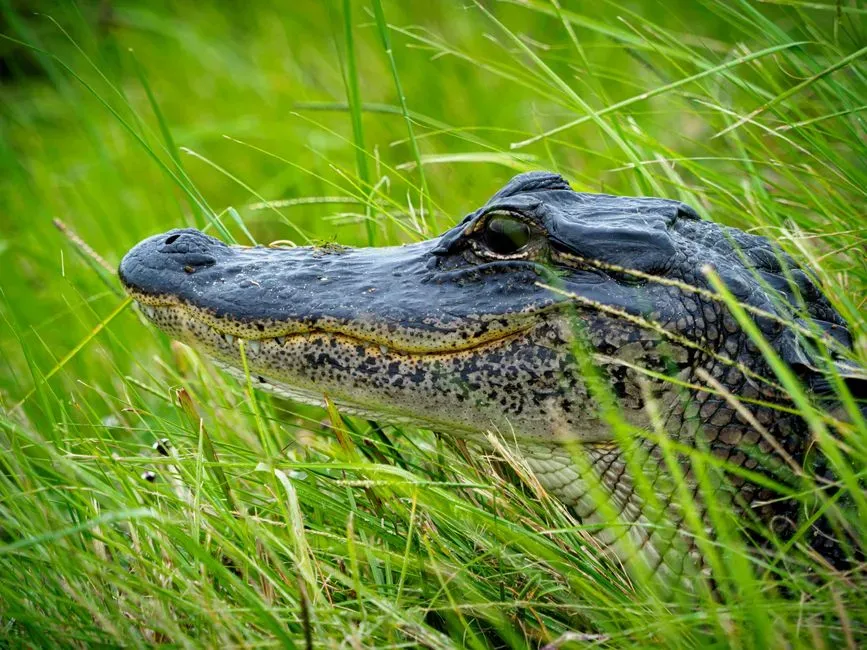
At Shark Valley, a ranger or volunteer leads you through Shark River Slough on foot. Slow water and open views make animals easier to spot than in dense forest. Alligators and wading birds are the headliners.
Paddlers get a rare deal. Experienced paddlers can join a ranger to explore the Ten Thousand Islands and look at wildlife and mangroves. Canoes are provided free of charge. The catch: reservations are required.
Most people don’t realize the canoe itself is free. That is gear most outfitters would charge for. Still, this one is for experienced paddlers, so be honest about your skills.
But the next park brings a fair warning about big expectations…
#4 – Yellowstone’s Wildlife Talks Are Free, but Don’t Expect a Safari
🔥 Would you like to save this?
We'll email this post to you, so you can come back to it later!
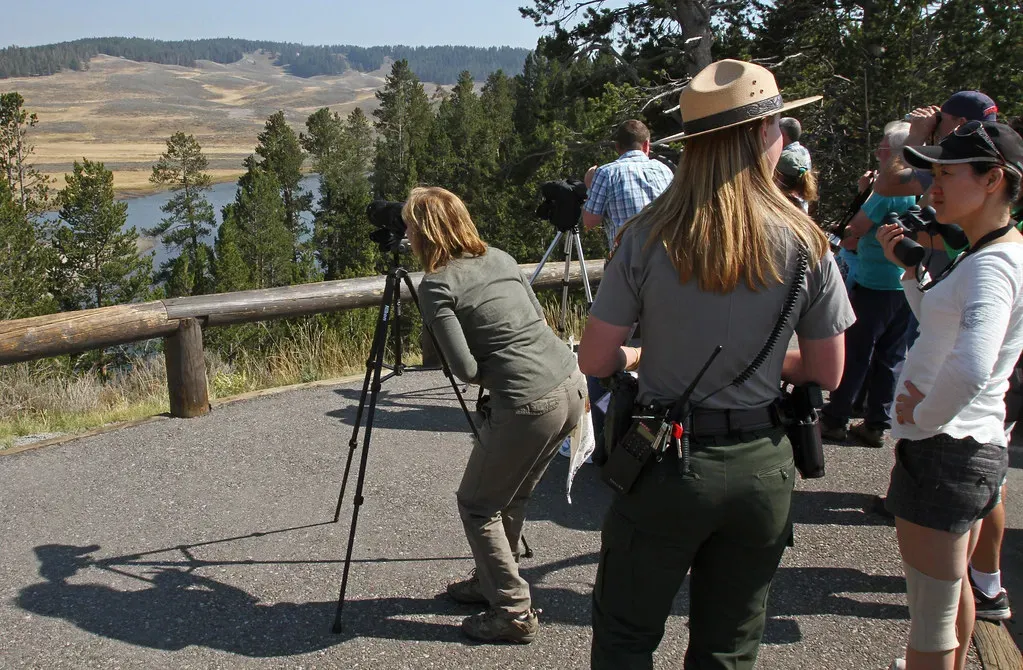
Yellowstone’s free wildlife programs are real, but they are smaller than the hype suggests.
Take the daily “Wildlife Wonders” talk at Grant Village. It runs every day at 10:30 AM during the 2026 summer season and is free. It lasts 30 minutes, so think quick lesson, not guided safari.
The 2026 ranger schedule also lists a session on where to see wildlife and how to view them safely. Programs run all year, but the most options are found from late May to early September. That’s useful in a park where bison, elk and wolves, which returned in the mid-1990s, share the landscape with millions of visitors.
At a Glance
- Program: “Wildlife Wonders” at Grant Village.
- When: daily at 10:30 AM during the 2026 summer season.
- Length and cost: 30 minutes, free.
- Best window: late May to early September, when the most programs run.
Plenty of travelers rank Yellowstone’s wildlife walks as the best free program in the park. Some argue the shorter talks are a step down from the long guided walks of earlier years. One 2026 forum thread noted that long ranger walks had shrunk to a couple of options, with more 30-minute talks replacing them. That is one traveler’s account, not an official statement, so check the current schedule.
You may have seen a $100 surcharge in the headlines. Yellowstone is one of 11 parks where nonresidents pay an extra $100 fee. That applies to nonresidents, and the Senior Pass is for citizens and permanent residents.
The next walk is the one everybody wants, and almost nobody gets…

Smart Bird Feeder with Camera Solar Powered, 2K HD Live Video, 10,000+ Bird Species AI Identification
Check Price on AmazonAs an Amazon Associate, we earn from qualifying purchases.
10/7/2026 1:22 pm GMTi

Portable Dog Water Bottle Foldable Dog Travel Water Bottle
Check Price on AmazonAs an Amazon Associate, we earn from qualifying purchases.
10/7/2026 1:29 pm GMTi

Air Purifiers for Home Pets Large Room Up to 3000 Ft²,HEPA Air Cleaner with Washable Double-Side Filter, PM2.5 Air Quality Monitor,15dB Sleep Mode for Bedroom Odor Dust Pollen,White
Check Price on AmazonAs an Amazon Associate, we earn from qualifying purchases.
10/8/2026 8:23 am GMTi

Orthopedic Extra Large Dog Bed, Waterproof Washable XL Pet Bed 44"
Check Price on AmazonAs an Amazon Associate, we earn from qualifying purchases.
10/7/2026 1:32 pm GMTi

Glass Hummingbird Feeder for Outdoors Hanging
Check Price on AmazonAs an Amazon Associate, we earn from qualifying purchases.
10/7/2026 1:21 pm GMTi
#3 – The Smokies’ Synchronous Fireflies Are a Lottery, Not a Walk-Up
🔥 Would you like to save this?
We'll email this post to you, so you can come back to it later!
The most famous free-feeling wildlife show on this list has a ticket system.
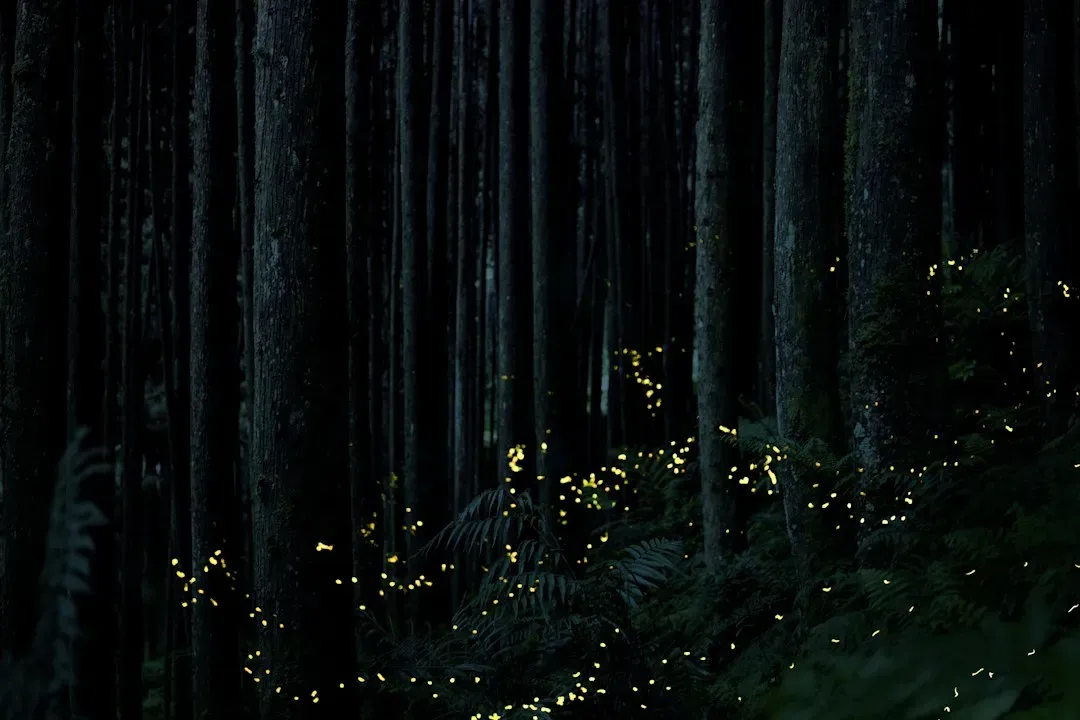
At Elkmont in Great Smoky Mountains National Park, hundreds of visitors gather each late May or early June to watch Photinus carolinus, a firefly species known for synchronous flashing. The insects flash in unison, then the forest goes dark, then it all starts again. It is magical, but it is not a drop-in event.
The rules, per the park:
- Visitors enter a lottery at recreation.gov for a $1 fee.
- Winners are charged an additional $29.
- Each reservation admits one vehicle with up to seven occupants.
- There is a limit of one lottery application per household per season.
My opinion: the “free after 62” line doesn’t apply here at all. The fees cover reservation logistics, not an entrance gate your pass can waive. Still, the lottery is worth entering, since the odds cost only $1.
If you lose, there’s a fallback. One local guide points to Joyce Kilmer Memorial Forest in Nantahala National Forest, which attracts synchronous fireflies and has no lottery. Check current conditions first, since firefly timing shifts yearly.
The next slide is where your birthday actually pays off…
#2 – Wildlife Refuges and National Forests Are Where Your Pass Quietly Pays Off
🔥 Would you like to save this?
We'll email this post to you, so you can come back to it later!
Your Senior Pass works far beyond the famous national parks.
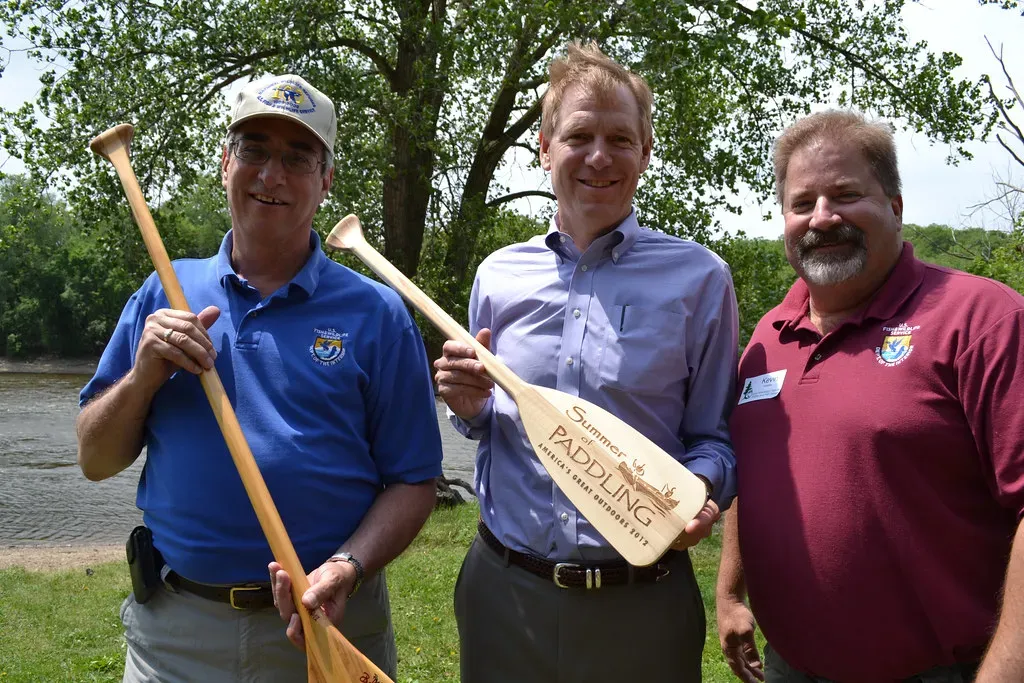
It covers entrance and standard day-use fees at sites run by the Forest Service, the Bureau of Land Management, the Fish and Wildlife Service, the Bureau of Reclamation and the Army Corps of Engineers, in addition to the National Park Service. That adds up to more than 2,000 federal recreation sites.
Most people use it at three or four big-name parks. The 63 headline national parks are only a sliver of what the pass opens. The Fish and Wildlife Service alone manages more than 560 national wildlife refuges. Refuges, forests and recreation areas often have quieter trails and fewer crowds. Programs at each vary, so check before you drive.
The money side, per official summaries:
- $80 buys a lifetime pass, and $20 buys an annual one.
- Four annual Senior Passes can be traded in for a lifetime pass.
- It generally does not cover special recreation permit fees or concessioner fees.
Here’s the controversial take: if you’re physically able and curious, skip the annual and buy the lifetime pass. Four annual passes already add up to the $80 price, so the math tips quickly. Senior pass prices stayed unchanged for 2026, at $20 and $80. The lifetime price jumped from $10 to $80 in August 2017, and prices can change again.
Finally, the one walk on this list you can count on every day…

Earth Rated XL Dog & Puppy Pee Pads, Discreet Top, Max Absorbency
Check Price on AmazonAs an Amazon Associate, we earn from qualifying purchases.
10/7/2026 1:28 pm GMTi

2 Pcs Halloween Pet Hat Bandana Set, Witch Pumpkin Costumes for Dogs
Check Price on AmazonAs an Amazon Associate, we earn from qualifying purchases.
10/9/2026 2:45 pm GMTi

Halloween Cat Costume Cloak Witch Hat Pet Accessories
Check Price on AmazonAs an Amazon Associate, we earn from qualifying purchases.
10/9/2026 2:44 pm GMTi

PetSafe Oasys Pet Fountain, 1/2 Gallon (64 oz), Small Dogs & Cats
Check Price on AmazonAs an Amazon Associate, we earn from qualifying purchases.
10/8/2026 8:14 am GMTi
#1 – Everglades’ Anhinga Amble and Glades Glimpse Run Every Single Day
🔥 Would you like to save this?
We'll email this post to you, so you can come back to it later!
The most dependable free wildlife walk in America doesn’t take a season off.
The Anhinga Amble and Glades Glimpse are offered every day, year-round, including during the summer months. Almost every other program on this list is seasonal, lottery-based or weather-dependent. These two are the exception.
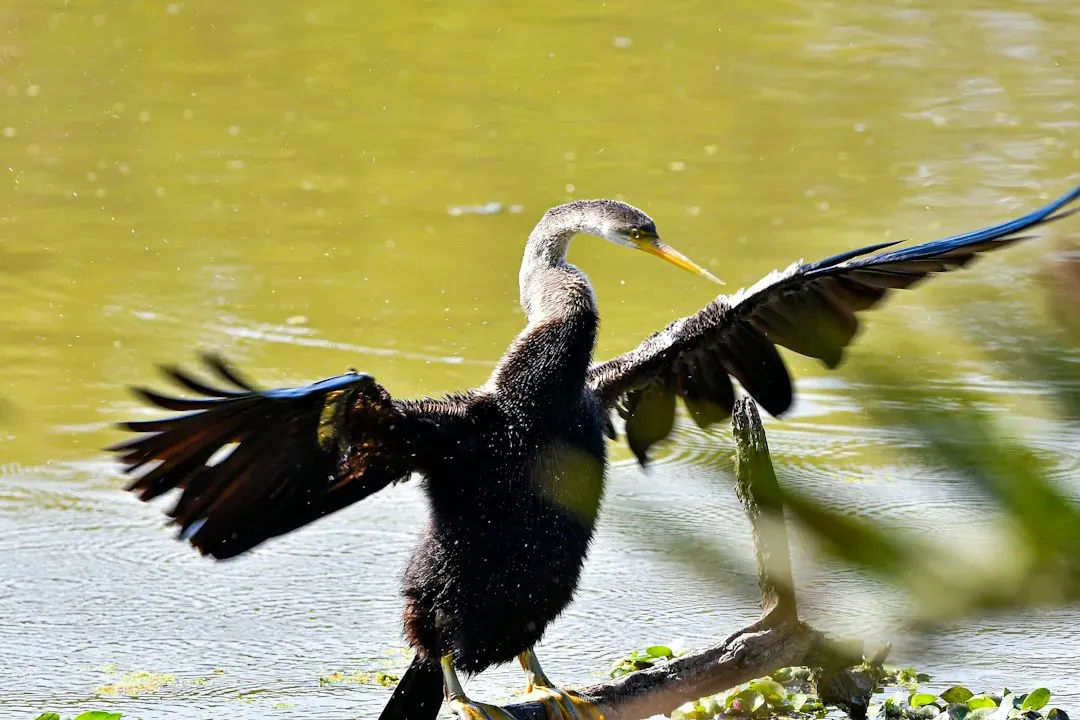
Both fall under the park’s rule that programs are free with park entrance fee unless otherwise noted. The Anhinga Amble is the sort of short, easy outing that suits every fitness level. It’s also the kind of walk where a ranger turns a pond into a lesson on predators and prey. Keep an eye out for the anhinga itself, a bird that swims with only its neck above water, then perches with wings spread to dry.
Why It Stands Out
- It runs every day, year-round, summer included.
- It’s short and easy, so it suits every fitness level.
- It’s free with the park entrance fee unless otherwise noted.
- The star bird swims with just its neck showing, then dries its wings in the open.
Here’s the truth: the walk was always free. The pass just removes the gate fee. That’s a smaller perk than the headline promised, but a real one for repeat visitors.
Opinionated advice: if you only try one ranger walk, make it a daily one. A reliable program beats a famous one you can’t get into.
Which brings us to what every one of these walks has in common…
The bottom line: Turning 62 does not make ranger walks free. They were free all along, and the Senior Pass only removes the entrance fee. That is still a good deal, since the lifetime pass is $80 and covers more than 2,000 federal sites.
The honest truth is that the best wildlife experiences here come down to timing, not age. Pick the daily Everglades walks if you want certainty. Enter the Smokies lottery if you like long shots. Skip the paid tour at Mammoth Cave if animals are your goal.
My strongest opinion: stop treating ranger programs as the free filler between the "real" attractions. They are often the best part of the trip. Which of these would you actually put on your calendar, and which park walk did we leave off?

- 11 Free Wildlife Walks American Parks Offer Once a Visitor Turns 62 - November 6, 2026
- 22 Signs a Shelter Cat Has Stopped Expecting the House to Change - November 6, 2026
- 25 Rituals a Rescue Cat Develops Around Whoever Opens the Door - November 6, 2026